
Can You Identify Northeastern PA's Noisy Bugs of Summer?
Can you hear the constant humming sound in the late afternoon?
The constant buzzing and zitzing of bugs may seem a little annoying, but the sound and motion create the aura of the summer evening. And while preventative pest control can keep noise at a minimum, some bugs and noises are just a natural part of the PA outdoors.
If you’re from Northeastern PA, you’ve probably recognized these sounds from a few local bugs.
From seasonal cicadas to regular crickets and grasshoppers, here are some of Northeastern PA’s notorious noisy bugs of summer.
Noisy Bugs in Northeastern PA
Cicadas
Cicadas are the loudest noise maker, and they make it impossible to sit outside while you're enjoying the evening night. They are so noisy that they could affect your hearing as well. According to one source, their noises are so loud (120 decibels) that they can harm your hearing.
Sounds shocking. Right?
Fortunately, the chances of hearing damage from a cicada are pretty low since you would need a full-on infestation to reach noise levels that high.
In addition, Brood X, one of the loudest species, only appears every 17 years in Pennsylvania.
You’ll be able to spot them pretty easily too. Cicadas are green and brown with black markings on their body and are 1 to 1.5 inches long. They include four fly wings folded on their back most of the time.
How and why Cicadas make noises.
Male cicadas are the primary noise makers, and they do it for a mating call or to send a distress call to others while keeping off other males. Their noises are primarily heard in the daytime, but they don't make noises in the dark.
While bugs rub their body each other to make noises, cicadas make noises with an organ called the tymbals, located on their abdomen. In addition, every male cicada includes the round ridged membrane on its back, and the side surface of the abdominal section produces the clicking sound.
Crickets
Crickets are similar to grasshoppers, and they also produce high-pitched sounds. They are being found all over the world except in the cold regions, especially in NEPA.
Crickets are nocturnal, and they love to fly in warm weather, which makes them come out during the summer. While loud, they are usually pretty unnoticeable unless you’re dealing with a heavy infestation, which would make it difficult for you to sleep at night.
How and why Crickets make noises.
Crickets are the nighttime songsters. They produce high-pitched sounds for mating, and they rub their wings on each other to generate sound. This high-pitched sound is called stridulation

Grasshoppers
Grasshoppers are the most common insect all over the world. Although Grasshoppers are not that loud of noise makers, you can probably spot their loud-pitched chirps at night if you listen closely enough. They mainly hatch in the spring and early summer, and the adult ones are the grasshoppers in PA seen in the summer.
How and why Grasshoppers make noises.
Grasshoppers make noises to attract females and to get rid of other males.
Their hind legs include different pegs inside, and they rub those against wings to create their signature chirp. Some species also make noises using only their hind wings.
Katydids
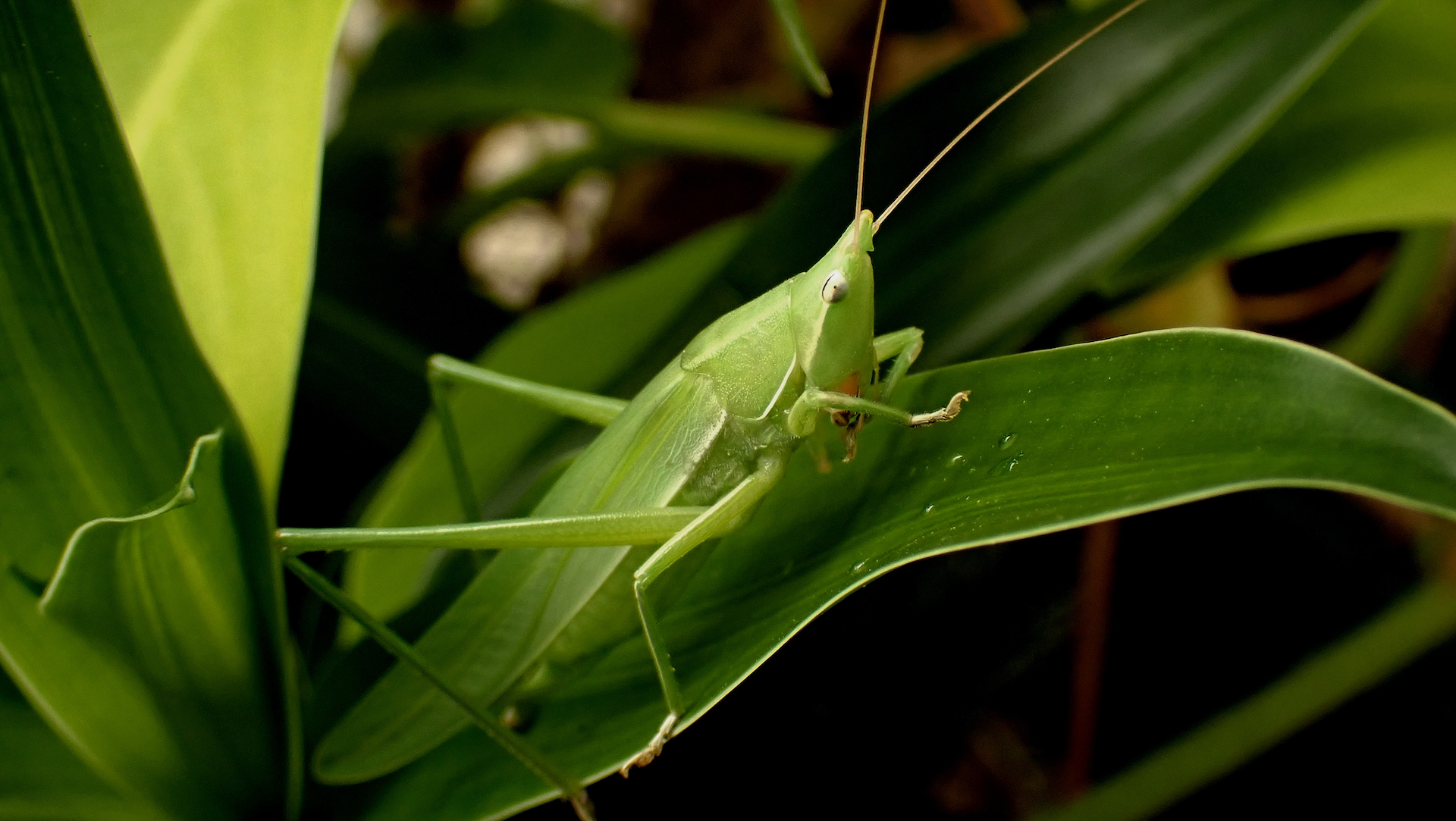
Katydids, otherwise known as bush crickets or long-horned grasshoppers, have a green and leaf-like appearance, large hind legs, and long antennae. With over 8000 species, these delicate bugs are known for their purring or buzzing sound, which is actually quite rhythmic and soothing.
How and why Katydids make noises.
The male katydids make unique mating noises, ranging from loud and striking to low and buzzing.
The sound of Katydids is similar to the crickets; they also stridulate the sound. Sometimes they strike buzzing, drawn-out and softer notes as well.
Bees
There are over 437 species of bees in Pennsylvania, including ground bees, and they are pretty recognizable for their buzzing sound that is mostly audible at a close range. Bees are important for pollination and agriculture and should never be swatted, killed, or sprayed with a pesticide.
How and why Bees make noises.
Bees become noisy bugs in the summer to attract their mates. Bees have different reasons for buzzing, as some might buzz around flowers when pollen gets attached to their bodies.
Bees generate noise through the vibration of their wings and rapid beating.
Large bees also produce low-pitched sounds because of their large body and wings.
Despite the summer invasion and noise they make, these bugs are harmless and help the ecological environment of Pennsylvania thrive. Besides, it’s these sounds that make NEPA feel like home.


Should Pennsylvania Watch Out For The Joro Spider?
Arachnophobia is labeled an irrational fear because most spiders are actually incredibly harmless. In fact, lots of ancient cultures, such as China and India, generally viewed spiders as benevolent creatures that brought good luck to homes.
Due to their predation of pests, one could even say that spiders were the original pest control experts!
However, this doesn’t mean that spiders can’t be dangerous, annoying, or invasive.
Over the years, as a PA resident, you’ve probably dealt with spiders, such as the PA garden spider and other orb-weavers. Thankfully, most orb-weaver species are not harmful to humans and may even do a good job cleaning up your property of other unwanted pests.
One orb weaver that’s gotten a lot of attention over the past few years is the Joro Spider. This bright yellow spider dawns an intimidating appearance, though it’s almost entirely harmless. So with this in mind, let’s discuss the Joro Spider and what you need to watch out for if you live in Pennsylvania.
What is the Joro Spider?
The Joro Spider is a species of orb-weaver spiders that originates in east Asia, particularly Japan and China. The female Joro Spider is most recognizable for its bright yellow appearance and blue/green stripes on its dorsum. The female can grow to around 4” long and create webs around 3” wide and 10” deep.
On the other hand, the male Joro spider only grows to 0.3” wide, is brown, and is much less intimidating than the female Joro.
While we don’t know how the Joro spider ended up in the United States, it’s certainly not native to the United States. As a result, this makes these creatures invasive to surrounding habitats.
The first Joro Spider was spotted in the US in 2014 in Georgia. Since then, it has migrated approximately 100 miles north to states like South and North Carolina.
The Joro Spider can travel through wind using its silk or by attaching itself to other pests. The Joro Spider will most likely continue its migration outward unless it’s met by a fierce predator.
As a final note, the Joro spider gets its name from Japanese folklore and is based on a half-woman, half-spider that was beautiful but would eat young men.
 Are Joro Spiders Harmful?
Thankfully, it’s safe to say Joro Spiders won’t be killing anyone soon since their venom is not toxic to anyone without an allergy. Even then, their venom is still only mildly toxic and would not even require much medical care, if any.
Joro Spiders are also not toxic to pets or plants as well. There is no evidence that they are harmful to their surrounding environment or ecosystem.
On the other hand, Joro Spiders feed on pests like stink bugs and mosquitos, making them effective pest control deputies. So in some sense, Joro Spiders are very beneficial for homes and ecosystems.
However, Joro Spider nets could be considered annoying, especially if you find an infestation on your property. Signs of an infestation will include lots of heavy webbing.
Fortunately, moving these pests away from your property is easy and harmless and doesn’t need to involve killing these creatures.
Is the Joro Spider a Threat to PA?
The Joro Spider is not a threat to PA forests or residents. Since Joro Spiders are still confined to a few states in the southeast, they would take years to migrate to Pennsylvania.
However, even if Joro Spiders did migrate this way, there’s no evidence they would cause any harm to local ecosystems or pose a threat to residents. As such, PA residents have nothing to fear from these beautiful bugs.
What to Do if You See a Joro Spider
If you see a Joro Spider, you don’t need to do anything. These creatures are totally harmless and are an excellent way to get rid of stink bugs and keep other pests away from your property.
Not all invasive species are considered dangerous or harmful. The Joro Spider is one of these creatures, and fortunately, PA residents have nothing to fear when dealing with these spiders, whether it’s now or in the future.

7 Signs You Have a Pest Infestation and What To Do
Don’t judge a book by its cover. Typically this idiom is used positively to halt judgment on a person or situation before learning the facts. But, unfortunately, pest infestations can often be more serious than we think.
From holes in your home’s frame caused by termites to rodents that hide in crawl spaces, it can be difficult to gauge how serious a pest infestation is.
For this reason, we’ve compiled this list of seven essential signs that you may be dealing with a pest infestation and need to act quickly.
1. You Actively Spot Pests
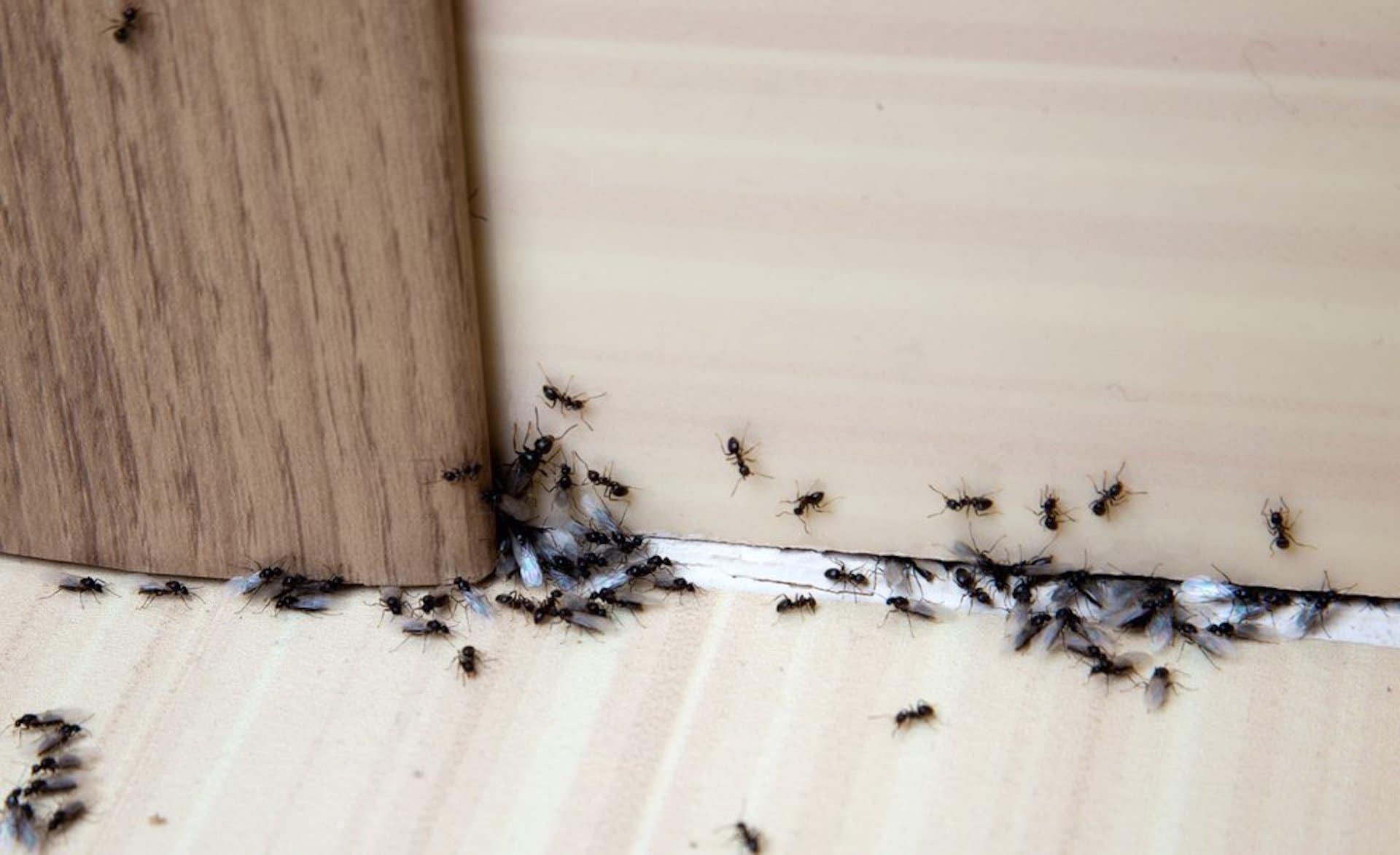
The most obvious sign you may be dealing with an infestation is spotting a rodent or pest in plain sight. While it’s common to spot a rodent now and then, especially during the winter, spotting multiple rodents at different points should trigger alarm bells.
Furthermore, spotting different pests like termites, cockroaches, gypsy moths, and bed bugs should trigger immediate action. Pests like these often are not isolated like rodents and typically travel in groups, warning you that you may have an infestation.
2. Dead Bugs
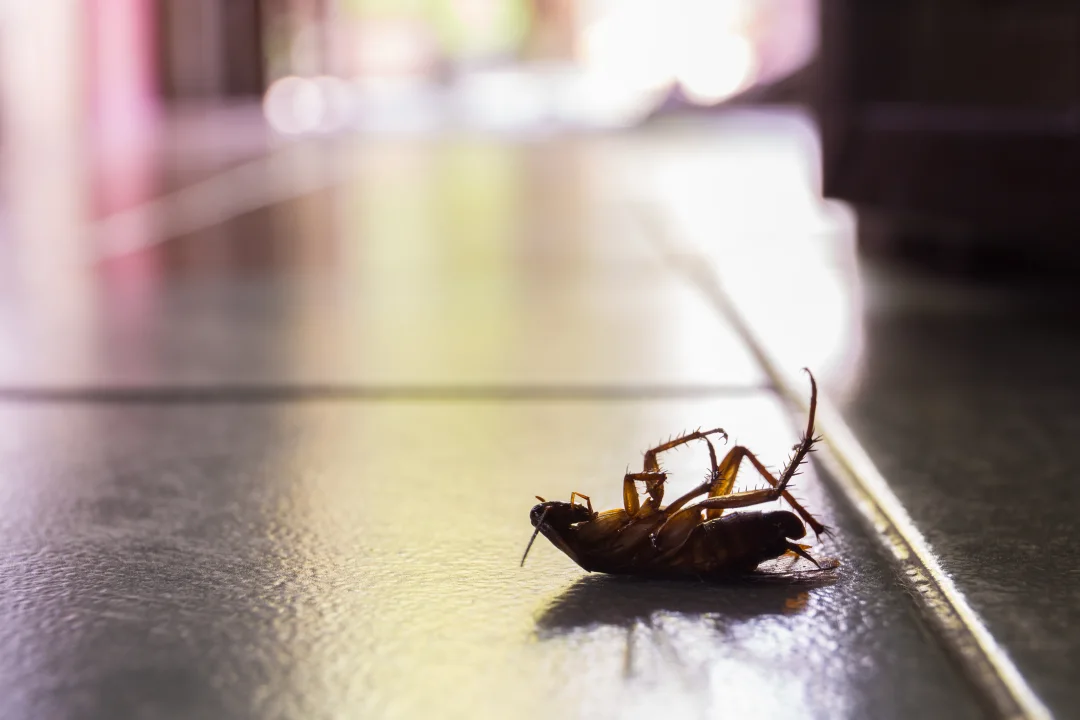
If you don’t spot active pests in your home but keep finding dead ones, you probably have a small infestation hiding behind your walls. Bed bug shells and cockroach shells from molting could also be a major sign of an infestation. If you spot frequent dead bugs or foreign pests in your home, contact an exterminator quickly.
3. Droppings
Cockroach and rodent droppings are very commonly found in dark places, such as basements, cabinets, and out-of-the-way places. In addition, droppings could be an early warning sign of termites. If you spot any droppings from a pest, call a pest control expert immediately. Pest droppings are often toxic so don’t clean any droppings without proper gloves and cleaning products.
4. Nests
Rodents and other pests can make nests out of brown material found inside and outside your home. For example, rodents often make nests in basements and small spaces using chewed-up newspaper and cardboard rippings.
Similarly, clogged gutters with leaves and other foliage could be a hotspot for rodent nests, so get your gutters cleaned and inspected annually.
5. Chewed Wires and Objects
Pennsylvania rodents especially love to chew on wires and garbage to keep their teeth sharpened. So inspect areas around your home for any holes in your walls, drop ceilings, chewed-up garbage, or damaged electrical wiring.

6. Awful Smells
Insect and rat droppings could carry an awful smell and alert you to any possible infestations. In addition, foul smells from wet areas in your home could indicate the presence of mold and other hazardous materials that attract pests like cockroaches that feed on the organic matter, which turns to mold.
7. Infestations Next Door
Unfortunately, while infestations may develop in homes or apartments, they can quickly spread to nearby areas. For this reason, you often hear of apartments and commercial buildings in cities that constantly deal with cockroaches.
Even if you eliminate the problem in one area of the property, it’s nearly impossible to eliminate a pest infestation across an entire building without properly quarantining and treating the entire property.
In addition, many pests like rodents will take shelter in warm areas wherever an opening is found, so they could quickly spread to many homes on your block or apartments in your building.
So the next time you think you’ve spotted an infestation, ask your neighbors or other tenants if they’ve spotted any signs. This will confirm whether or not you are dealing with an infestation.
What to Do if You Have a Pest Infestation
If you spot a pest infestation in your home, contact a qualified pest control specialist immediately.
A liquid spray solution like Raid and other traps may be effective in small infestations but often don’t address the root problem.
Furthermore, by implementing proper prevention methods, you could combat a current infestation and prevent new ones from occurring. For example, you can prevent pests through the following methods:
- Sealing off any holes or areas where pests can enter with spray foam insulation and weatherstripping.
- Cleaning up any garbage outside, including leaf piles that attract beetles that rodents snack on.
- Routinely clean your home, including hard-to-reach areas behind furniture and tight enclosures.
- Running a dehumidifier to prevent centipedes, snails, and other creatures that thrive in moist environments.
- Storing all food and edible material in airtight containers to prevent bugs.
- Repair any leaking equipment, such as faucets and pipes.
If you’re dealing with a pest infestation, don’t hesitate to pick up the phone. At Pest Rangers, we offer pest removal services with quick results and monthly maintenance plans to keep your home pest-free.
If you have spotted any of the signs above and fear you have an infestation, call us at 570-826-1114 or fill out the form in the upper right corner to schedule an appointment.
What Should I Expect After A Pest Control Treatment
The most important component of pest control is prevention. Luckily, even when proper prevention measures are not implemented, pest control treatment can be an effective strategy to rid your home of pests.
Pest control treatment is safe and relatively quick. For added benefit, many companies even offer pest preventative packages and warranties to cover you, so you don’t have to dole out hundreds or thousands of dollars to get rid of an infestation.
Perhaps the number one source of confusion and question among many customers is what happens after pest control treatment. Since pest control treatment ranges between pests, different steps might need to be taken, and results vary. Additionally, specific procedures will need to be followed to ensure the safety of you and your home.

What consists of a pest control treatment?
Pest control treatment involves various strategies to eliminate a pest infestation and erect measures to prevent further infestation. For example, rodent prevention and elimination often involve using traps and cleaning up any sources of food to prevent rodents from reappearing in your home. On the other hand, termite treatment may involve a liquid insecticide solution designed to kill termites as they cross into your home.
Be sure to research different pest control companies to gain a better understanding of what methods and procedures they use to eliminate different pests
How long does it take to see results after pest control treatment?
Results from pest control treatment differ by pest control method. For example, residents will experience immediate results from our bed bug control methods, which involve literally baking bed bugs until they die.
On the other hand, rodent and cockroach infestations could take days to weeks to see noticeable improvement as traps and proper cleaning are essential to eliminating these pests for good.
For the most part, pest control methods could deliver results in as little as one to two hours to a few weeks for pests that are burrowed deep inside your home.
Why do I see pests after treatment?
It’s common to see pests after treatment, which is usually a sign that the treatment is working. Often, bugs will come out of hiding once they are sprayed with a liquid solution because they are attempting to escape the source and will soon die.
Furthermore, pests like cockroaches may start appearing during the daytime in open light because their habitat is disturbed by the treatment solution, and they are confused. So don’t be alarmed if you start seeing more pests after treatment!
Will I see lots of dead bugs after a treatment?
It’s very common to see dead bugs and pests after treatment. The time frame of how long you will continue to see dead pests will depend on the treatment solution. For example, liquid treatment applied to your home's barrier to kill termites infestations will require them to come in contact with the solution to be eliminated.
Additionally, if your pest control partner uses traps and other preventative measures, this timeframe could continue for a few weeks until the infestation is eliminated.

How long should I wait to clean my home after pest control?
Generally, homeowners are recommended to wait to clean their home for up to five days after treatment. We don’t recommend mopping or applying water to any surfaces until any liquid solution has properly dried and evaporated by this point. Furthermore, we might recommend you wait for two weeks for any deep cleaning and stick to surface level cleaning in the meantime if an insecticide has been applied.
During this time, be sure to dispose of any possibly contaminated foods and wet materials, like paper towels and garbage. Additionally, inspect all furniture and clothing to determine whether or not any liquid solution has come in contact with them and whether they are safe to use.
In addition, monitor you and your pet’s health to determine if you’ve come in incidental contact with any harmful solutions. Look for red eyes, irritated skin, and more serious symptoms, such as trouble breathing, and seek medical treatment immediately.
How do I keep pests from coming back?
- Seal off any gaps or cracks where pests enter your home.
- Clean up any garbage or clutter that attracts bugs in PA.
- Store food in an air-sealed container.
- Store garbage in a proper bin with the lid on.
- Keep floors and surfaces cleaned and sanitized.
Conclusion
The last thing any homeowner wants is to call their local pest control for an infestation. However, you can rest safe knowing the team at Pest Rangers can treat any local infestation and eliminate the problem when that time comes.
In addition, we offer maintenance and warranty programs to ensure your house is pest free for a long-time.
Call us at 570-826-1114 or schedule your quote online to purchase your monthly protection plan or schedule a service. We’ll take care of any pests so that you can live comfortably again.

Be On The Look Out For Spotted Lanternfly Eggs
Spotted lanternflies are a native species to Asia, which have become invasive to Pennsylvania and other parts of North America over the last eight years.
As of March of 2022, 45 counties in Pennsylvania are now under a spotted lanternfly quarantine to corral the spread of spotted lanternflies across the region.
While these exotic bugs may not be directly toxic to humans, they can drastically impact one’s quality of life and ruin their landscaping.
For this reason, if you see a spotted lanternfly infiltration or spotted lanternfly eggs, it’s vital that you call 1-888-4BADFLY or report it online using this tool.
To help you learn more about spotted lanternflies and to prevent an infestation in your area, we’ve prepared this brief guide to help you correctly identify spotted lanternflies and lanternfly eggs.
Are spotted lanternflies harmful?
Thankfully, spotted lanternflies are not harmful to humans, and most do not bite. However, spotted lanternfly infestations can be devastating to trees and local foliage.
For example, spotted lanternflies can cause the following damage to trees, foliage, and vegetables, including:
- Dieback
- Wilting
- Sap excretion
- Mold and fungi growth
This mold and fungi growth is not harmful to humans, and there are no reported cases of spotted lanternflies completely killing trees.
On the other hand, this doesn’t mean that spotted lanternflies are harmless. Spotted lanternflies release a sugary substance known as honeydew after they feed that can coat your foliage, deck, and anything you have in the yard. While this honeydew is not toxic, it can be very difficult to clean and ruin those nice PA summer days we all look forward to.
As a side note, there is no evidence to suggest that spotted lanternflies are harmful to pets, though some people suggest they may cause vomiting. Birds tend to avoid these creatures, and so should your pets to be safe.
Residents can sway spotted lanternflies, though this is very difficult if you’re trying to control an entire infestation. For this reason, it’s critical to stop an infestation before it occurs by properly identifying their eggs and learning how to safely remove them from trees and other areas.
How to identify spotted lanternfly eggs
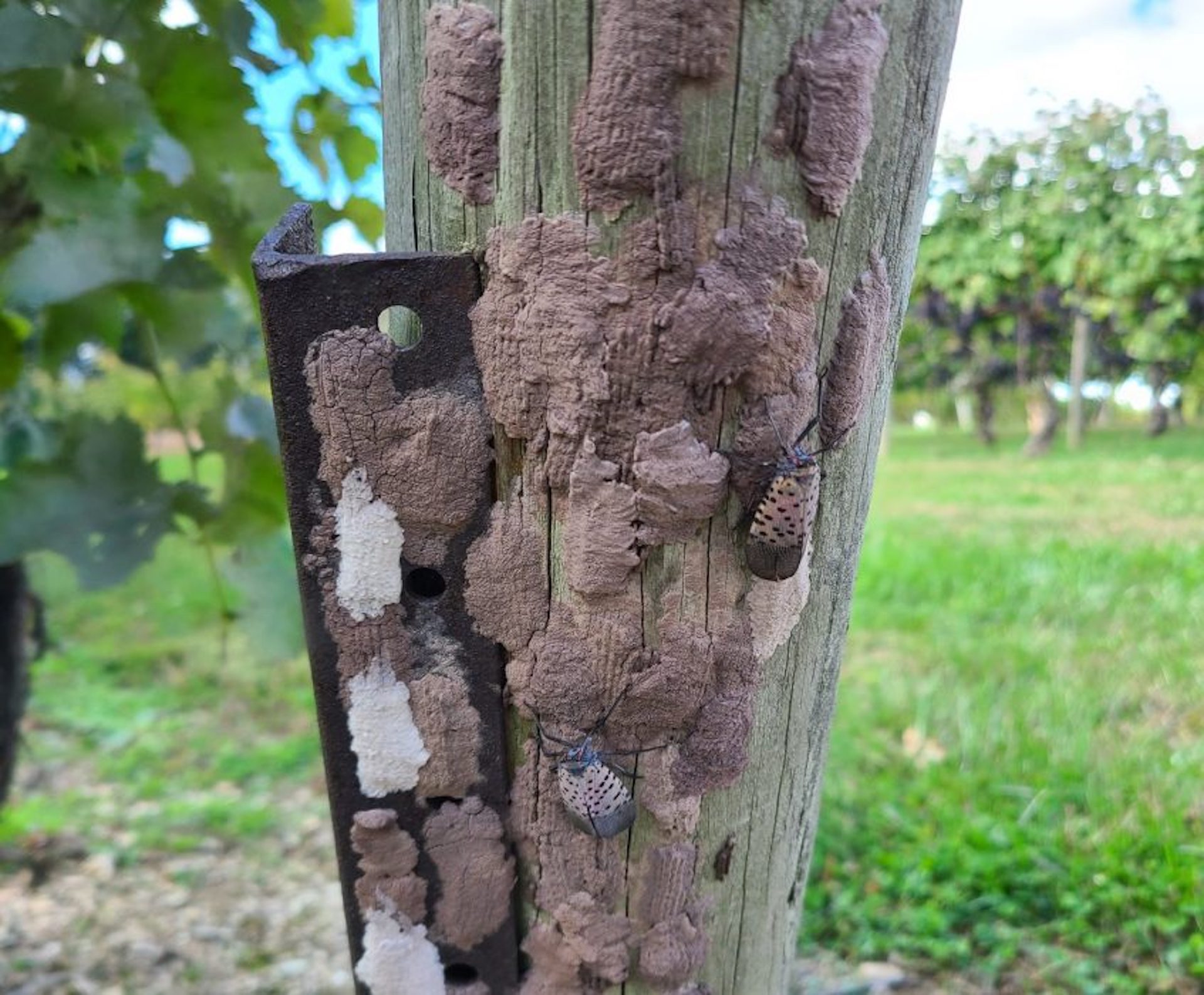
Spotted lanternfly eggs are typically flat white or brownish deposits found on trees about 1.5-inches long. These eggs can range in appearance, depending on whether or not they are covered with a hard substance.
Typically, egg deposits consist of a row of raised eggs that are jagged or smoothed, depending on if the mother covers them before the next season.
The mother attempts to cover the eggs to give them better protection against the harsh winters. However, if their habitats are disturbed, they may not have time to cover the eggs.
Older eggs will be drier than fresh eggs, and egg deposits could still be left on the tree after lanternflies have hatched. Observe the appearance and determine whether the egg deposits are excessively cracked or have emergency holes pushed through them.
As a precaution, report any spotted lanternfly eggs and remove them, regardless of whether you believe they’ve already hatched.
How can you remove spotted lanternfly eggs?
If you spot a lanternfly egg deposit, you can scrape them into a plastic ziplock bag or waste container containing rubbing alcohol or hand sanitizer and enclose the container to ensure the eggs don’t hatch.
Use a putty knife or flat tool to scrape the eggs into the bag.
In addition, some insecticides containing ovicides have shown promise in combating lanternfly eggs. For example, Damoil, JMS Stylet, and Lesco Horticultural oils have shown great promise in combating spotted lanternfly eggs when applied at a concentration of 3%.
When do spotted lanternflies lay eggs?
Generally, spotted lanternflies lay eggs during the late summer months and early fall, beginning in September. In addition to trees, spotted lanternflies lay eggs on all flat surfaces, which could include branches, rocks, your deck, or any sort of flat equipment in your yard.
When do spotted lanternflies hatch?
Spotted lanternflies hatch in mid-May, which provides homeowners and residents plenty of time to remove existing eggs and take proper precautions before they hatch. They are one of many bugs in PA you should look out for when getting your home and yard ready for summer.
What trees do spotted lanternflies lay eggs on?
Spotted lanternflies can cause significant damage to many trees that are critical to PA's local ecosystems. The following trees are under threat due to spotted lanternfly infestations:
- American Beech
- Apple
- Cherries
- Birch
- Black Gum
- Service Berry
- Dogwood
- Black Walnut
- Pine
- Grape
- Oak
- Poplar
- Tree of Heaven
- Sycamore
- Willow Peaches
- Hickory
- Maple
- Sassafras
- White Ash
Furthermore, spotted lanternflies threaten over 70 species of trees and foliage, including flowers and grapevines.
Containing the spread of spotted lanternflies can be accomplished if PA residents understand the signs to identify spotted lanternfly stages and their eggs. While not directly toxic to humans, spotted lanternflies can wreak havoc on local PA ecosystems and ruin your summer if you don’t deal with eggs and infestations as they arrive.
Contact the property authorities listed above and reach out to a qualified pest control expert if you need help dealing with a rapid spotted lanternfly infestation.

Five Benefits of Using Local Pest Control Services
When your home, business, or property has a pest problem, remediation may be too big a job to handle on your own.
Maybe you’re not comfortable with DIY pest removal. Maybe you just want to ensure the problem is fixed permanently. In either case, a local pest control professional can help.
What is local pest control?
You could probably name some of the more well-known big-box pest control companies. They spend thousands on television, print, and digital advertising. They have several locations throughout the country and have a long business history. Chain extermination services can address the problem, but you will likely not have the personal connection you find with a local company.
Local pest control services are simply independently-owned pest control companies. They may only have a few locations and cover a smaller service area. The management and staff live in or near the area in which they serve. Many of them know their customers personally. Sometimes that connection has a major influence on the companies we hire for different services.
What are the advantages of using local pest control?
Help the local economy.
Working with any local company gives a boost to the local economy. Small business owners are our family members, friends, and neighbors. These businesses are at the heart of the communities in which they serve. Decades ago, every small town had a vibrant business district where residents could buy just about anything. As more businesses shuttered, or later moved online, towns’ business districts were no longer as vibrant. Hiring local vendors and keeping your business in the community is a win-win for everyone.
Work with professionals you know.
Northeastern Pennsylvania is a large geographic area full of small communities. Area residents know each other, are passionate about helping each other, and do their best to make their communities great places to live and work. People are comfortable hiring service professionals they already know—especially if they have hired them before. Nothing speaks to a company’s success like a repeat customer.

Five benefits of using local pest control experts
1. The techs know the area.
Local companies like to hire local employees. Most should be familiar with the company’s service area, so they can arrive at a job on time. Larger big box pest control companies with several locations or a larger service area may lack that familiarity, and simply have a more difficult time finding your home.
2. Stronger personal connection to the company.
People are generally more comfortable working with people they already know. Even if a customer doesn’t know the owner or employees personally, they likely know of their reputation, caliber of work, and customer service philosophy.
3. Familiarity with common local pest infestations.
Local pest control companies don’t just know the people and landmarks in their communities. More importantly, they are familiar with the pest problems common to the area. In Northeastern Pennsylvania, common pest problems include rats and mice, squirrels, and insects including bees, stink bugs, and ticks. Check out the 25 most common insects found in Northeastern Pennsylvania. Different parts of the country have different pest problems; it’s important the company’s technicians are familiar with the local pest population so they use the proper remediation techniques.
4. Personalized customer service.
Local companies will tailor their customer service and remediation techniques to each customer, rather than use a standard, “one-size-fits-all” approach. If it is a repeat customer, the technician already has some awareness of the household, its previous pest problems, and remediation methods used. This will help the technician keep the home pest-free going forward.
5. Easier to refer business.
Just as nothing speaks to a company’s success like a repeat customer, referring the company to others is an even stronger vote of confidence. A customer refers a company because they A. Know the owner or an employee personally and can verify their reputation, or B. They have used the company and were satisfied with their service.
How to hire a local pest control expert
Ask for referrals.
Referrals and word-of-mouth advertising are still two of the most powerful marketing tools. Just as you, a satisfied customer, would refer a business, you can ask your network for referrals when hiring an exterminator. Reach out to family, friends, and co-workers for names of reputable, reliable local companies with the expertise you’re looking for.
Look at the company's website and social media.
Regardless of the pest control company you use, they need to have the necessary experience for your specific problem. For instance, termite and bed bugs are among the most challenging infestations. Technicians must be licensed to use termite removal products. View profiles on social media pages or visit the company’s website to learn about their services and whether they are the best fit for your needs.
Ask for their credentials.
Pest control professionals are required to be licensed in Pennsylvania. If that information is not readily available on the company’s website or other marketing materials, be sure to ask about the team’s credentials if you decide to call them.
The Pest Rangers is proud to be a local pest control company serving areas throughout Northeastern Pennsylvania. Call us today and learn how our team of professionals can help fix your most challenging pest problems.
Do You Believe Any of These Top Bed Bug Myths?
From misinformation about their biting/stinging behavior to their sleep patterns, insects are largely misunderstood, creatures.
Bed bugs top the list of insects we don’t know much about; therefore, we don’t completely understand how they behave, how they get into our homes, or how to get rid of them.
We’re here to help. Let’s debunk some common bed bug myths.

1. They only live in dirty places.
One of the most persistent myths about bed bugs is that they only inhabit dirty or cluttered spaces. The fact is, bedbugs can find their way into any type of dwelling.
A 2018 National Pest Management Association poll showed bed bugs were found in nursing homes (59 percent), schools and daycare centers (47 percent), offices (46 percent), college dorms (45 percent), hospitals (36 percent), and public transportation (19 percent). The highest rate (91 percent) was in single-family homes. Bed bugs can inhabit any kind of home, but minimizing clutter in a home reduces potential hiding places for these pests.
2. Bed bugs only live in mattresses/bedding.
Despite their name, “bed bugs” are not just found in beds. Bed bug infestations can be found in clothing, furniture, and carpeting, as well as bedding or mattresses. People have also found them in suitcases after returning home from a trip, so it’s important to put all clothing in the washing machine when you get home. Bed bugs prefer small, enclosed spaces like pants pockets and corners of suitcases, so check your bags and everything in them thoroughly.
3. Bed bugs carry/transmit diseases.
Rest assured, these insects do not cause or spread disease; however, bed bug bites can itch. Excessive scratching could cause a secondary infection or other reaction.
4. You cannot see bed bugs.
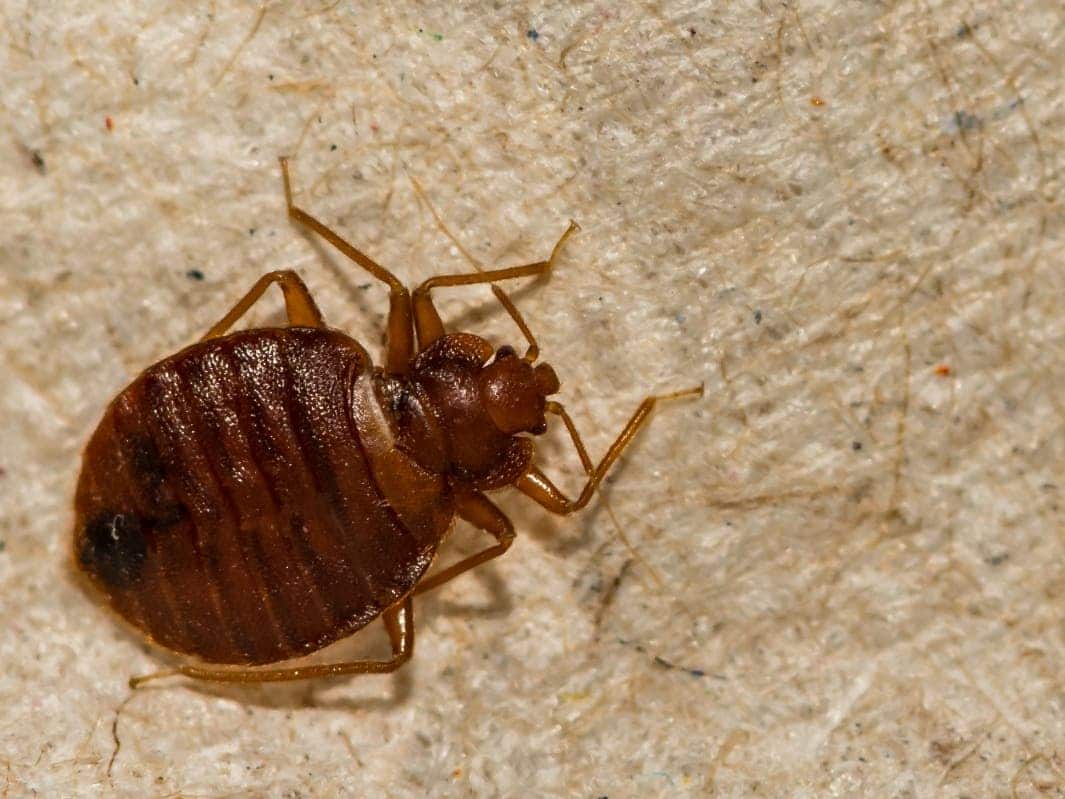
Young bed bugs are roughly the size of a poppy seed; adult bed bugs, about the size of an apple seed. They are difficult to see in great detail with the naked eye, but they are definitely visible.
5. They only bite at night.
Bed bugs are nocturnal but can bite at any time. Another common myth says bedbugs are always feeding. Bed bugs can actually go for weeks or months without eating. It can take a young bed bug weeks to digest a blood meal.
While it’s true that bed bugs are more of a problem in densely-populated urban areas, where apartment-style living is more common, people living in more rural areas can get bedbugs in their homes, too.
What do I do if I see bed bugs?
Adult bed bugs are approximately ¼ long. They are visible to the human eye but prefer to hide out in cracks and crevices in walls and furniture. Bat bugs, fleas, and spider beetles also look like bed bugs.
Having bed bugs in your home is not a reflection of your housekeeping routine or the condition of your home. If you see them, don’t beat yourself up. Contact your landlord if you rent your home. If you own your home, contact a trusted pest control management professional.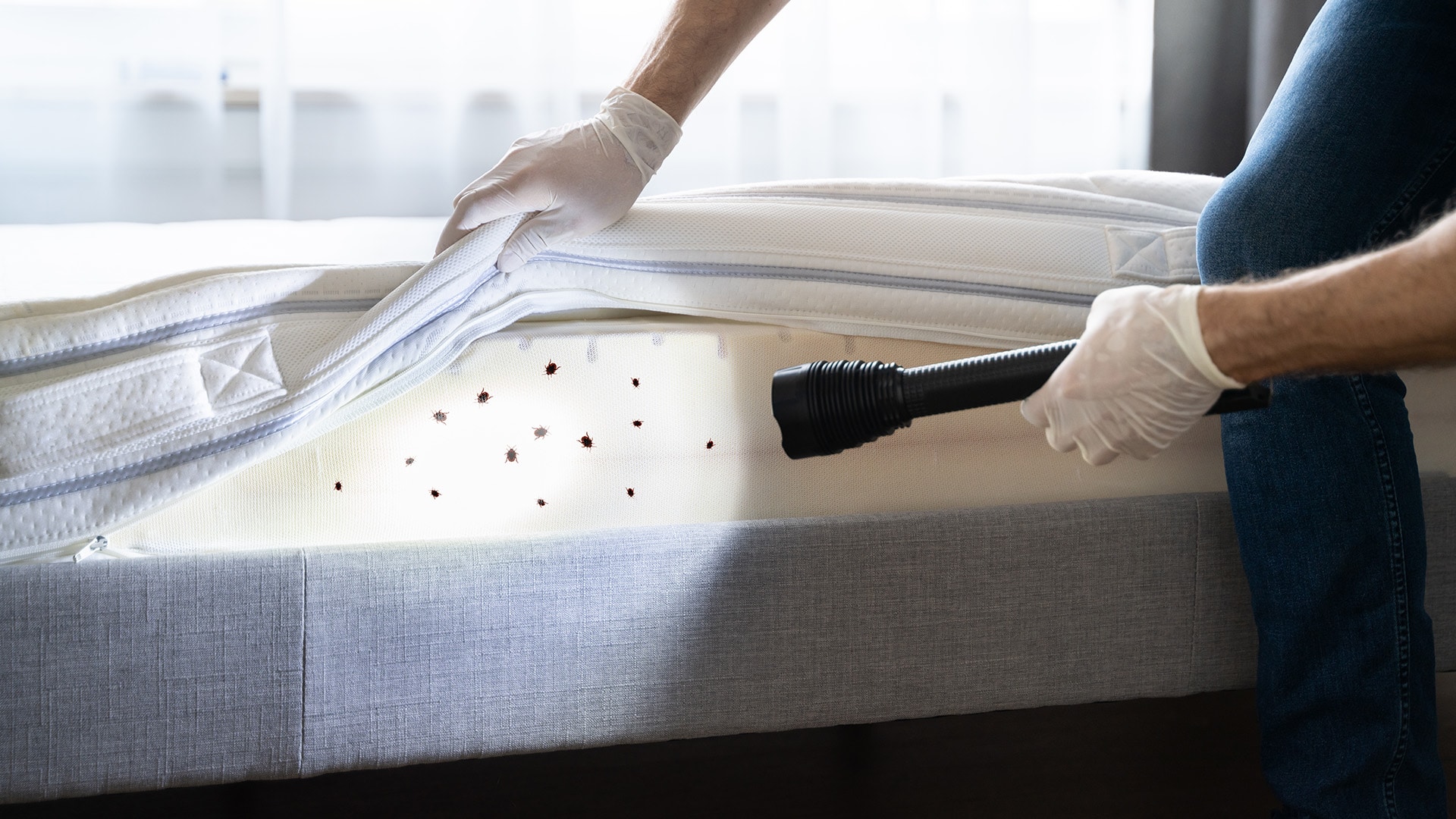
How do I get rid of them?
First, determine whether you actually have bed bugs. If you see little black bugs around your house but aren’t sure what they are, call a pest control professional for a consultation.
Don’t attempt to get rid of them with garden pesticides. Outdoor pesticides are strong and could make you or your family members sick.
Working with a pest control management professional is strongly recommended; however, if you want to try a DIY method, read product labels carefully. Many pesticides are not intended to be used indoors.
Wash your clothing and bedding in hot water immediately. This should kill any lingering bed bugs. Furniture, carpeting, and mattresses can be treated with a special spray intended for bedbugs. Just throwing any of these items away can spread the bugs.
Heat treatments and “bug bombs” are some of the most common removal methods. It may take more than one treatment to rid your home of the bedbugs completely.
Here is an interesting fact—bed bugs are attracted to the carbon dioxide emitted by humans. CO2 has been used as an attractant in traps, and pest control professionals use high levels of CO2 to eliminate bed bugs, rather than harmful pesticides or other methods.
Due to a resurgence in the bed bug population and countless infestations over the last decade, new control and mitigation methods have been developed. A Penn State University scientist developed a new biopesticide that is expected to be at the forefront of bed bug control. Although bed bugs will not carry disease or damage your home or property, they do bite, and you certainly don’t want a bug infestation in your home.
Always contact a pest control professional for any large-scale insect infestation in your home rather than try to tackle the problem on your own. A trained technician can assess and diagnose the problem and determine the best way to get rid of invasive pests.

What's the Difference Between a Pest and an Insect?
Just a pest isn’t always an insect, insects aren’t always pests.
It’s true that both pests and insects can be an expensive nuisance for homeowners in Northeastern Pennsylvania. Before you prepare to shell out unnecessary cash to rid your home of these creatures, it’s important to understand the differences between the two, and why they may not be as big a nuisance as you first thought.
An insect is a creature whose body consists of three sections—a head, thorax, and abdomen—and is protected by a hard outer shell called an exoskeleton. They have six legs, a pair of antennae, and two sets of wings (except for ants and flies). Insects can live in the most extreme climates and are found in essentially all parts of the world.
A pest is any living creature that is undesirable due to a negative trait or behavior. Pests can be vertebrates, including rodents and birds or invertebrates, such as insects and even some harmful plants. Invertebrate pests include insects like:
- Cockroaches
- Lice
- Ticks
- Mites
- Mosquitoes
- Thrips
- Bed bugs
Besides the physical damage these creatures can cause, pests are harmful to our health, often carrying disease. Learn about “good bugs” and “bad bugs”

So why do some insects become pests?
Some insects are viewed as pests if they pose a risk to humans’ or pets’ health, our food sources, or property. Insects are treated as pests if they harm any of these things.
Not all insects cause damage. Honeybees, spiders, and ladybugs are beneficial organisms. These insects, such as honeybees, assist with pollinating flowers and other vital plants. Spiders and ladybugs help control the insect population through their eating habits.
Insects, whether beneficial or destructive, can be considered pests when they infest a building, like your home or business. One insect that comes inside can be removed easily; a large swarm of insects (and creatures known to be pests, like bed bugs or cockroaches) require more intense remediation methods.
What is the best way to kill pests?
Effective pest control is a combination of powerful killing agents and using products that will not harm people, pets, or plants.
In years past, farmers and gardeners used powerful chemical-based pesticides for pest control on their plants and crops. Although effective, these products often caused health problems for people or animals. Today, agriculture professionals use other methods, such as traps, natural remedies, and biological pest control.
What is biological pest control?
Classical biological pest control relies on releasing a controlled amount of the pests’ natural predators into the affected area. This method is highly effective for minimizing the damage caused by invasive pests. Augmentative biological control is the purposeful release of commercially raised natural enemies in greenhouses or on crops. This process is used to eliminate harmful insects, but not damage weeds or plants.
Biological pest control has several benefits. It is less expensive than most remediation methods. It is also safer for all involved—humans, pets, and plants/crops. Augmentative pest control is an effective but temporary remediation method. It must be done every year for the best results.
What is cultural pest control?
Cultural pest control is another crop manipulation system used mainly on farms or nurseries to reduce or eliminate pests. Methods can range from the simple adjustment of planting dates or crop rotation to more complex approaches like rearranging the layout of crops. This type of pest control can be complicated, difficult, and expensive to implement, yet it shows the importance of effective pest management for all types of consumers.
How do I protect my home and property from pests?
Prevention is the best way to protect your home and property from pests. For pests like insects, the following maintenance and upkeep tips are effective:
- Seal all cracks and crevices along door or window frames with caulking
- Repair/replace any holes in door or window screens
- Check window eaves, roof soffits, and other small spaces for obvious signs of insect nests or eggs
Pests will also come inside looking for food. To prevent infestations:
- Store food in airtight containers made from glass, plastic, or metal. Not only will paper bags and cardboard boxes not keep pests out, but most vermin can also easily chew right through this type of packaging.
- Store food in a cabinet or pantry. Do not leave opened containers of food on counters or tables.
- Cover all uneaten food with plastic wrap or aluminum foil.
When is it time to call a professional?
Farmers, gardeners, and commercial pest control clients have their own unique needs for safe, effective remediation. Homeowners need remediation methods that are safe, effective, and easy to use. DIY methods can have mixed results—the insect infestation may return if the product was not applied properly or used for the right amount of time. Rather than spend more time and money on methods that may not deliver the results you want, it may be time to call a pest control professional.
Contact The Pest Rangers below for a free consultation today. We will assess the issue, develop a remediation plan, and put it into practice immediately. If not satisfied, we will return to your home at no additional cost until the issue is resolved.

Your Guide to Spring Insects in Northeastern Pennsylvania
It’s almost spring in Northeastern Pennsylvania. We love the warmer weather and seeing plants and flowers starting to bloom.
But warmer temperatures also mean certain insects will emerge from their overwintering sites and become more active. Some spring pests may invade your home or business. Regular preventative measures can keep this from happening.

What kind of bugs are active in the spring?
Keep your home pest-free by protecting your home from these common spring insects:
Boxelder bugs. Boxelder bugs are dark grey with a jaunty red stripe. As their name implies, they usually feed on boxelder trees. These insects are not destructive to your home or property, nor do they carry disease. They are simply a nuisance for homeowners.
Mosquitoes. Mosquitoes are among the first insects to emerge in early spring and have a short list of endearing qualities. These insects have stealth-like biting behavior that creates itchy, swollen spots on our skin. They are also known for carrying diseases like malaria and West Nile virus (likely because of their attraction to standing water).
Asian lady beetles. Often mistaken for the standard ladybug, Asian lady beetles are usually found in homes in warm weather. Asian lady beetles are usually brown or dark red in color and have a distinctive M-shaped mark on the top of the head. While not destructive, these insects can give off an unpleasant-smelling yellow liquid when they sense danger.
Cluster flies. These larger versions of the typical housefly can be a nuisance. The cluster fly gains entry to a home through cracks in siding, under eaves, or around windows, and like hanging out in attics in large swarms. Although irritating to many homeowners, fortunately, they are not destructive.
Kudzu bugs. Similar in size to the lady beetle, kudzu bugs enjoy feeding on kudzu, wisteria, and soybeans. At times they will find their way into a home looking for food sources and are often found around window and door frames. Sealing any cracks or crevices and installing screens are effective deterrents for these insects.
What bugs are found in Northeastern Pennsylvania?
Mosquitoes, boxelder bugs, and Asian lady beetles are just some types of insects you’ll find in Northeastern Pennsylvania during the warmer weather. The following are also commonly found in the area:
Bed bugs. Bed bugs are among the most persistent species of insect. They are not known carriers of disease, but will frequently bite humans, causing an itchy red spot on the skin. Bed bugs can get into a home on their own, especially to escape cold temperatures, but are also easily transported from one place to another.
More people travel as the weather gets warmer, which increases the odds of bringing bedbugs into your home. These small brown insects love to burrow inside suitcases, purses, and backpacks. When traveling, utilize a suitcase rack rather than leaving luggage on a bed or the floor. And when returning home, wash your clothing and put them in a hot dryer as soon as possible.
Brown marmorated stink bug. A native of southeast Asia, this invasive pest was first introduced to the United States in nearby Allentown, PA. This insect is a particular nuisance to farmers, as it feeds on valuable crops and plants.
Fortunately for homeowners, these insects are not destructive. They do have a kind of stealthy behavior, often landing in unexpected places, such as on one’s hair or clothing, seemingly from out of nowhere. Stink bugs enter a home through cracks or crevices in window and door frames. Ensuring all windows and doors are closed tightly and all cracks are sealed can help prevent stink bugs from entering your home.

How can you identify a bug?
Insects can be identified in several ways:
- Body-color or markings. Some insects look very similar, with only subtle differences to tell them apart. Taking a photo that you can inspect more closely later can be a big help in identifying the correct species.
- Body type.
- Habitat. In what kind of environment did you find the insect?
- Size.
- Whether it has antennae or not.
If you find an insect out in the wild or somewhere in your home and are unsure of the type, take a photo of the insect. There are countless insect identification guides available in both hard and digital copy that can help you learn more. Or you can do a search of your findings using a tool like Google images to identify the species.
Don’t let an insect invasion ruin your spring! Instead, secure your home against pests with these simple, routine maintenance tips:
- Check window and door screens and repair any holes as necessary.
- Seal any cracks or crevices in your home’s foundation or points of entry with caulking.
- Sweep off any outdoor furniture to remove insects who may have sheltered there all winter.
- Spring clean your home. Air out bedding and linens, steam clean your carpets, give your shelves and cupboards a thorough cleaning. Toss out old or expired products. Insects like to lurk in dark corners and unused items, so check those areas, too.
If you suspect an insect infestation, don’t wait on pest control. Contact The Pest Rangers for a free consultation and enjoy your home and backyard all season long!

Top 5 Reasons You Should Fire Your Pest Control Expert
It is always recommended that you do some research on anyone you want to hire. As a homeowner, whether you need a plumber or pest control expert, it’s important to check the credentials of any professional hired to do a service in your home.
For pest control experts, be sure they have the skills, experience, and professional licensures necessary to conduct the remediation methods you need. Read on for more tips about what to look for when comparing pest control services, and how to tell when it’s time to find someone else.

What does a pest control expert do?
As the job title suggests, pest control experts are responsible for controlling pests in a home or business. These professionals typically complete the following duties:
- Inspect your property to detect pests
- Draw up a quote for work to remove pests
- Identify the possible point of entry for pests
- Develop a remediation plan for pests
- Conduct routine inspections and remediation procedures to prevent future pest infestations
How do you know if you have a qualified pest control expert?
Requirements vary from state to state, but in Pennsylvania, pest control experts must be licensed. Be prepared by researching the qualifications a pest control expert should have, and some basic questions to ask the pest control companies you speak with to ensure they can do the job.
Asking questions up front is an important part of the hiring process, especially if you have a challenging insect problem. Bed bugs or cockroaches, for instance, are extremely difficult to remove. Be sure the technicians at any pest control company you speak with has the right experience with getting rid of these types of insects.
Five reasons why you should fire your pest control expert
1. Improper safety measures.
At a minimum, the technician should be wearing long pants, a long-sleeved shirt, gloves, goggles, or other protective eyewear when on a job. Their level of self-protection is a direct reflection of how they are protecting you and your family.
2. Misrepresenting the products used.
A company claiming to only use “organic” or “green” products, then uses synthetic or unsafe products is a company you may want to think twice about working with. Not only are the technicians potentially putting you and your family at risk by using harmful products, but they are also practicing false advertising and sharing misinformation with customers. Misrepresentation
3. Technician does not provide full disclosure.
After every job, a technician is required to give you a complete list of the products they used. This is necessary if you or someone in your household (even a pet) has a reaction to any of the products. Be sure the tech didn’t give you a written notice and you just misplaced it before you terminate your working relationship with them. Things get lost—make sure that’s the case before calling it quits with the company.
4. The company’s license is expired or has been suspended.
As we already mentioned, in Pennsylvania, pest control technicians must be licensed. That should be one of the first things you ask a company you wish to do business with. If the information is not readily available on the company’s website, ask about it when you schedule a consultation.
5. You are not satisfied with their service.
If the problem persists, even after several treatments, it might be time to find another pest control company. Sometimes the company feels confident they can handle the infestation, but it is actually worse than they expected. If the problem requires more than a few follow-up applications, it will likely cost you more in the long run. Think about the cost savings and solving the problem in a shorter amount of time, and shop around for a new company.
How to fire your pest control expert
Maybe you only used a pest control company once and were not satisfied with them for any of the above reasons (or something not mentioned). The next time you need pest remediation, simply shop around for a different company, using our tips below as a guide.
If you have used the same pest control company in the past and were generally pleased with the results, give the manager a call and discuss the issue. Maybe there was a misunderstanding that can be fixed easily.
Depending on the reason you are no longer working with the company, you may want to call the technician’s manager to bring the issue to their attention. The manager will likely appreciate you notifying them and alerting them about anything that might affect their business negatively.
How to find a reputable pest control expert
- Ask for referrals. Word of mouth is still the single most effective way for a business to gain new customers. Ask friends, family, and colleagues for names of reputable, effective pest control companies, or create a post for social media which says you are looking for referrals.
- Do a Google search of local companies. There is no shortage of professional service sites. Use them to research local pest control companies. Read customer reviews and visit the company’s website. Look for testimonials from satisfied customers.
- Ask the outgoing company. If a company cannot deliver the results they promised, they should refer you to a company that can.
If you’re looking for a pest control company that will not just meet, but exceed, your expectations, give us a call today!

Top Valentine's Day Gifts for Bug Lovers
It’s Valentine’s Day! What better time to give your special someone a gift they’ll never forget? If your significant other (SO) happens to be a bug lover, skip the flowers, traditional chocolates, or sappy card. Go for something untraditional, but super meaningful, instead.
Finding just the right gift can be challenging enough, but when your SO has an interest you know little to nothing about, the challenge is even greater! Don’t worry. We’re here to help. We have plenty of unique ideas that will leave them…well, buzzing with happiness at your creativity and thoughtfulness!
Here are a few fun gift suggestions for your love bug:
- Fun socks with a bug print. Let’s face it—most dress socks are boring. Over the last few years, more clothing brands have evolved their sock lines to include fun designs. Socks are a subtle way to show off our personality and the things we love. So help the one you love share their love of entomology with the world. Whether it’s bees or butterflies, ladybugs (long thought to bring love), or lightning bugs, there are several brands of socks on the market that can add some pizzazz to your wardrobe.
- Wall hanging or tabletop décor with a bug theme. When we are passionate about something, or just really like the look of it, we want to share it. Your beloved is likely no exception. Encourage your SO to share their interest in insects with some cool artwork. From delicate wire sculptures of dainty insects like fireflies, dragonflies, or butterflies to sturdy resin figures, you are sure to find just the right piece for your SO’s home—or nest, if you will.
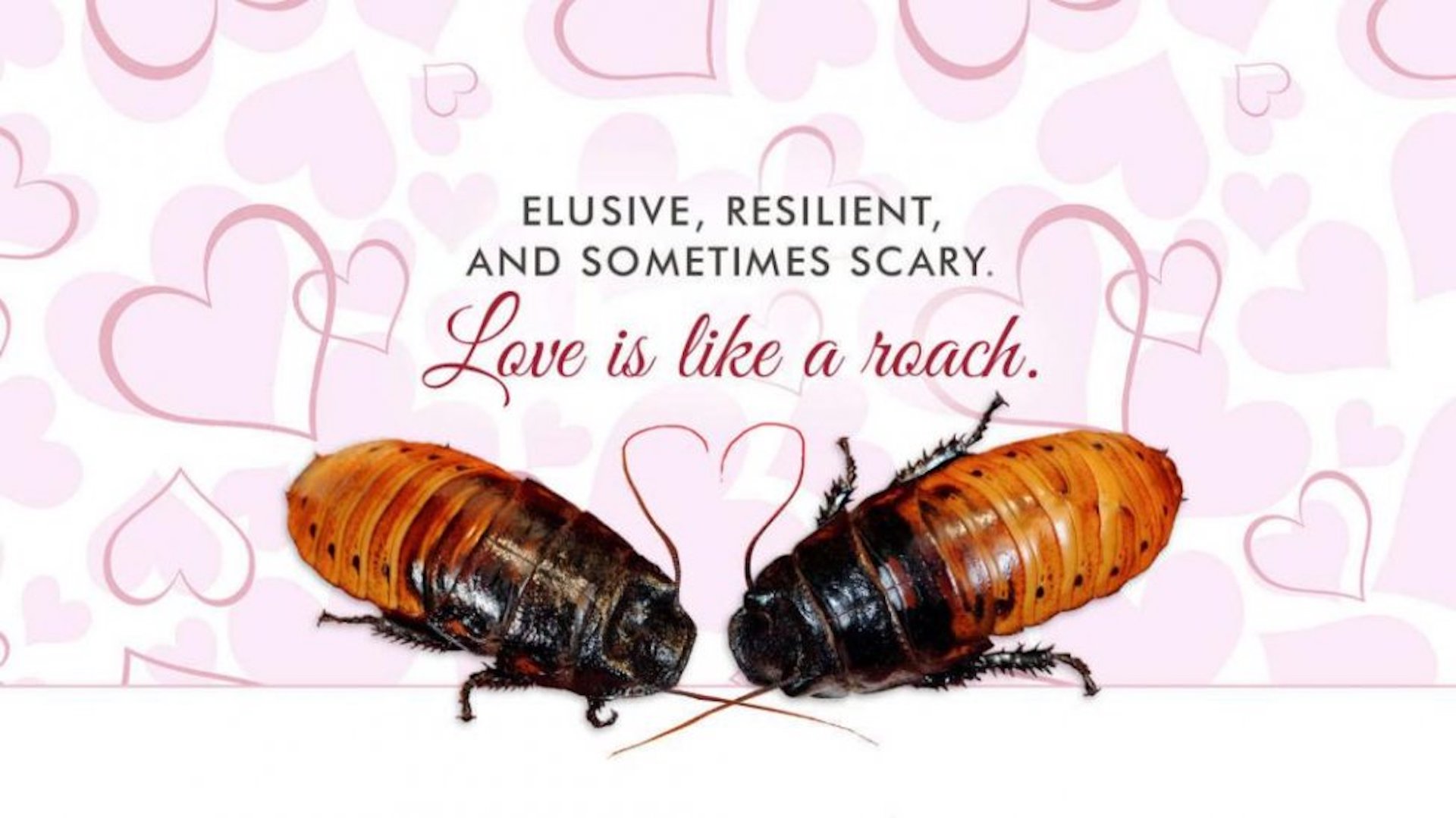
- Name a Roach. Rather than a plush animal, why not get your sweetie a real one? Well, sort of. A real insect, anyway—check out The Bronx Zoo’s Name a Roach package. The Zoo has several roach-themed gifts available; the full package includes a printed certificate with your roach’s name and a Valentine’s Virtual Encounter, which allows up-close-and-personal access to a sweet and cuddly Madagascar hissing roach.
 Perhaps your insect-loving other half would appreciate something more practical. We’ve got you covered there, too:
- Magnifying glass. A high-quality magnifying glass is the perfect gift for your favorite bug lover. And although most of the gifts on this list are for adults, don’t forget the little entomologists in your life! A “starter” magnifier is a great way to encourage kids’ interests in the natural world by giving them the opportunity to inspect their favorite insects in greater detail.
- Insect identification guide. If your partner is new to entomology, a basic insect identification guide is a great gift. There are plenty of guides available online, ranging from very broad insect classification to narrower, species-specific versions. These guides are helpful for determining markings on different types of insects, many of which are very subtle until you see them up close. Guides are helpful learning tools for little bug lovers, too!
Or, for your favorite “foodie”, consider these bug gifts:
- Bug-shaped candy. Put your own twist on the traditional heart-shaped box of chocolates with candy in fun bug shapes. Companies like Williams-Sonoma and Oh! Nuts! sell chocolate assortments with each piece wrapped in foil printed with a bug theme. Not a fan of chocolate? Look for bug-shaped gummies from companies like Annie’s, Albanese, and Frankford. And of course, the timeless gummi worm never goes out of style.
- A jar of gourmet honey. There is so much to love about honey. It’s all-natural, it never spoils, it has some medicinal properties (great for soothing sore throats!) and it’s available in a wide range of flavors—from the traditional, classic version to interesting artisan combinations that infuse different fruit, flower, or spices into the basic honey. This gives it a flavorful kick, providing the perfect finishing touch to a host of recipes.
- Bug lollipops. You read that right. Hotlix is among the most well-known insect lollipop companies. Choose from Scorpion Suckers, Cricket Lick-It Suckers, Tequila Worm Suckers, or purchase a variety pack to give your SO some flavor options.
- Chocolate-covered crickets, grasshoppers, and other insects. Nothing says “love” like flowers and chocolates, so why not take it to the next level for your favorite bug lover? Add your own unique twist to the typical box of candy with chocolate-covered insects—grasshoppers, crickets, ants, or a sampling of different species. Admittedly, this gift choice is not for everyone. Insects are surprisingly good for us (they contain a tremendous amount of protein), but we get that eating a bug is pretty high on most folks’ “yuck” factors.
What’s wrong with a “standard” Valentine’s Day gift?
There’s nothing wrong with sticking with tradition. Sure, it’s the thought that counts, but why stick with the tried-and-true gifts for your one and only when you can find something truly unique? Look for one-of-a-kind gift finds with independent retailers, local crafters or artisans, or small companies that specialize in distinctive items. You want a gift for your SO that is as special as they are. Hopefully, our list gave you some ideas to get started!

How to Avoid Winter Pest Problems: Ultimate Guide
Summer is undoubtedly the peak season for insects. For homeowners, however, fall and winter pest problems can be even more of a headache, as the cold weather drives insects and rodents indoors.
Mice and rats, squirrels, and insects are just some of the critters finding their way into homes of all kinds. They follow their food sources and seek shelter from the cold weather in attics, basements, and other dark, dry areas of a house.
Pest control is not just a one-season activity; rather, it’s something that needs to be addressed year-round.

Top winter pests in Northeastern Pennsylvania
Insects don’t just die and go away completely during the winter. Many just hibernate for a few months. Homeowners in Northeast Pennsylvania should be aware of these common pests who seek shelter indoors this time of year:
- Mice: Mice are notorious chewers and can wreak havoc on a home’s electrical system by gnawing through wires. They are also notorious spreaders of disease, leaving urine and droppings behind as they scurry throughout a space. People with allergies or other health conditions can experience serious side effects from a rodent infestation.
- Rats: Rats are a bit less active in the winter than their mouse counterparts, but still seek shelter indoors. Rats want a food source and will look for it inside. They typically cause the same problems as mice—namely, chewing and potentially spreading disease.
- Cockroaches: Like most humans, cockroaches really dislike the cold. Room temperature is, unfortunately, the ideal climate for cockroaches. These insects have earned their reputation as a nuisance. Not only do they reproduce quickly in the right environment, but they are also known spreaders of diseases like salmonella, typhoid, and plague. Cockroaches can be very difficult to get rid of; contact a pest control professional rather than use a DIY method.
- Bedbugs: Fortunately, bed bugs do not carry disease. Unfortunately, they are very easy to transmit from place to place, and, like cockroaches, can be difficult to get rid of. Rather than spread disease, a bed bug will bite. The affected area will become red and itchy—the discomfort they cause is reason enough to consider them a nuisance.
- Silverfish: You don’t have to worry about silverfish carrying disease. Instead, these insects are highly destructive. They will eat almost anything—from carpeting to clothing, books to wallpaper. And once they find your food stash in your cupboard or pantry, they will easily make their way through it. This troublesome insect and why you don’t want them in your home.
- Boxelder bugs: These insects typically have long oval bodies with black or brown coloration, and red wing veins and markings on their midsections. They are usually found in trees (their primary food source) but cold weather sends them inside. Although they are not destructive, they can stain the upholstery on furniture and feed on houseplants.
- Firewood pests: If you store firewood outside, anytime you bring it indoors, you increase your chances of bringing wood-dwelling pests into your home. Termites, ants, click beetles, and wood-boring beetles can all infest firewood, and become a real nuisance if they come into your home. Inspect any firewood closely before bringing it inside.
How do you stop winter pests?
Prevention is the best approach to handling pest problems. This means making it as difficult as possible for unwanted critters to get inside. Here are some of the best ways to keep pests out:
- Secure entryways. The best way to keep pests out of your home any time of year is to secure all possible points of entry. Check around both windows and doors. Look for any holes, rips, or gaps in the frame or screen which could give pests easy access to your home. Repair the openings with mesh, weather stripping, or caulking. Also, look closely around chimneys, vents, and other areas of your home. They may seem like unlikely entry points, but many insects and rodents can squeeze through the smallest opening.
- Store firewood away from your home. It is recommended to store firewood at least 20 feet from your home’s exterior wall. This will make it more difficult for insects to move from the firewood to your home. Keeping the woodpiles covered adds another layer of protection against pests.
- Use the proper storage units. Store food in plastic or glass containers. Lids should fit the base properly and close tightly. Pests can easily chew through waxed paper or cardboard boxes, so put perishable food in something more secure to deter pests.

Why do you need pest control when it gets cold?
Regular pest management helps you identify and treat infestations early. A pest control professional can recognize possible entry points and take the necessary steps to seal them against potential pest infestations. An expert can also create a pesticide barrier around your home. The colder months are a great time to do this, as light, heat, and moisture, the three biggest factors that cause insects to thrive in the warmer months, are less prevalent during the winter.
Pest control experts can also conduct an attic treatment during the winter. The cool, dark, and dry environment in most attics make them the perfect place for insects like boxelder bugs, cockroaches, and other pests.
Regular maintenance by trained professionals like The Pest Rangers will help you address winter pest problems protected against unwanted pests all year long. Contact us below today.