

Are Stink Bugs Dangerous? Your FAQ Guide
As the weather turns colder, there are inevitably a few different bugs in Pennsylvania homeowners are bound to encounter. One such bug is the stink bug, long the butt of childish humor and pranks.
However, stink bug populations can grow quickly and infest your home if not dealt with quickly – especially in Northeastern and Southeastern Pennsylvania. While not necessarily dangerous, stink bugs can be a major nuisance, especially regarding their odor.
This guide will discuss everything you need to know about stink bugs so you can avoid them and their unpleasant smell for good.
What Is a Stink Bug?
Stink bugs, scientifically known as Pentatomidae, are small insects characterized by their shield-shaped bodies and distinctive odor. There are various species of stink bugs, but the most common one in Pennsylvania is the brown marmorated stink bug (Halyomorpha halys).
Some stink bugs can be helpful predators for eliminating pests that snack on fruits and vegetables. However, some species of stink bugs may do the snacking themselves.
Stink bugs are native to Asia but have recently become invasive in many parts of the United States, including Pennsylvania.
How to Identify a Stink Bug
Identifying a stink bug is relatively easy due to its distinctive appearance. They typically have a shield-shaped body, ranging in color from brown to gray, with alternating light and dark bands on their antennae and edges of their abdomen. When disturbed or crushed, stink bugs emit a foul-smelling odor as a defense mechanism, hence their name.
Do Stink Bugs Bite?
Unlike mosquitoes or fleas, stink bugs do not feed on blood. Instead, they use their piercing-sucking mouthparts to extract sap from plants, making them more of a nuisance than a threat.
In rare cases, they might bite a human or pet, which is very unlikely.
Are Stink Bugs Dangerous to Humans or Pets?
In general, stink bugs are not considered dangerous to humans or pets. While their odor can be unpleasant and may cause mild irritation if inhaled or ingested, stink bugs pose no significant health risks. However, some individuals may be allergic to stink bug secretions, resulting in skin irritation or respiratory symptoms.
Do Stink Bugs Eat Flowers or Vegetables?
Yes, most stink bugs are herbivorous insects that feed on a wide range of plants, including flowers, fruits, and vegetables. They pierce the plant’s tissue with their mouthparts and suck out the sap, causing damage to crops and ornamental plants. Common targets for stink bugs include tomatoes, peppers, beans, and apples.
Is it Bad if My Pet Ate a Stink Bug?
While it’s not ideal for pets to ingest stink bugs, it’s unlikely to cause serious harm. Stink bugs are not toxic to dogs or cats, and ingestion typically results in mild gastrointestinal upset at the worst. However, if your pet experiences persistent vomiting, diarrhea, or other concerning symptoms after ingesting a stink bug, it’s best to consult your veterinarian for advice.
Do Stink Bugs Carry Disease?
Unlike mosquitoes or ticks, stink bugs are not known to transmit diseases to humans or animals. Their primary concern is agricultural damage rather than public health. However, their presence indoors can be a nuisance and may trigger allergies or respiratory issues in sensitive individuals.
Do Stink Bugs Damage Property?
While stink bugs do not pose a direct threat to property like termites or rodents, their presence indoors can be problematic. When stink bugs invade homes in large numbers, they can stain walls, curtains, and upholstery with their secretions. Additionally, their foul-smelling odor can permeate indoor spaces, making them unpleasant to live with.
When Are Stink Bugs Most Active?
Stink bugs are most active between the spring and fall seasons and may be spotted outside near crops and vegetables. During the fall, some stink bugs may migrate to your home to seek warmth from the cold weather.
Tips to Manage Stink Bugs Properly
If you want to avoid finding stink bugs snacking on your crops or entering your home, we have a few tips that may help.
- Seal Entry Points: Inspect your home for cracks, gaps, and openings where stink bugs could enter. Seal any potential entry points with caulk or weatherstripping to prevent them from gaining access indoors.
- Install Screens: Install screens on windows, doors, and vents to keep stink bugs from entering your home while still allowing for ventilation.
- Remove Attractants: Keep outdoor lights off at night, as stink bugs are attracted to light sources. Additionally, avoid overripe fruits or vegetables indoors, as they can attract stink bugs looking for food.
- Vacuum Regularly: Use a vacuum cleaner to remove stink bugs from indoor surfaces and dispose of the bag or contents promptly to prevent the odor from spreading.
- Consult Professionals: If you’re dealing with a severe stink bug infestation, consider hiring a pest control company with experience in managing these pests. They can provide targeted treatments to eliminate stink bugs and prevent future invasions.
Learn more about how to keep stink bugs away.
Takeaways
While stink bugs may be a nuisance to deal with, they are generally not dangerous to humans or pets. By understanding their behavior and implementing effective management strategies, you can minimize their impact on your home and property. Remember to seal entry points, remove attractants, and consult professionals if needed to keep stink bugs at bay.


How to Tell the Difference Between Cockroaches and Water Bugs
Living in northeast Pennsylvania, we’re no strangers to unwanted guests sneaking into our homes. Among the most notorious bugs in Pennsylvania are cockroaches and water bugs.
Despite common misconceptions, there is a species of giant water bugs, often referred to as Pennsylvania toe biters, that are separate from cockroaches. While Oriental cockroaches are often confused with water bugs, there are important differences between the two pests. The common denominator of each of these pests is fairly obvious: water.
We’ve prepared this handy guide to shed light on the differences between water bugs and cockroaches and tips to prevent water bugs so you can get rid of those big, black insects once and for all.
What Are Water Bugs?
Water bugs, also known as giant water bugs or Pennsylvania toe-biters, belong to the family Belostomatidae. These insects are aquatic predators commonly found in ponds, streams, and other bodies of water. Despite their name, water bugs can also venture onto land, especially during mating season or when seeking shelter.
Water bugs are typically larger than cockroaches, with elongated bodies and powerful legs adapted for swimming. They have piercing mouthparts used to inject enzymes into their prey, liquefying their insides for easy consumption. While some species of water bugs are harmless, one bite from these massive creatures can deliver shrieking pain for up to a week.
How Do Water Bugs Differ from Cockroaches?
Water bugs are often confused with Oriental cockroaches, as they share some similarities in appearance and habitat. However, some key differences include:
- Appearance: Water bugs are much larger than cockroaches, with elongated bodies and flattened legs. On average, a giant water bug will measure about quadruple the height and weight of an Oriental cockroach.
- Habitat: Oriental cockroaches prefer warm, dark, and humid environments, such as basements with standing water. Water bugs are often found outside, near streams, marshes, and ponds, though they have been known to make their way inside.
- Behavior: Cockroaches are scavengers, feeding on a wide range of organic matter found in and around homes. They are nocturnal and often hide in cracks and crevices during the day. Water bugs, on the other hand, are predators, preying on aquatic insects, tadpoles, and small fish. They are more active at night and may venture onto land in search of food or mates.
- Flight: While some species of cockroaches can fly, most are winged but prefer to run. Water bugs, however, are not capable of flight and rely on their strong swimming abilities to navigate through water.
Why Do Water Bugs Enter Homes?
If you spot a water bug inside your home, it is most likely an Oriental cockroach.
Oriental cockroaches typically enter homes through pipes in search of food and shelter. During dry spells or extreme weather conditions, they may seek refuge indoors where conditions are more favorable. Additionally, faulty plumbing or drainage issues can attract Oriental cockroaches into homes, providing them with a steady source of moisture.
In rare cases, giant water bugs may enter homes, though they will only do so if you have a large volume of standing water and aquatic life inside your home, such as a flooded basement.
Cockroach and Water Bug Prevention Tips
Preventing water bugs and Oriental cockroaches requires a combination of sanitation practices and exclusion measures. Learn what attracts cockroaches to your home and what cockroaches hate to get rid of them. Here are some tips to keep these pests at bay:
- Eliminate Standing Water: Remove sources of standing water around your home, such as clogged gutters, leaky faucets, or birdbaths. Regularly clean and maintain drains to prevent water buildup.
- Seal Entry Points: Inspect your home for cracks, gaps, and openings where all types of bugs could enter. Seal any potential entry points with caulk or weatherstripping to deny them access.
- Maintain Cleanliness: Keep your home clean and free of food crumbs, spills, and clutter. Store food in airtight containers, and promptly clean up spills and crumbs to eliminate potential food sources for water bugs.
- Reduce Moisture: Use dehumidifiers to reduce humidity levels in damp areas like basements, crawl spaces, and bathrooms. Repair any plumbing leaks or moisture problems to eliminate water sources for water bugs.
- Outdoor Maintenance: Trim overgrown vegetation and remove debris from your yard to discourage water bug breeding sites. Keep outdoor lights off at night to avoid attracting insects.
- Keep Pools Clean: If you have a pool outside, be sure to keep up on maintenance. Dirty pools full of bacteria and aquatic life may attract giant water bugs to your property.
When Should I Call an Exterminator
As most city-dwellers can attest, Oriental cockroaches are generally harmless and rarely ever spotted unless you shine a flashlight through a dark basement. Nevertheless, spotting an Oriental cockroach and, even more terrifyingly, a giant water bug can be jarring. While many home remedies for cockroaches exist, including essential oils, it’s always best to contact an exterminator if you are dealing with a large population of insects.
If you suspect you are dealing with an unnatural infestation of either species, reach out to the experts at The Pest Rangers. Not only will a professional take care of these bugs for you, but they can also suggest remedies that prevent other species of pests from coming to your home.
FAQs
Do Water Bugs Carry Diseases?
Unlike cockroaches, which are known carriers of various pathogens and allergens, water bugs are not known to transmit diseases to humans. However, their bites can be painful and may cause localized swelling or irritation.
Can Water Bugs Fly?
No, water bugs cannot fly. They rely on their powerful swimming abilities to move through the water and may crawl onto land in search of food or mates.
How Long Does Professional Pest Control Take?
The duration of professional pest control treatments can vary depending on the severity of the infestation and the methods used. Generally, a single treatment may take anywhere from a few hours to several days to complete. Follow-up treatments may be necessary to ensure the long-term eradication of water bugs.

7 Easy Ways to Get Rid of Silverfish in Your NEPA Home
Discovering silverfish in your home can be an unsettling experience. These ancient insects, known for their love of starches and sugars, can often lurk in damp, dark areas of your home.
If you’re wondering how to get rid of silverfish, you’ve come to the right place. This guide will walk you through seven practical steps to make your Northeastern or Southeastern Pennsylvania home less inviting to these pests.
What Are Silverfish?
Silverfish are small, wingless insects with a distinctive fish-like shape and silvery-gray color. They are known for their rapid, darting movements and can live for several years, sometimes going unnoticed due to their nocturnal habits. Since silverfish are not attracted to light, it can be difficult to spot them without them scurrying away.
Silverfish’s longevity adds another layer to their mystique. Capable of living several years, their life span is impressive for insects of their size. This longevity, coupled with their nocturnal habits, means that silverfish can coexist with humans for extended periods, often completely undetected.
How to Identify Silverfish
At first glance, silverfish catch the eye with their size, measuring about half an inch to an inch in length. What truly distinguishes them, however, is their sleek, tapered body, reminiscent of a teardrop.
This elegant design is not merely aesthetic; it’s a testament to their survival skills, allowing them to navigate and infiltrate the narrowest of crevices and cracks within our homes. This ability to squeeze into the smallest spaces makes them particularly challenging adversaries in the quest to keep our homes pest-free.
While often mistaken for earwigs, are much smaller, lighter, and more slender in appearance.
The habitat of the silverfish is as particular as its appearance. These insects are drawn to environments that offer them the moisture they crave. Bathrooms, with their frequent humidity, provide an ideal sanctuary for silverfish, offering both water and a cool retreat. Basements, too, with their often damp conditions and lack of direct sunlight, create a perfect haven for these pests. Kitchens are not exempt from their intrusions; the combination of moisture from sinks and the abundance of food makes kitchens a silverfish hotspot.
Why Do Silverfish Infest Properties?
Silverfish seek out environments that provide them with their basic needs:
- Moisture
- Food
- Shelter
First, inspect areas of your home with lots of moisture, including bathrooms, kitchens, and basements. By some estimates, silverish require a warm, damp room with a humidity of 75% to thrive.
Food sources play a critical role in the colonization of our living spaces. Silverfish have a somewhat refined palate, favoring carbohydrates and proteins found in various household items. Food sources, such as glue, cotton, flour, and wallpaper, are all up for grabs when defending against these pesky creatures.
Lastly, silverfish seek out dark, secluded areas to live undisturbed, laying their eggs and continuing their life cycle in peace. The easy hiding spots within our properties, from attic storage boxes to the undersides of kitchen cabinets, offer silverfish the perfect refuge.
Simple and Proven Ways to Get Rid of Silverfish in Your Pennsylvania Home
So, how do we get rid of silverfish? Here are seven easy and proven ways.
1. Keep Your Home Clean
Transforming your home into a fortress against silverfish begins with a commitment to cleanliness. Go beyond the surface to those hard-to-reach corners, under sinks, behind bookshelves, and deep within pantries to remove the very sustenance that silverfish thrive on. Dusting and vacuuming are also essential routines that will prevent silverfish, as well as other pests.
2. Clean Around Window Sills and Doors
Window Sills and doors are not just thresholds for you and your guests but potential gateways for silverfish. By diligently wiping down these areas and vacuuming up the debris that accumulates, you create a barrier that’s less inviting to these pests.
3. Harness the Power of Diatomaceous Earth
Diatomaceous earth is more than just a powder; it’s a natural, non-toxic weapon in your pest control arsenal. When applied to areas frequented by silverfish, this miraculous substance works by dehydrating them upon contact. A liberal sprinkle in the nooks and crannies where silverfish lurk can turn your home into a deadly landscape for these pests, stopping them in their tracks.
4. Seal All Entry Points
Your home’s defenses are only as strong as their weakest point. By meticulously sealing gaps and cracks in the foundation, around windows, and under doors, you effectively shield your living space from silverfish invasions. This proactive step not only deters silverfish but also fortifies your home against various pests, ensuring your sanctuary remains secure.
5. Seal All Food in Your Pantry
Silverfish have a particular fondness for the starches and sugars that populate our pantries. By storing these items in airtight containers, you safeguard your food from becoming a feast for pests. This simple yet effective practice not only preserves the freshness of your pantry goods but also sends a clear message to silverfish that there’s nothing for them here.
6. Set Strategic Traps
The strategic placement of silverfish traps around your home serves as a defense mechanism and an intelligence-gathering tool. Whether purchased or homemade, these traps can capture silverfish, reducing their numbers and providing insight into their movements within your home. By understanding where silverfish are most active, you can target these areas more effectively with your pest control efforts.
7. Dry Out Their Habitat
Moisture is the lifeblood of silverfish, making damp areas in your home prime real estate for these pests. Tackling leaky pipes and employing dehumidifiers in naturally humid areas like basements can turn these once-inviting spaces into deserts from the silverfish’s perspective. Reducing moisture not only makes your home less attractive to silverfish but also contributes to a healthier living environment for you and your family.
By following these seven steps, you can significantly reduce the likelihood of a silverfish infestation in your NEPA home. Consistency is key, as is acting quickly at the first sign of an infestation.
FAQs
Are Silverfish Harmful to Humans?
Silverfish are not harmful to humans in the sense that they do not bite or carry diseases. However, they can cause damage to belongings and may trigger allergies in some individuals.
Can Silverfish Infest Beds?
While silverfish prefer moist and dark environments, it is possible for them to be found in beds, especially if the room is humid and there are paper products or natural fibers nearby.
How Fast Do Silverfish Reproduce?
Silverfish can lay a few eggs a day, and under ideal conditions, their population can grow rapidly. However, their reproduction rate is generally slower than some other pests.
Do Silverfish Carry Diseases?
Silverfish are not known to carry diseases. Their primary threat is to property, as they can damage books, wallpapers, clothing, and stored food.
Are DIY Silverfish Treatments Safe for Homes with Pets?
Many DIY silverfish treatments, such as diatomaceous earth, are non-toxic and safe for use around pets. However, it’s important to follow all instructions and consider your pet’s safety when applying any treatment.

Help! How Do I Stop Termites from Swarming In My Yard?
Whether you spot one inside or outdoors, a termite swarm can be an unnerving problem. However, there is an added bit of anxiety with yard swarms that can throw a homeowner into a “do I have an infestation or not” spiral.
As we approach that time of year when termite swarms begin, you can never be too careful if you spot one in your yard.
So, take a deep breath, keep a sharp eye, and follow these top five tips for stopping termites from swarming in your yard.
What Are Termite Swarmers
There is no bigger dreaded fear than spotting a termite in your home. And while termite swarmers don’t technically eat wood, they are attracted to decaying wood and establish colonies near it.
Termite swarmers are winged adult termites whose primary purpose is to mate with other termites. They resemble typical termites in every fashion, including their light brown/yellow bodies, but they have long wings like gnats that can confuse them with the latter.
Unfortunately, the presence of a termite swarmer will indicate the future presence of a termite colony nearby.
Understanding Termite Life Cycles
Termites have highly complex hierarchies with a few different castes of organization. Once a queen lays its eggs and young termites grow to full size, they are divided into workers, soldiers, or swarmers–the latter of which is primarily responsible for mating.
Under ideal circumstances, queen termites can live for two decades, while most workers, soldiers, and swarmers only last a year or two.
How to Get Rid of Termite Swarmers
While termite swarmers will not directly harm your property, their descendants will. Therefore, it’s imperative to eliminate a termite swarm as soon as you spot one.
1. Know the Warning Signs
Before you can stop a swarm, you must know what you’re looking for. Termite “swarmers” are winged adults, and they often pop up from an underground nest. They can also emerge through exit holes in wooden structures where they’ve made their home, like walls, floorboards, or other objects. Hundreds of these small brown or black-winged insects will make their way up and begin their mating dance.
Often, swarms will occur during specific periods, depending on the type of termite. This could range from spring during the day, summer or early fall.
These swarms usually happen on a warm day; they will fly toward a light source, and their swarming sessions can last about a half-hour.
After the creatures complete their swarm, they must quickly return to the soil or hiding spot to regain lost moisture. Otherwise, any unlucky termites that aren’t quick enough can end up dying.
2. Make Sure That You Don’t Have Ants
If you do see a swarm of flying insects, don’t go into panic mode yet. In fact, you might not be looking at termites at all. Carpenter ants can often be confused for termites as they look remarkably similar, especially from a distance.
Both insects swarm, have wings, and typically around the same time. While ants can be destructive, they are not nearly on the same danger level as termites.
Take a closer look to ensure you have termites and not ants. Ants are segmented, have large forewings, and elbowed antennae. Termites, on the other hand, have straight antennae, wings of identical length, and straight waists. Also, if you see any discarded wings, it’s a sure sign that you have termites, as flying ants do not discard their wings.
3. Know the Type of Termite
There are various species of termites, but the two most frequent visitors most homes encounter are Subterranean and Drywood termites. Knowing what you have is critical since each termite requires a different strategy.
Plus, depending on the species, it can be harder to find the source of the infestation if you are looking for the wrong type.
- Subterranean Termites: Nest underground. These termites use mud tubes to protect themselves from dehydration as they move from place to place. You can often find them along walls or foundations. Subterranean termites tend to swarm in the daytime in spring, typically between March and June.
- Drywood Termites: Nest in wood. You can find them in wood piles or wooden surfaces. Unfortunately, this type is hard to spot, as they don’t leave any evidence until they are a problem, including hollow or bubbling wood. These termites tend to swarm in the evening during summer to late fall, and they require less moisture than Subterranean termites.
If you aren’t sure what type of termite you have swarming in your yard, you can always refer to a termite control expert for advice.
4. Check for Infestation
So, you’ve found termites swarming in your yard. It’s time to check for any signs of infestation in your home or around your property.
Inspect your property for early warning signs of termites. This could be mud tubes on your foundation, hollow wood, or damaged trees on your property. Check the soil; some termites will build their nests deep. Unfortunately, swarms may be the only visual sign you may come across.
Before you run out the door and start spraying swarms, remember to keep calm. Swarming doesn’t necessarily mean you have termites in your house. However, if they are close by, you need to act quickly.
Subterranean termites can cause damage to the ground, and this could cause issues depending on how close it is to your home. The closer they are to your home, the higher likelihood they can find their way inside.
Drywood termites are often found in wood. They burrow holes into the surface and, unfortunately, are the hardest to spot. Check your home’s exterior and interior thoroughly and contact an expert.

5. Schedule an Inspection
Sometimes, the only way to find an infestation is to have a professional pest control expert evaluate the situation. While it is possible to spot evidence of a swarm or even see signs that they are burrowed close to your home, termites are notoriously challenging to deal with. If you spot activity near your home, it’s best not to take chances.
Most pest control experts will offer a free to low-cost inspection. Calling a professional is the best option compared to the possible damage these pests can inflict.
Once an infestation is identified, your pest control expert will work on ways to eliminate termites and swarmers as fast as possible. Solutions will include strategically placed insecticides that target termite colonies and wipe out their queen.
How to Prevent Termite Swarmers
Homeowners are able to fight back against termite swarmers, as there are several smart strategies they can take to reduce the risk of attracting swarmers to their yards. Consider the following termite swarmer prevention tips:
- Eliminate all leaks and standing water wherever possible
- Reduce clutter and remove any damaged or decaying wood
- Store firewood at least 20ft. away from your home
- Seal up any entrances to your house with weatherstripping and caulk
- Inspect your foundation for signs of damage or possible entry points
- Water plants in the morning to give time for water to evaporate or absorb
- Dispose of all cardboard as quickly as possible from your home
If you have spotted a swarm near your home, remember, don’t panic. The best way to approach a possible infestation is quickly and with a clear head.
First, make sure you have termites, try to identify the type, and check your home for possible signs of an invasion.
To protect your home and family, it’s a good idea to refer to a pest control specialist to tackle your termite problem and put your mind at ease. Don’t waste time worrying about an infestation; stomp it out today.
FAQs: How to Prevent Termite Swarmers
How Often Should I Conduct Termite Inspections?
Regular termite inspections are crucial for early detection. Homeowners should ideally schedule inspections annually, especially before and after the termite swarming season. If there’s a history of termite issues or you live in an area prone to termite activity, more frequent inspections may be necessary.
Are Termite-Resistant Materials Worth the Investment?
Investing in termite-resistant materials can be a wise decision. These materials, such as treated wood or concrete, act as a deterrent against termite infestations, providing long-term protection for your property. While the initial cost may be higher, the prevention benefits often outweigh potential repair costs.
Do Natural Remedies Work Against Termite Swarmers?
Natural remedies like beneficial nematodes, diatomaceous earth, neem oil, and certain essential oils can act as deterrents. While these remedies may offer some level of protection, they are often more effective as complementary measures. Professional intervention is still recommended for comprehensive termite prevention.
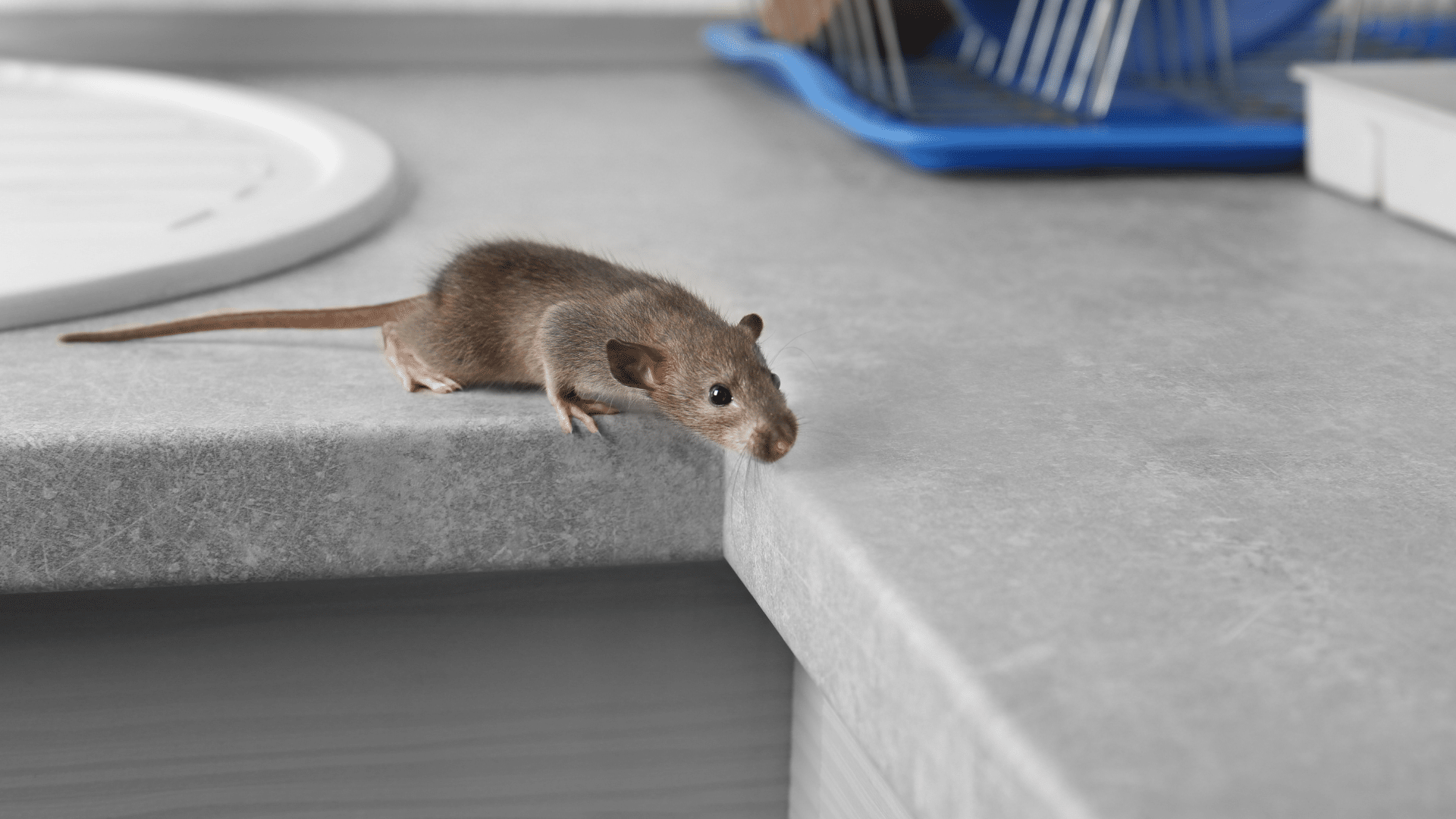
What Attracts Mice and Rats to My NEPA Home?
From downtown dwellers to country citizens, homeowners in Pennsylvania often find themselves at the mercy of uninvited pests every winter: mice.
While rodents are usually viewed as a nuisance, they can also pose a significant threat to your health. Since rodents can carry disease without appearing sick, it’s always best to deal with a rodent infestation as soon as possible.
Understanding what attracts mice to your home is the first step to getting rid of these pesky invaders.
9 Things that Attract Mice and Rats to My Northeastern and Southeastern Pennsylvania Home
Understanding and addressing the following attractants are your first line of defense in protecting your Northeastern and Southeastern Pennsylvania home from the unwelcome intrusion of mice and rats.
By mitigating these factors, you can significantly reduce the appeal of your home to these persistent pests.
1. A Warm House
As the chill of the Pennsylvania winter sets in, your home becomes a beacon of warmth for mice and rats seeking refuge from the cold. The cozy nooks and crannies of your dwelling offer these rodents a snug sanctuary, making your home an irresistible haven in the frosty months.
2. An Open House
The smallest of openings serve as grand entrances for these unwelcome visitors. Mice, with their flexible skeletons, can contort and squeeze through gaps as tiny as a dime, while rats require only a quarter-sized opening to make their house their own. These tiny gateways, often overlooked, are critical checkpoints in fortifying your home against rodent invasions.
3. Clutter
Clutter is not just an eyesore; it’s a paradise for mice and rats. Your forgotten boxes, piles of clothing, and miscellaneous household clutter create intricate labyrinths that offer these pests a playground of hideouts and pathways, turning your clutter into their sanctuary.
4. Overgrown Brush
The unkempt vegetation that adorns your yard may add a touch of wilderness charm but also serves as a direct highway for rodents. These overgrown areas provide shelter and camouflage, paving the way for mice and rats to venture close and, eventually, into your home.
5. Cereal, Meat, and Dairy Products
The rich scents of proteins and fats wafting through your home are irresistible to rodents. Their acute sense of smell leads them to sources of cereal, meat, and dairy products. Proper storage and disposal of these food items are crucial in not turning your pantry into a rodent feast.
6. Insulation
Beyond warmth, your home offers the perfect nesting materials. Mice and rats are particularly fond of the soft, fibrous texture of insulation. They often tunnel through walls, attics, or crawl spaces, transforming your insulation into a cozy nesting site.
7. Food Scraps
The smallest crumbs can be a lavish banquet for rodents. Mice and rats are opportunistic feeders, and even the tiniest food scraps can attract them. Maintaining a clean kitchen and ensuring food is stored securely are pivotal steps in keeping these pests at bay.
8. Standing Water
Water is a vital resource for all living creatures, including rodents. Sources of standing water around your home can quench the thirst of these pests, drawing them closer to, or even inside, your living spaces.
9. Seeds
Your bird feeders and garden seeds are more than just an attraction for local wildlife. Rodents, too, are enticed by the easy availability of seeds. Proper management and storage of seeds are essential to avoid turning your garden into a rodent attractant.
When to Call a Northeastern and Southeastern PA Pest Control Expert
Recognizing the right moment to call in professional help can be the difference between a minor nuisance and a full-blown infestation. If you’ve diligently followed preventative measures, sealing entry points, applying mice poison, and maintaining a clean and clutter-free environment, yet still find telltale signs of rodents, it’s time to seek expert intervention.
Pest control professionals bring a wealth of experience and specialized tools to the table. They don’t just treat the symptoms of a rodent problem; they delve into the root causes, employing strategies that are both comprehensive and tailored to the unique challenges of your home.
With their in-depth understanding of rodent behavior and access to advanced methodologies, these experts can provide lasting solutions, ensuring that your home is not just temporarily pest-free but also fortified against future invasions.
Understanding and mitigating the factors that attract mice and rats are crucial steps in keeping your Pennsylvania home rodent-free. Regular maintenance, proper sanitation, and professional assistance when needed can ensure your living space remains safe and comfortable.
FAQs
Do Mothballs Work for Mice
Using mothballs for mice is typically ineffective and can even be dangerous to you and your loved ones.
How Fast Do Mice and Rats Reproduce?
Mice and Rats reproduce rapidly, with a female capable of producing up to 12 litters of 5-6 young each year.
What Scent Keeps Mice and Rats Away?
Natural scents like peppermint oil, clove oil, and cayenne pepper are known to deter mice.
Are Ultrasonic Repellents Effective Against Mice and Rats?
While ultrasonic repellents are marketed as a way to repel rodents, their effectiveness is subject to debate and may vary based on the environment and rodent species.

How to Check for Bed Bugs in Northeast PA: Inspection Tips & Tricks
According to the Bugs Without Borders survey, single-family homes and apartments remain two of the most active hotspots for bed bug infestations.
While most people tend to associate bed bugs with dirty homes, you’re most likely to acquire bed bugs if you travel frequently or buy second-hand items.
Therefore, understanding the signs of bed bugs and how to check for bed bugs can save you from a lot of painful bites.
This guide will walk you through the process of checking for bed bugs, from places to look to methods to identify them.
Signs of a Bed Bug Infestation
The most common sign of bed bugs is waking up with itchy bites or welts on your skin.
Another telltale sign of these unwelcome guests is spotting live bed bugs or bug eggs around places where people sleep.
Live bed bugs have flattened bodies and can resemble an apple seed with legs, while their eggs are pearly white and may remind you of a speck of dust.
An unexpected sweet yet musty odor could also indicate a bug problem, especially if you can’t find a source. Other signs will include finding loose exoskeletons or smear marks from feces on your linens.
How to Check for Bed Bugs
Bed bugs are the ultimate hide-and-seek champions, with a knack for turning your bedroom into their playground.
But fear not. We’ve got some detective work that’ll have you spotting these critters like a pro.
Inspect Mattresses and Box Springs Thoroughly
Start by stripping your bedding down to the bare bones, grab a flashlight, and scan every inch, particularly seams and tags where they love congregating. Studies reveal that bed bugs are typically found within 5-8 feet of beds, making thorough checks critical.
Beyond sheets, dive into box springs and any linens that you think may have come in contact with you during the night.
Look out for tiny dark specks or rust-colored stains—they’re not part of any abstract art piece; those are likely bug excrement marks indicating an unwanted guest list.
Examine Upholstered Furniture Carefully
Your upholstered furniture could also be host to hundreds of bed bugs without you noticing.
Examine folds and crevices along tufts—it’s surprising how flat bodies can squeeze into such good hiding spots.
Based on how bed bugs enter homes, it’s critical to perform an inspection anytime you purchase second-hand furniture.
Look Behind Wall Panel Molding
Bed bugs are surprisingly nimble and can spread throughout homes very quickly. Generally any place that a bed bug could hide should be inspected, including wall molding. Strip back the molding to see if any creepy crawlies are hiding back there.
Check Behind Electrical Outlets
Likewise, electrical outlets and wall cavities serve as the perfect hiding spot for bed bugs to make their homes.
Search Underneath Furniture
Couches and beds aren’t their only crash pads—bed bugs also love shacking up underneath furniture. So get down low and check out those hidden nooks below chairs or tables.
Inspect Clothing
Your wardrobe isn’t safe either. Rifle through clothes in closets or lying around, especially ones that may have already been in contact with bed bugs.
Bed Bug Prevention Tips
Bed bugs can be a persistent nuisance, and preventing their infestation is crucial for a good night’s sleep and overall well-being. Follow these bed bug prevention tips to safeguard your home:
- Clean Regularly: Keep your living spaces clean and clutter-free. Regular vacuuming, dusting, and cleaning can eliminate potential hiding spots for bed bugs.
- Inspect Second-Hand Furniture: Before bringing in used furniture or mattresses, thoroughly inspect them for any signs of bed bugs. Check seams, folds, and crevices for tiny reddish-brown bugs or their exoskeletons.
- Encase Mattresses and Pillows: Use bed bug-proof mattress and pillow covers. These encasements create a barrier, preventing bed bugs from infesting your sleeping areas.
- Be Cautious While Traveling: When staying in hotels or accommodations, inspect the bedding, mattress seams, and furniture for signs of bed bugs. Avoid placing luggage directly on the bed and use luggage racks when possible.
- Seal Cracks and Crevices: Seal any cracks or gaps in walls, baseboards, and furniture. Bed bugs can hide in these spaces, and sealing them off limits their potential hiding spots.
- Mind Your Laundry: Wash bedding, curtains, and clothing regularly, especially after returning from a trip. Use hot water and high-heat drying to effectively kill any bed bugs that may be present.
- Avoid Second-Hand Items: Exercise caution when acquiring second-hand items, such as clothing, books, or furniture. Inspect them thoroughly before bringing them into your home.
While home remedies for bed bugs may be effective for some people, it’s typically wise to contact a professional immediately.
When to Call a Professional
If DIY methods like sprays and traps haven’t resolved the issue or if the infestation persists or worsens, it’s time to call in the pros. The expertise of pest control professionals becomes essential in cases of widespread infestations across multiple rooms or areas, repeated occurrences, or uncertainty in identifying the pests.
High-risk environments like shared living spaces, concerns about health reactions, or residing in complex structures further highlight the need for professional intervention. Professional bed bug control can tackle hidden areas, address chemical resistance, and implement Integrated Pest Management strategies for a comprehensive approach, ensuring effective and lasting solutions.
FAQs: How to Check for Bed Bugs
How do I know if I have bed bugs?
Bed bugs leave behind visual signs such as small reddish-brown bugs, tiny eggs, and dark fecal stains on bedding. Additionally, bites on exposed skin may indicate their presence.
Can bed bugs infest any type of mattress?
Yes, bed bugs can infest various types of mattresses, including memory foam, innerspring, and latex mattresses. They are not restricted to a specific mattress material.
How long does it take for a bed bug infestation to become noticeable?
The timeline varies, but infestations can become noticeable within a few weeks to a few months, depending on factors like the size of the infestation and the rate of reproduction.

What Are Boxelder Bugs and How to Get Rid of Them Fast
The boxelder bugs, named after the tree in which they inhabit, are some of the peskiest creatures you will encounter.
Chances are, you’ve probably seen a swarm of these bugs glued onto the west side of your house, where they tend to reside in the sun on warm days. And while they are completely harmless, a big enough infestation can prove to be an eyesore and even just a little bit unsettling.
This guide will provide the low-down on boxelder bugs, including why they come to your house and how to get rid of them safely.
What Are Boxelder Bugs?
Boxelder bugs, scientifically known as Boisea trivittata, are distinctive insects with a black and red coloration that often catch the eye. These bugs primarily feed on the seeds of boxelder trees, as well as other similar trees like maple and ash.
While they don’t pose a direct threat to humans, boxelder bugs can become a nuisance when they invade homes during the fall, seeking shelter for the winter. They are attracted to the warmth of buildings and can congregate in large numbers, especially on sunny sides of structures.
Despite their name, boxelder bugs can also be found on other types of trees, and their presence is often marked by the characteristic reddish stains they leave behind on surfaces.
The Boxelder Bug Life Cycle
These bugs undergo a life cycle that includes eggs, nymphs, and adults. During warmer months, they inhabit trees, feeding on the sap and seeds. As temperatures drop, boxelder bugs seek protected locations to overwinter. While their presence indoors can be bothersome, boxelder bugs are generally harmless to humans and don’t cause structural damage.
When Are Boxelder Bugs Most Active?
Boxelders tend to be seasonal bugs with peak activity during the spring and fall when the temperature outside rises. This is where you’ll usually spot them either on the side of your house or in nearby trees.
On some rare occasions, you may even find a few dwellings inside of a heated basement if they have easy enough access inside of your home.
Why Do Boxelder Bugs Enter Homes?
Boxelder bugs are attracted to the heat retained by buildings, making residential spaces an inadvertent haven for them. Once inside, they may seek out concealed areas, such as wall voids, attics, or other secluded spots, where they can remain relatively undisturbed until the weather becomes more favorable. Implementing measures to seal cracks, gaps, and other potential entry points can help deter boxelder bugs from invading homes.
Tips to Get Rid of Boxelder Bugs
Following are a few simple tips to get rid of Boxelder bugs quickly from inside and around your home.
- Seal Up Cracks Around Doors and Windows: Preventing entry by sealing common access points can significantly reduce home invasions. A little caulk goes a long way in keeping them out. Think about it: No more uninvited guests making themselves at home where they don’t belong.
- Lay Down Diatomaceous Earth for Control: Use this natural powder around your home’s perimeter as a non-toxic barrier. This will also keep out other pests.
- Spray Affected Areas with Soapy Water: A simple yet effective homemade solution can kill bugs on contact without harsh chemicals.
- Vacuum Regularly to Remove Bugs Indoors: Quick removal with a vacuum cleaner can prevent stains and odors associated with crushed bugs.
- Essential Oils as Natural Repellents: Certain scents are known deterrents for elder bugs seeking shelter inside homes. For example, most mainstream stink bug repellents are very effective against boxelders.
- Remove or Trim Boxelder Trees Near Your Home: Experts state that by removing or trimming these host trees, you can cut down on the number of winged invaders cozying up to your living space.
Professional Pest Control Solutions for Boxelder Bugs
When your home becomes a haven for boxelder bugs, and the DIY methods just don’t cut it, professional pest control might be your ticket to peace. An exterminator will be able to identify the source of boxelder entry into your home and plants that may be attracting them. Likewise, they can recommend preventative solutions or apply an organic insecticide that can remove boxelders immediately.
FAQs: How to Get Rid of Boxelder Bugs
Why are boxelder bugs attracted to homes?
Boxelder bugs are attracted to the warmth that buildings provide, especially during the fall and winter seasons. They seek shelter and a cozy environment for overwintering.
What are the risks of a boxelder bug infestation?
While boxelder bugs are not harmful to humans or pets, their presence can be a nuisance. Large numbers may invade homes, leaving stains and traces. In some cases, they can cause minor structural damage.
How can I identify boxelder bugs accurately?
Boxelder bugs are characterized by their distinct black and red coloration. They have an elongated shape and are about half an inch in length. During warmer months, they may be found on trees, and in fall, they seek refuge indoors.
Are boxelder bugs harmful to humans or pets?
Boxelder bugs are generally harmless and do not pose a direct threat to humans or pets. They do not bite, sting, or transmit diseases. Their presence is more of an annoyance than a health concern.
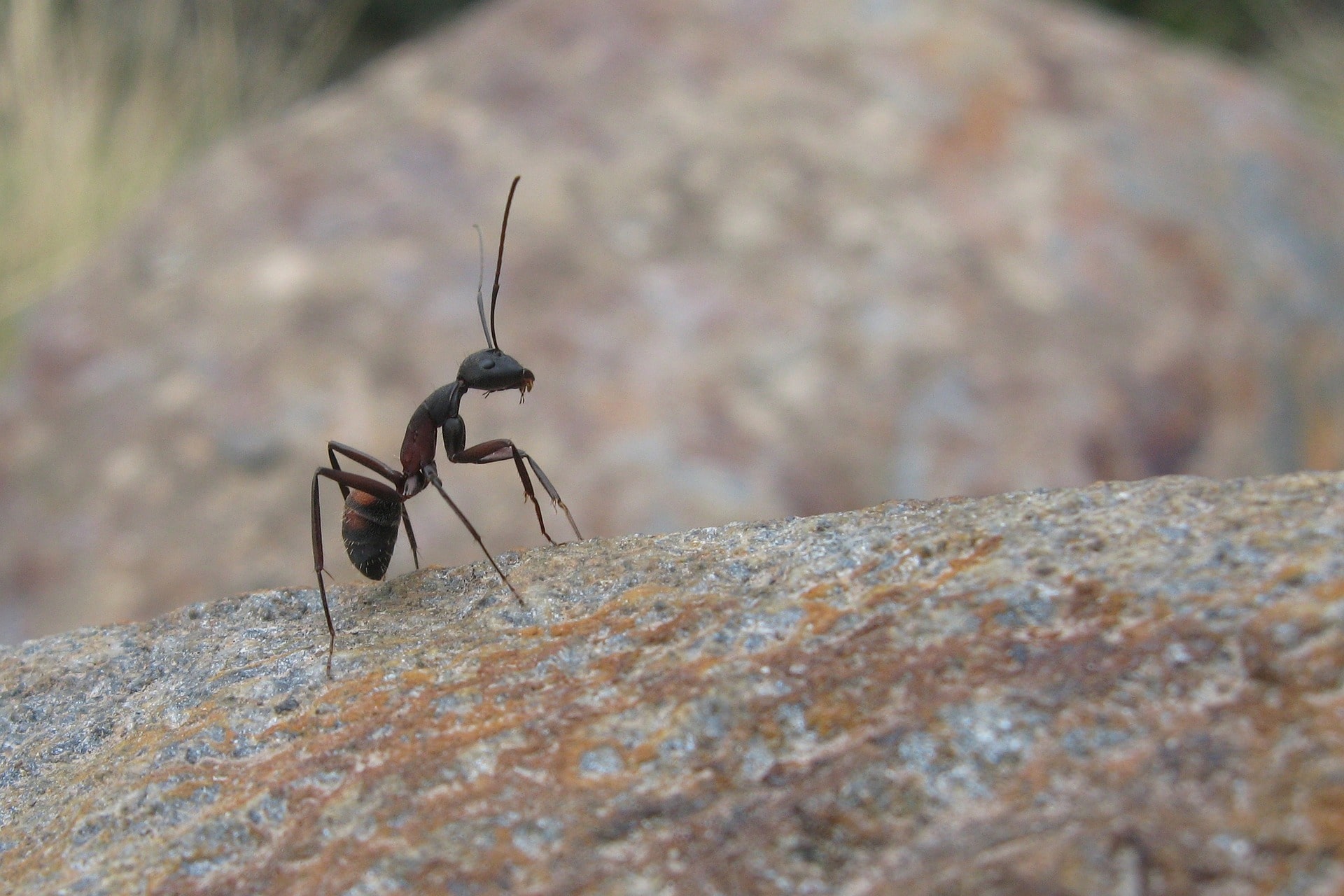
Ant Exterminator: DIY Guide to Methods and Cost
Warm weather is coming as spring rolls in, pushing old man winter out. As we become more active, other creatures are stirring from a long hibernation, hungry for a snack.
Unfortunately, this reawakening includes some nasty pests that could find their next meal in your kitchen. One colony-building insect can become quite a problem if they find their way inside a home unnoticed: ants.
Small, common, and quiet, ants can often go unnoticed, but they are just about everywhere. Once inside, it can be very difficult to get rid of ants. And they can do lots of damage to your house.
If you think you may have ants or want to take steps to protect against them, this ant exterminator guide has the answers for you. Learn the signs of an infestation, how to treat one, and when you need to contact a professional ant exterminator.

Know What You Have: How to Identify Ants
Most people can easily spot ants, but this doesn’t mean they can’t be confused for other creatures. For example, carpenter ants nest in wood, much like termites, and flying ants can look like termites, making the two difficult to distinguish.
The most obvious difference between these two insects is that ants have pinched, segmented bodies. Termites do not.
However, carpenter ants are not the only ants that can damage your home or become a nuisance. The most common ants in the northeast include:
- Odorous Ants: Small brown or black ants that emit a strong, unpleasant odor when crushed; often attracted to sugary foods.
- Pavement Ants: Dark brown to black ants that build nests in pavement cracks; commonly found near sidewalks and driveways.
- Pharaoh Ants: Small, yellow ants that are notorious indoor pests, often found near moisture sources and known for rapid colony growth.
- Thief Ants: Tiny yellow to dark brown ants that are skilled scavengers, stealing food from other ant colonies.
- Acrobat Ants: Range in color from light brown to black and have a unique heart-shaped abdomen; known for raising their abdomen when disturbed.
- Fire Ants: Reddish-brown ants with a painful sting; build large mound nests and are aggressive defenders of their territory.
Find out what type of ants you are dealing with so you can assess your infestation problem and treat it properly.
Signs of an Ant Infestation
The most common sign of an ant infestation will be spotting ants in your kitchen or bathroom. However, there are a few additional signs that may point you to an unwanted ant infestation in your home.
- Presence of Ant Nests: Ant nests can vary in appearance depending on the ant species. Nests may be found in soil, walls, or other secluded areas.
- Ant Mounds: Certain ant species, like fire ants, build noticeable mounds in yards and sidewalks. The presence of these mounds suggests an infestation.
- Frass or Sawdust: Carpenter ants create nests in wood, and their activity can result in the expulsion of frass (fine sawdust) near nesting sites, indicating a potential infestation.
Where Do Ants Like to Hide?
As stated previously, ants don’t make much noise. They can quietly slip into your kitchen, and you might be none the wiser. However, unlike other pests, they are easy to spot.
If you want to stop ants from getting in, you must stop them at the source. To do that, you have to seek out where they are getting in or where they are hiding out. Nests and colonies can be outside, in hard-to-reach places, and spots that are out of place and out of mind. The trouble is a single colony can produce thousands of eggs. So, a small ant problem can get big fast.
If you happen to spot an ant, follow it and see where it goes. If you see more than one, it’s likely they are coming from somewhere nearby.
Check windows, doors, vents, and any areas with an opening small enough to slip through. If they are coming from outside, you can put a stop to it by sealing off any openings. If you spot a colony outside, you can pour boiling water on them to eliminate them. Try to find the source so you can stop them from coming back.
Know When to Call a Professional Ant Exterminator.
So, you’ve spotted a few ants in your kitchen or bathroom. A few ants here and there are no reason to raise an alarm immediately.
Since these insects are so small, it can be easy for them to sneak inside to do a little searching. Of course, you don’t want them to alert the rest of the colony, so dispose of them if you do see them. However, if you happen to find more or a bunch of them in one spot, you may have a bigger problem.
If you only see a few ants scurrying around, you can try store-bought traps or baits first. They can do the job by eliminating the invaders before they become a problem.
Most baits are made so ants will carry back the poison to the colony and destroy it from within. Of course, this plan can work if you have only a few ants. If you have bigger, more dangerous ants or clusters, you might have to do more than just put down a little trap.
Nests can be difficult to get rid of, and some ant species can pose a real threat to your home’s structure. The issue with getting rid of only a few ants is that there’s a whole colony with plenty more.
This could be a problem, even if the colony is located outside. Ants can also live long lives (up to 15 years), so a colony can continue to grow. Gauge the size of your infestation and seek out ant exterminator help accordingly.
How to Stop an Ant Infestation On Your Own
The best way to stop any pest is to keep them from getting in. Close off any possible entryways at windows and doors. You should also check chimneys, vents, and other open areas that could lead inside.
Inside, keep any areas where food is eaten or prepared tidy. Seal up any open containers, including pet food, to discourage any scouts from returning home. If you have a smaller infestation or a few stray ants, try ant baits or traps. Make sure you set them close to where the ants are coming in and away from kids and pets.
If the infestation is too large, or you are dealing with fire ants or carpenter ants, it may be best to seek out an expert ant exterminator.
Ant Exterminator Costs
Depending on who you go with, costs can vary. The average cost overall is $250 for ant extermination, not including fire or carpenter ants.
A visitation and extermination, depending on the type of ants you have and the size of the infestation, is usually from $150 to up to $395. If you don’t want to deal with a sudden infestation, some companies offer year-round protection for a fair price. It’s also possible to get your yard treated to stop any invaders before they get near your home.
The key here is to stop the infestation before it becomes a problem. Be vigilant, perform regular maintenance on your home, and call in the professionals when needed.
Concluding Thoughts
As the warm weather returns, you don’t want to worry about ants ruining your picnic or your home, for that matter. Arm yourself with the knowledge needed to spot the issue and take down these pests before they eat you out of house and home. With this handy guide, you can safely identify your issue and give it the attention needed.
Ant Exterminator FAQs
How long does ant extermination take?
The duration of ant extermination can vary depending on the extent of the infestation, the ant species, and the chosen extermination method. Sometimes, it may take a few days to see results, while more extensive infestations might require ongoing treatment over weeks. Professional exterminators can provide a more accurate estimate after assessing the specific situation.
Are the chemicals used safe for pets?
Many extermination chemicals can be harmful to pets, so it’s crucial to choose pet-safe options. Some professional pest control services use pet-friendly formulations, and they will provide guidance on keeping pets away from treated areas during and after the extermination process. Additionally, natural and non-toxic alternatives can be considered to ensure the safety of pets.
Are there eco-friendly ant extermination products or methods?
Yes, there are eco-friendly ant extermination options available. Some methods include the use of natural deterrents like vinegar, lemon, peppermint oil, or diatomaceous earth. Additionally, certain professional pest control services offer eco-friendly solutions that use less harmful chemicals. It’s essential to communicate your preference for eco-friendly methods with the exterminator and inquire about specific products or techniques that align with environmentally conscious practices.
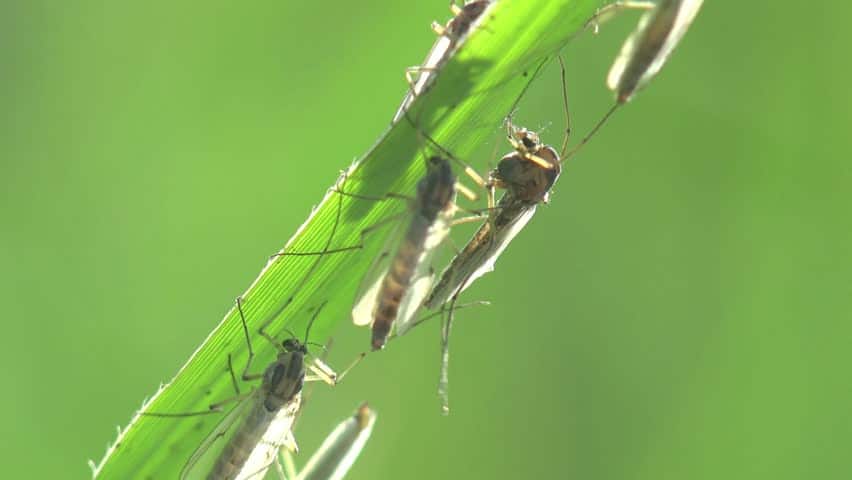
What Exactly Are Gnats? How Do I Get Rid of Them? 7 Tips
We’ve all had to deal with them. Those tiny, annoying, indoor bugs that seem to always appear in your kitchen, bathroom, or anywhere you go outside. Gnats seem to be attracted to anyone and everything.
While a few can be irritating, many can be a huge problem. Fortunately, you don’t have to deal with these pests alone. The key is knowing what they are, what they want, and how to eliminate them. Here are seven tips to keep gnats away for good.
What are Gnats?
Gnats are tiny, flying black flies that tend to appear everywhere. There are a few common types: fruit flies, drain flies, and the fungus gnat. True to their names, these pests are tiny and may seem insignificant, but they can quickly grow in collective size if not properly dealt with.
These pesky insects are often attracted to rotting fruit, dirty dishes, trash, and spoiled food. Drain flies tend to hover near drains, leaking pipes, and other damp areas. Fungus flies enjoy oil soil, fungus, and dirty areas. All these insects are also attracted to light and, unfortunately, humans.
Common Places You Can Find Gnats
Some of the most common places you may spot gnats include places with decomposing organic matter, standing or leaking water, and garbage disposals. The tricky thing about gnats is that they can appear seemingly out of thin air, and it can be difficult to determine where they came from in the first place. Gnats are most active during the day, specifically mid-morning or at dusk, and are typically seen most during the summer months, otherwise known as bug season.
If you are through with these annoying little pests, we’ve listed seven quick ways to repel gnats.
How to Get Rid of Gnats
1. Apple Cider Vinegar Trap
An easy and inexpensive way to get rid of gnats in any room of your house is by using the apple cider vinegar trap. You only need a small dish, apple cider vinegar, and dish soap to make your trap. Pour the vinegar into the dish and add a few drops of dish soap. The gnats are drawn to the sweet smell of the apple cider. As they fly down, they get trapped in the soap and drown.
If you don’t have apple cider vinegar, no worries. This trap also works with wine as the base. It’s a quick and easy solution that can clear out any gnats.
2. Use Rotten Fruit
Place overripe fruit in a bowl and cover it with plastic wrap, keeping the plastic tight with a rubber band. Once the plastic is secure, poke a few holes in the plastic wrap using a toothpick or a skewer. The sweet scent of the rotting fruit will quickly draw gnats into the plastic. Once they crawl through the holes, they will not be able to find their way back out. This is a simple, inexpensive way to clear your kitchen of gnats.
3. Keep Counters Clear
You can avoid an annoying infestation by keeping your counters clean and clear. Keep an eye on fruit or food you keep on the counter. Store food or throw it away as it starts to turn. This holds especially true for fruit like bananas, which tend to go bad very quickly.
Keeping dirty or wet dishes out of your sink is also a good idea. Gnats are drawn to rotting food, so keeping your kitchen tidy eliminates any possible food sources.
4. Take Trash Out Frequently
While it may seem like throwing spoiled food away in the trash should be enough, the opposite is true. Gnats love to lay their eggs in the garbage, particularly fruit flies. The best way to keep these annoying insects out of your home and away from your house is by keeping your trash covered and removing it frequently. It may also be worth it to invest in a stainless steel trash can with a lid, as these types of trash cans tend to seal in the trash scent more than other types of trash cans.
5. Clear The Drain
Gnats can often be found in damp areas, such as drains and pipes. To keep them away, you should clean your drains regularly. This can be done with a simple bleach and water mixture. Using gloves and a well-ventilated area, combine bleach and water and pour it down the sink. Give time for the mixture to work away any fungus or dirt before running the water to rinse the solution down.
When using this method, it is important to keep this mixture out of reach of children and pets. Also, be sure to open a window or run an overhead fan in order to ventilate the space and avoid breathing in the bleach. Once the mixture has had ample time to clean your pipes and drain, you should eliminate any gnats.
6. Light It Up
In addition to rotting food and damp drains, gnats are often drawn to light. Using this to your advantage, you can get rid of a few more gnats using a clever trap. Put a tall, tapered candle into a candlestick and place it in a shallow pan partly filled with water. Light the candle and turn off the lights. The gnats will be drawn to the flame, and the trap will take care of the rest. This trap is definitely a more unconventional way to get rid of gnats, but still worth a try!
7. Take Care of Your Plants
Plants may not seem like a likely source of a gnat infestation, but you’d be surprised. Rotting plants can be a breeding ground for gnats if you don’t care for them properly. Plants that have been overwatered or have old soil can be perfect spots for gnats to lay their eggs. An easy way to take care of this issue is by repotting or removing the plant from your home. Otherwise, you may find an overabundance of annoying flying insects in your home.
When to Call a Professional
Gnats can be irritating pests, but you can get rid of them easily by trying some of the techniques above.
If these methods fail and your home is overrun with these nasty little pests, it may be time to call in a professional. A good rule of thumb is to reach out to a pest control expert if you are noticing an abundance of gnats in your home, especially after you have tried the steps mentioned above to get rid of them. Take the necessary steps to keep gnats out and help your home stay pest-free.
FAQs
Can gnats spread diseases to humans?
While some species of gnats bite humans, the good news is that these tiny pests are not known to spread disease. In rare cases, gnat bites can cause a bacterial infection in people who have been bitten if the skin is broken by scratching. However, the presence of gnats is usually not a cause for concern health-wise.
How do I prevent gnats from invading my potted plants?
Gnats are particularly drawn to potted plants that have been overwatered or have old soil, but there are ways to prevent these pests from invading your plants. One effective way to prevent gnats from bothering your potted plants is by letting the soil dry out slightly and not overwatering them. It can also be helpful to create drainage holes in your pots if they don’t already have them to encourage excess water to drain properly.
Are chemical gnat control methods safe for pets?
Many chemical gnat control methods on the market are safe for pets. However, it is imperative that you do your research and ensure you are carefully following the directions before applying any chemicals in or around your home. Contacting an experienced pest control expert may be your best bet for the best chance at getting rid of gnats in a safe and effective manner.

5 Pro Secrets to Banishing Carpenter Ants from Your Home
Compared to other household pests like termites, rodents, and cockroaches, ants don’t seem like that big of a nuisance. While it is common to see a couple of yard ants around the house, especially during the warm summer months, it can be easy to overlook an ant infestation until it’s too late.
However, carpenter ants are some of the most destructive pests of any kind found in many homes across the U.S., causing severe damage to wooden structures if left uncontrolled. That’s why if you are dealing with a carpenter ant infestation in your home, you must follow these tips to get rid of them quickly.
Compared to other household pests like termites, rodents, and cockroaches, ants don’t seem like that big of a nuisance. While it is common to see a couple of yard ants around the house, especially during the warm summer months, it can be easy to overlook an ant infestation until it’s too late.
However, carpenter ants are some of the most destructive pests of any kind found in many homes across the U.S., causing severe damage to wooden structures if left uncontrolled. That’s why if you are dealing with a carpenter ant infestation in your home, you must follow these tips to get rid of them quickly.
What Do Carpenter Ants Look Like?
First, we must understand what distinguishes carpenter ants from other common ant species.
Carpenter ants are easily identified by their dark-colored bodies and narrow waists. They have bent antennae, and their hind wings are shorter than their front wings. For this reason, carpenter ants are commonly mistaken for termites, as both have slim builds and translucent wings and eat through wooden structures like decks.
Carpenter ants are also big, ranging in size from ¼ inch to ½ long, and the queens can grow up to ¾ of an inch.
Why Are Carpenter Ants So Destructive?
Carpenter ants are destructive due to their nesting behavior, which involves tunneling into wood, weakening its structural integrity. They establish large colonies that grow over time, leading to extensive wood removal.
These ants are also attracted to moisture-damaged wood and often create multiple nests, further increasing the potential for structural damage. Their secretive nature and longevity have led them to be called “silent destroyers,” as their presence can go undetected for a while before homeowners may notice any signs of damage.
Signs of Carpenter Ants
Due to their “secretive nature,” spotting the signs of a carpenter ant infestation may be difficult if you don’t know where to look. Some of the most common signs of carpenter ants you need to be mindful of include:
- Frass (powdery excrement from carpenter ants chewing wood): This is typically found on the floor or windowsill underneath wooden structures.
- Rustling noises coming from walls: This could easily be mistaken for other pests, such as rodents.
- Small tunnels in the wood of your home: These tunnels will appear more like direct holes, not the mud tunnels found with termites.
- Hollow-sounding wood: This could easily be a sign of carpenter ants or termites.
- Carpenter ant sightings around the home: Carpenter ants have distinct features, which we described above.
What Attracts Carpenter Ants to Your Home
When carpenter ants enter a home, they are typically searching for food. One of the biggest reasons you may be seeing carpenter ants in your home is due to improper food storage, particularly with items like pet food, honey, and fruit. These pests are also attracted to damp wood, so be careful not to leave firewood stacked near the outside of your home to keep carpenter ants away.
How to Get Rid of Carpenter Ants
1. Insecticides
Insecticides are some of the most commonly used products to eliminate carpenter ants, and these chemicals can be purchased at most home improvement or retail stores. Some of the most popular brands are Terro and Ortho, and as long as you carefully follow the directions, these products should do the job for smaller infestations.
2. Desiccants
A desiccant is a hygroscopic substance that is used to maintain a state of dryness wherever it is applied. Diatomaceous earth is a commonly used desiccant for killing carpenter ants, as the powder can be applied directly to their nest or wherever they regularly walk and dry out the insects.
3. Baits and Traps
Baits and traps are also popular methods of carpenter ant removal, as they can be purchased inexpensively and set up easily. To yield the best results, these traps should be set up close to the ants’ nests. If you aren’t sure where the nest is located, try to observe the travel pattern of the ants in your home and follow them until you reach the nest.
4. Prevention
Ultimately, the best way to control a carpenter ant infestation is by preventing them from entering your home in the first place.
Keeping firewood stored away from your home is imperative to prevent these pests from finding their way inside, and leaky pipes and other moisture problems should be resolved promptly. Seal any gaps and keep your home clean, including your yard free of debris.
5. Professional Pest Control
Investing in professional pest control is the best long-term solution for getting rid of carpenter ants. While seeing the odd ant or two isn’t typically cause for concern, a carpenter ant infestation can quickly get out of control if not dealt with immediately.
An experienced pest control professional will be able to inspect your home to determine the severity of the infestation and create a unique treatment plan to take care of the problem. Besides, the cost of a carpenter ant exterminator will be far outweighed by the cost to repair your home from damage from these pests.
FAQs: Carpenter Ants in the House
Are carpenter ants attracted to specific types of wood?
Carpenter ants are most attracted to wood that is moist, soft, or decaying. Firewood that is left outside is particularly attractive to carpenter ants, so it is always a good idea to store firewood far enough away from your home and ideally in a dry location, like a shed.
What do carpenter ant nests look like?
The appearance of carpenter ant nests can vary greatly depending on the size, location, and structures they choose to build their nests in. Carpenter ants will often create their nests in rotting wood, as it is an easy place to start a nest, so check any wooden parts of your home if you suspect you may be dealing with an infestation.
Are there any DIY sprays that can effectively eliminate carpenter ants?
While professional pest control is always the best way to deal with a carpenter ant infestation, some homeowners prefer to try a DIY approach for smaller infestations. One mixture you can make at home includes two parts water and one part liquid dish soap. Simply pour the solution into a spray bottle and apply it directly to a nest to kill them and wash away the nest.

Get Rid of Yellow Jackets: Guide to Sting-Free Living
While yellow jackets are known to be essential to our ecosystem through their pollination of flowering plants, they are also some of the most widely feared stinging insects.
Unlike the friendly and docile bumblebee, yellow jackets can be aggressive and are known to sting multiple times when provoked, often leaving their victims with several painful stings and even dangerous allergic reactions.
If you have been noticing yellow jackets near your property, there are several measures you can take to get rid of these insects and prevent them from returning.
Identifying Yellow Jackets
When it comes to identifying yellow jackets, they can be recognized by their black coloring and distinct yellow markings on their head and abdomen. They have thin bodies with a segmented, skinny waist and are also hairless, making it easy to differentiate them from other types of wasps.
A yellow jacket nest can most commonly be found underground, as this protects them and reduces the chance of having their nest removed by humans or animals. Because of this, it is imperative to always wear shoes when walking outside to avoid stumbling onto a yellow jacket nest.
Why Are Yellow Jackets Dangerous?
Compared to other types of bees, yellow jackets are known to be more aggressive and will often sting multiple times when provoked. Each year, hundreds of thousands of people visit the emergency room due to yellow jacket stings, and the insects’ venom can even cause dangerous allergic reactions in some people.
Why Are Yellow Jackets in My Yard?
Flowers are the main reason you may be seeing so many yellow jackets in your yard, as these pollinators are attracted to sweet smells. If you have an abundant garden with a lot of different flowers, yellow jackets are more likely to make themselves at home there.
Yellow jackets will also make their presence known if you tend to leave sweet-smelling drinks like soda or juice outside, so be sure to cover your drink whenever you’re dining outdoors and clean up as soon as you’re finished.
Signs of a Yellow Jacket Infestation
There are several signs of a yellow jacket infestation to look out for, including:
- Seeing many yellow jackets around your property
- Spotting a yellow jacket nest
- Chew marks in the wooden structures on your property
- Scratching or humming noises coming from inside your walls
Identifying a Yellow Jacket Nest
Yellow jacket nests can vary in appearance depending on their location and construction materials. However, they typically share some common characteristics. Underground nests often resemble small, inconspicuous mounds of soil with a single entrance hole. These nests can be hidden in lawns, gardens, or beneath structures like sheds.
Nests built in hollow trees or wall voids tend to be more concealed, with no visible external structure. Instead, you may only notice yellow jackets entering and exiting through small cracks or openings.
Learn More: Wasp or Hornet Nest? How to Tell the Difference.
How to Get Rid of Yellow Jackets
You can take several steps to remove a yellow jacket nest, though professional assistance is recommended.
1. Apply a Chemical Spray
There are several store-bought chemical sprays available to get rid of yellow jackets, with a few of the most popular brands being Spectracide and Raid. If you choose to use one of these sprays, be sure to carefully read the instructions on the bottle to ensure you’re applying the solution safely and effectively.
2. Set a Trap
Using yellow jacket traps is another effective way to get rid of these stinging insects, and the choice of whether to use store-bought traps or to make your own is up to you. A DIY yellow jacket trap can easily be made at home using an empty 2-liter soda bottle and adding sugar, water, apple cider vinegar, and fruit peels to lure and capture yellow jackets.
3. Use a Bug Zapper
Bug zappers are also popular methods of yellow jacket removal, as they can be purchased relatively inexpensively and hung outside of the home. Bug zappers work by emitting UV light that attracts flying insects and zapping them when they make contact, killing them.
4. Practice Prevention
Practicing proper prevention is the best way to reduce your chances of creating a welcoming environment for yellow jackets. These prevention measures include:
- Sealing garbage cans when not in use
- Covering open soda cans or juice cups when spending time outdoors
- Cleaning up immediately after a cookout
5. Leave it Up to the Professionals.
When in doubt, contact a professional exterminator to remove yellow jackets. Your local exterminator can identify the source of an infestation and deal with it without the risk of you being stung. Most exterminators offer organic sprays that don’t harm trees or plants, so you can rest assured.
FAQs: Getting Rid of Yellow Jackets
How can I differentiate between yellow jackets and wasps?
Yellow jackets have a distinct appearance that can help differentiate them from other types of bees, with their hairless and thin, segmented bodies. Yellow jackets are also smaller than wasps, as well as more aggressive.
What do I do if I’m stung by a yellow jacket?
If you’re stung by a yellow jacket, the first thing you should do is inspect the area for a stinger. Yellow jackets typically don’t leave behind a stinger, but they sometimes do. If you spot a stinger, remove it with a pair of clean tweezers and wash the area with soap and water.
If you have access to meat tenderizer, mix a small amount of it with water and apply it to the sting for several minutes to neutralize the venom and reduce any pain you may be experiencing. You may also want to apply an ice pack to soothe the sting and be sure to call your doctor if you are experiencing any extreme pain or swelling.
Can yellow jackets nest inside homes?
While yellow jackets typically build their nests in the ground, they can enter your home during the colder months. These insects will often chew through the wood or drywall of a home to build their nests, so if you hear any scratching or humming noises coming from inside your walls, it may be a sign of a yellow jacket infestation.
What attracts yellow jackets to outdoor events?
You may notice more yellow jackets than usual when hosting a cookout or eating dinner outdoors. This is because yellow jackets are attracted to sweet scents such as soda and juice, as well as more hearty foods like chicken, ham, and potato salad.
These stinging insects can also frequently be spotted near uncovered trash cans with decomposing food inside, so be sure to cover any trash cans on your property to avoid creating a welcoming environment for yellow jackets.
Are there certain colors that attract yellow jackets?
Yellow jackets are said to be more attracted to brightly colored and dark clothing, so you may want to skip the neon green shirt and black shorts and instead opt for clothing in lighter colors, such as shades of white and tan.

The Importance of Regular Termite Inspections
What makes termites so incredibly frustrating is that they are known to cause billions of dollars in property damage yearly and do it largely undetected.
Spotting the signs of termites in your house may be effective at stopping an existing infestation, but what if the damage has already been done to your home?
That’s why regular termite inspections are so important, especially compared to other pests. Let’s discuss the impact that regular termite inspections can have from our experience and detail some telltale infestation signs to look out for.
Why Do Termites Enter Your Home?
First, let’s answer why termites would ever come to your home in the first place.
Termites are attracted to wood, and most houses built in the United States contain some wood components, especially in the frame. This automatically attracts termites, but they will also enter a home searching for food, such as cellulose, and safe spaces to build their nests. Therefore, we always recommend homeowners keep a clean home and seal any cracks and crevices to keep termites away.
Signs of Termite Damage
There are several undeniable signs of termite damage, but they can be easily overlooked if you don’t know what to look for. Some telltale signs of a termite infestation in the home include:
- Hollow-sounding wood when tapped
- Buckling or sagging floors
- Mud tubes or tunnels on walls or foundation
- Discarded wings near windows or light sources
- Small holes in wood surfaces
- Cracked or bubbling paint on wood surfaces
- Pin-sized holes in drywall
- Accumulation of sawdust-like frass
- Uneven or bubbling paint on walls
- Difficult to open or close windows or doors
- Termite droppings (small pellets)
- Sagging or weakened wooden structures
- Blistered or distorted areas on wooden surfaces
- Hollowed-out wooden beams or furniture
In each termite colony, insects are known as “swarmers” that leave the colony to mate and produce their own colonies. These swarmers can be identified by their six legs and straight antennae, as well as their wings. Swarmers often appear in various colors, ranging from black and dark brown to beige or tan and even red.
Identifying swarmers early is key in stopping termite colonies, as termites outside your house can spread colonies across your property.
However, these signs may not be as obvious as you think and can often be attributed to water damage, foundation damage, or other natural events. So when it comes time to inspect for termites, you need to have the right tools and knowledge at your disposal to pinpoint the source of an infestation.
Identifying Swarmers
Tools for Termite Inspection
Pest control professionals have several tools at their disposal to help them identify termites, including some basic tools and some advanced ones, such as flashlights, probing tools, borescopes, motion detection devices, moisture meters, and termite bait stations. Therefore, we highly recommend most homeowners undergo one annual or semi-annual termite inspection from a professional with the right tools at their disposal.
The Importance of Professional Termite Inspections
While you should definitely keep an eye out for any signs of termite damage in and around your home, a formal inspection by a pest control professional is always best. An experienced pest control expert will have the tools and knowledge to be able to properly identify the severity of an infestation, as well as come up with a unique plan of action to get rid of the termites for good.
In turn, regular termite inspections can:
- Save you money.
- Keep your home safe.
- Keep your wooden furniture safe.
DIY Termite Prevention Tips
There is no greater form of prevention than inspection, but there are several DIY approaches you can take to prevent termites, including:
- Install termite barriers
- Prevent wood from contacting soil
- Seal cracks
- Keep homes and yards clean
- Fix leaks
If you suspect termite damage, it's important to contact a professional pest control service for a thorough inspection and appropriate treatment. The experts at The Pest Rangers are standing by to solve any termite infestation you have on your hands and prevent them from doing any more damage.
FAQs
Is it necessary to inspect for termites regularly, even with no visible signs?
Even if you see no visible signs of termite damage to your home, it can be a good idea to have routine inspections performed annually. Older homes tend to be more at risk for termites, so it is better to be safe than sorry and enlist the help of a trusted pest control company to conduct regular inspections.
Can I use DIY methods to eliminate termite infestations on my own?
While there are several DIY methods you can try to get rid of termites in your home, these pests are notoriously difficult and should be taken care of by a professional. By taking matters into your own hands, you risk not eliminating the problem completely or even making things worse, so it is always best to reach out to a trusted pest control company to get the job done.
How much does a professional termite inspection typically cost?
While a typical termite inspection can run between $50-$300, many pest control companies offer free termite inspections to earn your business. From there, our pest control professional will be able to give you a price quote for treatment based on the severity of the infestation.
How long does a termite inspection usually take?
A termite inspection can take anywhere from 30 minutes to a couple of hours, depending on how complex the infestation is and the size of your home. The time it takes will also likely depend on the pest control company you choose and the tools they use to diagnose an infestation.