

Get Rid of Carpenter Bees: 5 Safe and Sustainable Ways
The presence of carpenter bees is inevitable during the summer months, and most of us forget they are even there when spending time outdoors. These bees are large and chubby-looking and are not known to be particularly aggressive to humans unless they feel threatened. However, carpenter bees can cause a lot of damage to wooden structures, which can be bad news for homeowners.
If you find yourself dealing with a carpenter bee infestation this summer, here are some safe and sustainable ways to get rid of them.
Why Are Carpenter Bees a Problem
Carpenter bees can become serious nuisances to your property, as these pests like to excavate through wood to lay their eggs. Carpenter bees prefer raw and untreated wood, and over time, their tunnels can cause the wood on your property to become weak and even affect the structural integrity of your home, deck, and garden beds. Carpenter bees may also sting if they feel threatened, leading to pain and even an allergic reaction if you are stung.
Why You Shouldn’t Use Synthetic Pesticides
Synthetic pesticides are not typically recommended when it comes to treating a carpenter bee infestation. This is because carpenter bees, like all bees, are pollinators, and killing them with synthetic pesticides can do more harm than good.
When it comes to keeping these pests away, there are other safer options to explore that won’t adversely impact pollinator populations.
Understanding Carpenter Bee Behavior
While carpenter bees may look large and menacing, these bees are typically not aggressive by nature and only sting when they feel threatened. They are known for their nesting behavior, which they achieve by excavating wood and laying their eggs in the tunnels they create. Male carpenter bees choose locations where they are most likely to access female bees to mate.
Carpenter bees are some of our most beneficial pollinators and are exceptionally good at pollinating eggplants, tomatoes, and other vegetables and flowers. For this reason, it’s important to protect all bees, but that doesn’t mean our properties need to suffer.
5 Ways to Sustainably Get Rid of Carpenter Bees
When it comes to getting rid of carpenter bees, there are several ways to do so sustainably without using synthetic pesticides that harm bee populations:
1. Preventative Measures
There are many ways to prevent carpenter bees, including the use of natural deterrents, insecticide dust, and bee traps. These preventative measures are usually on the more affordable side and many can be made at home using a DIY approach, making them good options for homeowners on a budget.
2. Physical Barriers
Physical barriers, such as mesh screens, caulk, and wooden plugs, can also help keep carpenter bees from destroying your home’s wood. Even just treating wood with a varnish or coat will help deter bees from your property.
3. Organic Pesticides
Organic pesticides are another great solution for getting rid of the carpenter bees on your property. At The Pest Rangers, we use safe but powerful insecticides that help deter bees and other stinging insects.
The use of certain essential oils may also be effective in deterring these pests, as carpenter bees are known to dislike the scent of almond and citrus oils.
4. Providing Alternative Nesting Sites
Providing alternative nesting sites may be worth a try to get rid of carpenter bees. You can do this by drilling some holes into a block of wood and placing it near your home to encourage carpenter bees to use that wood for a bee hive rather than the wood on your home or deck.
5. Natural Predators
Birds are natural predators of carpenter bees, so inviting more birds to your property may effectively keep the bees at bay. You can do this by hanging up bird feeders on your property to make your home more appealing to birds.
When to Call an Exterminator
It is always a good idea to contact an exterminator at the very first sign of a pest infestation. While seeing the occasional carpenter bee is not typically cause for concern, a larger presence of bees may indicate that you need to schedule a visit from a pest control professional.
Don’t wait until the problem gets out of hand and your home has already been damaged; contact a trusted pest control expert as soon as you suspect an infestation.
FAQs
How can you differentiate carpenter bees from bumblebees?
Carpenter bees are often confused with bumblebees, but the two have a few key differences. Bumblebees have yellow markings on their abdomens, while carpenter bees do not. Carpenter bees also have smooth and shiny abdomens and measure at about ¾-1 inch in length.
Where do carpenter bees typically nest?
Carpenter bees prefer to build their nests in raw, untreated wood. They love softer woods, such as redwood, cedar, and pine.
Are carpenter bees harmful to humans?
Carpenter bees are not typically aggressive bees and will not sting unless provoked or threatened. However, their stings may cause an allergic reaction in some people, which could potentially be dangerous.


How to Identify and Eliminate Carpenter Ants
During the summer months, you may notice more ants than usual, both inside and outside of your home. While seeing the occasional one or two ants is usually not a cause for concern, it becomes a problem if you notice a large number of ants in your home that reappear after you’ve already killed them.
Furthermore, if you spot what appears to be wood shavings or holes near wooden furniture outside, you may be dealing with a special breed of ants known as carpenter ants.
While carpenter ants can be scary, they can be easy to deal with if you take the right steps. Check out our helpful guide for accurately identifying and eliminating carpenter ants once and for all.
How to Identify Carpenter Ants
Carpenter ants are large ants that can vary in color but are typically dark brown or black. They have oval-shaped, segmented bodies, six legs, and elbowed antennae, which means that their antennae are bent. Male carpenter ants have wings, and their back wings are shorter than their front wings. Queen carpenter ants are usually the largest in the colony but can vary in size from ¼ to 3/4 of an inch in length.
Carpenter ants are best known as structural species of ants that bore holes through wood to make nests.
Signs of Carpenter Ants
There are several signs of a carpenter ant infestation to be aware of, including:
- Hearing a rustling sound inside your walls
- Seeing piles of wood shavings and sawdust around the house
- Finding discarded insect wings
- Seeing ant droppings around the house
- Spotting live ants in or around your home
In many cases, these signs can be confused with termites. However, it’s important to distinguish that carpenter ant frass tends to be finer, like wood shavings, and termite droppings tend to resemble pellets.
Tips to Get Rid of Carpenter Ants
While dealing with a carpenter ant infestation can be distressing, getting rid of them is possible. Here are some of our best tips for getting rid of carpenter ants:
1. Perform an Inspection
Performing regular inspections of your home can help you catch a carpenter ant infestation before it gets out of control. To check for carpenter ants, be sure to keep an eye out for signs of damaged wood in and around your home. You may also notice things like discarded insect wings, piles of wood shavings, and hearing a rustling sound coming from inside your walls.
2. Remove Nests
Carpenter ants will often build their nests near tree stumps and woodpiles, so check these areas if you suspect you may be dealing with an infestation. If you discover a nest, you can use an insecticide or a more natural solution like diatomaceous earth to quickly destroy the nest.
3. Use Traps and Baits
Carpenter ant baits can be highly effective in getting rid of these pests. When an ant ingests the bait, they will go back to their colony and unknowingly spread the toxic substances to the rest of the ants, killing them.
4. Eliminate Standing Water
Standing water is known to attract a variety of different pests, including carpenter ants. To prevent these pests from taking over your home, get rid of any standing water, including old bird baths, overwatered plants, and even leaky pipes.
5. Seal Food
Carpenter ants are drawn to food that has not been properly sealed, so be sure to carefully seal and store all food and drinks to prevent these pests from invading your home.
6. Seal Untreated Wood
Carpenter ants prefer untreated, raw wood, so you may unknowingly invite these pests into your home if you have a lot of unsealed wood. By sealing the untreated wood in your home, carpenter ants are less likely to want to chew through it.
7. Use Diatomaceous Earth
Diatomaceous earth is a natural, powder-like substance that can be used to kill carpenter ants. When the ants come into contact with the powder, it will stick to their exoskeletons and dry them out, effectively killing them.
When to Call a Professional
Whenever you find yourself dealing with an infestation of any kind, it is important to take it seriously and reach out to a pest control professional right away. While an ant infestation may not seem as serious as other types of pest infestations, carpenter ants can be incredibly destructive to your home if you don’t take care of the infestation immediately.
A trusted pest control professional will be able to inspect your home to determine the severity of the infestation and recommend a unique plan of action to get rid of these pests while keeping you and your loved ones safe.
FAQs
How big do carpenter ants get?
Carpenter ants are the largest ants in North America and are typically five times the size of an average pavement ant or garden ant. Carpenter ants measure ¼ to ¾ inch in length depending on their role in the colony, with the queens being the biggest.
What colors are carpenter ants typically?
Carpenter ants can present in a variety of colors, including black, red, brown, and tan. However, black is the most common color for these ants.
How can you distinguish carpenter ants from other ants?
Carpenter ants can be distinguished from other types of ants mainly due to their large size. Carpenter ants also have heart-shaped heads, which sets them apart from other types of ants you may encounter.

What Wood-Eating Insect Am I Dealing With?
When it comes to household pests, wood-eating insects are some of the most dreadful. Not only is dealing with any kind of pest an unpleasant experience, but wood-eating pests, in particular, are notorious for being destructive and can cost homeowners a ton of money in repairs and extermination fees.
However, before you rush to grab the termite spray, you must first identify what type of pest you are dealing with. With over four types of common wood-destroying insects in Pennsylvania, understanding what you’re up against will help you get rid of them faster.
If you suspect you’re dealing with a wood-eating insect infestation in your home but aren’t quite sure which specific insect it is, here is a helpful guide!
The Danger of Wood-Eating Insects
Wood-eating insects are so dangerous due to their damage to homes and wood. Each year, these insects cause billions of dollars in damage to homes and buildings across the United States. Not only are these repairs costly and dangerous, but homeowners must also invest in pest control and maintenance to ensure these pests don’t return.
In extreme cases, a termite infestation or other wood-destroying insect invasion could render your home unsafe to dwell in.
Previous wood insect damage could also impact your resale value and increase insurance rates.
For the sake of your home and your wallet, it’s important to eliminate wood-destroying insects as soon as you spot them.
4 Common Wood-Eating Insects in Pennsylvania
Before you can eliminate wood-destroying insects from your home, you need to know which ones you are up against. Here are four common wood-destroying insects in Pennsylvania.
1. Termites
When it comes to wood-eating insects, the first ones that come to mind for many homeowners are termites. There are two main types of termites in NEPA: subterranean and drywood. Subterranean termites are more common in the Northeast and live primarily underground. Drywood termites are less common and live above ground. However, both types of termites are incredibly destructive and can cause a huge headache for homeowners who run into them.
In particular, subterranean termites are known to damage wood inside homes and are considered more destructive. You must act quickly if you spot the early signs of a subterranean termite infestation.
Signs You Have Termites
There are several signs to look out for when trying to determine if you are dealing with a termite infestation. These include:
- Mud tubes
- Discarded insect wings
- Frass
- Termite swarmers
- Wood damage
- Cracked or bubbling paint
Our home protection plans feature Sentricon systems to prevent and eliminate any termites that venture onto your property.
2. Carpenter Ants
While ants are not typically the first insect that comes to mind when you think about household pests, carpenter ants are among some of the most destructive. Carpenter ants are large black ants that excavate wood to create tunnels and create their nests inside. If unchecked, they can be nearly as destructive to your home as termites.
Signs You Have Carpenter Ants
The signs of a carpenter ant infestation include:
- Seeing live ants
- Sawdust piles
- Frass
- Hollow-sounding wood
- Rustling noises
- Discarded insect wings
You can get rid of carpenter ants using special ant baits and traps or by sprinkling diatomaceous earth on places where they dwell.
3. Wood-Boring Beetles
Wood-boring beetles are another type of wood-eating insect that can cause a lot of structural damage to a home. There are many different types of wood-boring beetles, including deathwatch beetles, powderpost beetles, and ambrosia beetles.
Signs You Have Wood-Boring Beetles
When it comes to determining if you have wood-boring beetles on your property, some signs to look for include:
- Holes and tunnels in wood
- Frass
- Seeing live beetles
- Unexplained stains on wood
- Clicking sounds
Special borate-based insecticides may need to be applied to eliminate these pests.
4. Carpenter Bees
While carpenter bees are not known to be particularly aggressive, they can cause a lot of structural damage to a home if not treated promptly. Carpenter bees can be identified by their large, black bodies and shiny appearance.
Signs You Have Carpenter Bees
Some telltale signs of a carpenter bee infestation include:
- Holes and tunnels in wood
- Buzzing sounds from within walls
- Stains on wood
- Seeing live carpenter bees
Many organic sprays may be effective against carpenter bees. If you are worried about harming other insects, then talk to a pest control specialist.
Tips to Eliminate Wood-Destroying Insects
Getting rid of wood-destroying insects can be challenging, but it is not impossible with the help of an experienced pest control specialist. If you suspect you may be dealing with a wood-eating insect infestation, it is imperative that you contact an exterminator immediately.
In addition to seeking professional help, there are a few things you can do to prevent these insects from returning to your home:
- Seal any cracks or crevices in your home
- Use treated wood when adding onto your home
- Reduce excess moisture
- Perform regular inspections and know the signs to look for
When to Call an Exterminator
You should always call an exterminator at the first sign of a pest infestation of any kind. Even if you suspect you may be dealing with some kind of infestation, it is better to be safe than sorry. Contacting a pest control professional immediately will ensure that the problem is dealt with promptly so you can return to enjoying your peace of mind in your own home.
FAQs
How do wood-eating insects damage structures over time?
Many ways wood-eating insects can damage your home over time, with the most common being eating through the wood in your home. These insects can slowly eat away things like decks, porches, and other structures, and you may not even notice the damage that has been done until it’s too late.
Are there specific regions or climates where wood-eating insects are more prevalent?
While it is possible to deal with wood-eating insects in most parts of the country, there are certain regions and climates where specific insects tend to be more active. For example, termites tend to prefer warmer clients, whereas wood-boring beetles usually prefer to stick to damp or coastal areas.

Cicadas Are Returning This Year: Here’s What to Know
Unless you were living under a rock in 2021, you probably remember the emergence of cicada Brood X. The 17-year periodical brood had many Pennsylvanians running for cover out of fear of getting hit by these flying insects. Even just walking to your car put you at risk of encountering these creepy-looking insects, but they all seemed to disappear just as quickly as they emerged.
This summer, two new broods are expected to emerge across different parts of the US: Broods XIX and XIII. While Pennsylvania is not expected to see any cicadas this year, many other states will be affected. Here’s what to know.
What Are Cicadas?
Cicadas are sound-producing insects that emit loud noises by vibrating membranes near the bases of their abdomens.
A cicada’s life cycle consists of three stages: egg, nymph, and adult. There are more than 500 different types of cicadas worldwide, with many species emerging every 17 years, the longest life cycle of any insect.
Cicadas can be identified by their unique appearance; adults are about 1 to 1.5 inches long with long wings that double their length. They typically have black or green bodies with orange veins running through their translucent wings.
 2024 Will See Two Separate Broods
Broods XIX and XIII are expected to emerge this year, with the midwest and southeast states bearing the biggest brunt of these litters. While Pennsylvania is not expected to see the return of cicadas this year, we have experienced them in previous years. The most recent appearance of cicadas in Pennsylvania occurred in 2021 with the emergence of Brood X.
This year, the northern brood will emerge in Iowa, Illinois, Indiana, and Wisconsin, while the southern brood will emerge in Alabama, Arkansas, Georgia, Indiana, Illinois, Kentucky, Louisiana, Maryland, Missouri, Mississippi, North Carolina, Oklahoma, South Carolina, Tennessee, and Virginia. Additionally, people living in Illinois will possibly see both broods at the same time this year.
Pennsylvania Won’t See Cicadas This Year
Pennsylvania residents can breathe a sigh of relief this summer, as we are not expected to see any cicadas from either brood this year. Annual cicadas, commonly referred to as “dog day cicadas,” are common and can be heard every summer. However, these cicadas are different from periodical cicadas, which work in broods and live 13-17-year life cycles.
When Will Cicadas Return to Pennsylvania Next?
The next large cicada emergence is expected to happen in 2030 with the appearance of Brood II. After that, Brood IV will emerge in 2034, followed by Brood X in 2038. However, you may still notice the appearance of annual cicadas this summer if you travel down south.
 FAQs
FAQs
Do Cicadas Come Out Every Year?
The only types of cicadas known to appear each year are annual cicadas, due to their unsynchronized development, which allows some of them to mature each year. However, periodic cicadas only emerge during specific life cycles, ranging from 13 to 17 years.
What Is a Brood?
A group or population of cicadas is referred to as a “brood.” A brood includes all of the cicadas emerging in a particular year or in a specific region.
Do Cicadas Bite?
Cicadas do not bite, similar to the spotted lanternfly.
Are Cicadas Harmful to the Environment?
Cicadas are not dangerous and can actually be beneficial to the environment. Cicadas are eaten as a valuable source of protein for many predators, including birds, raccoons, and squirrels. However, if you have recently planted any trees or own an orchard or nursery, it may be wise to wrap your trees in netting, as cicadas can cut into tree branches to lay their eggs, harming younger trees.
Are Cicadas Toxic?
Cicadas are not toxic to humans or pets. In fact, many people like to cook cicadas and eat them!
If you are adventurous enough to try this, there are many recipes online with instructions on the best ways to cook and enjoy these insects. Dogs are also known to enjoy snacking on cicadas, and while they are not inherently harmful to dogs, too many cicadas may give your fur baby an upset stomach.
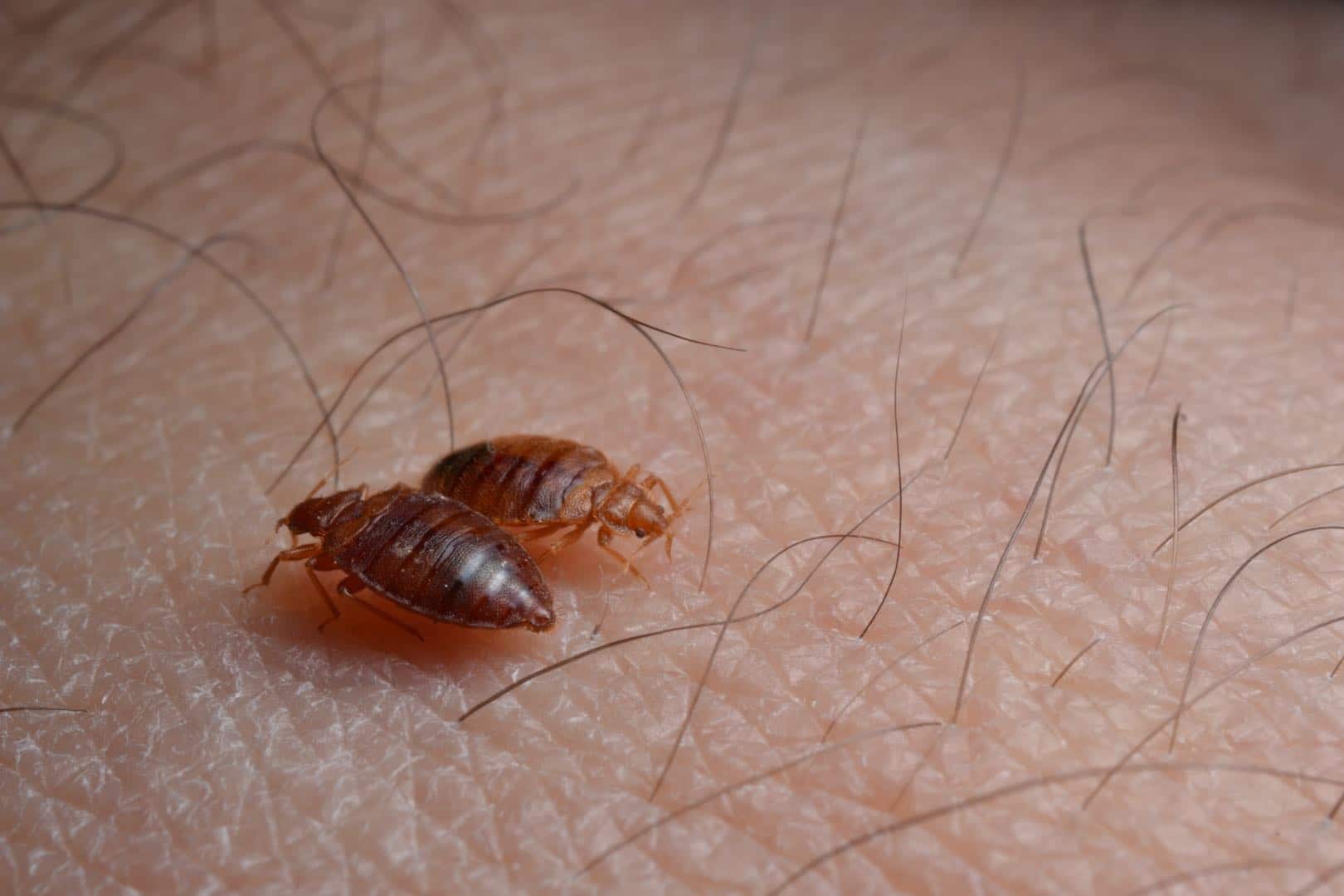
Don’t Let Them Bite: Top 25 Signs of Bed Bugs
Bed bugs are among the hardest pests to contain, so it’s important to act quickly.
Just one female bed bug could lay 113 eggs during her life, which can hatch in as little as 6 days.
However, bed bug infestations rarely start with just one-bed bug. If left unchecked, your home could be ground zero for a serious bed bug infestation that can spread rapidly.
Our K-9 bed bug inspections are designed to identify bed bugs in every hiding spot across your home so that none are left behind.
If you suspect you have bed bugs in your house, look out for the signs of bed bugs below.
25 Signs of a Bed Bug Infestation
Bed bugs are not subtle creatures by any means. Most bed bugs leave behind telltale signs that are easy for most homeowners to identify.
1. Spotting Live Bed Bugs
This should be the most obvious sign of a pest problem, but bed bugs are very small (between 5-7mm in length) and have several life stages making it difficult to pinpoint them. What’s worse is they could hide just about anywhere in your home, including behind molding, electrical outlets, and even cracked drywall.
2. Raised, Red Welts On Your Skin
Another classic sign of bed bugs is waking up to itchy, red, raised welts across your skin. While it doesn’t always implicate bed bugs, there is a good chance that some sort of bug lives beneath your sheets.
3. You Have Recently Encountered Someone Or A Place That Has Reported Bed Bugs
While this is no guarantee that you will get bed bugs, if someone you know has had them or recently discovered they have had them, it’s a good idea to check around your own home to be sure you didn’t pick up a stow-away. We recommend hiring a professional because you may be dealing with the early stages of an infestation, which are generally harder to identify.
4. Shells Or Molted Skins
While living bugs can be elusive, they leave a little present behind. Bed bugs shed their exoskeleton as they molt to the next stage. You will find these “leftovers” in cracks, under furniture, or anywhere they may be nesting.
5. Fecal Spots On Bedding/Mattress
Liquid fecal spots on your bedding are a sure sign of bed bugs. These small, liquid waste spots can be scattered across your bed depending on how often the bugs have fed.
6. Bloodstains On Your Sheets/Pajamas
If you are a host for a family of bed bugs, another sign would be bloodstains. The primary diet for bed bugs is blood from humans or other warm-blooded animals. Seeing unexplained spots of blood on your sheets could be a warning flag.
7. Dark Spots On The Walls Or Upholstery
Sheets aren’t the only place for bed bugs to hide. These little creatures can easily slip behind your wallpaper or into other enticing spots they can hide away during the day.
8. Multiple Bug Bites
Maybe it’s not mosquitos! If you wake up with multiple little red dots, you likely have bed bugs. The problem is, however, that you may not actually feel the bed bug bite if they are from a young bed bug. The bites may be painless, but they will most likely cause you to have a reaction.
9. Painful, Swollen Bumps With A Dark or White Center
If you aren’t 100% sure you have been bitten by a bed bug, one way to tell is by looking at the bite. They are often swollen with a dark center. In some cases, they can have a white center as well.
10. Burning And Itching
While the initial bite may not hurt, bed bug bites tend to leave victims with a burning and itching sensation.
11. Fever, Nausea, or a Swollen Tongue
Bed bug bites can cause a severe reaction in certain individuals. Coupled with the other signs of bed bug bites, such a reaction could be a sign of an infestation.
12. Marks On Exposed Skin
You may have bed bugs if you have rash-like patches, bites in a straight line, or burning hives on your exposed skin. Depending on the clothing you wear to bed, bed bugs will latch on to exposed skin for an easy meal.
13. Not Everyone Displays Symptoms; Others Have A Strong Reaction
It’s common for people to have different reactions to bed bug bites, even within the same household. Keep an eye on your skin and the skin of small children because it can be difficult to spot the sign without a reaction.
14. Uncomfortable Nights
Another sign of a bed bug infestation is an uncomfortable night’s sleep. While you may not feel the bites, your body may react in response to any interaction with these pests. They are quick and often run across your bed at night to feed. While you may not know the presence, your body may experience restlessness as a reaction.
15. Musty Smell
Bed bugs have a particularly musty smell. Much like the scent of a dirty, wet towel, where there is an infestation, there is often an overwhelming, damp scent.
16. Rusty Spots On The Bedding
Much like seeing spots of blood, a common sign of bed bugs is in the rusty spots from expelling blood and fecal matter.
17. Flat, Reddish Bugs
If you do happen to see a bed bug, they are about 5-7mm in length and they are no bigger than a sunflower seed. These small oval bugs are so tiny they can fit almost anywhere and are so light it’s hard to tell when one is on you.
18. Bug Exoskeletons Or Bodies
A sure sign of bed bugs is finding dead bodies throughout your house. These little creepers can find various spots to nest in your home, so don’t limit yourself to just the bedroom and mattress.
19. Eggshells Or Eggs
Bed bug egg shells are about 1 mm and are pale yellow. Like the exoskeletons or dead bodies, spotting eggs could mean you have a nasty infestation.
20. Shells In Drawers
Much like your bedroom, it’s possible for bed bugs to house themselves in your clothing drawers. They can hide between the cracks, underneath, or even in the clothes themselves.
21. Spots Near Electrical Receptacles And Appliances
Another spot you may find black and rust-colored spots is by electrical sockets. While it’s more common to find bed bugs in your mattress, it’s possible to find them just about anywhere in your home.
22. Box Spring Nightmare
If you have any bed bugs, the spot you will most likely find them is within your box spring. Bed bugs can squeeze themselves flat and fit in just about any little space.
23. The Head Of A Screw
While the most obvious places may give you difficulty, consider this possibility: bed bugs in a screw head. Depending on the severity of the infestation, bed bugs can fit themselves in some of the strangest places.
24. Bites On Your Animals
If you have any warm-blooded animals, like cats or dogs, you may want to inspect them. Bed bugs don’t just bite humans!
25. Overall Decrease In Personal Well-Being
If you find yourself covered in welts, having a rough night’s sleep, and can’t stand the smell of your bedroom, your well-being is likely suffering. Not knowing or treating the signs of a bed bug infestation can lead to a poor quality of life.
What Causes Bed Bugs
It’s important to understand what causes bed bugs to best avoid them. Unlike cockroaches or ants, which typically indicate a dirty home, bed bugs usually arrive from an external source. Some common sources of bed bugs include:
- Thrifted clothing
- Second-hand furniture
- Public transportation
- Hotels and motels
Therefore, thoroughly inspecting luggage, clothing, and your person after interacting with these sources could help you curb a bed bug infestation before it spreads.
How to Inspect for Bed Bugs
You can perform a bed bug inspection yourself, though we recommend hiring a professional. If you go the DIY route, here are some things to remember.
Where Do Bed Bugs Hide?
Bed bug bites may not be subtle, but bed bugs are better at hiding than most people expect. The most common hiding places for bed bugs are:
- Mattresses and Box Springs: Bed bugs commonly hide in the seams, tags, and piping of mattresses and box springs.
- Furniture Cracks and Joints: Cracks and crevices in bed frames, headboards, and other furniture provide ideal hiding spots.
- Baseboards and Carpet Edges: They often conceal themselves along the edges of carpets and underneath baseboards.
- Electrical Outlets and Appliances: Bed bugs can squeeze into tiny gaps in electrical outlets and inside or behind household appliances.
- Behind Wallpaper and Wall Hangings: Loose wallpaper, picture frames, and other wall decorations offer hidden spaces for bed bugs.
Should I Contact a Professional?
Since bed bugs are such difficult creatures to treat–pesticides are rarely effective–it’s best to contact a local exterminator at the first sign of a bed bug. Exterminators are equipped with the tools and knowledge to handle a bed bug infestation and route any remaining bugs without causing harm to you or your loved ones.
Bed bugs are a pest that no one wants to encounter. If you see any signs that may indicate an infestation, get rid of bed bugs as soon as possible. Your skin, pets, and furniture will thank you for it.
To learn more about our Bed Bug treatments, contact The Pest Rangers.
FAQs
What do bed bugs look like?
Bed bugs are small, reddish-brown insects that feed on the blood of humans and animals. They are about the size of an apple seed and can be difficult to detect due to their nocturnal nature and ability to hide in small crevices.
How do bed bugs spread?
Bed bugs spread primarily through human activity. They can hitch a ride in luggage, clothing, used furniture, and other personal belongings. They are not known to spread diseases but can cause discomfort and anxiety.
Are bed bugs only found in beds?
No, despite their name, bed bugs can be found in various locations, including:
- Furniture (sofas, chairs, dressers)
- Curtains
- Luggage
- Behind pictures and wall hangings
- Under carpeting, especially near the bed

Top 7 Tips for Spring Pest Control in Northeast & Southeast PA
For Northeastern and Southeastern Pennsylvania residents, spring means warm weather, short sleeves, and blooming flowers. And for most, that annual spring clean.
Unfortunately, the turning of the season also marks the return of some seasonal pests. We’re talking mosquitoes, ants, termites…should we go on?
As you begin your spring cleaning, it’s the perfect time to practice proper yard pest control and protect your indoors against any potential unwanted visitors.
Let’s discuss the importance of spring pest control, what pests to expect, and, finally, seven tips to help stop this problem.
The Importance of Spring Pest Control
As the weather gets warmer, spring cleaning is not just about reducing clutter but also about pest-proofing your home.
Likewise, many spring pests bring a whole host of new challenges, from mosquitoes that spread their own forms of disease to termites that damage homes and wood furnishings.
If you dealt with ants the past year, chances are they will also reemerge as the weather warms and reconnect with old pheromone trails they left behind.
Therefore, getting an early start on spring pest control will ensure your home is protected from spring pests, as well as summer pests.
Common Spring Pests in Pennsylvania
The warm weather wishes us goodbye to nuisance pests like rodents but opens many homes and yards to a scourge of increased insect activity. Here are some of the most common and dangerous spring bugs in NEPA.
- Termites: March is the opening of termite swarming season, and those April showers provide the perfect environment for termites to assault wet and decaying wood on your property leftover from last fall. While termites are active year-round, spring is the perfect time to perform an inspection.
- Ants: Ants with existing pheromone trails tend to re-emerge after the cold weather subsides. If you spot ant hills, eliminate them immediately with boiling water. Carpenter ants are especially dangerous as they will damage softwood similarly to termites.
- Bed Bugs: While bed bugs aren’t technically seasonal pests, we do tend to get a lot more calls for bed bugs this time of year as people start to travel again. Be on the lookout for bed bugs when you travel or purchase any second-hand furniture.
- Boxelder bugs. Boxelder bugs are dark gray with a jaunty red stripe. As their name implies, they usually feed on boxelder trees. These insects are not destructive to your home or property, nor do they carry disease. They are simply a nuisance for homeowners.
- Mosquitoes. Mosquitoes are among the first insects to emerge in early spring and have a short list of endearing qualities. These insects have stealth-like biting behavior that creates itchy, swollen spots on our skin. They are also known for carrying diseases like malaria and West Nile virus (likely because of their attraction to standing water). Yard sprays are the only true cure for mosquitoes.
- Asian lady beetles. Often mistaken for the standard ladybug, Asian ladybeetles are usually found in homes in warm weather. They are usually brown or dark red in color and have a distinctive M-shaped mark on the top of the head. While not destructive, these insects can give off an unpleasant-smelling yellow liquid when they sense danger.
- Cluster flies. These larger versions of the typical housefly can be a nuisance. The cluster fly gains entry to a home through cracks in siding, under eaves, or around windows and like hanging out in attics in large swarms. Although irritating to many homeowners, fortunately, they are not destructive.
- Kudzu bugs. Similar in size to the lady beetle, kudzu bugs enjoy feeding on kudzu, wisteria, and soybeans. At times they will find their way into a home looking for food sources and are often found around window and door frames. Sealing any cracks or crevices and installing screens are effective deterrents for these insects.
How to Identify Bugs On Your Property?
Certain pests, especially new species, such as the spotted lanternfly, can be difficult to identify.
Some important features to keep in mind, include:
- Body color or markings. Some insects look very similar, with only subtle differences to tell them apart. Taking a photo that you can inspect more closely later can help identify the correct species. Think of the black widow spider, which most people know to stay away from if they spot red..
- Body type. Most insect species have distinct body characteristics, such as wings, antennae, thoraxes, and mandibles.
- Habitat. What kind of environment did you find the insect in? Insects like ants can dwell in homes and yards, but others, such as termites and cockroaches, tend to end up in basements.
- Size. Insect size plays an important role in differentiating gnats from mosquitoes, ants from other species, and cockroaches from beetles.
If you find an insect out in the wild or somewhere in your home and are unsure of the type, take a photo of the insect.
There are countless insect identification guides available in both hard and digital copies that can help you learn more. You can also search for your findings using a tool like Google Images to identify the species.
7 Spring Pest Control Tips to Conquer Seasonal Pests
1. Know Your Enemy
Pest management can be difficult if you don’t know what to expect. While some pests are around yearly, certain culprits are more active in the spring. Some pests, such as termites and rats, start their mating season during this time of year. Failure to combat these pests now can lead to significant trouble in the future.
As the weather turns warmer, other pests start to become more active. Indoor bugs like ants begin searching for food, and spiders emerge to hunt the ants. Therefore, you will need to customize your pest control plan to target bugs both inside and outdoors.
2. Inspect Your Exterior
First, start with an exterior inspection of your yard and property perimeter.
Look for cracks in siding and flashing where snow has melted and separated exterior components. These cracks can be open invitations to hungry pests.
Likewise, inspect ponds, bird baths, and gutters for standing water to eliminate mosquitoes. You’ll also want to watch your shed, which can be a magnet for wood-eating insects.
3. Inspect Your Interior
After inspecting your property’s exterior, the next step is to examine the interior. Spring cleaning is more than just washing your curtains.
This is the best time to check over any decorations you brought in from the holidays for any stowaways. Attics and basements are two prime spots, as well as any areas where your home utilities are kept.
Damp basements are a draw for insects like silverfish and spiders, while attics are prime spots for nesting animals like rodents. Be thorough, and make sure no pest made its way inside.
4. Maintain Your Yard
As the snow melts and temperatures rise, it’s time to look at your yard. The fall and winter leave potential pest hazards behind debris, dead leaves, melted snow, and mud. Any damp wood or thick overgrowth can house any potential spring pests, such as termites. Clear out any clutter and give your yard a fresh cut to disturb any established habitats bugs might have set up.
5. Monitor Food & Waste
Be mindful of how you store food and trash. While the threat of mice and rats is over, you must contend with ants, which is often harder. Keep your food stored in air-tight containers, including pet food, and all trash receptacles sealed. Clean up dishes and spills quickly, and make sure your outdoor garbage (dumpster or trash can) is closed.
6. Control Moisture
The transition to spring often means dealing with much moisture: rain, snow, runoff, and overflow. Pests are drawn to water either because they are searching for a drinking source or because they thrive in a damp environment.
Leaky pipes, blocked gutters, and pooling water can be a draw to many different creatures. While you can’t help how much it rains (or snows) be sure to keep your gutters clean and maintain your plumbing.
7. Keep Things Clean
There is a reason they call it spring cleaning! It’s the best time of year to clear out any potential dirt and clutter gathered over the winter. Clutter and build-up can lead to serious pest problems.
Extra junk means more areas for pests to hide and unkempt homes are perfect opportunities for all manner of rodents and insects. Keep your home clean and tidy if you want to keep pests out or give them a reason to look elsewhere.
Contacting A Professional
Spring is an ideal time for fortifying your home against a potential pest invasion. Follow these easy tips to enjoy a pest-free home. With a fresh start to the season, you can get a jump on home improvements, repair any cracks and crevices, and maintain a tidy yard.
Following these pest control tips is a great way to deter any unwanted house guests; however, even the most vigilant homeowner can face a pest management problem.
If you suspect you may have an infestation, contact a professional pest control company for a thorough inspection.
FAQs
Are DIY pest control methods effective?
Depending on their application, DIY pest control methods may be somewhat effective against spring pests. Common tactics include using essential oils, organic insecticides, and homemade traps.
Is professional pest control safe for pets and children?
Yes, professional pest control is safe for pets and family members. Your exterminator will always alert you to the dangers of any products they prescribe and create a plan to protect vulnerable members of your house from accidental exposure.
How often should I schedule pest control treatments?
Monthly or quarterly pest control treatments offer the best defense against pests. Products like Sentricon only need to be used once per season, whereas mosquito yard sprays may require monthly spraying. Our pest control plans are designed to provide year-round relief against all pests with a mix of monthly and quarterly treatments.
Is it normal to see an increase in insect activity during spring?
Yes, it’s normal to see increased pest activity, especially as many pests leave diapause to forage for food once more.
Are there any risks associated with DIY pest control methods?
Yes, even organic insecticides can be dangerous if mishandled. That’s why it’s important to read directions carefully and always consult with a professional. The last thing you want is for an infestation to grow out of control.
What are some natural ways to repel mosquitoes?
Some natural mosquito repellents include:
- Sprays containing DEET or picaridin
- Wearing long sleeves
- Installing outdoor fans at high speeds
- Mesh mosquito netting
- Certain essential oils, such as citronella
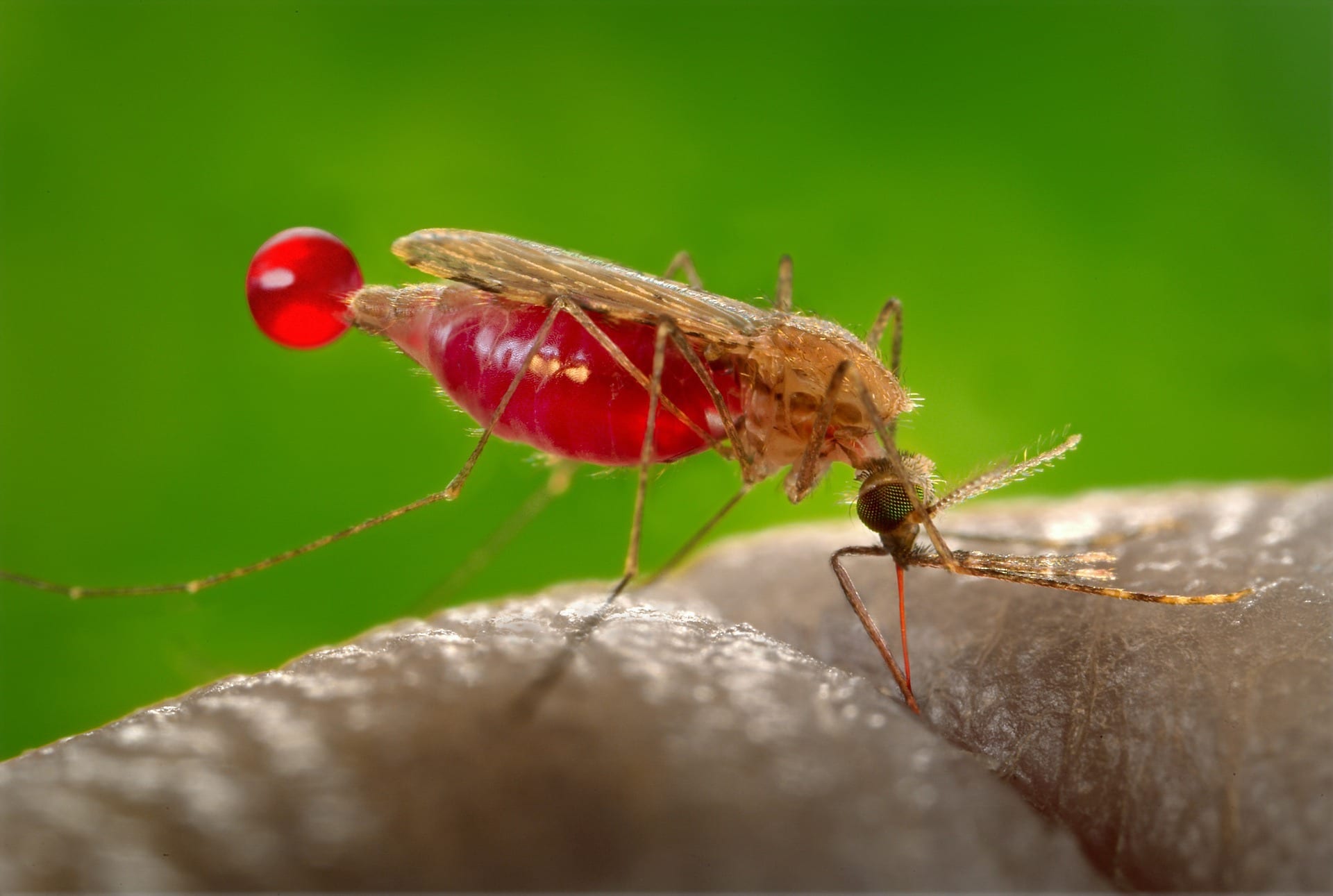
11 Dangerous Diseases Mosquitos Carry | How to Prevent Them
Mosquitos are a summer nuisance that no one likes to deal with. They are found all around the world, and they can breed just about anywhere they find standing water.
These pests not only bite and leave itchy, red welts, but they can also be dangerous. Mosquitos are known to harbor and transmit many diseases. While some diseases are more common than others, they all have the potential to be deadly. Here are 11 diseases carried and transmitted by mosquitos and why mosquito control is so important.
1. Eastern Equine Encephalitis
Triple E is a virus that attacks the brain and spinal cord of its victim, the results of which can be deadly. However, most people infected with Triple E will not experience symptoms. Those who do feel the effects of the disease will encounter flu-like symptoms within the first few days. Once inside, the virus replicates and travels through the bloodstream.
Unfortunately, about 5% of people may develop a rare infection that could turn deadly if the virus crosses the brain-blood barrier. This results in the most severe symptoms: swelling and inflammation of the brain. This severe case is encephalitis. Though people rarely contract it, it can have fatal results. 30% of people who contract the serious form of Triple E will die or experience neurological problems permanently.
2. West Nile Virus
West Nile is a viral infection carried in bird blood and the most commonly carried by mosquitos. This disease multiplies in human blood and heads to the brain.
Like encephalitis, West Nile affects the central nervous system and causes inflammation. It causes high fever, headaches, swollen lymph nodes, and a stiff neck. Those who contract this disease can experience convulsions, coma, or even death. Infected individuals can experience permanent neurological damage. 1 in 150 infected with West Nile Virus experience severe symptoms.
3. Zika Virus
Since February 1st, 2016, the Zika Virus has spread across the US and become a public health emergency. Zika can cause a rare birth defect called microcephaly – a neurological disorder that results in babies being born with abnormally small heads and development issues. This disease can be transmitted sexually or through a mosquito bite. and there is no cure.
4. Elephantiasis
Mosquitos carrying elephantiasis can be found in the tropics, subtropics, and 73 countries. This disease is painfully disfiguring and can potentially cause permanent disability. The result can have devastating physical, mental, social, and financial issues. The swelling is intensely painful and can have life-long consequences.
5. Japanese Encephalitis
Mosquitos that carry Japanese Encephalitis are found in marshes, standing waters, and rice fields. Humans contract this disease through a bite; the symptoms can be extremely mild or cause serious damage. This disease attacks the central nervous system, including the brain and spinal cord. The severity of the reaction depends on how the body reacts to the bite.
6. Dengue Fever
This tropical virus can be transmitted about a week after a mosquito bites an infected person. One mosquito can easily transfer the disease to a vast number of victims. The virus quickly multiplies and damages cells. The symptoms begin with a high fever and include headaches, back pain, joint pain, rashes, and eye pain. The fever lasts for about a week. Infected people can also experience bruising and bleeding. Dengue fever can be fatal if not treated.
7. Chikungunya
Chikungunya is a pathogen virus transmitted by mosquitos. Found originally in the Caribbean, it has been diagnosed in 35 states in the US, Puerto Rico, and the Virgin Islands. This dangerous disease has no cure, but it is not fatal. Symptoms of chikungunya start with intense joint pain. Victims experience sudden fever, chills, headache, nausea, vomiting, lower back pain, and rash. Again, while it is not necessarily fatal, it will incapacitate those who contract it.
8. Yellow Fever
Flavivirus is located in Africa and South America. Once transmitted, it incubates in the body three to six days before symptoms show. Victims experience fever, chills, headache, and nausea. Following a short remission, the disease will return with more severe symptoms: nosebleeds, bloody vomit, abdominal pain. Yellow fever can be deadly. No known treatment exists aside from vaccination.
9. Rift Valley Fever
Rift Valley Fever is an acute, fever-inducing viral disease. This sickness affects both humans and animals. It usually takes two to six days for the infection to take hold. Victims experience general weakness, back pain, and dizziness as the sickness develops. More serious symptoms include ocular disease, encephalitis, or hemorrhagic fever.
10. Malaria
Female mosquitos pick up parasites, Plasmodium falciparum or Plasmodium Vivax, by feeding on infected humans. The parasites develop within 10-18 days and are passed on through the mosquito’s saliva. This disease feeds on blood cells and moves into the liver. Victims experience fever, chills, sweating, headaches, and flu-like symptoms. If left untreated, malaria can cause kidney failure and death.
11. Ross River Disease
Those infected with Ross River Disease may not show symptoms right away. In fact, 55%-57% of infected individuals don’t have any symptoms. Those who do experience symptoms can experience swelling, joint pain, stiffness, and tiredness. Among the milder infections transmitted by mosquitos, patients recover from this sickness within a few weeks.
Signs that a Mosquito Bite Is Dangerous
Unfortunately, telling the difference between an infected mosquito and an innocuous one can be difficult until it’s too late. Here are some signs that it’s time to see a healthcare provider:
- The bite becomes extremely swollen and warm, with red streaks emanating from it.
- You develop a fever or headache.
- You have joint pain or body aches.
Fortunately, most mosquitos in the United States don’t transmit disease, especially many of the ones on the list.
How to Prevent Mosquitos
Mosquito bites can be so much more than an annoying itch to scratch. They can potentially be deadly. With proper repellants and thorough care, you can stay safe.
Some mosquito prevention tips include:
- Remove all standing water, including in bird baths, old tires, or gutters.
- Use a high-speed fan outside that disorients mosquitos.
- Apply a repellent with DEET or Picaridin.
- Wear protective clothing, such as long sleeves.
- Light a citronella candle or use essential oils, such as lavender.
- Plant citronella, marigolds, or lavender on your property.
- Keep your yard trimmed and tidy.
- Hang up mosquito nets and install screens on doors and windows.
When mosquito prevention doesn’t work, you’ll need to turn to mosquito yard sprays. While many are effective, the application is key. Contact a local exterminator who can apply a routine yard spray around your property to keep mosquitos away.
This summer, take steps to protect yourself and your family from potential diseases. Perform regular maintenance on your property and keep pests out. If you think you may have a mosquito problem, consider reaching out to a professional pest control expert.
FAQs: Diseases Carried by Mosquitos
What should I do if I suspect I have a mosquito-borne illness?
If you suspect you have a mosquito-borne illness, seek medical attention immediately. Symptoms can vary depending on the specific illness but may include fever, headache, body aches, rash, and fatigue. Inform your healthcare provider about any recent travel to areas where mosquito-borne illnesses are prevalent.
What are the long-term health effects of mosquito-borne diseases?
The long-term health effects of mosquito-borne diseases can vary widely depending on the specific illness and individual factors. For example, dengue fever and chikungunya, may cause lingering joint pain and fatigue that can last for weeks or months after the acute phase of the illness has resolved. Others, like malaria, may lead to complications affecting various organs if not promptly treated. In severe cases, certain mosquito-borne diseases can be fatal. Long-term effects may also include neurological complications, developmental issues (in the case of congenital Zika syndrome), and chronic conditions in some instances.
Are certain individuals more susceptible to mosquito-borne diseases?
Yes, certain individuals may be more susceptible to mosquito-borne diseases due to factors such as age, underlying health conditions, immune status, and genetic predispositions. For example, infants, the elderly, and individuals with weakened immune systems are generally more vulnerable to severe complications from mosquito-borne illnesses. Additionally, individuals who live or travel to regions where these diseases are endemic and lack access to adequate healthcare and preventive measures may face a higher risk of infection and its consequences.
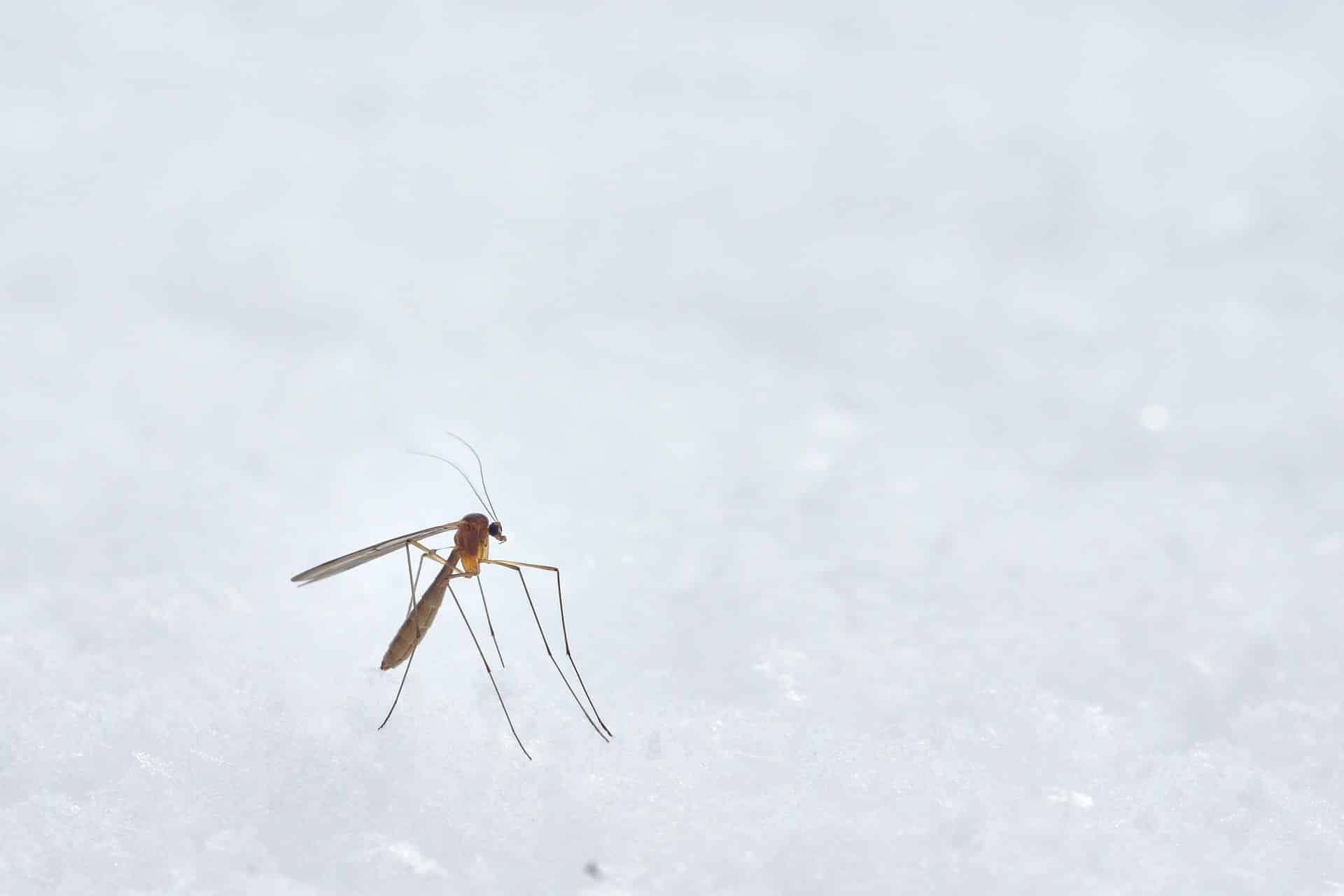
Best Mosquito Yard Sprays: How to Apply Them for Maximum Effectiveness
With the summer months quickly approaching, you may start to notice those itchy mosquito bites popping up all over your body.
Mosquitoes are some of the most common summertime pests in Northern and Southern Pennsylvania, and most people experience at least a few bites each year. While most mosquito bites are harmless aside from the itchy red bumps they leave, these pests can spread a variety of diseases, including West Nile virus and malaria.
A mosquito yard spray is a great option for immediate relief from mosquito bites. Here are some of the best mosquito yard sprays on the market and some tips for effectively applying them.
How Do Mosquito Yard Sprays Work?
Mosquito yard sprays distribute a very fine mist of insecticides that only mosquitoes can detect. While most sprays start working immediately after being applied, it can take up to 24 hours for them to reach maximum effectiveness.
If you have pets or small children, keeping them inside and away from the sprayed area until the insecticide has dried, typically 30-60 minutes after application, is recommended.
Most mosquito yard sprays provide tick and mosquito control.
How Effective Are Yard Sprays?
It is important to note that mosquito yard sprays do not kill most mosquitoes but rather keep them away from your yard. Yard sprays will typically only kill mosquitoes that are present at the time the insecticide is being applied. That said, mosquito yard sprays are highly effective at keeping mosquitoes away and reducing your chances of being bitten by at least 80%.
Factors for Selecting a Mosquito Yard Spray
When it comes to choosing the right mosquito yard spray for you, there are several factors you will want to consider:
- Do you need protection from other insects in addition to mosquitoes?
- Do you have pets or children that spend a lot of time outdoors?
- How long do you need protection?
- Are there certain active ingredients you are interested in or want to avoid?
- Do you prefer a particular brand?
Discussing these concerns with your local exterminator can help you select the right mosquito yard treatment and give you greater peace of mind.
Tips for Application
If you apply mosquito yard spray by yourself, it is imperative that you carefully follow the directions to ensure you are doing so safely and effectively. Wear proper safety gear, including a mask, gloves, and eye goggles.
If you have pets or small children, keep them far away from the area you are treating, but preferably in the house during this time.
It is also important to note that mosquito yard spray can take some time to dry fully, so keep that in mind if you plan to spend time outdoors the same day you apply the insecticide. You should also plan to apply your mosquito yard spray well in advance of any backyard events you may be planning, such as a cookout or birthday party.
Why You Should Hire a Professional Exterminator to Handle Yard Sprays
Whenever you are dealing with a pest problem, it is always wise to seek the help of a pest control professional. A professional exterminator will be able to inspect your property to assess the severity of the infestation and recommend a custom treatment plan to get rid of the mosquitoes on your property while keeping you and your loved ones safe. The chemicals used in mosquito yard sprays are very heavy-duty and can be toxic if ingested or mishandled, so your best bet is to leave it to a trusted professional.
Which Mosquito Repellents Are the Most Effective?
If you’re looking for an alternative to yard sprays, there are several mosquito repellents that may offer temporary relief.
Many products on the market claim to kill or ward off mosquitoes, but many of them have been proven to not work, such as insect repellent bracelets and mosquito traps. With that said, some of the most effective mosquito repellents include:
DEET
DEET works by confusing and interfering with a mosquito’s receptors on the antennae, deterring them from landing on human skin and leaving itchy bites.
Picaridin
Like DEET, Picaridin also works to deter mosquitoes by blocking their ability to sense their prey, making this a popular choice for mosquito prevention.
Essential Oils
Certain essential oils can be used to deter mosquitoes, with clove, cinnamon, and citronella oil being some of the most effective. These oils can be combined with water or witch hazel to make a DIY mosquito spray to combat mosquitoes and prevent them from biting.
Getting rid of mosquitoes is often a difficult task for homeowners to handle on their own. When bites become overwhelming, contact your local exterminator to inquire about mosquito yard sprays and how they can provide immediate relief for mosquitoes.
FAQs
What is the best time to apply mosquito yard spray?
It is best to apply mosquito yard spray when mosquitoes are most active, typically at dawn and dusk. Apply the spray before noon and after 6 pm for the most effective results.
How long does mosquito yard spray last?
The time a mosquito yard spray application lasts depends on the specific insecticide used. However, most treatments last 4-8 weeks. After that, the spray must be reapplied to ensure you stay protected from these pests.
Are mosquito yard sprays safe for pets?
While your pets should be kept inside during a mosquito yard spray application, these insecticides are not typically harmful to cats and dogs once they dry. However, it is a good idea to mention that you have pets when talking with your pest control expert, as they may have advice or guidelines for keeping your pets safe.
Can I use mosquito yard spray on edible plants in my garden?
If you are growing edible plants in an area of your yard that is being treated for mosquitoes, you will want to talk to your exterminator for advice on keeping your plants safe. Depending on the type of insecticide being used, eating your fruits and vegetables may not be safe if they have come in contact with the chemicals. Also, most sprays will harm and deter honey bees and other pollinators from your garden.

Canine Bed Bug Inspection: Does It Work?
Dogs are commonly called “man’s best friend,” but did you know they can also be an exterminator’s best friend? Thanks to our furry friends’ olfactory prowess, they can be highly efficient at detecting bed bugs inside homes and businesses.
Canine bed bug inspections are becoming increasingly popular as an alternative way to detect bed bugs. But do they work?
While research varies around the accuracy of canine bed bug inspections, they can be a useful tool to assist exterminators in identifying bed bugs in areas that are difficult to reach or often ignored.
Learn how canine bed bug inspections work and how they can assist you in keeping a bed-bug-free home in Northeast PA.
How Do Canine Bed Bug Inspections Operate?
Canine bed bug inspections work similarly to regular inspections. However, instead of relying on an exterminator wielding a flashlight, the exterminator will use a dog to sniff out bed bugs, similar to a drug-sniffing dog.
During an inspection, a dog will be guided around the property to sniff out the presence of any bed bugs that humans may not be able to detect. If the dog alerts their handler of possible bed bugs or eggs, the handler will mark the area and come back to it later to get rid of the bed bugs.
During a canine bed bug inspection, you and any pets you have will most likely be asked to leave the house before the inspection begins.
How Accurate Are Canine Bed Bug Inspections?
Because of dogs’ sophisticated ability to sniff out things humans can’t detect, canine bed bug inspections are thought to be highly accurate. While research varies, some statistics have cited a 98% accuracy rate, while others have noted a high presence of false positives.
Rest assured, a human will be there to double-check the results from a canine bed bug inspection, verifying its accuracy.
The benefit of enlisting a canine is that they can usually detect bed bugs in areas where humans don’t look or have trouble reaching. Therefore, consider a canine bed bug inspection as having another set of eyes to assist the inspector.
Reasons to Choose a Canine Bed Bug Inspection
Canine bed bug inspections are a great option for people who have not had much luck with traditional bed bug inspections, as dogs are typically able to sniff out bed bugs more effectively than humans can see them. Canine bed bug inspections can also be performed more quickly than traditional inspections, detecting all bed bug life stages.
While the cost of a canine bed bug inspection may be higher than traditional inspections, they are also more effective–plus, they are typically quicker.
How to Prepare Your Home for a Canine Inspection
To prepare your home for a canine bed bug inspection, you will want to remove any strong scents from your home that can throw the dog off.
You should also avoid cooking before the inspection and using any scented cleaning products. It is also a good idea to take out your trash ahead of time and do some general tidying up around the house. Try to keep your home smelling as neutral as possible to give the dog a clean slate to work with.
Finally, you might have to hide or relocate any pets on the property away from the home for a short time to allow the dog to sniff undisturbed.
Are Canine Bed Bug Inspections Worth It?
Canine bed bug inspections leverage a dog’s keen sense of smell to detect bed bugs in areas humans have difficulty detecting. While data is mixed, canine inspections are considered highly accurate.
At its core, canine bed bug inspections provide another set of eyes that can increase the chances of identifying and eliminating bed bugs successfully in your home. Think of Fido as a quality control specialist watching over your inspector to guide them along their path.
A canine bed bug inspection may not be right for you if you have existing pets in your home and cannot relocate them for an inspection. In many cases, a pet may just need to be chained up outside, but we understand not every homeowner can accommodate those requests.
Now that you understand how canine inspections work, you will be able to determine if this type of bed bug inspection is the best option for you. If you spot signs of bed bugs on your property, contact a professional immediately!
FAQs: How Do Canine Bed Bug Inspections Work?
Can dogs detect bed bugs behind walls or in furniture?
Yes, most dogs are trained to detect bed bugs and will be able to tell if any are hiding behind walls or in furniture like couches and mattresses. This is because of a dog’s strong sense of smell and ability to detect things that cannot be seen with the naked eye.
Do canine inspections replace the need for chemical treatments?
While chemical treatment may still be needed after discovering bed bugs, canine inspections can ensure that chemicals are applied to the right areas for maximum effectiveness.
Are there any risks associated with canine bed bug inspections?
There are no known significant risks to canine bed bug inspections, as these types of inspections are considered highly effective and can be executed quickly.
How long does a typical canine bed bug inspection take?
Canine bed bug inspections can be done in less time than traditional human inspections, with the average canine inspection taking between 2-15 minutes. However, depending on how large your home is or how severe the infestation is, the inspection may take a little longer to complete.
Can any dog breed be trained for bed bug detection?
Certain dog breeds are commonly used in bed bug inspections, with beagles being the most common due to their keen sense of smell. Other breeds often used include German shepherds, labrador retrievers, and Belgian shepherds.

4 Effective Types of Natural Mouse Repellent That Work in NEPA
Mice are some of the most common household pests in Northeast Pennsylvania. During the cold winter months, these critters seek shelter inside homes and other types of buildings, making their presence felt through noisy rumbling in the wall.
While most homeowners are eager to get rid of mice, they are also reluctant to use traps that they view as cruel or inhumane. Luckily, there are a number of natural mouse repellents that work effectively and keep mice away, so you don’t have to clean up icky traps,
Learn more about natural mouse repellents, catch-and-release methods, and DIY traps that work.
Natural Mouse Repellents that Work
If you want to eliminate mice without killing them, the best option is to practice proper pest prevention. Following are four natural mouse repellents that will work on any species of mice in Northeast Pennsylvania.
Essential Oils
Mice have a strong sense of smell and dislike strong scents like essential oils. Applying essential oils through a diffuser can often disorient them and cause them to evacuate your premises.
The most potent essential oils for mice and most other rodents include:
- Peppermint oil
- Citrus oil
- Cinnamon oil
Try diffusing these oils around the home with a store-bought diffuser, adding a few drops to a spray bottle mixed with water, and spraying your countertops with the solution.
Apply these oils daily for the best chance of repelling mice all season long.
Cats and Kitty Litter
Cats are a natural predator for mice, so use them to your advantage.
Mice are hardwired to recognize the smell of cat urine, so having a cat on your property with a stinky litter box will naturally deter mice with no effort. Still, keep your litter box clean, but feel good knowing it keeps mice away without you even trying.
Ammonia
Ammonia is another effective mouse deterrent you probably have lying around the house. Simply soak some cotton balls in ammonia and place them inside your drawers and cabinets to keep mice away. You can also try stuffing the cotton balls inside any cracks or crevices in your walls and floors to prevent mice from entering.
Note: This is different from using mothballs, which are generally not recommended.
Natural Predators
Mice have many natural predators beyond cats, extending across the animal kingdom. Birds, snakes, and reptiles all feed on mice, though keeping these animals on your property may not be the most practical. However, there are products designed to capture the scent of these animals to repel mice, with the most effective being bobcat urine.
The Toilet Paper Trap
If you prefer to make a DIY mouse trap that is humane and allows for catch and release, consider the toilet paper trap. This DIY mouse trap involves placing an empty toilet paper roll on the edge of the table or counter and weighing it down so it doesn’t move. Put a piece of food at the end of the roll and place a bucket on the floor below that is deep enough so that the mouse won’t be able to crawl back out once it falls in.
Once captured, you will be able to move the bucket outside and safely dispose of any mice back into the wild.
How to Catch and Release Mice Safely
Catch and release may be safe for mice, but we need to be sure that it is safe for you.
If you try to catch and release mice in your home, you’ll want to avoid contact with the mouse. If you are using a store-bought bait station, there are likely instructions included on how to remove mice once they have been caught.
If you are using a homemade trap, do so by wearing protective gloves to avoid getting bitten or scratched, and release the mouse approximately 100 yards away from your home. The last thing you want to do is release the mouse too close to your home so it returns the very next day.
If you want to deal with mice humanely, it’s also important to understand what attracts mice to your home in the first place so you can keep them away without intervention. Likewise, practicing these tips during the late fall and early winter will ensure that mice never enter your home in the first place!
Calling an Exterminator
Rodent infestations are notoriously difficult to deal with, and having mice in your home can be dangerous due to the diseases they carry. Contact an exterminator at the first sign of a mouse infestation to avoid risks of disease transmission or illness.
An experienced pest control professional will be able to inspect your home to determine the severity of the infestation and recommend a unique treatment plan to get rid of the mice.
FAQs
Will natural repellents harm my pets?
If you have pets, there are certain types of mouse repellents you will want to avoid. Even natural repellents can be toxic to pets if ingested, so be sure to do plenty of research before choosing a repellent. When in doubt, it is always a good idea to consult with a pest control expert to determine which method is right for you.
Do ultrasonic devices work effectively against mice?
Ultrasonic devices use sound frequencies that are thought to be irritating to mice but quiet enough not to disturb humans. However, there is little scientific evidence to prove that these devices actually work. Determine which pest control method is right for you by trying a few different options.
How can I tell if the natural mouse repellent is working?
Knowing if a mouse infestation has been eliminated can be difficult, especially for the average homeowner who is not well-versed in extermination. However, there are a few signs to look out for, such as not hearing scratching noises, seeing fewer or no live mice in the house, and seeing fewer rodent droppings. A pest control professional will be able to do an inspection to determine if the infestation is gone for good!

How to Get Rid of Pincher Bugs (7 Tips)
Discovering unwanted pests in your NEPA, SEPA, or Lehigh Valley home can be a hassle, especially destructive ones like termites and carpenter ants.
However, the most common bugs in Pennsylvania that rear their ugly heads each year are typically innocuous insects found in our gardens or crawl spaces. One of the most common but icky insects you may encounter each fall is the pincher bug or earwig.
Whether you’ve seen them crawl out from underneath a rock or spotted them in your basements, pincher bugs can often be found hiding around most Pennsylvania homeowner’s properties without their knowledge.
.
While pincher bugs don’t typically invade your home in massive colonies, they can pop up quite often where they are unwelcome.
If you are experiencing issues with pincher bugs in your home, read on for seven tips to get rid of them.
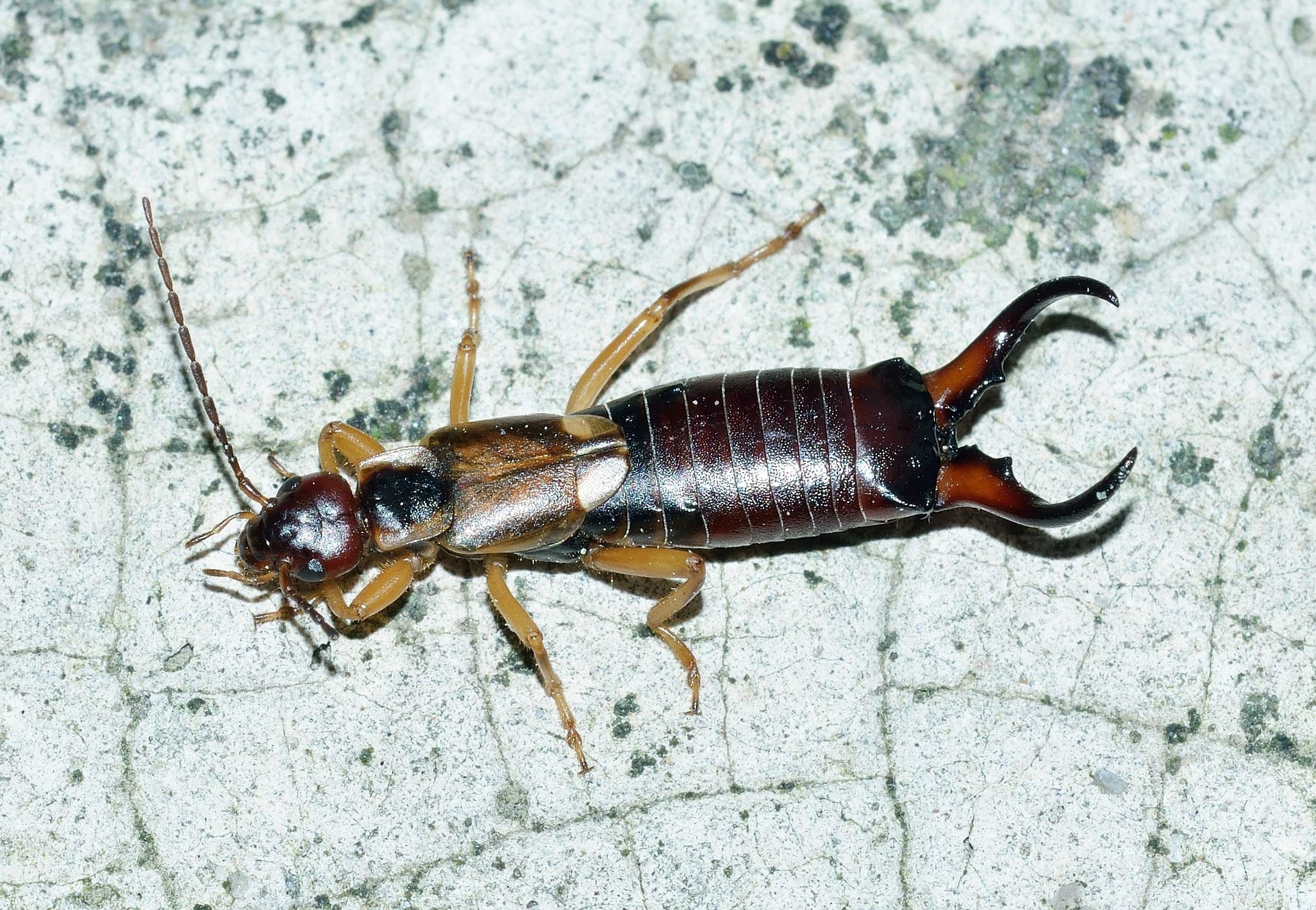
What Are Pincher Bugs?
Pincher bugs are small insects, also known as earwigs, that cluster together. Spotting one pincher bug will often mean spotting a dozen additional ones.
Pincher bugs are little winged creatures, though not all fly, identified by the pinchers on their back. While not dangerous, they do secrete a foul-smelling liquid to ward off predators. They can also damage plants in your garden by feasting on the leaves.
While they may find their way into your home, you will rarely find a big infestation. The females lay between 30-50 eggs and normally go through five molt stages before adulthood.
How to Spot Pincher Bugs
Earwigs are quick, nocturnal insects that love places high in moisture. You can typically find them under rocks, in wet soil, mulch, or under logs. They especially thrive in damp conditions.
You’ll often find earwigs when you’re not looking for them, as they tend to hide pretty comfortably in small spaces.
Like many other insects, they eat plants and insects and are attracted to light. While they are harmless, they can become quite a nuisance.
When Are Pincher Bugs Most Active?
Look for pincher bugs during the late spring, summer, and fall months when the weather remains warm or moderate. Once the cold weather sets in, these insects look for a place to dwell elsewhere, and their populations will begin to dwindle.
Should I Be Worried About Pincher Bugs
Pincher bugs are completely harmless creatures that do not bite, sting, or transfer venom.
The biggest cause for concern with pincher bugs will be protecting your plants from these herbivores.
Thankfully, you can get rid of pincher bugs fairly easily using the seven tips we listed below.
7 Ways to Get Rid of Pincher Bugs
Are you dealing with unwanted pincher bugs on your property? By following these treatment and prevention tips, get rid of pincher bugs in very little time.
1. Monitor Any Entrance Ways
The best way to get rid of any insects is to stop them from getting in. Make sure your doors and windows are sealed around the edges and shut tightly. Monitor your house at the ground level. Check any basement windows, vents, or any other possible openings and cover them with mesh. As you perform your recon, it’s a good idea to seal any small cracks or openings in the foundations. This will not only protect you from earwigs but other summer insects as well.
2. Keep It Dry
Pincher bugs search for areas with high moisture. While outdoors, this might mean finding a spot under a rotting log or in your flower bed. Inside, it means hiding away in your basement by the washing machine or in your wet towels.
To avoid any earwig issues, monitor the moisture in your home. Fix leaky pipes, frequently change out wet towels, and repair the dripping sink. Consider getting a dehumidifier if your home is extremely humid, especially in basements. The less moisture, the fewer pincher bugs.
3. Vacuum Them Up!
A simple way to get rid of earwigs is to vacuum them up. The vacuum is the perfect tool to suck up these pests and their eggs. It can be especially effective for removing these insects from your carpeting or from hard-to-reach places.
Once you’ve sucked them up, you can dispose of the vacuum bag, empty the contents outdoors, or dump the contents into a bucket of soapy water. Be careful with any removal; these insects are quick and will be looking for an escape. Be prepared before opening your vacuum.
4. Use Simple Solutions
There are a few easy and natural pesticides you can use to kill earwigs. Boric acid is one of the most common. It’s a powdery substance you can sprinkle around highly infested areas where the insects will scurry through and die on contact.
While boric acid is effective, it is dangerous for animals and young children. If you want to avoid boric acid, try a mixture of dish soap and water or rubbing alcohol and water. These substances won’t be harmful to your pets or children, and they will kill earwigs. Just spray them with one of these mixtures, which should do the trick.
5. Keep Your Yard Tidy
Overgrowth and untamed grass are two enticing features many pests look for. With earwigs, plenty of greenery and overgrown areas mean many moist areas to call home. Keep your yard and home earwig-free by maintaining your property.
Practice pest yard control by cutting the grass and applying mulch around the base of your home. If you have a garden, plant things that encourage birds or toads. They are natural predators of pincher bugs and will help keep the population low.
6. Change the Lighting
Insects like earwigs are attracted to lighting. Try to move lights away from the home. Since this may not be possible for every home, if you can’t move the lights away, try to change the bulbs from white to yellow. The brighter the light, the more bugs it will attract.
7. Proper Drainage
The key to keeping earwigs away is eliminating excess moisture around your home. Maintain your gutters and irrigation system. Pincher bugs thrive in moist soil, and if that soil is close to your home, they will also find a way inside.
Use gravel or white stone around the foundation to keep the moisture away from your home’s base. Avoid using mulch, as this will be a draw. Actively monitor your property after rain and fix overly damp areas surrounding your home.
Preventing Pincher Bug Invasions
While not harmful or dangerous, earwigs are not welcome house guests. To keep these little pests out, prevention is your best method. Care for your property, garden, and home by monitoring the amount of moisture and encouraging natural predators.
Of course, if your issue is more serious than a few stray pincher bugs, consider consulting a professional pest control expert to help resolve your issue. Enjoy the warm summer days pest-free with proper care and pest prevention.
FAQs: Pincher Bugs
How can I differentiate pincher bugs from other insects?
Pincher bugs can be distinguished by their elongated bodies, reddish-brown or black coloration, and prominent pincers at the end of their abdomen. These features set them apart from other insects, although their appearance may vary slightly depending on species and developmental stage.
Can pincher bugs damage plants or property?
While pincher bugs may feed on plant matter and occasionally damage delicate plants, they are not typically considered significant pests in agricultural or horticultural settings. However, in large numbers, they may cause minor aesthetic damage to leaves and flowers.
Are there any natural repellents for pincher bugs?
Certain natural repellents, such as diatomaceous earth, cedar oil, and citrus-based sprays, may help deter pincher bugs from entering specific areas. Additionally, maintaining a dry and well-ventilated environment can make indoor spaces less hospitable to these insects.
How to Get Rid of Snakes in Yard & House (9 Tips)
Most homeowners are tempted to get rid of snakes in their yards by any means possible. However, it’s important to note that some snake species in Pennsylvania are endangered, and it’s against state regulation to kill any snakes.
Nevertheless, it may be hard for most homeowners to ignore spotting one of these menacing-looking reptiles. In cases where you feel like you can’t deal with a snake on your own, it’s best to reach out to a professional, whether it’s your local animal control expert or pest control company.
For homeowners looking to get rid of snakes in their yards on their own, this guide will tell you everything you need to know about dealing with snakes in Pennsylvania.
How Dangerous Are Snakes In Pennsylvania?
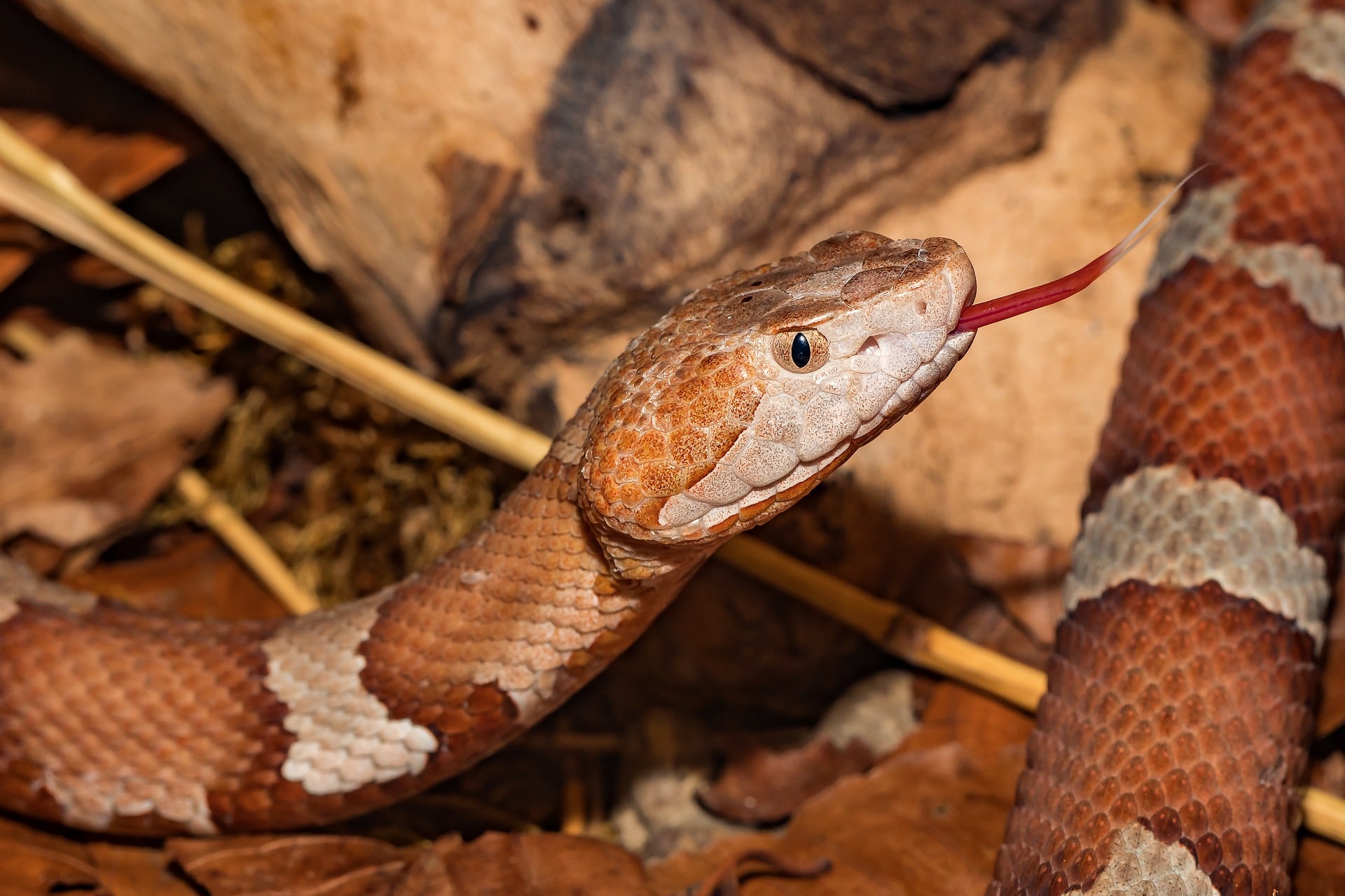
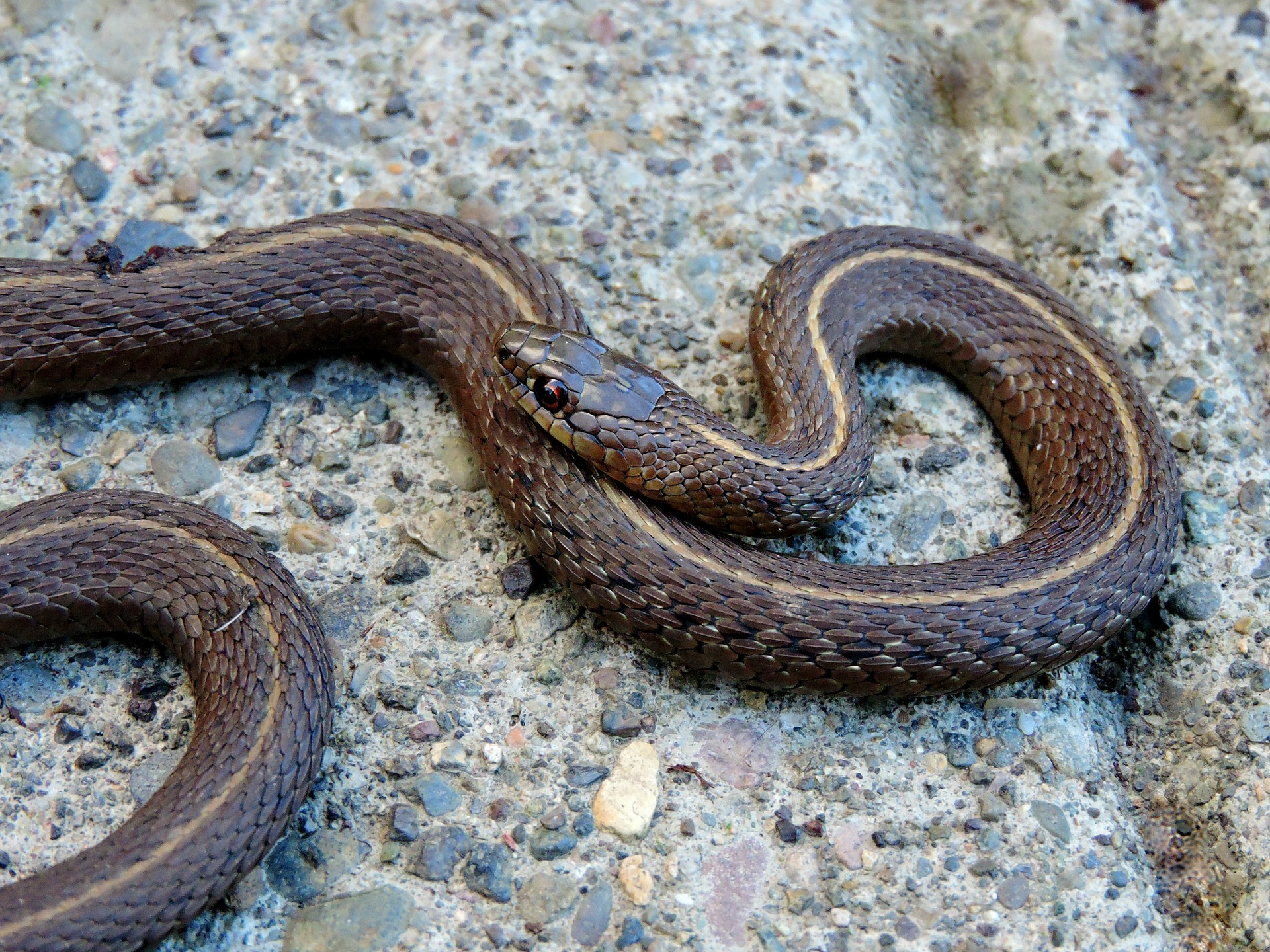
The most common reason people kill snakes is because there is a misconception about how dangerous snakes truly are. Of the twenty-two snake species found in Pennsylvania, only three are venomous:
- Timber rattlesnake
- Eastern massasauga
- Copperhead
All three species can be identified by their cat-like pupils, which are shaped like slits and not rounded like other snakes.
Fortunately, venomous snakebites are incredibly rare and death resulting from a bite is even rarer.
For the most part, snakes in Pennsylvania are incredibly tame and beneficial to their local ecosystems. Even venomous snakes are not aggressive and will not bite unless provoked through handling or intimidation.
Common Snakes in PA
There are over 3,000 species of snakes around the world, but there are a few prominent types that tend to live in northeastern Pennsylvania. While these species can be spotted in other areas, the kind you find will likely depend on your surroundings.
If you are near a body of water, the forest, or in a dryer area, the type of snake you may encounter will be different. While it is possible to be bitten by snakes, it should be noted that snakes are not poisonous – they are venomous. This means they can only transfer venom through a bite. To get a better idea of what you may be dealing with, here are the most common reptiles:
- Garter: Often called the garden snake. Their most notable feature comes in yellow lines on their bodies. These snakes are mildly venomous, but they are not harmful to humans. They tend to live in grasslands and can be gray, red, black, or brown.
- Copperhead: Semi-aquatic, venomous snakes. They live in marshes, wetlands, or similar areas. They are typically copper-colored, with reddish-brown bodies. If bitten, you will need an anti-venom.
- Rattle Snakes: Known for their rattling tale. These venomous snakes have interlocking scales and will rattle their tail to you as a warning. They are generally light brown with dark brown spots.
- Water Snake: Non-venomous snakes with aggressive behavior. Their typical habitat is near water. They can grow to about five feet long and have a rounder head than other snake species.
While most snakes would rather stay away from humans altogether, they will likely be defensive if they encounter us. If you have a snake problem or often find snakes in your yard, approach the situation cautiously. Snake bites are avoidable if you do not engage.
Why Do Snakes Infest Yards?
Snakes enter yards in search of the same things every creature needs to survive: food, shelter, and water.
Let’s break down each of these three things to discover what exactly attracts snakes to your yard:
- Food: Snakes are carnivores and typically snack on rodents (mice and rats), amphibians (frogs and toads), and other grubs, like earthworms and slugs.
- Water: Large sources of standing water, such as rivers, streams, lakes, ponds, and marshes, will attract snakes.
- Shelter: Snakes tend to reside in areas with good coverage from grass, weeds, and plants. Therefore, an overgrown or unkempt yard will be a hiding place for snakes and other pests.
Eliminating or managing these three attractants will make snakes more likely to avoid your yard altogether.
How To Get Rid of Snakes in Your Yard
The last thing you want is a nasty bite from a venomous visitor. If you want to avoid an encounter, here are nine things you could do to keep snakes away.
1. Keep Grass Trimmed and Clean
Snakes seek warm, moist areas with a food source. They also look for areas abundant in rodents. These reptiles like places to hide, and an overgrown yard is just the perfect place. An excellent way to discourage snake populations is by keeping your grass cut. Additionally, if you routinely trim your lawn, you won’t run into any unexpected dangers while doing so.
2. Contain your Overgrowth and Care for your Yard
In addition to hiding in tall grass, snakes will hide in yard debris. Tall grasses and shrubs are two ideal hiding spots for these reptiles. They also tend to hide away in storage sheds, wood piles, or fallen branches and limbs. Proceed with caution when removing and clearing your property to avoid any snake bites.
3. Know Where They Hide
Understanding where snakes hide is fundamental to getting rid of snakes on your property. Snakes will often cozy up near heat or water sources. These reptiles are often fond of small places, like boxes, and can be found near or behind appliances. Other species like to find high and out-of-reach areas, so be wary of any ledges. You can be ready for them if you know where to find them.
4. Eliminate Moisture
Snakes are on the lookout for a water source. They love cool, damp environments. Water is a draw to many different pests. To keep them all away, remove any excess water you may have on your property. Take care of puddles, blocked rain gutters, or any leaking pipes you may have. Treat pools throughout the warm months to avoid bacteria buildup and amphibians that might attract snakes.
5. Use Mulch
Snakes aren’t fans of sharp materials. Therefore, applying mulch around your house is an excellent way to keep them away from your home and out of your yard. Use rick chips, crushed-up pine cones, or any thick, chopped wood for coverage.
6. Destroy the Food Source
Another easy way to keep snakes away is by limiting their food source. Snakes feed on rats, mice, and other critters. If they have a smorgasbord, they aren’t going to leave anytime soon. A snake or two can help you keep rodents away, but they must be dealt with when they become a nuisance. Therefore, getting rid of mice will, in turn, get rid of snakes.
7. Seal Any Possible Entryways
If the goal is to keep snakes out, limit their possible access points. Check your home for cracks and crevices. Check your drains and vents, and routinely inspect crawl spaces for openings. Seal up any entryways with caulk, expandable foam, or weather stripping. Cover any openings that cannot be closed with a fitted screen. Close the holes so neither reptile, rodent, nor insect can sneak inside.
8. Try Repellents
If snakes are a recurring problem, there are non-toxic repellents you can spray that are safe for use near children and pets. You can also use oil scents like cinnamon, clove, oil, and eugenol. These can help keep snakes away. Additionally, you can plant marigolds, garlic, or lemongrass. Snakes are deterred by these smells. These can also help keep mosquitoes away as a bonus!
9. Consider Exclusion
If you do find a snake in your home, it probably doesn’t want to be there any more than you do. Since they are essential to the ecosystem and don’t mean us any harm – consider calling a professional service to remove the snake. Most are looking to either hibernate or hide away.
They are not a very common pest and will likely leave you alone. However, since there are over 3000 species, it’s difficult to tell whether your snake is venomous. Rather than risk your safety or your family, consider calling a professional if you find a snake on your property and cannot deter it.
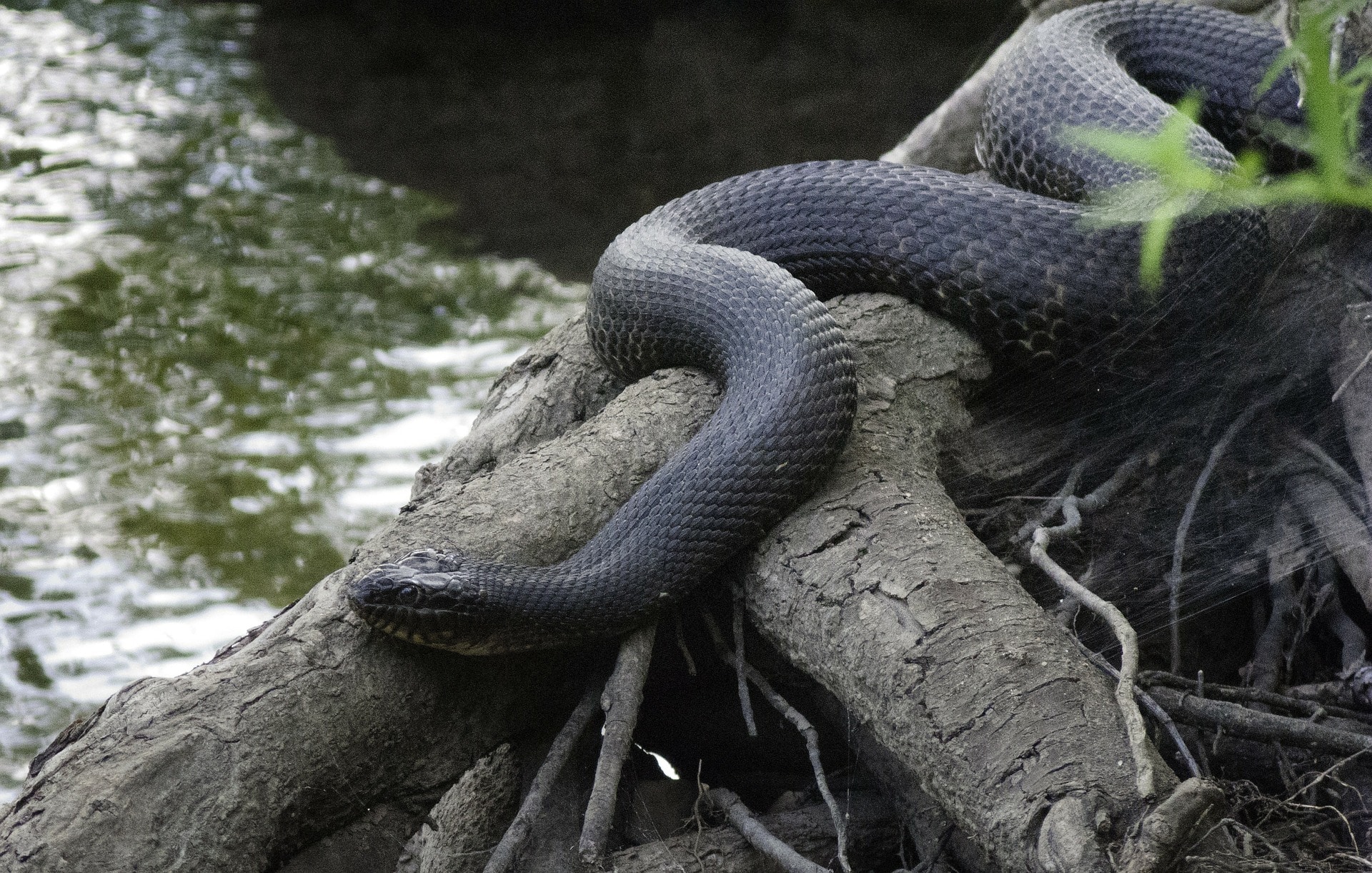
Dealing with a Snake Problem
Snakes are rarely an issue. Most want to be left alone and only look for a place to live. If you want to get rid of snakes from your yard and protect your family, consider some of these tips to keep snakes out.
Be vigilant and monitor the perimeter of your property, keep it clean, and try repellents. If you should find a snake, contact a pest control professional to have it removed for your safety. Be cautious and stay safe.
FAQs
Can I use mothballs to repel snakes?
Mothballs are not recommended for repelling snakes. While they might have some repellent effect on certain pests, they are not effective against snakes. Additionally, mothballs contain toxic chemicals that can be harmful to humans and pets if ingested or inhaled. It’s best to use safer and more effective snake-repellent methods.
How can I tell if a snake is venomous?
Identifying venomous snakes can be challenging, but there are some general characteristics to look out for. Venomous snakes often have triangular-shaped heads, slit-like pupils, and heat-sensing pits between their eyes and nostrils. Additionally, venomous snakes in certain regions may have specific color patterns or markings. When in doubt, it’s best to assume that any snake could be venomous and take appropriate precautions.
Will keeping a cat or dog help deter snakes?
While cats and dogs may occasionally chase or harass snakes, they are not reliable deterrents against snake activity. Some pets may even attempt to interact with snakes, putting themselves at risk of being bitten. It’s important to take proactive measures to snake-proof your property rather than relying solely on pets for snake control.