
Restaurant Pest Control: 9 Expert Tips to Remain Pest Free
As a food-related business owner, your top priority should be your customers’ and employees’ safety and satisfaction. And this means keeping your restaurant pest-free.
A pest invasion creates financial problems and could lead to irrefutable harm to your local reputation and fines from the US Food and Drug Administration.
Having a plan of action is the best way to avoid a business-crushing pest control issue and keep your customers coming.
To help, we created a 9-step restaurant pest control plan and guide to help you learn about effective restaurant pest control strategies for your Northeast and Southeast Pennsylvania businesses.
The Importance of Restaurant Pest Control
Maintaining a pest-free environment is important for the health and safety of your customers and employees. Common pests in restaurants, such as mice and cockroaches, can carry diseases like salmonella and contaminate food through their droppings.
On the financial side, even a single pest sighting can result in negative reviews, a drop in customers, and potential legal action if a health inspection finds violations.
Due to the volume of food and waste that restaurants and food establishments deal with daily, pest control is not an option–it’s a priority.
Common Regulations Regarding Restaurant Pest Control
Furthermore, on the legal side of your business, maintaining a pest-free environment is a requirement under both local health codes and FDA rules. Some of the most important regulations that restaurants have to follow regarding pest control include:
- FDA Food Code: This code establishes best practices for food safety, including pest control measures to maintain a pest-free establishment.
- Hazard Analysis and Critical Control Points (HACCP): Requires restaurants to identify and mitigate potential food safety hazards, including pests, to avoid disease outbreaks or illness.
- Local Health Department Inspections: Restaurants must pass routine health inspections that often include pest control checks.
- Pesticide Use Regulations: Restaurants that decide to take measures into their own hands must use approved pesticides, and licensed professionals must apply them in accordance with safety guidelines.
- Sanitation Standards: Proper waste disposal, food storage, and cleanliness are essential to prevent pest infestations and comply with health codes.
Failure to comply with these regulations can lead to fines, closure orders, or loss of business licenses. Restaurant owners should always stay updated on local, state, and federal pest control requirements to maintain a safe and compliant establishment.
Common Pests Found in Restaurants
Restaurants provide an ideal habitat for pests due to food, water, and shelter availability. Some of the most common pests found in food establishments are bound to include:
- Rodents (Mice and Rats): These small and nimble pests often enter the kitchen through exterior openings or even wide-open backdoors. Once inside, they can chew through wires, contaminate food, and leave droppings that spread bacteria on surfaces.
- Cockroaches: These filthy creatures thrive in warm, moist environments and can spread bacteria such as Salmonella and E. coli. They are nocturnal, so you will need to perform an inspection at night.
- Flies: Fruit flies are extremely common in restaurants during the summer and can spread disease if they come in contact with food or people. To combat infestations, common food sanitation measures and fly traps should be set up.
- Ants: Common black ants are attracted to food crumbs and sugary substances. If unchecked, they can quickly grow out of control.
- Stored Product Pests (Beetles, Moths, Weevils): Found in grains, flour, and other stored food products, these pests can damage food and storage containers, leading to heavy financial losses.
Understanding what types of pests frequently infest restaurants can help owners and exterminators devise a plan to target these pests.
Signs of an Infestation
Early detection is essential to preventing a full-blown infestation. While pest sightings will be the most obvious sign, there are a few additional ones that workers and managers should keep an eye on.
- Droppings and urine stains: Often found in pantries, under sinks, and near food storage areas.
- Gnaw marks or holes in packaging: Evidence of rodents or ants chewing through food containers.
- Unusual odors: A musty or foul smell may indicate the presence of cockroaches or rodents.
- Visible pests: Seeing a single cockroach, mouse, or fly could mean there are many more hidden, as these tend to be social creatures.
- Damaged food products: Any signs of food contamination should be addressed immediately, and all damaged products should be disposed of.
- Grease trails or smudge marks: Rodents often leave dark streaks along baseboards and walls, indicating their presence.

9 Expert Restaurant Pest Control Tips
Restaurant pest control requires many different facets, from preventative measures to active barrier sprays. This 9-step restaurant pest control guide will ensure your restaurant remains pest-free and safe.
1. Keep Track of Your Problem Areas
Pests can invade from just about anywhere, but the best way to combat a problem is to identify where they are living or coming from. Depending on the type of creature, their safe haven can be a number of different places.
For example, some insects are drawn to the warmth of lighting, so be careful about where you place your lighting, especially if you have an outdoor dining area.
Additionally, dumpsters are a smorgasbord for pests like mice, rats, and wildlife. They should be located away from the building and sealed tight to prevent scavenging.
Of course, pests don’t have to be attracted to lighting or your trash; they could just mosey through the front door. Any opening can be a problem: windows, doors, vents, etc. Be sure the gaps are sealed, floors are clean, and all entryways are closed when not being used.
2. Keep a Pristine Interior
To control pests inside, it is important to keep your restaurant clean. The dining area should be cleaned daily, and any food residue should be removed. This also extends to food prep and cleaning stations. Additionally, no food should be left standing in the kitchen, food prep, or open storage areas.
Trash cans and bins should have liners and a tight-fitting top. They should also be emptied daily to remove any potential pest hot spots from your property. If not cleaned properly, floor drains can also be an issue. The best way to keep pests out is to follow the FDA’s HACCP (Hazard Analysis and Critical Control Points) principles.
3. Know Your Enemy
If you discover you have an insect or rodent problem, the next step you take should be identifying the culprit. Your plan is dependent on the type of infestation. A rodent problem can be dangerous. Not only do customers experience repulsion, but they can contract diseases like Salmonella, Listeria, or E. Coli. Rodent droppings can also be hazardous and cause major property damage.
Insects like cockroaches and flies can spread diseases, contaminate food, and create major problems as well. Once you identify your pest problem, you can take the steps to fix it. However, keep in mind not all pests will be found out in the open.
4. Check Your Storage
As a restaurant purveyor, it is imperative to check and clean your storage regularly. Routinely inspect your storage bins and throw out anything past the expiration date. Old or poorly kept food can attract all manner of insects, such as beetles, weevils, moths, and mites.
The storage area is also a breeding ground for bacteria, especially near refrigeration units. Anything that may be infested could risk cross-contamination with good food in your storage. Be vigilant and check your storage often.
5. Monitor Areas
It isn’t enough just to check these problem areas once or twice a year. Pest control can get out of hand very quickly. The best action is preventative action. Make it a point to check the problem areas to see what needs updating and to be sure everything is clean. Additionally, you want to be sure everything is up to code in case of a surprise inspection.
If you’ve had previous infestations, come back to those areas more frequently to ensure that the problem has been taken care of. If you want to remain pest-free, the bottom line is that you must take action.
6. Survey the Damage
If you do discover a pest problem, do not hesitate. Act quickly; a pest problem in the foodservice industry can mean ruin should the health department find out before you do. What kind of pest problem do you have? How large is it? Determine the size of the problem, contact a pest control specialist, and remove all contaminated food. You can’t be too careful when handling pest problems.
Keeping things pristine is key to restaurant pest control
7. Build a Plan of Action
Depending on the infestation, have a plan of action to respond efficiently. Remove all contaminated food and sanitize affected areas. If pesticides are needed, follow the rules and regulations. Have a trained official handle the poisonous materials and keep them away from any area that may be near food. If needed, contact a pest control specialist. It is best to deal with pest complaints and reports quickly.
8. Follow the Food Hygiene Law
If you follow Food Hygiene laws, you should be able to avoid an infestation. Follow regulations regarding food safety and take preventative measures against cross-contamination. Keep areas clean, monitor all activity, and ensure that all employees are properly trained on food storage and safety.
9. HACCP and Food Safety Legislation
The best defense against a pest problem is prevention and knowledge. Keep current on the most recent rules and regulations set by the U.S. Food and Drug Administration. Food law requires businesses to follow the HACCP principles to ensure people are safe. Ensure everything is clean and up to code, especially when handling food and storage.
Above all else, remain vigilant. Follow these tips to keep your business safe, clean, and running pest-free.
FAQs
How often should a restaurant have a pest control inspection?
It is recommended that a professional pest control inspection be performed at least once a month. However, more frequent inspections may be necessary if the restaurant has a history of pest problems.
Can I handle pest control on my own, or do I need a professional service?
While maintaining cleanliness and sealing entry points can help prevent pests, a professional pest control service is essential for eliminating infestations and ensuring compliance with health regulations.
What should I do if a health inspector finds pests in my restaurant?
Address the issue immediately by hiring a licensed pest control service, thoroughly cleaning the affected areas, and implementing preventive measures to avoid future infestations.

Can You Use the Google Lens to Identify Unknown Bugs?
Finding a strange bug in your NEPA, SEPA, or Lehigh Valley home can be unsettling, especially if you’ve never encountered one. Any surprise bug can be unwelcome in your home or backyard, big, small, or with a thousand legs.
Before you squash your intruder, take a step back and see what type of insect you actually have. Identifying your unwanted houseguest is crucial, as bugs, like cockroaches, can carry diseases.
Dozens of bug identifier apps have popped up in recent years to help homeowners identify unwanted pests–but do they really work? A quick look can help you discover if you have a termite or a winged ant, but some apps are better than others.
Google Lens offers the best capabilities for identifying unknown pests, but even some of its functionalities can be limited. Here’s everything you need to know about bug identifiers, including tips to make them sharper.

Can Google Lens Identify Bugs?
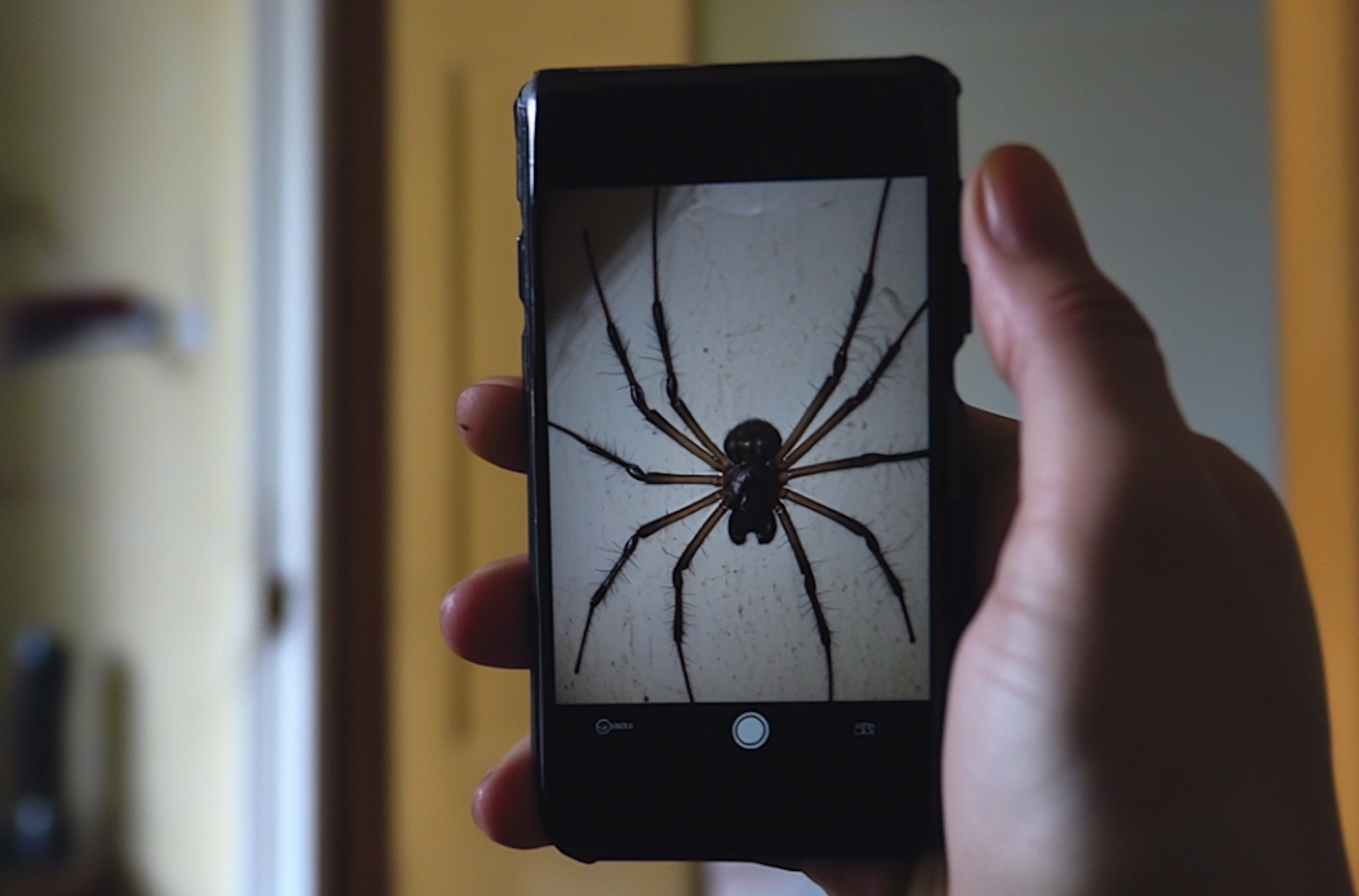
Google Lens is an app created by Google to help offer information through photographs. In theory, all you have to do is take a picture of an object, and you can use Google Lens to look up information about it.
It’s really that simple, but you have to be sure you have a good and clear picture of whatever you want to look up. The application is available through Google Photos and Google Assistant. Plus, you can find the app on most Android phones.
Google Lens works well with plenty of different subjects: apparel, home goods, books, business cards, buildings, and especially, plants and animals. So, if you have the app, you can identify a pest problem by simply snapping a picture and using Google search to identify similar images from people on the internet.
How to Identify Pests with Google Lens
Using Google Lens is extremely easy. Simply take a picture, click the Google Lens icon on your phone or tablet, and the app will find compatible images. You can also use the Google Voice Assistant to perform the search.
The app will scan and translate, giving you any information that coincides with similar or identical photos. Just be sure you have a clear photo; otherwise, you may have some trouble finding matches.
Pros and Cons of Using Google Lens
Having an easy way to identify your insect intruder in the palm of your hand is a great way to at least get an idea of what you have. You can snap a photo, do a search, and almost instantly know what you’re up against. This is a great option, especially if you’ve never encountered the bug before. Knowing what kind of creature it is can put your mind at ease.
Unfortunately, the app has a few downsides. If you can’t get a clear or close enough picture, you may not be able to identify the type of insect you have. Insects can be quite small and evasive, so catching a photo that works can be…well, a lot of work.
Additionally, if the insect blends into the background, Google Lens may not be able to identify it at all.
Another issue you might encounter if you can’t get a clear picture is false identification. If your photo isn’t clear or close enough, Google Lens may give you multiple possible answers, leaving you to play the guessing game.
This isn’t something you’d want to do if you were trying to find out if you have a harmless spider or a black widow. While the app can give you an idea of what you might have in your home, depending on your image, the information may not be the most accurate.
Best Bug Identification Apps for Android and Apple
If you don’t have a Google phone or Google Lens, there are well over a dozen free and paid bug identifier apps available for Apple and Android, with the top-rated apps being:
- Picture Insect: Available in a free and paid version, this app uses AI and machine learning to help identify bugs based on information available on the internet. This app also provides helpful information about bug bites, life cycles, and more.
- Naturify: More geared towards plants and all types of animals, this free app is useful in identifying different bug species, including exotic ones in your area.
- Bug Identifier Bug Finder: This app scans the internet using uploaded photos to provide you with useful information about bugs, including identification, behaviors, and threat levels.
These apps all have pros and cons, and we suggest reading various reviews and trying the free version before paying for anything.
Using Your Phone to Identify Insects
So, you’ve got your Android phone or tablet. Now it’s up to you to get a good photo. Try and get a few different shots – you may not get accurate results if you take a blurry or off-kilter photo. We understand this can be difficult, especially if you don’t want to get too close.
However, getting a clear picture is crucial for identifying an unknown bug, so get as close as you are comfortable with.
Also, make sure the insect is visible. If you are snapping a photo and the bug is blending into the background, Google Lens or your bug identifier app may not be able to distinguish the difference between the insect and the surface.
Once you’ve snatched a picture, you can let the application do its job and see what you might be up against.
Match these results with your own research on the Internet to verify that you have identified the right species. When in doubt, contact a pest control expert, especially if you are dealing with a dangerous bug, such as cockroaches, termites, or bed bugs, which can multiply quickly and ruin your peace of mind.
FAQs
What is Google Lens?
Google Lens is an AI-powered app that uses your smartphone camera to analyze and identify objects, text, and images in real-time. It can recognize plants, animals, landmarks, and even insects.
Do I need an internet connection to use Google Lens?
Yes, Google Lens requires an internet connection to access its database and provide identification results.
Can Google Lens differentiate between similar bug species?
Google Lens may struggle to differentiate closely related species, especially if the distinguishing features are subtle or not visible in the photo.
Can Google Lens provide detailed information about the bug?
Yes, Google Lens often links to resources like Wikipedia, scientific articles, or forums where you can find detailed information about the bug’s habitat, behavior, and more.

Harmless & Poisonous Spiders in Pennsylvania: What Tops the List?
Creepy crawlies are not normally a pleasant surprise, especially when you find them in your NEPA, SEPA, or Lehigh Valley house. Of the listed phobias, arachnophobia typically tops the list.
Unfortunately, there are over 37 unique species of spiders that can be found in Pennsylvania, which is enough to make any arachnophobe want to jump out of their skin.
Despite an overwhelmingly negative reputation, spiders are generally harmless creatures. These eight-legged creatures are often more afraid of you than you are of them. For the most part, spiders tend to leave people alone and are very good exterminators themselves.
The key to avoiding a spider bite is staying aware, especially when gardening or moving things around. You never know when you may run into one.
While most spiders are harmless, there are a few that can be very dangerous and potentially poisonous should they bite you. The best way to handle an arachnid issue is by knowing what you are up against. Here are some common spiders found in Pennsylvania.
Common Spiders in Northeast Pennsylvania
Luckily, most spiders in Northeastern Pennsylvania are not considered poisonous and are usually more helpful than they are harmful. Typically, the spiders listed bite very rarely or not at all. While they may not be pleasant roommates, they do not pose a direct threat.
- Common house spider – small, brown, and very common. They can be found just about anywhere and have very few bites reported.
- Long-bodied cellar spider (Daddy Long-legs) – have long, thin legs. Usually found in sheds, attics, garages, and basements, and do not bite.
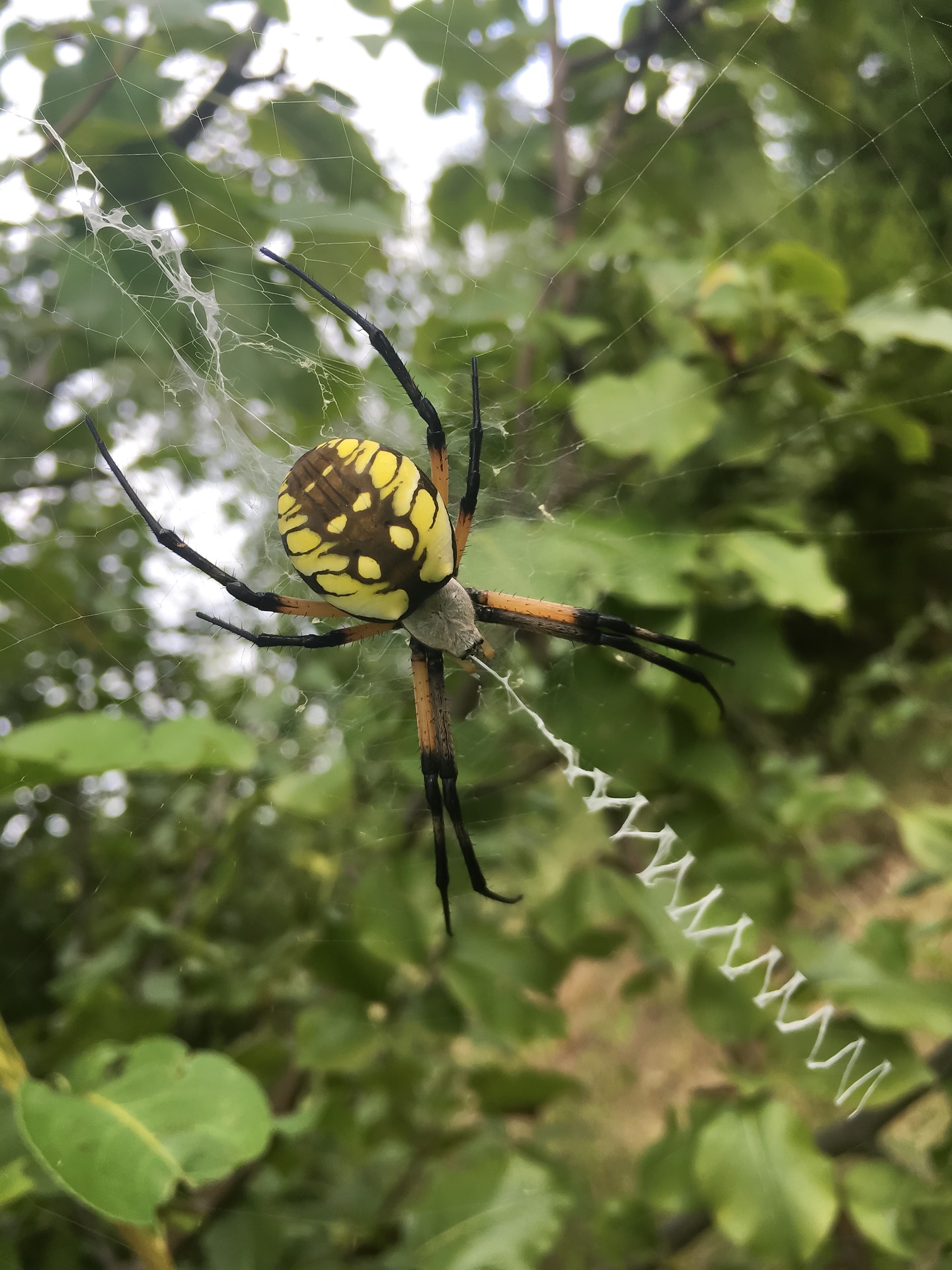
- Yellow Garden Spider – yellow with black stripes. Females are larger than males. Usually found in weeds or on porches. Normally, they won’t bite unless they are protecting their eggs.
- Grass Spiders – large, yellow-brown. Found in fields/pastures. Fast and shy; rarely known to bite.
Jumping Spiders
Another common type of spider in Pennsylvania with a small twist is the jumping spider. These spiders do not spin silk; they jump instead.
These spiders are leap-hunters by trade, and any silk they do spin, they use to keep them from falling great distances. Commonly, jumping spiders will hide and spring onto their prey. There are two types of jumping spiders that are very common in Pennsylvania.
- Bold jumping spider – Small, hairy, black and white, noticeable eyes. Shy creatures – they rarely bite humans.
- Dimorphic jumping spider – Males Can be black with yellow legs, or grey, with red, white and black markings. Females usually follow the second description. Found normally in trees or vegetation. They’re shy and rarely bite humans.
Other Hunting Spiders
Jumping spiders are not the only arachnids that hunt their prey differently. These spiders stalk and attack their prey, including humans, if they’re viewed as a threat. In addition to stalking, these spiders will build funnel webs to capture unsuspecting victims.
- Wolf Spider – Very commonly found in woods and wet areas. Large, dark brown-grey in color with an “alien” face. Night hunters. Found in dark places. Will bite – but have non-potent venom.
- Barn Funnel Weaver – Reddish-brown in color with yellow hairs. Found in barns, sheds, or other outdoor storage areas. Fast and shy – not biters.
- Cross Orbweaver – ¼ inch to ¾ inch long. Yellow-brown in color with wavy lines and black spots. Found near outdoor lighting. They will bite humans.
- Parson spider – Hairy black and white spider. Found in leaf piles, under boards or rocks. Rarely attacks humans, but bites are painful.
Poisonous Spiders
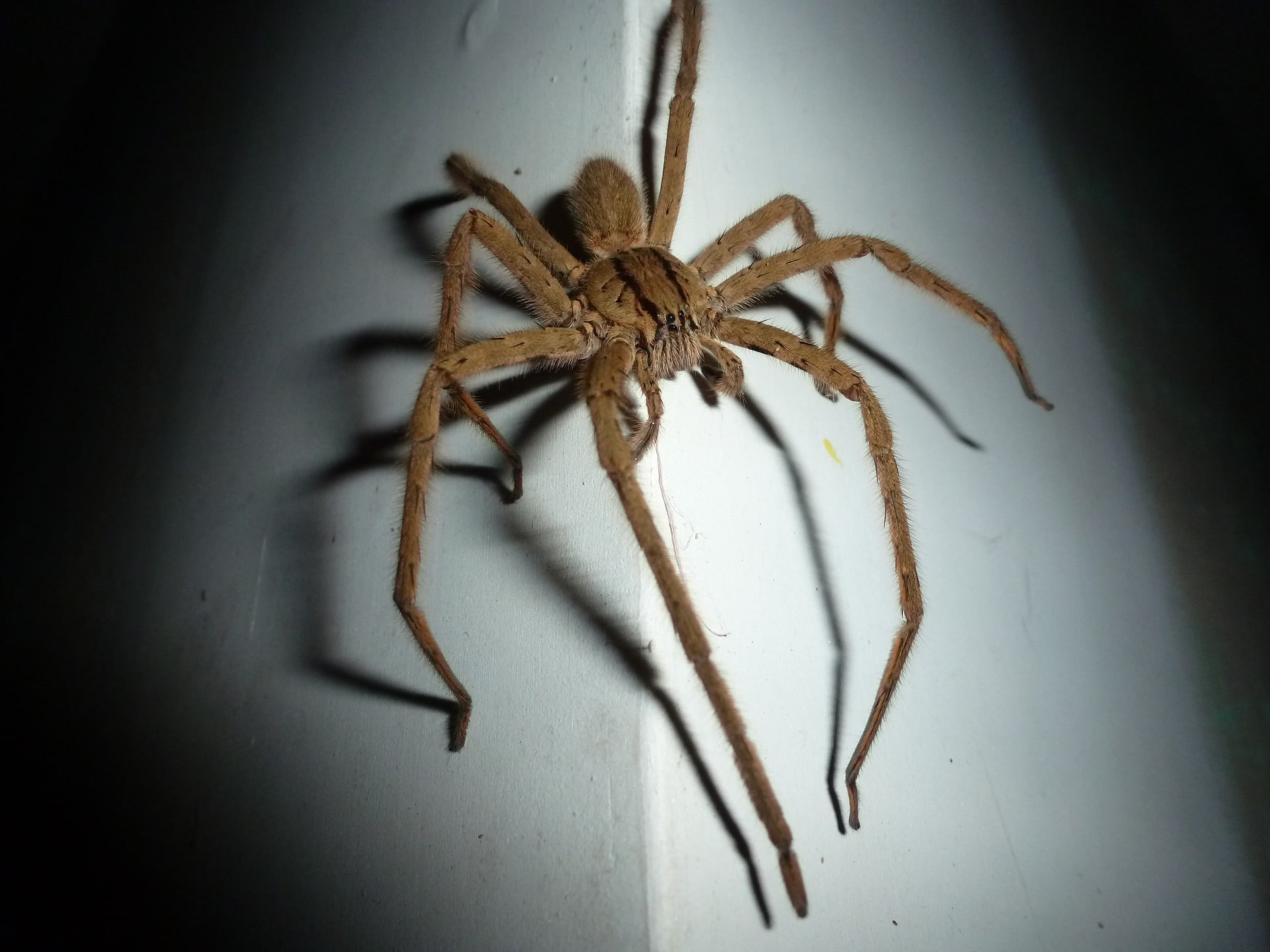
Finally, these are spiders you should watch out for. While, like most spiders, these creatures will leave you alone, they will bite if they feel threatened. These spiders can produce very harmful bites, even deadly if not treated.
- Black Widow – Latrodectus mactans. All black spiders with bright red hourglass marking. Web-builder. Bites can go unnoticed; venom can disrupt the muscles and nerve routes leading to heart failure.
- Brown Recluse – Brown with a violin-shaped pattern and long legs. Found in warm, dry locations or undisturbed areas. Power, venom. Bites carry severe symptoms and eat away at the tissue.
- Broad-faced Sac Spider – Black with bright red legs. Hides under leaf piles, boards, windowsills, and other dark areas. Hides in a silk shelter. Produces a painful bite with a severe secondary infection.
- Woodlouse Hunter – Reddish-orange color with a cloudy white abdomen. Found under rocks, in the ground or under leaf piles. The bite is painful and causes localized itching erythema.
- Long-legged Sac Spider – ¼ inch and light yellow or cream in color. Found inside homes, often in corners or on walls. Will bite when threatened. The bite is painful and burning, followed by itching and blistering.
How to Identify Poisonous Spiders in PA
- Look for distinctive markings (e.g., red hourglass, violin shape).
- Pay attention to their habitat; venomous spiders often hide in undisturbed areas.
- Use a flashlight to inspect dark or secluded spaces for webs or spider activity.
- When in doubt, if a spider bite is swollen or painful, have it looked at by a medical professional.
Spider Prevention Tips
While spiders are extremely common in the dense forests of Northeast Pennsylvania, it doesn’t mean you have to live side by side with them. Thankfully, preventing spiders from entering your home is easier than dealing with an infestation. Here are practical steps to keep them at bay:
- Seal Entry Points: Repair cracks in walls, doors, and windows and use weather stripping to seal gaps around doors. Install fine-mesh screens on vents and windows and apply spray foam to any gaps larger than a few inches.
- Declutter Your Home: Clutter not only invites spiders but also other insects. Consider cleaning up your home by placing larger items in storage or organizing any miscellaneous items in storage bins.
- Eliminate Webs: Regularly remove webs from ceilings, corners, and outdoor spaces using a broom or vacuum to disturb the spider’s habitat and force them to leave.
- Reduce Outdoor Lighting: Spiders are attracted to insects that are drawn to light, such as moths, which is why you should limit outside light during nighttime. Use motion-activated or yellow-tinted bulbs to minimize insect activity.
- Maintain Your Yard: Trim shrubs and trees near your home to prevent spiders and other insects from making a home in your yard. Keep firewood and debris at least 20 feet away from the foundation to keep spiders and, worse yet, termites away from the home.
- Control Insects: Spiders feed on other bugs, so reducing their food source can help. Use pest control methods to minimize insect populations in your home.
When to Call an Exterminator
While many spider problems can be managed with DIY prevention measures, there are times when professional help is necessary. For example, if you are suffering from recurring infestations and seeing more spiders than you’re comfortable with, reach out to a local exterminator for help.
We also recommend contacting an exterminator if you spot a poisonous spider on your property for your safety and anyone who dwells there.
An exterminator will be able to identify common spider attractants and remove them to prevent spiders from returning and eliminate any existing ones on your property.
FAQs
Are most spiders in Pennsylvania dangerous?
No, the majority of spiders in Pennsylvania are harmless and beneficial for controlling insect populations. Only the black widow and brown recluse are venomous and pose risks.
How can I tell if a spider bite is serious?
Seek medical attention if you experience intense pain, swelling, fever, or necrotic skin (tissue death) around the bite. Symptoms from venomous spider bites may escalate quickly.
What attracts spiders to my home?
Spiders are attracted to food sources (insects), dark or cluttered spaces, and shelter from the elements. Reducing insects and sealing entry points can help keep them out.

7 Common Misconceptions About Ladybugs and Love
It’s that time of year, and love is in the air here in Eastern Pennsylvania. When thinking about love and luck, the last thing most people think about is insects; however, there is one little creature that is commonly referred to as the bearer of good luck, good fortune, and future prosperity.
Positive vibes have always surrounded the ladybug, and across many different cultures, these tiny insects are frequently connected with love and prosperity. These common house bugs are ubiquitous across Pennsylvania, from Northeast Pennsylvania and Southeastern Pennsylvania, down to the Lehigh Valley. Ladybugs are said to “tell you about your future love life.” Regardless of the rumors, ladybugs have always been a topic of misconception when it comes to love.
Learn more about the meaning of ladybugs and what the right course of action is to do when you spot a growing number of ladybugs inside your home.
The Symbolism of Ladybugs Across the World
Cultures around the world–from Asia to Europe and even Native American tribes–see ladybugs as a sign of good fortune. They are often tied to love, prosperity, and good luck, and wherever you see them, good omens usually follow. In mythology and folklore, they grant wishes, protect babies, and provide safety for travelers.
On the more practical side, farmers saw them as a positive because they protected crops from aphids. Ladybugs act as a natural bug repellent and pest control expert by eating plant-damaging insects.
Farmers often called these common little bugs omens of a good harvest. While there are many reasons good vibes follow them, ladybugs are not actually little cupids. Some, in fact, can be insufferable pests. To set the record straight, here are seven common misconceptions about ladybugs and love.
1. Counting A Ladybug’s Spots Will Indicate How Many Children You Will Have.
This could be a doozy if you randomly encounter a spot-covered insect. Rumor has it that if a ladybug lands on you on its own accord, you can count the spots and discover how many children you’ll have.
Ladybug spots are an evolved defense mechanism. The spots, along with the bright color of their body, warn would-be predators that eating a ladybug will result in a nasty and possibly poisonous taste. So, rather than an indicator of how many children you will have, it keeps ladybugs off the menu.
2. No spots? You May Meet Your True Love.
On the reverse side of the spots theory, if a ladybug with no spots lands on you, it’s a sign that you will encounter your true love. Whether you are going to meet someone, rekindle a romance, or maintain a good relationship, a love fortune is promised to anyone who encounters one of these lucky bugs.
However, if you do encounter one of these spotless ladybugs, it’s not even a ladybug at all. Instead, it’s an Asian lady beetle. Unfortunately, they aren’t necessarily good luck, either. Asian lady beetles are notorious overwintering pests. If they find their way inside your home, they will hide away in the winter until the weather turns warmer.
Afterward, they will hatch, and suddenly, that one beetle turns into a swarm. While they don’t do much damage, they do leave a nasty smell and yellow streaks. If you do encounter a spotless bug, don’t bring it inside with you.
3. Ladybugs In Your Home? Good Luck Or…Maybe A New Baby!
So, you’ve found ladybugs in your home? Well, the rumor is that your home will be blessed with good fortune or perhaps a new bundle of joy. However, much like the previous misconception, you may not be dealing with a ladybug at all.
If you see a swarm of “ladybugs” in your home, they’re most likely Asian lady beetles and you should vacuum them up or dispose of them as soon as possible. Otherwise, they may keep returning year after year.
4. Yellow Ladybugs Are A Sign Of Travel, Adventure, New Love Or A New Chapter.
If you encounter a yellow ladybug, you may be in for quite the journey. These little insects signify travel, adventure, or a whole new stage in your life.
However, yellow ladybugs are often not very beneficial for your garden. Several varieties of yellow ladybugs will eat your garden instead of aphids and could very well be a variation of the Asian lady beetle.
5. Ladybug On Your Hand? You May Hear Wedding Bells.
Encountering a ladybug and looking for love? Well, if a ladybug lands on the hand of an unwed woman, it means they may get married within the year. Of course, there are plenty of factors to debunk this. Ladybugs are often attracted to light colors and certain scents. Your encounter can simply be because a ladybug liked the blouse you were wearing.
6. Kill A Ladybug, And You Welcome Bad Luck.
This one can be a little hard to swallow. Since ladybugs are often seen as sources of good fortune and luck, to kill one is considered a great offense. Of course, if you end up with a swarm in your house, it can be difficult to deal with the problem of harming a few in the process. If you are superstitious, remember that those “ladybugs” in your home are actual Asian ladybeetles.
7. If One Bites You, You Need To Chill.
The last common misconception about ladybugs and love is that if one bites you, it’s time to slow down and reflect on your life. Again, ladybugs rarely, if ever, bite humans. Asian lady beetles, however, are far more aggressive and have been known to bite. So, rather than it being a sign to relax, it’s more of a display of aggression from an angry lady beetle.
Colors of Ladybugs and Their Meaning
Ladybugs come in a variety of colors, each with their own biological and cultural significance. While their hues serve as warnings to predators in nature, many cultures also associate ladybug colors with luck, love, and symbolism. Here’s a breakdown of their colors and meanings:
- Red or Orange with Black Spots: The classic red ladybug is often seen as a symbol of good luck and protection in many cultures. Its vibrant color not only warns predators but is also said to bring blessings and fortune to those who encounter it.
- Yellow or Light Orange: Yellow ladybugs symbolize optimism and new beginnings. In some cultures, seeing a yellow ladybug is thought to bring inspiration or signify a fresh start.
- Black with Red or Yellow Spots: Black ladybugs with red or yellow spots are rarer and are often associated with mystery and transformation. They are seen as a reminder to embrace change and trust the process of growth.
- Pink or Pale Ladybugs: These delicate ladybugs are often linked to love, gentleness, and kindness. They are sometimes thought to bring messages of compassion or romance.
- Brown or Tan: These earth-toned ladybugs are less vibrant but are connected to stability and grounding. They symbolize a connection to nature and inner peace.
Of course, any cultural meaning goes out the window when it comes to Asian lady beetles.
What to Do If You Keep Spotting Ladybugs
A typical ladybug is nothing to be worried about and you can usually pick these little critters up and move them on their way. In fact, many ladybugs are considered beneficial insects as they help eliminate aphids that harm vegetables.
On the other hand, if you’re dealing with Asian lady beetles, you’ll want to read our guide on how to get rid of Asian lady beetles. In the meantime, we suggest sealing all entry points, vacuuming up these creatures as soon as possible, and working with a pest control expert to eliminate any stubborn or large infestations.
Luck Be a Ladybug
While ladybugs may or may not be a real source of luck or good fortune, they do play a critical role in the environment. They keep gardens pest-free, and they are harmless creatures that blossom during the warm months of the year. Be aware of the imposter Asian lady beetle, however.
If you’re lucky, you can avoid this overwintering pest and keep your home bug-free. So, count your lucky spots, keep your eyes on the sky, and may luck be on your side this season.
FAQs
Do ladybugs actually benefit pest control in gardens?
Yes, ladybugs are highly beneficial for pest control. They feed on soft-bodied insects like aphids, scale insects, and mites, which are common garden pests. A single ladybug can consume hundreds of pests in its lifetime.
Are all ladybugs helpful for pest control?
Most species of ladybugs are beneficial, but some, like the harlequin ladybug (Harmonia axyridis) or Asian lady beetles, can become invasive and outcompete native species. They can also overwinter in homes, causing mild nuisance issues.
Do ladybugs bite humans?
While ladybugs are not aggressive, some species, including the Asian lady beetle, can bite if they feel threatened. These bites are harmless and usually result in nothing more than mild irritation.

15 Sneaky Winter Bugs that You Can Find in Your House
As Northeast Pennsylvania descends into colder, darker days, the residents aren’t the only ones preparing for winter. The colder months may be nearly pest-free outdoors, but that won’t stop winter bugs from invading your home.
When the weather outside is frigid, many pests search for a place to wait out the winter. An idyllic place to hide is your basement or attic. If you want to protect your property from unwanted guests, here are fifteen sneaky pests to look out for this winter.
1. House Mice
House mice can slip through small openings the size of a dime and are attracted to homes that provide food and warmth (essentially any home). They nest in dark, secluded areas and can quickly become a problem.
These pests can damage property by chewing through drywall or wires and cause illness by contaminating food. The best way to combat these little intruders is to seal up any potential openings and apply traps where nests are located.
2. Norway Rats
These invaders often slip into your home, looking for a warm place to shelter. They tend to make nests in basements, debris, and other dark areas.
Norway rats can fit through openings as small as ½ inches and are known to gnaw at anything. In addition to the damage they can cause, these pests also carry diseases like jaundice, rat-bite fever, or cowpox. Protect against these pests by sealing up any potential entry points and looking for droppings or other signs.

3. Nuisance Bedbugs
Bed bugs can be an issue regardless of the time of year. They can hitchhike at any point. Additionally, the ideal time to take a vacation is during the cold-weather months, making the probability of encountering these insects much higher.
If you are planning a winter getaway, be sure to inspect your hotel room for possible bed bugs and learn the signs of an infestation. Also, examine your luggage and clothes before returning to your home to prevent an infestation by any potential stowaways.
4. Wildlife
Occasionally, creatures can make their way inside when searching for food and shelter to escape the harsh weather. Wildlife like raccoons or possums can wind up inside homes through open doors, chimneys, or under your porch.
While these animals are trying to wait out the winter, they can chew through insulation, wires, or die in an out-of-reach area. To prevent unwanted tenants, keep all trash covered and seal up any openings below porches, in garages, or anywhere wildlife may slip in.
5. Ant Infestation
Pesky ants can sneak into homes through cracks and holes, looking for food. While ants are more common in winter, they can make nests inside your home and hide out for the winter. You may even spot them coming out for a quick snack on warmer days.
Like termites, ants are a colony insect. If you spot one, there are many more searching for sustenance for their large family. If you should encounter these little invaders, track their trails to see where they’re coming from so you can get rid of them.

6. Beetles
Considered an overwintering pest, beetles look for warmth during the colder months. They will search for any access point: windows, vents, cracks, chimneys, and other openings.
Any warm place is a suitable home for beetles in the winter; normally, they will head to the warmest point of the house. While they will not cause severe damage, they can be a nuisance because of their sheer numbers.
7. Ladybugs and Asian Lady Beetle
Another overwinter invader is the ladybug. These cute little bugs can be a nuisance when they find safe harbor in your home. Like other beetles, they will head to windows during the day or find light fixtures at night, trying to find places to stay warm.
While not harmful, they can secrete a staining yellow fluid and release a stench when squished. However, you may also be dealing with Asian Lady Beetles, which are invasive and bite.
8. Stink Bugs
These little bugs are much like ladybugs and beetles. They search for a warm place to survive the winter and mainly eat vegetation. They can often be found on corn stalks, pumpkins, or flowers. While not a harmful pest, these insects emit a terrible scent when crushed, as their name suggests, and can be a nuisance in your home.
9. Box Elders
Box elders are common invaders during the fall and winter months. Like stink bugs, box elders tend to hide out in your home with minimal impact. They are attracted to box elder trees and hide in out-of-the-way places, like basements and crawl spaces.
10. Cockroaches
These infamous pests cannot survive temperatures below 15 degrees, which is why they take refuge inside your home. They are attracted to wet or damp places and search for leftover food scraps.
Unfortunately, cockroaches are known to trigger allergies and spread bacteria–on top of being downright disgusting! They are social creatures, which means spotting one roach could mean a full infestation.
11. Spiders
While the typical house spider will invade your home during any time of year, more dangerous spiders could seek refuge indoors during the winter. Though they are less active during the winter, spiders head to warmer places during the cold weather.
Spiders like the brown recluse and the black widow will hide in dark, low-traffic places like basements, cardboard storage boxes, and window moldings.
12. Silverfish
Silverfish are household pests that can be found in any season, but they are most prominent during winter months. They like cold, damp places with high humidity.
While they are scarier to look at than harmful, one female can produce over 3,500 eggs. Silverfish can enter the house in several ways. They often hide out on outdoor decorations, slip through cracks, and hide away in attics and basements.
13. Ticks
Though certain ticks may not be active during the cold months, others, like the black-legged tick, remain if the temperature is above freezing.
In the winter, we tend to let our guard down regarding ticks, considering the cold and the fact that we are more bundles. However, as temperatures warm, scientists warn that this could mean more ticks, which can devastate livestock and other animals.
14. Aphids
Though not harmful, aphids can be quite a household nuisance. They often stow away in plants or greenery transferred inside during the winter. This can damage any other household plants that you may have.
15. Watch for Termites
Termites are more than just a hot-weather pest. These little pests can swarm and reproduce until February. Being social insects, termites live in colonies that can cause severe property damage, totaling billions annually in the US.
Termites tend to survive by staying insulated in wood piles, leaves, and other outdoor refuse. Learn the early signs of termites, as they are best prevented during the winter and spring. To avoid this pest, keep yard waste to a minimum and seal any small entry points to avoid an infestation.
Preventing Winter Bugs from Entering Your Home
As temperatures drop, many pests seek the warmth and shelter of our homes. To keep these unwelcome guests out, consider the following preventive measures:
- Seal Entry Points: Inspect your home for cracks, gaps, and holes around windows, doors, chimneys, vents, and the foundation. Use caulk, weather stripping, or mesh to seal these openings, denying pests easy access.
- Maintain Cleanliness: Regularly clean your home to eliminate food sources that attract pests. Store food in airtight containers, promptly clean up spills, and dispose of garbage in sealed bins.
- Reduce Moisture: Many pests are drawn to damp environments. Fix leaky faucets, use dehumidifiers in basements and attics, and ensure proper drainage around your home to minimize moisture.
- Proper Landscaping: Trim shrubs and tree limbs away from your house to prevent pests from using them as bridges to enter. Maintain a gap between mulch and your home’s foundation to reduce hiding spots for insects.
- Regular Inspections: Conduct routine checks of your home’s exterior and interior for signs of pest activity, such as droppings, gnaw marks, or nests. Early detection can prevent larger infestations.
For inspection of pest treatment in Northeast Pennsylvania, contact the experts at The Pest Rangers. We offer monthly pest control plans designed to combat seasonal pests and keep your home pest-free year-round.
FAQs
Can bugs come back in spring if I don’t address them in winter?
Yes, many insects lay eggs in winter that hatch in spring, leading to larger infestations if left untreated.
What are common entry points for pests in a home?
Pests often enter through cracks in the foundation, gaps around windows and doors, vents, chimneys, and openings around utility lines.
How does moisture attract pests?
Many pests, such as silverfish and cockroaches, thrive in damp environments. Excess moisture provides the ideal conditions for them to breed and survive.

Top 8 Common Rodents in Northeastern PA
Rodents can be found all over the world. From the tiniest mouse to the capybara, these creatures have been around for some time, and when they find their way into your home, they can cause a problem.
While you aren’t likely to find a capybara in Northeastern Pa., plenty of different rodents call this area home. Unfortunately, some of these furry little creatures can be quite dangerous if they decide to share a space with you.
Finding rodents in your Pennsylvania home can be an expensive and annoying fix. From disease transmission to chewing through your insulation, rodents can be a nuisance.
If you want to prevent rodents from entering your home, learn more about eight common rodents in Northeast Pennsylvania and tips for prevention.

1. House Mice
The house mouse is one of the most common rodents you may encounter inside your home. These small rodents, around 2 ½ – 3 ¾ inches long, can sneak through tiny openings, making them difficult to prevent.
These little critters nest in dark, secluded areas, favoring paper, insulation, fabric, or clutter. House mice can often be hidden away in attics and basements, typically within 50 feet of their living space.
These dusty grey omnivores eat a little bit of everything and are quick, so we recommend traps and bait stations for DIY relief. Though tiny, these mice pose serious health threats, which is a good reason to get rid of them as fast as possible. For example, they carry diseases, such as salmonella, that can infect and spoil food.
2. Norway Rat
Norway rats can get quite large; they average between 7 – 9 ½ inches, which can be a startling discovery. These rodents can be found just about anywhere, but don’t let their size fool you.
They can slip into some pretty small spots, compressing their bodies to slip through cracks and holes to get where they need to go. And, if they can’t fit right away, they can chew their way through. In fact, Norway rats can chew through thin metals and even soft concrete.
These pests are brown or grey and larger than a house mouse, making them easier to spot. While rarer than a mouse, Norway rats can cause serious property damage and carry nasty diseases, such as jaundice, rat-bite fever, cowpox, trichinosis, and salmonella. Therefore, calling an exterminator at the first sign of a Norway Rat is important.
3. Deer Mouse
On the smaller end of the rodent spectrum is the deer mouse. They can be as little as 4 inches and are typically larger than house mice. They also create smaller and fewer litters. You’ll often find deer mice in the country, living in barns, garages, and other rural areas. They are also nocturnal, making them harder to spot.
Though these mice tend to steer clear of humans, they still carry their dangers. Deer mice are considered a medical concern as they can carry Hantavirus, Lyme disease, and ehrlichiosis.
4. Chipmunks
These tiny common rodents can often be seen scurrying about in search of nuts, seeds, and fruit during non-winter months. They also tend to hoard food. Chipmunks are little omnivores, and they live in burrows, nesting away through the cold season. These rodents are found near forests, woodland, brushes, or other areas teeming with vegetation.
Chipmunks don’t typically interact with humans and actively avoid contact. These cute little creatures can become a problem if they nest in the wrong place. They can cause serious damage if they build burrows under your house or porch.
5. Gray Squirrels
Squirrels are quite common, not only in Northeastern Pennsylvania but everywhere. They are on nearly every continent except Australia and Antarctica. As the name implies, tree squirrels make their home in trees, and they are omnivores, typically eating nuts, seeds, fruits, eggs, and insects. They also come in various colors other than grey, including black, white, brown, and white.
While squirrels steer clear of humans, they can get quite daring and often sneak up on a bird feeder or damage the shingles on your roof. They can be quite a nuisance and often find themselves trapped where they don’t want to be, like inside your home. Just be sure to check your home for possible squirrel shelter spots and keep them from nesting where they shouldn’t.
6. Voles
Voles, or field mice, often get mistaken for their mole cousins. However, voles are much more of an issue. These mice are vegetarians and are active all year round. These little creatures burrow beneath the ground and can cause a lot of damage to your flower beds and trees. At just 5 to 8 inches long, these critters can be hard to spot.
Unfortunately, voles have large litters—5-10 per year—of about 3-6 young, so they can quickly overrun your yard. Voles tend to like dense areas of vegetation and weeds, and they love to sneak up on birdfeeders.
7. Groundhog
Just about everyone in Pennsylvania is familiar with Punxsutawney Phil. This groundhog vigilantly predicts whether winter will hit us for six more weeks or we will be blessed with an early spring. He’s not the only one, and groundhogs, also called woodchucks, can be a little bit of a nuisance if found in your yard.
These large, solitary creatures live in burrows, measuring between 17.75 and 24 inches. They can cause serious damage to their burrows, gnawing on wires, creating unwanted holes, and destroying gardens. However, they tend to avoid humans, though they may be a nuisance to your pets.

8. Porcupines
Finally, we’ve come to one of the most dangerous rodents on the list. Porcupines are not typically vicious creatures but can be pretty harmful if provoked. These larger rodents tend to steer clear of humans living in wooded areas. However, as their homes shrink, they have been popping up more and more.
While porcupines are very docile creatures, their quills are incredibly sharp if you get too close. On top of a spikey defense, these quills are barbed and covered with an oily substance that can cause burning, itching, and possibly disease.
Signs of Rodents Inside Your Home
While not every rodent will leave the same signs, there are some telltale signs that you are dealing with a rodent on your property and not some other pests.
- Droppings: Most rodents leave small, pellet-shaped droppings that can be found in yards, as well as kitchen cabinets, pantries, or along baseboards if you have mice or rats.
- Gnaw Marks: Rodents chew on various materials to keep their teeth sharp. Look for gnaw marks on furniture, wires, or food packaging.
- Nests: Rodents build nests using shredded paper, fabric, or insulation. You may spot these hidden in secluded areas like attics, basements, or behind appliances.
- Unusual Noises: Scratching or scurrying sounds, especially at night, can indicate rodent presence within walls or ceilings.
- Grease Marks: Oily rub marks along walls or baseboards result from rodents’ greasy fur coming into contact with surfaces.
How to Prevent Rodents from Taking Refuge in Your Home
Rodents are known vectors of disease and can wreck your property. Here are some general tips to keep rodents away from your home and property.
- Seal Entry Points: Inspect your home’s exterior for cracks, gaps, and holes, especially around utilities and pipes. Seal them with caulk, steel wool, or a combination of both to block potential entryways.
- Maintain Cleanliness: Store food in airtight containers and dispose of garbage regularly. To eliminate food sources that attract rodents, keep countertops and floors free of crumbs.
- Proper Landscaping: Trim overhanging tree branches and shrubs near your home to reduce shelter and access points for rodents. Maintain a tidy yard to minimize hiding spots and store any firewood or trash far away from your physical home.
- Eliminate Moisture Sources: Fix leaky faucets and ensure proper drainage to remove water sources that may attract rodents. This will also prevent other moisture-loving insects.
- Secure Vents and Chimneys: Install screens over vents and chimney openings to prevent rodents from entering through these routes.
When to Call an Exterminator
Whether they like to hide away in trees or dig underground, we live in an area ripe with rodents. Knowing what to look for is the best way to protect yourself from them. While not all these common rodents pose a direct threat, they can be troublesome should they find their way onto your property. Of course, you can always defer to a pest control expert if you suspect you have a rodent issue.
At The Pest Rangers, we offer monthly protection plans and emergency services, including inspections and treatment, to eliminate rodents quickly. Contact us today to protect your home and stay rodent-free.
FAQs
What diseases can rodents transmit to humans?
Rodents can carry diseases such as Hantavirus, salmonella, and leptospirosis, posing significant health risks to humans.
What should I do if I suspect a rodent infestation?
If you notice signs of a rodent infestation, it’s advisable to contact a professional pest control service to assess and address the problem effectively.

Help! Are There Mice in My Walls?
Mice are some of the most common household pests, with an estimated 21 million homes in the United States encountering a mouse problem at some point.
Even if you’re not particularly scared of mice or actually find them to be quite cute, you definitely DON’T want mice in your home. Not only are these pests tricky to get rid of, but they are known to carry and spread a number of diseases that can be harmful to both humans and pets.
When mice infest a home, one of the main places they like to hide and scurry around is in the walls. If you suspect there might be mice in your walls, here is everything you need to know to protect you and your family from these bothersome pests.
Signs of Mice in Your Walls
There are several telltale signs that you may have mice in your walls, including:
- Strange sounds coming from inside the walls
- Rodent droppings in the house, especially in the kitchen
- Rodent nests found around the home, often made of random materials
- A strong, musty odor
- Gnaw marks on furniture, baseboards, and wires
- Grease marks on surfaces around the home
If you notice any of these signs of a mouse infestation in your home, it is important that you contact an exterminator immediately to have your home inspected and treated.
How Do Mice Get Into Walls?
Mice can make their way into your wall in a variety of different ways, often through cracks and crevices. Older homes are more susceptible to a mouse infestation, as there are often more cracks and gaps that allow mice and other pests to enter the home.
Mice can also get into your walls by crawling through utility pipes and roof vents, as well as even sinks or bathtub drains. If you have an older home, talk to an exterminator about ways to protect your home from future infestations through preventative measures and ongoing pest control treatment.
What Attracts Mice and Rodents to Your Home
Rodents are attracted to places where they can find food, water, and shelter from the elements, which is why they frequently invade residential homes.
While seeing a mouse in your home is not automatically indicative of your home being dirty or messy, there are a few things that can make your home more susceptible to a rodent infestation.
Leaky pipes and faucets can make you more likely to encounter a mouse infestation, as well as a cluttered or dirty kitchen with food that isn’t stored properly or garbage that is overflowing. Yards with overgrown grass and foliage may also be more appealing for mice, as these conditions give them more places to hide and take shelter.
How to Get Rid of Mice in Your Walls
If you find yourself dealing with mice in your walls, the first thing you will want to do is contact an exterminator to have the problem taken care of immediately. However, there are a few things you can do in the meantime.
First, try to locate the access point used for the mice to enter your walls in the first place. Once you find the hole or gap, you can fill it with steel wool or caulk to prevent more mice from entering.
Some homeowners may also choose to set up store-bought mouse traps around the house to catch any mice that may be scurrying around. After your exterminator arrives, they will perform a thorough inspection of your home and begin a treatment plan to effectively kill all of the mice in your walls.
What Other Pests Can Be in My Walls?
Other household pests, such as carpenter ants, bed bugs, and squirrels, can also infest the walls of a home. Your exterminator will be able to perform a thorough inspection of the home and determine if it’s mice you’re dealing with, or if there is another type of pest present in your home.
When to Call an Exterminator for Mice in Your Walls
If you suspect a mouse infestation in your home, you should contact an exterminator immediately. A mouse infestation is not something to take lightly, as these pests reproduce quickly and a small infestation can easily grow into a larger one if not dealt with promptly.
An experienced exterminator will be able to inspect your home to determine the severity of the infestation and recommend a plan of action to quickly target and kill the mice in your home.
FAQs
Can mice in walls cause structural damage?
Yes, having mice in your walls can cause structural damage to your home. Mice are known to gnaw on wood, which can wear away at the structural integrity of your home over time. These pests are also known to chew through wiring, which can be dangerous and end up costing homeowners hundreds and even thousands of dollars in repairs.
Are mice in walls a health hazard?
The presence of mice in your home can be a major health hazard, as mice are known to carry and spread a number of diseases. These include listeria, hantavirus, and plague.
How can I prevent mice from getting into my walls?
The good news is there are many ways to prevent mice from getting into your walls in the first place. The best thing you can do to prevent mice from getting into your walls is to seal any cracks or crevices with a caulk or sealant.
You can also opt to use steel wool to close any holes in the wall. You should also practice general cleanliness in the house and avoid leaving dirty dishes in the sink and be sure to properly seal and store all food and drinks. Maintaining the grass and foliage on your property can also help prevent mice from entering your home.

9 Bugs That Are Often Confused With Bed Bugs
Bed bugs are among the most dreadful pests a NEPA homeowner could encounter. Many people think they are a problem reserved for hotel rooms and Airbnb, but these pests are expert hitchhikers. They are known for infesting the homes of unlucky travelers by hopping on luggage and second-hand items.
Another unfortunate detail about these pests is that they are commonly mistaken for several other types of bugs. While dealing with any kind of pest is undesirable, it is important to know the differences between bed bugs and other household pests to effectively treat the problem and keep your home bed-bug-free.
Bed Bugs Overview
Bed bugs are among the most common household pests in the United States. It is estimated that one in five Americans has had a bed bug infestation or knows someone who has.
These parasitic pests feed on blood and cause itchy bites on those whose homes they have infested. Bed bugs are commonly picked up in hotel rooms, and many travelers don’t even know they have brought bed bugs back to their homes until it is too late.
Most people don’t realize they have bed bugs until they are bidden or wake up with itchy welts. For this reason, they often get confused with other bugs since most people don’t know what they look like–especially if one of these bugs is found in your bed.
How to Identify Bed Bugs
Bed bugs are very small, flat insects about the size of an apple seed. They are typically reddish brown in color but can be translucent, light yellow, or even bright red, depending on their life stage and feeding status.
Bed bugs get their name from their proclivity to infest mattresses. They will often bite humans while they sleep, leaving behind itchy and sometimes painful bites. Bed bugs are not known to spread any diseases to humans but may cause allergic reactions in some people.
Signs of Bed Bugs
Many people tend to identify bed bugs by the signs they leave behind, as opposed to live sightings.
Therefore, there are several telltale signs of a bed bug infestation to be aware of, including:
- Reddish-brown blood stains on mattresses and furniture
- Small, red, itchy bites on skin
- Brown fecal spots on bedding or furniture
- A musty or sweet odor
- Pale yellow nymph skins around the home
- Seeing live bed bugs
Since bed bugs are so tiny and only intermittently infest homes, many people are unaware of what they look like and mistake other bugs for them.
9 Bugs That Look Like Bed Bugs
If you suspect you’re dealing with a pest infestation of some kind, it is important to familiarize yourself with these bed bug doppelgangers.
1. Fleas
Like bed bugs, fleas are small, reddish-brown insects that are commonly found in homes. They also can bite people, especially pets, leaving behind reddish, itchy bites. However, fleas have more oval-shaped bodies, while bed bugs are flat and more seed-shaped.
2. Baby Cockroaches
Baby cockroaches bear a striking resemblance to bed bugs. Both are small, flat, and don’t have wings. However, these pests are very different in every other way and should be treated as such. Baby cockroaches often have visible antennae and a shinier exterior compared to the duller, reddish-brown appearance of bed bugs.
3. Ticks
Ticks and bed bugs look quite similar, as both are small and dark in color. However, an important distinction is that ticks have eight legs, while bed bugs only have six. Additionally, ticks are external parasites that attach themselves to hosts for extended feeding, while bed bugs feed briefly and then retreat to hiding.
4. Spider Beetles
To the untrained eye, spider beetles can be mistaken for bed bugs. Both bugs are roughly the same size, but spider beetles are a tad smaller and have a more humpbacked appearance. Spider beetles also have long legs and antennae, giving them a spider-like look that bed bugs do not possess.
5. Booklice
Booklice are small insects that thrive in humidity and feed on mold and fungi. Aside from their small appearance, booklice don’t share many similarities with bed bugs. Unlike bed bugs, they are not blood feeders and pose no direct harm to humans, but their presence can indicate moisture issues in your home.
6. Carpet Beetles
At first glance, carpet beetles may share some similarities with bed bugs. However, these two insects don’t look much like each other if you compare the two. Carpet beetles have totally different coloring than bed bugs, and they also do not bite like bed bugs do. Instead, their larvae can cause skin irritation due to their tiny, hair-like bristles.
7. Bat Bugs
Bat bugs bear a striking resemblance to bed bugs—even their names sound similar! However, bat bugs are typically more brown or beige in color, while bed bugs tend to be reddish-brown. Bat bugs are usually found in attics or areas where bats roost, whereas bed bugs prefer to infest sleeping areas.
8. Mites
While both mites and bed bugs are small, mites are significantly tinier and almost can’t be seen with the naked eye. These pests are only about 0.03 mm long, while bed bugs are about the size of an apple seed. Mites are typically associated with dust and can cause allergic reactions rather than direct bites.
9. Swallow Bugs
Swallow bugs and bed bugs do share many physical similarities, but it’s their behavior that separates them. Bed bugs tend to infest mattresses and clothing, while swallow bugs dwell mostly near bird nests. Swallow bugs primarily feed on birds, though they may bite humans if their usual hosts are unavailable.
What to Do If You Spot Bed Bugs in Your Home
If you end up spotting actual bed bugs in your home, it is imperative that you contact a professional exterminator immediately.
Bed bugs are known to spread incredibly fast, and waiting to call an exterminator can result in an even larger infestation. Your exterminator will be able to instruct you on what to do next, such as throwing out infested items, and will recommend a treatment plan to get rid of these pests.
FAQs
Why is it important to correctly identify bed bugs before treatment?
Being that many other bugs are often mistaken for bed bugs, it is important that you correctly identify the type of pest you’re dealing with before receiving pest control treatment.
If you or your exterminator incorrectly identify the pests in your home, you may not be able to effectively kill all of them, as different pests respond to different pest control chemicals and treatments.
Can professional pest control services help identify bed bugs accurately?
An experienced pest control professional should be able to accurately identify the specific kind of pest you’re dealing with. Exterminators are trained to know the appearance, behaviors, and reproductive cycles of all kinds of pests, so enlisting the help of a professional is your best bet for accurately identifying the kind of pests in your home.
What tools or techniques can I use to identify bugs at home?
There aren’t any special tools or equipment you need to purchase to be able to identify the bugs in your home. Just simply looking at them can give you a good idea of what you’re dealing with.
It may also be helpful to take pictures of the pests–if you can capture them–to show your exterminator. When your exterminator visits your home to perform an inspection, they should be able to identify what kinds of pests are in your home using their knowledge and expertise.

How Often Should Professional Pest Control Be Done?
Discovering a pest infestation is something no homeowner ever wants to come face to face with. Going from peacefully living your life to suddenly being confronted with a bothersome and downright disturbing pest situation can be jarring, time-consuming, and extremely expensive.
Unfortunately, the thick forests and mild climate of Northeast Pennsylvania make it really inviting for pests like termites, cockroaches, and ants. For many people, the cost of pest control may seem unnecessary, especially when there are so many DIY products available on the market.
However, as most homeowners have discovered, dealing with an ongoing cockroach or termite infestation can be impossible without professional assistance.
If you have never dealt with a pest infestation before, it’s understandable not to know anything about pest control. How much does it cost? How often should professional pest control be done? These are all valid questions that we’re here to answer for you!
Importance of Routine Pest Control
While pest control at any stage is beneficial, routine pest control will ensure you’re protected from pests year-round. The benefits include:
- Eliminating Existing Pests: Routine pest control in your home is imperative for eliminating existing infestations and preventing new ones from starting.
- Peace of Mind: While keeping your home clean and tidy is essential for reducing your chances of a pest infestation, having professional pest control services done will give you peace of mind that your home is pest-proofed.
- Cost Savings: Having routine pest control done can also save you tons of money on potential home repairs due to pests like termites. Plus, emergency pest control will always cost more than routine service.
- Maintains Health and Safety: Eliminating pests like rodents, mosquitoes, ants, and spiders reduces the risks of diseases transmitted by these pests.
Common Household Pests in NEPA
Not every pest is equal; some cause more damage than others and some carry diseases. Understanding what pests are common in the area is important in deciding whether or not routine pest control is worth it. Some of the most common household pests you may run into in your Northeast Pennsylvania home include:
- Cockroaches: Cockroaches are one of the most common household pests in NEPA, found in rural, suburban, and urban areas. The most common types of cockroaches found in this region are German, Oriental, and Pennsylvania Wood cockroaches. Cockroaches can spread diseases such as salmonella and can even trigger allergic reactions in some people.
- Ants: Ants are another common household pest found in NEPA. The types of ants found in homes in this region are typically not dangerous to humans or pets, but they can leave itchy bites and may trigger allergies in some homeowners. Carpenter ants can cause damage to wooden furniture, sheds, and rotting trees.
- Rodents: Rodents, such as mice and rats, are known for carrying a variety of diseases, including hantavirus, leptospirosis, and salmonella. They may also chew through wires and destroy insulation.
- Spiders: While most house spiders are not dangerous to humans other than a possibly uncomfortable bite, the Black Widow is native to Pennsylvania and its bite can cause severe pain and muscle cramps. If you believe you have been bitten by a Black Widow, seek medical attention immediately.
- Termites: Termites are some of the most destructive household pests, costing homeowners billions of dollars in damage each year in the U.S. alone. Termites rarely bite humans, but their damage to the structure of your home can be devastating.
- Ladybugs: Ladybugs are another common household pest in NEPA, especially during the winter months when they seek shelter indoors. While ladybugs are harmless to humans and may even be seen as cute to some, you should still contact an exterminator if you notice a large amount of them in your home.
- Bed Bugs: Bed bugs frequently enter homes by latching onto luggage, used furniture, and clothing. Once inside, they will often multiply and can be difficult to detect due to their small size. Bed bugs can leave itchy bites and can also cause allergic reactions in some people.
How Often Should Pest Control Be Done?
Most professional exterminators recommend having pest control treatments done quarterly to maintain protection in your home. Services may include inspections, barrier sprays, setting up bait stations, and more.
However, more extreme infestations may require more frequent visits. Talk to your exterminator to determine how often your home will need to receive pest control services.
How Long Does Pest Control Last?
The duration of protection after pest control treatment depends on the specific type of service that was performed. Pest control protection can last anywhere from 30 days to several months, but only your exterminator will be able to give you a clear answer.
Do Organic Sprays Work as Well as Synthetic Ones?
Natural pest control sprays can work just as well, if not better, than some synthetic ones. However, it is impossible to generalize and say that all organic sprays work as well as less natural ones. An experienced exterminator will be able to walk you through your options and recommend what they think will be the most effective form of treatment for your unique situation.
How Much Does Preventative Pest Control Cost?
The cost of preventative pest control will vary depending on your unique situation and the exterminator you hire. On the low end, preventative pest control can cost as little as $50 per month for ongoing treatment. More expensive pest control companies may charge several hundred dollars per month for their preventative services.
If you’re working within a tight budget, it is important to call around to exterminators in your area to get different quotes before hiring someone. However, it is never a good idea to hire a less experienced exterminator just because they’re cheap. Getting rid of and preventing pests is a serious matter and will require a monthly investment to ensure your home stays pest-free.
Conducting routine pest control can save you money and give you peace of mind. If you’re looking at different options, give The Pest Rangers a call to find out more about our monthly pest control plans.
FAQs
Does the frequency of pest control depend on the type of pests in my area?
Yes, the frequency of the pest control treatment you receive will depend on the type of pests in your area. Since there are many factors that determine how often you’ll need pest control, such as the reproductive cycles and behaviors of different pests, there is no definite answer for your home’s pest control schedule.
Are quarterly pest control treatments sufficient for most homes?
For most homes, quarterly pest control treatments will be sufficient to prevent any pests from entering. For more severe infestations or for homes that are located in areas with a larger pest problem, more frequent visits may be required. Your exterminator will be able to let you know how often your home will require treatment based on your unique situation.
Can seasonal changes affect how often pest control is needed?
Yes, the change of seasons can affect how often pest control is needed in your home. Different pests are more active during different seasons due to fluctuating temperatures and humidity. Different pests also have different reproductive cycles, so you may notice certain pests are more or less active throughout the year.

What Happens to Bugs in the Winter? Do You Need Pest Control?
Winter is finally here in Northeast Pennsylvania, and that means a bit of a reprieve from bugs, or does it? Northeastern Pennsylvania can get pretty cold, meaning many insects like ticks and mosquitoes will tend to disappear.
However, there are still many pests that survive the winter in NEPA, including rodents and cockroaches that take refuge in your home. For this reason, pest control becomes necessary all year round, including the winter.
So, what exactly happens to bugs during the winter, and where do the ones that survive hide from the frigid temperatures?
Where Do Pests Go in the Winter?
Depending on the insect, there are plenty of ways that these creatures survive the cold. Some wait out the cool temperatures in eggs, as larvae, or pupae, while others remain as adults and find ways to adapt and live on through the most chilling months.
You’d be surprised how many insects are waiting out the cold and how many have found alternatives to dying off. Here are five ways that insects make it through the winter.
1. Taking Refuge Inside Your Home
Much like birds flying south for the winter, some insects seek out warmer climates to wait out the cold. Butterflies and dragonflies head out once the temperatures start to drop, while other bugs take the bear approach, entering a state of hibernation known as diapause.
Unfortunately, overwintering pests have made it a habit of waiting out the frigid temperatures inside of your home where it is warm and food is available.
For example, Asian lady beetles, stink bugs, cockroaches, and rodents try to sneak inside homes via cracks or by hitching a ride on anything that makes its way indoors. You may not even notice they are inside until spring rolls around and you experience a hatching.
Or you may spot one of these pests scurrying across the floor late at night, giving you a frightful scare.
2. Withstanding the Cold
Believe it or not, some insects just carry on with life as usual. While many bugs cannot survive, the temperature plummets, certain ones can. Mites and spiders can tough out the cold, seeking shelter in the most frigid temps. Honeybees also hang around but stay in their hives, forming clusters to keep warm.
Other insects pretty much stay put and live off fat reserves. Mosquitoes, for instance, can go dormant and survive off a blood meal for months.
3. Surviving in Your Lawn
Insects can be resourceful when trying to keep warm. Ticks, for instance, don’t vanish in the cold. They tend to stay warm by burrowing underground or by seeking out warm, insulated spots to wait out the cold.
They will settle into leaf piles, in stacks of wood, and in other areas with built-up vegetation inside your yard. They can even use snow as insulation, making it tricky to get rid of them if you have not done proper fall lawn care to prepare for the winter.
4. Some Bugs Just Freeze
While some bugs try to insulate, others simply let themselves freeze. These bugs, like the Emerald Ash borer, will be completely frozen but remain alive. The glycerol in their blood acts like an anti-freeze that keeps their livelihood kicking.
5. Many Bugs Die Off for the Next Generation
Not all insects survive the winter in traditional ways. Some actually just die off completely, such as crickets. However, they live on by leaving their eggs behind.
For some insects, that is their primary goal in life: mate, lay eggs and die. While many adult insects cannot handle the cold temperatures, their offspring can. And as the warm weather approaches, the next generation of insects will be ready for the next round.
Common Winter Pests in Northeastern Pennsylvania
Most insects don’t just die and go away completely during the winter. Many just hibernate for a few months, making their presence known inside of your home. Homeowners in Northeast Pennsylvania should be aware of these common seasonal pests who seek shelter indoors this time of year:
Mice:
Mice are notorious chewers and can wreak havoc on a home’s electrical system by gnawing through wires. They are also notorious spreaders of disease, leaving urine and droppings behind as they scurry throughout a space. People with allergies or other health conditions can experience serious side effects from a rodent infestation. If you hear knocking sounds from your wall, it could be a sign of a mouse infestation.
Rats:
Rats are a bit less active in the winter than their mouse counterparts but still seek shelter indoors. Rats want a food source and will look for it inside. They typically cause the same problems as mice—namely, chewing and potentially spreading disease.
Cockroaches:
Like most humans, cockroaches dislike the cold. Unfortunately, room temperature is the ideal climate for them. These insects have earned their reputation as a nuisance. Not only do they reproduce quickly in the right environment, but they are also known spreaders of diseases like salmonella, typhoid, and plague. Cockroaches can be very difficult to get rid of; contact a pest control professional rather than use a DIY method.
Bedbugs:
Fortunately, bed bugs do not carry disease. However, they are very easy to transmit from place to place, and, like cockroaches, can be difficult to get rid of. Rather than spread disease, a bed bug will bite. The affected area will become red and itchy—the discomfort they cause is reason enough to consider them a nuisance.
Silverfish:
You don’t have to worry about silverfish carrying disease. Instead, these insects are highly destructive. They will eat almost anything—from carpeting to clothing, books to wallpaper. And once they find your food stash in your cupboard or pantry, they will easily make their way through it.
Boxelder bugs:
These insects typically have long oval bodies with black or brown coloration, and red wing veins and markings on their midsections. They are usually found in trees (their primary food source) but cold weather sends them inside. Although they are not destructive, they can stain the upholstery on furniture and feed on houseplants.
Firewood pests:
If you store firewood outside, anytime you bring it indoors, you increase your chances of bringing wood-dwelling pests into your home. Termites, ants, click beetles, and wood-boring beetles can all infest firewood, and become a real nuisance if they come into your home. Inspect any firewood closely before bringing it inside.
How Do You Stop Winter Pests?
Prevention is the best approach to handling pest problems, and the earlier, the better. This means making it as difficult as possible for unwanted critters to get inside. Here are some of the best ways to keep pests out:
- Secure entryways. The best way to keep pests out of your home any time of year is to secure all possible points of entry. Check around both windows and doors. Look for any holes, rips, or gaps in the frame or screen that could give pests easy access to your home. Repair the openings with mesh, weather stripping, or caulking. Also, look closely around chimneys, vents, and other areas of your home. They may seem like unlikely entry points, but many insects and rodents can squeeze through the smallest opening.
- Store firewood away from your home. It is recommended to store firewood at least 20 feet from your home’s exterior wall. This will make it more difficult for insects to move from the firewood to your home. Keeping the woodpiles covered adds another layer of protection against pests.
- Use the proper storage units. Store food in plastic or glass containers. Lids should fit the base properly and close tightly. Pests can easily chew through waxed paper or cardboard boxes, so put perishable food in something more secure to deter pests.
Why Do You Need Pest Control in the Winter?
Regular pest management helps you identify and treat infestations early. A pest control professional can recognize possible entry points and take the necessary steps to seal them against potential pest infestations.
An expert can also create a pesticide barrier around your home. The colder months are a great time to do this, as light, heat, and moisture, the three biggest factors that cause insects to thrive in the warmer months, are less prevalent during the winter.
Pest control experts can also conduct an attic treatment during the winter. The cool, dark, and dry environment in most attics makes them the perfect place for insects like boxelder bugs, cockroaches, and other pests.
Regular maintenance by trained professionals like The Pest Rangers will help you address winter pest problems and protect against unwanted pests all year long. Contact us below today to get started on getting rid of nuisance winter pests.
FAQs
How can I prevent pests from entering my home in winter?
Seal cracks, store food properly, keep areas clean, and use weatherstripping around windows and doors to block entry points.
Can bugs come back in spring if I don’t address them in winter?
Yes, many insects lay eggs in winter that hatch in spring, leading to larger infestations if left untreated.

Do Ticks Go Away in Winter? What Happens to Them?
When fall fades, and the weather grows cold, it seems like the perfect time to say goodbye to most insects.
While winter weather brings freezing temperatures to Northeastern Pennsylvania and forces bugs into hibernation, some stubborn winter pests like to stay.
One stubborn pest that can survive the winter and still pose a danger to residents and hikers is ticks.
While most ticks will certainly disappear and burrow underground, others in our area can still strike when you least expect–including in the middle of winter.
Learn more about how ticks survive winter and what precautions you can take to protect yourself against ticks.
Tick Lifecycle Overview
Ticks in NEPA are resilient pests that thrive in hot and wet weather but adapt their lifecycle to survive the cold winters. Understanding their lifecycle can explain why some ticks remain active and dangerous during the colder months.
Ticks progress through four distinct stages: egg, larva, nymph, and adult. This lifecycle typically spans 2-3 years and requires blood meals at each stage to advance. To protect each of these stages, ticks adapt to their environment to give them the best chance for survival against changing temperatures.
- Egg Stage: Female ticks lay thousands of eggs during spring in protected environments like leaf litter or under brush piles to shield them from predators. The eggs remain dormant during colder months, waiting until they become warmer in May and June to finally hatch.
- Larva Stage: Tick larvae (also called “seed ticks”) are tiny, six-legged parasites that emerge from eggs in warmer months. Before winter, larvae take their first blood meal—often from small rodents—and then find shelter to survive the cold. In NEPA, fallen leaves and snow provide critical insulation for larvae to avoid freezing.
- Nymph Stage: Nymphs are the most dangerous tick stage for humans because of their small size and high activity levels in spring and early summer. Before winter, nymphs take another blood meal to store energy. During winter, they burrow deep into leaf litter, mulch, or soil, using natural antifreeze proteins (cryoprotectants) to prevent their cells from freezing. Ironically, snow cover in NEPA actually serves as an insulating blanket to protect nymphs during the freezing weather.
- Adult Stage: Adult black-legged ticks are most active during fall and early winter, seeking a final blood meal before mating. While many adults go dormant in winter, they don’t die. Instead, they find shelter in leaf piles, firewood, or brush. On milder winter days (above freezing), adult ticks in NEPA can become active again, desperate for a host like deer, humans, or pets.
The Danger of Ticks in Northeast Pennsylvania
Ticks are particularly dangerous because they transmit diseases, such as Rocky Mountain fever or Lyme disease. Typically, they can be found anywhere in greenery, like tall grass or trees, waiting to latch onto a host.
The black-legged tick (also called the deer tick) is the most common tick species in NEPA. It is notorious for transmitting Lyme disease. These ticks are particularly adapted to survive harsh winters by finding shelter and slowing down their activity rather than dying off.
A new species of tick (the Lone Star Tick) has also been spotted in Pennsylvania and causes several adverse side effects, such as an allergy to red meat.
Do Ticks Die in Winter?
It’s no secret that ticks tend to thrive in the summer heat. They love moist and wet environments, so spring and fall are also perfect.
Unfortunately, most people mistakenly believe that ticks will die in the winter. However, this is only sometimes true. Ticks have trouble surviving during the winter, but that doesn’t mean they don’t. Ticks typically die in weather -2 degrees to 14 degrees Fahrenheit. However, that can be influenced by their environment, the type of tick, and how deep they burrow.
The American dog tick and Lone Star tick may vanish as the weather changes, but the black-legged tick will stay longer, especially if it has created a well-insulated environment. Sadly, it’s not the cold that kills them but the rapid temperature change that catches them off guard.
How Ticks Survive the Winter
According to studies, only about 20% of the tick population dies off during the winter. Depending on the type of winter, land conditions and adaptations give them ways to survive. Black-legged ticks tend to burrow deep into solid leaf litters and snow. If a space can provide some insulation, ticks can survive.
For survival, most ticks will burrow to escape the cold. They can also decrease the amount of water in their cells to stop them from freezing. Most ticks have actually developed a natural anti-freeze called “cryoprotectant” which allows them to escape the deep freeze.
How to Protect Your Home from Ticks in Every Season
Unfortunately, you and your pets aren’t safe from ticks all year round. These pests can easily find places to hide away from the frigid temps. Ticks tend to hide away in firewood, trees, or they can bury themselves in leaves.
Regardless of the weather outside, you should always do a tick check after being outdoors, no matter what. Also, when it comes to pets, it’s not a good idea to skip the flea and tick medicine in the cold months either.
If you do venture out in the cold this winter, here is what you can do to protect yourself from ticks:
- Wear light-colored clothes to spot ticks more easily. It’s much easier to spot a black-legged tick on a white shirt.
- Tuck pants into socks. Ticks most often climb on human hosts around their ankles and legs. By tucking your pants into your socks or boots, you can prevent them from reaching your skin.
- Always do a body check. When you come back inside, do a thorough check, especially the warmer parts of your body, like your armpits or the backs of your knees. Ticks will be seeking a warm place to feed.
- Wear tick repellant outside, preferably containing DEET.
- Contact your local exterminator about professional tick control for an active infestation or year-round protection.
In addition, we recommend conducting a tick and mosquito barrier yard spray that will help repel these pests in the warmer months so that they don’t overwinter on your property.
Ticks can be a problem no matter the time of year. Take proper precautions when heading outdoors and protect yourself. While winter may grant us a reprieve from most insects, it always pays to be prepared for the sneaky ones that stick around.
FAQs
At what temperature do ticks die?
Ticks typically start to die when exposed to prolonged temperatures between -2°F to 14°F. However, insulated environments like snow or leaves can protect them from freezing.
Are ticks still active in cold weather?
While many ticks slow down during extreme cold, black-legged ticks remain active on mild winter days (above freezing) as they search for a blood meal.
How can I protect myself from ticks in the winter?
To protect yourself, wear light-colored clothing, tuck pants into socks, use tick repellents containing DEET, and perform tick checks after spending time outdoors.

What Happens to Pests During the NEPA Winters?
Northeast Pennsylvania is known for having cold winters with temperatures typically dipping below freezing at night for many months on end. While winter comes with increased heating costs and being stuck inside, it also has the benefit of seeing less bugs than the summer months.
While many pests still remain active this time of year, most of them do seem to disappear during the winter months. Where do these pests go? Do they die, or are they just hibernating? Do I still need to worry about them this winter? We’re answering all of these questions and more!
How Does Cold Weather Impact Bugs?
Cold weather forces insects to adopt strategies for survival, from migration and hibernation to finding shelter near humans. While some become dormant or die off, others remain active indoors, increasing the need for pest control during the colder months.
For example, many insects enter a dormant state called diapause, which slows their metabolism, activity, and need for food. Bugs like ants and ladybugs huddle together in nests or crevices to conserve heat, waiting for spring to resume activity.
Other bugs like beetles and mosquitoes seek shelter under leaves, bark, or in soil to avoid freezing. Some insects, such as monarch butterflies, migrate to warmer climates, as cold weather disrupts their development and reproduction.
However, indoor pests like cockroaches thrive in winter by seeking warm areas within homes, while termites retreat deeper into soil or wood for insulation. The same goes for pests, such as rats and mice. Others, like spiders, produce antifreeze-like compounds to survive freezing temperatures.
What Is Diapause?
Diapause is a period of dormancy that most insects go into during the winter months. There are six main stages of diapause:
- Induction
- Preparation
- Initiation
- Maintenance
- Termination
- Post-diapause Quiescence
During diapause, bugs go into a state of actively-induced dormancy that blocks developmental growth to help them survive the winter. Diapause can occur at any stage of an insect’s life, but most often happens in pupae.
What Bugs Are Common in the Winter?
While most insects tend to go away in the winter and many homeowners tend to let their guards down when it comes to pests this time of year, it is important to note that it is still possible to encounter pests even during the cold winter months. If you notice any of these bugs in your home this winter, don’t hesitate to contact a pest control professional immediately to have your home inspected and treated.
- Spiders
- Ants
- Cockroaches
- Ladybugs
- Stinkbugs
- Silverfish
- Termites
- Boxelder bugs
- Beetles
How Does Cold Weather Impact Rodents?
The most common pest during the winter months in Northeast Pennsylvania is the rodent–namely house mice and rats.
During the cold winter months, rodents will typically seek shelter from the elements by making their way inside homes and buildings. Rodents do not hibernate, which is why many homeowners may notice mice or rats in their homes during the winter months compared to any other time of year. Once rodents make their way inside a home, they will typically seek food sources due to there being limited availability outdoors.
Some signs that mice or rats have entered your home will include food packages with chew marks, shredded insulation, and knocking sounds inside of walls.
What Bugs Go Away in the Winter?
While most bugs that you see during the summer months can still be active during the winter, there are a few different types of insects that are less active this time of year. Bees and wasps are typically less active during the colder months, which is why you will likely not see them this time of year. You may also notice fewer flies during the winter, as most of them overwinter as pupae underground.
Mosquitoes are also pretty inactive during the winter months, as their eggs overwinter in water and don’t hatch until spring when they thaw.
However, it is still important that you keep an eye out for any and all pests, even during the cooler months, and contact a pest control professional if you notice any unusual activity in your home.
Winter Pest Control Tips
There are many ways to pest-proof your home during the winter months. In fact, winter is a great time of year to start taking preventative measures against pests, as many of them aren’t as active in the cooler months. A few things you can do to protect your home from a pest infestation include:
- Applying weatherstripping to your doors and windows
- Using caulk or sealant to close cracks and crevices in your home
- Getting rid of excess clutter around the house
- Properly sealing and storing all food and drinks
- Doing a deep clean of your kitchen, and staying on top of a regular cleaning schedule
- Storing firewood and lumber far away from your home
- Eliminating excess moisture and standing water
- Carefully inspecting all packages and used furniture before bringing them inside
- Using natural deterrents, such as essential oils, diatomaceous earth, and neem oil to ward off pests
- Investing in professional pest control services
For peace of mind during the winter months against cockroaches, rodents, and other winter invaders, be sure to contact The Pest Rangers about getting an inspection performed. We also offer monthly pest control plans that help defend against over a dozen common species in Northeast Pennsylvania, including several common winter pests.
FAQs
How do insects survive freezing temperatures?
There are a number of ways insects can survive freezing temperatures. Certain insects are freeze-tolerant, which means that they can prevent the formation of ice crystals in their body by producing proteins that control the freezing process. Some insects will also migrate to warmer climates during the winter months, such as monarch butterflies that congregate in large groups to maintain a warmer temperature.
Do all bugs hibernate in winter?
While some bugs hibernate during the winter months, not all of them do. Some insects migrate to warmer climates, while others enter the state of diapause. Some insects possess the ability to tolerate freezing temperatures due to cryoprotectants in their bodies, which control the freezing process.
Why do some bugs come inside during winter?
The main reason many bugs will seek shelter indoors during the winter months is to survive the freezing temperatures outside. Bugs like cockroaches, spiders, and ladybugs often appear indoors more during the colder months to seek shelter from the cold elements outside. Bugs will also make their way indoors in search of food or water sources.