
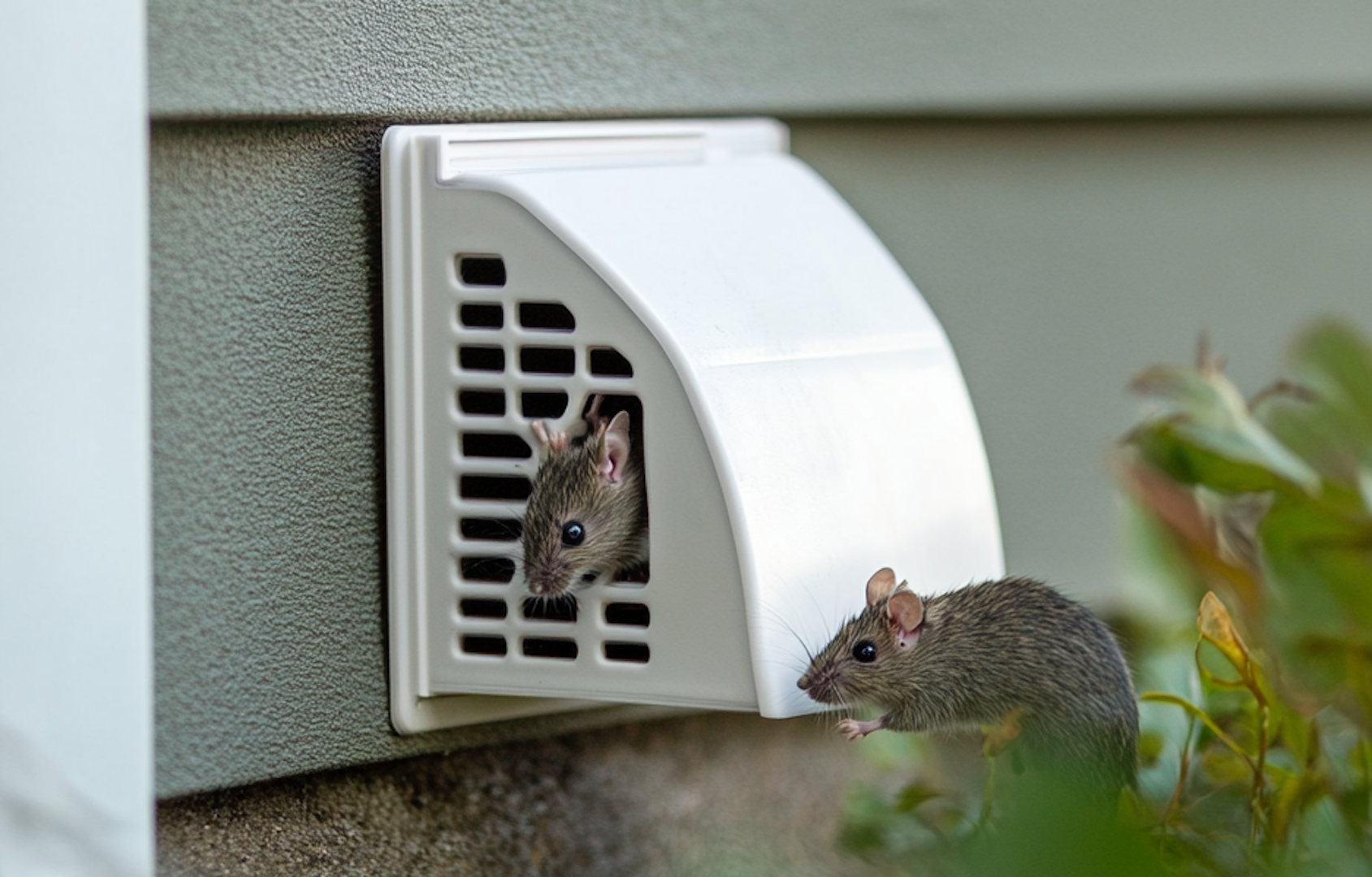
Exterior Pest Control: 9 Solutions to Keep Pests from Coming In
Part of homeownership is maintaining the exterior of your property and its landscaping to preserve its beauty and value.
Another benefit of landscaping and keeping the outside of your home clean is that it acts as a deterrent for pests.
Nevertheless, seasonal pests are practically unavoidable in Pennsylvania, whether it’s mosquitoes found in Southeast Pennsylvania during the summers, ticks found in the forests of the Lehigh Valley, or termites that hide out in softwood trees in Northeastern Pennsylvania.
Additional exterior pest control solutions, including yard sprays for ticks, inspections, and motion-sensory lights, may be required on larger or rural properties in the state.
Our expert technicians at The Pest Rangers have outlined their top nine exterior pest control solutions that are the most effective at keeping pests away from your property and out of your home this year.
Is Exterior Pest Control Worth It?
Every indoor pest, whether it’s ants, rodents, cockroaches, or termites, has to come from outside. Therefore, stopping pests at the source and preventing them from even entering your property will help keep them out of your home.
By investing in exterior pest control, you can save money on future services, such as fumigating or treating your home for nasty, invasive pests.
Exterior pest control combines practical landscaping tips with general housekeeping procedures to help prevent pests, both outdoors and indoors.
In the warm, subtropical climate of Pennsylvania, outdoor bugs, like ticks, mosquitoes, and fleas, are extremely common and can carry dangerous diseases. Exterior pest control can help protect your health and peace of mind, especially if you enjoy spending time outdoors in your yard.
9 Outdoor Pest Control Solutions to Prevent Pests from Coming Inside
Our seasoned technicians have outlined nine of the best tips they recommend to customers to help combat common outdoor pests in the region and prevent them from entering your home.
1. Know Your Enemy: Identify Seasonal Common Pests in Pennsylvania
While various pests like ants and spiders are common to all properties, there may be something about your property that is uniquely attractive to certain pests.
For example, termites are attracted to soft, rotted wood, so if you have lots of old trees, branches, or logs lying around your property, you could be a prime target for wood-destroying organisms.
Likewise, mosquitoes tend to congregate around properties with large pools of standing water, including retention ponds, shallow streams, pools, and bird baths.
By identifying the types of insects or pests common to your area, you can take proactive measures to prevent them from entering your property.
2. Seal All Entryways
A simple way to keep pests out is to simply prevent them from entering. Take care of your home’s yearly maintenance and make sure there are no openings for any creatures to slip through.
This could be cracks in your foundation, torn window screens, cracks beneath your doors, or even vents that lead outside. Remember, some insects are smaller than the head of a pen, which means they can easily find their way inside through the smallest crack.
Likewise, you can reinforce your home’s exterior defenses by patching holes in your fence.
Any of these areas has the potential to let unwanted creatures inside. The best tools for patching holes in your exterior include caulk, spray foam, weatherstripping, or good old-fashioned plywood.
3. Tend Your Garden
Another simple way to keep your home pest-free is to tend to your garden. Insects, particularly ticks and mosquitoes, are drawn to overgrown shrubs and gardens, where they can find shelter and protection. Rodents and cockroaches also like to nest in thickets or cluttered areas.
Take care of vines or overgrown areas, monitor bush and hedge growth, and don’t let your weeds grow unchecked.
Rule of thumb: the wilder and more untamed your yard becomes, the more enticing it can be for unwanted houseguests.

4. Keep the Grass Cut
Much like your garden, an overgrown lawn can be a draw for unwanted visitors. Ticks, especially, prefer long grass, as it makes it easier for them to latch onto a host successfully.
You can also attract ants, fleas, and some stinging insects who may decide to build a nest in the growth. Don’t give your lawn a chance to host any of these pesky pests. Be sure to mow your lawn regularly, as this will disturb the habitat or any insects on your property, and dispose of any grass clippings.
5. Clean up the Garbage
Do you have unsealed garbage cans with exposed trash bags hanging out? You may be attracting more than just wildlife–you may also be attracting rodents and cockroaches.
All it takes is one cockroach or ant to make the leap from your outside trash to your inside trash to launch a full infestation of your home.
Trash isn’t limited to food either. Clutter, in general, can provide a perfect hideout for many pests.
An overburdened garage or shed can mean hidden snakes or spiders, while a pile of wood can attract termites or other pests. The goal of this exterior pest control is not to leave anything that could attract potential invaders, so do your best to keep your property tidy.
6. Watch for Stagnant Pools of Water
Cleaning out gutters is not just good for your home’s foundation; it can also help avoid pests like mosquitoes, ants, and cockroaches.
Standing water provides the perfect breeding ground for mosquitoes, which can carry diseases and make summer barbecues a nightmare.
Look for common sources of standing water, including birdbaths, overturned lawn chairs, poorly graded areas of your lawn, and swimming pools.
If you cannot drain these areas of water, clean them using chlorine, flocculants, or an appropriate disinfectant to eliminate mosquitoes and other pests.
7. Apply Yard and Barrier Sprays
Mosquitoes and ticks can be particularly difficult to control, as they can easily establish a habitat in any outdoor space. Rural and suburban homeowners who live near forested areas are at greater odds of controlling these difficult pests.
A powerful deterrent against ticks, fleas, and mosquitoes is an outdoor barrier or yard spray. These sprays are made of synthetic chemicals or organic essential oils designed to deter these pests from entering your property.
However, proper application is key. That’s why we recommend a seasoned expert, like The Pest Rangers, apply barrier sprays to your property to keep your family safe.
8. Install Motion-Control Lighting
Could your outdoor patio or porch light be unknowingly attracting pests to your yard?
Known as phototaxis, insects with positive phototaxis are attracted to light, while those with negative phototaxis are deterred by light. Insects such as moths, termite swarmers, and cockroaches exhibit positive phototaxis, meaning they are more likely to be drawn to artificial lights on properties.
Install motion sensors on your lights to keep your yard illuminated when walking through at night, without attracting pests to your property when light is not needed.
9. Sign Up for Monthly Preventative Pest Control
If you’re looking for total peace of mind and hands-off pest control, then signing up for a monthly pest control program with a local pest control service is right for you.
Exterminators like The Pest Rangers offer monthly pest control services designed specifically to combat common seasonal pests in Pennsylvania.
Using a combination of the tips above, including barrier sprays and practical advice, our technicians can keep your Pennsylvania yard free from nasty pests like mosquitoes, cockroaches, ticks, and more.
Stop Pests Before They Get In
The best offense is a good defense, especially when it comes to battling pests. Stop these intruders before they can even get inside with a little knowledge and a few simple maintenance tasks about exterior pest control.
No matter the time of year, don’t live in fear of infestation.
If you are concerned that you may have an infestation or want to take additional precautions, contact a pest control specialist today.
FAQs
Can pests still get inside even if I keep my house clean?
Yes, even a spotless home can attract pests if there are easy entry points, water sources, or nearby nesting spots outside. This is why outside pest control is so essential.
Once pests are in your yard, it’s only a matter of time before they are in your house. Sealing cracks, maintaining your yard, and managing garbage can help prevent pests from entering your home.
What’s the most common way pests enter a home?
Pests typically enter through small cracks in foundations, gaps around doors and windows, torn screens, vents, and even through plumbing or utility lines. Regularly inspecting and sealing these openings is key to keeping them out.
How does standing water attract pests?
Stagnant water is a breeding ground for mosquitoes and other insects. Common sources include birdbaths, clogged gutters, planters, and even toys or lawn furniture that collect rainwater.
Regularly checking your property for standing water helps prevent infestations.

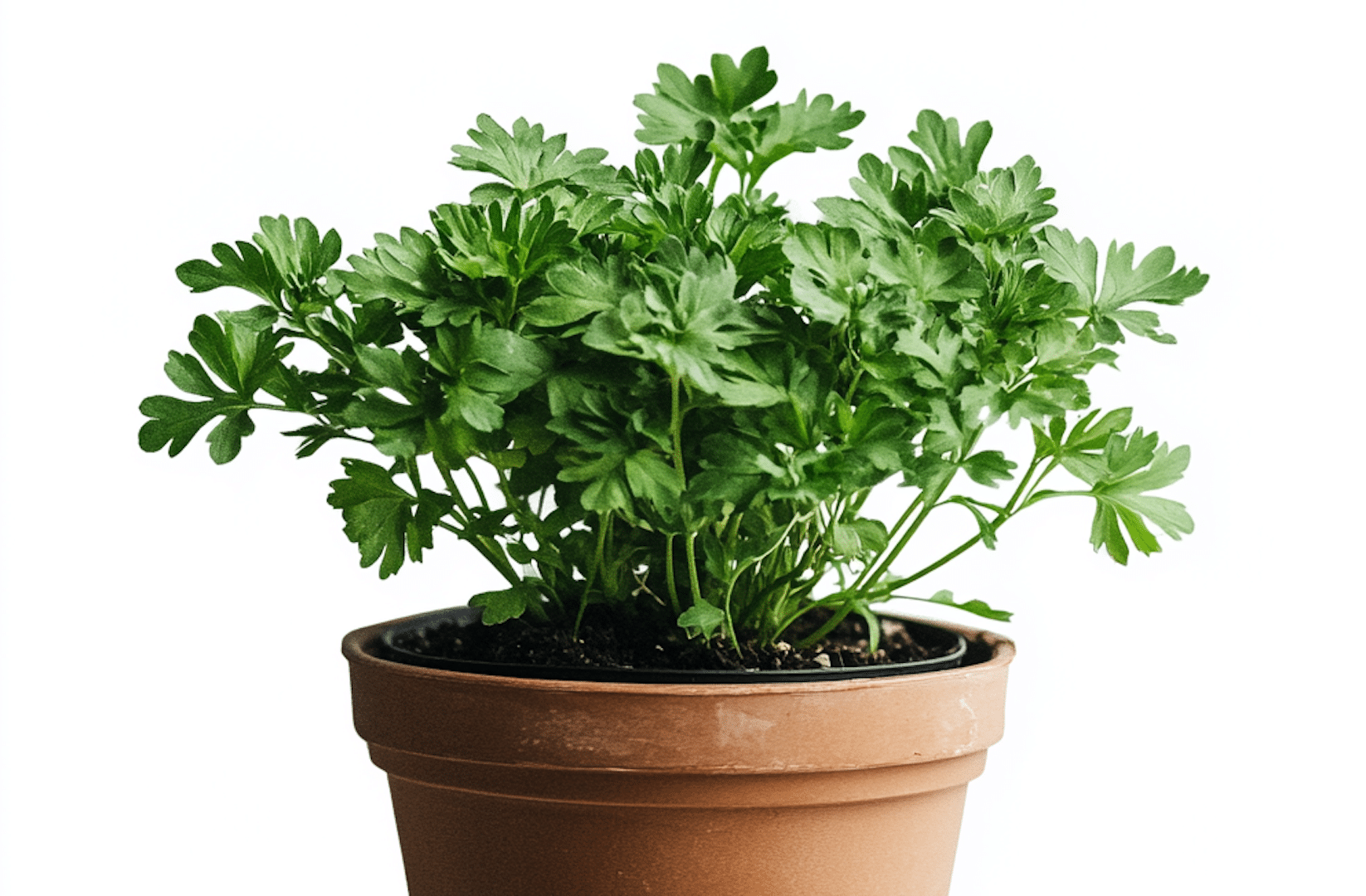
7 Plants Keep Bugs Away from Your Pennsylvania Home
Sometimes, the best way to combat a pest invasion is to have a green thumb.
Plants and flowers can be more than just a decoration or conversation piece–having the right plants can ward off some unwanted bugs simply due to their biology.
Of course, you don’t have to be a gardener or even have a garden to benefit from these plants. You can purchase them at local shops, keep them in a planter, and place them around your home.
While you shouldn’t rely exclusively on plants for residential pest control, some plants that thrive in Northeastern and Southeastern Pa., as well as the Lehigh Valley, are helpful in warding off different pests.
Take care of these plants, and they will take care of you. As for which plants are the best, there are plenty to choose from. Here are some tips for planting pest-resistant plants and seven of the best plants you can buy to keep bugs away.

What Pests Can Plants Help Prevent?
First, when relying on plants for pest control, it’s essential to understand what pests these plants actively combat.
Plants are very helpful in keeping away common garden bugs, such as aphids, cabbage moths, and beetles. Some plants, including mint and lavender, are even helpful in warding off rodents, mosquitoes, and spiders.
However, no pest control professional would recommend plants as an effective rodent repellent, especially since rodents are more active during colder months.
Furthermore, pests like termites, cockroaches, and bed bugs are not impacted by plants at all but can actually be attracted to your garden if left overwatered or in poor shape.
Therefore, practicing proper gardening maintenance and other preventative pest control measures is essential to combat more aggressive pests.
Gardening Tips to Avoid Pests and Establish Plants
Homeowners must practice proper gardening procedures to help plants become established and avoid inviting other pests.
For example, overwatering plants or providing poor drainage will cause the plant to die while also inviting bugs like aphids, water bugs, and cockroaches to your garden.
To ensure that anything you plant grows and does not attract pests, practice these strategies:
- Wait Until After the Last Frost: Most pest-repelling plants are sensitive to cold—wait until after the average last frost date (mid to late April in PA) to plant outdoors.
- Choose Native or Hardy Varieties: Select pest-repelling plants that are hardy in USDA zones 5–6, which cover most of Pennsylvania. This improves survival and pest resistance.
- Use Companion Planting: Position pest-repelling plants near vegetables or flowers they protect—e.g., marigolds around tomatoes or basil next to peppers.
- Space Plants Properly: Crowded plants are more prone to mold and pests. Allow enough room for airflow and sunlight to reduce the risk of infestation.
- Monitor for Pests Anyway: Even repellent plants can occasionally attract pests if they are overwatered or not properly maintained—check leaves regularly and remove eggs or insects manually if needed.
With that said, here are seven plants that can help keep bugs away from your garden in your house that you can experiment with this year.
1. Chrysanthemums
The chrysanthemum is the perfect option if you want a flower that works to deter a plethora of bug species. These pretty blossoms protect against ants, Japanese beetles, roaches, bed bugs, spider mites, silverfish, ticks, and even lice!
In fact, parts of this plant are used in many insecticides and other products used to keep bugs away. They really are the ideal pick for warding off unwanted, multi-legged, or winged visitors.
Plus, they come in a variety of colors, including vibrant reds, yellow, and violet. It’s the perfect pop of color for your garden or windowsill.
These flowers are fall perennials, making them the perfect go-to for keeping overwintering pests out. And they smell wonderful as well. Plant them in the spring, and you will have strong blooms in the summer and fall.
2. Mint
Mint is your herb if you want a protective plant that grows quickly and spreads quickly. Mint is an excellent bug repeller, but you must be cautious when planting it.
Once it starts to grow, it will spread rapidly, and it can become a nuisance itself. Of course, you don’t have to plant mint right in your garden. You can use planters and place them just about anywhere.
Mint works as a wonderful repellent against spiders, ants, and mosquitoes. It’s not hard to come by and even easier to grow.
Again, keep in mind that this plant spreads quickly, and it can be extremely hard to get rid of once it has taken root. However, if you plant it strategically, you will have an effective repellent and a pleasantly scented herb that will go great in your iced tea!
3. Citronella Grass
A common ingredient used in repellents and yard candles is citronella grass. This citrus-smelling grass is easy to grow in gardens or in planters. It’s also the perfect repellent for flying insects.
It’s a low-maintenance plant that does best in warmer climates. Keep in mind that this plant has a very strong scent. So, if you aren’t a fan of lemons, it may not be the plant for you.
4. Basil
If you are looking for a plant that works as a repellent and adds flavor to your favorite dishes, basil is a great choice.
This plan is a smart addition to your kitchen as it repels flies and mosquitoes. This plan has a very pleasant scent and doubles as an herb garden in addition to a bug repellent.
These plants need plenty of daylight and a warm environment, so though they can be grown outdoors, it may be best to keep a planet inside your home. If you have a decent amount of heat and sunlight in your house, you can keep these plants all year round.
5. Lavender
Effective against such annoyances as mosquitoes, fleas, flies, and moths, lavender is a beautifully fragrant plant. The scent is relaxing, but it’s just as effective dry or in other forms as it is alive.
This plant does well in drier soil, and you should be careful not to overwater them. It is important to note that lavender does attract honeybees, which is excellent for the ecosystem, though it may not be something you want near your house.
If you want the effects of lavender without attracting bees, you can always use an extract or dried variety.
6. Marigold
Another beautiful flower that doubles as a repellent, Marigolds are lovely blossoms that bloom in various colors. This plant is easy to grow and has a knack for repelling aphids, flies, and mosquitoes.
In fact, they attract insects that will feed on aphids, so it may be a great plant to add near your garden to keep beetles and aphids away.
Low maintenance, you can keep these plants all summer with proper irrigation and care. However, their roots can get gray mold and tend to suffer from root rot.
7. Rosemary
Rosemary is a highly effective bug deterrent and a fantastic herb for your plate and garden. Not only does it add some spice to your cooking, but it can also protect your vegetables from harmful insects and ward off mosquitoes. Rosemary is often used in a homemade repellent that leaves a pleasant scent.
These herbs do well in a hot and dry climate and are perfect for growing in containers around your kitchen.
Plus, you can shape them as they grow, so they make wonderful decorations as well. There’s nothing this herb can’t do!
8. Bonus – Catnip
Our bonus herb may be an excellent choice if you have a furry, purry friend. An herb cats love, it also acts as a strong repellent to many bugs like mosquitoes, flies, deer ticks, and cockroaches. Easy to grow, it can be made into an effective repellent or just ward off insects from a planter.
Though this is a versatile plant, catnip can quickly take over your garden. Be careful where you plant it because it will grow fast and can be quite invasive.
When Plants Fail, Professional Pest Control Is Here
You don’t always have to look at sprays to keep bugs away from your home. But it’s time to call in the big guns when preventative measures fail.
Contact a professional pest control expert if you are struggling with a pest control problem. The longer you wait or rely on preventative measures like garden plants, the worse the infestation will grow.
The Pest Rangers offer monthly pest control plans in Pennsylvania that help repel over a dozen species of pests, including common home and garden pests.
FAQs
Do pest-repelling plants really work?
Yes, many plants contain natural compounds (like essential oils) that deter insects. While they won’t eliminate pests completely, they’re effective in an integrated pest management plan.
Can I plant these near vegetables?
Absolutely! Many pest-repelling plants are also companion plants—they improve the health of nearby vegetables and deter harmful bugs.
Do I need a lot of these plants to see results?
Not necessarily. Even a few well-placed plants near entryways, garden beds, or patios can help. For large areas, use multiple clusters for better coverage.

7 Tips to Get Rid of Carpenter Bees in Pennsylvania
Honeybees and other stinging insects are generally considered beneficial pollinators that are protected species in most states.
However, despite their mild manners, some stinging insects have a reputation for being aggressive and destructive.
While not as destructive as carpenter ants or termites, wood burrowing or carpenter bees in Pennsylvania can wreak havoc on your home, shed, swing set, or tree house.
Carpenter bees are attracted to softwoods, which fill the forests in Pennsylvania and are commonly found throughout the region, as far north as the Wyoming Valley and Poconos Mountains, all the way down to Montgomery County and the Lehigh Valley.
If you aren’t careful, these nuisance pests could cause some real cosmetic and structural damage to your home. Here are seven tips to get rid of carpenter bees in Pennsylvania and additional information to help you spot and identify an infestation.
What are Carpenter Bees?
As the name suggests, carpenter bees are part of the bee family; however, they are a bit of an outlier.
Unlike honeybees or bumblebees, carpenter bees are not social insects. Instead of living in colonies, they build individual nests in trees, the ground, and all sorts of outdoor wood, including anything on your home that fits the bill.
Coming in both large and small varieties, carpenter bees are attracted to unfinished or weathered wood. They will nest in door frames, decks, porches, or any area they find, destroying the surrounding wood in the process.
These insects also nest during winter inside these wooden structures and emerge again in the spring.
How to Identify Carpenter Bees
Carpenter bees often get mistaken for bumblebees because of their color. If you look closer, however, you can spot the difference.
While this type of bee has yellow markings on its body, they do not have any on its abdomen. Their abdomens are smooth, shiny, and black.
The bigger carpenter bees tend to grow between 12mm to 25mm long, and the smaller bees can reach about 8mm.
Why Carpenter Bees Are a Problem
Carpenter bees aren’t destructive on the same level as termites, but they can still be destructive.
These bees bore into unfinished or weathered wood and build nests, which can split and destroy the surrounding wood. While they occasionally attack stained and painted wood, they prefer bare wood over all else.
Again, while they aren’t as destructive as termites, they can cause a good deal of damage; both cosmetically and structurally. As they burrow deep into the wood, they will leave gaping holes and hollow out the inside.
This can cause the wood to decay faster. Plus, depending on how many are making homes on your property, it could affect structural integrity.
In addition, carpenter bees don’t just leave after winter. If they find a place with everything they need, they will return to roast in their little burrows again.
While male carpenter bees do not sting, females will, which can be painful. These bees do not sting very often but can get aggressive when their home is threatened.
Signs of Carpenter Bees
Carpenter bee infestations can often be identified with a few clear signs. These bees tend to target wood around your home, and while they might seem harmless at first, they can cause structural damage over time. Keep an eye out for the following indicators:
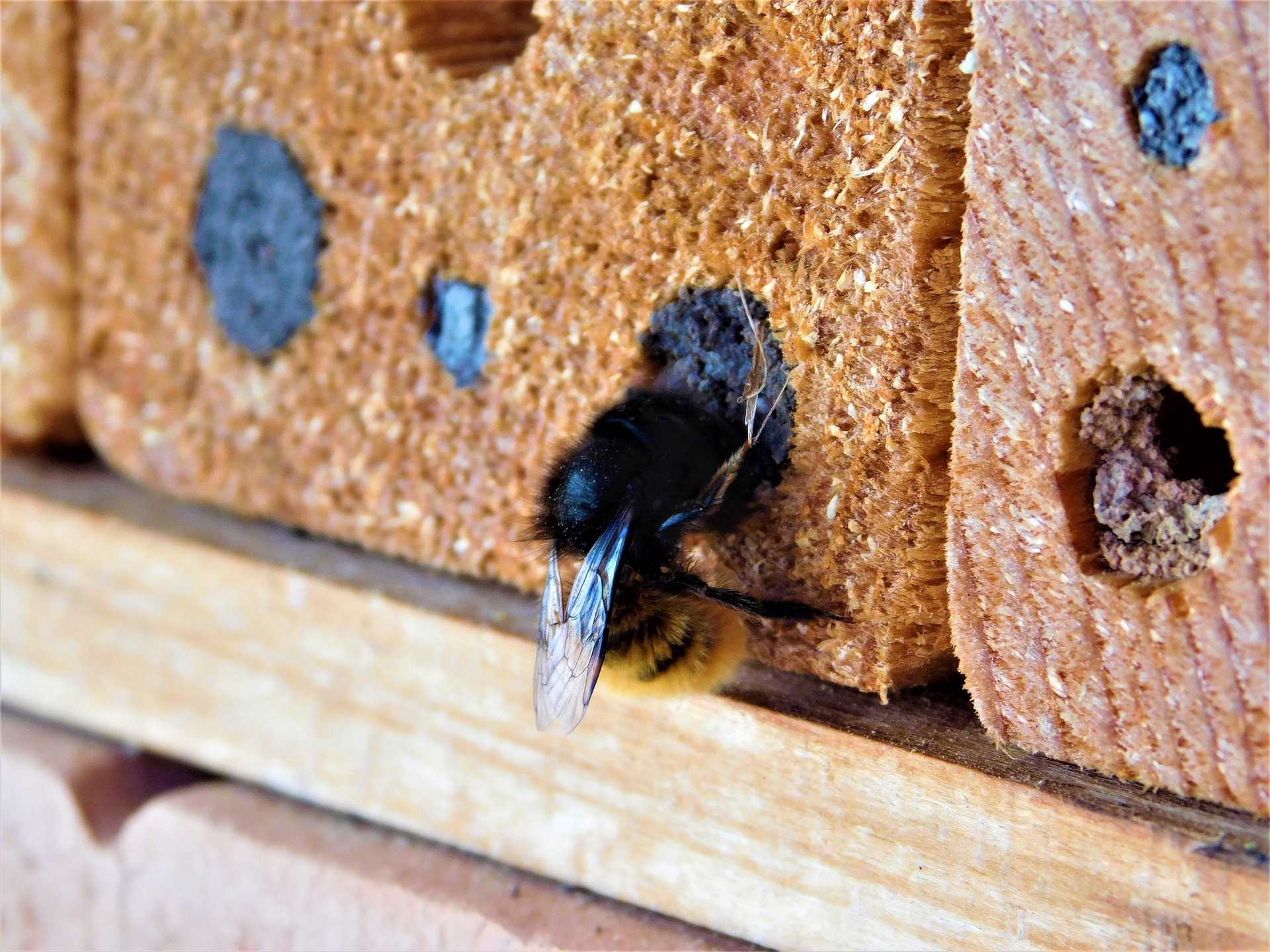
- Small holes in wood – Check all wooden areas around your home, including door and window frames, decks, porches, railings, and other exposed wood surfaces.
- Sawdust or pollen near holes – Look for a pile of sawdust (called frass) or a light dusting of pollen beneath or near the holes, which is a sign bees have been burrowing.
- Increased bee activity – Noticeable numbers of aggressive bees flying near wooden structures, especially males who guard the nests.
How to Get Rid of Carpenter Bees
Now that you’ve spotted the culprit and found where they are nesting, you can take steps to get rid of wood-burrowing bees for good. Depending on the size of the infestation, you may be able to handle it yourself.
However, if the issue is overwhelming, you may want to consider the help of a pest control expert. Here’s what you can do to find carpenter bees and keep them away from your home.
1. Seal Holes
If you happen to spot some holes in the wood around your home, you should plug them up. Use caulk or wood putty to put a stopper on any unwanted visitors. Remember, sealing these holes in the fall is a better idea as it will prevent carpenter bees from entering them in the spring. Otherwise, you may find a few more holes from bees trying to escape.
2. Check for Holes in Your Home
Remember, carpenter bees will reuse holes they’ve made in the past. As you check the exterior of your home for nests, do a double sweep to make sure that you’ve covered all your bases. They may burrow in unseen spots beneath windows or on wooden patio furniture as well.
3. Spray or Paint Unfinished Wood
While carpenter bees occasionally burrow into painted or stained wood, they prefer bare wood. Take the time to paint or stain any bare wood. However, if you like the unfinished look, consider getting the wood treated.
4. Use a Bee Spray
If you know where the bees are hovering and you’ve plugged up all the holes, you can try using a bee spray. Apply the spray on or around the holes to deter and kill these pests. In addition to taking care of the bee problem, some solutions will even kill the larvae.
Be cautious, though. Some pesticides can be dangerous to children and pets. Take the necessary steps for yourself when applying any type of pesticide, including wearing proper protective clothes, gloves, eyewear, and masks.
5. Bee Traps
If you want to avoid sprays, another way to stop carpenter bees is by using a bee trap. These traps will lure in bees and keep them from escaping.
The traps are small wooden boxes with ½ inch holes drilled into each side. At the bottom is an attached water bottle that you can screw off after the trap has worked its magic.
Bees will enter the wooden box in search of a place to nest. Unfortunately, once they fly inside, they are stuck in the plastic bottle and can’t get back out again.
Once the bees die, you can remove the bottle, empty the dead bees, and keep letting the trap do its thing. It’s an easy, hands-off, and chemical-free way of controlling the carpenter bees.
6. Replace Damaged or Rotten Wood
If you notice damaged wood in or around your property, consider having the wood patched or repaired. Advanced rotting wood, such as decaying trees or wooden fixtures, should be disposed of immediately as they will attract other pests, including termites.
7. Contact a Pest Control Expert
Don’t let carpenter bees burrow into your plans this spring and summer. Take the steps to fortify your home and stop them from damaging your property.
If you have an infestation that is more than you can handle or you aren’t sure if carpenter bees are the problem, feel free to contact a pest control expert for solutions.
The Pest Rangers offer monthly pest control plans that include barrier sprays and traps that help prevent a dozen common species of pests, including most stinging insects.
FAQs
Are carpenter bees dangerous?
Male carpenter bees can be aggressive but do not have stingers. Females can sting if provoked, but they are generally not aggressive unless directly disturbed.
What time of year are carpenter bees most active?
Carpenter bees are most active in spring and early summer, especially when they emerge to find nesting sites and mates.
Will carpenter bees damage my home?
Yes. Carpenter bees tunnel into wood to build nests, which can weaken structural wood over time, especially if they return year after year.

Are Mothballs Effective at Keeping Mice and Rodents Away?
Typically, the spring and winter months feature the highest rodent activity in Pennsylvania.
Whether it’s finding mice in your home or your field, the last thing anyone wants to see is a mouse scurrying past as you go about your day-to-day life.
Not only are rodents a nuisance–scratching boards and joists, running across steel pipes, and leaving droppings everywhere–but they can also pose risks to your health and your home.
For this reason, it’s essential to control a rodent infestation as quickly as possible.
You may have heard the tales of mothballs being used to control rodent infestations in the past, and you may even be tempted to head to the store or order a pack online to test. However, nearly every expert will advise against their use to control mice, rats, and other small rodents.
In the following article, we’ll go over what a mothball is, why mothballs shouldn’t be used to control rodents, and the proper steps you should take to control a rodent infestation.
What are Mothballs?
Mothballs are small, white, round tablets that contain paradichlorobenzene or naphthalene: two chemical fumigants often used as insecticides to kill fabric-eating moths, their eggs, and larvae.
If you’ve ever rifled around an old shed or barn where these are commonly used, you’ve probably even seen a pack of mothballs lying around.
The idea behind mothballs is simple: toss any sweaters or garments that’ll be stored for longer than a month into a drawer or chest along with a mothball. The toxic fumes released by the insecticide tablets will kill any existing insects and ward off others, keeping your clothes damage-free.
Unfortunately, some people have adopted this idea for rodents and other insects. Essentially, if you drop a couple of tablets near their points of entry or common dwellings to keep them away, mice should stay away.
However, experts will confirm that the effects are negligible, if at all noticeable. Additionally, several issues arise regarding the use of mothballs due to their toxicity.
Why You Shouldn’t Use Mothballs as Pest Control
The toxins encased within mothballs are extremely volatile and become active when exposed to open air. As soon as you remove them from their packaging, the tablets will begin to release fumigants, such as paradichlorobenzene or naphthalene, into the surrounding air.
In sufficient quantities, these toxins can cause severe damage to blood cells, leading to hemolytic anemia. This is why mothballs should only be used in tight, enclosed spaces.
Mothballs also resemble peppermints or other hard candies, making them appealing to small children and pets. Unfortunately, ingestion can cause severe illness, organ damage, and even death.
For these reasons, mothballs should never be used for anything other than their intended purpose.
Can Mothballs Be Used for Other Pests?
Unfortunately, many homeowners use mothballs for a wide variety of pests, including cockroaches, ants, snakes, squirrels, and other rodents. However, mothballs are largely ineffective at repelling any of these pests, especially long-term.
Luckily, there are several safer alternatives to mothballs that are effective at curbing rodent infestations and other pests as well.
5 Natural Alternatives to Mothballs
There are several safe and effective natural mouse deterrents on the market that are far more effective than mothballs.
1. Essential Oils
Mice have an extremely keen sense of smell, allowing them to detect potential food sources. However, this heightened sense of smell can also backfire when exposed to overwhelming aromas, such as herbal essential oils.
Peppermint, cinnamon, and cedarwood essential oils are only a few proven scents that mice can’t stand. Spraying them liberally around entrance points and dwellings will often cause mice to look elsewhere.
2. Fox Urine
While this may sound odd, fox urine is an effective treatment against mice and other rodents. Since foxes are a common natural predator of mice and rodents, the scent of their urine will often cause rodents to run in the other direction.
In fact, you can find bottles of fox-scented urine at your local hardware store, so it’s not as crazy as you think!
3. Cayenne Pepper
Cayenne pepper is another simple and safe trick to ward off rodents. When rodents come into contact with cayenne powder that’s been dusted around common paths and entrance holes, the overwhelming sting and scent will quickly teach them to scavenge and find shelter elsewhere.
4. Ammonia
This common chemical–found in everything from window cleaner to cat urine–produces a strong, unappealing odor that can last indefinitely. When mice take a whiff, they’ll likely become overwhelmed and evacuate the area.
5. Dryer Sheets
This is probably the most pleasant scent on the list, and while pleasant to our noses, it can often overwhelm rodents. Placing common dryer sheets throughout your home, crawl spaces, and attics can cause a sensory overload for mice and rats, forcing them to evacuate your home.
Are Other Rodenticides Effective?
Rodenticides, including baits and rat poisons, can be effective in controlling mice and rat populations, but they must be used carefully. These products typically contain anticoagulants, which prevent blood clotting and lead to internal bleeding in rodents. Other types of rodenticides use neurotoxins or fast-acting poisons to eliminate rodents quickly.
- Anticoagulant Baits (e.g., bromadiolone, warfarin): These are the most common rodent poisons, working over time to cause internal bleeding. They are usually placed in bait stations to minimize risks to non-target animals.
- Non-Anticoagulant Poisons (e.g., bromethalin, zinc phosphide): These act faster but can be more toxic if ingested by pets or humans. They are often used for severe infestations.
- Pellets vs. Blocks: Pellets are more easily spread and consumed but can be moved by rodents. Blocks are more resistant to moisture and last longer.
While rodenticides can be effective, they come with risks, including accidental poisoning of pets, children, or wildlife. Professional pest control services are truly the only long-lasting solution to prevent mice and other rodents for the entirety of the year, including peak seasonal activity.
What Keeps Mice Away Permanently?
Unfortunately, most scent-based treatments are only temporary. Once the scent wears off, rodents will return right back to their regular activity.
For this reason, it’s best to leave treatment for a severe rodent infestation to a qualified professional. However, if you’re willing to take matters into your own hands, here are a few tips and tricks to help rid your home of rodents for good.
1. Prevention and Exclusion
Like most other pests, prevention is the best and most effective way to treat mice, rats, and other small rodents. Mice can fit through a dime-sized hole to gain access to your house, making gaps in siding or holes in crawl space vents possible entry points.
For this reason, it’s best to do a thorough walk-around of your home to assess potential entry points. Simple supplies like caulking and steel wool can be used to plug holes, while fine screens can be used to replace old, damaged attic and crawl space vents.
2. Keep Vegetation Trimmed and Well-Managed
Mice and rats will often use overgrown trees and shrubs as cover from cats, humans, and other potential predators, allowing them to sneak into homes. By keeping vegetation around your home clean and well-kempt, predators will have a better chance of picking off rodents, and pests will soon avoid low-cover areas.
3. Contact a Pest Control Expert
If all else fails, feel free to contact your qualified, local pest control experts for assistance. Mice and rat infestations can be incredibly difficult to manage. Hiring rodent control services will ensure your home is free from rodents and protected against future infestations.
So, should you use mothballs to treat a rodent infestation? No, and doing so can be quite dangerous. Instead, use a natural alternative, work on prevention, or contact a pest control expert.
FAQs
Why aren’t mothballs a reliable solution for rodent control?
Mice and rats are highly adaptable creatures. While they may initially avoid the smell of mothballs, they often become accustomed to it over time. Additionally, mothballs do not eliminate food sources or block entry points, meaning rodents can still invade your home.
Are mothballs dangerous to use indoors?
Yes. Mothballs release toxic fumes that can be harmful to humans and pets, particularly in enclosed spaces. Inhalation or ingestion can lead to nausea, dizziness, headaches, or more severe health issues.
What should I do if I have a rodent infestation?
If you suspect a rodent infestation, start by sealing entry points and removing food sources. You can also set traps or call a professional pest control service for a more thorough solution.
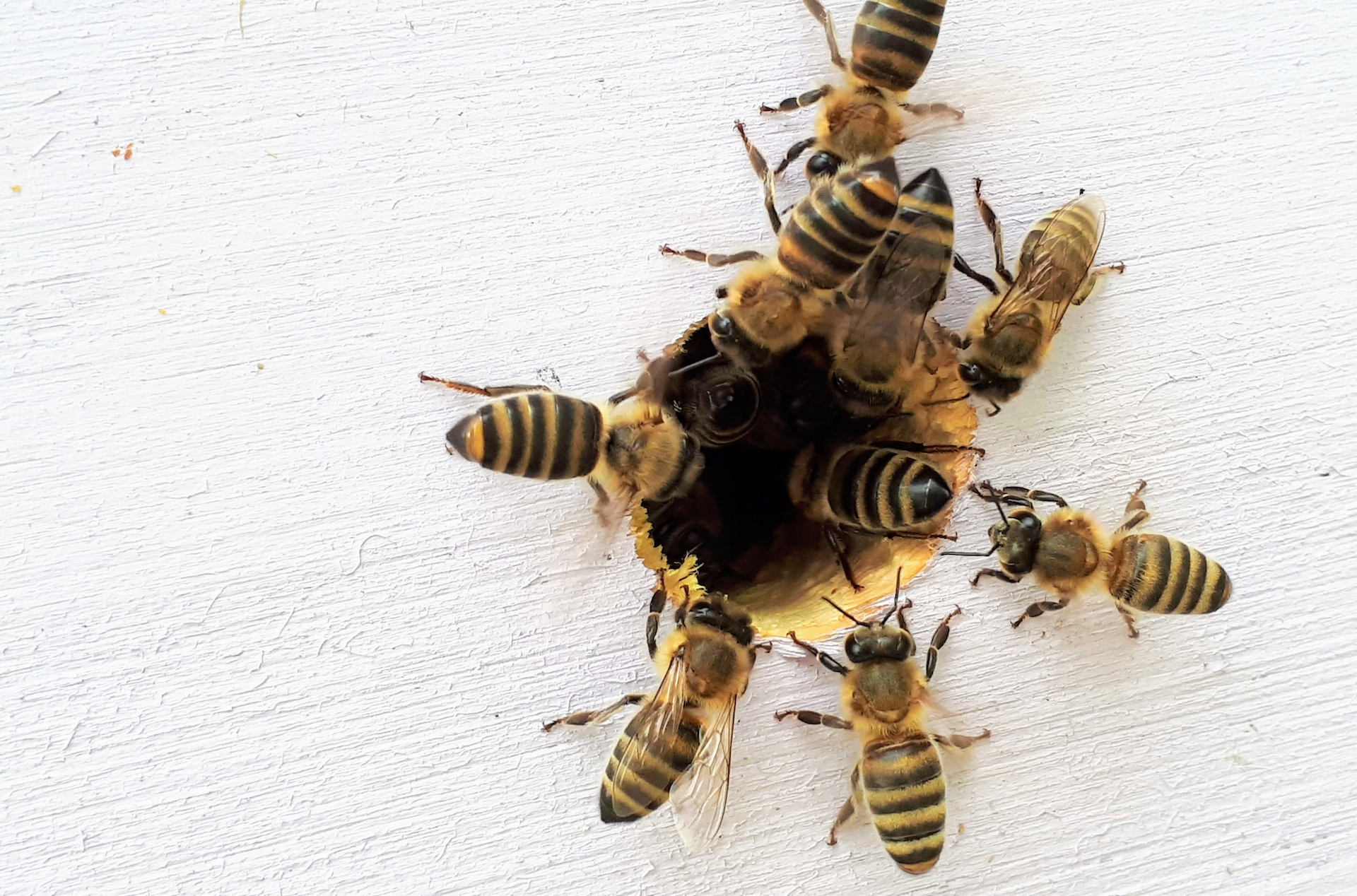
Top 5 Signs To Identify An Active Bee Hive in NEPA
With Pennsylvania’s long history in beekeeping, it’s not surprising to find an active bee hive in residential and commercial places across the state.
While some laws and regulations keep beekeeping in check, humans only understand these. Bees can still form colonies and create bee hives under locations like your roof or deck if they choose to do so.
Homeowners should be wary of any active bee hive on their property as ignoring these signs can have a compounding, negative effect. For example, colonies may split and create additional bee hives nearby and eventually take residence in your house. The closer an active bee hive is to a home, the greater the risk it poses to the household.
If your property is currently harboring an active bee hive, some of the dangers you may encounter include:
- Damage to your home’s structure, such as in walls, chimneys, or roofs
- Attract other pests, such as rodents and insects, due to the hive’s odor
- Harm house guests, neighbors, or passersby, which can cause liability issues
- Sting your household if the bees feel threatened
It’s also important to distinguish between a bee hive and a wasp’s nest, as bees are considered endangered insects by many states (not Pennsylvania), so eliminating a hive requires special consideration.
By identifying the signs of an active bee hive infestation, you safely remove them early on and guide bees to another location where they will be safe from harm.
Signs of an Active Bee Hive Infestation
Spotting a bee hive doesn’t necessarily mean there’s an active colony inside. Some have bees huddled inside, while others are dormant. So, how can you tell if a bee hive is currently active? Here are five tell-tale signs you should look for:
1. Increase in Bee Activity
It’s easy to spot an active bee hive during the warmer months as bees will begin swarming your garden in search of flowers and plants to pollinate.
If there’s an active bee hive near your house, you’ll immediately notice an increasing number of bees flying around. In worst cases, you could start hearing their loud and incessant buzzing in and around your property as these bees try to invade your home.
You can simply observe the flight path of these bees to determine the general direction of where their hive is located.
2. Active Nest is Spotted
In some cases, you may not see honey bees flying around. But if you spot a nest on your property, you may want to observe if bees are still using it.
Sometimes, these insects may be going on foraging trips to local flowers far from your home but are building comb or already have their hive built on your property.
From a safe distance, check if you can see some noticeable bee activity, such as bees coming in and leaving the nest.
Bees usually construct their hives underneath a home’s floorboards, inside small holes or cracks in the wall, and in your garden shed or garage.
Remember that it’s always wise not to disturb the hive – regardless of whether bees are actively using the nest or not. The best thing to do if you find a bee hive on your property is to call a professional to do the pest control.
3. Dark Patches on the Wall
Don’t worry if you haven’t found where the actual nest is. An active bee hive can still reveal itself – even if it’s well hidden. Dark patches will inevitably appear on the walls and ceilings if there’s a bee’s nest hiding within the walls. As the honey starts to overflow and seep out of the honeycomb, it will trickle onto the inside walls.
If left alone, the wood above your ceiling or drywall can get destroyed by honey. In addition, this could also attract other insects and pests in your area, which can result in even more structural damage to your home.

4. Strange or Unpleasant Odors
An active bee hive can sometimes emit a distinctive smell that resembles a sweet or musty odor.
As honeycomb ages and honey accumulates, it can ferment and create a stronger smell. Additionally, if bees die within the hive, decomposition can lead to a foul odor.
If you detect an odd smell near your walls, attic, or outdoor structures, inspect for other signs of a possible bee infestation or any other pest presence.
5. Presence of Wax or Honey Residue
If you find waxy deposits, honey drips, or sticky residues near cracks in the walls, under eaves, or around the exterior of your home, it could indicate an active hive. Bees continuously expand their hives, and over time, excess honey and wax can seep out and become visible.
These residues might also attract other insects, such as ants or wasps, worsening the problem. If you notice honey or wax deposits appearing in unusual places, it’s time to investigate further.
In addition to knowing these signs, it’s essential to understand how bee hives work and other significant information so you can better assess your situation.
Where Are Bee Hives Typically Found?
Bees prefer building their hives in sheltered, undisturbed areas with easy access to food and water. Some of the most common locations include:
- Inside walls, chimneys, or attic spaces
- Under decks, porches, and floorboards
- Tree hollows or thick shrubbery
- Inside abandoned structures like sheds or barns
It may take some investigation to spot the source of a bee hive, but by following the signs above, you should be able to pinpoint its location.
Tips to Identify a Stinging Insect’s Nest
It’s very common for residents to confuse honeybees with other types of bees and stinging insects, including wasps and hornets. However, distinguishing between these nests can help you avoid painful stings.
- Honey Bee Hives – Typically found in sheltered locations like hollow trees, attics, walls, or under decks. In rare cases, you may also stumble upon ground bees that nest in the dirt. Their hives are made of wax and have a golden honeycomb structure.
- Wasps’ Nests – Made from a paper-like substance, wasps create hanging nests in trees, under eaves, or inside wall voids. Unlike bees, wasps are more aggressive and do not produce honey.
- Hornets’ Nests – Often larger and round, a hornet’s nest resembles a gray, papery football and is usually suspended in trees or on buildings.
- Yellow Jacket Nests – Nests can be dug underground, in wall voids, or hanging from structures. Yellow jackets are highly aggressive and often defend their nests fiercely.
How Long Do Bee Hives Stay Active?
A bee hive’s state mainly depends on the queen bee’s reign. A typical queen bee lives between two and five years. But the bee colony replaces the queen every two years if her productivity dips very low. Thus, a bee hive can stay active for years as long as there is a queen and a good food source in the area.
When it comes to season, bees are most active in the spring and summer months. Don’t get fooled by the seemingly inactive hive during winter. Most of the time, the bees stay inside to keep the colony and the queen warm throughout the cold season.
What Do Bees Do in the Hive?
Each bee in the colony performs an activity based on its role. Bees follow a strict hierarchical system, which makes them very efficient.
First, the queen bee is the reproductive center of the hive, laying up to 1,500 eggs per day.
Then, there are the male drones whose only purpose is to mate with the queen, dying immediately after mating. Finally, the female worker bees are responsible for every other job, including caring for the queen, guarding the hive, and producing honey.
What To Do If You Discover a Bee Hive
If you find a bee’s nest on your property, the best approach is to leave the hive undisturbed and call in a pest control professional. Removing a colony is not as easy as destroying the hive – it requires a specialized process that often involves cutting through the walls or siding.
Also, let everyone in the household know about the current situation and warn them to stay away from the hive.
It’s also best to find a way to inform your neighbors and passersby about the situation. This way, you can prevent them from getting stung by a bee.
Don’t leave matters in your own hands or completely ignore a bee hive on your property. After finding evidence that a bee hive is present, put your trust in reputable pest control professionals to mitigate the problem. They have the experience and equipment necessary to neutralize the situation and restore the safety of your home.
Do you need help in removing a bee hive? Contact The Pest Rangers below for an instant quote and schedule.
FAQs
How can I tell the difference between a bee hive and a wasp nest?
Bee hives are typically made of wax and have a honeycomb structure, often found in sheltered locations like walls, attics, or trees. Wasp nests, on the other hand, are made from a paper-like material and are usually suspended under eaves, in trees, or inside wall voids.
Are all bee hives dangerous?
Not necessarily. Honey bees are generally non-aggressive unless provoked. However, if a hive is too close to your home, it can pose risks such as structural damage, attracting other pests, and potential stings.
Can I remove a bee hive on my own?
It is not recommended to remove a hive yourself. Bees can become aggressive if disturbed, and improper removal may cause damage to your property. It’s best to contact a professional pest control service.
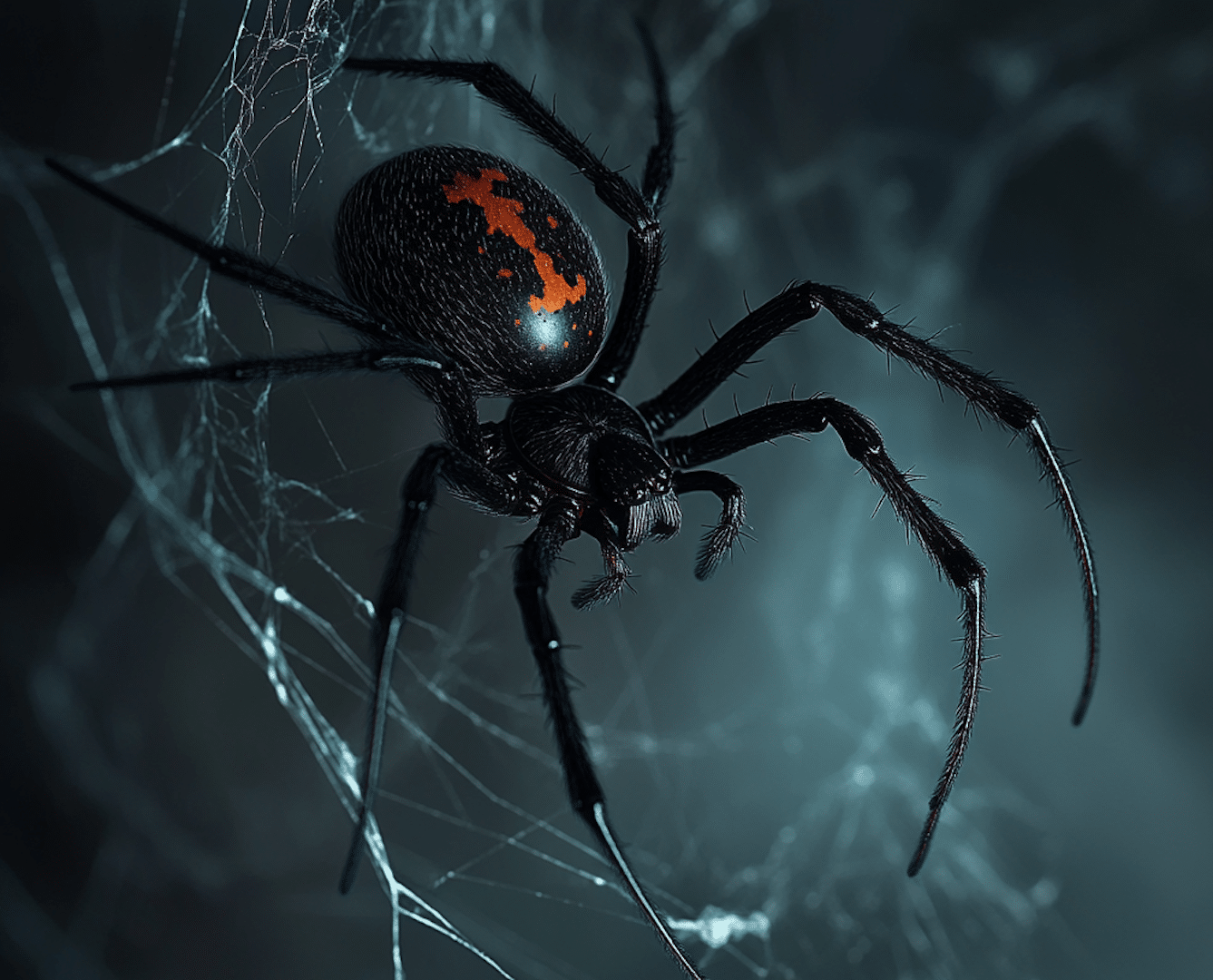
Northeast Pennsylvania’s Guide to Spiders & How to Prevent Them
Spiders are highly diverse arachnids, ranging in size, shape, and color to their habits and venom strength.
While spiders are helpful pest control experts, they’re usually a sign of a pest infestation at your home. For this reason, treating a pest infestation will subsequently help you get rid of your spiders.
Northeast Pennsylvania is home to several species of spiders, many of which you may already be familiar with and that already live in your homes.
From poisonous spiders to helpful garden spiders, we’ll run through the primary intruders you’ll likely find roaming your home or yard and tips to keep them away from your property as best as possible.
Common Spiders in Northeastern Pennsylvania
Funnel Web Spiders
Two common funnel web spiders exist in Northeast PA, including the grass spider and barn funnel weaver.
The primary difference is their common dwellings. For example, grass spiders dwell in the grass, while barn funnel weavers reside in the doorways and cracks of barns.
With life spans of up to 7 years, these spiders are some of the longest-living members on the list. However, due to their shy nature and fast movement, funnel web spiders are relatively illusive and conspicuous.
You can identify a funnel web spider by its elongated thorax, red-brown hues, and yellow hairs across the length of the body.
As their names indicate, funnel web spiders produce a unique, primarily horizontal web with a “funnel” or retreat located in the center or off to one side.
Danger-wise, funnel web spiders are some of the lowest on the list. They’re timid, with limited reports of bites. Reported bites usually include mild symptoms, such as localized redness, swelling, and slight pain.
Orb Weavers
Several Orb Weavers are present in the Northeastern area of the state; however, we’ll primarily focus on the yellow garden spider. This arachnid is one of the largest, flashiest, and most common in Pennsylvania. It is identified by its bright yellow color, large body, and long black/red legs.
Besides their physical appearance, orb weavers are commonly identified by their unique web shape, crafting large and ornate orb-shaped webs in gardens and tall grass with plenty of sun.
Like funnel weavers, orb weavers are non-aggressive and generally have harmless bites, causing no more pain and irritation than a bee sting or wasp bite.
Black Widows
This spider is identified by its shiny black body and characteristic red “hourglass” on the underside of the abdomen. The males are far smaller and possess a series of white markings and red spots atop a primarily black body.
Webs can be identified by their disorganized and relatively sparse design, especially in dark, undisturbed cavities such as wood piles, under stones, and in building crevices.
Though no deaths from black widow bites have been recorded in the US since the early 1980s, they can still be highly unpleasant. Black widow venom is primarily neurotoxic, producing a variety of generalized body symptoms that last an average of 4-7 days.
Jumping Spiders
The most common jumping spider in PA is the Phidippus audax, a compact hunting spider with a knack for daytime exploration.
These small spiders are identifiable by their hairy black bodies, tufts of hair protruding from the area around their large primary eyes and small secondary eyes, white, yellow, or orange spots, and iridescent green chelicerae.
Jumping spiders are aggressive and skilled hunters, utilizing their athleticism and powerful eyesight to pounce on prey from a great distance. Additionally, jumping spiders require light to hunt, making daytime sightings highly likely.
Generally, jumping spiders are shy creatures, hiding from humans whenever approached; even when threatened or held, they don’t often bite.
Jumpers also have extremely mild venom; if you happen to be bit by a jumping spider, you’ll likely only experience mild irritation, pain, and itching for 1 to 2 days.
Wolf Spiders
Wolf spiders are a common and diverse subspecies, with scientists noting 240 variations and 23 genera in the United States alone! However, in Pennsylvania, you’ll likely only encounter two species of wolf spiders: Hogna carolinensis and Tigrosa aspersa.
Both species are large and commonly found in homes. Female H. carolinensis can reach 25-35mm in length, and female T. aspersa can reach 18-25mm. Both spiders are distinctively brown; however, T. aspersa has prominent yellow markings at the leg joints and along the carapace near the eyes.
Both species of wolf spiders display similar behavior. They build retreats in the soil, beneath rocks and wood, or in other tight spaces, only emerging at night to hunt.
Regarding venom, wolf spider bites produce no notable medical side effects besides localized redness and swelling, which subside within 24 hours.
Daddy Long Legs
Also known as cellar spiders, daddy long legs are one of the most common spiders you’ll encounter in your home in Pennsylvania. These non-aggressive arachnids are often perched on sparsely woven webs in undisturbed locations, like the upper corners of rooms.
These spiders are easily identified by their small 6 to 8-mm body length and 50-mm leg length, hence their colloquial nickname. Other identifiers include a wide carapace, a long cylindrical abdomen, and a characteristic tan color.
These spiders possess a mild venom that isn’t likely to cause any medical issues. Daddy long legs are also extremely docile and aren’t likely to bite. In fact, bites are so rare that studies haven’t even been conducted to assess toxicity in mammals!
Broad-Faced Sac Spider
The broad-faced sac spider is a small but robust arachnid commonly found in Pennsylvania homes. Identified by its dark brown to black cephalothorax and lighter tan or gray abdomen, this spider is an active hunter that doesn’t rely on webs to capture prey.
Bites from broad-faced sac spiders are not medically significant but can cause localized swelling, pain, and mild itching.
What Spiders in Pennsylvania Are Considered Venomous?
The black widow is the only spider in Pennsylvania with venom that poses a significant medical concern. While other spiders, such as the broad-faced sac spider and yellow sac spider, have venom, their bites rarely cause anything more than minor irritation.
Again, there have been no medical deaths associated with black widow spider bites, though we strongly recommend seeking medical attention if a black widow spider bites you.
Are Spiders Dangerous?
Despite their reputation, most spiders in Pennsylvania are harmless. Even the black widow, the only medically significant spider in the state, rarely causes severe reactions.
Spider bites, in general, are uncommon, and when they do occur, they typically result in mild, localized symptoms such as redness, swelling, and slight pain. Most spiders prefer to avoid human interaction and will only bite if they feel threatened.
Signs of a Spider Infestation in Your Home
While it’s common to spot the occasional spider, they can quickly become a nuisance if they infest your home in large numbers. Here are some signs that your home is being overrun by spiders.
- An increase in visible spider webs, particularly in corners, ceilings, and undisturbed areas.
- The presence of egg sacs, which appear as small, silken pouches attached to surfaces.
- Frequent sightings of spiders in dark, secluded places such as basements, attics, and closets.
- An increase in insect activity, which serves as a food source for spiders.
- Shed exoskeletons or molted spider skins, indicating growth and reproduction.
- Finding spiders in areas with high humidity, such as bathrooms or crawl spaces.
Again, an increase in spider activity typically indicates an issue in your home, whether that be an increase in pests, a water leak, or a generally untidy home.
How to Keep Spiders Away
When it comes down to it, spiders are actually beneficial predators of smaller insects, providing your home with some free pest control! Better yet, you won’t have to worry about the dangerous Joro Spider in Pennsylvania any time soon.
Nevertheless, if you’re still worried or afraid of spiders in your home, we have some simple tips and tricks to ensure a spider-free home year-round.
Keep a Tidy Home
Spiders will generally only settle where food sources are bountiful; as spiders consume other small insects, the routine presence of ants, cockroaches, and flies will often lead to more spiders. You’ll effectively drive the arachnids away by eradicating spiders’ food sources.
So, ensure that you regularly clean your home and rid it of pest attractants such as food, spilled drinks, and garbage.
Additionally, be on the lookout for spiderwebs. If you spot one in the corner of your room or behind a piece of furniture, vacuum it up. The disturbance may be enough to drive the spiders elsewhere.
Natural Repellants
Are you looking to keep spiders out without killing them or subjecting your kids or pets to harmful chemicals? Consider using natural insect repellants like pest repellent plants, peppermint essential oil and vinegar.
After mixing a 50/50 concentration of vinegar and water or 10 to 15 drops of essential oil and water in a spray bottle, mist the areas where you find them lurking–reapply every 2 to 3 days as necessary.
Block Possible Entry Points
Even larger ones are small enough to squeeze into the tightest of cracks and openings, making a torn window screen, drafty door, or gap in your home’s siding the perfect place to gain entry.
So, if you’re noticing a large increase in spiders in a certain area of your home, do a quick walk around outside and note any possible entry points.
Seal gaps, cracks, and unnecessary holes with latex caulking and repair any broken window screens to keep spiders away. In addition, install proper seals on exterior doors, ensuring that your home is fortified against 8-legged intruders.
Professional Assistance
If all else fails, or you’re uncomfortable using insecticides on your own, don’t hesitate to contact your local pest control experts. With a wide array of treatment plans, the Pest Rangers can help you eliminate spiders in your home and around your property.
FAQs
Why am I seeing so many spiders in my home?
An increase in spider activity could indicate a higher population of insects in your home, which serves as their food source. Spiders are also more likely to enter homes in the fall as temperatures drop.
What should I do if I find a spider egg sac in my home?
Spider egg sacs can contain hundreds of eggs, so it’s best to remove them promptly. Use a vacuum or carefully dispose of them by sealing them in a plastic bag and discarding them outside.
Do spider bites require medical treatment?
Most spider bites cause only mild irritation and can be treated with ice, antihistamines, and over-the-counter pain relievers. However, if you suspect a black widow bite or experience severe symptoms such as muscle cramps, difficulty breathing, or fever, seek medical attention immediately.

Top 6 Types of Wasps in Pennsylvania: Which Are Dangerous?
The warmer weather invites us outside to return to nature and finally enjoy that warm sunlight.
However, humans are not the only animals that emerge from their winter slumber with the coming of spring and summer.
Beneficial pollinators, such as stinging insects, may find their way to your Pennsylvania backyard in search of plants and places to establish hives.
While wasps are not pollinators and can be quite aggressive, they are actually beneficial predators that help fight aphids and other crop-destroying insects.
Therefore, it’s important to understand the types of wasps found in our state and what steps to take to prevent them organically. This will allow you to enjoy your backyard free of wasps while also protecting them from harm.
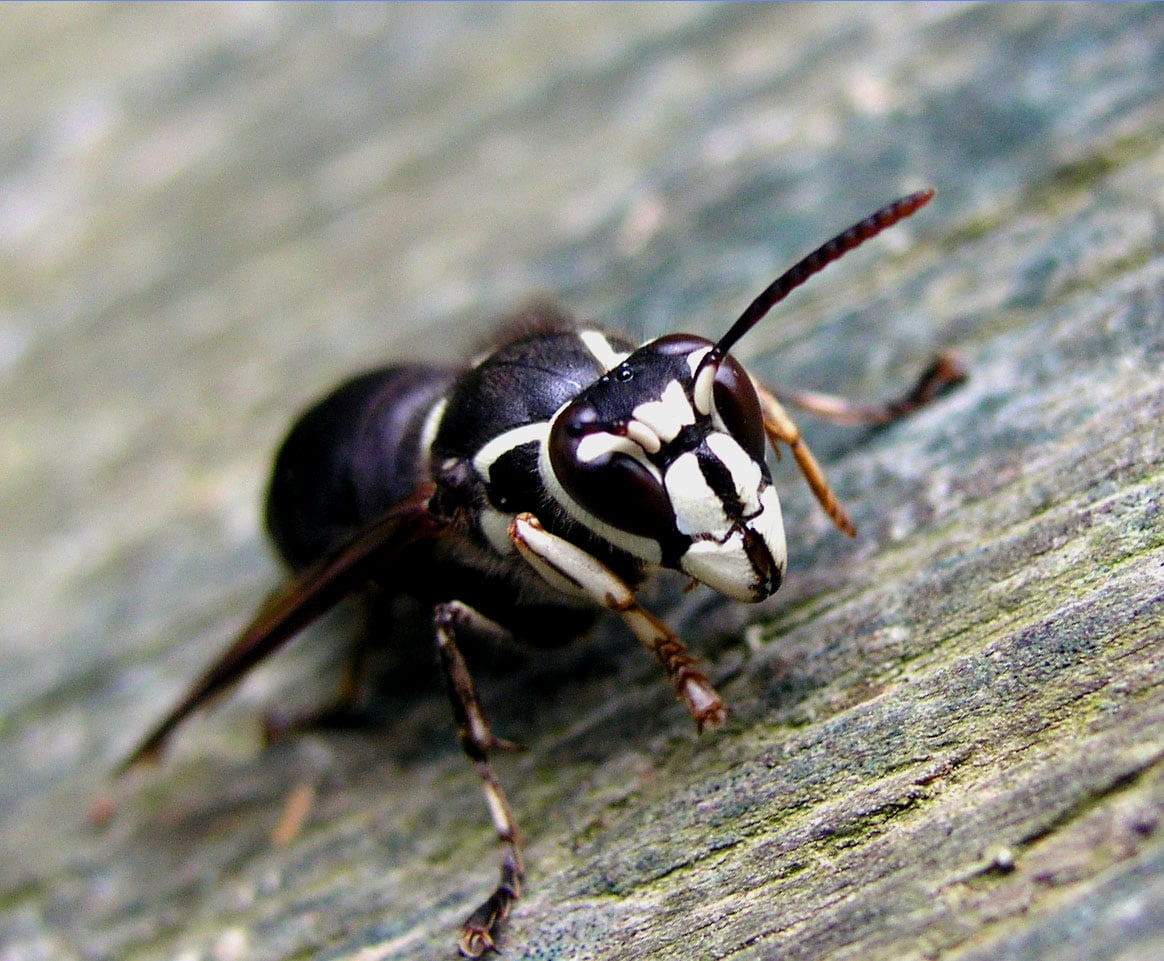
- Photo credit: Utah State University
What’s a Wasp?
Wasps are flying insects belonging to the order Hymenoptera, which is the same group that includes bees and ants.
Unlike bees, which are primarily pollinators, wasps are predators that feed on other insects, such as aphids. They can be solitary or social, depending on the species, and many of them are known for their distinctive black and yellow bodies.
How to Identify a Wasp
One key characteristic that sets wasps apart from bees is their smooth, slender bodies and narrow waists. Most wasps have two pairs of wings and strong mandibles for capturing prey. Additionally, their stingers remain intact after use, allowing them to sting multiple times, unlike bees, which lose their stingers after a single sting.
Key Wasp Characteristics
- Body Shape: Wasps have a more streamlined and slender body with a distinct narrow waist.
- Coloration: Many species have bright black and yellow markings, though some may be red, orange, or metallic blue.
- Behavior: Unlike bees, wasps are predatory and tend to be more aggressive.
- Nesting Habits: Some species build nests out of paper-like material, while others make burrows in the ground or mud nests on walls.
If you encounter a wasp, it is best to observe from a distance and avoid provoking them, as they can be defensive and aggressive if threatened.
Wasp vs. Bees vs. Hornets
While wasps, bees, and hornets are all associated with each other, they are vastly different insects.
Bees are typically hairy, while a wasp tends to be smooth and shiny. Wasps can also be identified by their narrow waist. They also have brightly covered bands, typically black and yellow, and four wings.
Bees are mostly colony creatures, and they live in their hives year-round. They can also create honey, which a wasp cannot.
Finally, when it comes down to stinging, bees can only sting once and die after attacking. They are far less aggressive than their wasp counterparts. Wasps, on the other hand, are natural predators and are capable of stinging multiple times.
Many people also confuse hornets and wasps. However, a hornet is simply a type of wasp. Hornets are large and social and are considered pretty aggressive.
Identifying the difference between a hornet’s wasp and a wasps’ nest can help you determine which one is on your property.
Are Wasps Dangerous?
Wasps are naturally an aggressive species; if you enter their space, their predatorial instinct will kick in, and they can attack. Unlike bees, they can sting multiple times, and if you have an allergy, that could prove to be deadly.
Thankfully, wasps will not go out of their way to harm you. If you keep your distance or don’t appear as a threat, wasps will leave you alone. While most wasps can be tempestuous, not all species are. The trick is knowing what you have before you act.
With that said, here’s a look at the top six types of wasps you can find in Pennsylvania.
6 Common Types of Wasps in Pennsylvania
A wide range of wasps is found throughout Pennsylvania, including traditional hornets and mud daubers.
1. Bald-Faced Hornet
This relative of the yellowjacket is easy to identify from its color. Their faces are mostly white, while their bodies are black. These insects are on the larger side, ranging from ½ – ⅝ inches.
Bald-faced hornets are known for building aerial nests, which can easily be the size of a basketball. They can build them as high as 10-12 feet off the ground.
If you do find a nest on your property, this is one you want to stay away from. Bald-faced hornets can be extremely aggressive and are known for their powerful sting. These wasps are not all bad; they often feed on pests. However, the benefit here may be outweighed by the danger.
2. Cicada Killer Wasps
With a name this terrifying, it’s easy to get worried about these wasps. Don’t worry; they sound scarier than they are. A larger yellow jacket, Cicada Killer wasps are about 1 ½ long. Like most wasps, they have yellow and black striped segments, but they also have a reddish-brown colored head.
Typically found in early summer, these wasps are pollinators. And unless you are a cicada, you have nothing to fear. As the name implies, these insects kill and eat cicadas. They also lay their eggs in them.
When it comes to stinging, like most wasps, they will sting if they feel threatened, but only the females have the capability. Males do not sting, but they will aggressively fly around to scare you off.
3. Paper Wasps
Paper Wasps are often mistaken for bees, though they are not fuzzy. They are reddish-brown or black in color and can be between ½ inch to 1 ½ inch long.
As the name implies, they create paper from chewing wood and vegetation to make nests. They also tend to keep to themselves and will only sting if they feel threatened.
Paper wasps can be quite beneficial for gardens. They are especially good at taking care of caterpillars, and they can also pollinate your plants.
4. Eastern Yellowjacket
These ground-nesting wasps can be found pretty much anywhere, even beyond Pennsylvania. Social insects, you can identify these flying stingers by their distinct yellow and black coloration.
They also like to build their nests in the most inconvenient places, like picnic tables, playground equipment, and other high-traffic areas.
Though eastern yellowjackets are great at reducing pests, they can be hyper-aggressive, especially if you venture near their hives. They will sting without hesitating to protect their home, and those stings can prove quite painful.
5. Scoliid Wasps
The blue-winged scoliids are unique-looking. They have the familiar, segmented wasp shape but with a few colorful differences. Their heads are black, and their abdomens are red; however, their most stand-out traits are their blue wings. These insects are about ½ inches long and mainly pollinate.
Unlike other wasps, blue-winged scoliids rarely sting. As long as you don’t appear as a threat, they will likely leave you alone. However, if you are a June or Japanese beetle, you better look out. These feed and lay eggs in those beetles, acting as predators and parasitoids.
6. Mud Daubers
Commonly found in mud nests, mud daubers are thinner than other wasps. Typically between a ½ inch – 1 -inch long, their waists are as thin as thread.
However, these wasps look much more frightening than they are. They don’t defend their homes and aren’t social insects. They will rarely sting, if ever. They are more beneficial for taking care of other pests.
While not completely dangerous, they do create nests that may serve as a home for other wasps or pests. These wasps create nest holes that harden over time.
Bee-on the Lookout for Wasps
A wasp can be equally beneficial and dangerous if left unchecked. While they can be beneficial as pest control experts themselves, as predators, most types tend to be extremely aggressive.
And unlike bees, if you encounter some angry wasps, they will continue to sting you. If you discover a wasp’s nest in your yard, your best course of action would be to call a pest control specialist and stay sting-free.
FAQs
What attracts wasps to my yard?
Wasps are drawn to food sources, such as sugary drinks, meats, fruits, and flowering plants. They also seek out sheltered areas to build their nests, like under eaves, in trees, or in attics.
How can I prevent wasps from nesting near my home?
To deter wasps, keep food and drinks covered outdoors, regularly dispose of trash, and seal entry points around your home. Hanging decoy nests can also discourage new colonies from forming.
What should I do if I get stung by a wasp?
Wash the sting area with soap and water, apply ice to reduce swelling, and take an antihistamine if needed. If you experience severe reactions like difficulty breathing or swelling beyond the sting site, seek medical attention immediately.

7 Popular Home Remedies for Bed Bugs: Do They Work?
Bed bugs are among the most difficult and expensive pests to eliminate from a home.
While many people search for remedies that can kill bed bugs instantly, eliminating them often requires long-term maintenance and frequent checkups from a pest control specialist.
The unfortunate reality of bed bugs is that they can strike any NEPA homeowner without their knowledge, despite keeping a clean and immaculate home.
Like ticks and fleas, bed bugs are hitchhikers, but instead of relying on rodents and deer to spread, they tend to infest second-hand furniture and shared living spaces with ghastly efficiency.
If you suspect you have a bed bug infestation, chances are you’ve scoured the internet for bed bug home remedies on the off chance you can eliminate these pests without paying an exterminator.
This guide will explore seven popular home remedies for bed bugs and discuss which ones work and whether professional bed bug control is required at all.
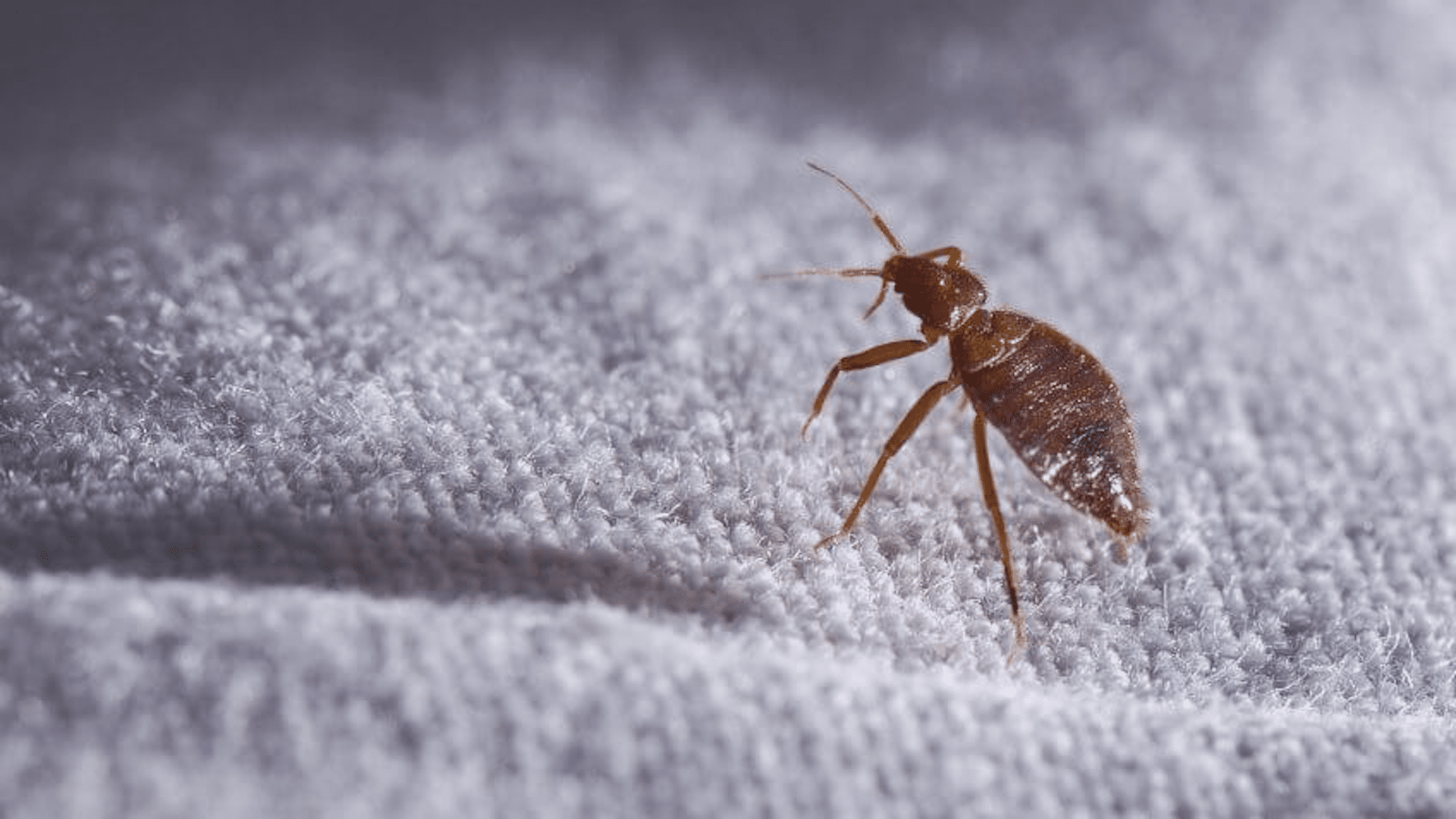
Do I Need a Professional Exterminator?
Bed bug infestations can range from mild to severe, and the right treatment method depends on the extent of the problem.
If you’ve only spotted a few bed bugs and caught the issue early, home remedies may effectively reduce their numbers, but we caution against taking the problem into your own hands.
The problem is that bed bugs tend to spread rapidly and hide behind hard-to-reach surfaces, such as baseboards, wall trim, and electrical outlets. Many people mistake a momentary gap in activity with successful treatment and allow bed bugs to continue breeding.
At the very least, we recommend getting a professional bed bug inspection performed to determine the extent of the problem and outline potential solutions.
Exterminators have access to high-grade pesticides, heat treatments, and specialized methods that can eliminate bed bugs more effectively than DIY approaches.
Additionally, they can identify hidden infestation spots that may go unnoticed. If you have allergies, sensitive pets, or want a guaranteed solution, hiring a professional is your best bet.
7 Popular Home Remedies for Bed Bugs?
Nevertheless, if you’re tempted to find a home-bought or DIY solution to bed bugs, there are a few popular ones you are bound to find over the internet and in-store. Let’s explore how they work and if they work.
1. Diatomaceous Earth
Diatomaceous earth is a cheap, natural bug killer that is effective on many different pests. This fine powder can be dusted between small cracks, crevices, and other hard-to-reach areas. It slowly kills bed bugs by removing the waxy protection on their exoskeleton.
The downside of using this method is that it can take up to ten days to work. Be sure to get the correct kind – high-grade diatomaceous earth can be toxic. As the bugs die off, it’s important to vacuum immediately.
Does It Work? While this method can be somewhat effective, it won’t kill 100% of your bed bugs. The biggest issue with diatomaceous earth is that it can be difficult to spread indoors and can be quite messy. For the most part, this product works best for garden and yard pests.
2. Heat Treatment
Bed bugs cannot withstand extreme heat, so stripping and cleaning your bedding and liner can kill many of them.
For items that are not dryer-friendly, you can try sealing any infested items in bags and putting them out in a car or other area exposed to direct sunlight in hot weather.
Though extreme heat is useful for part of the problem, it is only a temporary fix. To get rid of an infestation, you must find and kill the bed bugs at the source.
Does it Work? Yes, heat treatment is one of the most effective ways to kill bed bugs and is used by many exterminators. However, the devices your exterminator uses are not practical for most people, and conventional heat treatment methods, such as your dryer machine, may not be effective at eliminating all bed bugs.
3. Cold Treatment
Excessive cold, like heat treatment, can kill bed bugs. To do so, seal any infested items in bags and place them in a deep freezer for four days. After you remove them, vacuum the carcasses up and dispose of them. If you want to be sure, you can throw the items in the dryer for good measure.
While freezing these bugs can work, it takes a long time. It may not be the most time-efficient solution.
Does it Work? Cold treatment can work, but it takes time. Freezing infested items for at least four days can kill bed bugs, but this method isn’t always practical for larger infestations. It’s best used in conjunction with other treatments.
4. Vacuuming
This is a simple method to eliminate several household pests, including bed bugs. Using a vacuum cleaner, you can suck up any possible bed bugs that may be hiding away in your carpets or furniture. Pinpoint any possible infested areas and run your vacuum often; be sure you are thorough.
Each time you finish, empty out the vacuum and remove the bag from your home.
If you want to be sure to kill them, you can use cold or hot treatment to be sure they are dead. A vacuum cleaner can remove all life cycles of the bed bug from the nymph to the dead shells.
While this process can help, it will not eliminate the bugs hiding in your electrical outlets or burrowing in your bed posts.
Does it Work? Vacuuming helps remove bed bugs, eggs, and shells from surfaces. However, it does not eliminate bed bugs hiding deep in cracks, walls, or electrical outlets. Regular vacuuming, paired with other treatments, can help control an infestation.
5. Steam Cleaners
Steam cleaners effectively get through cracks and crevices to kill these tiny pests. This method can treat carpets, baseboards, bed frames, and all kinds of furniture. To use a steam cleaner, the temperature must be at least 130 degrees Fahrenheit.
Also, avoid using a blasting stream, as this will cause the bugs to scatter.
Does it Work? Yes, steam cleaning is highly effective at killing bed bugs in carpets, furniture, and cracks. The steam must be at least 130°F to work. However, it may not reach all hidden areas so that multiple applications may be necessary.
6. EPA Registered Pesticides
If home remedies aren’t doing the trick, you can use pesticides to kill bed bugs. While not recommended for use by non-professionals, this method could be very effective when combined with other methods.
Foggers and bug bombs can be used with caution. It should be noted that improper use could be harmful to humans and animals.
Misuse of these chemicals may have volatile results. Additionally, foggers alone aren’t 100% effective, as they don’t reach cracks and crevices.
Does it Work? Pesticides can be effective but must be used correctly. While over-the-counter sprays and foggers may help, professional-grade pesticides are more reliable. Misuse can pose risks to humans and pets, so caution is advised.
7. Rubbing Alcohol
Rubbing alcohol can kill bed bugs instantly upon contact. Mix equal parts rubbing alcohol and water in a spray bottle and apply to any affected areas to eliminate any visible bed bugs. While effective against active bed bugs, this treatment cannot reach common hiding places and will not stop an infestation entirely on its own.
Does It Work? Rubbing alcohol can kill bed bugs on contact by dissolving their outer shell. However, it does not eliminate eggs and is not a long-term solution.
Additionally, it is highly flammable and should be used with caution. It is best used alongside other treatments for better effectiveness.
Do Home Remedies for Bed Bugs Really Work?
While some home remedies for bed bugs may offer temporary relief against an infestation, none provide comprehensive enough coverage to eliminate an infestation at the source.
The most effective method to eliminate bed bugs is to contact a professional pest control expert.
At The Pest Rangers, we offer heat treatments for single-family homes that eliminate all bed bugs on the property and allow homeowners to return to their homes within 12 hours. We also offer a combination of heat treatments and pesticides for larger properties with more intense infestations.
For more information about bed bug removal in Northeast PA, contact the experts at The Pest Rangers immediately.
FAQs
How do I know if I have bed bugs?
Signs of bed bugs include red, itchy bites, small blood stains on sheets, dark fecal spots on bedding, and shed skins. You may also notice a musty odor in heavily infested areas.
Can bed bugs live in my clothes?
Yes, bed bugs can hide in clothing, especially in seams and folds. Washing clothes in hot water and drying them on high heat can help eliminate them.
How long does it take to get rid of bed bugs?
The timeline depends on the severity of the infestation and the treatment method used. Home remedies can take weeks, while professional extermination may resolve the issue within hours to a few weeks.

Top 9 Common Indoor Insects in NEPA & What to Do About Them
Your home is your personal sanctuary; it can be traumatizing when bugs and pests invade that space.
According to one study, people in public housing who encountered consistent pest infestations were more likely to experience depressive symptoms.
While bugs are important for the ecosystem, your house is one place that doesn’t really qualify as a suitable habitat for bugs. The first step to eliminating indoor insects is to identify them and contact a pest control expert for assistance.
This guide will discuss nine common indoor bugs in Pennsylvania that you need to be on the lookout for.
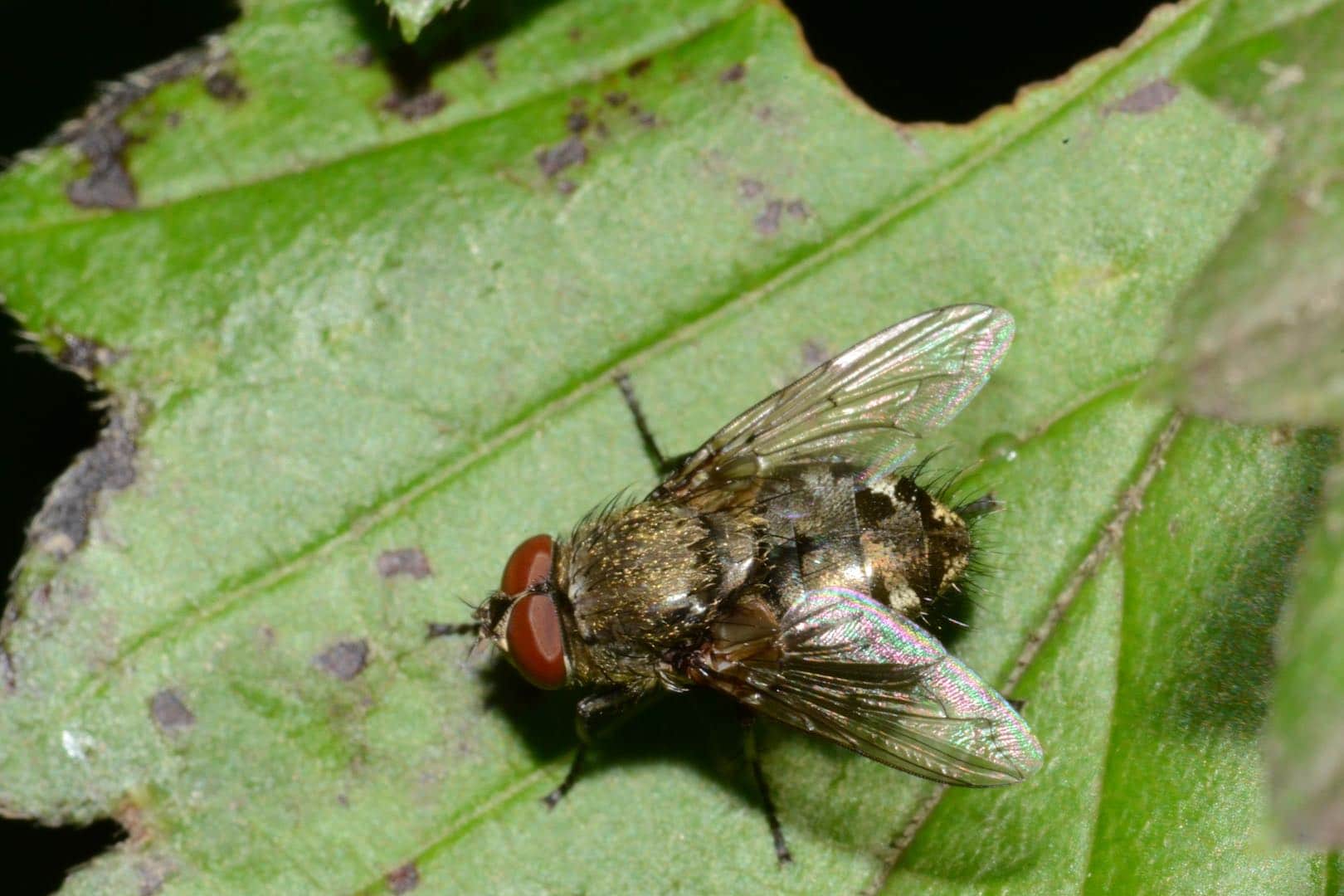
1. Flies
Flies are a nuisance pest that can contaminate food and transmit dangerous diseases. The most common intruder is the house fly, but your home can also suffer from fruit and horse flies as well.
These bugs are persistent and plentiful. If hatching occurs, your problem can go from one buzzing bother to many. While house and fruit flies mainly zoom around and pester, horse flies can bite, leaving some nasty welts. Therefore, these pests should be dealt with quickly.
Key Facts
- House flies and fruit flies hover around food sources, while horse flies bite, leaving painful welts.
- Flies can transmit dangerous diseases by contaminating food and surfaces.
- They reproduce quickly, making infestations escalate rapidly.
Prevention Tips
To prevent flies from getting inside, keep your home as tidy as possible. Block all possible entryways like doors, windows, and cracks. Eliminate any breeding sites. If you suspect an infestation, it would be wise to reach out to a pest control expert to locate the breeding ground and eliminate the problem.
2. Fleas
These pesky parasites feed off warm-blooded creatures and come in many different varieties: cat, dog, and rat fleas. These critters do not fly, but they jump onto their hosts.
They bite and leave painful, itchy, red bumps. These pests can affect not only your family but your furry friends as well. Enough of these pests can cause serious harm to your animal.
Key Facts
- Common flea types include cat, dog, and rat fleas.
- Severe infestations can harm pets by causing anemia and skin infections.
Prevention Tips
With fleas, prevention is the best course of action. Keep your yard clean, and try to deter any creatures carrying fleas from entering your yard. Seal all cracks and crevices on the outside of your house using silicone-based caulk.
In addition, use flea management for your pests: ointments, baths, and other treatments. If you do have an infestation, vacuum the affected area, dispose of the vacuum bag in a sealed garbage bag, and place it outside.
If the infestation doesn’t relent, contact a pest control expert to inspect your home.
3. Book Lice or Louse
Book Lice are a common parasite often found in damp pantries or storage areas. They feed on mold, dead insects, stored food, and other organic matter.
These scavengers, which are wingless, live indoors and are drawn to places with high humidity and moisture.
They don’t cause any physical harm, but they are unwanted nonetheless. Be careful, as lice are often mistaken for bed bugs!
Key Facts
- Small, wingless insects found in damp pantries, storage areas, and bookshelves.
- They feed on mold, dead insects, and stored food.
- Book lice thrive in high humidity and do not bite or transmit diseases.
Prevention Tips
The best way to keep these bugs out is by eliminating any excess moisture. Run a dehumidifier, make sure your rooms are adequately vented, and be sure all your water sources are cared for.
If you find booklice, throw out any contaminated food or items, whether cereal, books, flour, or grains. If you wish to keep infected items, like books, seal them in a plastic bag and freeze them.
Once the bugs are dead, vacuum up the remains and dispose of them properly.
4. Little Black Ants
Ants are a common invader, especially little black ants. These pests are normally worker ants searching for food and water for their colony.
They act as a search party, checking for ideal places to raid. If you aren’t careful, one ant can become many, which can be bad news for your pantry.
Key Facts
- Small black ants are often found in kitchens and pantries.
- They act as scouts searching for food and water sources.
- Ant infestations can quickly grow as they communicate food sources back to their colony.
Prevention Tips
To protect against these invaders, seal all cracks in your exterior with a silicone-based caulk. Store all firewood about 20 ft from your home, and keep your shrubs trimmed. Seek out ant nests and use store-bought killers and repellents to destroy them.
5. House Spiders
House spiders are so stealthy it can be hard to spot them. Cobweb spiders, cellar spiders, and ghost spiders are among the wide variety of housemates you may not know you have. They are very common in homes.
They often make webs or hide, making a feast of other possible pests that may reside in your house as well. Less of a pest and more of a small exterminator, house spiders are often harmless if left alone.
Many spiders, however, can become an issue, especially if you encounter a poisonous spider in Pennsylvania.
Key Facts
- Cobweb spiders, cellar spiders, and ghost spiders are common indoor species.
- They often spin webs in corners and crevices.
- House spiders are mostly harmless and help control other pest populations.
Prevention Tips
As with other pests, seal up any potential cracks and openings with a silicone-based caulk. If you spot any spiders in your home, vacuum up egg sacs, webs, or the spiders themselves and dispose of them outside.
6. Bed Bugs
These horrific parasites feed off humans and other animals while they sleep. Nocturnal creatures, bed bugs are non-flying insects that can be found in populated areas such as hotels, schools, offices, or homes. However, bed bugs can hide just about anywhere, including beds, furniture, light fixtures, switch panels, and many other spots.
These nasty insects bite and feed, leaving welts on their hosts. Often hard to find, bed bugs are a pest that can be difficult to deal with without professional help.
Key Facts
- Small, brownish insects that hide in mattresses, furniture, and wall crevices.
- Bite marks often appear as red, itchy welts on the skin.
- Bed bugs are nocturnal and can spread quickly in high-traffic areas like hotels and schools.
- They do not transmit diseases but can cause severe discomfort.
Prevention Tips
If you are traveling, inspect your hotel room, seal your suitcase, and check your clothing upon your return. Examine second-hand furniture for any tell-tale signs like droppings or stains. Inspect beds with a flashlight.
Also, check headboards, box springs, and other places. Check out pet beds as well. If you suspect an infestation, learn about common signs and seek out help from a pest control expert.
7. House Centipedes
These fast, active hunters are frightening to look at if they should catch your eye. Often, these insects are hard to spot. They try to avoid being seen and stay out of sight.
They feast on cockroaches, flies, and other more threatening pests. While these bugs are more of a problem for other invaders, they are not a pleasant discovery in the middle of the night.
Key Facts
- Long, multi-legged insects that move quickly and prefer dark, damp spaces.
- House centipedes feed on other pests like cockroaches and flies.
- They are harmless but can be alarming due to their appearance.
Prevention Tips
House centipedes often hang around areas in your home that are full of moisture. Vent attics, basements, and crawl spaces and use a dehumidifier.
Seal all possible openings. Outdoors, clear away any refuse, and store firewood properly. If you do see a centipede in your home, vacuum up the pest and dispose of the bag outside.
8. Silverfish
These flightless bugs are attracted to wet, damp places. They feed off crumbs, dead insects, glue, paper, and leather.
They often leave yellow stains and notches in infested areas and can damage property if left unchecked.
Key Facts
- Small, silvery insects that thrive in damp, dark areas.
- They feed on paper, glue, fabric, and food crumbs.
- Silverfish can damage books, clothing, and stored food items.
Prevention Tips
The best way to dispose of this pest is to control the food in the infested area. Invest in a dehumidifier. Repair any leaky pipes or drains and eliminate any moldy, wet areas. Keep books dry and your foods like sugar and flour in airtight containers.
9. Cockroaches
These creepy creatures can be found just about anywhere but are more common in attics and basements. While cockroaches typically don’t bite, they can trigger asthma attacks and allergic reactions.
Additionally, these pests can spread harmful bacteria, contaminating surfaces they come in contact with. They inhabit dark, wet areas and stick close to food sources. If you see one, chances are there are many.
Key Facts
- Brown or black beetle-like insects are found in kitchens, bathrooms, and dark spaces.
- Common species include German, American, and Oriental cockroaches.
- Cockroaches can trigger asthma attacks and allergic reactions.
- They spread bacteria and contaminate food and surfaces.
Prevention Tips
Cockroaches are one of the most resilient pests. The best way to deal with them is to prevent them altogether. Keep your home clean, inside and out.
Seal your food and trash receptacles. Close any cracks and openings. Inside, clear clutter, crumbs, and drains. Make your home uninhabitable for them. If you suspect an infestation, contact a pest control expert to inspect your property.
With proper treatment and precautions, you can keep your home bug-free! If you are having difficulty with any pests or the problem is bigger than you anticipated, do not hesitate to reach out–contact a pest control specialist at The Pest Rangers and make your home pest-free today.
FAQs
What are the most common signs of a bug infestation?
Common signs include visible insects, droppings, shed skins, damaged food packaging, itchy bites, and webbing or nests in hidden corners.
How do I prevent bugs from entering my home?
Keep your home clean, seal entry points like cracks and crevices, store food in airtight containers, and reduce excess moisture with dehumidifiers.
Are all indoor bugs harmful?
No, not all indoor bugs are harmful. Some, like house spiders and house centipedes, can help control other pests. However, insects like cockroaches, fleas, and bed bugs can pose health risks.

Pennsylvania Bug ID Guide: Top 25 Most Common Types
Bugs, bugs, everywhere! Wherever you go, it’s likely that the moment you set your foot down outside, you’ll be surrounded by at least 10 different insects.
According to one estimate, the number of insects on planet Earth right now totals around 10 quintillion.
As if that’s not impressive enough, the diversity of bugs you can find in the great state of Pennsylvania is absolutely astonishing. Between insects that can fly, weave webs, and pollinate flowers, maintaining the ecosystem of these bugs is of special importance to residents.
Pest control professionals play an important role in maintaining the ecosystems of these bugs as many pesticides used by professionals can disturb and destroy these habitats.
Fortunately, many pest control companies like The Pest Rangers have adopted eco-friendly methods to combat common pests and insects, including organic pesticides and integrated pest management (IPM).
With that said, here are twenty-five common species of bugs found in Pennsylvania and some tips to keep your home bug-free without disturbing their habitats.
1. Aphids
These tiny colorful insects are a bit of a pest for gardens since they suck the juice of plants. Some can even be toxic. Do not worry; as annoying as these insects can be, they are often prey to other insects like ladybugs and wasps.
2. Assassin Bugs
If you spot one of these insects, you best steer clear. They can be quite hostile. Assassin bugs are the violent type, and they can inflict painful bites on their unsuspecting victims.
They move quickly, stabbing their victims to death with their beaks. As vicious as they are, they are remarkably effective at controlling the insect population in a garden.
3. Bed Bugs
Bed bugs are common just about anywhere people are, and Pennsylvania is no exception. This pest can enter your home by stowing away in your luggage or even on you.
Once they are inside your home, they will multiply and use you for a blood feast, and you may be none-the-wiser. These little insects can be hard to detect and even more difficult to get rid of. Should you find one in your home, you absolutely need to consult a pest control expert.
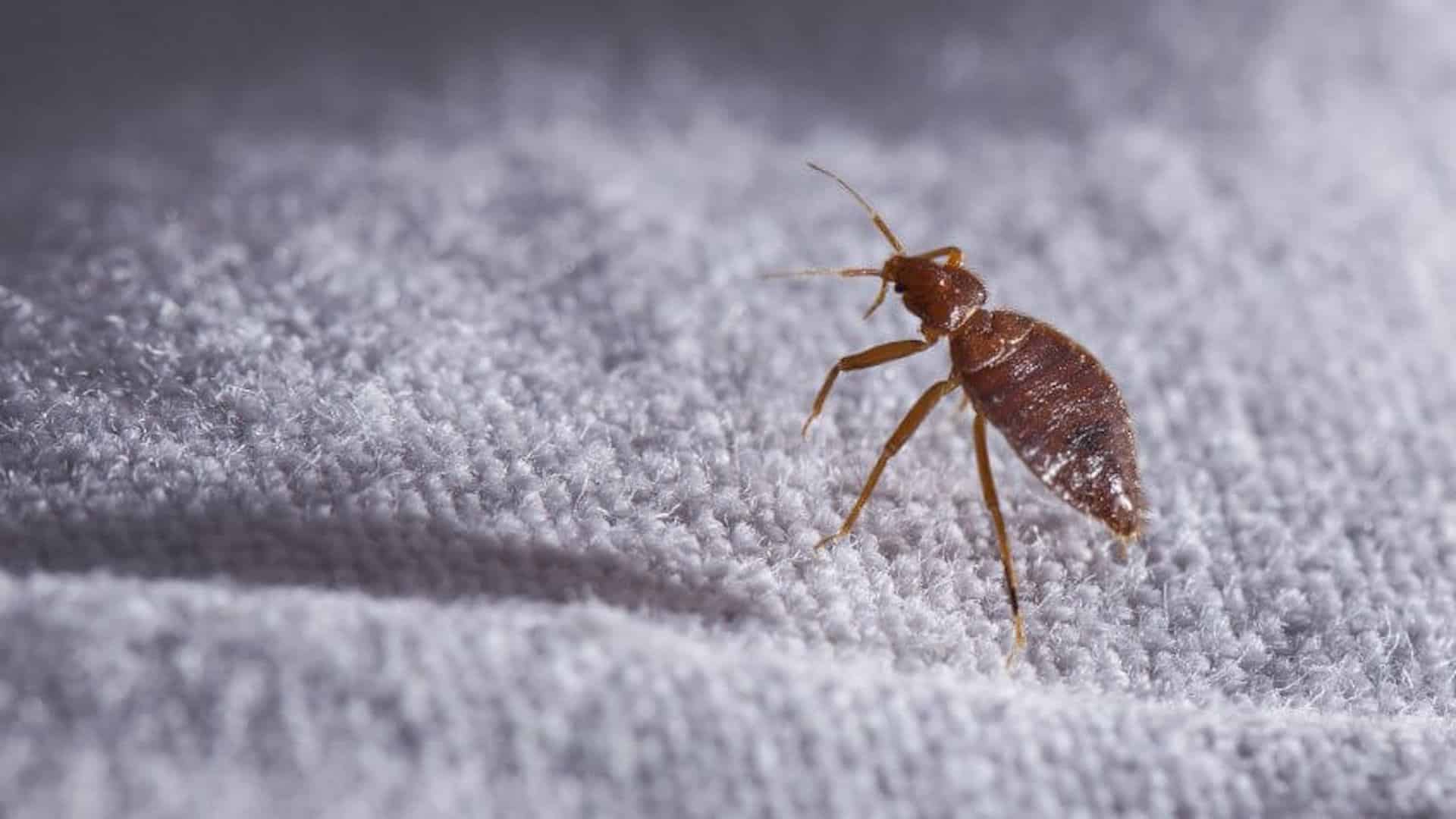
4. Boxelder Bug
Boxelders are unique-looking insects. While not harmful to humans or a threat to plant life, they can be annoying. These insects come in massive hordes–being attracted to boxelder trees–and dye things when crushed.
5. Brown Marmorated Stink Bug
This overwintering pest is known for the awful smell it emits when being crushed. The brown marmorated stink bug doesn’t just give off a smell, but it can also damage produce by sucking out vital nutrients.
Nevertheless, these annoying insects are more of a nuisance than anything, especially if they try to spend the winter in your home.
6. Giant Water Bug
Water bugs hang out in shallow water, waiting to catch small fish, frogs, snails, and sometimes snakes for a meal. Identified with their foreleg pincers, they can often mistake a toe for prey; and they do have a strong bite. While rare in Pennsylvania, they are often mistaken for cockroaches.
7. Spotted Lanternfly
These flying insects aren’t from around here. In fact, this invasive species can be devastating to crops, plants, and trees. While they may have a charming appearance, spotted lanternflies can suck plants dry, causing major harm to the ecosystem and our livelihood.
8. Squash Bug
Like the stink bug, the squash bug gives off a horrible odor when crushed. What sets them apart is their food; squash bugs feed on the juices of plants, stems, and fruit. Often, they will leave gaping wounds that will eventually kill them.
9. Water Strider
These insects may look like spiders, but they aren’t and pose no threat to humans. Water striders can glide across the water and use the surface to lay eggs.
10. Wheel Bug
Known for their painful bite, wheel bugs feed on slow-moving insects such as caterpillars, beetles, and aphids. They are one of the largest assassin bugs, measuring up to 1.5 inches in length. Typically residing in leafy areas like forests, parks, or shrubs, wheel bugs are beneficial predators but should be handled with caution.
Their bite is not venomous but can be intensely painful and take weeks to heal. If you spot one in your garden, it’s best to admire it from a distance as they play a crucial role in controlling pest populations.
11. Larder Beetles
These tiny household pests lay their eggs in dry foods, animal products, and dead insects. Measuring about 1/4 inch in length, larder beetles have dark brown bodies with a distinctive light-colored band across their back.
They thrive in pantries, where they infest stored grains, dried meats, and pet food. Their larvae bore into wood, books, and other household materials in search of food, making them more than just a kitchen nuisance. Preventing infestations involves sealing food properly and maintaining a clean storage area to eliminate potential breeding grounds.
12. Cockroaches
Cockroaches are found almost anywhere they can find food and water. Usually, they hide away in kitchens or bathrooms, and they tend to be nocturnal creatures, making them difficult to identify. However, cockroaches can spread quickly, infesting homes quickly over time and contaminating surfaces with bacteria and disease.
13. Carpet Beetles
These beetles are tiny, about ¼ – ½ inch long, but they will eat anything from animal products to fibers and hair. They can be found around baseboards and other tight spots where they can easily grab some food.
14. Louse
An insect no parent wants to find on their kids, these pests are very small and are often found in areas with heavy populations. Louse, or lice, can be picked up by sharing combs, hats, clothes, bedding, and even toilet seats.
15. Ticks
These tiny parasites can be found near any wooded area or even your own backyard. Ticks are dangerous little creatures, as they can carry Lyme and other diseases. The only way to combat these creatures is to spray a barrier spray around your yard.
16. Mosquitoes
Mosquitoes are one of the deadliest creatures in the world. These tiny flying insects lay their eggs in still water using a blood meal to fertilize them. Unfortunately, they can spread devastating diseases such as Zika and yellow fever from one bite. While these diseases are rare in Pennsylvania, be sure to watch out for mosquito bites and contact a doctor if you experience adverse reactions.

17. Horse Flies
These larger, more annoying versions of the house fly like to stick to sunny areas. While they do need off nectar, they often opt for blood meals too, and they have a rather nasty bite. Plus, they can be quite relentless.
18. Wasps
A stinging insect, wasps can be both a pest and a pest eliminator. While they can be useful for killing flies and other nuisance bugs in your garden, they can also be quite aggressive. If you get too close, wasp stings can be quite painful and even a threat if you are allergic. Therefore, it’s important to understand the difference between a bee’s nest and a wasp’s nest.
19. House Centipede
These insects may be terrifying if one should pop up, but they are excellent pest control experts. Usually found in dark, cool areas, house centipedes feed on several household pests and can actually be a great ally in the pest control battle.
20. Termites
Termites cause billions in damage each year in the United States. There are over 40 species in the United States, and these little wood eaters can quickly eat you out of house and home. Unfortunately, without the help of a pest control expert, they can be exceedingly difficult to spot and can often feast on homes for years without homeowners noticing. .
21. Ants
These segmented little colony creatures can be quite a problem if they find a way into your home. There are several different species, some of which take over enemy colonies and make their captives slaves. They can be a pain, especially if they are building their colony in your yard or near your home.
22. Gnats
These annoying flying insects seem to know just how to aim for your mouth and eyes. Actually, it’s no coincidence, as gnats are drawn to carbon dioxide. These insects breed near bodies of water and tend to search for warm, moist places such as drains, composts, and birdbaths.
23. Carpenter Bees
Don’t let these bees fool you; they are definitely not bumblebees. These solo fliers build nests into trees, frames, and other woodwork and can cause some real damage. And they don’t just do it once – carpenter bees will return over and again to nesting areas to lay their eggs again.
24. Ladybugs
If you spot these pretty little beetles in your garden, you’re in luck! Ladybugs are great at getting rid of garden pests. However, these can be a nuisance if they make their way inside your home as an overwintering pest.

25. Praying Mantis
These predators are often hard to spot, and they love making a meal out of all kinds of insects, including spiders, butterflies, beetles, and other mantises. In fact, they have been known to catch hummingbirds and mice as well. While too many can be a problem, these insects certainly can help keep your garden pest-free.
Prevention Tips for a Bug-Free Home
Maintaining a bug-free home doesn’t mean you have to use dangerous chemicals and pesticides. Rather, by using common sense prevention measures, you can keep your home bug-free while protecting the local habitats of nearby bugs.
- Seal cracks and crevices – Inspect your home for small gaps around windows, doors, and your foundation. Use caulk or weather stripping to close off entry points where bugs might enter.
- Keep your home clean – Regularly sweep, vacuum, and wipe down surfaces to remove food crumbs and spills. Store food in airtight containers and take out the trash frequently to prevent attracting pests.
- Use insect screens – Install and maintain screens on all windows and doors. Repair any holes or tears to keep flying insects like mosquitoes and flies from entering your home.
- Eliminate standing water – Mosquitoes breed in stagnant water, so be sure to empty birdbaths, flowerpot saucers, and outdoor containers. Fix leaky pipes and keep gutters clear to prevent water buildup.
- Reduce outdoor lighting – Bright lights attract bugs, so use yellow or sodium vapor bulbs instead of white lights. Position outdoor lighting away from doors and windows to minimize insect attraction.
- Maintain your yard – Keep grass trimmed, remove piles of leaves or debris, and trim back bushes or tree branches that touch your home. Overgrown vegetation can serve as shelter for pests.
- Store firewood properly – Keep firewood at least 20 feet away from your home and elevated off the ground. This helps prevent termites and other wood-boring pests from migrating indoors.
- Use natural or chemical deterrents – Essential oils like peppermint, citronella, and vinegar can help repel bugs naturally. For persistent infestations, consider using insecticides or professional pest control treatments.
- Regularly inspect for pests – Check your home frequently for signs of infestation, such as droppings, chew marks, or bug nests. Taking quick action can prevent minor pest problems from turning into major issues.
When it comes to insects in Pennsylvania, this is just the tip of the thorax. From sly predators to annoying pests, bugs make up a crucial part of the ecosystem. However, they don’t necessarily belong in your home. If you are struggling with a pest problem, seek out a pest control expert and keep your home safe today.
FAQs
Are all bugs in Pennsylvania harmful?
No, while some insects may bite or spread disease, many are actually beneficial for gardens and in combatting pests, such as spiders, bees, and centipedes.
How do I identify a bug I found in my house?
There are online tools and apps that can help identify insects based on pictures and descriptions, such as the Google Lens.
What should I do if I have a bug infestation?
If you suspect an infestation, contact a professional pest control service for proper removal. DIY pest control can be dangerous and only make a problem worse to deal with. A professional has the tools and knowledge necessary to combat pest infestations and keep your home pest-free.

What Are Ground Bees and Why Are They In My Yard?
As spring arrives in beautiful Pennsylvania, gardeners and green thumbs welcome the emergence of beneficial pollinators in their gardens and green spaces.
While the emergence of honeybees may be a welcome sight for many homeowners, it can also be a nuisance for others.
However, one area you may not expect to hear buzzing in may be from the ground and surrounding soil. While digging into your garden, you may begin to discover ground bees and nests throughout the spring before they leave.
You may be inclined to start reaching for the pesticides and get rid of those little residential pests, but you should be careful about dealing with ground bees. Far from being aggressive, ground bees are generally harmless, though they can sting you if you’re not careful.
Here is everything you need to know about ground bees and how to handle them when they enter your Pennsylvania garden.
Watch Your Step: What Are Ground Bees?
First, ground bees are just regular bees that build their nests inside the ground. Contrary to popular belief, not all bees live in hives. Most bees prefer to remain out of sight and nest underground to lay eggs until they hatch.
In fact, over 70% of bees burrow to nest. Most of these bee types are solitary insects that do not live in hives or colonies. Bumblebees are the exception here, as they prefer to live in colonies. They nest in the ground in large holes and work together to survive.
Bees can nest in virtually any type of soil, from your lawn to your garden bed. While it is easy to spot a nest in a tree or on the side of a house, it can be much more difficult to see something that may be right under your feet.
How to Spot a Ground Bee Nest?
Ground bees’ nests can be easy to spot once you know where and what to look for. Since most ground bees are solitary, it’s easy to spot single holes in the ground. The bees will burrow down, leaving small piles of dirt and a large hole in the center.
When the females burrow, they lay their eggs in the holes. After the eggs hatch, the larvae will stay underground overwinter and then emerge in the summer.
How to Identify a Ground Bee
Ground bees come in a staggering number of different sizes and colors, but they are easy to spot. These bees are typically furry and darker than honeybees. Sometimes, they can sport different colors, like metallic green or brightly colored stripes. The most common ground bees you’ll find in Northeast PA are the following:
- Bumblebees
- Carpenter bees
- Miner and borer bees
Bumblebees are social bees known for their fuzzy black and yellow bodies. They serve as crucial pollinators of flowers and plants but are, unfortunately, at risk of extinction.
That’s why it’s so crucial for homeowners to avoid pesticides and chemicals when dealing with ground bees and call a qualified exterminator instead.
Carpenter bees are a little less furry than bumblebees and are easy to spot by their dark black abdomens. Unlike their fuzzier counterparts, carpenter bees are solitary insects and prefer to burrow in wood rather than the ground.
This can lead to wood damage on your property, which can be confused with termites. These bees also serve as pollinators and require special care.
Borer or miner bees come in plenty of variations. They come in several bright colors, from orange to white, and are also solitary insects. Borer bees, in particular, will dig into dry soil to lay their offspring. They tend to build their nests close to family members, leaving your yard vulnerable to infestation if you don’t act quickly.
When Are Ground Bees Most Active?
You may find ground bees in your yard during the early spring as the ground begins to thaw and dry. Ground bees tend to search for dry soil or dirt to burrow holes and lay their eggs in before they hatch in the later part of spring and early summer.
While Pennsylvania enjoys rainy weather that tends to deter ground bees, unusually dry weather conditions can cause an uptick in ground bee nests in your yard or garden.
Are Ground Bees Dangerous?
Ground bees are far less aggressive than other bee and wasp species. In fact, these bees can be docile, for the most part.
In fact, the males of the species are incapable of stinging, though they will fly furiously around you should you get too close to their nest. Females can sting, but they usually only do so if they are threatened or mishandled.
Furthermore, ground bees are crucial to the ecological balance of Northeast Pennsylvania, leaving homeowners with confusing decisions when it comes to getting rid of these creatures naturally and ethically.
Should You Get Rid of Ground Bees?
Before rushing for the pesticides, step back and think for a moment. The benefits of groundbees far outweigh the negatives. These bees serve a crucial purpose as pollinators, which can be great for your garden and other plant life.
Ground bees are also not aggressive, and their nesting is limited to the spring. They can leave just as fast as they’ve come. As long as they aren’t burrowing into your home and someone you live with doesn’t have an allergy, it may be best to leave the bees alone – especially in the case of bumblebees. As endangered species, the goal is not to disturb their nests if possible.
If you are struggling with ground bees and want to get rid of them naturally, contact a local exterminator for help. They offer organic solutions designed specifically for ground bees and other beneficial insects.
Keep Ground Bees Out of Your Yard!
With that said, there are some things you can try to prevent ground bees from forming a nest in your yard or garden. Ground bees tend to seek out dry soil, empty holes, and, in the case of carpenter bees, old, unfinished wood. They will avoid damp areas if they can.
To keep them at bay, simply keep up with your yard. Cut grass often and keep it hydrated to limit any dry soil areas. You can also apply mulch, as this acts as a deterrent for most ground bees. Don’t use pesticides; they will do way more harm than good.
Keep in mind that most ground bees will not stick around. They typically look for a place to lay their eggs and leave on their own. If you’re having trouble identifying what type of bees you have, consider calling a pest control expert to help handle the problem.
Bee Free and Happy
Though we may shiver when we see a bee and run for the hills, ground bees are nothing to be frightened of. Just keep your distance, and these docile insects will go about their business. As crucial parts of the ecosystem, you may be glad to have these pollinators in your garden.
FAQs
What do ground bees eat?
Ground bees feed on nectar and pollen from flowers. They play a critical role in pollination, helping plants reproduce.
Are ground bees aggressive?
No, ground bees are typically non-aggressive and unlikely to sting unless provoked. Female bees may sting to defend their nests, but this is rare. Male ground bees cannot sting.
Why are there so many ground bees in my yard?
Groundbees prefer sandy, dry, or loose soil with minimal vegetation. If your yard meets these conditions, it may attract them. They also tend to appear in spring during their active season.
Are ground bees beneficial?
Yes, ground bees are excellent pollinators for flowers, fruits, and vegetables. Their presence can improve the health and productivity of your garden.

Top 11 Fun Bug Facts in Northeast Pennsylvania
They’re creepy, they’re crawly, but bugs can be incredibly useful. These little creatures make up a huge part of our ecosystem, and while some may be a little frightening, there are some downright fascinating facts about bugs.
There are billions of different bug species around the planet, but you don’t have to travel to find a diverse insect gathering. In fact, you don’t have to go any further than your NEPA backyard!
Northeast Pennsylvania is home to some crazy insects, which makes the need for professional pest control so important. However, balancing pest control with environmental needs requires tact and precision.
Here are the top 11 interesting facts about bugs, which will help you appreciate them and the professionals who stop them from entering your home.
1. Ants Are Pretty Much Everywhere.
Ants are pretty common, but did you know that about 10 quadrillion ants live on the planet? That is, of course, the ants that we know about.
For perspective, there are about 7.3 billion people, so that means that ants outnumber us by over one million per person. Ants may be tiny, but they are many. Plus, they have multiple different species, too.
In Northeast Pennsylvania, the most common ants include:
- Carpenter Ants: These ants can cause structural damage by burrowing through wood.
- Pavement Ants: Often found near sidewalks and foundations, they can invade homes in search of food.
- Odorous House Ants: Recognizable by the foul smell they emit when crushed, they are commonly found in kitchens.
- Field Ants: Typically nesting in soil, these ants are common in outdoor spaces but can sometimes enter buildings.
2. Ticks Can Grow And Shrink.
This feat may seem rather unremarkable, but consider this. Ticks are tiny, but when they become engorged, they can grow from the size of a sesame seed to the size of a marble. They basically inflate, full of blood, like a little balloon. The most common tick in NEPA is the black-legged deer tick. These little parasites have been known to carry some nasty diseases, such as Lyme disease.
To prevent ticks in your yard, we offer tick and mosquito barrier sprays that help repel parasites while also keeping your family safe from harmful chemicals.
3. Mosquitoes Flap Their Wings At 500 Times A Second.
Fast, annoying, and one of the deadliest creatures on the planet, mosquitoes have to work hard to stay in the air. These disease-carrying nuisances must flap hard to stay afloat, and a great defense against them is simply a good breeze.
The Pest Rangers includes mosquito prevention sprays as an add-on to all monthly prevention plans to keep your home mosquito-free throughout the warm seasons.
4. There’s A Blue-Winged Wasp!
Sometimes, scary can be beautiful. The blue-winged wasp is about an inch long and can be identified by its lovely shimmering blue and black wings.
These wasps may make you think of stingers, but they are great for your garden. Their favorite food is Japanese beetles, so if you need a pest exterminator for your garden, be glad to see a blue-winged wasp.
5. Black Widow Venom Is 15 Times Deadlier Than A Rattlesnake’s.
This is a chilling, but fascinating fact about the most venomous spider in North America. Of course, that’s only if you encounter a mature female. Males or babies don’t typically go after humans and have mouthparts too small to inject venom.
Also, these spiders rarely attack unprovoked. Just be mindful when you are outdoors or going through a dusty old attic.
6. Spiders Are Just Looking For A Bite…To Eat That Is.
Speaking of spiders, these little creatures are often misunderstood. In fact, they’d rather fill their bellies than pick a fight with a creature ten times their size. Spiders love to eat and can consume over 2000 insects a year.
Talk about pest control! While they may seem like a pests, they eat more unwanted intruders than you would think. Plus, they’re really so few and far between that you probably would never notice them.
7. Move Over Bunnies. Here’s The Termite Queen.
While rabbits may have the reputation of reproducing quickly, a termite queen should snag that title. One queen can lay 40,000 eggs per day. If you have any in your home, that could mean a lot of mouths to feed and some danger for the wood in your house.
One thing to keep an eye out for is termite swarmers. These winged critters indicate a new colony will be formed wherever they land, so be wary if you spot one on your property!
8. Honeybees Make The Sweet Stuff.
The honeybee requires nectar from millions of flowers to make one pound of honey. Altogether, a colony can make about 100 pounds of honey a year, but that’s not all they can do. They’re responsible for 80% of pollination in the United States. Plus, they communicate through dance, which is a cute little fact.
9. Nope, It’s Not A Giant Mosquito. It’s a Cranefly.
The cranefly, which can grow to three inches long, has very little in common with the mosquito. It eats rotting leaves, fungi, algae, and moss. Over 1,500 species live in North America, 300 of which reside in Pennsylvania alone. Unlike their tiny lookalikes, craneflies are not harmful.
10. Hornets Can Get Drunk.
Hornets don’t get drunk in a traditional sense, but if they drink enough fermented juice, it does have an effect. If these insects partake in the drink, they get sluggish and pass out.
Seeing these fearsome bugs overindulge is ridiculous, but they can get a bit rowdy if they have too much.
If you spot a sting insect on your property, inspect the nest to determine if it is a hornet’s nest, as hornets can be quite aggressive.
11. Cockroaches Live On.
The rumors are true; it is very difficult to kill a cockroach. In fact, a roach can live up to three weeks without a head. That can be frightening if you happen to see a headless critter scurrying around.
Insects aren’t just scary creatures with exoskeletons and a ton of legs. They are vital members of the ecosystem. However, keep in mind that knowing more about them can help you keep them out of your home. You’d be surprised what kind of insects can be found in your own backyard. So, take the time and see what you can find.
Pest Prevention Tips and Tactics
Preventing a pest infestation is far easier than dealing with an existing one. However, different pests require different strategies, and some, such as stinging insects, may not be amenable to pesticides. Therefore, partnering with a pest control expert is always your best bet for safe and effective pest control.
In the meantime, here are some tips to keep pests at bay:
- Keep Your Space Clean: Regularly clean and sanitize areas in your home where food is prepared and stored to keep bugs away.
- Seal Entry Points: Check for cracks, gaps, and openings that could allow pests inside, and seal them promptly.
- Proper Food Storage: Store food in airtight containers and keep it off the floor to prevent access by rodents and insects.
- Dispose of Garbage Properly: Use tightly sealed trash bins and take out the garbage regularly.
- Maintain Outdoor Areas: Trim vegetation, keep outdoor dining areas clean, and store firewood away from your property–the latter will prevent termites!
- Schedule Regular Inspections: Professional pest control services can identify early signs of infestation and implement preventive measures.
For safe and effective pest control in Northeast Pennsylvania, turn to the knowledgeable team at The Pest Rangers.
FAQs
How often should I schedule professional pest control services?
This depends on the severity of pest activity in your area, but most residents benefit from quarterly or monthly inspections and treatments.
Can I handle pest control on my own?
While DIY methods can help with minor issues, professional pest control ensures a comprehensive and long-term solution, particularly in high-risk environments like Northeast Pennsylvania.
What are the signs of a pest infestation?
Signs include droppings, gnaw marks, foul odors, unusual sounds, and visible insects or rodents. If you notice any of these, it’s best to call a professional immediately.