

How To Keep Your PA Christmas Tree Free of Bugs, Spiders, and Rodents: Top 9 Tips
It’s the holiday season! People are full of cheer and on the hunt for the perfect tree to make this season extra special. If you are a fan of the real deal over the artificial kind, a Christmas tree may be the last step to your merrymaking.
However, you may end up playing host to more than just your family and friends if you decide to use a real tree. Christmas trees around Luzerne and Lackawanna counties can be crawling with unexpected bugs, spiders, or other wildlife.
If you are planning on a traditional tree this year, here are the top nine tips to avoid unwelcome house guests.
Unwanted Christmas Guests
The best way to avoid bringing any of these little creatures in your home is to know what to look for on your potential tree. While most of these creatures are harmless, they have no place in your household.
Here a few pests that may invade your perfect tree:
- Spiders and mites: These tiny bugs are found in Douglas-fir, white pine, Fraser fir, Spruce trees. They can hide away on the trunk or branches.
- Aphids: Commonly found on trees and plants, these little black or brown insects are often found on pine, evergreens, balsam fir, spruce, Fraser fir, white fir trees.
- Adelgids: These insects create little white masses as they suck the sap from fir and pine trees.
- Scale insects: Often found on Scotch pine, Norway spruce, or Douglas fir, these tiny insects have red or brown shells and feed of tree sap.
- Bark beetles: As the name suggests, these darkly hued beetles burrow in trunks.
- Praying mantis: These “deadly” insects are more dangerous to each other than they are to us. However, they can leave behind a tan egg mass that can hold up to 400 eggs.
- Sawfly: Any type of fly can be irritating. These black and yellow flies are drawn to spruce and pine trees, two Christmas favorites.
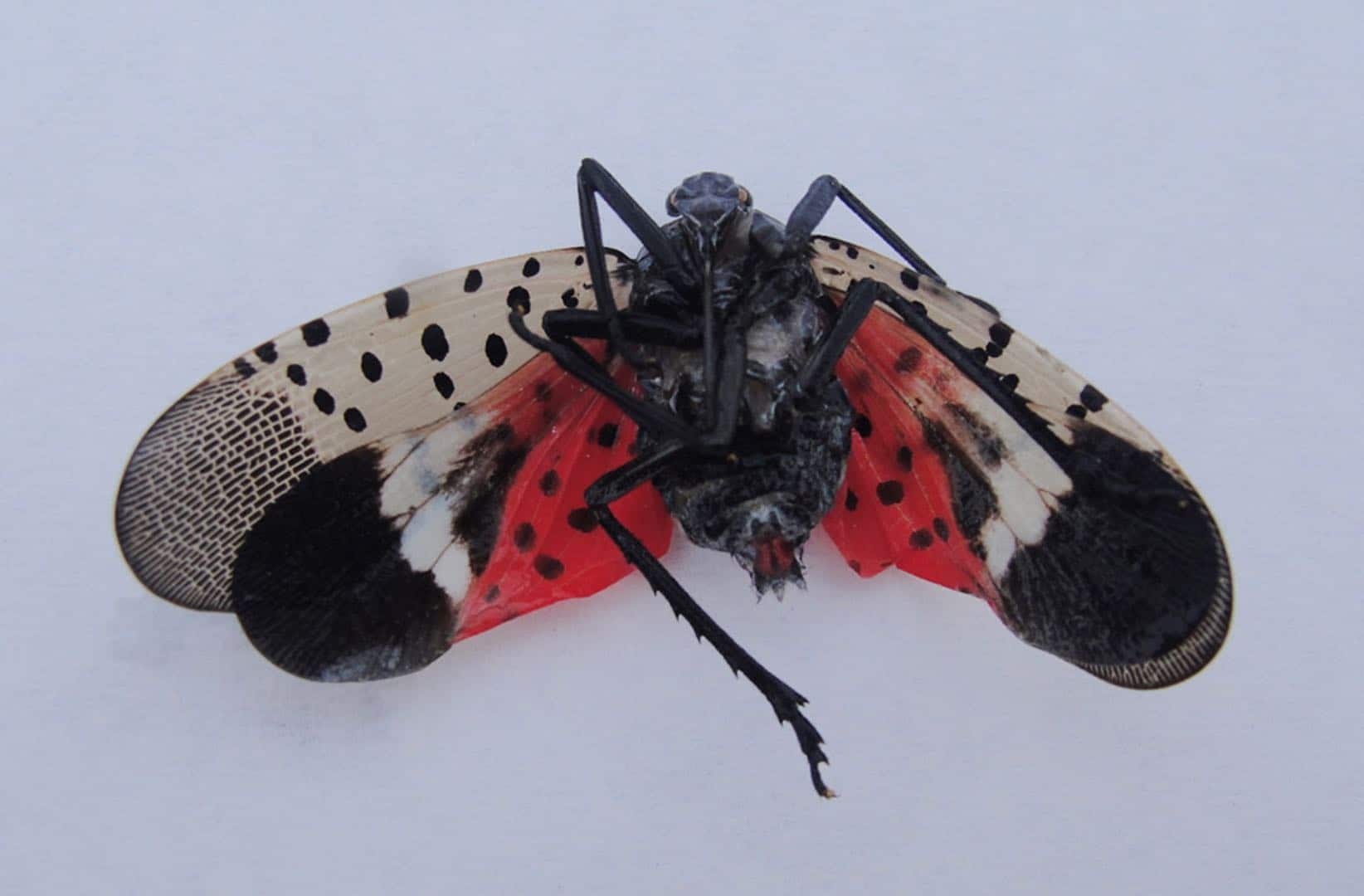
- Spotted lanternfly: These insects are not native to the area and could cause some real damage. Spotted lanternflies can be devastating to agriculture.
- Bird nests: Birds live in trees. Christmas trees are no exception.
- Squirrels and mice: Squirrels and mice often build their homes in trees as well.
These pests are common Christmas tree dwellers, they can be troublesome, especially if they find their way inside. Before you select your tree and set it up in your home, here are nine tips to keep your home pest-free.
1. Know What to Look For
The key to selecting a pest-free tree is knowing what to look for. Check the trunk and the branches for signs. Mantis egg masses are light brown, and Adelgids can leave little white masses on the pine needles. If there is a hole in the trunk, consider leaving that tree behind. You never know what wildlife could be hiding away.
2. Triple Check your Tree
Pests could be hiding out anywhere on your possible Christmas tree. They can also be quite tiny. Examine the underside of the tree, look at it from different angles, and leave no branch unturned. It’s also a good idea to prune the branches to be safe.

3. Shake Your Tree
Before you leave the lot with your tree, it may be a good idea to see if there is a mechanical tree shaker available. This could shake off dead branches, pine needles, and any pests that may be hiding away. If you don’t have access to a mechanical tree shaker, you can also do it manually.
4. Use a White Sheet
Before using a tree, lay down a white sheet beneath your work area. As you shake, you can take note of anything that falls from the tree whether it’s needles or tiny insects.
5. Don’t Bring it in Right Away
As excited as you and your family may be to bring your Christmas tree inside, it’s best to let it rest in the open or in the garage for a few days. If you missed any insects upon your initial inspection, or a stray mouse or bird, they could stay outdoors. This can you escape any unwanted surprises.
6. Try Diatomaceous Earth
While your tree is sitting, try dusting the outside with diatomaceous earth. Any insects present on the tree will be affected and there will be no damage to the actual tree. This way you can get rid of any bugs that may be hiding away while keeping the integrity of your holiday decoration.
7. Don’t use Pesticide Sprays
Though it’s safe to use diatomaceous earth, it’s not a good idea to use any pesticide sprays on your tree. Most pesticides are extremely flammable. While they may do the job, you might end up losing more than you bargained for. Safety is paramount for you and your family. So, stay away from pesticides.
8. Vacuum Them Up!
If some pests somehow managed to hang on to your Christmas tree, have no fear. You can take care of any leftover insects simply by vacuuming them up. Afterward, you can dump them outside and away from your home.
9. Go Artificial
The only true way to avoid any pest infestation is to invest in an artificial tree. While having a real tree in your home could capture the holiday spirit, more than likely, it’ll bring a few unwanted guests with it.
Concluding Thoughts
While most of these pests, aside from the wildlife, don’t pose a real threat, they can put a damper on your Christmas celebration. If you have your heart set on a real tree, take the time to check your tree thoroughly. Follow these steps and enjoy a pest-free holiday.


How to Keep Your House Pest Free: 11 Tips
Spring, summer, fall or winter, pests can be a huge problem at any time of the year. Whether you want to defend your property against rodents, insects, or wildlife, the best way to combat any unwanted visitors is by being prepared.
With a few easy tips, you can keep your home pest-free for good. Here are eleven simple rules to follow to stop unwanted invasions for good.
 1. Spot Check
To make sure pests stay out, take preliminary precautions. Stay on the lookout for any possible signs of an infestation. Perform regular checks around your home, focusing your efforts on problem areas.
Keep in mind all the areas these pests my hang out: attics, basements, laundry rooms, behind big appliances, out in your garage, or even in your backyard. Take note of any trouble spots both indoors and out. Above all else, stay vigilant. A problem is easier to overcome when you catch it early.
2. Regular Maintenance
As the season's pass, weather and time can take a toll on your home. This also creates opportunities and entryways for possible pest invasions. Regular house maintenance is critical for keeping unwanted creatures out. Inspect the exterior of your home and make any necessary repairs. Seal up cracks, fix any screens that have holes, and cover any areas that may entice pests into your home.
3. Watch the Water
When looking for the perfect home, pests usually need two things: water and food source. When it comes to rodents, they will follow a water source. Many insects seek out damp, cool places and mosquitoes need stagnant pools to breed. Watch the water on your property.
Check any possible areas water may pool and sit after a heavy rain, like birdbaths or garden equipment. Leaking pipes, gutters, and damp rooms are all draws, so be sure to perform regular maintenance on your home to discourage unwanted house guests.
4. Cut off Food Sources
The kitchen is one of the most important rooms in your home; not only for you and your family. Pests are often found anywhere there is food, and if you want to keep your house pest-free, it’s crucial to close the buffet. Keep the kitchen tidy and clean up thoroughly after meals.
It’s also a good idea to keep food to one room of the home, so there aren’t any unexpected guests popping up all over your house. Maintain your food storage by placing it in sealed containers, including pet food. It’s also a good idea to keep garbage in a sealed container as well. Cut off the food source, and pests will look elsewhere.
5. Keep Things Clean
In addition to keeping food contained, it’s essential that you clean up any clutter. Pests thrive in dirty, unkempt areas. Attics and basements are their favorite places to hideaway. Also, no matter how hard we try, it is possible that we may miss some crumbs in daily cleaning.
If possible, vacuum daily and perform a deep cleaning on your home at least once every month or two. Don’t give pests a place to hide or thrive by letting clutter pile up. Keep it clean.

6. Regular Lawn Maintenance
Just as important as a well-kept home is a maintained yard. Plenty of insects thrive in overgrown yards: ticks, mosquitoes, stink bugs, and more. Regularly cut your lawn and tend to your garden. Don’t let your overgrowth get out of hand. Overgrown areas are also a draw to many wild animals and rodents. If you want to keep pests at bay, take care of your property.
7. Watch What you Bring-in
Sometimes we are our own worst enemies, especially when it comes to bringing potential pests into our home. Insects can often end up inside simply by latching on to you, your pets, or anything you move inside your home.
Be mindful of what you bring into the house, from groceries to outdoor decor. Pests can be hiding, sometimes unknowingly, on anything. Ticks can easily grab onto animals or clothing, and bed bugs can hide away in your luggage. Carefully inspect anything you bring into your home to keep pests out.
8. Turn of the Lights
Insects are often drawn to light sources. Whether it’s a floodlight or a porch lamp, light attracts bugs. To keep them outside, simply turn off the lights near your home, especially near any entrances like doors and windows. If you want to keep your lights on for security reasons, consider using different bulbs or automatic lights.
9. Move Away Wood Piles
Wood piles serve as a dark, cool place for several pests and wildlife to hide. Some, like termites, can be quite destructive, while snakes can possibly be dangerous. If you do store wood, keep it at least 20 feet from your house.
10. Cover your Trash
An easy draw for any outside invaders is your trash. To discourage any unwanted visitors like bears or rodents, keep your trashed in a sealed container. Keep the lids locked if possible. Additionally, regularly clean out your trash cans to keep flies away.
11. Get Regular Inspections
Whether you’ve experienced an infestation or if you want to take extra precautions, scheduling regular inspections with a pest control expert can help protect your property. While it’s important to keep on top of your home’s maintenance, it’s still possible to experience pest problems. Additionally, you may not notice an infestation right away. An easy way to stay ahead of the game is by scheduling regular inspections.
Concluding Thoughts
No matter what time of year, pests can be an issue. Take the time to protect yourself and your family from any unwanted guests. If you are experiencing a pest problem or want to schedule an inspection, reach out to a pest control expert and protect your home today.
Signs of a Ladybug Infestation & 7 Tips to Help Keep Them Out
Ladybug Infestation? Here's How to Keep Them Out
Winter is just around the corner, and as the warm days become fewer, our cozy homes here in Northeastern Pennsylvania become more appealing - and not just to us. As the chill of winter creeps up, overwintering pests are on the hunt for the perfect place to spend those cold days.
From aphids to stink bugs, there are plenty of nuisance bugs to be on the lookout for, but one little orange-red bug has increasingly become a problem.
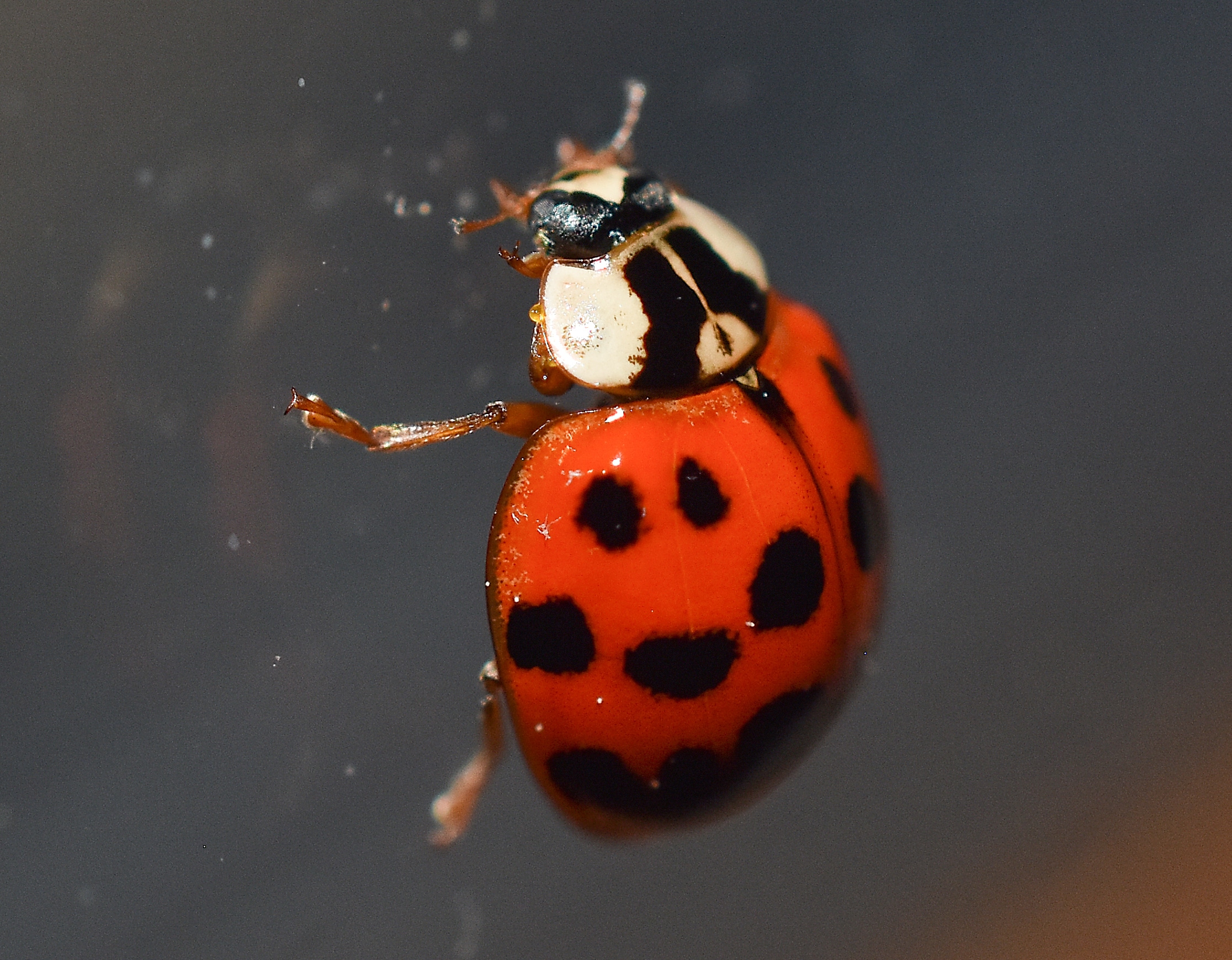
As fall starts to fade, chances are you will see homes and buildings covered in what looks like ladybugs. If you suspect you may have a ladybug infestation, here’s what you should look for and seven tips to put a stop to it.
Ladybugs Infestation Season is Here
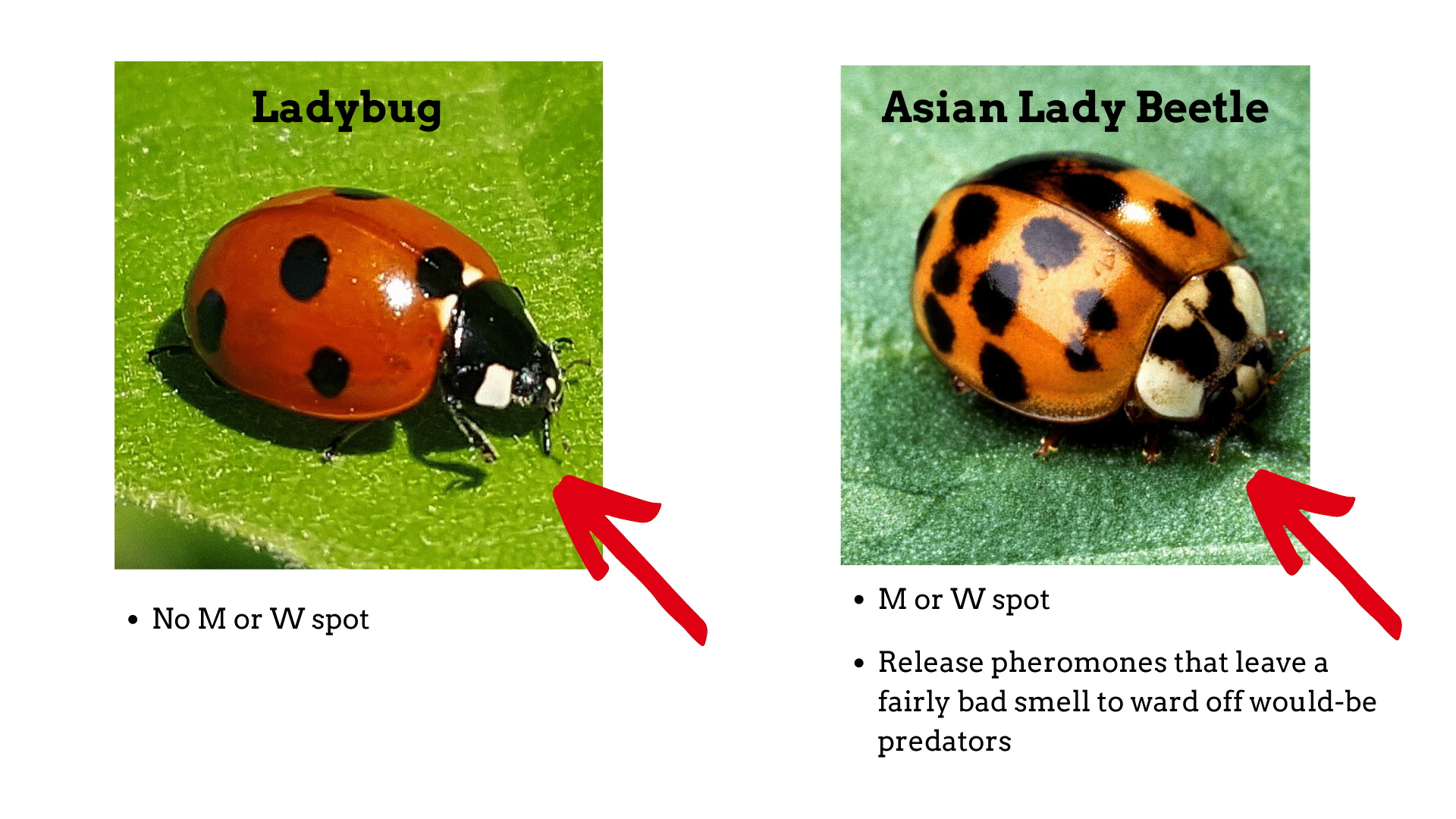
As winter approaches, overwintering pests are looking for a place to keep warm during the cold months ahead. While it may seem like ladybugs are among these pests, Asian lady beetles are the real culprits. These pests are an invasive species that are near-identical to our common ladybugs.
However, real ladybugs prefer forests, debris, or grassy areas. Lady beetles, on the other hand, seek out warm places to hibernate over the winter.
What are Asian Ladybugs?
Asian lady beetles are about 7 mm long and they can appear in a few different colors: yellow, orange, or red. They also have a random number of spots on their wings. While they may look like your average ladybug, lady beetles can be identified by the “M” shaped marker on their heads.
Asian lady beetles behave much like regular ladybugs in the warmer months. They live in woods, fields, or gardens. They are plant feeders, and often work as little exterminators for garden pests. However, they seek out heat and moisture and are drawn to bright, well-lit places. Often, they seek out light-colored homes or siding in direct sunlight. If they find their way inside, you will see them gathered around a window.
Asian lady beetles don’t have natural enemies, and when they are threatened, they release pheromones that leave a fairly bad smell to ward off would-be predators.
The Problem with Asian Ladybugs
Though Asian lady beetles look a lot like ladybugs, they are much more aggressive. These pests can bite, though they don’t do so often. Also, the odor they release is an awful chemical scent that can linger for as long as a year. Other Asian lady beetles will be drawn to these pheromones, and that means they will return to your home the following year.
Thankfully, they don’t carry diseases, and they won’t cause structural damage. However, they can leave yellow streaks wherever they land. While one or two may not be a problem, lady beetles usually hatch in large numbers.
 Stopping the Infestation
If you find yourself with a lady beetle infestation, or you want to stop them from getting inside, there are a few things you could do on your own. While it’s not recommended you take on a large pest problem yourself, here are a few simple things you could to keep ladybugs and other overwinter bugs out of your home.
1. Seal All Entryways
The best way to keep lady beetles from infesting your home is to keep them out in the first place. Perform regular maintenance on your home. Seal up cracks and openings around your doors and windows. Check any possible entryways: windows, doors, vents, pipes, etc. Use mesh to close off any areas you can’t seal and use caulking or foaming sealants on any areas you can. Be sure to reapply to keep those pests out.
2. Check Screens
Likewise, with any door frames, cracks, or other openings, check the screens around your home. Ladybugs can easily fly through a window screen and make their way inside. Repair any screens that may have been damaged throughout the year.
3. Keep Your Yard Trim
Lady beetles are drawn to overgrown areas. It’s a good idea to keep your yard and garden trimmed. Any wood should be stored at least 20 feet from the house, and plants should be maintained.

4. Turn Lights off at Night
Like many insects, lady beetles are drawn to light. While you can’t exactly turn off the sun, the next best thing would be turning off your outside lights at night. If you need to have a light on, make sure it’s a motion-sensor light. Also, use a bulb that won’t give off too much heat.
5. Vacuum them up!
If a ladybug infestation manages to get inside, an easy way to dispose of it is with a vacuum. Once you do, remove the bag and toss it immediately. If you want to kill them outright, put them in soapy water. Do not leave the bag. The ladybugs can easily crawl out. If you want to trap them and you have a bagless vacuum, you can use nylon stockings to trap them.
6. Make a Light Trap
If you want to get rid of lady beetles, use their attraction to light. You can construct or use a light trap to gather these pests and remove them from your home.
7. Change the Smell
Part of the problem with Asian lady beetles is the scent they release. Other lady beetles are drawn to it and it could keep these pests coming back. Try to remove the scent or change it using other smells these insects can’t stand. Bay leaves and cloves can be effective. You can also plant or purchase mums to keep these little pests at bay.
Out for the Winter
The key to keeping these overwintering pests out of your hair is to stop them from getting inside. Perform yearly maintenance and be sure your home is protected. If you do have a large ladybug infestation, it may be wise to seek help from one of our pest control experts. Don’t settle for any unwanted guests this winter. Take the steps and keep your home bug-free.
What Exactly Are Stink Bugs? How Do I Control Them? 9 Helpful Tips
How Can I Control Stink Bugs in Winter?
It’s that time of year again when the temperature drops and overwintering pests are on the look-out for a warm place to pass the winter. Unfortunately, that could mean you hosting some pungent unwanted house guests.
The brown marmorated stink bug maybe a little insect, but once they find their way inside, they can become a big nuisance. But what exactly are these little pests?
Here’s a little info on stink bugs and how you can keep them under control this winter.
What Are Stink Bugs?
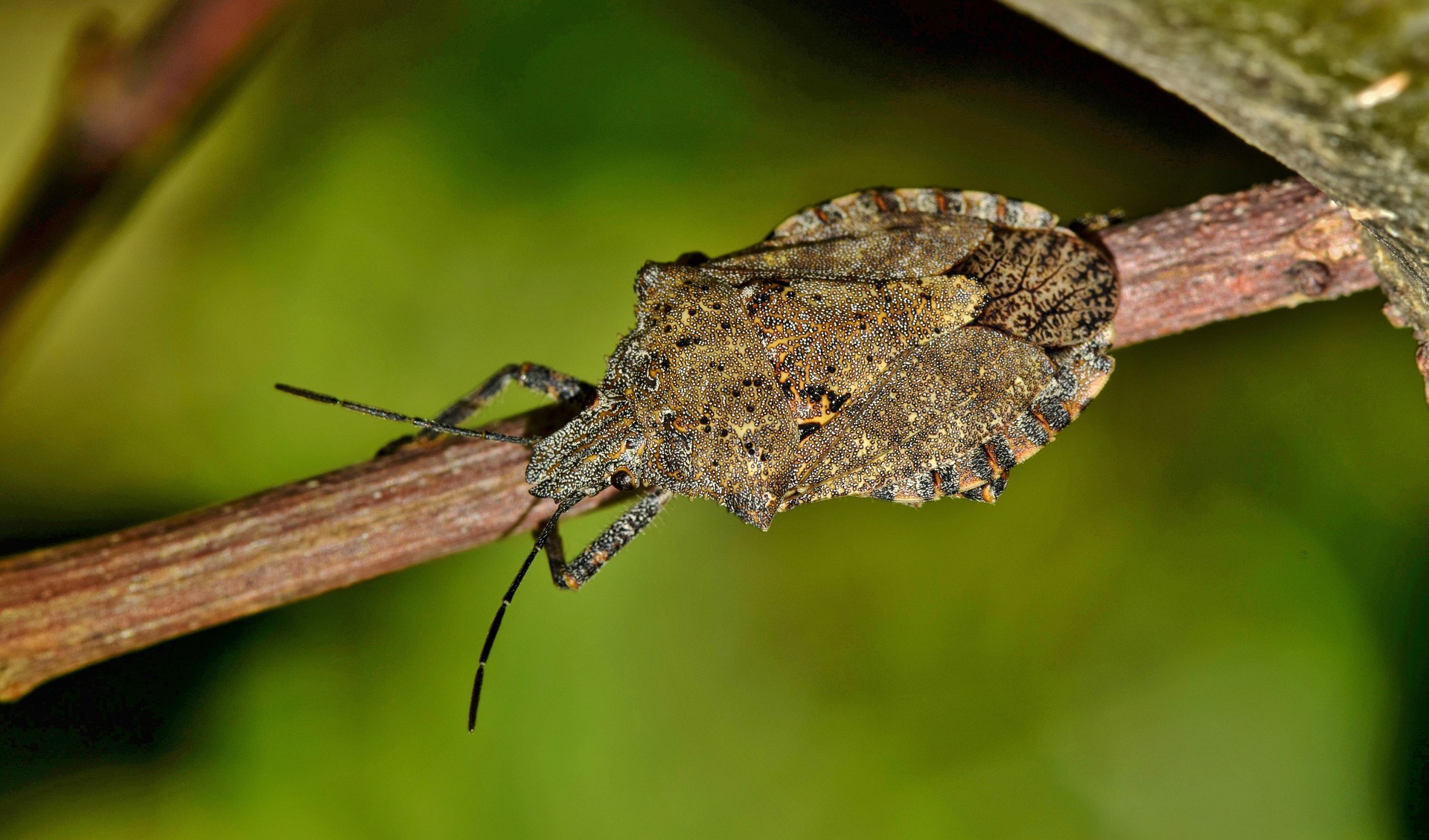
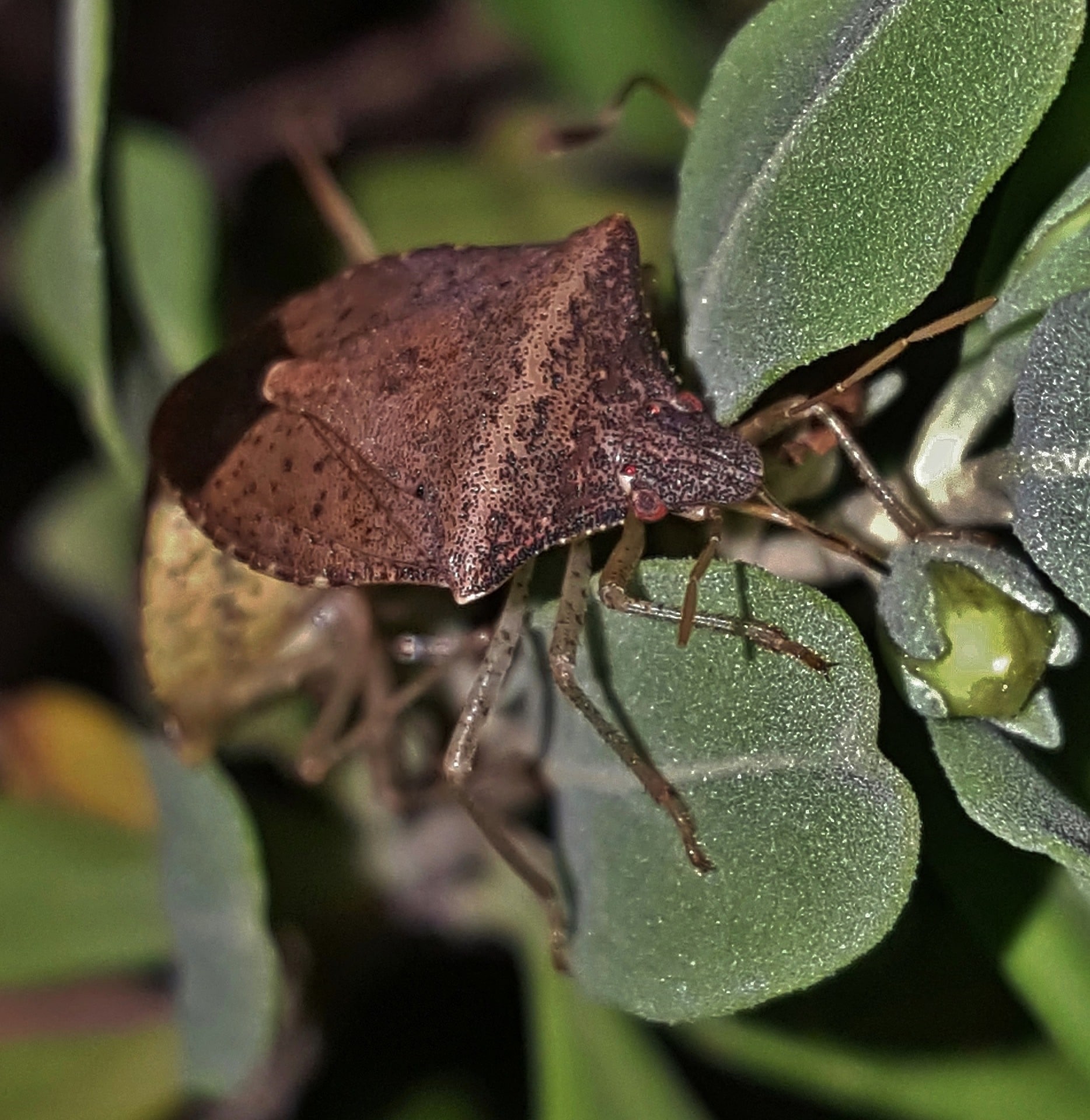
The brown marmorated stink bug is a small insect typically found in gardens, fields, or around homes. An invasive species, these pests are native to Asia but were brought here mistakenly in the mid-1990s.
They are identified by the piercing, sucking mouthparts, and though this sounds scary, they do not bite. Straight antennae with little light brown bands, and dark bands on their wings. They are shield-shaped, and as their name suggests, brown in color.
On average, stink bugs are about 12-14mm long, and they are known to be pretty good flyers. While the sound of them buzzing around your head may be worrisome, they will not sting you.
Before they hit maturity, their earlier form is known as a nymph. Unlike the brown color of the adult, the immature nymphs are yellow and red with red eyes. As they mature, the yellow tapers off to white. The defining feature of this insect is the scent they release when deterring predators. While they may seem non-threatening, they can cause some pretty big problems for such little bugs.
Why Are They A Problem?
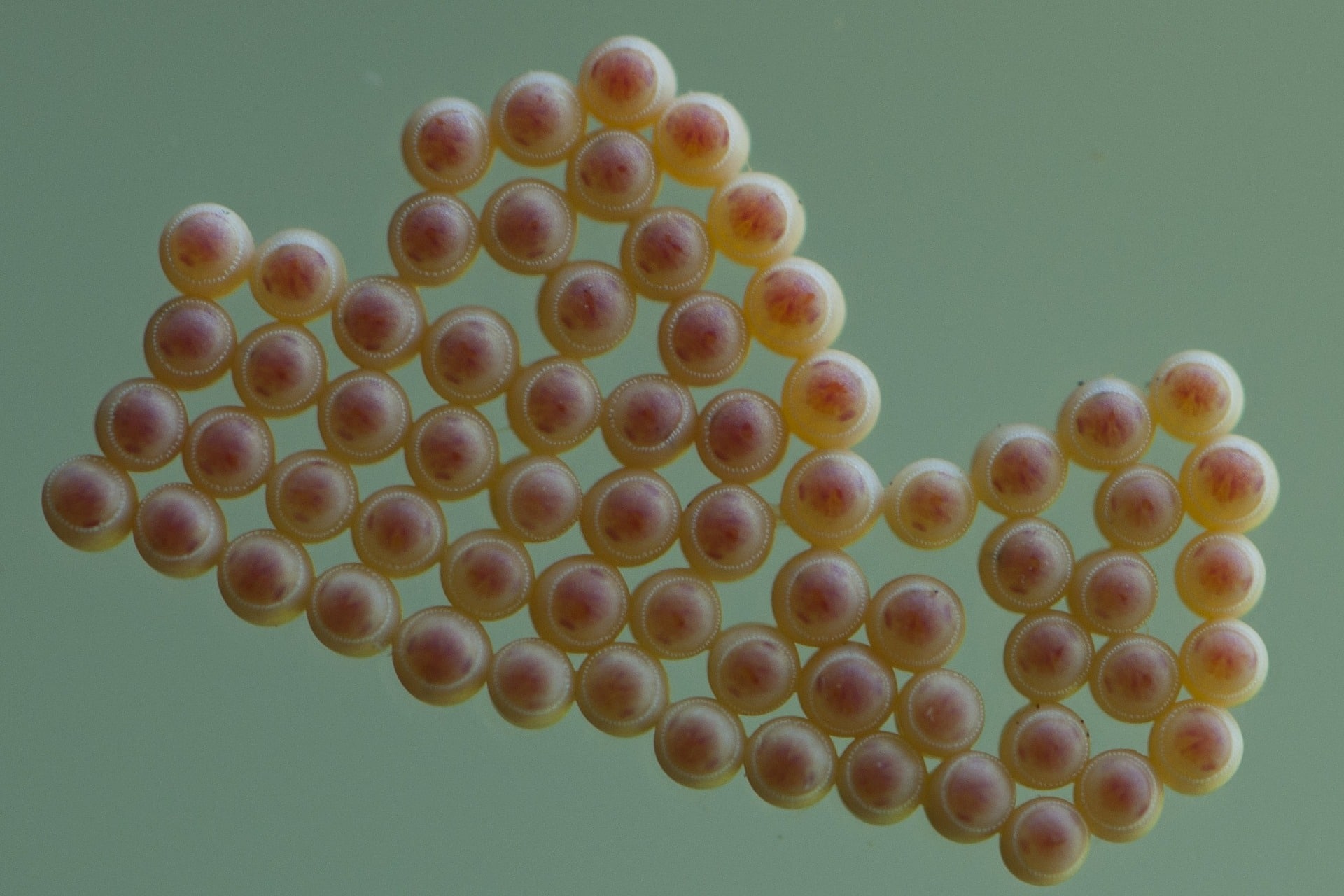
While one or two stink bugs may not be a problem, when left unchecked, stink bugs can lay between 20-30 eggs. As an overwinter bug, they seek shelter for the winter, those eggs could be laid in your home. While they are generally more of a nuisance, the smell is a major factor.
When they aren’t cluttering up a home, stink bugs can do major damage to crops. These insects feed on plants, and they will attack just about anything. If you have a large infestation, you can bet there will be damage to your inside plants and your outside garden.
Luckily, it’s very easy to tell if you have an infestation. Often, you will spot living or dead bugs in your home. Also, they like to turn up on warm or sunny spots in your home, like a window.
How Do You Get Rid Of Them?
As stated previously, stink bugs are more of a nuisance than harmful. They won’t sting or bite you. They aren’t poisonous nor venomous, and they won’t harm or cause structural damage to your home. However, that doesn’t mean you want to let them fly wild in your house. If you have discovered a stink bug invasion on your property, here are a few tips to get them under control.
1. Seal All Possible Entryways.
The best way to stop an invasion is preventive treatment. Keep those little pests from getting inside. Check all your vents and openings in your home and seal them off with netting. Check the foundation of your home and seal any cracks. If there are any holes or easy access areas, you can close them up with caulking.
2. Perform Yearly Maintenance.
Winterize your home and perform yearly maintenance. Stink bugs can easily sneak through small openings, so be sure to monitor your home’s entryways - windows and doors. Check the screens on your windows and doors and make repairs where necessary.
3. Keep Garden Trim.
Stink bugs feed off fruit, vegetation, and crops. They also love to hide away in deep overgrowth and wooded areas. To keep them away from your home, keep your grass cut and your yard weeded. Try to reduce the amount of overgrowth on your property. Additionally, if you have logs or lumber laying around your yard, make sure you keep it away from your house.
4. Vacuum!
If you do find some of these pests inside, an easy way to get rid of them is by vacuuming them up. Suck them up and dispose of the bag outside. You can also dump the back into a bucket of soapy water if you want to be sure they don’t come back. The best part about this method? No odor!
5. Encourage Natural Enemies.
If stink bugs are a problem in your yard, rather than your home, a good way to deter them is by welcoming their natural enemies. You can encourage birds or other natural predators to visit your property.
6. Place Traps.
Another easy way to dispose of stink bugs is to set traps. Leave out decoy plants, like sunflowers or okra; stink bugs are drawn to these plants and you can easily remove the plant once they’ve found their way too it. You can also catch them using wet towels. Stink bugs are drawn to moisture. Once you’ve got them, you can easily toss the towels or dunk them in hot soapy water.
7. Turn of Outside Lights.
Like a lot of other insects, stink bugs are drawn to the warmth and light of a porch light. If you want to keep these pests away, consider changing the type of bulb, or keeping the light off when not in use.

8. Reduce Moisture.
Stink bugs love areas with plenty of moisture. If you have leaky pipes, clogged rain gutters, or a damp basement, these pests may flock to you. Tend to the pipes, vent out any dark, damp areas in your home, and consider using a dehumidifier during the winter months.
9. Your Own Worst Enemy.
Believe it or not, you may be the one bringing in the stink bugs. Stink bugs can hide away on anything from outdoor decorations to grocery bags. They are light, so it’s hard to notice one is there until they’ve made their way inside. Double-check anything you bring into the house, including yourself, if you want these pests to stay outside.
Concluding Thoughts.
Stink bugs may not be threatening, but they can still be a major problem, especially if you have a large infestation on your hands. If your stink bug issue more than you can handle, consider consulting one of our pest control professionals. Remember, prevention is your best weapon against overwintering pests. Protect your home and keep stink bugs out for good.
How Do You Get Rid of Stink Bugs? 7 Tips
Stink Bugs Problems and How to Solve Them
It’s that time of year again! The weather is growing colder, the leaves are changing color, and apple cider and pumpkin spices are everywhere. As the fall season begins, there is much to look forward to. However, it’s also approaching the months when unwanted pests begin to look for warmer places for the winter.
One of these “stinky” pests is the notorious stink bug. As the seasonal chill approaches, here’s how you can prepare your home and keep out any smell invaders.

What are stink bugs?
The common brown Marmorated Stink Bug is very recognizable. These brown, oval-shaped insects have a hard shell, long legs, and they can fly. Though not particularly harmful, these bugs produce a foul odor, especially when crushed.
While they may not hurt us, they can become a problem should they attack fruit trees or other crops. One thing’s for sure, they definitely don’t belong in your home. If you find yourself with a stink bug problem, here are seven tips to help you get rid of them.
1. Seal off All Entry Points
The best way to keep stink bugs out is by not letting them inside in the first place. These pests are small and can sneak through cracks in doors, windows, or basements. Repair window screens and cracked foundation. Also, check vents, attics, and crawl spaces thoroughly for any possible openings. Do a recon of your home’s interior and exterior to be sure there’s no way for these pests to sneak inside.
2. Check Anything Coming In and Out
If your home is sealed up and repaired, be sure that you aren’t the one inadvertently bringing stink bugs into your home. Fall is a time when we love to decorate our homes or bring in our summer things for storage. Be sure to check anything that you move indoors. Even your grocery bags can bring these stinky little bugs inside. Check yourself and any other objects you may bring inside.
3. Turn off the lights and the water.
Stink bugs are drawn to light; they love the warm glow of lightbulbs. An easy way to stop them from buzzing around your front porch and getting in your home is simply to keep your lights turned off. Auto-lights can solve that problem if you want to keep a light on, but also want to avoid a swarm of insects hanging around.
The same thing applies to any moisture in your home. Stink bugs love moisture, so if you happen to have dripping pipes or a wet basement, be sure to fix those pipes to deter any unwanted visitors.
4. Eliminate Food Sources
This tip is true for all manner of pests. If they don’t have a food source, they are not likely to stick around. If you want to deter stink bugs from pulling up residence for the winter, seal up your food. Place loose food in containers and clean up any crumbs or residue after cooking. If you have meals in other parts of your home, be sure you clean up thoroughly.
5. Clean up the Outside
If you want to keep stink bugs out, cleaning up your property is a great way to keep them away. These pests often live in shrubs, trees, and other overgrowths. Keep your grass cut, shrubs trimmed, and all yard growth tamed. If you have firewood, be sure to keep it at least 20 feet away from the house and off the ground. Don’t give the bugs a reason to stick around your home.
6. Vacuum Them Up
If you do find stink bugs in your home, a simple way to get rid of them is by vacuuming them up. You do not want to squish them. Doing so will leave your home with a horrible odor. The vacuum cleaner is an easy way to suck them up and dispose of them without having to crush them. You can dump them outside or dispose of the vacuum bag afterward.
7. Natural Solutions
If you want to deter or out-right kill your stink bug invaders, there are few natural solutions you can use. Diatomaceous earth is an effective, natural bug killer that is safe to use around children and pets. If you sprinkle this substance near any entryways, it will break down the waxy protective layer of their exoskeleton and they will die. You can also try peppermint oil. Additionally, you can spray them with a mixture of water, dish soap, and lavender.
Causing a Stink
The best way to protect your home from a stink bug invasion overwinter is to take steps to prevent it. Make sure any entryways are sealed, keep your yard tidy, and check anything you bring into your home. Should you experience a major stink bug infestation and these methods have no effect, it may be time to consult a pest control expert. Don’t let these stinky pests ruin your fall. Contact a professional today.
Thousands Now Live Mosquito Free. Here’s How in 7 Steps
Living Mosquito Free: 7 Tips
It’s the perfect season to enjoy your yard. The sun is shining, the weather is warm, and it’s ideal for those patio parties, plenty of swimming, and backyard BBQs. Unfortunately, it’s also prime time for mosquitoes. If you don’t take the proper steps to prep your yard, your family and guests may do everything they can to stay inside.
Mosquito infestation is not only annoying; it could be deadly. These nuisance pests can carry several dangerous diseases, such as Zika and West Nile, and when it comes to the safety of your loved ones, you can never be too careful. If you are having trouble with mosquitoes, here are seven steps to help you live mosquito-free.
1. Get Rid Of Standing Water.
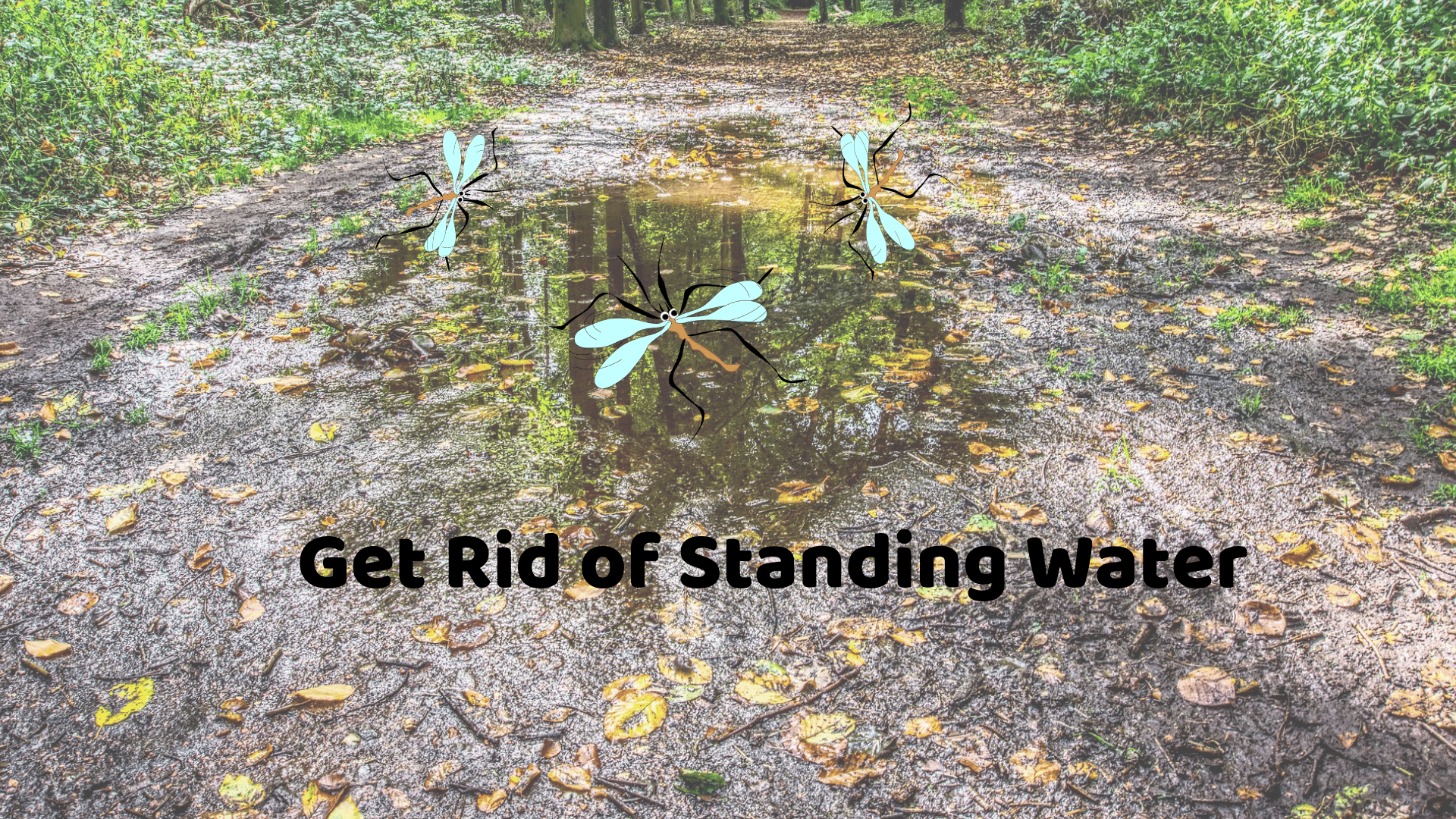
If you want to keep your yard mosquito-free, don’t let it become a breeding ground. Mosquitoes lay eggs in warm, stagnant pools and they can hatch at any time. They can even last over the winter. What’s more is that these pests can use any still water: platers, buckets, puddles, birdbaths, and gutters. Well-kept swimming pools and areas with running water are normally okay, but any areas with standing water should be dealt with immediately. If there’s no place to lay their eggs, they will find somewhere else.
2. Keep our Yard Trim.
In addition to pools of water, mosquitoes are drawn to overgrown areas. Taking care of your yard means less heavy, warm places for these pests to cozy up. Take care of your plants, flowers, and bushes. Don’t let piles of leaves or yard trimmings sit; these can gather rainwater and create potential breeding grounds. Also, keep your grass trim. Any overgrown areas can be enticing for mosquitoes. If you want to keep these pests out of your yard, perform regular maintenance and deter them from coming in the first place.
3. Wear the Right Clothes.
A simple way to battle mosquitoes in your yard or anywhere is by choosing the right clothes. Make sure to select the proper clothes to repel them. Mosquitoes are drawn to darker clothes, so lighter colors are the better choice. Also, these pests can bite through thin or tight clothes; try to wear thicker or loser clothing. Though not ideal, longer sleeves and pants would keep these bloodsuckers from a feast.
4. Use the Proper Repellent.
Using the right repellent can really make a difference in the backyard battle against mosquitoes. There are many different repellents available, use one that is EPA-registered. Select one with DEET, or oil of lemon eucalyptus. These items are not essential oils, and they can be effective. While DEET repellents can be used on younger children, it’s not recommended to use these treatments on infants or babies. Be thorough and research your options before applying repellents to your children. When used properly, this method can be effective.
5. Try a Few Outdoor Repellents.
If you don’t want to wear heavy clothing or spray yourself with different repellents, try using some outdoor repellents. If you want to try a more natural approach, try planting lemongrass and citronella. If you want more immediate relief, you can use citronella candles or oiled tiki torches. These tools are helpful, but they aren’t a complete safeguard. Additionally, you can use store-bought repellents and spray them around the perimeter of your home. Just be sure you perform your research to avoid harming your pets, children, or other wildlife.
6. Do Some Yard/Home Prep.
An easy way to avoid mosquitoes is by keeping them away from you in the first place. You can accomplish this by adding screens to your doors and patios. By simply adding a mesh screen, you can keep these bloodsucking pests out of your home. This strategy can also work for porches and decks.
A simple tent with screens will do wonders to keep all manner of bugs away. Also, add a fan or two to your porch or patio. Mosquitoes aren’t great flyers, so adding wind will make it difficult for them to get close. If you want to keep these pests away at nighttime, try using fluorescent light bulbs. Incandescent bulbs attract mosquitoes; swapping them out can be a simple solution.

7. Get Professional Treatment.
If you have followed all the previous steps and still have an issue with mosquitos, it may be time to consult a professional. Get them to inspect, draw up a plan, and spray your property and keep mosquitos out on a wider scale. If you find yourself overwhelmed with a mosquito problem, don’t hesitate to contact a pest control expert. Treatments could last for a little over a month, but with the proper steps, you could be living mosquito-free.
You don’t have to be trapped inside. With these simple steps, you can step out into your yard with confidence and without fear of any dangerous mosquitoes. Take back your lawn and start enjoying the outdoors again.

What Do I Need to Know about Tick and Mosquito Barrier Spray?
Top 7 Things to Know About Tick and Mosquito Barrier Spray
When summer arrives, the warm weather beckons us outdoors. And what better way to spend the season than enjoying your backyard? Unfortunately, we aren’t the only ones who like to take advantage of the pleasant temperature. During the summer months, two of the most dangerous pests may be lurking in your yard.
High grass, yard trimmings, and wild animals are enticing for disease-carrying ticks, while rainwater and still pools are breeding ground for nasty-biting mosquitoes. If you want to keep these pests away from your property and get back to enjoying your yard, you may be considering a barrier spray. Before you make any calls or try to do it yourself, here are seven things you should know about tick and mosquito barrier spray.
1. It Needs To Be Sprayed Often To Be Effective And Control The Population.
The trouble with barrier spray is that doing it just once isn’t enough to keep bugs away permanently. Yard spray must be applied often to effectively control the mosquito and tick population in your yard. The elements wash away and wear down the applied barriers over time there won’t be an amount significant enough to keep these pests at bay.
2. Before You Spray, Try Eliminating Any Areas That May Entice The Bugs.
No matter how many times you spray, a barrier is not a permanent solution. Before treating your yard, it’s a good idea to get rid of any possible areas that may be inviting for these dangerous pests. Keep your yard cut and clean to avoid an influx of ticks. Additionally, get rid of any standing water in your birdbaths, gardening tools, driveway, or backyard to keep mosquitoes from breeding near your home. To start enjoying your backyard, the first step is keeping it in good condition.
3. Protect Your Home From Any Invaders By Completing Regular Maintenance.
In addition to keeping your yard in excellent form, another area that could use some TLC is your home. Performing regular maintenance on your home will not only keep pests away, but it will also stop them from invading your home. Keep any growth surrounding your home well-trimmed. Clean out your gutters regularly - a barrier spray won’t protect you from blocked gutters.
4. Spraying Can Be Dangerous - If It Isn’t Done Properly It Can Pose Risks To Your Family.
It is possible to use a DIY spray or hire a pest control specialist, but there are a few things you should consider. Tick and mosquito spray can be toxic to children and pets. If you decide to spray, take the proper precautionary steps to keep your loved ones safe.
Additionally, certain sprays and barriers can harm natural foliage. While your intentions may be to kill those dangerous pests, you may end up killing plants and trees in the process. Sprays can also kill the wrong insects that are helpful in the ecosystem. Before spraying, thoroughly read the labels and determine the risk factors.
5. In Addition To Being Dangerous, It Can Be a Waste Of Money.
When done improperly, spraying and barrier protection can end up costing money without ever achieving the desired effect. If done incorrectly, barriers will not do their job, and you’ll find yourself battling mosquito bites and hitch-hiking ticks.
What’s even worse, if the barriers aren’t set up correctly, the pests can build up and breed resistance to the chemicals making them ineffective. You could be continuously applying spray with no chance of killing pests at all. Take caution when applying or hiring a pest control expert. You don’t want to throw money away.
6. Getting A Barrier Spray Should Depend On The Size Of The Problem
If you have a nasty infestation, or it’s a constant battle to enjoy your yard, a barrier spray might be the right solution. However, another thing to consider is the size of your yard and the problem. With simple yard and property maintenance, it may be possible to take care of your infestation without chemical interference. On the other hand, sometimes a pest problem can be bigger than we can personally handle. If you are unable to get the issue under control, call in the experts.
7. Protects Against Tick-Borne And Mosquito-Transferred Diseases.
If mosquitoes and ticks have taken over your yard, there’s a lot more at stake than just your backyard BBQ. These blood-sucking parasites carry different pathogens and diseases that can be deadly. Ticks are known to carry serious diseases such as Lyme disease, Ehrlichiosis, and Rocky Mountain spotted fever. Mosquitoes, on the other hand, are known as the deadliest insects. They transmit life-threatening viruses including Zika, West Nile, yellow fever, and malaria. With a barrier in place, your family can enjoy the outdoors without fear.
Taking Back the Outdoors
You shouldn’t spend your summer days hunkered down and waiting for the ticks and mosquitoes to die. Take the proper steps and you can be outside enjoying your pest-free yard. Weigh your options and decide if spraying your yard is the best choice for you.

How To Mosquito Proof Your Property This Spring
Top 9 Q&As About Mosquitoes in Spring
Warm weather is coming! That means short sleeves, blooming flowers, and more outdoor activities for all. Unfortunately, higher temperatures also attract some less than savory pests that can not only put a damper on any yard parties, but they can potentially be dangerous.
As soon as the temperature rises, so returns the nasty biting insect that can leave itchy welts and pass several deadly diseases: the mosquito. As the coming of spring in Pa. brings warmth, it is also the perfect time for mosquito eggs to hatch. If you want to put a stop to these pests before they cause an issue for your home, we are here to help.

9. When Do Mosquitoes Arrive?
These pests can be around much earlier than you think. While April and March are prime months for mosquitoes, they only need a temperature of 50 degrees to thrive. In fact, they never really go away. Mosquito eggs can remain suspended in water until the temps rise again. Regardless, of the time of year, when it is warm enough, mosquito eggs will hatch.
8. What Do I Need To Watch Out For?
The female mosquito is constantly on the lookout for the perfect place to lay her eggs. Her ideal spot is a pool of stagnant water. These pests lay their eggs in warm, unmoving pools that can form just about anywhere. Puddles, melting snow piles, gutters, and birdbaths are just a few of the possible havens. When temperatures rise, it’s a good idea to check your yard for any potential spots.
7. When Do Mosquitoes Thrive?
Mosquitoes can thrive once temperatures hit more than 50 degrees. In fact, for these blood-sucking pests, the warmer the better. The mosquito population experiences huge growth in hot weather. Basically, the warmer the weather, the more mosquitoes. While they do drop in numbers during the winter, this doesn’t mean they will die. While the adults will perish, the eggs can live on.

6. Where Should I Be On The Lookout For Mosquitos?
If you happen to live in a warmer region, chances are you will have more mosquitoes. Places like Arizona and Florida will have an abundance of mosquitoes over somewhere like Alaska. Even Alaska experiences a mosquito influx, though for a much shorter time period. As soon as the temperatures rise, those pests will be there.
5. Where Else Can I Find Them?
Mosquitoes tend to linger around areas where they can lay their eggs, but you can encounter them just about anywhere. The prime spots are in damp, warm areas near ponds, lakes, or other still bodies of water. Additionally, you can find them in mud puddles, low lying areas, and places with thick vegetation or overgrown grass. In your yard, if anything catches water during rainfall, it can be a breeding ground: boats, tarps, pool covers, old tires, or even an overturned wheelbarrow. They do not need much; just still, warm water, and protein.
4. What Attracts Mosquitoes?
Female mosquitoes are on the lookout for two things: protein and a place to lay their eggs. The females need protein to create their eggs, and unfortunately, that’s bad news for any warm-blooded animal. She’ll bite just about anything for the blood to fuel her egg production, and there are plenty of viable targets. When she has blood, a female mosquito can lay a batch of 200-300 eggs.
3. Are Mosquitoes More Than Mild Annoyances?
Yes; mosquitoes are known to carry very deadly diseases. A bite can transmit one of the following: West Nile Virus, Malaria, Yellow Fever, Dengue, and Zika Virus. These diseases are big in tropical regions - and tend to strike more often during a disaster. You don’t need to be in a tropical environment or in the midst of a disaster to worry about this. Mosquitoes and spread disease very fast, and there are a lot of them.
2. Okay - No Stagnant Water. What Else Can I Do To Kill The Eggs?
You can take a few precautions to keep mosquitos away from your home. Clear away all brush and keep your lawn trimmed. These biting insects thrive in overgrown areas. Also, try not to overwater your garden yards. Mosquitoes don’t need much water to lay their eggs. If you have a pond on your property, adding mosquito-eating fish can help drop the population. Additionally, if you venture out, apply a repellent with at least 20% DEET. DEET does a great job of repelling other blood-sucking insects, like ticks as well.
1. Is There Something I Can Use To Keep Adult Mosquitoes Away?
If you want to trap and kill adult mosquitoes, CO2 Mosquito traps are the way to go. They attract female mosquitoes with warmth, CO2, and moisture. The biting insects are sucked in, trapped, and then they dehydrate. The most ideal time to set up these traps is in late March or early April. Doing so should catch these pests at their peak.

Staying Vigilant
Don’t let mosquitoes ruin your sleeveless season. Follow these simple tips and keep you and your family safe from these pests. If you think you may have a bigger mosquito problem than you can handle, consider contacting your local pest control expert to help protect your home.

DIY Pest Expert Spray | Is It Safe for My Family and Pets?
DIY Pest Expert Spray: Dangers & Facts
All-year-round pests can be a nuisance. Whether they are invading your home, infesting your garden, or taking over your back yard – pests are not only a headache for you, but they can potentially be dangerous to your family.
No matter the creature - cockroaches, moths, rodents or any other variety of invaders - they can be difficult to deal with. The trick to keeping these pests away is knowing how to get rid of them. Often, homeowners look for an easy, do-it-yourself way to handle the problem first before they call in a professional.
It’s important to know what pests you are dealing with to effectively put an end to your invasion. If you are considering using a DIY pest expert spray, take a moment to research how it could affect your family and pets.
What is Pest Expert Spray?
When it comes to dealing with pests, some homeowners aiming to take a DIY approach try using pest expert spray. Normally, this spray is a chemical concoction used to kill invading creatures.
The type of spray you use is dependent on the pest and location of the infestation. Outdoor sprays can be used on your landscape, porch, or home’s exterior. There are other killers available that can be used to exterminate any indoor invaders.
Before attempting do-it-yourself extermination, be sure you are using the right treatment and the proper tools. Neglecting to do so can be harmful to you and your family.

When Should You Use Pest Expert Spray?
Many homeowners want an easy, quick solution to a pest problem without the hassle of hiring an exterminator. If you want to fortify your home with a quick, easy solution, a quality pest spray can form a barrier around the vulnerable areas outside your home. When applied properly, most of these solutions will kill pests on contact for a period.
Before getting started, be sure to follow the instructions closely. Depending on where you need to use it, your pest expert spray may require specific instructions. In addition to carefully following the guidelines, make sure that you have the proper equipment. Do a thorough inspection of your property to pinpoint the source of the infestation.
First, consider the infestation; it may not be wise to handle the problem on your own; i.e., if the infestation is near electrical wires, involves a living animal, or is in an out-of-reach area. Another factor to consider is the sheer size of the infestation and the type of pest.
A single wasp’s nest or an outdoor invasion of aphids isn’t as difficult as a termite infestation or bed bug problem. If the situation is contained, take the proper steps to apply the pest expert spray to the effective areas. Use your best judgment before trying a DIY solution.
After you’ve located your property’s problem areas and assessed the situation, you can carry out your treatment. For maximum results, apply as instructed. Remember: pest spray is not a permanent solution. You will need to reapply to ensure your pest problem stays away. If you find you are having trouble getting rid of the problem, seek other options.
Pest Spray: Safety Tips
Before buying, do your research and find the right one for your family. When selecting the best treatment, it’s important to note that not all pest sprays are created equal. Many treatments are not safe for use around children or animals. This is especially crucial for any spray you plan to use indoors or on items you use daily.
Be careful with the spray you select. There options available that are both pet-friendly and safe to use around your family. In addition to safety, not using the product as directed can result in property damage.

Is Pest Expert Spray Right for You?
No two pest problems are the same. The size, type, and location of a pest problem should indicate whether you can handle the infestation with a DIY spray.
Carefully consider which product would be a good fit for your situation and take the time to apply it properly. With a little planning and the right product, you can keep those nasty critters at bay. Take the time to do the research and take a stand against pests today.

Top 15 Qualities to Seek in Commercial Pest Removal Services
Commercial Pest Removal Services
A pest infestation can not only be a stressful situation, but it can potentially be dangerous. Whether you are experiencing a pest problem at home or your business, invaders can be a nuisance that just won’t go away.
That’s where the experts come in. Commercial pest control experts are just the ticket for removing those unwanted visitors. With so many options available, it may be difficult to choose the right service for your situation. If you are looking for a pest control specialist, here are the top 15 qualities to look for in a service.
15. Industry knowledge
The first thing that you should look for in a pest control specialist is thorough industry knowledge. Your specialist should be able to identify, find, and treat different pest infestations. They should be aware of the top treatments available and determine which would be most effective for your specific problem. Additionally, a quality pest control expert should be up-to-date on any health regulations and new treatments available.
14. Trained Technicians
Each technician employed by a commercial service should be an expert pest control specialist. Pest experts should be able to provide certifications, display industry knowledge, and thorough training. When they arrive, they should have an action plan based on your specific needs and the ability to spot an infestation easily.
13. Experience
Pest control experts need to have experience in their craft. If they are committed to fighting off invaders, they should be able to prove to their customer base that they have what it takes. Additionally, when you are looking for an expert, start with the experience of others - check out other customer reviews and see how your pest control expert measures up.
12. Inspections
A good commercial pest control service offers inspections. Inspections are crucial for discovering the size and depth of your infestation. Whether you want a routine inspection, or you suspect a bigger problem, a good pest control expert should be available to get to the root of your problem.
 11. Examine
With expert knowledge and industry experience, a commercial pest expert should know where to look for any issues on your property. They should be able to spot weak points and discuss how to fix the problems. It’s important that they take their time to identify the pest they are dealing with, whether it is a rodent, insect, or wildlife intruder, and come up with a proper game plan to tackle your infestation.
10. Specific Plans
Once your problem is identified, a good pest control expert should be able to build a specific plan for your unique situation. Depending on your infestation, they should have a tailored strategy to remove every trace from your home or property. Whether you are dealing with rodents or insects, a good technician will have the proper plan for you.
9. Removal Service
Every pest situation is not a one size fits all. A commercial pest service should offer many techniques to fit with your specific situation. Whether you want an organic approach, or your situation calls for chemicals, your technician should be able to provide what you need to get rid of your infestation for good. A good service will be able to remove any unwanted visitors from your home and property: wildlife, rodents, insects, etc. Pay close attention to what the service offers and select the one best for you.

8. Thorough Reporting
Following an inspection, your pest control expert should have a full report for you. A good service will provide a clear, itemized explanation of your situation. In addition, once your inspection is complete, your technician should be able to pitch a few plans of action to battle your infestation and offer a clear explanation of what you should expect following the treatment.
7. Availability
If you are experiencing a dangerous infestation, you don’t want to wait around for a specialist. A good commercial pest service will be available to take on a pest problem at any time. An overwhelming invasion should be taken care of ASAP and good service will see it taken care of when you need it.
6. Flexibility
When it comes to pest control, a good service will be flexible. If one plan doesn’t work, a reliable expert should be prepared with another plan in mind. No matter how relentless, a good pest control specialist will be able to take care of your infestation using different techniques in a reasonable amount of time.

5. Dependable
It can be difficult to uproot your life and flee from your home for days while technicians tackle your problem. You shouldn’t have to wait for days for a response or stay in a hotel for an outrageous amount of time. Your commercial pest control service should be dependable.
Whether you need immediate attention, have an appoint scheduled, or have a difficult infestation, you should be able to depend on their presence. Additionally, a reputable pest control specialist will handle your infestation quickly and efficiently.
4. Dedication
Regardless of the type or size of infestation, your pest control expert should be dedicated to you. Also, no matter how well your house is serviced, there is always a chance that an infestation may resurface. When selecting a specialist, be sure to select a pest control expert that will be dedicated to you and the welfare of your property for the long-term.
3. Follow-Up Service
A pest problem doesn’t just vanish when the infestation is gone. You want to be certain that no more unwanted visitors show up. A good commercial pest service will not only be with you every step of the way during your invasion, but they will also take the time to follow-up on their services. If you should experience any problems in the aftermath or you just want to make sure those pests are gone for good, a quality technician will go the extra mile.
 2. Protection
After your home is pest free, a reliable pest control expert will help you fortify your home against future invasions. It is not enough to have property inspections. A good commercial pest control service will give you the knowledge and tools to stop future infestations. They will take the time to discover any weak spots in your property and help you eliminate them.
1. Guarantee
Quality pest control experts won’t stop until your pest problem is gone for good. A good service will not only provide you with quick, reliable service, but it will also give you peace of mind. It’s not enough to take care of a pest problem - you want to know you are protected against any future events by quality experts. If you are tired of the common pests invading your home or business, consider these tips and stop your pest problem today.
Christmas Tree Bugs: Beware the Spotted Lanternfly
Christmas Tree Bugs
‘Tis the season for decorating and seasonal magic, but be careful if you are trying to recapture that traditional Christmas Spirit with a real pine tree. You may be inviting more than grandma over for the holidays.
Every year, families from all over bring living Christmas trees into their homes to decorate, but often, they contain creepy, crawly surprises.
While most of these insects are common, there is one that can cause serious damage and may be lurking here in Northeast Pennsylvania - the Spotted Lanternfly.
Before cutting down that tree or buying one from a tree farm, here are some pests to be aware of this season.
Christmas Tree Bug Stowaways
As we pick out the perfect Christmas tree, sometimes we forget where we are taking it from nature. Sometimes instead of just the overwhelming pine or citrus scent, we end up with a few other unwanted surprises.
- Aphids
- Spiders and mites
- Adelgids
- Pine Needle Scale
- Sawflies
- Bark beetles
- Praying mantises
Many of these insects are more of a nuisance than harmful. They tend to nest and house themselves in the branches and lay their eggs. While these activities are fine for the outdoors, it could prove quite a scare in your household.
In addition to bringing home hidden bugs, you may find a feathered friend in the branches as well. Be sure to inspect your tree before bringing it into your home. If not, you may end up bringing in invasive species.

Beware the Spotted Lanternfly
Recently, in Eastern Pennsylvania and New Jersey, this invasive insect has been causing destruction, and it may possibly be headed to Luzerne or Lackawanna County. The Spotted Lanternfly is a tree-killing insect, though it is not limited to just trees.
Native to Asia, this invasive bug has already made its way through the eastern parts of the Keystone State. They prey on crops and trees, including pines.
Hitchhikers by nature, they attach to Christmas trees, plants, or other greenery to lay their eggs and multiply. Initially, they are difficult to spot, but are unmistakable once seen; they have the appearance of a bumble-bee with butterfly wings. Spotted Lanternflies have a yellow abdomen with black bands and spotted wings. They will cling to branches and lay two egg masses, yielding between 30-50 eggs.
While these pests cannot harm people or pets, they can prove devastating to our agriculture.
What Damage can Spotted Lanternflies do?
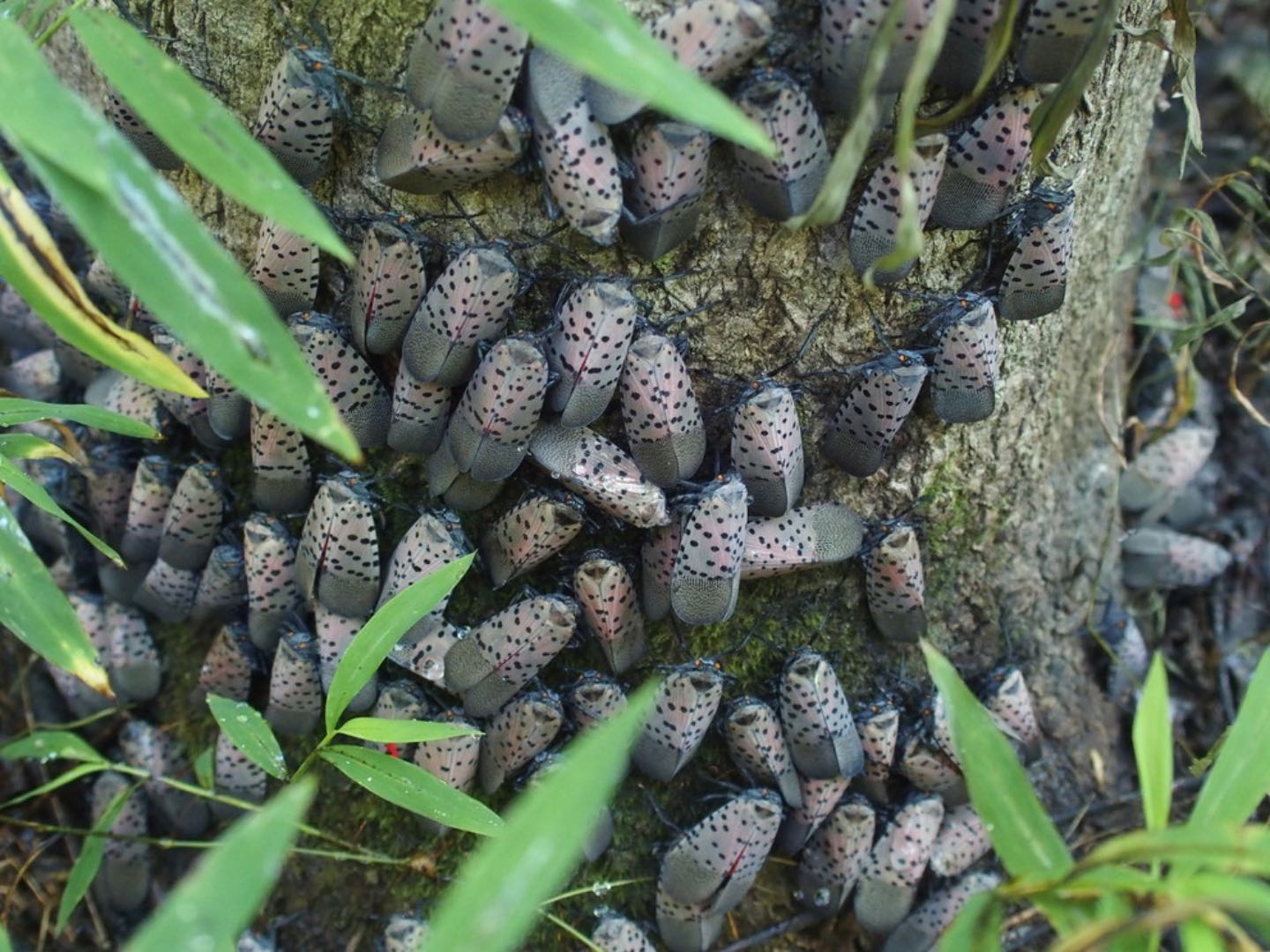
Spotted Lanternflies, or lycorma delicatula, feed on the sap of their host plants and encourage fungal growth. When they find a host, the adults lay their eggs in the fall and they breed on the plants. These large egg masses are gray in color and can be found on the tree or on nearby smooth surfaces. Throughout their life stages, these insects can kill large pine trees, vineyard grapes, fruit trees, and other essential plants.
Removing Spotted Lanternflies
It is important to physically remove the life stages and the host trees. This includes adults, eggs, and the immature stages of the Spotted Lanternfly life cycle. The Penn State Extension of the Pennsylvania Department of Agriculture (PDA) has a homeowner management plan to assist in controlling the spread.
You can also contact a pest control specialist to help quarantine the area. If you are purchasing a Christmas tree, or any other tree or plant, inspect them thoroughly. Additionally, inspect any outdoor items before bringing them inside. Familiarize yourself with what these insects look like in order to report and destroy them properly.
Avoiding Christmas Stowaways
Plants with a Spotted Lanternfly infestation will have weeping wounds. They will have a greyish-black trail along the trunk of the tree and it will attract other bugs to eat. Adults will lay their eggs on the host or nearby.
These grey mud-like masses will dry and crack over time. To properly dispose of the egg masses, scrape them off and double bag them. You can also put them in alcohol or hand sanitizer. Most importantly, report all sightings.
Protect Against Additional Insects
When selecting trees, be sure to examine the branches for any stowaways. Prune the branches and make any additional adjustments before bringing them inside. You may want to leave your tree in a garage or other area for a few days. You can also try to shake out the insects over a white sheet or vacuum any insects up.
Should any of these critters continue to cause a problem, consult a pest professional? The holidays can be stressful enough without extra visitors. Take the time to examine your tree and keep your home pest-free!
Termite Exterminator | Seek These Top 5 Qualities
Termite Exterminator Tips
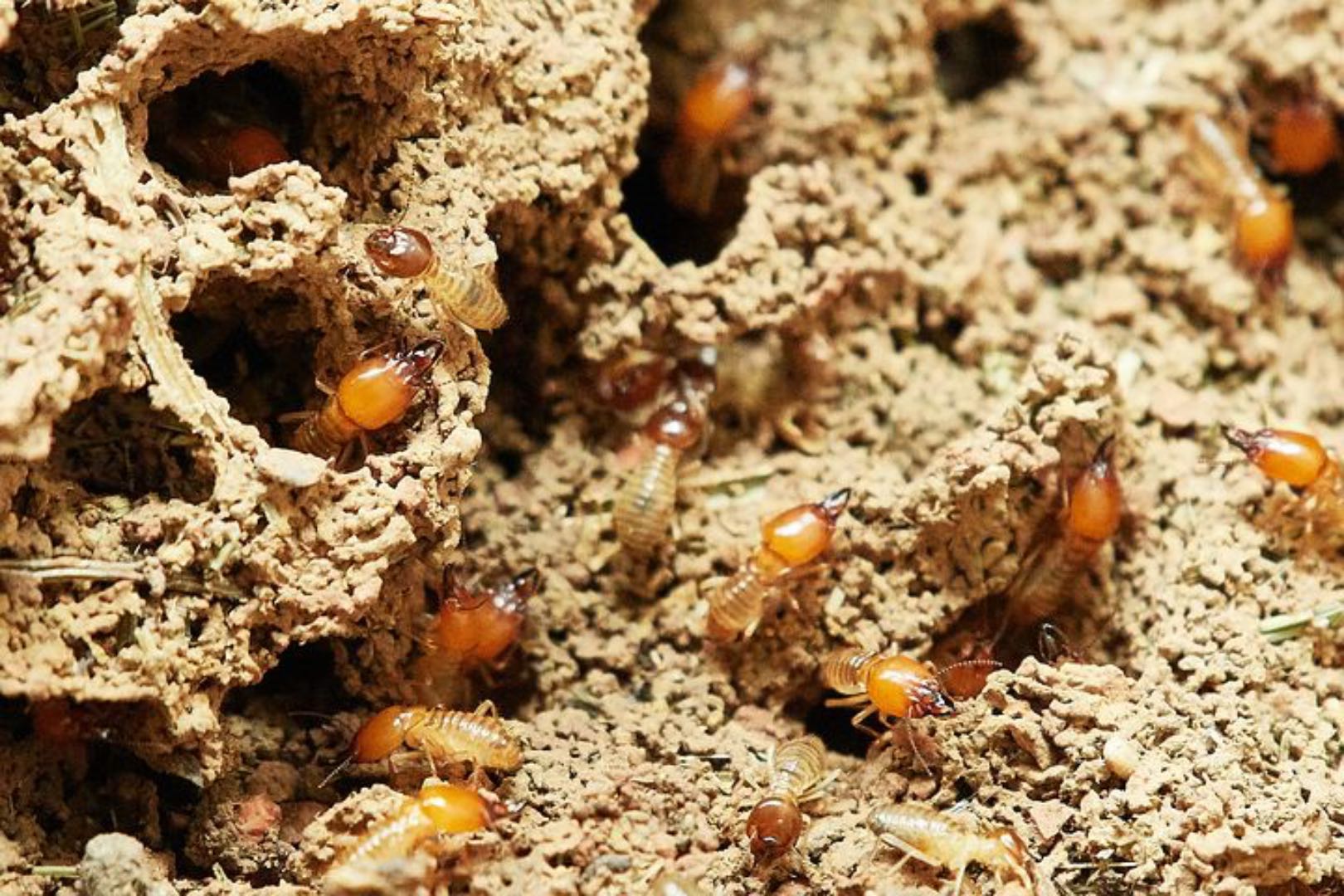
Pests can be a major problem for your home, especially if you don’t know how to properly dispose of them. One of the most destructive invaders is the termite. These pesky little insects can find their way into your home and quickly destroy beams, walls, floors, and furniture.
The problem with these sneaky intruders is that they are hard to detect. If you suspect that you may have a termite problem or want to be sure you are protected against them, the best way to go about it is to consult a pest professional.
With so many different exterminators, it could be difficult finding one who meets your quality standards and doesn’t break the bank. If you are looking to hire a pest control expert to protect your home from termite infestations, here are the top 5 qualities to look for.
1. Termite Knowledge
An exterminator should have a thorough knowledge of his craft; this means knowing all there is to know about pests like termites. There are many different termites: Drywood, Dampwood, Formosan, Subterranean, Conehead, and Desert just to name a few.
Each type has a unique nesting pattern, preferred food source, and life cycle. The key is identifying your infestation properly to provide your home with the best treatment. When it comes to treating your house, knowledge is power.
2. Service and Recommendations
A pest control expert should not only be knowledgeable, but they should be well-known for impeccable service. Cleansing your home is a process and it should be as painless as possible. A good termite exterminator will inspect your home thoroughly before drawing up a treatment plan.
A good exterminator will have clear pricing, be up-front about the cost, and give full explanations of their treatment options. A termite home invasion is stressful enough; a good service will take the guesswork out of the bottom line.
3. Spot and Treat an Infestation
A quality pest control expert will be able to pinpoint possible areas of infestation and any entry spots that your home may have. If you have a possible infestation the right exterminator will give your home a thorough investigation assessing areas like cracks in the cement, walls, floors, attics and even furniture. Before any treatments can be done, your property must have an inspection; termites can be difficult to spot by the untrained eye. There are several signs that may indicate that your home has a termite infestation:
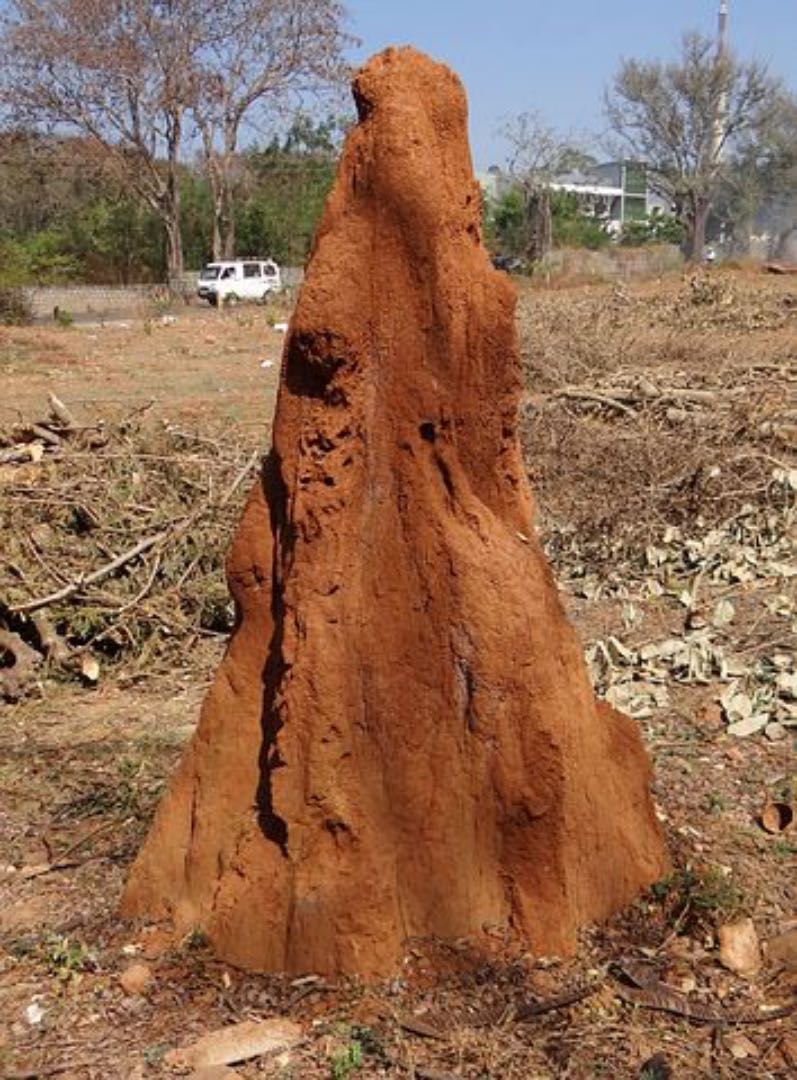
- Mud-like tunnel: Termites use these to keep moisturized when searching for food.
- Termite wings: These are left behind after termites swarm.
- Termite droppings, or frass: Wood-colored fecal matter
- Swarmers or flying termites
It can be very difficult to spot an infestation; wings may be your only visible sign. A qualified exterminator will be able to discover a pest problem and take the next steps in fortifying your home.
4. Know Different Treatment Options
There are multiple ways an exterminator can treat your home. Depending on what you are looking for, it is a good idea to find a pest control specialist who will provide many options.
- Termiticide: If you are looking for a way to kill and deter termites, liquid termiticide is a liquid-barrier treatment for the job. Unfortunately, like any termite treatment, it can become very costly.
- Termite Bait: This tactic tricks the pests into taking ‘bait’ home to the colony and killing it at the source gradually. Used with a combination of other treatments, it could be very effective.
- Heat treatment: This is a chemical-free treatment that can take only a few hours. Though this treatment doesn’t use harsh chemicals, it may damage heat-sensitive items in your home. (note - this is not a procedure completed in the Northeastern area)
- Fumigation: Toxins are released to kill termites. Your family and pets must vacate during this treatment. This is effective, but it takes much longer to vent your home. (note - this is not a procedure completed in the Northeastern area)
When selecting your pest control expert, be sure to choose one with a treatment method in mind.
5. Fortify and Protect Your Home
Unfortunately, no termite treatment is permanent. It is possible for these pests to return after taking the proper treatment steps, but don’t fear!
A quality exterminator will provide you with the tips you need to prevent future invasions and be there to help should one occur. The best way to protect your home is to stop an infestation from happening. You can by taking a few extra steps.
- Keep your yard clean of wood, debris, and yard waste
- Clear away mulch
- Trim your greenery
- Repair any holes, leaky faucets, or cracks
- Keep vents dry
- Cover soil in crawl spaces
- Monitor your home
With these tips and a helpful pest control expert, your home will be safe from any invaders.
Keeping Termites Out!
The best way to deal with a termite invasion is to stop it from happening. Should you run into trouble, having a quality termite exterminator can help ease the stress. There’s no better way to fortify your home. Contact The Pest Rangers today if you need help with your termite extermination.