

Top Tips to Rid Yourself of Unwanted Pest Guests
This holiday season, family and friends should be the only guests you welcome into your home.
If you are having problems with unwanted pest guests, there are several effective DIY methods to rid your home of insects or rodents.

What pests are considered especially bad in your home?
Any insect or rodent can become a pest if they damage your property or pose health hazards. Most of us can tolerate that one rogue pest that finds its way into a home. A swarm or cluster of that pest requires quick action and an effective way to get rid of them.
Some insects or rodents have notoriously destructive tendencies or cause health issues right from the outset. If one of these pests appears in your home, it’s safe to assume they’re not alone. Take steps to remove them before they cause serious damage to your home or health.
- Termites. The National Pest Management Association reports termites cause approximately $5 billion in property damage every year. DIY mitigation efforts are not recommended for termites. You’ll definitely want to call a professional who can identify the type of termite in your home and develop a treatment plan for removal.
- Carpenter ants. Carpenter ants have extremely powerful jaws. Unlike termites, these insects don’t consume the wood; instead, they chew on it and can easily hollow out solid pine or fir lumber to build their nests. This action can make a home structurally unstable.
- Cockroaches. Cockroaches are a persistent species; prevention is the most effective way to keep these insects out of your house. These pests are known to cause asthma in humans and carry a host of other diseases. Additionally, some of the powerful treatment methods can trigger asthma attacks and cause other health issues.
- Pantry pests. Fruit flies and meal moths are among the most common household pests that are typically drawn to kitchens, pantries, and anywhere food is stored.
- Bed bugs. Bed bugs don’t carry disease, although they can and will bite, causing itchy red bumps at the site. A bedbug infestation can spread throughout an entire house quickly and easily. They can cause several thousands of dollars in damage due to eradication treatments and replacing bedding, furniture, clothing, or other household items. There are several DIY methods on the market, such as bug bombs, sprays, or putting clothing and bedding in the clothes dryer so the extreme heat will kill the pests.
- Rats and mice. Rodents are destructive and the damage they cause can be expensive. Both rats and mice are notorious chewers; they can gnaw through electrical wiring, insulation, cardboard boxes (think storage areas like attics and basements), and paneling, which can cause a host of structural problems in a home. Rats and mice also do not have bladders and will leak urine throughout a home, leaving bacteria and possible disease behind. Rodent droppings are also known to trigger allergic reactions in people.
- Squirrels. Squirrels frequently seek shelter in a home’s attic or crawlspace. Aggressive chewers, squirrels chew through siding or soffits and often make nests in the eaves of an attic or other remote areas of a house.

Are any pests good to be in your home?
Some “pests” are beneficial to vegetation and are considered a friend to farmers, gardeners, and landscapers. Others are tolerable because they don’t carry disease. It doesn’t mean you necessarily want them as long-term guests in your home, though.
- Ladybugs. These easily recognizable black-and-red critters are beloved by those in agriculture, as they can eat up to 5,000 insects in a lifetime. Ladybugs love aphids and other harmful insects.
- Spiders. Except for a few species (the black widow and brown recluse among the most famous), spiders are relatively harmless. Homeowners tend to dislike spiders because, for many, spider webs give the impression of a dusty, cluttered, rundown home.
How do you rid yourself of unwanted pests?
Prevention is the best way to keep unwanted pests from invading your kitchen and other areas of your home.
- Don’t leave food sitting out. Store unused or leftover food in tightly-sealed containers.
- To keep meal moths out, store dry goods like pasta, cereal, and pet food in metal or glass containers rather than cardboard boxes or plastic storage bins. To deter fruit flies, keep produce in the refrigerator, not on a counter.
- Apple cider vinegar, peppermint oil, and other essential oils are natural, inexpensive, and effective insect repellents. Be sure to mix the apple cider vinegar with a generous amount of water if you’re using it on your plants. Ideally, spray the mixture in the dirt or area around your plant, not on the plant itself.
Best tips for securing your home
Regular upkeep and cleanouts go a long way toward securing your home against unwanted pest guests. Here are a few quick and easy tips to keep insects and rodents out:
- Secure all doors and windows. Many pests can squeeze through the smallest opening, so be diligent in ensuring windows and doors close properly, repairing ripped or torn screens, and caulking any cracks or crevices along door or window frames.
- Avoid cardboard storage containers. Rats, mice, squirrels, and some insects can gnaw through the most heavy-duty paper easily. Store items in plastic tubs instead.
- Check your home’s foundation. Once again, regularly check your home for any cracks, crevices, or openings that unwanted pests could use to easily enter your home.
- Set traps. If you suspect (or see) an insect or rodent, try a DIY method first. Sticky traps work well for insects like cockroaches; regular mouse traps are an effective solution for rodents.
Simple DIY solutions can often take care of the problem. Contact a pest control professional for more intense remediation if the problem persists or if your home is infested with a particularly aggressive type of insect, like termites.
Spend the holidays enjoying the ones you love, not worrying about pests who are overstaying their welcome.


Surprise! They Are Not Ladybugs But Asian Beetles
It’s not unusual to find the occasional rogue ladybug inside a home in Northeast Pennsylvania. According to some beliefs, a ladybug in the house is good luck, and it’s bad luck to kill it. Next time you see one inside your house, take a closer look.
Don’t be so sure it’s a ladybug. It could be a multicolored Asian lady beetle or Japanese lady beetle. The two insects look similar but are quite different in behavior and temperament.

What is an Asian beetle?
Asian beetles (and ladybugs) belong to the family Coccinellidae. The beetles resemble ladybugs on the surface. The two types of insects have different temperaments.
Ladybugs don’t bite. They do not infest wood, damage property, or carry disease. Ladybugs are a friend to gardeners and farmers because they consume harmful insects like aphids. They don’t damage plants and usually fly solo.
Asian beetles are beneficial insects to farmers and gardeners because they eat potentially destructive insects. For homeowners, Asian beetles are unwelcome pests.
Unlike ladybugs, who fly individually, Asian beetles congregate in large numbers near windows and doors seeking overwintering shelters. Once inside, they can be a nuisance. Fortunately, like ladybugs they do not infest wood, cause property damage, or carry disease.
Some can “bite” by scraping the skin when they land—hard enough to break the skin—and leave behind a foul-smelling yellow discharge that can stain light-colored fabrics. The bite and/or the yellowish discharge can trigger an allergic reaction in some people.
What do Asian beetles eat?
These insects feed on aphids and other soft-bodied insects that destroy agricultural crops and gardens. When their primary food source is exhausted, they will move on to another source, typically fall-ripening fruit like apples, grapes, and fall raspberries. They feed on the food source through cavities—usually a hole previously made by a bird or other insect.
Why do they look like ladybugs?
Both ladybugs and Asian beetles belong to the same family, which explains the physical similarities. Upon closer inspection, however, there are obvious differences.
Asian beetles are larger than ladybugs and range in color from orange to yellow to red (a standard ladybug is typically red). Similar coloring aside, the markings are the biggest difference between the two insects. Asian beetles sometimes have several black spots on their wing covers. Their most noticeable distinguishing feature is the “M”-shaped black marking on the back of the head.

When is the Asian beetle season?
Asian beetles are native to Asia but are found in many other parts of the world, including several areas of the United States like Northeast Pennsylvania. These insects were actually brought to North America to help control the aphid population. As sometimes happens, the beetle population exploded. They are commonly found in gardens, fields, and wooded areas.
They usually lay eggs beginning in early spring. Their infestation season runs from September-November when they look for indoor shelter during the winter.
How do you get rid of them?
Prevention is the most effective way to keep these insects out of your home. They pose no real danger to your property, family, or pets; however, they are generally considered a nuisance because the beetles congregate in such a large mass near doors or windows.
Here are a few ways to keep them out of your home:
- Secure all cracks/openings in and around door and window frames
- Cover windows, doors, and exhaust fans with a fine mesh to keep bugs out
- Choose a dark-colored paint for any exterior painting project, as these bugs are drawn to light-colored surfaces
- If considering a trap, consider a light trap. Place them strategically around your property in relatively dark, enclosed areas with no competing light. Commercial black (ultra-violet) light traps are an effective method of capturing these insects.
- Sticky tapes or boards are another effective method for catching these insects. For best results, place them near potential entry points.
For beetles already in your home, simply using a broom to sweep them up and deposit them into a dustpan is the best way to get rid of them. The vacuum cleaner with a crevice tool is another good option. A word of caution—don’t let the beetles sit in the vacuum bag for too long, as dead beetles emit a foul odor after a few days.
Call a pest control management professional to assist with exceptionally large masses of Asian beetles. Taking the DIY approach to large-scale pest removal—especially if you are considering using pesticides—can be expensive and hazardous to your health. Contact The Pest Rangers Team below and let one of our skilled technicians handle the problem in a safe, responsible manner.

Why Are Insects Attracted to Light in the First Place?
It’s a common phenomenon in Northeast Pennsylvania and other parts of the world—insects like moths are naturally drawn to light. You’ve likely seen this behavior firsthand if you’ve spent any time outdoors at night.
Maybe you’ve wondered why insects are attracted to light. This is known as positive phototaxis in the science community. Cockroaches, for instance, scatter when a light is turned on. This makes them negatively phototactic.
The short answer is—no one is 100 percent sure why this happens; however, scientists have developed a few popular theories.
One theory states bugs are attracted to light because they are looking for food. Therefore, they prey on other insects flying near light bulbs and other sources of light. Another possibility is the presence of light tells insects there are no predators nearby.
A predator would block the light, a clear sign of danger. Some scientists believe insects are drawn to a lightbulb as a heat source. It gets cool at night, and bulbs give off some heat. Bugs may be flying around lights to keep warm. Another more widely-accepted theory has to do with how insects fly.

What is it about light that attracts insects?
One of the most common theories focuses on light as a navigational system. Insects normally see three kinds of light: ultraviolet (UV), blue, and green. UV light signals open space to insects. (The sun and the sky are the only natural UV light sources; flower petals reflect ultraviolet light.
Closer to home, some light bulbs give off a small amount of UV light; bug zappers utilize UV light to draw insects. Insects are unable to tell the difference between natural and artificial light and simply follow the glow. Most insects are drawn to the white incandescent, white fluorescent, or mercury vapor bulbs found in standard streetlights, which is why it’s not unusual to see dozens of these insects circling a streetlight at night.
Insects typically use natural light sources (i.e., moonlight) as a guide while they fly. However, artificial light sources, such as porch lights, trick the insects. Bugs are drawn to the light, thinking it’s the moon.
The bright lights of a porch, streetlamp, or outdoor security light confuse the insects further. Light bulbs are considerably brighter and shine in more directions than standard moonlight. A moth flies in a relatively straight line when flying by moonlight because the moonlight stays at a consistent angle. When drawn to the artificial light, an insect gets confused and disoriented by the light shining at different angles, so it flies in circles.
Another theory developed by an entomologist in the 1970s said male moths were drawn to candlelight because the candle’s flame gives off some of the same frequencies as female moths’ pheromones. (This theory has been disproven).
Why do bugs go-to light at night?
Moths and other nocturnal insects are used to navigating their flight path by moonlight. With the advent of artificial lights, such as electric streetlights, porch and other outdoor lighting on peoples’ homes, there is far more light at night to attract bugs. This abundance of light also means bugs are confused more easily, as well.

Are all bugs attracted to light?
Moths are best known for being drawn to light. However, other insects like flies, crane flies, mayflies, and beetles also fly toward light. Sometimes smaller animals that eat insects, like frogs or spiders, can also be seen near lights looking for food.
Some scientists say the abundance of artificial light, or light pollution, negatively affects some insect species. For example, fireflies have difficulty telling the difference between natural and artificial light.
Certain moths only live for a few weeks and may spend most of that time circling a streetlight rather than reproducing. Other scientists have noticed mayflies are drawn to light from their homes in ponds and other bodies of water. Like moths, the mayflies get distracted by the light and focus on this rather than laying eggs.
For homeowners looking to lessen the impact of insects flying around your outdoor artificial lighting, consider changing the bulbs in your porch or other outside light. Warm color LED bulbs or bulbs meant specifically to reduce insect attraction are a better option. These bulbs can help minimize the number of insects flying around your outdoor space and prolong insects’ lifespans.
You don’t want the insects drawn to your outdoor lighting to become a problem inside your house by way of doors or windows. If nocturnal pests are becoming a problem when you’re trying to enjoy the great outdoors, try a bug zapper. Or contact a pest control professional below for more tips and advice on controlling the insect population in your home or around your property.

Top Five Allergic Reaction Symptoms to Insect Bites
Insect bites and stings are a common occurrence for people living in Northeastern Pennsylvania. For the average person, an insect bite or sting is itchy or painful for a short time, then the discomfort and irritation go away. For someone with allergies, an insect bite or sting can be serious, possibly life-threatening.
Some insects cause a large local reaction, which is swelling that extends beyond the site of the bite or sting. Antihistamines or corticosteroids can help alleviate the discomfort; sometimes medical attention is necessary if the area is unusually large or painful.
Maybe you aren’t sure if you are allergic because fortunately, you’ve managed to avoid an insect bite or sting. Let’s look at five of the most common allergic reaction symptoms to insect bites for a quick reference.

What are the signs of allergic reactions to insects?
The signs of an allergic reaction can vary from person to person and depends on the type of insect bite or sting. The most common signs of allergic reactions include:
- Pain
- Redness or flushing
- Swelling at the site of bite or sting
- Hives
- Itching
Some severe reactions including abdominal cramping, tightness in the chest, or difficulty breathing may require medical attention. Anaphylaxis, a condition in which the person may experience dizziness or a sharp drop in blood pressure or worse, a loss of consciousness or cardiac arrest, is a potentially life-threatening reaction to an insect bite or sting. If this occurs, call 911 to get emergency medical help for the person immediately.
What insects cause allergic reactions?
Stinging insects like honeybees, hornets, wasps, yellow jackets and fire ants commonly cause allergic reactions. Biting insects like mosquitos have also been known to trigger severe allergic reactions such as hives, blisters, vomiting, or difficulty breathing.
Some insects, particularly fire ants, yellow jackets, hornets, and wasps, can sting repeatedly. The sting of a fire ant causes an itchy, localized hive or lump at the sting site for just about everyone. Those who are allergic may experience more severe symptoms.
The allergic reaction is caused by insect venom, which is injected into the person when the insect bites or stings.
What can you do for an allergic reaction?
If you know you are allergic, preventing a reaction is your best defense. When spending time outside, try to avoid contact with insects. Wear long-sleeved tops, long pants, and high socks if you will be outside for extended periods. Keep as much of your body covered as you can to deter insects from biting or stinging you. Use insect repellent on exposed areas for additional protection.
Another option for those with severe allergies is to always carry an epi-pen pre-loaded with a dosage of epinephrine (adrenaline). If you are severely allergic and encounter a potentially dangerous insect, you need to act quickly to neutralize the bite or sting. Epinephrine works effectively on the whole body to treat anaphylaxis and is the most recommended medication to treat allergic reactions. Your allergist prescribes the epi-pen and will work with you to determine how and when to use it in the event of an allergic reaction.
A third option is allergy shots or immunotherapy. For this treatment, the person has a slight amount of the allergen injected into their skin. Shots are given at least once a week for several months, then there is gradually more time between injections (usually two to four weeks). A person receiving immunotherapy will do this for three to five years to sufficiently build up their immunity to the allergen.
Why are some people allergic to insects?
Some people have a temporary reaction to an insect bite or sting, but their pain or discomfort passes in a day or two. The difference between people who have temporary reactions to insect bites or stings and those with insect sting allergies comes down to the differences in their bodies—namely, the immune system.
When your body encounters an insect by way of a bite or sting, the body releases something called histamines at the contact site. The greater the amount of histamines released for say, a mosquito bite, the stronger the response (as in, the site will become itchier). Some people have a stronger reaction to one type of insect more than another. Other people have little to no reaction, and still, others have strong to severe allergic reactions. It really depends on each person’s body chemistry and how they respond to foreign bodies.
You can be tested to determine whether you are allergic to various insect bites or stings. When you receive the test results, you can discuss the most effective next steps to protect yourself against future encounters with insects.
Prepping for Fall? Discover These Top Tips for Keeping Rodents Out.
Shorter days, longer nights, and the unmistakable nip in the air are sure signs that fall is on its way. Most of us prepare our homes and property for the next season. This fall, besides packing away summer wardrobes and raking up piles of falling leaves, take steps to protect your home against rodents.
These pests often seek shelter indoors during the fall and winter months. As you prepare for fall, a few preventative measures for pest management now can save you time and money on pest removal or property damage when the weather gets even colder.
Rodents come into a house to seek warmth and a food source. These creatures can cause home or property damage (they are notorious for chewing through wiring, creating possible fire hazards), spread germs and disease, and cause a secondary infestation of mites, fleas, ticks, and more. If you detect a pest problem, take steps to get rid of them as soon as possible.

What are the top rodents in Northeast Pennsylvania?
Let’s look at some of the most common rodents you’ll find in Northeast Pennsylvania, though hopefully not your home, this fall.
Squirrels
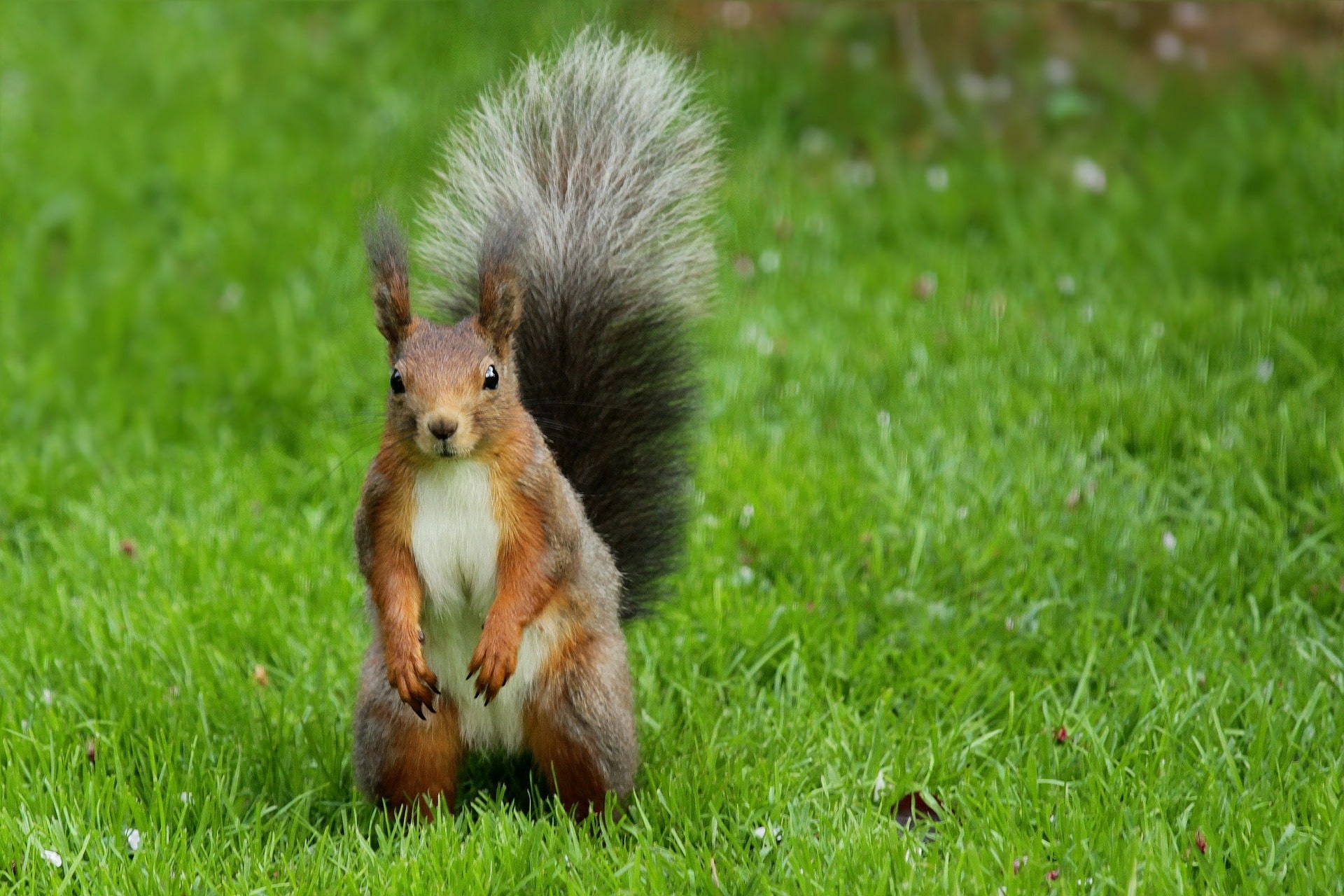
Squirrels are among the most prevalent rodents found in homes during the fall and winter. These critters love to nest in basements, attics, and crawl spaces. They are well-known chewers—namely, wiring and insulation. They can also chew through siding or under eaves to get into a house.
Mice
Mice are small, but the amount of damage they can cause to a house is massive. Like squirrels, mice are notorious chewers. They have been known to chew through wiring, paneling, even pipes—pretty much anything. Worse, the bacteria in their waste is a toxic breeding ground for disease (and unfortunately, they leave droppings everywhere). Mice will also chew on food items in pantries and sometimes cupboards. They will either nibble through the packaging to get to the food itself, or shred products like paper towels and tissues to line their nests.
Rats
Rats and mice have very similar behavior in that both have incredibly destructive chewing habits. Rats’ teeth are continually growing, so they are constantly chewing to offset the growth. Rats are shameless food thefts, as well—they will quickly chew through cardboard or plastic bags to get to the food. Like mice, rat droppings are extremely toxic and have been linked to diseases like hantavirus, hemorrhagic fever, lassa fever, and lymphocytic choriomeningitis virus, among others.
Groundhog
Groundhogs are large rodents more likely to damage your property than your home. They primarily eat plants and will chew up your flower or vegetable garden before your home’s siding or paneling. That’s the good news. The bad news is they can easily consume your whole garden, essentially ruining all your work to beautify your property. In addition, groundhogs are burrowing animals and can create unsightly holes, which are also potential trip or fall hazards. Unfortunately, they can also chew on underground cables, creating potential power outages or other problems inside the home.
How do rodents get in?
Don’t let their size be deceiving—rodents can get into a home through the tiniest of openings. For example, mice can fit through an opening that’s only ½ inch wide. Common entry points include:
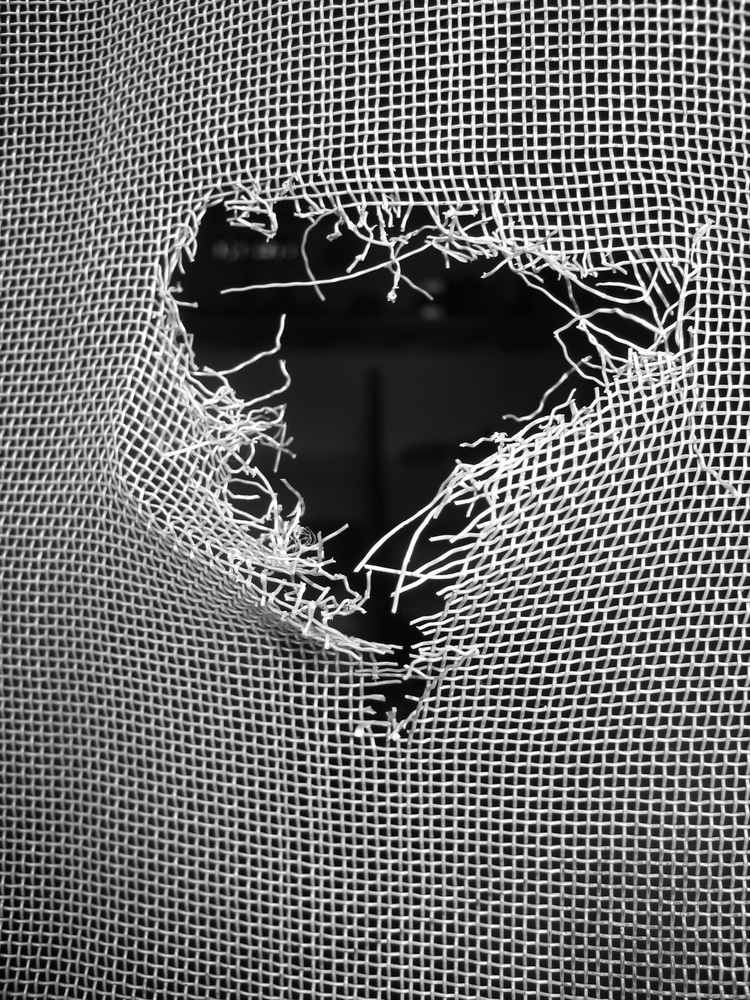
- Ripped or torn screens: A small rip or tear will not only give rodents easy access to your home but insects, as well. To protect your home from pests of all kinds, replace the entire screen as soon as you can.
- Cracks or crevices: It’s essential to do routine checks of your home and property so you notice anything out of the ordinary and can do a quick fix. Small things like sealing any cracks indoors or your house’s foundation can go a long way toward preventing pests from getting in.
- Corner openings and J-channels: Corner posts are used to finish off the ends of siding at the corner of your house; J-channels is a kind of trim at the ends of windows and doors to hide the ends of vinyl siding. The space where the trim meets the siding is small, yet a mouse can still squeeze through. Steel pads or copper mesh can seal off the openings; use silicone caulk for an extra layer of coverage.
- Behind steps: Porch or basement steps are prime portals for rodents, so check them regularly.
How can I protect my home from pests?
Residents of Northeast Pennsylvania need to be vigilant when securing your home against pests like rodents.
- Look for potential entry points: Small holes, clearly chewed or frayed wires, or droppings are clear indicators of an unwanted visitor. Seal any openings you may find.
- Seal any cracks and crevices: Cement, caulking, and copper mesh are just a few of the most effective ways to seal foundational cracks or crevices or openings in door or window frames.
- Clean up vegetation: Leaf piles, weeds or grass clippings, and other vegetation are known to draw rodents like mice, rats, and groundhogs. So be sure to clean up after doing any yard work this fall.
If your measures to secure your home against pests this fall aren’t working, contact one of our trusted pest experts below.

Is 2021 the Year of the Spider? Why Are So Many Outside My House?
Spiders aren’t just for Halloween. If you live in Northeastern Pennsylvania, you know these 8-legged critters are part of the landscape all year round. Spiders aren’t just found in creepy old houses—they can be found in all types of homes.
Spiders are helpful for controlling the insect population, so they are important. What happens when the insects are under control, but you now have a spider infestation in your home or backyard? Should you worry?
Here, we’ll look at the various species of spiders found in Northeastern Pennsylvania, how they come into homes, and how to get rid of them before they become real pests.

Types of spiders found in Northeastern Pennsylvania
There are over 3,000 species of spiders in the United States; 37 are found in Pennsylvania alone. Most spiders are venomous, but their fangs are too small to bite humans.
The most common species found in Northeast Pennsylvania include:
- Daddy Long Legs
- Wolf spider
- Jumping spider
- Grass spider
- Yellow Garden Spider
The black widow and brown recluse spiders are two of the most dangerous, although you are unlikely to encounter either. (Although if you do, seek medical attention immediately).
Black widow spiders prefer cool, dark places in the outdoors, like under rocks. The brown recluse is native to Pennsylvania but rarely found here except in science labs. This species is mostly found in the southern United States.
Why do I have so many spiders this year?
If you think you’re seeing more spiders than usual this year, you’re right. There has been a spike in the spider population which we can attribute directly to environmental factors. The summer of 2021 was hotter and drier than other years, which led to a spike in spider reproduction.
2021 has also been a record-breaking year for natural disasters like wildfires, hurricanes, and drought. These weather events destroyed vegetation, driving creatures of all kinds (including spiders) from their homes and forcing them to find shelter in other areas.
What attracts spiders to the outside of my house?
Backyards are the main draw for spiders, with insects their primary food source. They follow their food supply into the grass, flowers, and plants of the average backyard, and sometimes they stick around.
Keeping your lawn and garden trimmed and discarding the clippings should minimize the number of spiders in your backyard.
Spiders can find their way into a house easily. They can come in through the smallest crack in a wall or door, a window opened a fraction of an inch, or they can land on a windowsill if the screen is torn or missing.
If you have spiders in your home, they are likely living in a dark, cool area like the attic or basement. Webs are easy to remove. The best method is to use a standard vacuum cleaner (and it’s a great reason to use all those attachments). Or simply knock them down, then sweep them away with a broom.
Most homeowners are concerned with the aesthetic impact of spiders and spider webs. The webs can make a house look shabby or uncared for.
Many homeowners are also concerned about spiders breeding in the beams or woodwork of their attics or basements. And with so many people terrified of spiders, it’s understandable that most would rather not have them as permanent house guests.

What kind of damage can spiders cause?
Fortunately, spiders will not cause any structural damage to your house, nor are they a health risk.
What can I do to get rid of the spiders?
Take a close look at your house’s exterior and try to identify potential entry points for the spiders. Repair or replace your window screens. Seal any cracks along walls; caulk drafty spots along your windows. These small fixes will not only deter spiders from entering your house, they’ll make it more energy efficient!
Products like spider traps and sprays are effective methods for exterminating spiders inside your house. These products should never be used in areas where food is stored or prepared and should always be kept out of children’s reach.
There are also several natural DIY remedies for getting rid of spiders:
- Peppermint is one of the most effective ways of repelling spiders. Simply pour a few drops of peppermint oil into a spray bottle. Mix it with standard dishwashing liquid and some water, and spray the areas of your home where you see the spiders.
- Another way to kill spiders: Mix equal parts white vinegar and water in a spray bottle. Spray directly on any you see.
If the problem persists, or if you’d rather not get rid of the spiders yourself, contact our pest control experts below.

How Do I Protect My Deck from Insects That Eat Wood?
A wooden deck or porch is a wonderful place to relax, gather with friends and family, and just enjoy the outdoors. Unfortunately, it can also serve as the perfect meal or home for many different insects.
Whether they are looking for lunch or to lay their eggs, there are many wood-seeking insects in Northeastern Pennsylvania. To help protect your deck, your outdoor furniture, and your home, we’re going to take a look at each insect and how you can stop them for good.

What insects eat wood in Northeastern PA?
There are quite a few insects that are known to eat wood, but it’s not just bugs with an empty belly you have to watch for. Plenty of insects need wood to build their nests, and while they don’t technically consume the wood, they do burrow in and cause serious damage. If you suspect something may be taking a bite out of your deck or wooden fixtures, here are a few insects to look out for.
- Termites: Of all the wood-eating/burrowing insects, this is the most dangerous. While they may not pose a physical threat, these colonizing pests can cause millions of dollars in damages. Unfortunately, they are also difficult to spot until a bulk of the damage has been done. These insects do eat wood, and the quicker you stop them, the better.
- Carpenter Ants: Often confused with termites, carpenter ants can also cause some serious structural damage. Unlike termites, these insects don’t eat wood. However, they do build their intricate nests in it.
- Powderpost Beetles: These long, little beetles can be hard to spot, at anywhere between ⅛ and ¾ inches long. They also prefer to lay their eggs in living wood. The larvae will then hatch and feed off the wood. They don’t discriminate between soft or hardwood, but it does depend on the species.
- Wood-boring Beetles: These little beetles can be found chewing tunnels through wood, in both living trees and building material. An invasive species, these beetles are most dangerous in their larvae form, which is the part in the cycle that bores and eats wood.
- Carpenter Bees: Carpenter bees don’t actually consume wood; however, they do like to build nests and lay eggs. Solitary insects, these bees seek out dead trees and wood and build tunnels.
- Horntail Wasps: Like wood-boring beetles, horntail wasp larvae feeds on wood. They will lay their eggs into the cracks of living trees. Unfortunately, if a tree is processed, horntail wasps can live within the lumber.
How can I prevent them from eating the wood?
Your tactics for keeping wood-boring and eating insects away can vary based on the species. Most species don’t like dry wood; so, it’s best to keep your decks and outdoor areas dry. Eliminate all moisture possibilities by sanding away possible holes and treating surfaces. If you keep plants or have furniture that can gather water, make sure you cover or remove it during inclement weather. Sand, varnish, and treat any wooden surfaces regularly. Keep cracks and holes to a minimum.
If you store or keep firewood, make sure you keep it dry and far from the house. If you have long branches dangling over your deck or house, have them pruned back. Also, remove any dead or dying trees from your yard as they can attract any number of these insects.
Finally, schedule regular inspections to make sure your home is in tip-top shape. When it comes to certain infestations, it can be hard to spot and treat them. Termites can be notoriously difficult to trace without a pest control expert. It’s imperative to schedule yearly inspections and employ preventive actions to keep your home protected.

How can I spot an infestation?
This, again, varies depending on the type of insect you have. Most boring insects will leave a sawdust pile behind. You can also see the evidence in the wood for insects like the carpenter bee, as there will be several holes hollowed out. Infested wood will likely crack and start to squeak or crumble. Also, if knocked on, the wood will make a hollow sound. Pay attention to any small holes or new damage to your deck.
For termites, you may start to see a maze-like pattern in the beams or wooden furniture. You also might see piles of discarded wings near swarming seasons. Also, check for mud tubes, especially at the base of your deck.
Wood eating and boring insects can not only have a devastating effect on your deck but also on your home. To keep your property protected, it’s best to remain vigilant and perform frequent maintenance on your deck.
Taking a few extra steps to finish and treat your deck can protect you from all manner of infestation. Of course, to keep things safe, you can always schedule yearly inspections with a trusted pest control expert. With proper treatment, your deck can be safe and bug-free all season long.

Fireflies Light Up the Night - But What Makes Them Glow?
Summer is the perfect time to head out and enjoy the outdoors in Northeastern Pennsylvania. There’s nothing more memorable than those warm evenings, relaxing in the backyard until the fireflies start to glow.
If any creature represents summer, the firefly is definitely in the running. But what are these little bugs and how exactly do they light up the night sky? As the sun begins on a cozy evening, let’s see what really makes the glow.

What are fireflies?
Fireflies, or lightning bugs, are not actually flies at all. In fact, they are soft-winged beetles and part of the Lampyridae classification. These illuminating insects can be up to 1-inch in length and can be identified by their black wings and red detailing.
Shockingly, some firefly species are diurnal, so they do not glow. Fireflies are omnivores, so they do eat both plants and other creatures. Some species consume nectar, while others eat nothing at all. Though they can be toxic if eaten, these flying beetles are harmless to humans, and typically live for about two months. You can easily spot these beetles flying through the night in the backyard, a field, or other areas with plenty of greenery.
What makes fireflies glow?
Of course, the stand-out condition of the firefly is their glow. These beetles are capable of bioluminescence, a chemical reaction that occurs within their abdomen that creates that unmistakable glow. Through this reaction, they will emit a yellow-green light which they can control through their nervous system.
Believe it or not, the firefly produces one of the most efficient forms of light. Using a combination of a chemical called luciferin mixed with luciferases enzymes and oxygen, they can produce light 100% of the time. While the most common light is yellow-green, these flying beetles can create yellow, orange, and green glows, depending on the species.
Like their color variety, not all “glows” are the same. Fireflies use unique flash patterns, while others will synchronize their sparkle. With over 2,000 different species of firefly, there are plenty of distinct patterns to see.
Why do they only glow at night?
The whole goal of “the glow” is to catch the eye of a prospective mate. Night is the perfect time to flash those mating signals. During the evening, males will take to the sky in search of a mate. Using specific glowing patterns based on their species, the males will signal to the females. These signals can vary from single flashes, multiple blinks, or they can take very specific patterns. These crazy, night-time light shows are just one big mating dance.
As males fly, the females wait on the ground, watching for potential mates. Once they find what they are searching for, the females with return the flash signal back to the male if they want to mate.
It should be noted that not all fireflies produce at night. These beetles fly by day and use pheromones rather than flashes.
Do they only come out in summer?
Like most insects, fireflies tend to prefer warmth over cool or cold weather. In fact, they’d prefer to avoid the cold altogether. Warm, humid weather is the most ideal climate for fireflies to thrive. Milder winter and wet springs are indications of an abundance of fireflies in the summer.
As cold-blooded insects, they depend on the heat. Unfortunately, a cooler summer could be bad news for fireflies.

That Glow is also a warning sign
While that glow is mainly used for mating, it takes on a secondary purpose. The bioluminescence works as a defense to ward off predators. Like other brightly colored creatures and insects, fireflies have a bitter taste when eaten. The beetles create chemicals called lucibufagins, which are toxins that can be deadly with a high enough dose.
While it may take a few lightning bug snacks before that toxicity level is fatal, they do taste awful, and those toxins come with a distinct smell. These defenses come mainly from the chemicals in their diet, and not all fireflies can create the chemical needed for these defenses. But that doesn’t mean they don’t have a work-around.
Females that cannot create the chemicals necessary can be little tricksters. After they’ve found their mate, they will remain in the grasses watching other insects. They will mimic the flash patterns of other females, lure males in close and eat them. After eating the unsuspecting mates, they take in the chemicals needed to protect themselves and their eggs. In addition, they will also bleed if a predator grabs them, leaving their would-be killer a nasty taste in their mouths.
Fireflies are fascinating insects, and it is truly a joy to watch them sparkle in the night. Their unique flash patterns and ability to create light is a wonder that, sadly, we are slowly losing. Due to increased light pollution, loss of habitat, and unpredictable weather, the firefly population is in a decline.
Without a clear, darkfield or yard, it can be difficult for fireflies to find their mates. These glowing beetles don’t have the luxury of migrating to a new habitat; once they lose their space, the insects simply die off. If you want to keep these illuminating wonders and help them thrive, turn off the lights and enjoy the nighttime glow. Keep the summer tradition alive and well for years to come.

Save the Bats: Why Are Bats in Pennsylvania Protected?
Since 2006, over six million bats have been killed due to the vicious white-nose syndrome, which has ravaged over 38 states, including Pennsylvania.
In the northeast, the damage of this fungal disease has been the most pronounced, eliminating nearly 80% of bats across the region.
State officials in Pennsylvania have attempted to respond to this disturbing trend by making bats a protected species and offering numerous sanctuaries throughout the state to help bat populations recover.
The nearest sanctuary can be found at the Hawk Mountain Sanctuary in the Lehigh Valley, where visitors can come to see live bats and learn more about white-nose syndrome.
For this reason, many regulations surround how homeowners can handle bats that find their way into their homes.
This guide will help you learn more about bats’ protected status and how to properly get rid of bats without violating the law.
Facts About Bats in Pennsylvania
Bats are the only known mammals that are capable of flight. Nine bat species in Pennsylvania range in size from as small as 1 ⅛ inches to as large as 5 feet.
While six of these species hibernate through the winter, three of them move south to warmer weather where they mate in the late summer or early fall, producing small broods.
Despite the saying, “blind as a bat,” bats can see very well, especially in total darkness. In fact, they can catch prey quite easily and are known to consume over a million insects per bat in a year. For this reason, you shouldn’t fret if you see a bat as they can be quite handy pest control professionals.
Nevertheless, you don’t want a bat living in your home as they can cause untold damage to your attic and property and spread disease via their droppings.
Why Are Bats Protected in Pennsylvania?
Due to the rapid spread of white-nose syndrome, a fungal disease that has killed millions of bats since 2006, several species of bats are considered endangered under the Endangered Species Act (ESA).
Additionally, due to pesticide usage, deforestation, and habitat loss, the overall bat population is on a steady decline. Since they don’t produce more than 1-4 a year, they are struggling to keep the numbers up.
Not all bats are protected by the ESA, but if you encounter any bats, you should proceed with caution. They have been covered under the Endangered Species Act of 1973 and the Fish and Wildlife Coordination Act of 1956. These laws not only protect the six different bat species, but also their habitats.
Which Bats Are Protected by the Endangered Species Act?
Several bat species are considered endangered under the ESA, including:
- The Northern Long-Eared Bat
- The Indiana Bat
- The Grey Bat
- The Florida Bonneted Bat
- The Virginia Big-Eared Bat
- The Ozark Big-Eared Bat
While these bats are not as common in our commonwealth, it’s still best practice to call a professional to handle bat exclusion, as you don’t want to risk upsetting local bat populations.
If you violate the conditions of the ESA or state law, you could be subject to a fine of $50,000 or spend up to six months in prison.
What Are the Punishments for Harming a Bat?
It is illegal to intentionally kill, capture, or hurt any bats protected by state law. You can also be charged if you damage, disturb, or destroy a roost. Punishments can range from fines as high as tens of thousands of dollars to up to six months in prison.
Additionally, it is illegal to sell bats, either dead or alive.
Why Are Bats Important for the Environment?
As we mentioned earlier, a single bat can eat over a million insects in a year. This means that bats can benefit local environments, saving trees from destruction and even your property from infestation.
Additionally, bats are known pollinators. They are the only species that can pollinate the agave plant, and they also do their part by dispersing seeds. When it comes down to it, bats easily save us billions when it comes to regulating insect control and pollinating plants.
What Do I Do if I Find Bats on My Property?
Bats are not really looking to harm anyone; they are just looking for a safe place to raise their young. However, it can be dangerous to have them roosting in your home.
Bat waste carries potential health risks, and while the risk is low, it is possible that they can carry rabies. Also, bats tend to return to roosts, so if they were a problem once, they will likely be in the future. So, what can you do?
Consider hiring professional bat exclusion services. They will be able to remove them from your home safely, so both you and the bats can go on with your lives.
Since they mate in the late summer and early fall, it’s better to remove them safely before mating season. Also, pest control experts can help seal up entryways and block access points before they arrive.
Once the bats are removed and barred from entering, do a deep clean of the area to discourage any stragglers or new visitors. Also, it would be a good idea to provide a newer, better place to live away from your home.
If bats frequent your property, consider providing bat homes. You can set them up safely and out of harm’s way.
Bats are a crucial part of our ecosystem and way of life, so it’s imperative that we protect them. If you are experiencing a bat infestation, don’t wait. Contact a pest control expert for bat pest control to remove them safely and humanely today.
FAQs
Can I remove bats from my home if they’re protected?
Yes, but it must be done legally and humanely. Most states require using exclusion methods outside of maternity season and often recommend or mandate hiring licensed wildlife professionals.
Why are bats important to the environment?
Bats control pests by eating thousands of insects each night, help pollinate plants, and disperse seeds, especially in tropical ecosystems.
When is bat removal not allowed?
Bat removal is typically restricted during the maternity season (usually late spring to early summer) when flightless pups are present. Removing bats during this time could orphan young bats and cause population harm.

There’s a Snake in my Yard! 7 Ways to Get Rid of Them
From tiny beetles to groundhogs, we share our outdoor space with plenty of creatures, many of who would rather keep their distance from humans. While we may enjoy our backyards, it’s important to remember that other animals can be nearby without us even knowing.
There are many ways for us to create a pest-free yard we’d love to spend time in. While we love our rock walls, woodpiles, and storage units, we may be unintentionally inviting some slithering reptiles. Snakes are plentiful in Northeastern Pennsylvania, and most would rather leave us alone. Still, you may find quite a few in your yard. So, what can you do to get rid of them?

Why are Snakes Near my Home?
While snakes can give some people the heebie-jeebies, these reptiles aren’t all that bad. In fact, these creatures are great for the ecosystem, especially when it comes to pest control. They tend to prey on rodents, like mice and rats, and they try to keep to themselves. While they do a rather good job at keeping those unwanted pests in check, you don’t necessarily want one in your yard.
Though snakes aren’t a fan of being near people, they do enjoy warm, damp places. They hibernate during the winter months, and they tend to seek out a toasty place to curl up. You can often find them in basements, garages, woodpiles, sheds, and even hiding away in rock walls if there’s enough space.
Snakes can slither inside through small cracks or pipes, and they stick around areas that supply a hefty food source. While they can take care of plenty of creatures, you don’t want them to nest near your home. If you want to keep snakes out of your yard and away from your house, here are seven tips to keep your property snake-free.
1. Remove any Food Source.
One main factor in any pest control situation is food supply. If a creature has an ample supply of food and water, they are not going to want to give that up. Try to eliminate any possible food sources that snakes would be attracted to. They tend to feast on rodents, eggs, nightcrawlers, amphibians, insects, and fish.
If you have a pest problem, live near the woods, or have a pond or creek in your yard, be sure these areas are well-kept to discourage any manner of creatures from venturing into your backyard.
2. Block Any Openings
If you want to keep snakes out of any structure in your yard, be sure to perform regular maintenance on them. Wear, tear, and the passage of time is not kind on sheds, garages, or any other outdoor structure. Cover any open pipes with netting, seal any cracks, be sure to close any openings under doors.
By sealing off entry points, you can encourage snakes to look elsewhere. However, this isn’t limited to outdoor buildings. Snakes can easily find a home in a hole in the ground or in a rock wall. Fill up any empty spaces and keep things covered.
3. Trim Your Lawn
Snakes are usually on the lookout for a warm, moist place where they can take shelter. That doesn’t always mean they need a structure. Bushes and high grass work just fine as well. Snakes don’t like to be exposed, so the denser the area, the more likely it will have a snake. If you want to avoid any slithery entanglements, keep things trim.
Regularly cut your grass, trim hedges, and weed. Don’t let areas get overgrown.

4. Rough Things Up
Ever had a tag scratching the back of your neck all day? It’s an irritation many people can’t ignore. Now, take that up a notch and imagine sliding on your stomach everywhere. Snakes don’t necessarily have sensitive skin, but that doesn’t mean they don’t like hard surfaces.
Mulch, gravel, and stones are perfect deterrents if you're looking to put a barrier up around your yard. Any course surface can work; it won’t harm the snake, but they’ll think twice about returning anywhere that causes discomfort.
5. Keep Your Yard Clear
As we’ve established, snakes don’t need much when it comes to a home. They want to be warm and hidden away, and there are plenty of areas in your yard that can service them. Lawn equipment, playground equipment, birdbaths, over-filled gutters, snakes can make use of any space that suits their needs. Be sure to keep up maintenance on your yard and don’t let anything sit for too long.
When it comes to wood piles, make sure you store them away from the house and keep rotating the pile. The more well-kept your yard, the lower the chances you’ll run into a snake.
6. Eliminate Excess Moisture
Snakes are constantly on the lookout for a water source. All it takes to bring these slithering serpents to your yard is a cool, damp environment. Of course, if you have a lot of moisture, snakes may be the least of your worries, as it tends to draw quite a few pests. Regardless, it’s a good idea to make sure you take care of any areas that gather excess water.
7. Consider Exclusion
Let’s be frank, when it comes to finding a snake on your property, no one is happy with the situation. You don’t want the snake there, and the snake is fairly sure it doesn’t want to be there, especially if you’re around. Rather than harm the snake or coercing the snake unintentionally into harming you, consider calling a pest control expert.
Snakes are not a common pest, and will likely stay away from you; however, unless you're a snake expert, you might not know what type of snake is hanging around. The best-case scenario is to not handle it yourself. Consult the experts and you (and the snake) will be happier for it.
Staying Snake Free
While they may seem scary, snakes are a crucial part of our ecosystem. Though it may not seem like it, these creatures are definitely more afraid of you than you are of them. The best way to avoid a slithering entanglement in your backyard is to follow these helpful tips. If you encounter a snake near or in your home, consult a pest control expert. As always, stay safe.

Silverfish: What Are They and How to Get Rid of Them
If you’ve ever had to go down into your basement or run to the bathroom late at night, you may have had an encounter with some rather unsavory creatures.
One of the more frightening unexpected house guests commonly found in Northeastern Pennsylvania is the silverfish. These old-world insects can give unsuspecting humans a shock, but they are not dangerous as they look - at least not to people.
So, what exactly are silverfish, and how can you keep them out of your home?

What are silverfish?
Named for their metallic appearance, silverfish look like they came out of the Jurassic period. These shiny gray insects have been around for millions of years and are known for their fish-like shape and movements.
They can be anywhere from ½ inch to 1-inch long, including their stringy antenna and bristly tails. While they are usually silver, these insects can also be brown, and they frequently shed their skin.
Silverfish are typically more active at night and tend to stay hidden. Their favorite places are humid, moist areas in the home, including basements, attics, and bathrooms. Once they have made their way inside, they can hide out anywhere, including light fixtures, ceilings, and soffits.
Are silverfish harmful?
While these insects may look frightful, they aren’t dangerous. Silverfish don’t bite, and they aren’t classified as poisonous. Also, if you find a few in your home, you don’t have to worry about contracting a deadly virus. They aren’t known to carry any deadly diseases, though their shedding skin can trigger allergic reactions.
Silverfish molt their skin and often leave feces, tiny, black pepper pellets, in their wake. While not harmful on a grand scale, these irritants can cause allergies to flare up.
So, what’s the problem with silverfish?
While they may not be harmful to us, silverfish can damage plenty of other things that you might miss. Quite the nuisance, these insects will eat just about anything, particularly cereal, books, wallpaper, clothes, and even insulation or human hair.
They aren’t exactly picky when it comes to nourishment. Silverfish consume sugar and carbs, so they eat a wide array of foods.
Depending on what they “sink their teeth into,” silverfish can destroy some things you love around your home. Additionally, they tend to leave yellow stains, scales, and feces on any materials they touch. You might find feeding marks, holes, or other signs that silverfish have inhabited your home. Now, the question is, how do you get them out?
How do I get rid of them?
The best way to keep silverfish out of your home is to prevent them from getting inside in the first place. Of course, that’s easier said than done. Since silverfish like to stay hidden away in the dark, damp parts of your home, you may not even know they are there.
They are flat and fast, so it can be difficult to know if you have an infestation. Keep an eye out for warning signs, like yellow markings, scales, or feeding marks in your belongings.
To discourage any unwanted house guests, you want to make your home inhabitable for them. Keep any possible food in closed, air-tight containers. This doesn’t just mean pet food, cereal, or other carbs in your kitchen. If you are storing books, clothing, or in an attic or basement, it’s best to keep them in sealed containers as well. If you can avoid it, don’t store any items that may be a silverfish delicacy in the basement, attic, or garage.
To stop them from getting inside, be sure to perform regular maintenance on your home’s exterior. Check for and seal any open areas, cracks, or holes any pest may slip through. Silverfish are small and do not need much space to sneak inside.
Even the smallest crack should be sealed. Use caulking and paint to seal any open areas, and screens for any spots that cannot be closed off. Additionally, be sure to clean gutters frequently and ensure water is draining properly to avoid moisture build-up.
Inside, if you have an unfinished basement, you can line dirt floors with plastic sheeting to keep dampness at bay. You can also use a dehumidifier to remove excess moisture, especially during the warmer seasons. It’s also a good idea to vacuum other areas of your home frequently to pick up any possible “snacks” left behind. If there’s no food, water, or privacy, the silverfish will look elsewhere for a home.
If all else fails or you have a sizeable infestation, you can refer to a pest control expert to help you get rid of silverfish for good.
Though silverfish may look frightening, they are nothing to be afraid of — that is, unless you don’t want them ruining your possessions or aggravating your allergies. Just be sure to take the proper steps to protect your home and discourage any unwanted visitors.
Keep an eye out for any warning signs that might raise some red flags and make repairs where necessary. As always, if you suspect you have an infestation, reach out to a pest control expert to help you fortify your home and put a stop to those slippery silverfish.

How Do You Encourage Beneficial Insects into Your Garden?
Gardening can be a rewarding hobby. Whether you want to grow your own produce or plant a few petunias, plants can enrich your property. However, they can also invite a few pests to your home in Northeast, Pennsylvania. It can be difficult to keep those plants alive and well if they are being nibbled on by aphids. Don’t worry; while plenty of garden-killing insects exist, there are other beneficial insects that can help you keep your plants green and growing.
Why would I want to bring all the bugs to the yard?
Put quite simply, not all bugs are out to destroy your garden. In fact, inviting beneficial insects to your yard can help your plants thrive and encourage better growth year after year. Bees can pollinate your flowers, beetles can help enrich the soil, and ladybugs can make adept pest-killers.
Having a mix of good bugs can ensure your garden’s survival, but you have to entice them to come around first. Here are seven ways you can help bring good bugs to your garden and keep them there.
1. Know your bugs.
Before you lay out the welcome mat, it’s good to be mindful of which buys you are inviting to your garden. Certain insects have short lifespans and will perish fast, and not all bugs thrive at the same time of year or on the same food.
Keep track of the pests and what they are doing. Also, what does your garden need that bugs may be able to fix? Do you need pest control, soil enrichment, or pollination? Once you figure out what you need, you can start inviting the right bugs.
2. Keep things wet.
Much like your plants, bugs need a wet environment to thrive. While you don’t want to overwater the area, you want to provide a comfortable middle ground. Most insects aren’t a fan of dust, and if the soil and dry and dead, it’s not an incentive to come to your garden.
Plus, it’s probably not helping your flowers or plants either. Don’t let your soil dry out, but don’t try to overwater. This could flood out your plants and bring the wrong bugs to your yard, like gnats or mosquitoes. Try and keep a happy medium.

3. Mix it up with mulch.
An easy way to boost the life of your garden is by adding mulch. It can act as a deterrent to bad bugs and attract the ones you want. Mulching can encourage predators, like spiders, to come and they can take care of any unwanted insects in your flower beds. And it will give any ground-dwelling insects the extra cover they’re looking for.
Additionally, mulch will help trap moisture keeping the soil from drying out.
4. Don’t get rid of the weeds.
Bare ground is bad in general, for your yard and bugs. Dry landscapes can be hard to cultivate, and it can be like open season for certain insects. So, that may mean letting a few weeds have their glory. Weeds, believe it or not, can lure good insects to your yard. The more diverse the growth in your garden, the better. Speaking of growth...
5. Variety is the spice of life.
Growing certain plants can attract good bugs. Mint, daisies, and marigolds are great options, but the best way to approach plant growth is with variety. Plant multiple types to ensure you have a diversity to attract pollinating insects like butterflies and other good bugs.
Don’t just stick with flowers, either. Bushes, trees, and grasses are great too! Try to mix in some native plants to really encourage plenty of good bugs.
6. Careful with the pesticides
Pesticides aren’t the best choice if you want to encourage good bugs. Pesticides aren’t selective in which insects they kill; they usually do a clean sweep. If you need to treat outbreaks or heavy infestations, be mindful of which chemicals you choose. The last thing you want to do is kill any beneficial bugs.
If you can avoid using them, it can save against any long-term damage they may cause.

7. Home, Sweet Home
The best way to bring good bugs to your yard is by giving them a place to live. Whether you want to supply mulch, bee homes, or even insect houses, it’s a sure way to make sure they are near your garden for the long haul. Additionally, these bug houses can provide homes for overwintering pests and keep them out of your home.
A bug home is a good way to build a long-term relationship with your new gardening partners.
A garden is only as good as its protectors. If you want your flowers or plants to bloom, you’re going to need a little help from nature. Why not take advantage of creatures and reach a mutual benefit? Of course, if you have too many unwanted insects you may want to consult a pest control expert. Until then, nature’s pest control can be just what you’re looking for.