

Bed Bugs vs. Lice: What You Need To Know
Bed bugs and lice are arguably two of the most disturbing and fright-inducing infestations.
You’ve likely heard the horror stories of bed bug-infested hotel rooms or elementary classrooms riddled with an outbreak of lice; perhaps you’ve even dealt with these pests up close and personal. In either case, you don’t need to don’t live in fear. These common pests aren’t known to spread disease and can be removed with a single treatment or some preventative pest control.
Let’s cover the essential facts about lice and bed bugs, including their identifiers, key differences, reasons for infestations, and how to effectively rid yourself of them.
So What Exactly Are Bed Bugs?
Bed bugs are small, brown, and wingless insects that feed off people's blood. Fortunately, they do not spread disease, but they can easily hop around from one host to another.
Bed bugs are part of the Cimex genus. Only two species infect humans, including theCimex lectularius (common bed bug) and Cimex hemipterus (bed bugs found in tropical/subtropical environments).
You can easily identify these insects by their small, ¼” length, oval shape, flat body, and dark brown/black color, often compared aesthetically to an apple seed. They receive their colloquial name from their favorite hiding place and feeding ground: the bed. Like other insects, bed bugs only settle near their necessary resources, such as nutrients and shelter. As nocturnal bloodsuckers, what better location to feed than your mattress or box spring?
How Did I Get Them?
One of the most common misconceptions is that bed bugs equate to poor hygiene; however, this is far from the truth. Bed bugs won’t magically appear in a dirty bedroom or unwashed bedding. Rather, they’ll stow away in infected luggage, contaminated clothing, or used beds/furniture.
While there are many bed bug signs, bed bug shells around furniture may be the biggest.
Additionally, bed bugs are common in areas with a high population density, such as apartment buildings, packed cities, or hotels. Once settled into the crevices of your mattress, these insects quickly begin their routine of nightly feeding and daily hiding.
Why Are There So Many?
Bed bugs are highly elusive pests found nearly anywhere in your home. Unfortunately for you, this often allows infestations to go undetected for extended periods of time, especially when coupled with their nocturnal cycle. As a result, by the time you’ve seen your first bed bug or noted your first bite, these insects have likely had time to reproduce and multiply into a sizable infestation.

How Do I Get Rid of Them?
Bed bug infestations can be an overwhelming hassle to get rid of; in most cases, it’s best to leave the job to a qualified professional. If you catch an infestation early, however, you can attempt these bed bug home remedies to eliminate an active infestation.
1. Identify the Affected Zones
The first step in treating an infestation is to assess the extent of the infestation, including all areas the bed bugs inhabit. When conducting your initial search, be as thorough as possible to reduce the risk of subsequent infestations. Common areas to inspect, include:
- Curtain folds
- Switch plates
- Bed frames and posts
- Mattress folds and tags
- Box springs
- Luggage
- Surrounding furniture
- Dressers and clothing
- Behind posters, pictures, and other hanging decor
2. Containment
Once you’ve located the infestation, it’s time for containment. Using a vacuum, thoroughly go over common hiding places to trap any bed bugs.
After capturing the bugs, dispose of them in a tightly sealed bag or container in an exterior trash receptacle. Any infested clothes or bedding should either be sealed in bags for upwards of 3 months or immediately washed and dried at high temperatures to kill all eggs and live bugs. Infested furniture should be cleaned thoroughly; if thorough cleaning cannot be performed, the items should be disposed of accordingly.
3. Treatment
To begin the treatment step, first prep the infested rooms. Next, clean any clutter from the floor and surrounding areas, fill gaps and cracks in walls and bed posts with caulk, and glue down loose wallpaper.
To treat without insecticides, use high heat or extreme cold on smaller items, and install a bug-proof bed cover to trap remaining bed bugs and prevent their return. If all else fails, attempt the use any of the following EPA-approved insecticides:
- Desiccants
- Foggers/bug bombs
- Pyrethrins
- Pyrroles
- Neonicotinoids
- Plant-based products
Remember that bed bugs are tough and resilient; single treatments may not be effective, so continue treating until you’ve seen no new activity for at least a week. Then, if all else fails, contact your local pest experts.
What’s the Difference Between Bed Bugs and Lice?
While both bed bugs and lice are parasitic insects, they’re entirely different in their behavior, appearance, and how they spread.
Lice are approximately the size of a sesame seed and live on your body rather than near it. Therefore, they require shelter like most pests, although they use your body hair or clothing as cover. These pests come in various subspecies, including head lice, body lice, and pubic lice, all affecting the associated areas from which their names are derived.
Further, lice have a rather short life cycle (approx 30 days), yet reproduce rapidly, allowing infestations to drastically increase in size and severity in a matter of weeks.
Unlike bed bugs, which can live for months without a host, lice typically die within 1-2 days without feeding. This makes transmission through clothing, carpet, or furniture extremely rare; their primary mode of transmission is direct contact with an infected person.
How to Get Rid of Lice
It’s important to note that lice are typically not deemed a pest control issue due to the nature of their infestations. Instead, lice are a health concern that a qualified medical professional traditionally handles.
Treatment for lice infestations often consists of physical removal using lice combs or related tools and treating insecticide shampoos, body washes, oral medications, and topical treatments to eradicate all active infestations and eggs.
While both bed bugs and lice are common nuisance pests, they don’t pose a permanent threat to you or your home. Neither is known to harbor or transmit diseases, making them relatively harmless besides the physical discomfort of their associated bites.
In either case, professional help is recommended to ensure that infestations are effectively eradicated. Contact us below if you need a trusted pest expert team.


Craving a Pest Free Yard? Top 10 Tips To Take Your Yard Back
Are pests ruining the peace and tranquility of your well-kempt Summer backyard? From bbq-crazed hornets, to relentless ants and pesky mosquitoes, invasive pests are a sure-fire way to spoil your backyard outing and send you right back inside, disgruntled and covered in itchy welts and painful stings.
Every critter has its purpose; some of these pests are helpful pollinators, soil aerators, and a necessary evil to feed animals higher in the food chain. But, while they all have their place in the world, it certainly isn’t on your deck, patio, or back porch!
This summer, it’s time to take back your yard. No longer must you share your tri-tip with yellow jackets or your soda with ants; instead, enjoy the fruits of your labor with these 10 simple and effective tips to keep Pennsylvania bugs away from your yard!
Why Does My Yard Have So Many Bugs?
Bugs are creatures of necessity. Pests will only settle where all of their basic resources–food, shelter, and water–can be found.
Let’s begin with a food source. Carnivorous arthropods, like arachnids, will only settle in areas where they can hunt other insects. So if you readily come across spiders in PA, the odds are that your yard is crawling with other bugs.
Ants are another common backyard pest, consuming practically anything they can get their mandibles on; however, sugars tend to be a major attractant. Aphid honeydew, plant nectar, or the half-empty can of soda on your patio table will all bring these pests to your yard. If you regularly find your backyard crawling with ants, you likely have an aphid-infested garden or a full trash receptacle on your patio.
Mosquitos, no-see-ums, and other biting members of the order Diptera will only settle where other mammals are present. Since females feed on blood to collect the protein required to lay eggs, they’ll naturally gravitate to you, your family, and your pets.
Next, we’ll discuss water. Water is relatively self-explanatory, though the source could range from your decorative water feature or a leaky sprinkler head to the slow stream running through your backyard. Whether consumed or used as a breeding ground, any source of water is an invitation for pests.
Finally, we’ll discuss shelter. Like all other living things, pests require shelter for protection from the elements and predators. If your backyard is covered in shade, you’ll likely find no-see-ums, black flies, and other flying insects in droves. Dry, loose soil is excellent for constructing ant hills, and spiders, such as black widows, love dry, dimly-lit, secluded areas like wood piles, forgotten cinder blocks, and tight crevices.
With all three conditions met, your backyard will be a breeding ground for several common pests with all three conditions. So let’s discuss some ways to get rid of these pests.

10 Easy Tips To Get Rid of Pests
1. Fans, Fans, and More Fans.
This tip is primarily for the Summer bloodsuckers–the mosquitos, gnats, black flies, and no-see-ums. While it may seem arbitrary, these insects have extreme difficulty flying in heavy winds, whether natural or artificial. So placing some fans outside or even taking down natural wind covers will help eliminate these pests on windy days.
2. Plant That Herb Garden.
If you’re considering growing your own fresh herbs and spices, do yourself a favor and set them up in planters or pots on your patio or deck, rather than in your garden. Several common herbs–like coriander, garlic, thyme, rosemary, and sage–have a natural insect-repelling quality that’ll keep several nuisance pets at bay.
3. Keep Your Yard Clean and Tidy.
An unkempt yard can have a massive effect on the pest population. Tall grass can easily hide ant hills or ticks, while piles of branches or old building supplies make the perfect home for black widows and other creepy crawlies.
4. Get Rid of Standing Water.
Standing water is a breeding ground for many nuisance pests–literally. Many members of the Diptera family, including mosquitos and black flies, lay their eggs in water. Water-borne larvae soon transition to pupae and nymphs before emerging as the familiar, blood-sucking insects we all know. So when summer comes around, find ways to eliminate standing water, such as emptying wheelbarrows or bird baths.
5. Swap Out Your Exterior Lighting.
Most insects are positively phototactic, meaning they’re attracted to specific light sources. Generally, the higher the UV radiation, the more insects are attracted. For this reason, experts have found that swapping cool-toned white lights for warm-toned, yellow/orange bulbs does an excellent job of warding off insects.
6. Light Up A Citronella Candle.
Citronella oil has been used for years to ward off insects. Besides producing an odor that most insects can’t stand, citronella also masks the lactic acid and carbon dioxide that humans naturally produce to keep bugs at bay.
7. Build a Bat Box.
This is one of the more unconventional methods of pest control on this list, but also highly effective. Bats are nature’s pest control experts, with most consuming a diet primarily made up of flying insects. Each evening, a single bat can consume up to 1,000 insects–that’s 1,000 flies, mosquitos, and gnats that won’t be buzzing around your patio. If you can tolerate sharing your backyard with these flying mammals, you’ll notice a massive reduction in pests.
8. Plant Insect-Repelling Plants.
Plants such as marigolds, lavender, and chrysanthemum are all excellent pest-repellants, and a great way to add some color to your backyard!
9. Invite Birds.
Birds are excellent natural exterminators, consuming a diet of berries, seeds, and–you guessed it– insects. By hanging bird feeders and planting twiggy shrubs, you’ll significantly increase your bird population and decrease the presence of pests.
10. Professional Pest Control.
If all else fails, your local pest experts are here to help.
We offer a wide variety of pest services, including three tiers of 365-day protection against forty different insects and rodents. For just over a dollar a day, all packages, whether basic, premier or plus, offer year-long protection with scheduled visits every four months, ensuring that your home is free from pests and protected against future infestations. Contact us below to get your yard back under control.

Fall Is Here, And So Are The Pests. Here’s How to Prepare
Fall is a beautiful time in PA; as the leaves begin to change and the weather shifts from sweltering to crisp and fresh, there’s nothing better.
One of the most notable benefits of the seasonal shift comes from reducing common outdoor pests as they make their way to hibernation or end their life cycle. However, while you may notice a reduction of pests outdoors, you’ll likely be shocked to find the number of intruders in your home rapidly increasing!
From ants and cockroaches to mice and other invasive rodents, Fall brings a new wave of pests out of the cold and into the warmth of your home to prepare for the Winter. In the following article, we’ll go over Northeast PA’s top fall pests, the reasons why they migrate indoors, and your options to keep them outside where they belong!
What Are Northeast PA’s Top Fall Pests? And Why Are They More Active In Fall?
Northeast PA is known for its mountainous topography and lush deciduous trees, which are home to several insect species. For example, several pests thrive in the native counties that make up Northeast PA, including insects, spiders, and rodents.
To get an idea of what to expect this fall, let’s go over some of the most common pest species in NEPA.
Insects
PA is full of various insects, ranging from bees and ants to beetles and cockroaches, all of which you’ll be unhappy to find roaming around your kitchen at night this Fall. Some of the most common pests in this category include:
- Bees, wasps, and hornets
- Asian lady beetles
- Cockroaches (Brown-banded German, American, and oriental)
- Stink bugs
- Box elder bugs
- Bed bugs
Most insects become more active during the fall months in preparation for hibernation, often concentrating their focus on loading up on carbohydrate-rich foods to survive throughout the Winter in their dormant state.
Insects such as the Asian lady beetle, box elder bug, and stink bug are all “overwintering” insects, meaning that they’re normally inactive from Fall to Spring. However, these insects prefer to spend their dormant period indoors to reduce the energy depleted during this period, giving themselves a better chance of surviving the harsh seasons ahead. As such, these pests are frequently observed sneaking through gaps in windows, doors, and siding.
Wasps and bees, on the other hand, are often more active and aggressive during the Fall months due to the sheer size increase of their colonies. Bees and other stinging/flying insects tend to use the Summer months to allow their populations to flourish.
Once larvae reach maturity and their hives are overwhelmed, they’ll seek out new locations to build their dwellings, often resulting in fresh nests in soffits, crevices, and existing holes in wooden structures, hence the rampant increase in activity near your home.
Cockroaches differ slightly from other insects, traveling indoors primarily to avoid going into a state of “diapause,” a condition in which their metabolism slows, and they’re unable to reach full maturity.

Spiders
While closely related to insects, spiders make up an entirely different class of arthropods entitled “Arachnida.” This class contains spiders, scorpions, ticks, mites, and several other 8-legged pests. Some of the most common spiders in PA include:
- Wolf spiders
- Orb weavers
- Funnel weavers
- Widows
- Jumping spiders
- Cellar spiders (daddy long legs)
While you may be familiar with finding spider webs throughout your house year-long, it’s not uncommon to see a rampant increase in the spider population in the Fall. This is their primary mating season, and as such, they’ll become more active and bold in search of potential mates.
Rodents
It’s also not uncommon to see an increase in Pennsylvania rodent populations in the Fall, including:
- Norway rats
- House mice
Both critters are recognizable by their furry bodies and long, hairless tails; however, house mice remain relatively small, while the common Norway rat can grow to sizes ranging from 7-9 inches in length! During the Fall months, rodents tend to find their way into homes in search of food and shelter from the cold, making your home a welcome sight. In addition, both mammals have short gestation periods of only three weeks, allowing their populations to grow rapidly if left unchecked.
Tips to Prevent Fall Infestations
While you’re bound to find a pest or two roaming your living room in the colder months, there are several ways to prevent pest infestation and keep your home relatively pest-free.
DIY solutions include:
Preventing Entry. Using professional-grade caulking and weatherstripping, seal all gaps in siding, doors, windows, crawl spaces, and attics to eliminate potential entry points. Ensure that all windows, screen doors, and crawl space/attic vents are fitted with proper screens, and confirm that they’re thoroughly affixed.
Trimming Brush and Clearing Debris. Most pests use debris and overgrown vegetation to hide and enter your home. By cleaning up your yard and keeping trees and shrubs a good distance from your home’s foundation and siding, you’ll have a better chance of pest prevention.
Local Insecticides. Several insecticide treatments are designed for preventative use rather than controlling an active infestation. By treating your home’s foundation, doorways, windows, and other potential points of entry, you can significantly lessen the chance of insects making their way into your home in the Fall months.
If all else fails, professional assistance is always recommended to treat your home once and for all. Here at The Pest Rangers, we offer various services to keep your home pest-free year-round, including 3 tiers of service that guard against 40 different insects and rodents. With quarterly visits and routine servicing, you can sleep soundly this Fall, knowing your house is protected.

Mosquitoes and Gnats. What’s The Difference?
There’s nothing quite like a summer evening, from the sweet smell of fresh cut grass to afternoons spent grilling poolside and late nights by the fire pit. There truly isn't a thing that can spoil such a night--except maybe that relentless buzzing in your ear.
You can swat all you want, drench yourself in bug spray, or light up a whole pallet of citronella candles, but the bugs just seem to keep on coming. By the time you head inside to wrap things up for the evening, you can already feel the itch and sting of your newly acquired bug bites flaring up. Some are small, some are large, some are itchy, and some sting, but they’re all from the same type of bug, right?
In reality, there are quite a few small, winged insects with a taste for blood. The two insects most commonly found nibbling on exposed arms and legs in the spring and summer months are gnats and spring mosquitoes. While we’re all familiar with both, what are the differences between these two biting arthropods?
In this article, we’ll explore the aesthetic and behavioral differences between gnats and mosquitoes, why each bite humans, and why the resulting bumps are so uncomfortable.
How Can You Tell The Difference Between Mosquitoes and Gnats?
While often sharing similar behavioral habits, Gnats and mosquitoes are quite different aesthetically from one another. Both gnats and mosquitos are members of the Culicidae superfamily of insects, under the order Diptera. These arthropods are recognizable by their small size and two wings, making them easy to mistake for one another.
Gnats come in different shapes and sizes, though they all have common traits that make them readily identifiable. Gnats are small flies, featuring a similar body shape and appearance to common house flies, only far smaller and thinner. These insects are often gray or black in color and are regularly found hovering in massive swarms in the summertime.
While traditional gnats are slightly larger in size, biting gnats and no-see-ums are so small that they’re often difficult to see, with adults reaching no more than 1/16 of an inch in length. Fortunately, figuring out how to get rid of gnats outside will help eliminate all sorts of gnats so that you don’t have to worry about distinguishing between different kinds.
Mosquitos are traditionally easier to place, featuring long, slender bodies, long legs, and a proboscis used to pierce the skin. While traditionally larger overall than gnats, mosquitos are thinner and daintier. These small insects come in a variety of colors and color combinations, including:
- Black
- Brown
- Gray
- Silver
- White
Do Both Mosquitos and Gnats Bite?
The simple answer to this question is yes, both mosquitos and gnats are known to bite humans; however, only certain sexes of mosquitoes and gnats bite, and only particular species of gnats go after humans.
When you think of small, biting insects, the first one that comes to your mind is likely the mosquito; why is that? Nearly all species of mosquitoes bite, leaving you with the familiar itchy welts after a long, warm evening by the water; however, only female mosquitoes ingest blood.
All male and most female mosquitoes are primarily herbivores, seeking nectar, honeydew, and plant and fruit juices. Female mosquitoes typically only bite humans and other animals when requiring ample protein to nourish their eggs.
Gnats are relatively similar; however, a large number of the species don’t bother humans. The most common gnats you’ll find buzzing around your home are
- Fruit flies,
- Drain flies
- Fungus gnats, or phorid flies
These gnats are traditionally considered nuisance pests since they don’t pose a real problem to your home or health. However, these species of gnats can often be found replicating in large numbers during the summer months, covering windows, kitchens, and other areas where food and damp breeding areas are found. These gnats don’t bite humans, though several other species do, such as:
- Biting midges
- Black flies
- No-see-ums.
Like mosquitoes, the males of all species of biting gnats don't actually bite, preferring to feed on fruits, vegetables, and decomposed plant matter. Female gnats are primarily herbivores as well, only biting humans and other animals when they require additional protein to lay eggs.
Why Do They Bite?
As mentioned previously, biting gnats and mosquitoes are primarily herbivores, with all males and females sharing a primary diet of plant material like fruits, vegetables, and nectar. Only when females require the added protein found in blood to lay eggs do they exclusively pursue humans and other animals.

Are Bites Just An Allergic Reaction To the Bug Itself?
Yes and no, depending on the insect and the extent of your allergic reaction towards them.
In most cases, the welts from a mosquito bite are definitely caused by an allergic reaction; however, this reaction isn’t to the bug itself. Your body doesn't react to the physical instrument in your skin: the mosquito's proboscis. The proboscis is so thin and sharp that the physical act of it piercing the skin is nearly unnoticeable; so what produces the familiar itchy and stinging welt?
When a mosquito bites, it initially uses its proboscis not to draw blood but to inject its own saliva into your skin. Mosquito saliva features strong anti-hemostatic qualities, acting as an anticoagulant to prevent the formation of blood clots which would easily plug the microscopic hole in your skin. This anticoagulant allows the mosquito to draw blood indefinitely.
The visceral, itching sensation and associated lump is actually your body's reaction to the mosquito's saliva, rather than a physical injury from its proboscis. Your body recognizes the associated proteins in the saliva as a foreign body, releasing histamines to attack. The histamines localize around the bite, resulting in inflammation and, thus, itching.
Like most other allergic reactions, with greater exposure comes lesser reactions as your body gets accustomed to the particular compound. However, as soon as you’re in a new area with different mosquito species, reactions become far more severe due to a slight variation in saliva.
Gnat bites produce similar allergic reactions. When a gnat bites your skin, they release an anticoagulant similar to that found in mosquito saliva. This anticoagulant has a similar effect of reducing blood clots and also produces a histamine release and allergic reaction. But gnats don’t feature proboscis-like mosquitos, so how do they bite?
Biting gnats use their sharp mouthparts to scrape, cut, and irritate the skin, causing far more physical damage to your flesh than mosquitos. As a result, gnat bites are often more painful and itchier.
Between mosquitoes and gnats, what are the primary differences? In actuality, these little arthropods have more similarities than differences. Both insects are members of the Culicidae superfamily, under the order Diptera. They both have members that draw blood from humans, and both result in itchy, painful welts on your skin.
Size-wise, gnats are typically smaller than mosquitos, though both feature long and slender bodies. Gnats are more commonly found in your home or in massive clouds swarming the open air, whereas mosquitos will travel individually in search of food. However, both can carry disease, and both are a nuisance.
While one features a scrape-and-cut approach to drawing blood, the other uses its proboscis; though does it really make a difference when they’re biting you?
If you’re facing either infestation, do your best to eliminate any standing water or food sources; if necessary, don’t hesitate to ring a certified pest control specialist. The Pest Rangers can help you counter any indoor and outdoor infestation, helping you enjoy those calm summer nights.
NEPA Bat Season Guide: What You Need to Know
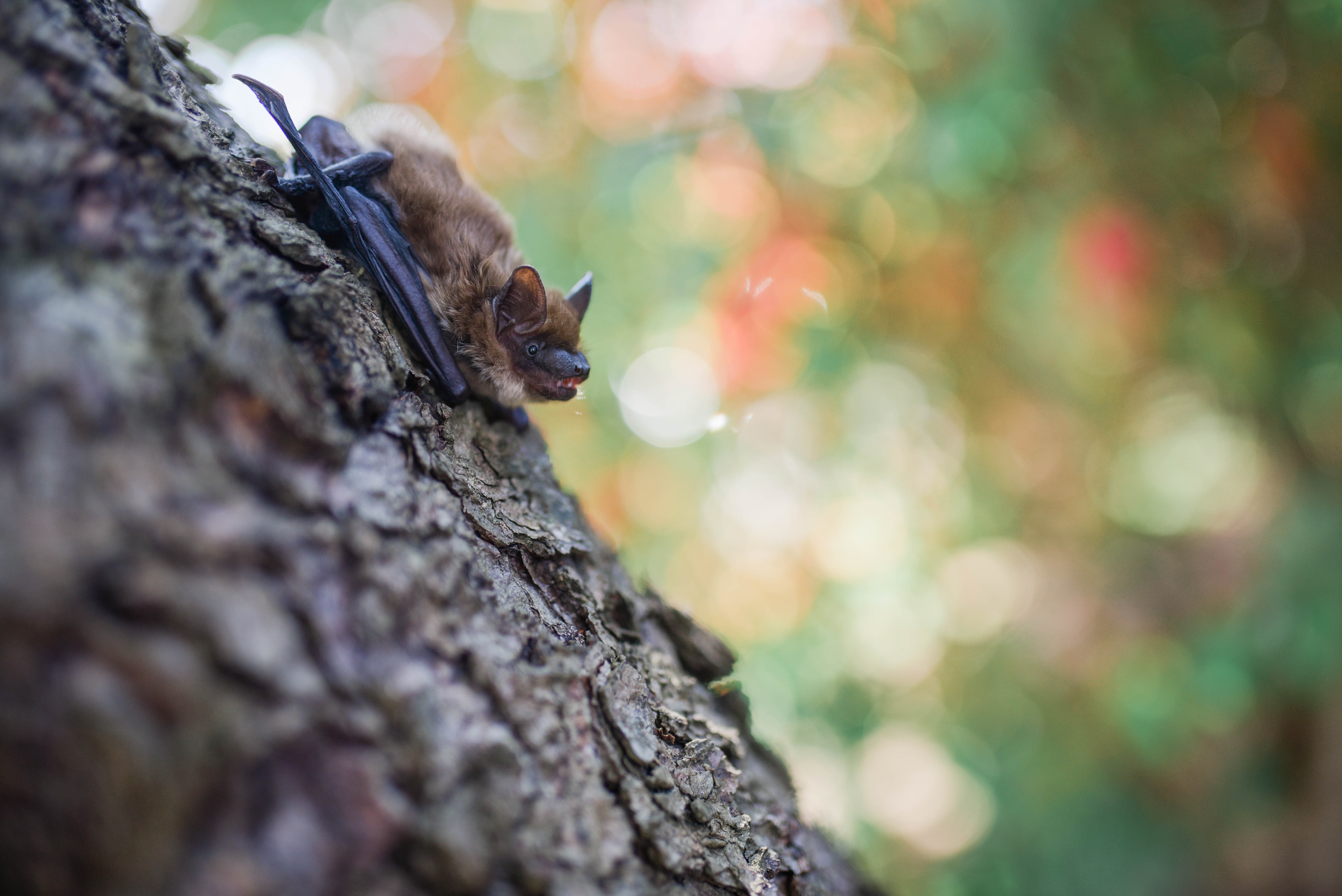
We’re all familiar with bat season–the warm spring, summer, and fall months where each twilight, these nocturnal mammals withdraw from their roosts to feed.
While bats are often feared because of their propensity to be vectors for infectious disease and their staple role in horror films abroad, they also play a large role in ecological preservation.
Like most things, bats' reputation often precedes them; however, bats often do more good than harm to their environment. While they may pose some threat to humans, they’re largely responsible for keeping down the populations of several pest insects.
Serious agricultural and forest pests, including those that harbor diseases, such as mosquitos, moths, beetles, crickets, leafhoppers, and pincher bugs, are all a significant part of the bat diet.
It’s primarily for this reason that bats are heavily protected during their mating and maternity season. Let’s discuss bat season in NEPA and what you need to know.
When Is NEPA Bat Season?
NEPA bat season runs from April 15th to August 14th, approximately a month after and a month before their regular hibernation. During this time, bats will mate, carry their young (for approximately three months,) give birth, and provide maternal care for an additional two months to build up the baby's immune system, promoting their survival outside the roost.
It’s essential to allow bats to procreate and return to their roosts and care for their young, ensuring their survival through the season and their subsequent aid in reducing harmful insect populations.
As a result, bats cannot be legally removed or excluded from their roost when young are present, whether in trees, private residences, or commercial buildings.
Why are Bats Protected?
First, bats are endangered due to deforestation, pesticide usage, and the rapid increase in white-nose syndrome cases. But, other pests, such as rodents and endangered insects, aren't protected similarly.
However, bats perform several important ecological duties, including pest control, fertilization, pollination, and seed dispersal–the most important of which is pest control.
Bats eat a lot of bugs. And by a lot, I mean A LOT. Each night, an individual bat can eat upwards of one hundred insects, including insects harmful to crops, plants, forests, and humans. These insects include:
- Mosquitos
- Moths
- Beetles
- Crickets
- Leafhoppers
- Chinch bugs
Several of these insects are huge pests to our nation’s food supply, while others are notorious vectors for disease.
While bats don’t intentionally help us out, their ecological benefit is undeniable.
Recent studies have shown that bats account for nearly 3.7 billion dollars worth of comparable pest control just by eating insects six months out of the year. Additionally, bats save nearly 1 billion dollars in crop damage annually… and they do it for free!
Bats are also responsible for a significant amount of pollination, fertilization, and seed dispersal, so next time you’re enjoying some corn or fresh fruit, thank a bat!

Removing Bats from Your Property
All things considered, you probably don’t want bats taking up roost in your attic, chimney, or garage. After all, bats can wreak havoc on your home’s wiring, emit terrible odors, and carry diseases.
Considering that it’s illegal to exterminate bats in Pennsylvania due to their endangered status and dwindling numbers, you’ll need to work with a pest control expert to help you get rid of existing bat colonies.
If done on your own, you’ll need to remove the bats when mother bats are no longer rearing young and no more pups are present in your home. If attempted any sooner, bat pups may die due to lack of proper care, and mother bats will likely become more aggressive and destructive as they attempt to return to their roost.
The best way to ensure your home is bat-free is to implement preventative measures. This includes:
- Inspecting your home for openings (roofs, chimneys, siding, vents, etc.)
- Sealing any openings
- Placing LED lights in areas inhabited by bats
- Placing reflective surfaces, such as mirrors or aluminum foil, in places where bats reside
- Filling your home with cinnamon or eucalyptus scents
Once bats are removed, you’ll need to disinfect the area and implement preventative measures that ensure bats stay away.
While bats may be an undesirable and unwelcome guest in your home, we can’t forget their essential ecological role. Pair that with their dwindling numbers, and there’s no question why their protection is integral to our food supplies and health.
So the next time you notice a scratch in the attic or hear their audible squeaks outside your window, don’t panic and contact a professional. The team at the Pest Rangers will help you safely remove any bats from your home and advise on ways to best keep bats away from your home.

Black Flies Ruining Your Backyard BBQs? Here’s How to Keep Them Out
When you think of Summer pests, you likely picture annoying gnats that force you to constantly spray yourself down for gnat repellant. Or maybe, your mind jumps to the droves of black flies that hover over your patio or deck, driving you mad each time you attempt to get some much-needed relaxation in your backyard.
Black flies are a common nuisance throughout the US, though they’re more prominent along the East Coast and Northeast.
While you may mistake them for other common pests like the mosquito, black flies–also known as buffalo gnats, turkey gnats, or white socks–are a species of their own. These blood-sucking, disease-transmitting insects can pose a significant threat to you, your family, and your pet.
For this reason, it’s important to know when black flies come around, why they settle in your yard, and how to get rid of black flies.
Why Do I Have So Many Black Flies in My Yard?
Black flies have a short, 2-3 week life cycle with one singular purpose: to breed. Like mosquitoes, female black flies lay eggs in bodies of water.
However, unlike mosquitos, black flies prefer fresh, clean, and slow-moving water. Black fly larvae don’t swim; instead, they crawl across the substrate and attach themselves to rock faces and other stationary objects, preventing themselves from being washed away.
While black flies typically lay their eggs in streams, they won’t hesitate to invade your sparkling clean backyard water feature, producing a single batch of 200-500 eggs that’ll soon evolve into mature, blood-sucking black flies.
Black flies also prefer dense, wooded, shaded areas, making your lush, green backyard with a slow-moving stream, creek, or water fountain an ideal breeding ground. Throw in a food source, like your family and pets, and you’ve created the ideal residence for generations of black flies.
So now that we know what attracts black flies let’s discuss preventative measures to keep them away.
What Smells Do Black Flies Dislike?
Like many other insects, black flies are highly sensitive to specific scents–scents your family will find to be a pleasant and welcome addition to your deck, patio, or backyard!
Burning herbal incense is an excellent way to ward off droves of black flies, specifically rosemary and sage. However, while pleasant to our noses, most insects won’t be able to stand the strong, fragrant smoke produced by this burning vegetation.
Black flies also find several essential oils appalling, such as lavender, pine, and vanilla; try rubbing a few drops onto your exposed skin before heading outdoors, and you may be surprised. You can even use essential oils to keep mosquitos away!
If you’re considering starting an herb garden on your deck or patio this summer, don’t hesitate! Some of the most common and delicious herbs are excellent natural insect repellants. Planting herbs such as coriander, basil, garlic, and anise in planters or barrels throughout your yard will keep flying pests like black flies at bay while providing fresh herbs for your summer meals!
Other scents that naturally repel Black Flies include citronella extract–found in insect-repelling candles at most home and garden stores–and apple cider vinegar. Taking a quick shot of ACV each morning along with your daily vitamins has long been recognized for its extreme digestive and immune health benefits but ingesting apple cider vinegar is also a powerful insect repellant.

How Do I Keep Black Flies Out of My Yard?
Keeping black flies out of your yard can be tricky; after all, you can't dry up the stream running through your yard or cut down all of the trees and vegetation that make it so beautiful and inviting.
Chemical insecticide treatments are always available, though most people prefer safe, natural remedies around children and pets. Luckily, several tricks can reduce the risk of bites.
First, consider installing ceiling fans under awnings, gazebos, or arbors. While it may seem trivial, ceiling fans are an excellent way to disrupt Black Flies’ flight patterns, preventing them from reaching you. Additionally, fans help to disperse the carbon dioxide you breathe out, which Black Flies naturally gravitate towards. Oscillating or box fans will also do the trick in uncovered areas.
Next, try cutting down on sweets. Black flies are highly attracted to sugary drinks, sweet-smelling colognes, and perfumes. You can guarantee a reduction in flying pests by eliminating all potential attractants.
Finally, cover up! Female black flies require a source of blood before laying their eggs; if they can’t bite you, they’ll find someone or something else. So try wearing long sleeves, pants, and hats with attached netting, preventing insects from swarming and drawing blood.
Conclusion
Black flies, like most flying outdoor pests, are somewhat inevitable. But, in most cases, it’s better to take preventative measures against bites and disease rather than anticipating ridding your backyard of them completely.
So cover up, power up a fan, plant your herb garden, drink some apple cider vinegar, and enjoy your backyard!
If all else fails, don’t hesitate to call your local pest specialists to inquire about alternative treatment methods or preventative pest control.

Help! Why Are There So Many Ant Hills in My Yard?
There’s nothing like spending a relaxing summer evening in the yard: tossing a ball with your loved ones, playing fetch with the dog, and soaking up the long days, warm air, and the intoxicating scent of your freshly cut, perfectly manicured lawn. But wait, what’s that odd little lump in the grass? And what’s that crawling up your leg?
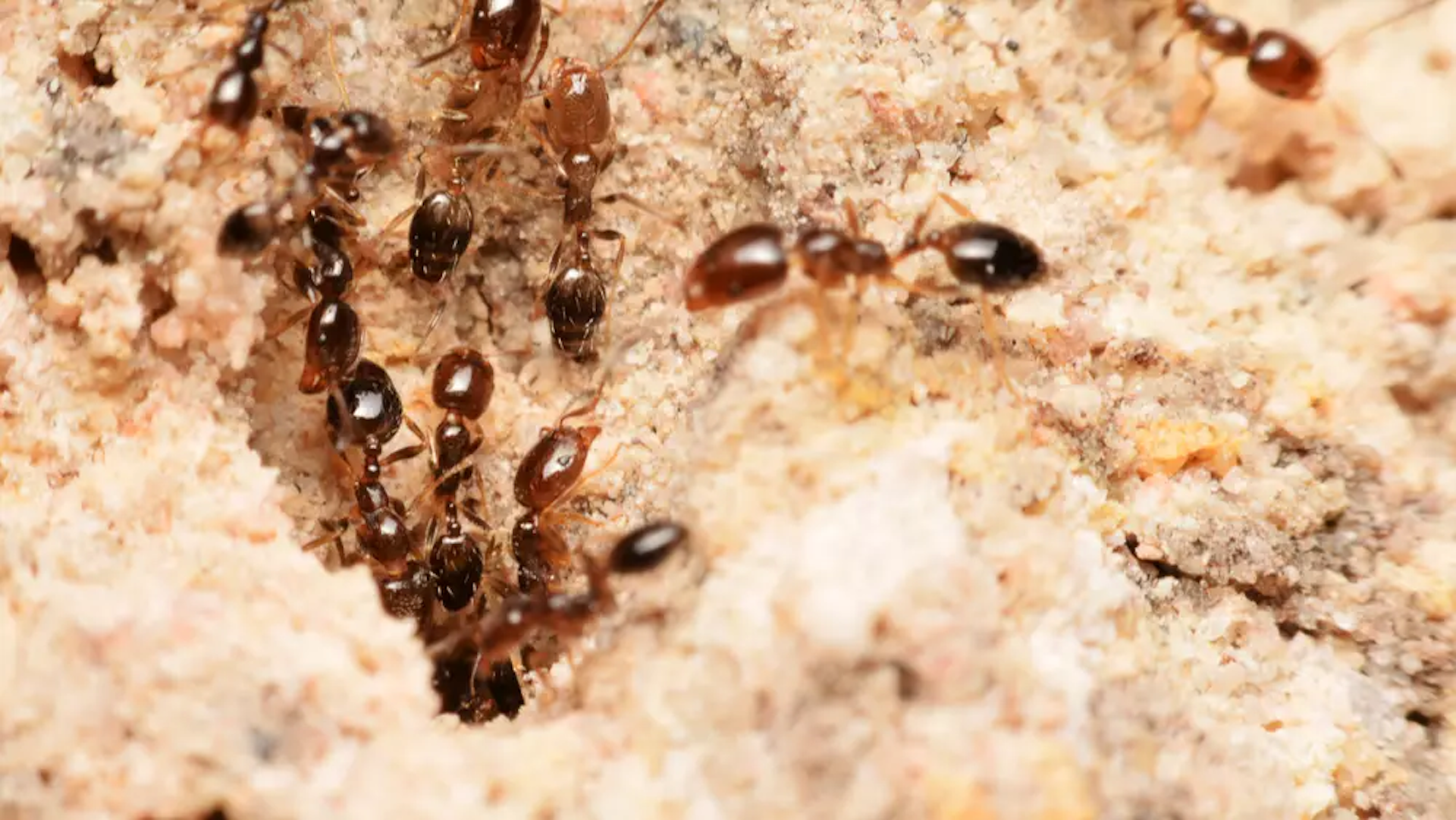
As the soft ground and domed ceiling of an ant hill begin to give way, out come hundreds of workers, prepared to defend their home from anyone or anything, including you, your children, or your pets!
Not only are these little arthropods a nuisance to humans and pets, but they can also cause severe damage to your yard, specifically lawns and gardens. As ant hills dry out and disrupt the soil beneath your previously lush lawn and healthy garden, you’ll notice uneven ground, dying vegetation, and an unsightly, unkempt appearance. Additionally, ants may attract other pests such as aphids, causing further damage that could easily ruin your annual backyard harvest!
In this article, we’ll go over why there are ant hills in your yard, why there are so many, and what’s going on inside of them. Further, we’ll go over some ant exterminator methods of what you can do to evict these pesky insects from your yard.
Why Are There So Many Ant Hills in My Yard?
Even one ant hill in your lawn or garden can be a nuisance, let alone multiple! So if at first you notice a single, don’t be surprised when other hills begin to pop up throughout your yard.
The primary reason you may find anthills appearing in your yard is due to access to resources required to live and reproduce. You’ll likely notice the appearance of ant hills if your yard has regular access to:
- Water
- Food sources
- Preferred soil conditions
As stated previously, ants tend to settle in areas with close access to essential resources, namely food and water. Reliable sources of water often include
- Standing water
- Bird baths
- Fountains
- Leaking pipes
Next, ants require a constant source of food to survive, multiply, and satisfy the needs of their growing colony. Ants are omnivorous, eating nearly anything that supplies nutrients, such as
- Fruits
- Saps
- Living or deceased invertebrates
- Insect eggs
- Honeydew produced by aphids
Additionally, ants will snack on any such items they can find, wherever they can acquire them, whether throughout your yard, in your garbage cans, or in your home.
Lastly, ants prefer settling in soil with conditions that allow for efficient building. These preferred conditions are dry, well-drained, sandy soil that is relatively loose and experiences hours of direct sunlight throughout the day.
If you’ve been struggling with numerous ant hills on your property, the odds are that your yard satisfies all of the above conditions and then some. As ants move in, their scents attract additional ants, leading to a large, interconnected web of ant hills and a mass infestation.
How Do I Treat an Ant Hill in My Yard?
If you’re tired of tripping over anthills while playing with your kids or pets in the yard, there’s some good news: there are several quick, easy, and effective methods to get rid of ants. While some methods are safer than others for use around pets and small children, several exist, and all can be accomplished with nothing more than some over-the-counter/household supplies.
One of the safest and least damaging methods of treating an anthill is to use straight boiling water. While this method requires some laborious and time-consuming effort to boil up to three gallons of water, it’s entirely free, contains no harmful chemicals or pesticides, and provides immediate results. However, boiling water often will not kill an entire colony, only those ants residing directly beneath the ant hill.
Another method of treatment is using various spices that ants find unappealing. Spices such as cinnamon, black pepper, bay leaves, cayenne pepper, and cloves are some of the primary scents that ants cannot tolerate. Creating a mixture of water and any one of these spices to soak the anthill with will quickly make their home uninhabitable, forcing them to migrate elsewhere. While this method will force ants to move, they may simply migrate to another location on your property, failing to solve the issue at hand.
Other non-toxic methods include vinegar and water soaks, as well as sprinkling diatomaceous earth around the colony's entrance. This mixture of fossilized phytoplankton and algae literally sucks the life from the anthill, absorbing any moisture in the dirt or the ants themselves, killing any ants that come into contact with the substance.
More toxic yet highly effective methods include boric acid/sugar treatments and insecticides. Mixing boric acid and sugar with a hint of water creates an irresistible paste that ants will rush towards and bring back into the colony, unknowingly poisoning the other workers and queen. These methods are often the last resort in the event of a rampant infestation.
In the event that you’d rather leave the exterminating to a professional, most pest experts can easily and efficiently eradicate ant infestations in as little as a day.
Should You Get Rid of Ant Hills on Your Lawn?
In general, ants are essential for the health of your yard. They’ll aerate and fertilize your soil, promoting lawn and plant growth. However, there are several factors that cause them to be considered a nuisance pest.
Ants, like most things, are fine in moderation; however, if you’ve noticed even one ant hill in your yard, then there are too many. Ant colonies can severely disrupt the beauty of your yard with their own form of landscaping, negatively impacting your home’s aesthetic.
Ant colonies are also known to farm aphids for their honeydew, increasing the aphid population, which can negatively impact plants and gardens. Additionally, ants dry and disturb the soil, affecting plant life and vegetation.
Lastly, ants can pose an inconvenience to humans and pets. Not only do some species, such as fire ants, have the capacity to bite and sting, but they also won’t hesitate to migrate into your home when resources are scarce outdoors.
So should you remove ant hills? By that point, the ant population has already skyrocketed to the point of infestation. If they affect your landscaping and ability to enjoy your yard, feel free to treat the affected areas and reclaim your property.
What Happens Inside an Ant Hill?
In simple terms, ant hills are the entrance and exit of the shelter that exists beneath the mound, often in the form of an intricate tunnel system snaking its way through the dirt. Colonies require shelter to protect the queen and her larvae, allowing the colony to grow efficiently and produce additional workers.
The ant hill is the result of hundreds to thousands of worker ants digging their tunnels and bringing dirt, rocks, sediment, and plant material to the surface. Ant hills do an excellent job of regulating the temperature inside the shelter and protecting the colony from weather conditions and predators.
So with the information gathered today, why are there so many ant hills in your yard? Your yard likely has the perfect elements necessary for the survival and reproduction of ants. From excellent soil conditions to access to food and water, your yard features everything necessary to preserve and expand the colony.
As the colony grows, so does the underground shelter system and the number of entrances and exits (i.e., the ant hills).
While ants are actually beneficial for your yard in moderation, the sight of ant hills signals an infestation; and if you’re unhappy with their unattractive appearance and the sheer volume of ants in your yard, don’t hesitate to attempt one of the previously outlined treatment methods or get ahold of your local pest experts below.

What Are Earwigs? Do They Bite?
Perhaps you’ve heard the wives' tales of dangerous, ear-dwelling insects equipped with large pincers and an affinity for human brains? Unfortunately, earwigs are known more for their reputation than their actual nature, once thought to crawl inside the ears of unsuspecting sleepers, lay their eggs, and feed on your brains!
Fortunately, these horror-movie-esque stories are fictional, for earwigs are nothing more than harmless, albeit frightening-looking home and garden pests. While they tend to snack on many bugs in PA, making them helpful, they can also wreak havoc on garden vegetation.
Earwigs are a common pest throughout North America and the rest of the globe. These little insects commonly invoke fear due to the large, pincer-like “cerci,” or appendages, located at the rear of their abdomens, though they’re generally harmless to humans and pets.
In the following article, we’ll answer several questions regarding Earwigs, from what they are and whether they’re dangerous to the necessary steps to get rid of them.
What Are Earwigs?
Earwigs are a generally harmless insect of the Dermaptera order, meaning “skin wing,” due to the rarely used, ornate flight wings located beneath their tough, leathery forewings.
To answer your first burning question, yes Earwigs can fly, though flight is rarely seen due to their preference for scurrying across the ground. Additionally, Earwigs are extremely clumsy creatures, generally only flying very short distances from extreme heights to avoid predators.
The name “Earwig” has several suspected roots, though entomologists suggest that the name originates from the ear-like appearance of their flight wings when fully unfolded. Contrary to popular belief, the name likely has nothing to do with the falsified horror stories of the insect burrowing into ears!
These insects are generally harmless despite their menacing appearance and nasty reputation. While several species of Earwigs exist, they all share the same relative characteristics. Earwigs are long, narrow, and flat, allowing them to burrow into small crevices, underneath bark, under leaves, and other tight fits that other similar-sized insects wouldn't dare travel into.
Additionally, Earwigs feature two large antennae, six legs, and a pair of menacing, pincer-like appendages on their abdomen, referred to as “cerci.” These appendages are the root of their colloquial nickname “pincher bug,” though they aren't likely to pinch humans or pets. Primarily, Earwigs use their cerci to fight off predators and capture prey. The size and shape of an Earwig’s cerci is one of the key differences between males and females, with male Earwigs featuring curved cerci and females featuring straight appendages.

Are They Harmful to Humans and Animals?
Earwigs are not generally harmful to you, your children, or your pets. However, these little invertebrates have a nasty reputation, primarily due to their name and colloquial nickname, though they’ve hardly been found in ears or pinching humans.
Earwigs spend the majority of their time hiding in cracks, crevices, under leaves, or other damp, dark hiding places. They tend only to expose themselves while hunting in the evening, and even in the rare chance that you come across one, they aren't likely to turn their pincers in your direction. Even if an Earwig sets its cerci on your flesh, these appendages are not venomous and will cause no lingering side effects.
While not directly harmful to humans and animals, Earwigs often threaten gardens and other vegetation, leading to indirect harm due to loss of harvest. While this won’t be harmful to the majority, Earwigs can put a serious dent in production from your yearly garden!
What Attracts Earwigs to Your House?
Like most nuisance pests, Earwigs migrate to areas where their basic necessities can be found, such as food, water, and shelter; they also don’t shy away from human dwellings. Additionally, Earwigs are attracted to the light, and considering they’re nocturnal, they will often end up traveling to porch lights and other illuminated areas of your home.
Earwigs are omnivorous, so they’ll consume practically anything that suits their needs, including
- Fruits
- Vegetables
- Flowers
- Vegetation
- Decaying organic material
- Other Insects
For this reason, Earwigs are often found in homes and gardens where vegetation and other invertebrates can be found.
Earwigs tend to like dark, damp dwellings to reside; therefore, basements, pipes, and any crack or crevice just large enough to house the insect is fair game. Earwigs can also be found around sinks, in bathrooms, and any other areas with an abundance of moisture.
Luckily, because Earwigs are relatively anti-social and do not exist in colonies with a queen, they’re generally found individually and rarely cause infestations.
How Do You Get Rid of Earwigs?
The most effective way to control an Earwig infestation in and around your home is to prevent them from wanting to enter in the first place. The most effective means of doing so is to rid your home of potential hiding places, such as cracks, crevices, and dark, damp locations.
You can take several steps in your yard to minimize the Earwig population. This consists of:
- Clearing felled timbers, rotting wood, and other organic debris
- Moving wood piles away from the foundation and siding
- Creating a moisture-free zone that extends roughly a foot out from your home’s foundation
- Trimming trees that cast shade onto your home
Around your home’s exterior, a similar series of steps can be taken, including:
- Closing possible entry points
- Drying moisture-prone basements, bathrooms, and laundry rooms
- Directing exterior lighting onto your home, rather than onto landscaping
- Ensuring drains are properly functioning
- Watering the lawn/plants in the early morning to ensure ample time to dry during the day
If these methods don’t seem to rid your home of Earwigs, several other steps can be taken to eradicate your home’s Earwig population. The following methods are all insecticides, though some are much more toxic than others and should be used with extreme caution.
On the non-toxic side, a 50/50 mixture of rubbing alcohol and water can help to protect your plants from Earwigs and kill the pests on sight. Spraying a 50/50 mixture of dish soap and water has a similar effect and is most effective when sprayed in areas where Earwigs are commonly found. Diatomaceous earth is another excellent non-toxic treatment; when sprinkled around the base of plants and in areas where Earwigs are commonly seen, this fossilized algae acts as an abrasive to scratch their soft body parts and draw out moisture, causing death by dehydration.
On the toxic end of the spectrum, chemicals such as boric acid and compatible pesticides can effectively kill current pests and prevent others from returning. Please note, chemicals and pesticides are often harmful to pets and humans, so caution is always advised when employing chemical treatments.
If all else fails, don’t hesitate to call your local pest specialists! Earwig infestations can commonly be handled with proper preparation and treatments.
Concluding Thoughts
So are Earwigs truly as frightening and dangerous as their appearance and reputation suggest? Of course not. Earwigs won’t crawl in your ears to lay eggs or eat your brains like a crazed zombie.
Earwigs are small invertebrates of the Dermaptera order. They’re generally harmless to all humans and pets, and while they can pinch and fly, they rarely engage in either and are non-venomous. So when it comes to your property, they won’t cause any major damage, though they may feed on gardens and vegetation.
Eradicating them is as simple as making your home less hospitable and treating them with your choice of chemical or non-toxic solutions. And if the above-outlined treatments don’t work, don’t hesitate to contact a certified pest control specialist for professional assistance.

What is a Centipede and Should I Worry If I See One?
What has hundreds of pairs of legs, a long, segmented arthropodic body, and doesn’t belong inside of your home? If you guessed a millipede… you’re on the right track. But, for the correct answer, look towards their ferocious, venomous cousin: the centipede.
These long, segmented critters often induce fright when found under an overturned rock outdoors, let alone scurrying across your kitchen floor! But should you fear these common bugs in PA, and are they considered pests?
In this article, we’ll outline all of your burning questions about these arthropods.
What Exactly is a Centipede?
Centipedes are a predatory arthropod belonging to the Chilopoda class and Myriapoda phylum, also including millipedes and other segmented, multi-legged arthropods. With a name that directly translates to “100-footed,” centipedes vary greatly in length and leg count depending on the species. Centipedes range between a few millimeters for small species and 12-inches in length for the largest species, with one pair of legs per segment and between 14 to 177 pairs!
Centipedes are also known for being aggressive, carnivorous hunters, featuring sensitive antennae and long, jaw-like venomous claws directly behind their heads known as forcipules. These highly adapted front legs and venom glands can inflict painful bites on unsuspecting children, adults, and pets.
Several species of centipedes exist, with scientists approximating up to 8,000 variations worldwide–of which only 3,000 have been recorded.
A few common species call North America home, and you’ve likely found a few roaming your property.
The four major North American centipedes include:
- The house centipede
- Bark centipede
- Cryptopid centipede
- Scolopendrid “soil” centipede
However, if you’ve recently encountered a centipede darting through your home, it was likely a member of the house centipede variety.
House centipedes can be identified by their 30 long legs, rapid movements, and yellow-gray appearance.
What Do Centipedes Eat?
Centipedes are carnivorous, meaning they primarily eat other living things. But don’t worry, no house centipede will try to snack on you or anyone in your home.
Some larger species of centipedes are ferocious hunters known to prey on insects and small vertebrates. However, house centipedes are relatively small and consume other invertebrates, such as:
- Moths
- Cockroaches
- Bed bugs
- Ants
- Flies
- Spiders
As such, house centipedes are not commonly viewed as significant threats, often consuming most of the other pests in your home. They are, however, often viewed as a nuisance.
So What Are They Doing in My House?
Centipedes are creatures of necessity, often following sources of food and shelter. Considering that centipedes primarily consume other indoor bugs, they’ll often travel to any dark, damp location with an abundance of food, even if that means stepping each of their hundred legs right across the threshold into your home.
Most outdoor centipede species generally lay dormant during the day, residing primarily in:
- Rotting logs
- Under rocks
- Leaf piles
- Other debris
Come nightfall, though, these arthropods spring to life to hunt for prey.
House centipedes are relatively similar, though they trade the leaf litter and wood piles for boxes in the cellar or damp floor drains. Unfortunately, House centipedes are also far less cold-resistant, often preferring the warmth and safety of your heated home to hunt and reproduce.
While not harmful in a traditional sense, even the sight of a centipede in the comfort of your home is often unnerving enough to give us a ring.

Are Centipedes Harmful to my House?
After the initial shock of finding centipedes roaming around your home sets in, you might come up with another question: are these arthropods causing any property damage?
While most household pests pose some threat to your structure or family, centipedes are quite the opposite. Centipedes are carnivorous, specifically insectivores.
This means that instead of chewing on your deck, household framing, cedar siding, or wood floors, centipedes eat the insects that do. For example, centipedes often consume harmful pest insects, such as wool-eating moths, bed bugs, ants, cockroaches, and flies, preventing them from causing further damage to your home and belongings.
Centipedes are also primarily nocturnal, so you’ll likely only see one if you’re up and about in the evening. While not necessarily pests themselves, centipedes aren’t generally a welcome guest in your home, with most classifying them as nuisance pests for their startling appearance, quick movement, secretions, and venomous bite/sting.
Are Centipedes Harmful to Humans? Do They Bite/Sting?
As mentioned, centipedes are not immediately harmful to humans; however, they possess venomous bites that can inflict a painful sting or “bite.” Most larger centipedes can, in fact, puncture human skin, while the majority of house centipedes are too small and weak to do so.
Centipedes produce a cocktail of venom that’s painful rather than dangerous. Pain is usually delivered on a scale, with larger centipedes featuring larger forcibles and more venom. While some bites may be incredibly painful, similar to a bee sting, the venom secreted during a centipede bite is generally not dangerous or harmful to humans.
Side effects of a centipede sting are often localized to the puncture site, including pain, swelling, redness, and tenderness. However, these symptoms traditionally subside after a few hours, leaving no long-lasting side effects.
So are centipedes harmful? In a way, though, they tend to bite infrequently with a venom that’s equal to or lesser in intensity than that of a common honey bee.
How Do I Keep Them Out of the House?
As stated previously, centipedes are creatures of necessity; if your home suits them, they’ll probably move in! The most effective way to prevent centipede infestations, especially house centipedes, is to make your home less inhabitable.
The easiest way to do so is to eliminate their food source and preferred environment, meaning to get rid of your home’s other pests and keep your home dry and well-lit. If these tips don’t work, don’t hesitate to contact one of our qualified pest control experts.
So what have we learned about centipedes?
These little arthropods are tough, effective hunters that spend much of their time dormant. However, when it comes to a food source, they won’t nibble on you or your home; rather, they’d prefer to snack on the pests that have been plaguing your property.
Centipedes love a dark, damp, moist environment, so use caution when cleaning rotten logs, old drains, rocks, and leaf piles. And traditionally, house centipedes are the only Chilopoda you’ll find roaming your living room.
Centipedes can bite; however, they aren't traditionally aggressive towards humans, and bites are rare/not dangerous.
So in closing, are centipedes pests, and should you evict them? Depending on your view of the little arthropods, maybe. While posing little to no immediate threat to humans, pets, or residences, they aren't often welcome due to their frightening appearance and potential to bite.
However, if there’s a large infestation giving you the heebie-jeebies, give a qualified pest specialist a call or contact us below.
Can You Identify Northeastern PA's Noisy Bugs of Summer?
Can you hear the constant humming sound in the late afternoon?
The constant buzzing and zitzing of bugs may seem a little annoying, but the sound and motion create the aura of the summer evening. And while preventative pest control can keep noise at a minimum, some bugs and noises are just a natural part of the PA outdoors.
If you’re from Northeastern PA, you’ve probably recognized these sounds from a few local bugs.
From seasonal cicadas to regular crickets and grasshoppers, here are some of Northeastern PA’s notorious noisy bugs of summer.
Noisy Bugs in Northeastern PA
Cicadas
Cicadas are the loudest noise maker, and they make it impossible to sit outside while you're enjoying the evening night. They are so noisy that they could affect your hearing as well. According to one source, their noises are so loud (120 decibels) that they can harm your hearing.
Sounds shocking. Right?
Fortunately, the chances of hearing damage from a cicada are pretty low since you would need a full-on infestation to reach noise levels that high.
In addition, Brood X, one of the loudest species, only appears every 17 years in Pennsylvania.
You’ll be able to spot them pretty easily too. Cicadas are green and brown with black markings on their body and are 1 to 1.5 inches long. They include four fly wings folded on their back most of the time.
How and why Cicadas make noises.
Male cicadas are the primary noise makers, and they do it for a mating call or to send a distress call to others while keeping off other males. Their noises are primarily heard in the daytime, but they don't make noises in the dark.
While bugs rub their body each other to make noises, cicadas make noises with an organ called the tymbals, located on their abdomen. In addition, every male cicada includes the round ridged membrane on its back, and the side surface of the abdominal section produces the clicking sound.
Crickets
Crickets are similar to grasshoppers, and they also produce high-pitched sounds. They are being found all over the world except in the cold regions, especially in NEPA.
Crickets are nocturnal, and they love to fly in warm weather, which makes them come out during the summer. While loud, they are usually pretty unnoticeable unless you’re dealing with a heavy infestation, which would make it difficult for you to sleep at night.
How and why Crickets make noises.
Crickets are the nighttime songsters. They produce high-pitched sounds for mating, and they rub their wings on each other to generate sound. This high-pitched sound is called stridulation

Grasshoppers
Grasshoppers are the most common insect all over the world. Although Grasshoppers are not that loud of noise makers, you can probably spot their loud-pitched chirps at night if you listen closely enough. They mainly hatch in the spring and early summer, and the adult ones are the grasshoppers in PA seen in the summer.
How and why Grasshoppers make noises.
Grasshoppers make noises to attract females and to get rid of other males.
Their hind legs include different pegs inside, and they rub those against wings to create their signature chirp. Some species also make noises using only their hind wings.
Katydids
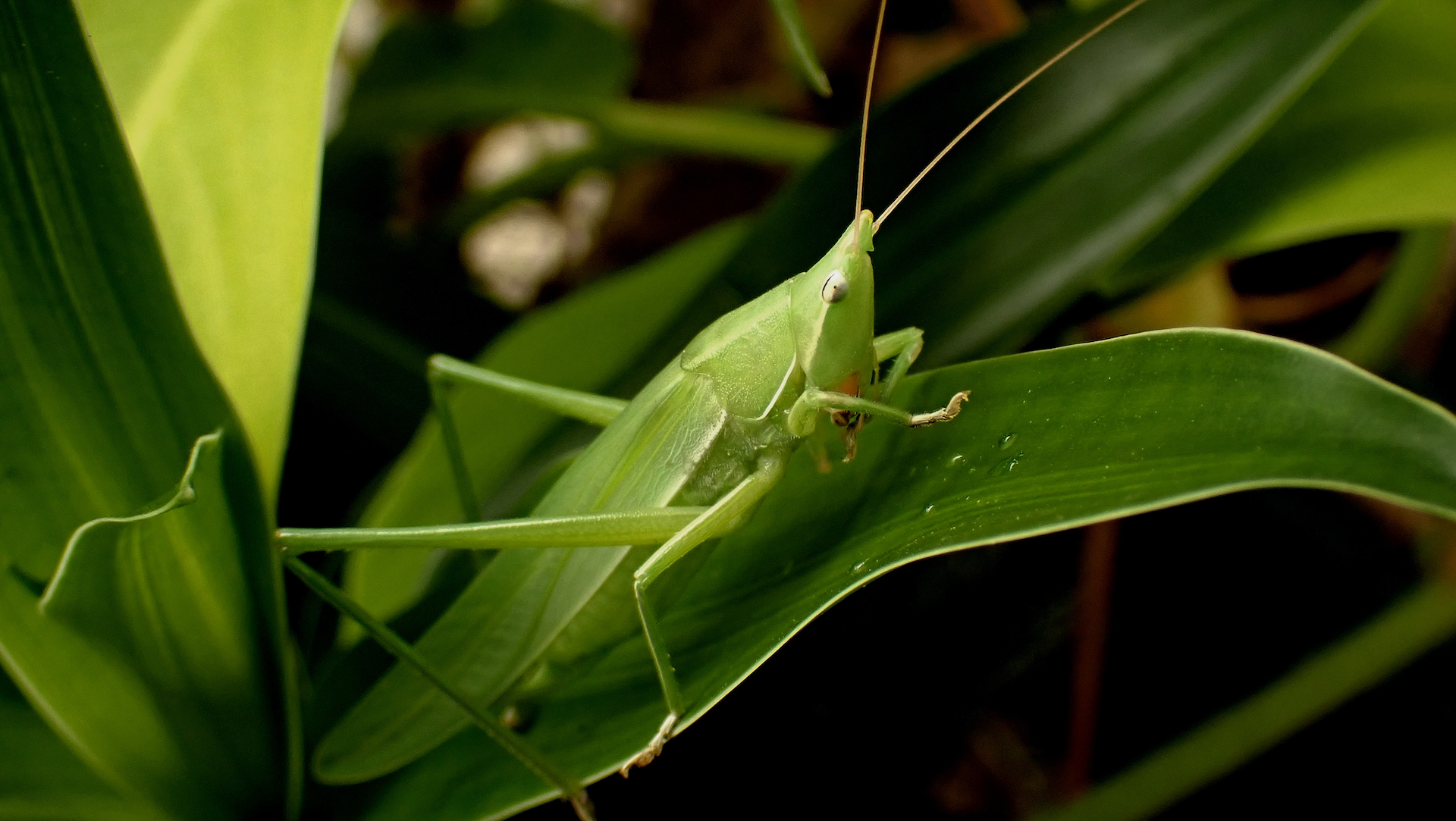
Katydids, otherwise known as bush crickets or long-horned grasshoppers, have a green and leaf-like appearance, large hind legs, and long antennae. With over 8000 species, these delicate bugs are known for their purring or buzzing sound, which is actually quite rhythmic and soothing.
How and why Katydids make noises.
The male katydids make unique mating noises, ranging from loud and striking to low and buzzing.
The sound of Katydids is similar to the crickets; they also stridulate the sound. Sometimes they strike buzzing, drawn-out and softer notes as well.
Bees
There are over 437 species of bees in Pennsylvania, including ground bees, and they are pretty recognizable for their buzzing sound that is mostly audible at a close range. Bees are important for pollination and agriculture and should never be swatted, killed, or sprayed with a pesticide.
How and why Bees make noises.
Bees become noisy bugs in the summer to attract their mates. Bees have different reasons for buzzing, as some might buzz around flowers when pollen gets attached to their bodies.
Bees generate noise through the vibration of their wings and rapid beating.
Large bees also produce low-pitched sounds because of their large body and wings.
Despite the summer invasion and noise they make, these bugs are harmless and help the ecological environment of Pennsylvania thrive. Besides, it’s these sounds that make NEPA feel like home.

Should Pennsylvania Watch Out For The Joro Spider?
Arachnophobia is labeled an irrational fear because most spiders are actually incredibly harmless. In fact, lots of ancient cultures, such as China and India, generally viewed spiders as benevolent creatures that brought good luck to homes.
Due to their predation of pests, one could even say that spiders were the original pest control experts!
However, this doesn’t mean that spiders can’t be dangerous, annoying, or invasive.
Over the years, as a PA resident, you’ve probably dealt with spiders, such as the PA garden spider and other orb-weavers. Thankfully, most orb-weaver species are not harmful to humans and may even do a good job cleaning up your property of other unwanted pests.
One orb weaver that’s gotten a lot of attention over the past few years is the Joro Spider. This bright yellow spider dawns an intimidating appearance, though it’s almost entirely harmless. So with this in mind, let’s discuss the Joro Spider and what you need to watch out for if you live in Pennsylvania.
What is the Joro Spider?
The Joro Spider is a species of orb-weaver spiders that originates in east Asia, particularly Japan and China. The female Joro Spider is most recognizable for its bright yellow appearance and blue/green stripes on its dorsum. The female can grow to around 4” long and create webs around 3” wide and 10” deep.
On the other hand, the male Joro spider only grows to 0.3” wide, is brown, and is much less intimidating than the female Joro.
While we don’t know how the Joro spider ended up in the United States, it’s certainly not native to the United States. As a result, this makes these creatures invasive to surrounding habitats.
The first Joro Spider was spotted in the US in 2014 in Georgia. Since then, it has migrated approximately 100 miles north to states like South and North Carolina.
The Joro Spider can travel through wind using its silk or by attaching itself to other pests. The Joro Spider will most likely continue its migration outward unless it’s met by a fierce predator.
As a final note, the Joro spider gets its name from Japanese folklore and is based on a half-woman, half-spider that was beautiful but would eat young men.
 Are Joro Spiders Harmful?
Thankfully, it’s safe to say Joro Spiders won’t be killing anyone soon since their venom is not toxic to anyone without an allergy. Even then, their venom is still only mildly toxic and would not even require much medical care, if any.
Joro Spiders are also not toxic to pets or plants as well. There is no evidence that they are harmful to their surrounding environment or ecosystem.
On the other hand, Joro Spiders feed on pests like stink bugs and mosquitos, making them effective pest control deputies. So in some sense, Joro Spiders are very beneficial for homes and ecosystems.
However, Joro Spider nets could be considered annoying, especially if you find an infestation on your property. Signs of an infestation will include lots of heavy webbing.
Fortunately, moving these pests away from your property is easy and harmless and doesn’t need to involve killing these creatures.
Is the Joro Spider a Threat to PA?
The Joro Spider is not a threat to PA forests or residents. Since Joro Spiders are still confined to a few states in the southeast, they would take years to migrate to Pennsylvania.
However, even if Joro Spiders did migrate this way, there’s no evidence they would cause any harm to local ecosystems or pose a threat to residents. As such, PA residents have nothing to fear from these beautiful bugs.
What to Do if You See a Joro Spider
If you see a Joro Spider, you don’t need to do anything. These creatures are totally harmless and are an excellent way to get rid of stink bugs and keep other pests away from your property.
Not all invasive species are considered dangerous or harmful. The Joro Spider is one of these creatures, and fortunately, PA residents have nothing to fear when dealing with these spiders, whether it’s now or in the future.

7 Signs You Have a Pest Infestation and What To Do
Don’t judge a book by its cover. Typically this idiom is used positively to halt judgment on a person or situation before learning the facts. But, unfortunately, pest infestations can often be more serious than we think.
From holes in your home’s frame caused by termites to rodents that hide in crawl spaces, it can be difficult to gauge how serious a pest infestation is.
For this reason, we’ve compiled this list of seven essential signs that you may be dealing with a pest infestation and need to act quickly.
1. You Actively Spot Pests
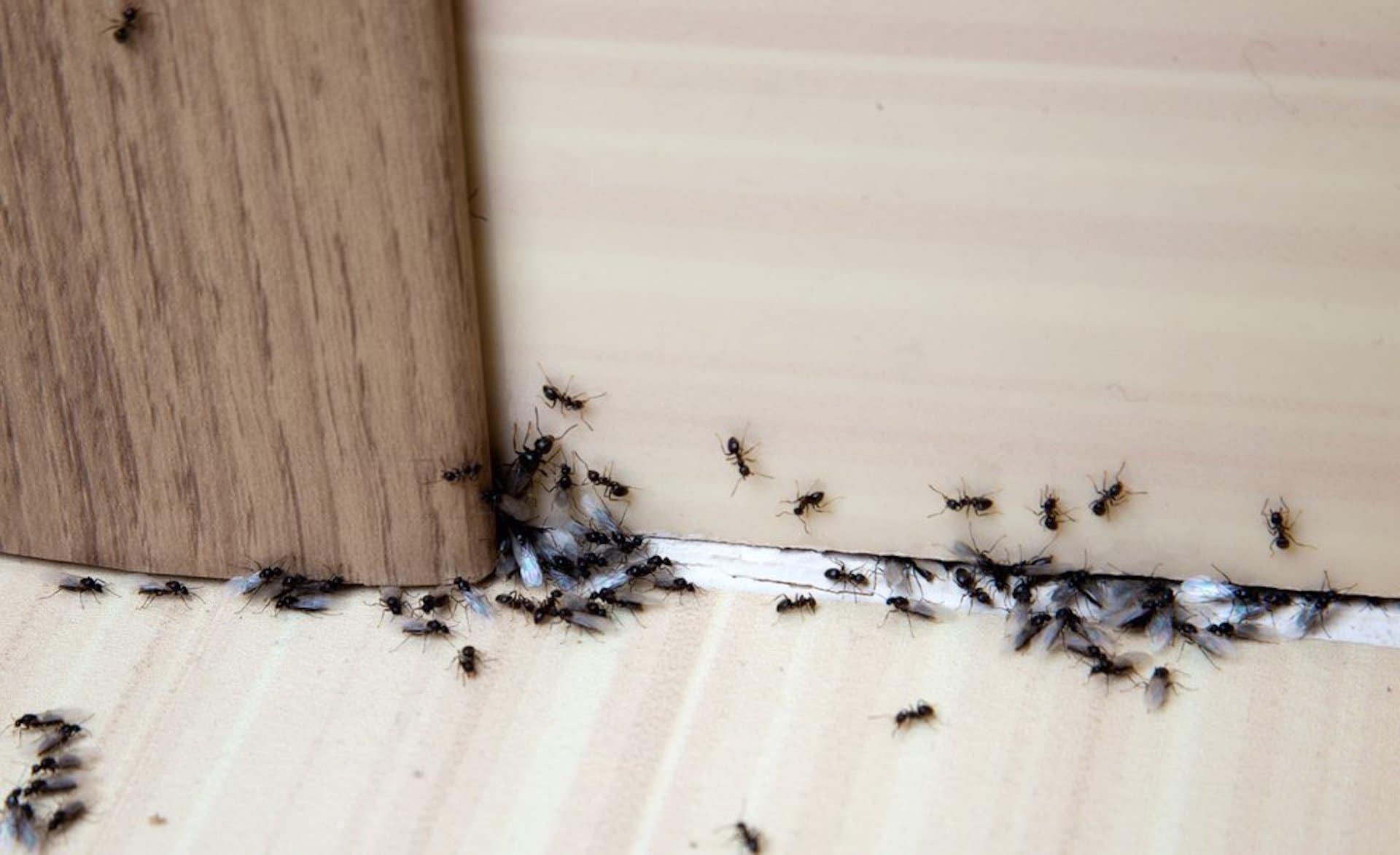
The most obvious sign you may be dealing with an infestation is spotting a rodent or pest in plain sight. While it’s common to spot a rodent now and then, especially during the winter, spotting multiple rodents at different points should trigger alarm bells.
Furthermore, spotting different pests like termites, cockroaches, gypsy moths, and bed bugs should trigger immediate action. Pests like these often are not isolated like rodents and typically travel in groups, warning you that you may have an infestation.
2. Dead Bugs
If you don’t spot active pests in your home but keep finding dead ones, you probably have a small infestation hiding behind your walls. Bed bug shells and cockroach shells from molting could also be a major sign of an infestation. If you spot frequent dead bugs or foreign pests in your home, contact an exterminator quickly.
3. Droppings
Cockroach and rodent droppings are very commonly found in dark places, such as basements, cabinets, and out-of-the-way places. In addition, droppings could be an early warning sign of termites. If you spot any droppings from a pest, call a pest control expert immediately. Pest droppings are often toxic so don’t clean any droppings without proper gloves and cleaning products.
4. Nests
Rodents and other pests can make nests out of brown material found inside and outside your home. For example, rodents often make nests in basements and small spaces using chewed-up newspaper and cardboard rippings.
Similarly, clogged gutters with leaves and other foliage could be a hotspot for rodent nests, so get your gutters cleaned and inspected annually.
5. Chewed Wires and Objects
Pennsylvania rodents especially love to chew on wires and garbage to keep their teeth sharpened. So inspect areas around your home for any holes in your walls, drop ceilings, chewed-up garbage, or damaged electrical wiring.

6. Awful Smells
Insect and rat droppings could carry an awful smell and alert you to any possible infestations. In addition, foul smells from wet areas in your home could indicate the presence of mold and other hazardous materials that attract pests like cockroaches that feed on the organic matter, which turns to mold.
7. Infestations Next Door
Unfortunately, while infestations may develop in homes or apartments, they can quickly spread to nearby areas. For this reason, you often hear of apartments and commercial buildings in cities that constantly deal with cockroaches.
Even if you eliminate the problem in one area of the property, it’s nearly impossible to eliminate a pest infestation across an entire building without properly quarantining and treating the entire property.
In addition, many pests like rodents will take shelter in warm areas wherever an opening is found, so they could quickly spread to many homes on your block or apartments in your building.
So the next time you think you’ve spotted an infestation, ask your neighbors or other tenants if they’ve spotted any signs. This will confirm whether or not you are dealing with an infestation.
What to Do if You Have a Pest Infestation
If you spot a pest infestation in your home, contact a qualified pest control specialist immediately.
A liquid spray solution like Raid and other traps may be effective in small infestations but often don’t address the root problem.
Furthermore, by implementing proper prevention methods, you could combat a current infestation and prevent new ones from occurring. For example, you can prevent pests through the following methods:
- Sealing off any holes or areas where pests can enter with spray foam insulation and weatherstripping.
- Cleaning up any garbage outside, including leaf piles that attract beetles that rodents snack on.
- Routinely clean your home, including hard-to-reach areas behind furniture and tight enclosures.
- Running a dehumidifier to prevent centipedes, snails, and other creatures that thrive in moist environments.
- Storing all food and edible material in airtight containers to prevent bugs.
- Repair any leaking equipment, such as faucets and pipes.
If you’re dealing with a pest infestation, don’t hesitate to pick up the phone. At Pest Rangers, we offer pest removal services with quick results and monthly maintenance plans to keep your home pest-free.
If you have spotted any of the signs above and fear you have an infestation, call us at 570-826-1114 or fill out the form in the upper right corner to schedule an appointment.