

What to Do If You Spot a Spotted Lanternfly in Your PA Yard
If you live in the Northeast region of the United States, you have probably noticed the colorful red and black insects known as spotted lanternflies making themselves at home in your backyard.
For Pennsylvania residents, the arrival of these insects has been nothing short of worrisome, as spotted lanternflies are known to cause irreparable damage to agriculture and the environment.
If you spot a spotted lanternfly in your PA yard this summer, follow our tips for reporting, removing, and preventing these pests from doing even more damage.
Identifying a Spotted Lanternfly Infestation
Spotted lanternflies, also known as Christmas Tree bugs, are known for their spotted white or speckled black appearance, depending on their stage of development. The nymphs are either black or red with white dots spread across and hop from tree to tree with great agility.
Fully grown flies have gray wings with black spots on them, which makes them so easy to spot–no pun intended.
Aside from seeing spotted lanternflies around your property, there are several signs of an infestation to look out for. For example, you may notice a sticky buildup on plants or the ground underneath infested plants, as well as sooty mold. You may also notice that your plants are oozing and producing a strong fermented smell, which could be another sign of an infestation.
Impact on Agriculture and Environment
Spotted lanternflies are extremely harmful to agriculture and the environment as a whole for several different reasons. They are known to cause a lot of damage to trees, plants, and crops and also produce a substance called honeydew that encourages mold growth.
These insects also cause damage to fruit crops like apples and grapes, posing a serious threat to agriculture both locally and regionally.
Reporting a Spotted Lanternfly Sighting
If you see a spotted lanternfly, it is imperative that you promptly report it to the Pennsylvania Department of Agriculture. You can do this either online or by calling 1-888-4BADFLY.
After making your report, it is advised that you kill the spotted lanternfly to prevent them from reproducing.
Quarantine and Control Measures
The Spotted Lanternfly Order of Quarantine and Treatment was implemented to prevent the spread of these invasive pests and protect Pennsylvania’s economy and quality of life for its residents. The quarantine simply means that any movement of materials that may be housing the insects is strictly prohibited. This includes logs, grapevines, packing materials, and nursery stock.
Prevention Tips
There are several measures you can take to prevent spotted lanternflies, including:
- Control the Tree of Heaven- Spotted lanternflies are attracted to these invasive trees. Spraying the stumps of these trees with an herbicide can prevent more trees from regrowing.
- Use Natural Solutions- Diatomaceous earth and neem oil can be used to kill spotted lanternflies without harming you or your loved ones.
- Vinegar- Spraying vinegar directly onto spotted lanternflies will kill the insects on contact.
- Remove the Eggs- Spotted lanternflies typically lay their eggs on trees, plant stems, walls, and other hard surfaces. Removing the eggs in the Fall and Winter can prevent future infestations.
How to Protect Trees and Plants
One of the best ways to protect your trees and plants from spotted lanternflies is by creating a wildlife barrier. To do this, wrap your trees and plants with sticky bands or duct tape and place a strip of window screening on top of the sticky band. When measuring how much window screening you need, be sure to use about three times more than the sticky bands.
When attaching the window screening, be sure to arrange it so that it does not stick to the sticky band beneath it. After your wildlife barrier is set up, remember to check on it often to ensure it works effectively.
Spotted lanternflies are a huge threat to the northeast, and it’s up to homeowners to deal with infestations accordingly. If you spot these insects in your yard, report it to the proper authorities, kill the bugs, and contact a pest control expert for additional assistance.
FAQs
How do I differentiate spotted lanternflies from other common insects?
While spotted lanternflies definitely have a unique appearance, there are a few other insects you may mistake them for. Spotted lanternflies may look similar to certain types of moths, such as the Easter Boxelder bug, as the two insects both boast a bright red color. Many people also mistake spotted lanternflies for gypsy moths due to their similar shapes.
However, it is important to be able to differentiate the spotted lanternfly from other types of common insects to determine the correct course of action if you spot one in your yard.
Are spotted lanternflies harmful to humans?
There are no dangers of spotted lanternflies to humans, as they do not bite, sting, or contain venom. However, spotted lanternflies harm trees and plants and can cause them to ooze, wilt, and die, causing widespread economic damage.
Where do spotted lanternflies originate?
Spotted lanternflies are native to China, India, and Vietnam but are thought to have made their way to the United States in 2012 on a stone shipment. The first sighting of an infestation was detected in Berks County, Pennsylvania, in 2014, and the insects can now be found in 14 US states.
Are there any natural predators of spotted lanternflies?
There are several predators of the spotted lanternfly, including spiders, chickens, praying mantises, yellowjackets, garter snakes, and even koi fish. However, spotted lanternflies use their brightly-colored appearance to trick predators into believing they are poisonous and deter them from attacking.


What Smells Do Cockroaches Hate?
When you hear the word “cockroach,” most people are filled with instant dread, picturing these dirty creepy crawlers scurrying across the kitchen floor at night or crawling through the pantry, feasting on your dry goods.
Cockroaches are some of the most common household pests in Northeast Pennsylvania, Southeast Pennsylvania, and the Lehigh Valley, and they are so widely feared for good reason. Not only is it difficult to get rid of cockroaches, but these pests are also dirty and carry bacteria that can be harmful to humans.
Luckily, there are a few surprising ways to prevent cockroaches from entering your home, including the use of scents that deter cockroaches from entering. Here are seven scents you can spray, light, or spread around your home that will act as effective cockroach control.
1. Lavender
One scent cockroaches are known to hate is lavender, which is good news for homeowners who grow lavender plants or keep lavender-scented candles and sprays in their home! Lavender is a really hardy crop that is easy to grow in Pennsylvania and can be placed in gardens, planters, and even aero gardens.
You can also try diffusing lavender essential oil throughout your home for a natural air freshener and cockroach repellent. Try lavender-scented soaps and sprays if all of the above are not an option.
2. Citronella
Citronella works to deter mosquitoes, as well as cockroaches and flies. Burning citronella candles near your outdoor living spaces can be a great way to keep cockroaches away, and you can also grow citronella plants in your garden.
3. Eucalyptus
Eucalyptus can be used in essential oil form in a diffuser or combined with water in a spray bottle as an all-natural cockroach spray. Simply spray the solution to areas where you suspect cockroaches and see if that does the trick. Use eucalyptus as an effective treatment for existing cockroaches and to prevent future ones from entering your home.
4. Citrus
Citrus fruits like lemons make for great cockroach deterrents, as these pests are said to dislike the smell. To use citrus to prevent cockroaches, there are a few things you can try. Keeping dishes of lemon juice in your kitchen can deter these pests, as well as placing lemon peels around your home in areas where you believe cockroaches may be hiding. Of course, you may also consider growing a lemon tree adapted for your specific climate.
5. Garlic
If you cook with garlic often, you may be repelling cockroaches without even knowing it! Cockroaches are known to dislike the strong scent of garlic, so crushing cloves of garlic and placing them in areas of your home where cockroaches dwell may be effective in preventing these pests from invading your space.
6. Mint
It has been said that cockroaches dislike the strong smell of mint, so using this scent in your home can be effective in keeping these pests away. Whether you grow mint plants or use mint-scented cleaning products, you can enjoy this fresh scent in your home while keeping cockroaches out of your home.
7. Oregano
Regarding scents that cockroaches hate, oregano is one of the most powerful. Add a few drops of oregano oil to a spray bottle with water and spray generously on infested areas. Oregano can also be grown in planters and gardens to keep pests away.
Natural Cockroach Prevention Tips
Relying on essential oils and herbs may not be enough to deter every kind of cockroach or pest. Therefore, we’ve compiled a few additional tips to keep these pests at bay.
- Keep Your Home Clean – Keeping your home clean is a homeowner’s best defense against cockroaches. Since cockroaches are attracted to food and garbage, keeping your home as clean as possible will lower your chances of these pests invading your space. Try to keep up with a regular cleaning schedule, and be sure to wash your dirty dishes soon after using them, as cockroaches are commonly found in kitchens.
- Eliminate Standing Water – In addition to food and garbage, cockroaches are also attracted to moist or damp areas, so you should take extra care to remove any standing water from in or around your home. Things like full sinks and bathtubs, leaking faucets, and even bird baths can all attract cockroaches to your home, so try to eliminate standing water wherever possible.
- Seal Garbage – One of the easiest ways to allow cockroaches to enter your home is by not sealing your garbage. This is especially true regarding kitchen garbage, as cockroaches are drawn to the excess food and trash inside. To prevent this from happening, purchase a garbage can with a lid that tightly closes and seals in the smell, and be sure to remove garbage bags from your home before they become too full or overflow.
- Seal Cracks and Entryways – Cockroaches can squeeze through even the smallest cracks and crevices, so be sure to inspect your home for any possible entryways for these pests to get inside. You can seal these cracks yourself using a store-bought caulk, while spray foam can be used to seal larger cracks.
- Store Food Properly – Keeping your food contained and sealed is essential for preventing cockroaches. Using things like bag clips, vacuum-sealed containers, and pantry organization bins are all great ways to keep your dry goods out of reach from these sneaky pests.
When all else fails, don’t hesitate to contact a professional. Local cockroach exterminators can treat cockroaches quickly and safely and inspect for any leftover cockroaches to ensure your home is completely clear.
Learn more about signs of cockroach infestation to see if professional services are required.
FAQs
Can smells keep cockroaches away?
Some strong scents, such as lavender and mint, have been known to repel cockroaches. Therefore, growing these plants or misting their scent with essential oils can keep them away.
Does bleach kill cockroaches?
In theory, Bleach kills and repels cockroaches, but it’s not 100% foolproof in practice. However, cleaning your home with bleach will make it more likely that roaches will stay away.
Does Pine Sol kill roaches?
Pine Sol can kill roaches on contact, though it’s not a practical solution for a wide-scale infestation.

Wasp or Hornet Nest? How to Tell the Difference
Hornets and wasps are commonly thought to be one and the same, with many people using the two interchangeably to describe any small stinging insect that’s not a bumblebee. While hornets are a type of wasp, we typically use wasps to refer to paper wasps and yellow jackets.
One way to tell the difference between the two is to look at the type of nest they build on your property. Learn about the difference between hornet and wasp nests and what to do if you spot one near your home.
Hornet or. Wasp Nest: Key Differences
Construction
Both nests are very similar in that Pennsylvania wasps tend to build their nests using chewed wood, which gives them their distinct, thin, papery look. While you may not notice a wasp nest until it is fully formed, these nests actually take several months to build and continue construction as the colony grows. Hornets also construct their nests using chewed wood and saliva and can take months to complete, similar to a wasp nest.
Location
While the location of a hornet nest depends on the species of hornet, they typically prefer to build their nests in covered areas such as tree branches, shrubs, attics, and crawl spaces. Wasps, on the other hand, tend to build their nests under eaves of roofs, wall cavities, and garages. You can easily track down the location of a wasp nest by observing the flight of the wasps on your property.
Size
Unlike bee hives, wasp nests are on the smaller side and typically start out the size of a gold ball at the beginning of the season. As time passes, the queen wasp will build the nest until it gets larger, typically the size of a basketball. Hornet nests are much bigger than wasp nests and can vary in size anywhere from the size of a basketball to much larger, which is why it is important to reach out to a pest control company to take down a nest.
How Dangerous Are Hornets and Wasps?
Hornets and wasps are some of the more dangerous stinging insects, as they will often attack in large groups and sting repeatedly. Not only are insect bites painful, but they may cause allergic reactions, which can be life-threatening.
If you spot a hornet or wasp nest, your best bet is to stay away from it and never try to remove it yourself. Doing so can antagonize the insects and result in painful and life-threatening stings.
What to Do When You Spot a Stinging Insect’s Nest
1. Identify the Nest
Understanding how to identify different types of stinging insect nests is crucial in approaching the problem. Hornet nests are much larger than wasp nests and are typically found in trees, with a paper mache appearance. Wasp nests, on the other hand, are smaller have a thin, gray appearance, and can resemble an upside-down umbrella. If you observe a wasp nest long enough, you may see some of the insects coming and going from the nest.
2. Prepare a Pesticide for Home Treatment
You can prepare several home remedies to take down a hornet or wasp nest, the most common being a mixture of dish soap and water. When you spray the solution on the nest, it will clog the insects’ pores and should kill them instantly. However, while it may be tempting to take matters into your own hands when trying to get rid of a nest, it is always best to seek the help of a pest control company to safely remove the nest without putting yourself in danger.
3. Wear Protective Clothing
If you do decide to handle a hornet or wasp nest yourself, you must wear protective clothing to reduce your chances of being stung. If you don’t have access to a proper beekeeping outfit, wearing thick, loose-fitting clothing is your best bet. Although hornets and wasps can sting through your clothes, you can lessen your chances of being stung by wearing loose items rather than tight-fitting or thin pieces of clothing.
4. Apply Treatment at Night
Hornets and wasps are less active at night, making this the ideal time to apply your treatment. Still, you should practice extreme caution and take all of the necessary measures to avoid getting stung, such as wearing thick, loose-fitting clothing and protecting your hands and face before getting close to a nest.
5. Call an Exterminator
As mentioned earlier, it is always advisable to contact a pest control professional rather than attempting to deal with a hornet or wasp nest on your own. A trusted pest control company will be able to determine what kind of stinging insect you’re dealing with and come up with a plan to safely remove the nest without harming you or your loved ones.
FAQs
What happens if you disturb a hornet nest?
Hornets are some of the most aggressive creatures, meaning a disturbance could result in a sting. Therefore, it’s always best to contact a professional if you’re dealing with a hornet’s nest.
When is the best time of day to get rid of a hornet’s nest?
The best time of day to knock down a hornet’s nest is at night when hornets sleep. This gives you the lowest chance of being stung.
Does the gasoline trick work on wasps?
While the viral TikTok trend has worked for many people, it is considered very dangerous and not advised by professionals. In theory, the gasoline knocks out wasps with its fumes, but misapplying the cup to the nest could result in some angry, stinging insects.

Do Flea Bombs and Foggers Work? Important Information
Did you know that fleas can lay up to 40 eggs a day and survive for up to two weeks without feeding? It’s one of the many reasons fleas remain one of the most common summer insects and are difficult to contain.
While we tend to associate fleas with our puppy pals, they can also attack humans as well. Not only can fleas leave itchy bites that can be painful, but they are also known to carry and spread diseases, including murine typhus, tungiasis, and the bubonic plague.
Fleas can make their way into your home in several different ways, but most commonly by infesting dogs and cats spending time outdoors. Many people may be tempted to resort to flea bombs and foggers, but they are not always the most effective options.
We’ll discuss why these treatments rarely work and offer better ways to get rid of fleas based on what has been the most effective for our clients in the past.
Why Are There Fleas in My Home?
Fleas commonly enter homes by latching onto dogs and cats after they have spent time outdoors. Fleas can also make their way into your home by hitching a ride on used furniture, clothing, or even the skin of someone who has been infested.
Once a dog or human enters an area with a flea infestation, all it takes is one flea to leap onto its skin to start the infestation. And contrary to popular belief, fleas cannot fly, but they can jump incredibly long distances so they can latch onto you without even knowing they’re present.
Once you bring fleas back to your home, they become experts at hiding and can typically be found in furniture, carpeting, and other crevices around the house.
Therefore, the best way to avoid fleas is to avoid places and people that you know are dealing with fleas. Otherwise, you will need to be vigilant once an infestation strikes.

How Do Flea Bombs and Foggers Work?
Two common treatments for fleas are flea bombs and foggers, pesticides designed to kill fleas relatively quickly.
Flea bombs and foggers typically come in aerosol cans and can be activated by pressing a button and allowing a fog of pesticides to cover the area. Once the fog falls to the ground, it will stick to surfaces and eventually kill any fleas in that area.
However, the problem with these products is that they often don’t penetrate far enough or kill all of the fleas, essentially putting a bandaid on the problem without resolving it entirely.
Are Flea Bombs Effective?
While flea bombs may be a quick and cheap DIY solution in a pinch, they are not considered an effective method of flea control. This is because the pesticides in flea bombs typically do not penetrate the carpet where fleas tend to hide, making it easy for many of them to survive.
Furthermore, flea bombs and foggers do not kill larvae or eggs.
How Safe Are Flea Bombs and Foggers?
Another downside of using these pesticides is that they can be highly toxic and are not fully effective.
Most products require all humans and pets to evacuate the home while the treatment is applied because the fumes can be so toxic.
So to sum it up, not only are flea bombs and foggers ineffective, but they are also invasive and toxic. But what is the solution to fleas in your home?
When it comes to effectively treating a flea infestation, Integrated Pest Management is the best approach to take.
What Is Integrated Pest Management?
Integrated Pest Management, or IPM, is a form of organic pest control method designed to protect the environment and your home. IPMs use up-to-date information on the life cycles of pests and how they interact with the environment in order to control them. IPMs aim to manage pests in ways that are as safe as possible for humans, animals, and the environment.
For example, an IPM strategy for fleas may involve the use of vacuums and steam cleaners to eliminate any fleas from your carpets or upholstery. They may also involve frequent inspections of the home using methods such as walking across floors with white socks and also just checking your pets for fleas.
How Can An Exterminator Help?
Enlisting the help of a professional exterminator is always your best bet when it comes to dealing with fleas, as these pests can be especially tricky to get rid of.
A pest control professional will be able to identify the infestation and determine how severe it is before coming up with a unique treatment plan. Treatment plans may involve a mix of deep cleaning solutions and some milder pesticides to safely and effectively eliminate fleas for good.
FAQs
How long do fleas live after the bombing?
Most fleas will typically die within 24 hours after bombing, though some can hang around for a couple more days before eventually perishing. However, some fleas' eggs may survive after bombing and hatch later on, but the pesticide residue is typically strong enough to kill adult fleas.
Where do fleas most often hide?
Fleas are most often found hiding in crevices around the home, such as upholstery, furniture, and other household furnishings. They can also commonly be found in carpeting and lower-traffic areas of your home.
How safe are flea collars?
There are both pros and cons of using flea collars to protect your dog from picking up fleas. Flea collars are typically more cost-effective than topical or prescription medication, but they also pose certain risks. Many flea and tick collars have been shown to contain TCVP, a harmful chemical that can be toxic to pets who wear them. When it comes to determining the best course of treatment for fleas for your dog, it is best to speak with your vet to go over your options.

The Complete Guide to Small Stinging Insects
With summer right around the corner, you have probably noticed an increase in the number of stinging insects buzzing around outside. While we typically coexist with these creatures with little to no problems, certain stinging insects can cause a lot of pain if they decide to attack.
Knowing the most common types of stinging insects and their level of aggression is important to ensure you and your family stay safe this summer. Here are some of the most common stinging insects you may encounter and what to do if you come face to face with one.
7 Common Stinging Insects
1. Bumblebees
Bumblebees are some of the most common stinging insects, but they typically won’t sting unless they feel threatened. Bumblebees play an important role in our ecosystem, as they pollinate our flowers and plants.
Bumblebees have a large, round-bodied appearance and are covered in hair. They are typically yellow and black in color, though some species appear more orange or red.
If you’re dealing with a large number of bumblebees, the best thing to do is leave them alone or call a professional for help.
2. Carpenter Bees
Carpenter bees are similar to bumblebees in that they are pollinators and are generally harmless to humans. However, they can cause a lot of damage to wooden structures, so you should reach out to an exterminator if you notice a large presence near your home. Carpenter bees look similar to bumblebees but lack the same yellow markings on their abdomens.
3. Wasps
Wasps are stinging insects that are neither a bee nor an ant and are known to be more aggressive. Wasps look similar to bees but are much more slender and have sparse hair, with two sets of wings and six legs. Common wasps in Pennsylvania can be solid black, solid yellow, or black and yellow striped and have legs that hang down when they fly.
4. Africanized Honeybee
African honeybees may look cute, but they are actually some of the most aggressive bees in the Americas and are known for their menacing nickname, “killer bees.” African honeybees tend to swarm when attacking and can follow people for more than a quarter mile if they feel threatened. These bees look similar to domestic honeybees but are slightly smaller, with golden yellow coloring and dark brown bands.
Fortunately for us northerners, most of these honeybees remain down south though they continue to migrate.
5. Hornets
Like African honeybees, hornets are another type of stinging insect that can be extremely aggressive. Hornets are larger than wasps and have reddish-brown heads and thoraxes, with a thin waist between the thorax and abdomen. Hornets are known to be mother nature’s pest control, as they protect gardens from pests like caterpillars and spiders.
Still, hornets can be dangerous to humans and downright annoying. If you spot a hornet’s nest, you should contact a professional for help.
6. Horse Flies
Horse flies are commonly seen during the summer months and usually hang out near damp areas, including swimming pools. Horse flies are generally harmless to humans but can bite and cause momentary pain, making these insects quite the nuisance during the summer. Horse flies have large gray or black bodies and are noticeably bigger than houseflies.
7. Gnats
Gnats are some of the most common insects during the summer months and regularly make their way into homes in search of fresh flowers, overflowing garbage, or houseplants. Gnats are very small and thin, and most are weak fliers.
While gnats can sting humans, they are rarely dangerous and are generally considered an annoying household pest rather than a threat.
Fortunately, getting rid of gnats is easy and can be done with a few pantry staples.

Which Stinging Insects Are Dangerous?
While being stung by any stinging insect is never a pleasant experience, some are more dangerous than others. Mosquitos are extremely common during the summer months, and most people won’t even notice that they are being bitten until after the fact, but these pesky insects can carry a multitude of viruses, including Zika, West Nile, and malaria.
Bee stings can also be dangerous to people with allergies, causing those stung to sometimes go into anaphylactic shock and require immediate medical treatment.
What’s the Difference Between Wasps and Bees?
Bees are more full-bodied and covered in fuzzy hair, while wasps are thinner and appear to have no body hair. Wasps are also typically more aggressive than bees and will attack anyone or anything they perceive as a threat, while bees tend to keep to themselves and only attack if their colony is disturbed.
Natural Stinging Insect Deterrents
There are several methods to naturally deter stinging insects, including using essential oils to keep these bugs away. For example, most stinging insects dislike the smell of peppermint, clove, citronella, and lemongrass, so rubbing some essential oil on your wrists and temples can effectively keep these insects away.
You can also add a few drops of peppermint oil in a spray bottle with some dish soap and spray the solution anywhere you have seen nests around your home to deter any stinging insects from returning.
Should I Use Insecticides on Stinging Insects?
The use of insecticides is typically very effective in getting rid of stinging insects, so this is always a good option if you want to get rid of the problem quickly. If you prefer to purchase an insecticide spray at the store and do it yourself, be sure that you’re following the directions on the bottle to safely apply the solution and prevent yourself from getting stung.
However, it is always best to reach out to a trusted pest control company to tackle a stinging insect presence, as trying to treat the problem yourself can be dangerous and end up doing more harm than good.
When Should You Call an Exterminator
Due to how dangerous certain stinging insects can be, you should contact an exterminator as soon as you see a nest or suspect a possible infestation. An exterminator will perform an inspection and determine what kind of stinging insect you’re dealing with before coming up with a unique and effective treatment plan.
FAQs
What is the most common stinging insect?
Bees, yellow jackets, hornets, and wasps are some of the most common stinging insects and can be regularly found in early spring and summer. These insects typically hang out near their hives, as well as sheds, swimming pools, bushes, and shrubbery.
How do I know what stung me?
If you’ve been stung by a stinging insect but aren’t sure exactly what attacked you, first take a look at your surroundings to see if you can spot the insect buzzing around near you.
If you don’t see anything, check the part of your body that was stung for a stinger. Honey bees are known to leave stingers behind when they bite, and these stingers typically look like tiny black dots.
If you can’t find a stinger but notice the sting getting swollen or itchy, wash the area thoroughly, apply ice, and take an over-the-counter pain reliever if needed.
What is worse, a hornet or a wasp?
While hornet and wasp stings are rarely fatal to humans, except in the case of allergic reactions, hornet stings are known to be more painful than wasp stings. When hornets sting, they release an acid compound called melittin, which activates their victim’s pain receptors and can make the entire experience incredibly painful.

Home Remedies for Cockroaches: Do They Work?
Cockroaches are some of the most widely feared household pests, both for their creepy appearance and how quickly they can infest a residential space. Cockroaches also carry bacteria that can be dangerous to humans, and they can also be an allergen trigger to people with asthma.
When it comes to preventing cockroaches from entering your home or treating an active infestation, there are several measures we recommend to all of our clients to protect you and your family.
5 Popular Home Remedies for Cockroaches
1. Boric Acid
Boric acid is commonly used as a DIY cockroach solution, as it clings to cockroaches and attacks their nervous systems. However, it is important to note that boric acid can only kill adult cockroaches, not roach eggs, so it may not be an effective long-term solution for you.
2. Neem Oil
Neem oil is a seed oil that is commonly used as a more natural cockroach remedy. It is said that the strong scent of neem oil is overwhelming to cockroaches and can make them flee the area. To try the neem oil method, simply mix water and several drops of neem oil in a spray bottle and apply the mixture to your desired area.
3. Baking Soda
Another popular DIY method to get rid of cockroaches is using baking soda. Use a 1:1 ratio and combine baking soda and sugar in a shallow dish and place in areas where you have seen cockroaches. In most cases, a cockroach will die a few hours after ingesting the mixture.
4. Peppermint Oil
Peppermint oil is a popular natural and DIY method for killing cockroaches, and you likely already have peppermint oil in your house! To try this solution, add your desired amount of peppermint oil to a spray bottle and add water to dilute. Next, simply spray in the places cockroaches are most active in your home.
5. Diatomaceous earth
Diatomaceous earth is a natural and environmentally-safe insecticide that can be used to get rid of cockroaches. When cockroaches walk on top of diatomaceous earth, the powder sticks to their bodies and absorbs the key nutrients from their exoskeletons, killing the insects. To try this method, simply sprinkle diatomaceous earth anywhere cockroaches travel, including walls, corners, and cracks in your home.
Do Home Remedies for Cockroaches Work?
While many home remedies can effectively kill cockroaches, it is always best to contact a pest control company to assess and treat the problem. Cockroaches are notoriously difficult to get rid of and can quickly re-infest a home, so be sure to reach out to a professional as soon as you suspect a cockroach infestation.
Plus, you will save money on pest control prices the earlier you can wrangle in an infestation.
When Should You Call an Exterminator
You should reach out to a pest control company at the first sign of a cockroach infestation. Even if you only see one cockroach, there are likely others roaming around your home in places you can’t see, so it is imperative to be proactive.
A cockroach control company can perform an inspection and identify ways to help safely put an infestation to rest.
Cockroach Prevention Tips
While many people may encounter a cockroach or two in their lifetime, there are certain preventative measures you can take to deter these pests from entering your home:
- Keep a clean home
- Store food properly
- Eliminate possible food sources, such as grease and garbage
- Remove hiding places from the floor
- Inspect items before bringing them into your home
- Limit dining to one room
Cockroaches are notoriously pesky creatures, so practicing proper prevention is your best tip to get rid of them.
FAQs
What kills cockroaches overnight?
There are several things that can kill cockroaches quickly, including baits, traps, and sprays. However, it is important to keep in mind that there is no guarantee that every cockroach will be killed instantly, as some infestations are larger than others and can be more difficult to treat. A trusted pest control company will be able to inspect your home to determine the severity of the infestation and create a unique plan of action to eliminate these pests for good.
What smell keeps cockroaches away?
Several scents have been known to deter cockroaches, including bay leaves, cinnamon, garlic, coffee grounds, and citrus. These scents are safe to use in the home and will not harm humans, but can effectively turn cockroaches away.
Will bleach keep cockroaches away?
The strong smell of bleach has also been shown to keep cockroaches away, which is why keeping a clean home is one of the most effective ways to get rid of these pests. Regularly cleaning your living space, especially your kitchen or other areas of your home where you eat, is imperative to making sure cockroaches stay away from your home.
11 Common House Bugs: Identification Guide
Dealing with a pest infestation is every homeowner’s worst nightmare. Not only is dealing with an infestation time-consuming and expensive, but the experience can also be traumatizing and leave you riddled with anxiety.
While many different parts of the country have pests that are specific to that area, several common house bugs can be found in many homes across the country. So keep reading to learn about why bugs may be attracted to your home, as well as the most common types of house bugs you might run into.
Reasons Bugs Are Attracted to My Home
There are several reasons why bugs may be attracted to your home, but the main reason is that they seek food, water, and shelter.
Depending on the type of pest you’re dealing with, they may also reproduce, potentially introducing large amounts of other bugs into your home. For example, ants and cockroaches release pheromones for mating that attract other pests to your home once inside.
To avoid bugs entering your home, try to clean regularly and avoid leaving food out for insects to feed on. Certain pests are also attracted to damp environments, so it’s a good idea to fix any leaking pipes or cracks in the windows to prevent bugs from getting in.
We’ve listed several ways to prevent a pest infestation. However, it’s important to know what pest you are dealing with to prevent and treat them. So here are eleven common house bugs you might encounter in your home if you don’t keep it clean.

11 Common House Bugs: How to Identify Them
1. Ants
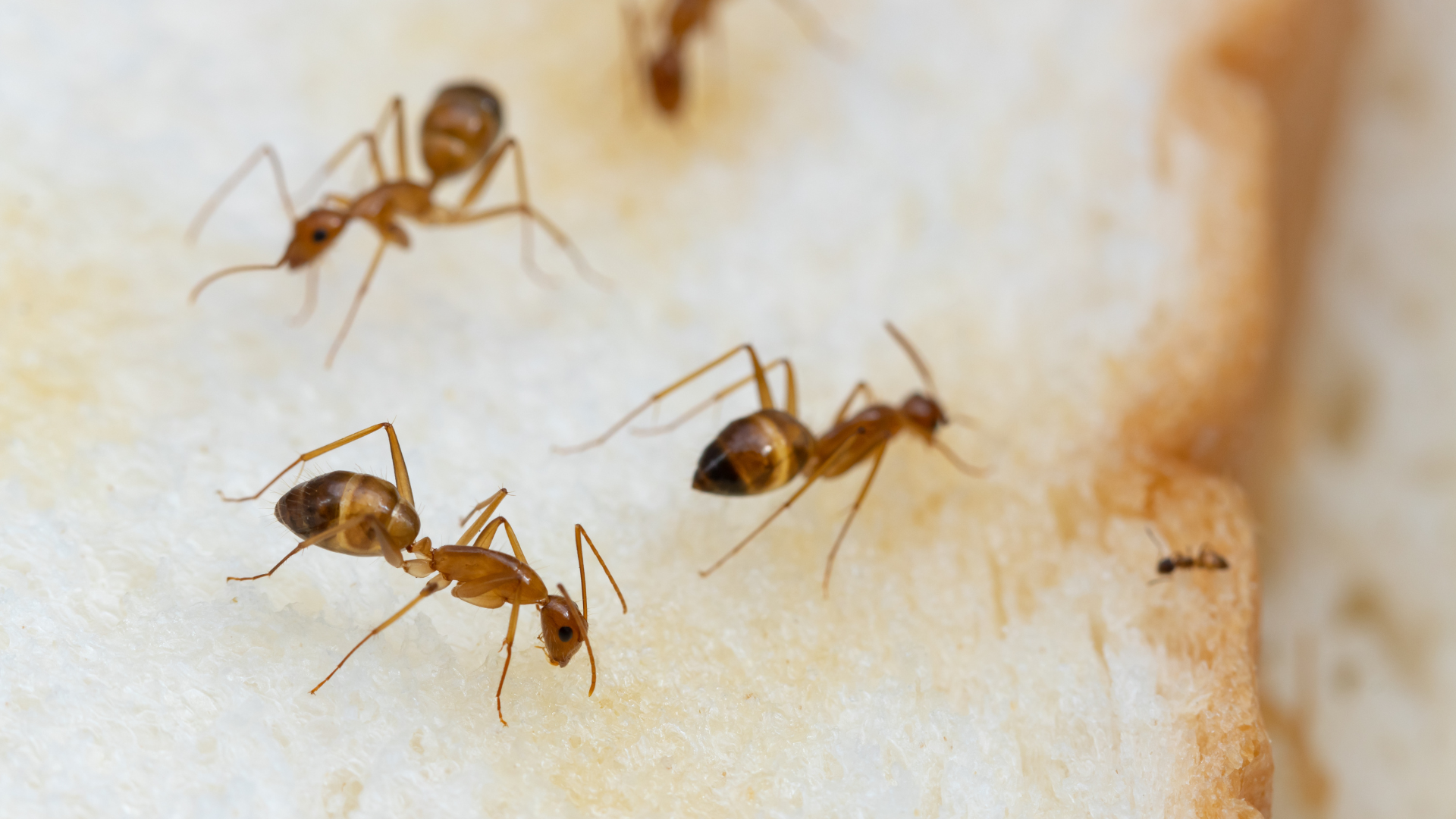
Ants are common household pests that can be found in every state across the US.
The most common types of ants that infest homes are carpenter ants, as they are known to chew through wood to create tunnels to crawl through. Carpenter ants have three distinct body regions and are typically black or reddish in color.
Carpenter ants are not harmful to humans or pets, but they could be destructive to any home they enter. Other common household ants include pavement ants and fire ants, the latter of which are aggressive and often sting humans who come into contact with them.
2. Termites
Termites are some of the most destructive house bugs, and they cause billions of dollars worth of property damage each year. Termites can be identified by their long, oval bodies and white to light brown coloring.
They measure between ¼ and ½ of an inch, with the kings and queens typically being larger. While termites may bite or sting humans, they are not known to carry diseases.
Treating termites is notoriously difficult. Therefore, professional assistance is always recommended.
3. Cockroaches
Cockroaches are some of the most feared household pests and for a good reason. Unfortunately, getting rid of cockroaches can be extremely difficult, as they breed quickly and are excellent at hiding.
While there are 69 cockroach species in North America, the most common ones found in homes are German cockroaches. German cockroaches are light brown in color and have two parallel stripes on their backs.
Cockroaches are considered dangerous to humans, as they carry diseases that can be transmitted to humans simply by breathing the same air.
4. Beetles
Beetles are another common type of house bug, though they are relatively harmless. Beetles typically make their way into homes by hitching a ride on something that is being brought inside, like grocery bags or laundry. Beetles are typically oval-shaped and range in color depending on the specific type.
5. Lady Bugs
Ladybugs are usually attracted to warm and safe places, making your home the perfect refuge for them. Lady bugs are easily recognizable, with tiny red bodies and wings. They often have black dots on their bodies but can also be solid red in color.
Luckily, ladybugs are not harmful to humans and are docile in nature. Plus, getting rid of ladybugs is fairly easy.
6. Stink Bugs
Stink bugs are another household pest that has a distinct look, with their shield-shaped bodies and speckled brown pattern. Stink bugs are harmless to humans but may cause an allergic reaction for some people with the allergens they give off; however, this is rare. Like many other hose bugs, stink bugs usually enter a residence in the colder months to seek shelter.
7. Silverfish
Despite their creepy appearance, silverfish are not known to bite humans and do not carry diseases. Silverfish can be identified by their silvery, light gray color, and “fish-like” movements, as well as two large antennae. If you see a silverfish, there is a good chance there are many more living in your home, as they reproduce quickly and can infest in large numbers.
8. Spiders
Spiders are another common household pest you may run into, and the different species can vary in how dangerous they are to humans. Some of the most common house spiders are wolf spiders, black widow spiders, and cellar spiders. While wolf spiders are generally harmless and don’t bite unless provoked, black widows can be aggressive when threatened and have an extremely poisonous venom that is about 15 times stronger than that of a rattlesnake.
9. Pincher Bugs
Pincher bugs, often known as Earwigs, are a common type of house bug that may find their way inside your home. Pincher bugs can be easily identified by their large pincers and thin, dark brown bodies. While pincher bugs may be able to leave red marks on your skin from their pincers, they are not strong enough to break skin and do not carry diseases.
10. Crickets
Crickets are another bug that can accidentally end up in your home by latching onto clothing or making their way in through open windows and doors. While crickets are a larger insect and are commonly mistaken for cockroaches, they aren’t known to be dangerous to humans and are more of a nuisance pest due to their vocal nature.
11. Centipedes
If you see centipedes in your home, there is a chance you may have other pests as well. Centipedes typically enter homes to feed on cockroaches and spiders, and are often lured in by these pests. Centipedes have flattened or rounded heads and have one pair of legs per body segment, with the number of body segments varying depending on the species. While centipedes do not pose a serious threat to humans, their bites can cause mild pain and swelling.
If you are dealing with a pest infestation, do not hesitate to reach out to a professional. The Pest Rangers’ residential Home Protection Plan guards against several different species of pests, including all of the ones listed above. We also offer emergency services with quick turnarounds to treat an infestation when it arises.
FAQs
How can I identify what type of bug I found?
If you find a bug in your home and aren’t sure what it is, try to trap it if you’re able to, or take a clear picture for reference. It is always best to contact a pest control expert at the first sign of any infestation, as they will be able to determine what kind of pest you’re dealing with and take the proper steps to treat the problem.
Do bugs come in clean houses?
No matter how clean your house is, bugs will often still find a way in. As mentioned earlier, the main things a bug is looking for are food and water. If they do not find those resources in your home, they will not feel as inclined to stick around.
What bugs are harmful and dangerous?
Certain types of spiders, such as the black widow, as well as cockroaches and some ants, can be harmful to humans and pets. If you suspect you may be dealing with a pest infestation, contact a trusted pest control expert right away to assess and treat the situation.

Your Ultimate Guide to Identify and Treat Bed Bugs
Discovering that you have bed bugs is every homeowner’s worst nightmare and can be an extremely distressing problem to deal with.
According to one survey, at least one in five Americans has dealt with a bed bug infestation in the past or knows someone who has.
While some may think of bed bugs as a sign of a dirty home, they tend to enter homes on used furniture and clothing, often due to traveling or shopping secondhand. And since bed bugs spread quickly, identifying and treating bed bugs with bed bug remedies is imperative should you ever encounter these pests in your home or while traveling.
Why Are Bed Bugs in My Home?
Bed bugs can enter your home in many ways, most commonly by latching onto used furniture.
If you’re someone who thrifts and shops for antiques regularly, you may want to take extra precautions when inspecting furniture or clothing before bringing new items into your home.
Bed bugs can also enter residences by clinging to your suitcase when staying in a hotel, so be sure to look at guest reviews before booking a hotel room and check for any signs of bed bugs when you arrive.
Are Bed Bugs Dangerous?
While bed bugs are not inherently dangerous to humans, they can cause an allergic reaction in some people if bitten. Therefore, bed bugs are considered a household nuisance and should be dealt with promptly by an experienced pest control expert.
How to Identify Bed Bugs
Bed bugs are a reddish brown color and are typically small and wingless, about the size of an apple seed. Immature bed bugs are smaller than adults and have a more translucent color, often making them more difficult to spot.
Bed bugs should not be confused with lice, fruit flies, or any other common bugs found in the home, so understanding what they look like is imperative to recognizing and treating a possible infestation.
Signs of Bed Bugs
- Bloodstains on Sheets - Small reddish-brown stains on your sheets can be a sign of bed bugs, as this could be blood from bugs that have been crushed. These stains may also appear on your mattress, couch, or armchairs.
- Bed Bug Bites - Bed bug bites look like small, swollen red spots that often appear in a zigzag pattern on the skin. Bed bug bites are typically itchy and sometimes have a darker spot in the middle of the bite.
- Bed Bug Shells - Otherwise known as bedbug molt, bed bug shells are a common sign of a bed bug infestation. Bed bugs typically molt after a week of infesting your home, and the molt looks translucent in appearance.
- Musty Odor - Bed bugs often emit a musty, sweet odor in larger infestations, so if you smell this kind of scent in your home, reach out to a pest control expert immediately.
- Live Bed Bugs - Seeing live bed bugs on your furniture or garments is a telltale sign that there is a bed bug presence in your home.
How to Get Rid of Bed Bugs
- Wash Your Bedding - If you suspect a bed bug infestation, you should promptly wash all of your bedding at a high temperature for 90 minutes or more. It may also be helpful to wash any garments that may have been exposed, as bed bugs can cling to these items as well.
- Vacuum Your Home - After washing your bedding and garments, you should vacuum your floors to catch any bed bugs that may be infesting your carpets. Keep in mind, however, that bed bugs can escape vacuum cleaners, so be sure to empty your vacuum immediately after cleaning and dispose of the garbage bag outside of your home.
- Contact a Professional - If you discover bed bugs in your home, you should contact a pest control expert right away to treat the infestation. Bed bugs can be extremely difficult to take on alone, and the problem could worsen the longer you wait to get help.
- Prep Your Home For Treatment - Before your home is treated for bed bugs, you will need to prepare your home and get rid of any unnecessary clutter.
Cleaning up the house and tossing anything you don’t need will give the bed bugs fewer places to hide, so be sure to make your home as neat and clutter-free as possible to prepare for treatment.
Additionally, you should avoid going into rooms where there is a bed bug presence and close the door to prevent your children or pets from entering an infested area as well.
How to Treat a Bed Bug Bite
If a bed bug bites you, wash the bites with soap and water to prevent infection and reduce any itchiness you may experience. You can also apply a corticosteroid cream to the affected area to relieve itching. These creams can be purchased at the drugstore or prescribed by a doctor.
Bed Bug Prevention Tips
- Wash Your Furniture - Regularly washing and vacuuming your furniture is a great way to prevent bed bugs from entering or returning to your home. This is especially true for things like mattresses, couches, and armchairs, as bed bugs often cling to these pieces of furniture.
- Clean Up Clutter - The fewer places bed bugs have to hide, the better, so be sure to clean up any clutter that may be taking up space around your home.
- Inspect Secondhand Items - Before taking home any items from the thrift store, be sure to thoroughly inspect them for any signs of bed bugs. For example, you should avoid purchasing used mattresses and box springs, as bed bugs commonly infest these items. If you decide to purchase used clothing or household appliances, make sure to wash them before using them in your home.
- Seal Cracks - Sealing any cracks and crevices in your home is a great way to prevent bed bugs from entering. Silicone caulk can be purchased from any home improvement store and can be used to seal any possible bed bug entryways around your house.
- Invest in Pest Control Maintenance - Investing in preventative pest control is a solid way to prevent bed bugs from entering or returning to your home. If you can afford it, reach out to a pest control company and ask about setting up a maintenance plan to give you and your family peace of mind that you won’t see any bed bugs around your home.
FAQs
Can you see bed bugs with the naked eye?
While bed bugs are tiny, they are typically visible to the naked eye. If you see small, reddish-brown bugs with flat, oval-shaped bodies on any of your furniture, contact a pest control expert to assess and treat the problem.
Where do bed bugs hide on your body?
Bed bugs do not typically hide on people’s bodies, but they can hide in your clothing or in the soles of your shoes. If you notice any itchy bug bites in the shape of a zigzag pattern, contact a pest control expert immediately.
How do you check for bed bugs?
Keep an eye out for small reddish-brown stains on your mattress or bedding, as this could be blood from crushed bed bugs. You may also see live bed bugs, although this is rare, as they can be difficult to see if you’re not looking for them.

What is the Best Way to Prevent a Pest Infestation?
They say the best offense is a good defense. Well, when it comes to pest control, prevention is always better than cure.
Find out how to protect your homes from best using the best methods of preventative pest control.
Why Pests Are Attracted to Your Home
Pests are attracted to homes for various reasons, but primarily because they are attracted to some food source. For example, crumbs on the floor or pet food left out overnight can be an easy magnet for pests if not properly disposed of.
Pests also use your home for shelter during extreme temperatures and weather conditions, such as the frigid winters. Other environmental factors can attract pests, too, such as moisture and humidity levels in some regions of your home that provide a hospitable environment for bugs and rodents.
In addition, there are other elements that may draw pests into your home without you even realizing it. For example, if you have wood piles stored near your house or compost bins close by, they can be attractive places for insects like ants and termites to nestle in before finding their way inside.
Even small cracks around window sills or door frames can act as entry points for many types of bugs seeking refuge from the outdoors.
Leaving dirty dishes out overnight can be an invitation for cockroaches, as it provides them with easy access to food sources and much-needed water during dry spells when outdoor water sources become scarce.
Clutter, such as stacks of newspapers or old furniture tucked away in corners, also provides plenty of hiding spots for mice and other rodents looking for a cozy spot to settle down in until they find something more permanent within your walls or attic space.
Finally, outdoor lighting fixtures can also be responsible for attracting unwanted guests indoors; lights at night make it easier for flying insects like moths and mosquitoes to find their way inside through open windows or doors left unlocked after dark hours have passed.
All these elements combined create an inviting atmosphere that will likely bring all sorts of critters crawling right up onto your doorstep.
In sum, understanding why pests are attracted to your home is the first step in preventing an infestation. To help you combat pests that enter your home, let's discuss four types of pest control methods available to homeowners.
3 Types of Pest Control Treatments
1. Chemical Pest Control:
Chemical pest control is the most common form of pest management. It involves the use of pesticides and insecticides to kill and prevent pests that enter your property.
These chemicals are usually sprayed directly onto infested areas, and they can be in liquid, aerosol, powder, or granular form.
The advantage of this method is that it's fast-acting and effective against a wide range of pests.
However, there are some drawbacks as well; chemical pesticides can cause health risks for humans and pets if not used properly and may also have an adverse effect on the environment.
2. Natural Pest Control:
There are natural pest control methods that involve the use of natural ingredients such as essential oils, herbs, plants, minerals, and other organic materials to deter pests from entering your home or business premises. This type of pest control is often preferred by those who want to avoid harsh chemicals due to the potential health risks associated with them.
Examples include planting certain types of flowers near entry points which act as a natural repellent for insects like mosquitoes; setting up sticky traps around window sills; placing diatomaceous earth around baseboards; spraying vinegar solutions on ant trails; sprinkling cinnamon powder near cracks where cockroaches enter and so forth.
3. Biological Pest Control:
Biological pest control uses living organisms such as predators (e.g., ladybugs) or parasites (e.g., nematodes) to target specific species of pests without harming beneficial insects like bees and butterflies that help pollinate our food crops.
This method has been found to be more sustainable than chemical treatments since it does not leave behind any harmful residues in the environment after application–making it safer for people's health too.
The downside, however, is that biological controls take longer than traditional methods because you need time for the predator/parasite population to build up before they start attacking your targeted pests effectively. As a result, biological pest control is best used as a preventative method instead of a cure for pests.
No matter which pest control method you choose, it is important to understand that the best way to prevent a pest infestation is by taking proactive steps. Professional pest control services can provide more comprehensive solutions and guarantee results.
That’s why we recommend regular pest inspections as part of any preventative pest control package.
 Benefits of Regular Pest Inspections
Regular inspections help detect any signs of pests early on so that appropriate action can be taken quickly to prevent further damage or health risks.
For residential customers, regular pest inspections are especially important because it helps them identify any possible entry points for pests into their home. Inspections also allow homeowners to check for any existing infestations that may have gone unnoticed until now.
By detecting the presence of pests early on, homeowners can take preventive measures such as sealing off cracks and crevices around windows and doors where pests could enter from outside.
Commercial businesses should also consider scheduling regular pest inspections since a single infestation could potentially lead to costly damages or legal liabilities if left unchecked.
Professional inspectors will be able to detect signs of an active infestation and areas where there is a potential risk of one occurring in the future due to conducive conditions, such as moisture buildup or inadequate sanitation practices within the premises.
Inspections allow business owners to take corrective actions immediately before the situation gets out of hand, resulting in lost time and money spent on repairs or replacements caused by pest-related damages.
5 Tips to Prevent a Pest Infestation
1. Keep a Clean Home
Pests are attracted to trash and clutter inside and outside of the home. That’s why we recommend:
- Disposing of any loose trash
- Sealing all trash bags
- Eliminate any standing water
- Mowing your yard
- Getting rid of any leaves or debris
- Cleaning basements and attics regularly
- Moving large or loose objects to a storage unit
Keeping a clean home is not a foolproof way to prevent pests, like bed bugs or house termites, but it might be enough to keep cockroaches away, who are attracted to food sources in your home.
2. Seal Off Entry Points
Stop pests from physically entering your home by sealing off any cracks or gaps in your exterior, roof, or basement spaces.
Consider turning the lights off in your basement or attic during the day to see where light can peak through your home and filling the gap with a spray foam solution.
3. Know What Pests Are Local to Your Area
Understanding what pests are native to your area and their seasonal habits can help you prepare for any potential infestation. For example, prepping your yard and eliminating standing water to prevent gnats and mosquitos from infesting the property will help you enjoy those summer BBQs in the backyard without getting attacked.
4. Get Regular Inspections
For the best-guaranteed. protection, we highly recommend getting regular inspections. Not only will exterminators detect the presence of any pests in your home, but they will also help you prevent pests by identifying potential entry points and food sources.
5. Call the Professionals When a Pest Infestation Arrives
Once prevention fails, your only recourse should be to call a professional exterminator. A pest control expert will help you eliminate any standing infestations before additional damage has occurred.
Pest infestation can be a serious problem for both residential and commercial properties. Taking the necessary steps to prevent pests from entering your property is essential in keeping your home or business safe and healthy.
The best way to prevent pest infestation is by utilizing a combination of chemical, natural, biological, and preventive methods. Additionally, regular inspections are key in detecting any potential problems early on before they become more serious issues.
Professional pest control services may also be beneficial if DIY solutions don't seem to work effectively. By taking these proactive measures, you can ensure that your property remains pests-free.

Organic Pest Control: How to Get Rid of Bugs Naturally
Organic pest control is becoming increasingly popular for homeowners and business owners who are more environmentally conscious. With its safe, natural ingredients that are better for the environment, organic pest control offers practical solutions to getting rid of pests without resorting to harsh chemicals or toxic substances.
This guide will explore the many sides of organic pest control and whether it is truly effective.
What Is Organic Pest Control?
Organic pest control uses natural and biological methods to manage pests without chemical pesticides. It is considered a safe and eco-friendly alternative that is better for the environment.
Organic pest control can be used indoors and outdoors, in residential or commercial settings, and with DIY or over-the-counter products.
Benefits of Organic Pest Control
- Safe for pets and children
- Can be made DIY
- Less irritating for health
- Promises effective treatment
- More cost-effective
- Doesn’t use any synthetic chemicals
- Requires fewer applications over time
How Effective Is Organic Pest Control?
Organic pest control effectively eliminates your home or business from pests without harsh chemicals. Instead, it uses natural ingredients such as neem oil, diatomaceous earth, and spinosad to target specific pests. While organic pest control can be highly effective in controlling certain types of pests, some factors can affect its effectiveness.
For example, some pests may require pesticides, such as to keep cockroaches away for good. Additionally, pests like bed bugs may require chemical pesticides to do the trick.
Organic pest control can be very effective against certain pests and is a great preventative measure. However, many pests may require more extreme chemical pesticides to effectively rid your home of pests.
Drawbacks of Organic Pesticides
- Not always effective against pests
- May require longer to work as effectively
- Efficacy may be altered by the temperature
- May pose some health risks (though most are safe)
By understanding the pros and cons, as well as common misconceptions about organic pest control, you can make informed decisions when choosing products to use for controlling pests in your area.
Effective Organic Pest Control Products
There are many natural products available that can be used to effectively control pests without the use of harsh chemicals.
- Neem oil has been used for centuries in India as a natural insecticide. It disrupts insects' reproductive cycle, preventing them from reproducing and spreading further infestations.
- Diatomaceous earth is another popular organic pest control product; it consists of tiny fossilized shells that act like razor blades when insects ingest it, cutting through their exoskeletons and killing them quickly.
- Spinosad is a naturally occurring bacteria found in soil that can be used as an organic pesticide. It kills certain types of caterpillars and other soft-bodied insects on contact while leaving beneficial insects unharmed.
- Traps and baits are also effective ways to get rid of pests organically. They work by luring pests into traps with food or scents and trapping them inside until they die off or can be disposed of safely away from your property.
- Other natural products for controlling pests include boric acid powder, essential oils like peppermint oil, garlic spray, cedar chips, and diatomaceous earth mixed with water or vegetable oil spray for outdoor plants affected by bugs such as aphids or mites.
General Tips for Preventing Infestation with Organics
Preventative pest control is the best way to ensure a pest-free home. Not only are these general prevention tips effective, but they are also safe for the environment.
Keep Grass Cut Short
Long grass provides a great hiding place for many pests, so regularly mowing your lawn can help deter them from taking up residence in your yard. If you have trees and shrubs near your house, ensure they are trimmed away from the walls.
Seal Entries to Home or Business
Pests will often enter through cracks and crevices around windows and doors, so ensure these areas are properly sealed with caulk or weatherstripping. Also, check that screens on windows and doors fit snugly against their frames to keep out any unwanted visitors.
Keep a Clean House or Business
Keeping surfaces clean can go a long way toward discouraging pests from entering your home. Make sure floors are swept regularly, and dishes washed immediately after meals. Vacuum carpets frequently as well since dust bunnies can attract insects like ants and cockroaches looking for food sources in your home or business space.

Dethatch Lawns & Gardens
Thatch consists of dead grass clippings that accumulate over time on top of the soil, creating an ideal environment for certain bugs such as fleas, ticks, spiders, etc. So removing this layer helps discourage them from making themselves home in your yard.
Eliminate Standing Water
Mosquitoes love standing water as it provides a breeding ground, so eliminating any potential sources, such as birdbaths and buckets filled with rainwater, will help keep them away from your property altogether.
By taking proactive steps such as keeping your grass cut short, sealing entries to your home or business, and removing standing water sources, you can help prevent pest infestations. However, for more serious cases of infestation, it may be necessary to consider professional services.
DIY vs Professional Services for Organic Pest Control
Advantages of DIY Services:
DIY Solutions for organic pest control can be a great way to save money and take care of your home or business.
DIY solutions are often cheaper than professional services, as you don’t have to pay for labor costs. You also get the satisfaction of taking care of the problem yourself.
However, there are some drawbacks to using DIY solutions that should be considered before making a decision. For example, DIY solutions can be unsafe if handled improperly and put you and your home at risk.
Furthermore, many DIY solutions may not be that effective.
Advantages of Professional Services:
On the other hand, professional services offer several advantages over DIY solutions, such as access to specialized equipment and expertise in pest identification and elimination techniques.
Professionals may simply be required if you spot signs of termites or harder to deal with pests, which require inspection and pesticides to treat.
In addition, most professionals guarantee their work, so if something goes wrong during treatment or if new pests appear after treatment has been completed, then they will come back at no additional cost until complete eradication is achieved.
Ultimately, we recommend asking your exterminator about organic pest control methods and leaving it up to them to determine what products and methods they think are the most effective. This will guarantee that pests are handled quickly and effectively so that your home is pest free.
Contact us below for any help regarding pest control within the Scranton, Wilkes-Barre, Hazleton, or Poconos areas.
FAQs Organic Pest Control
Does organic pest control work?
Yes, organic pest control can effectively control pests in certain instances. It relies on natural ingredients such as plant oils and extracts to create a barrier that repels or kills insects. Organic pest control is also safer for people, pets, and the environment since it does not use harsh chemicals or toxins. Additionally, it may be more cost-effective than traditional chemical methods since fewer materials are needed to treat an area.
What are organic methods of pest control?
Organic pest control methods are those that use natural materials and processes to eliminate pests without the use of synthetic chemicals. These methods include physical barriers such as screens, traps, and sticky tape; biological controls like introducing predators or parasites to target specific pests; and cultural practices such as crop rotation, proper sanitation, and using resistant varieties of plants.
Which organic pesticide is best?
The best organic pesticide depends on the type of pest. Natural oils such as neem oil or pyrethrin are effective against certain insects but may not work against rodents. Diatomaceous earth is an effective barrier against crawling insects and can be used indoors with minimal risk to humans or pets.

How to Rid Your House of Mice: 11 Proven Tips
Discovering you have a mouse can not only be annoying, but it can be potentially dangerous to you and your loved ones. The sooner you evict these little pests from your home, the better it will be for your livelihood.
Unfortunately, like most pests in Northeast PA and the Poconos, a mice infestation can be tricky to deal with. There’s no telling how many rodents may be residing in your home, where they may be coming from, and where they may have made a nest.
If you think you may be experiencing a mouse problem, here are 11 proven tips about how to rid your house of mice for good.
1. Find Their Entry Point
The first step to stopping a mouse infestation is finding where they are coming from. Mice are so tiny they can slip through the smallest crack or tiniest hole. Additionally, these little critters can burrow their way in through a spot as big as a pen cap. Check the inside of your home from top to bottom to see any possible access areas.
2. Close off Entry Points
Once you have found where they are coming in, it is time to shut them out. Steel wool and caulking are great tools for sealing up any potential entryways. Check around vents, utility pipes, foundation, and basement windows. Try not to use any sealants that mice can gnaw through, such as plastic or wood. If the mice can’t get in, they won’t be a problem.
3. Look for the Signs
If you suspect you have a mouse problem, there are some signs to look for. Mouse droppings are a clear indication that you may mice. You can usually find them near entryways, nests, or food sources. Aside from droppings, you may find chewed boxes in your pantry, attics, or basement. Mice look for nesting materials, and they can chew right through cardboard food containers. Additionally, scan your walls and wiring for possible gnaw damage and be wary of foul odors.
 4. Determine the Type
If you do have a mouse, determining the type is a good way to stop it from coming back.
The three most common mice types and their traits are:
House mice
- Use shredded materials to build nests
- Eat glue, soap, and many other things
- Carry typhus, salmonella, and bubonic plague
- ¼ of an inch to ½
- Reddish black, nocturnal
Deer Mice
- Outdoor habitat in sheds, barns, and garages
- Transmit Hantavirus
- About, 5-8” long
- Light brown with white feet and belly
- Chew through wires, insulation, furniture, etc.
White-footed Mice
- Seek refuge in the Fall and Winter months
- Can spread bacteria and diseases through food
- Can transmit Lyme through ticks
- 6-8”
- Light to reddish-brown
- Found in brushy, Northeastern areas
- Eat insects, wood, seeds, nuts, and fruit
5. Eliminate the Food Source
Mice don’t want to live where there is no food source; take steps to protect yours. Make sure to store and seal all food in airtight canisters. Don’t forget about pet food. Also, be sure not to leave out empty food containers or dirty dishes. Cover all trash receptacles and tidy any areas that serve as a dining areas. These extra steps will not only help prevent an infestation, but it can protect you from contamination should you experience one.
 6. Set Mouse Traps
While not always successful, should you find a mouse in your home, you can try to set your own traps. DIY home remedies are not proven to work and may actually make a problem worse. Classic snap traps, humane traps, or any other store–bought trap can work, Try a few different ones; mice can be clever and avoid certain hazards. Always have more than one because you can’t be certain if you have one mouse or many.
7. Use the Right Bait
Cheese may work in the cartoons, but mice prefer other treats. When setting your trap, try various baits to trap mice: chocolate, peanut butter, bacon, or dried fruit. Replace the bait and try something new to lure out your pesky invaders. Avoid using poisons, however, especially if you have pets. Poisons are not recommended for the DIY homeowner due to the harm they can cause!
8. Location! Location! Location!
Placing traps and plugging up holes is crucial to eliminating a pest problem. Mice stay close to their food sources and their homes. Place these traps where you see signs of a mouse: building nests, scratches on walls, or droppings.
 9. Mice aren’t just an inside problem.
Mice don’t only look indoors for solace; they can be attracted to outdoor refuse too. If you have a buildup of yard clippings, branches, or firewood, mice may take that as an open invitation. Make sure that you keep any possible nesting areas to a minimum.
10. Keep things clean!
While keeping your home clean won’t rid your house of mice, it can keep it from getting out of hand and keep you safe. Mice can contaminate your food and transmit diseases. The best course of action is to be vigilant and clean all surfaces. Without any areas to scavenge food, the mice are less likely to return.
11. Make a game plan.
The most crucial way to tackle a mouse problem is to have a game plan. If you discover signs of a mouse in your home, take the steps to seal off entryways, locate their living space, and limit their food supply. If you believe your mouse infestation may be more serious, contact a pest control specialist to help you deal with the problem. Be prepared for the worst and aim to prevent it.

Cold Weather Pest Control Tips For Your Vehicle
As Winter approaches, there’s a good chance you may be storing that old convertible or RV for next summer. While this may seem innocuous, you could leave your vehicle vulnerable to a pest infestation.
While pest infestations in your car may seem unlikely, they’re actually relatively common in the colder months. Whether searching for food, shelter, or both, pests can find a way into your vehicle through even the tiniest and most insignificant openings, wreaking havoc on electrical wiring and quickly multiplying.
This article will look at the most common pests responsible for infesting your vehicle, how they squeeze in, signs of pest infestation, and various ways to keep pests away.
What Pests May Try to Get Into Your Vehicle in the Cold?
Pests tend to invade your personal space for resources and shelter; while your car isn’t necessarily their first choice to inhabit, it’s a warm and dry space that’s likely better than outside.
Several types of pests may invade your vehicle throughout the winter, with the most common being:
Cockroaches: Cockroaches often invade vehicles to scavenge what food they can find. Even food hidden deep inside tight pockets and crevices can serve as a breeding ground for cockroaches. So, if you spot cockroach droppings in your car, this may be a sign that you have a cockroach infestation in your vehicle.
Bed Bugs: Contrary to popular belief, bed bugs are actually quite versatile pests, hiding in even the smallest nooks and crannies. While beds are their preferred feeding ground due to the close proximity to potential meals, they’ve been known to migrate into cars after contact with infested clothing, books, or furniture. Bed bug molt and shells are common signs of a bed bug infestation in your car’s upholstery.
Ants: Like cockroaches, ants are foragers with voracious appetites. With their heightened sense of smell, most ants can sense the presence of food several meters away, making their anthill next to your driveway well within range to pick up the scent of food. In addition, with their miniscule size, ants can squeeze into even the tiniest gap in your car’s weatherstripping, making quick work of the leftovers under the seat. While ants won’t reproduce in your car, the sheer number of workers making up a single trail is more than enough to pose a problem.
Mice and Rats: Both rodents can also squeeze their bodies into seemingly impossible spaces, making quick work of holes in your firewall or missing door seals. Once inside, mice and rats will consume any and every morsel of uneaten food strewn across the floor; they may even begin nesting under the hood or in the interior due to the plentiful supply of carpet padding, sound deadening, fabric, and other supplies. Additionally, rodents pose the most severe threat to your vehicle's reliability. They’re known to chew holes into wiring, protective loom, and rubber hoses responsible for transporting coolant, oil, and crankcase vapors.
Spiders: These 8-legged predators can often be found spinning webs throughout your vehicle’s suspension, near the side view mirrors, or even inside of the cab–especially if your interior is already infested with cockroaches or bed bugs. In any dry, secluded area with a bountiful food source, spiders will thrive.
How to Prevent Bugs in Your Vehicle
Though vehicle-invading pests come in all different shapes and sizes, the means of preventing them are generally the same. By following these simple tips, you can keep your car or truck clean and pest-free.
Perform Routine Cleanings
One of the most effective means of keeping pests from entering your vehicle is to keep its interior and exterior clean. Routinely spraying off the undercarriage, mirrors, and other tight spaces is an excellent means of preventing spiders from building webs and laying eggs.
In addition, cleaning the interior will help to prevent scavengers from making a meal out of your forgotten leftovers, spills, and messes. So even during the winter, don’t hesitate to bust out the vacuum and cleaning supplies, and make sure to get under the seats!
Close Your Windows
While this one may seem obvious, it’s not uncommon to accidentally leave a window cracked after airing-out the interior on a warmer day. Unfortunately, this provides the perfect entry point for pests of all shapes and sizes. So before parking your vehicle for the night, make sure to double check all of your windows.
Be Mindful of Your Surroundings
If you’ve noted the presence of ants, rodents, or any other pest in your vehicle, take note of its location and the surrounding conditions. For example, note if there’s an anthill beside the driveway or a spider-infested tree nearby.
In any situation, treating the surrounding infestations is best before tackling localized pest control on your vehicle, ensuring that the root of your issue is handled.
Don’t Leave Vehicles Idle For Extended Periods
Most pests aren’t too keen on the presence of humans, and will likely avoid vehicles that are used on a daily basis. However, the occasionally driven/spare car parked on the side of the driveway may be the perfect target for rodents and spiders. So, if you routinely find pests making a home of your spare car, consider taking it out for a spin at least once a week, and don’t forget to run it through the car wash for good measure!
Concluding Thoughts
While not as likely as home infestations, it’s not uncommon to find pests in or around your vehicle from time to time. However, with proper preventative care, you can significantly reduce the chance of a full-scale infestation.
In the event of a seemingly never-ending infestation, don’t hesitate to contact your local pest professionals for various home and vehicle treatment options.