

Do Ticks Go Away in Winter? What Happens to Them?
When fall fades, and the weather grows cold, it seems like the perfect time to say goodbye to most insects.
While winter weather brings freezing temperatures to Northeastern Pennsylvania and forces bugs into hibernation, some stubborn winter pests like to stay.
One stubborn pest that can survive the winter and still pose a danger to residents and hikers is ticks.
While most ticks will certainly disappear and burrow underground, others in our area can still strike when you least expect–including in the middle of winter.
Learn more about how ticks survive winter and what precautions you can take to protect yourself against ticks.
Tick Lifecycle Overview
Ticks in NEPA are resilient pests that thrive in hot and wet weather but adapt their lifecycle to survive the cold winters. Understanding their lifecycle can explain why some ticks remain active and dangerous during the colder months.
Ticks progress through four distinct stages: egg, larva, nymph, and adult. This lifecycle typically spans 2-3 years and requires blood meals at each stage to advance. To protect each of these stages, ticks adapt to their environment to give them the best chance for survival against changing temperatures.
- Egg Stage: Female ticks lay thousands of eggs during spring in protected environments like leaf litter or under brush piles to shield them from predators. The eggs remain dormant during colder months, waiting until they become warmer in May and June to finally hatch.
- Larva Stage: Tick larvae (also called “seed ticks”) are tiny, six-legged parasites that emerge from eggs in warmer months. Before winter, larvae take their first blood meal—often from small rodents—and then find shelter to survive the cold. In NEPA, fallen leaves and snow provide critical insulation for larvae to avoid freezing.
- Nymph Stage: Nymphs are the most dangerous tick stage for humans because of their small size and high activity levels in spring and early summer. Before winter, nymphs take another blood meal to store energy. During winter, they burrow deep into leaf litter, mulch, or soil, using natural antifreeze proteins (cryoprotectants) to prevent their cells from freezing. Ironically, snow cover in NEPA actually serves as an insulating blanket to protect nymphs during the freezing weather.
- Adult Stage: Adult black-legged ticks are most active during fall and early winter, seeking a final blood meal before mating. While many adults go dormant in winter, they don’t die. Instead, they find shelter in leaf piles, firewood, or brush. On milder winter days (above freezing), adult ticks in NEPA can become active again, desperate for a host like deer, humans, or pets.
The Danger of Ticks in Northeast Pennsylvania
Ticks are particularly dangerous because they transmit diseases, such as Rocky Mountain fever or Lyme disease. Typically, they can be found anywhere in greenery, like tall grass or trees, waiting to latch onto a host.
The black-legged tick (also called the deer tick) is the most common tick species in NEPA. It is notorious for transmitting Lyme disease. These ticks are particularly adapted to survive harsh winters by finding shelter and slowing down their activity rather than dying off.
A new species of tick (the Lone Star Tick) has also been spotted in Pennsylvania and causes several adverse side effects, such as an allergy to red meat.
Do Ticks Die in Winter?
It’s no secret that ticks tend to thrive in the summer heat. They love moist and wet environments, so spring and fall are also perfect.
Unfortunately, most people mistakenly believe that ticks will die in the winter. However, this is only sometimes true. Ticks have trouble surviving during the winter, but that doesn’t mean they don’t. Ticks typically die in weather -2 degrees to 14 degrees Fahrenheit. However, that can be influenced by their environment, the type of tick, and how deep they burrow.
The American dog tick and Lone Star tick may vanish as the weather changes, but the black-legged tick will stay longer, especially if it has created a well-insulated environment. Sadly, it’s not the cold that kills them but the rapid temperature change that catches them off guard.
How Ticks Survive the Winter
According to studies, only about 20% of the tick population dies off during the winter. Depending on the type of winter, land conditions and adaptations give them ways to survive. Black-legged ticks tend to burrow deep into solid leaf litters and snow. If a space can provide some insulation, ticks can survive.
For survival, most ticks will burrow to escape the cold. They can also decrease the amount of water in their cells to stop them from freezing. Most ticks have actually developed a natural anti-freeze called “cryoprotectant” which allows them to escape the deep freeze.
How to Protect Your Home from Ticks in Every Season
Unfortunately, you and your pets aren’t safe from ticks all year round. These pests can easily find places to hide away from the frigid temps. Ticks tend to hide away in firewood, trees, or they can bury themselves in leaves.
Regardless of the weather outside, you should always do a tick check after being outdoors, no matter what. Also, when it comes to pets, it’s not a good idea to skip the flea and tick medicine in the cold months either.
If you do venture out in the cold this winter, here is what you can do to protect yourself from ticks:
- Wear light-colored clothes to spot ticks more easily. It’s much easier to spot a black-legged tick on a white shirt.
- Tuck pants into socks. Ticks most often climb on human hosts around their ankles and legs. By tucking your pants into your socks or boots, you can prevent them from reaching your skin.
- Always do a body check. When you come back inside, do a thorough check, especially the warmer parts of your body, like your armpits or the backs of your knees. Ticks will be seeking a warm place to feed.
- Wear tick repellant outside, preferably containing DEET.
- Contact your local exterminator about professional tick control for an active infestation or year-round protection.
In addition, we recommend conducting a tick and mosquito barrier yard spray that will help repel these pests in the warmer months so that they don’t overwinter on your property.
Ticks can be a problem no matter the time of year. Take proper precautions when heading outdoors and protect yourself. While winter may grant us a reprieve from most insects, it always pays to be prepared for the sneaky ones that stick around.
FAQs
At what temperature do ticks die?
Ticks typically start to die when exposed to prolonged temperatures between -2°F to 14°F. However, insulated environments like snow or leaves can protect them from freezing.
Are ticks still active in cold weather?
While many ticks slow down during extreme cold, black-legged ticks remain active on mild winter days (above freezing) as they search for a blood meal.
How can I protect myself from ticks in the winter?
To protect yourself, wear light-colored clothing, tuck pants into socks, use tick repellents containing DEET, and perform tick checks after spending time outdoors.


What Happens to Pests During the NEPA Winters?
Northeast Pennsylvania is known for having cold winters with temperatures typically dipping below freezing at night for many months on end. While winter comes with increased heating costs and being stuck inside, it also has the benefit of seeing less bugs than the summer months.
While many pests still remain active this time of year, most of them do seem to disappear during the winter months. Where do these pests go? Do they die, or are they just hibernating? Do I still need to worry about them this winter? We’re answering all of these questions and more!
How Does Cold Weather Impact Bugs?
Cold weather forces insects to adopt strategies for survival, from migration and hibernation to finding shelter near humans. While some become dormant or die off, others remain active indoors, increasing the need for pest control during the colder months.
For example, many insects enter a dormant state called diapause, which slows their metabolism, activity, and need for food. Bugs like ants and ladybugs huddle together in nests or crevices to conserve heat, waiting for spring to resume activity.
Other bugs like beetles and mosquitoes seek shelter under leaves, bark, or in soil to avoid freezing. Some insects, such as monarch butterflies, migrate to warmer climates, as cold weather disrupts their development and reproduction.
However, indoor pests like cockroaches thrive in winter by seeking warm areas within homes, while termites retreat deeper into soil or wood for insulation. The same goes for pests, such as rats and mice. Others, like spiders, produce antifreeze-like compounds to survive freezing temperatures.
What Is Diapause?
Diapause is a period of dormancy that most insects go into during the winter months. There are six main stages of diapause:
- Induction
- Preparation
- Initiation
- Maintenance
- Termination
- Post-diapause Quiescence
During diapause, bugs go into a state of actively-induced dormancy that blocks developmental growth to help them survive the winter. Diapause can occur at any stage of an insect’s life, but most often happens in pupae.
What Bugs Are Common in the Winter?
While most insects tend to go away in the winter and many homeowners tend to let their guards down when it comes to pests this time of year, it is important to note that it is still possible to encounter pests even during the cold winter months. If you notice any of these bugs in your home this winter, don’t hesitate to contact a pest control professional immediately to have your home inspected and treated.
- Spiders
- Ants
- Cockroaches
- Ladybugs
- Stinkbugs
- Silverfish
- Termites
- Boxelder bugs
- Beetles
How Does Cold Weather Impact Rodents?
The most common pest during the winter months in Northeast Pennsylvania is the rodent–namely house mice and rats.
During the cold winter months, rodents will typically seek shelter from the elements by making their way inside homes and buildings. Rodents do not hibernate, which is why many homeowners may notice mice or rats in their homes during the winter months compared to any other time of year. Once rodents make their way inside a home, they will typically seek food sources due to there being limited availability outdoors.
Some signs that mice or rats have entered your home will include food packages with chew marks, shredded insulation, and knocking sounds inside of walls.
What Bugs Go Away in the Winter?
While most bugs that you see during the summer months can still be active during the winter, there are a few different types of insects that are less active this time of year. Bees and wasps are typically less active during the colder months, which is why you will likely not see them this time of year. You may also notice fewer flies during the winter, as most of them overwinter as pupae underground.
Mosquitoes are also pretty inactive during the winter months, as their eggs overwinter in water and don’t hatch until spring when they thaw.
However, it is still important that you keep an eye out for any and all pests, even during the cooler months, and contact a pest control professional if you notice any unusual activity in your home.
Winter Pest Control Tips
There are many ways to pest-proof your home during the winter months. In fact, winter is a great time of year to start taking preventative measures against pests, as many of them aren’t as active in the cooler months. A few things you can do to protect your home from a pest infestation include:
- Applying weatherstripping to your doors and windows
- Using caulk or sealant to close cracks and crevices in your home
- Getting rid of excess clutter around the house
- Properly sealing and storing all food and drinks
- Doing a deep clean of your kitchen, and staying on top of a regular cleaning schedule
- Storing firewood and lumber far away from your home
- Eliminating excess moisture and standing water
- Carefully inspecting all packages and used furniture before bringing them inside
- Using natural deterrents, such as essential oils, diatomaceous earth, and neem oil to ward off pests
- Investing in professional pest control services
For peace of mind during the winter months against cockroaches, rodents, and other winter invaders, be sure to contact The Pest Rangers about getting an inspection performed. We also offer monthly pest control plans that help defend against over a dozen common species in Northeast Pennsylvania, including several common winter pests.
FAQs
How do insects survive freezing temperatures?
There are a number of ways insects can survive freezing temperatures. Certain insects are freeze-tolerant, which means that they can prevent the formation of ice crystals in their body by producing proteins that control the freezing process. Some insects will also migrate to warmer climates during the winter months, such as monarch butterflies that congregate in large groups to maintain a warmer temperature.
Do all bugs hibernate in winter?
While some bugs hibernate during the winter months, not all of them do. Some insects migrate to warmer climates, while others enter the state of diapause. Some insects possess the ability to tolerate freezing temperatures due to cryoprotectants in their bodies, which control the freezing process.
Why do some bugs come inside during winter?
The main reason many bugs will seek shelter indoors during the winter months is to survive the freezing temperatures outside. Bugs like cockroaches, spiders, and ladybugs often appear indoors more during the colder months to seek shelter from the cold elements outside. Bugs will also make their way indoors in search of food or water sources.

How to Protect Pets During Pest Control Treatment
Northeast Pennsylvania is home to a large, pet-friendly community, boasting several animal shelters, veterinarian clinics, and annual fundraisers to help abandoned pets find new homes.
While most pest control products are considered safe for pets, there is still a risk of exposing our furry friends to synthetic chemicals. Since most dogs and cats tend to explore areas of the home where chemicals may be applied, it’s always safe to take extra precautions before, during, and after a pest control visit to protect your pets.
This guide will explain everything you need to know about pest control and pets, including what to watch out for and how to keep them safe.
Is Pest Control Safe for Pets?
While most forms of pest control are considered safe for pets, the danger of harmful exposure to synthetic chemicals depends on the specific chemicals and pest control methods being employed. This is why The Pest Rangers often uses organic insecticides and employs safe methods of Integrated Pest Management designed to reduce the usage of synthetic pesticides.
While some chemicals can be fatal to pets if ingested and others perfectly harmless, we always try to avoid direct exposure during and after treatment to keep your furry friends safe. Talking to your exterminator about your concerns is your best bet for keeping your furry friends safe.
How Do Exterminators Protect Pets During Sprayings?
Luckily, most exterminators are properly trained to protect pets and children from harmful exposure to toxic chemicals during pest control treatments. There are a number of procedures your exterminator will follow to keep your pet safe during pest control treatments. Some of these measures include:
- Using pet-safe products, such as organic insecticides.
- Recommending homeowners remove pets from the property prior to treatment to avoid direct exposure.
- Keeping pets in another room of the house during treatments if removal is not possible.
- Confining pets to a cage or crate to prevent exposure to chemicals and to allow the technician to properly perform their job.
- Applying chemicals with a fine-tipped nozzle to reduce contact with pets and surfaces that pets may come in contact with.
- Allowing pets back into the home only once surfaces have dried and it is considered safe.
- Keeping pets off of lawns for at least 30 minutes after a mosquito yard spray has been applied to allow the application to settle.
Part of separating pets during the extermination process is to reduce the likelihood of mistakes or misapplication that may result in a pet startling or even interfering with a technician.
How You Can Protect Your Pet During Pest Control
While your exterminator will take lots of precautions to protect your pet during treatment, homeowners can also help by following these tips below.
1. Place Them in a Safe Location
If you are able to, consider removing your pets from the home during pest control treatment. Asking a friend or family member if they are willing to take them in for the duration of the treatment can be helpful. If you cannot remove them from the home, consider isolating them in a room that will not be treated or placing them in a cage or crate. Remember to allow extra time after treatment for sprays to dry properly.
2. Alert the Exterminator
For the safety of your exterminator and your pets, you should always alert your exterminator if pets are in your home before treatment. An experienced exterminator will be able to advise you on the best course of action to keep pets safe during the duration of treatment.
3. Allow Adequate Time After Treatment to Return Pets
Certain pest control treatments, particularly ones that use chemicals, need time to dry before it is safe to re-enter the home. The length of time it takes for the treatment to dry can vary but is typically several hours. Your exterminator will be able to let you know how long you should keep your pets away following a pest control treatment.
4. Protect Pet Bedding, Food Bowls, and Items
Removing pet bedding, food bowls, and other pet-related items from your home prior to receiving pest control treatment is always wise. If only certain rooms in your home are being treated, simply move these items to a room that is not receiving any treatment to prevent them from coming into contact with any chemicals.
5. Ask About Organic Options
If you are concerned about the chemicals and insecticides your exterminator plans to use, express your feelings to them and ask if any organic options are available. Depending on the type of pest you’re dealing with and the severity of the infestation, organic options may not be recommended. However, it is always wise to ask anyway, and a good exterminator will work with you to ease any anxiety you may be having about keeping your pets safe.
Are There Any Organic Pest Control Treatments Safe for Pets?
There are several organic products that are effective at repelling and eliminating pests, including:
- Diatomaceous earth
- Neem oil
- Essential oils–peppermint, lavender, lemongrass, and eucalyptus are known to repel many kinds of pests.
- Physical traps, such as mouse traps, that can be purchased at most home improvement stores
- DIY traps
However, many of these methods are not powerful or practical for eliminating full pest infestations that require the help of an exterminator anyway.
Rest assured, by following the right precautions and listening to your exterminator, you will keep your pet safe during pest control treatment and feel less stressed about receiving future treatments.
FAQs
How can I tell if my pet is having a reaction to pest control chemicals?
Following a pest control treatment in your home, you must keep a close eye on your pets for any unusual behavior. If you notice your pet acting lethargic, vomiting, having difficulty breathing, experiencing loss of appetite, or any other concerning symptoms, contact your vet immediately to be evaluated.
How do I prepare a safe space for my pets during treatment?
If your pet remains in the home during pest control treatment, you can create a safe space by moving them to a room that is not going to be treated. If this is not possible, you can try putting them in a cage or crate and covering it with a blanket. If the weather is nice, you may also want to consider moving them outside for the duration of the treatment. However, if possible, your best bet is to remove them from the home altogether.
Can pest control chemicals affect aquarium fish or reptiles?
Yes, many pest control chemicals can affect aquarium fish and reptiles. You should try to remove their tanks or cages from your home prior to treatment if possible. If you are unable to remove them from the home, consider putting them in a separate room that will not be receiving treatment or covering their tank or cage to prevent them from coming into contact with any pest control chemicals. As always, be sure to inform your exterminator that you have fish or reptiles in the home before treatment.
Seasonal Pests: Which Seasonal Pests Are Most Common in NEPA?
While most homeowners instinctively associate pest control with the summertime, pests can invade your property during any season.
From rodents that make their way indoors for the winter to boxelder bugs and stink bugs that flock to basements during the fall, there is no shortage of friendly and terrifying critters that can upset your happy place throughout the year.
The seasonal climate changes of Northeast Pennsylvania mean that homeowners and business owners have to constantly adjust their pest control strategies with each new season to combat a new crop of bugs and pests.
This guide will help you pest-proof your home throughout the year by identifying what pests are common to the region during each season and providing helpful tips to prevent them throughout the year.
Common Spring Pests
Spring ushers in the return of flowers, as well as helpful pollinators. Expect stinging insects to begin invading gardens soon after planting vegetables and crops for the new harvest season.
Spring is also the typical mating season for many insects like termites. Be on the lookout for termite swarmers searching for a new habitat to lay their eggs.
As they say, April showers lead to May flowers. This wet and rainy season can invite lots of bugs onto your property in search of moisture and warm habitat. As the temperatures rise, expect the return of mosquitoes, ants, spiders, and other smaller insects who will begin to start making their presence felt during the summer.
To prep yourself for the spring, be on the look-out for the following pests that are more active in the spring:
- Ants: As they wake from dormancy, ants invade homes, looking for food sources. They often form trails into kitchens and pantries.
- Termites: Swarming termites are on the hunt for new colonies, making spring the peak season for infestations.
- Mosquitoes: Spring rains create standing water, providing the perfect breeding ground for mosquitoes.
- Flies: Flies multiply quickly in warmer weather, especially near decaying organic matter.
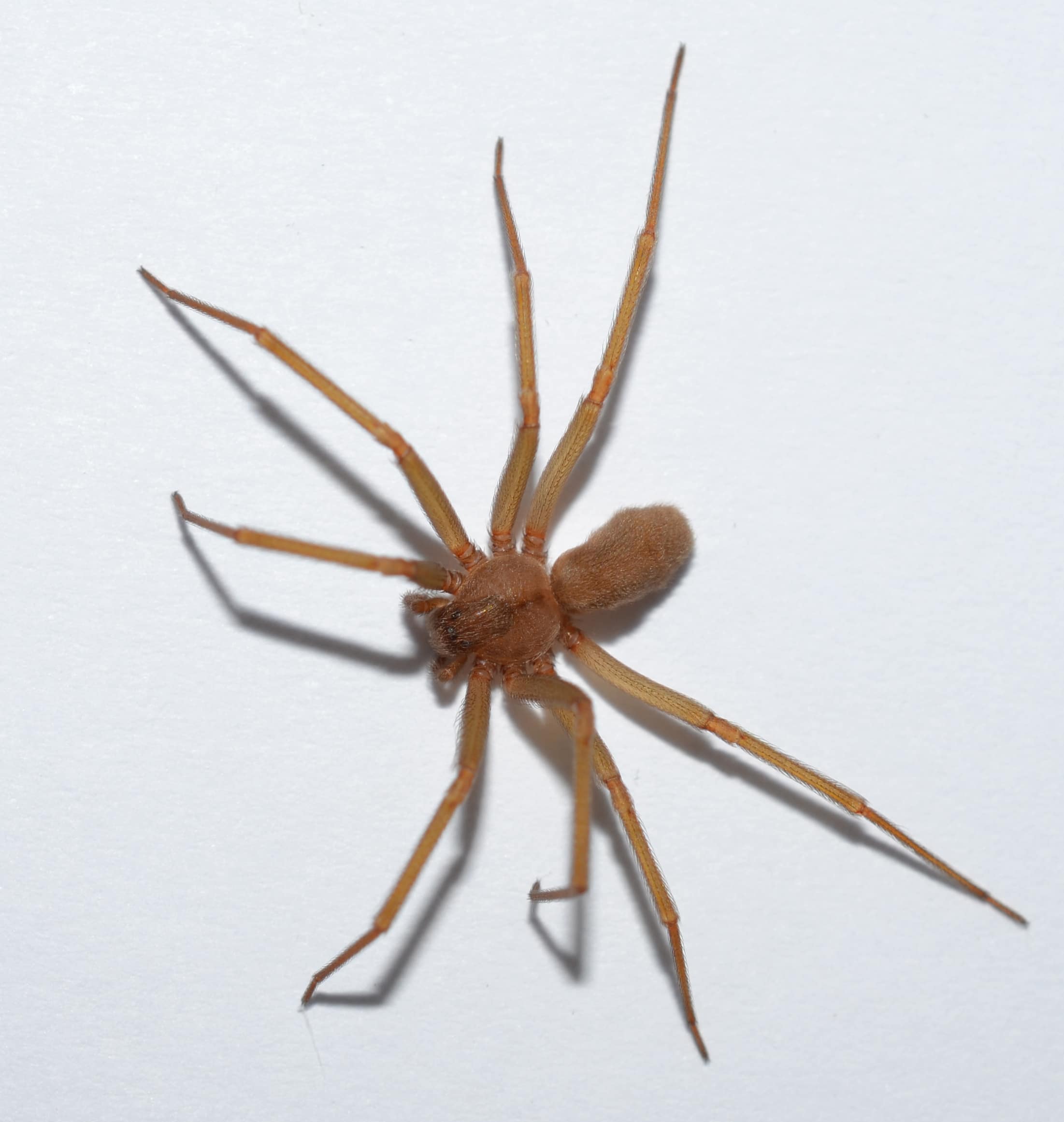
- Spiders: As prey becomes abundant, spiders increase their web-building activity to catch food.
- Stinging Insects: Bees, wasps, and hornets become active, building nests near flowers and homes.
- Earwigs: These pests thrive in damp environments, often hiding in mulch, leaf piles, and basements.
Spring Pest Control Tips
With renewal in the air, take steps to protect against these unwanted visitors with some helpful spring pest control. As these creatures revive, it’s important to look to your home for yearly maintenance. The harsh winter climate can often lead to unwanted cracks, holes, and other issues that can let in invaders.
Likewise, it’s a good time of year to start cleaning gutters and get rid of unwanted debris in your yard as the ground begins to thaw and the snow melts.
Finally, clear away any standing water that may form due to the excess rain. For many homes that live in hilly neighborhoods, such as Pittston, Nanticoke, Scranton, and Clarks Summit, it’s essential to get sump pumps to prevent flooding that can invite mold and insects.
Summer Pest List
Summer is considered a prime time when bugs come out, and pests begin to make their presence known. Warmer weather provides perfect conditions for pests to prosper, such as excess moisture from humidity and lots of new places to hide in your yard.
In addition to the insects listed above, ticks and fleas are two parasites that are plentiful during the summer months. With more lush greenery and food readily available, these hitchhikers will latch on to humans and animals alike.
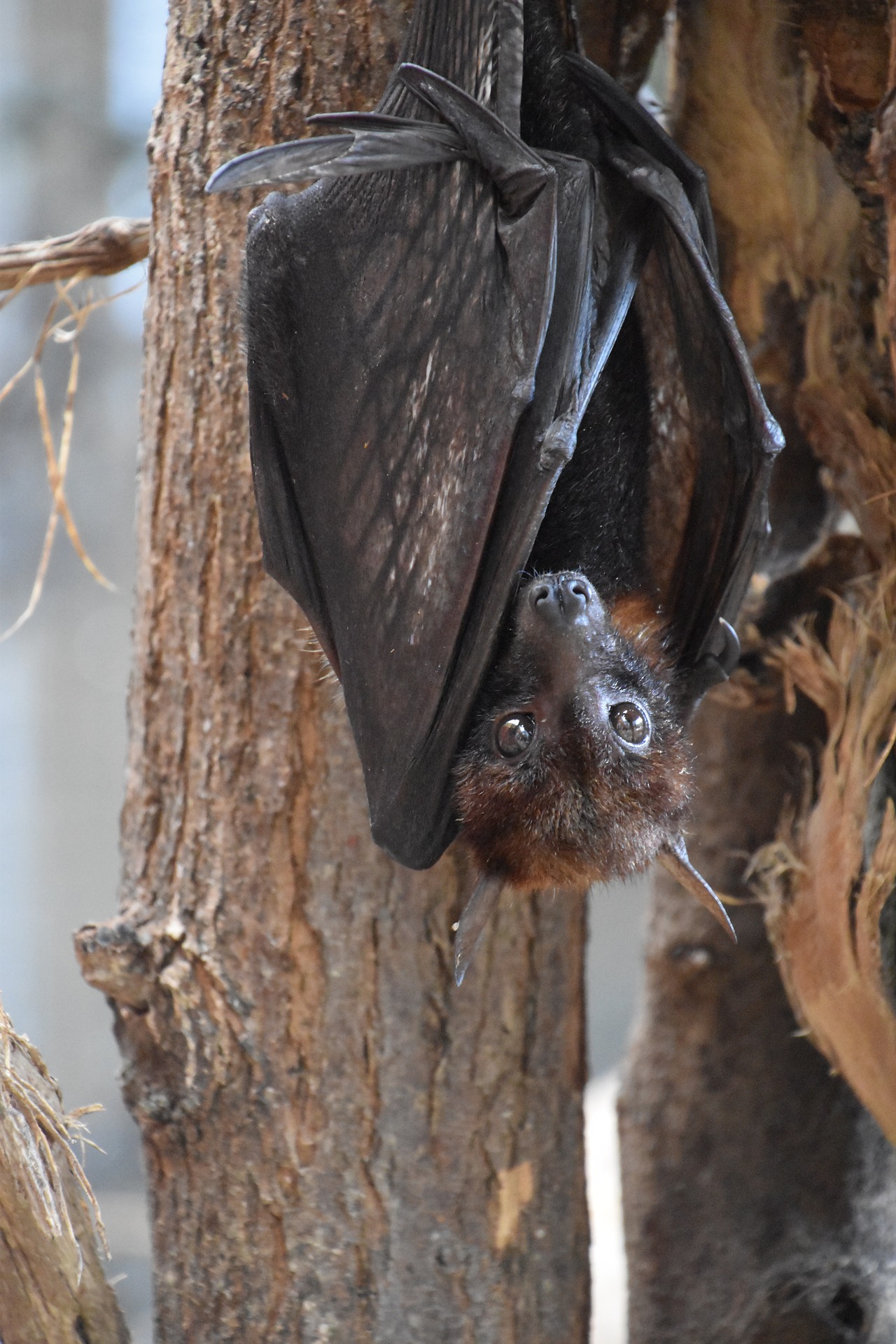
Though insects tend to be the most bothersome pest during the warmest season, another possible, more difficult to deal with invader may be roosting in your attic: bats.
Like spiders, bats thrive on insects, so having an excess of pests on your property can be a magnet for bats.
As you head into the dog days of summer, here are the most prominent summer pests of the season to look out for:
- Mosquitoes: Their populations explode, especially in areas with stagnant water. They’re a significant health risk as they carry many diseases.
- Stinging Insects: Wasps and bees are in full force, protecting their nests and seeking nectar. Expect them to disrupt a summer barbeque or two.
- Ants: Colonies expand rapidly in summer, with ants frequently invading kitchens and outdoor gatherings.
- Bats: These nocturnal creatures may find shelter in attics as they hunt for insects.
- Flies: Houseflies and fruit flies become a common nuisance, drawn to food waste and warm temperatures.
- Termites: Some species remain active during summer, causing structural damage to wooden elements.
- Ticks: Found in tall grass and wooded areas, ticks pose health risks to both humans and pets by spreading diseases like Lyme disease.
Summer Pest Control Tips
The best course of action to protect you and your family from these unwanted creatures during the summer months is to maintain your property. Keep greenery trimmed and yards free of excess grass and debris.
Most mosquitoes, ticks, and fleas will need to be contained using an outdoor barrier spray from a trusted pest control professional. Likewise, the same is true of stinging insects, though an organic spray will be necessary as these are protected species.
On the inside of your home, it’s more important than ever to keep a clean home by sealing up garbage and food containers. Keep that sink empty and use a dehumidifier in areas with poor ventilation to prevent excess moisture,
If you suspect you may have bats, reach out to a pest control expert for bat expulsion regulations.
Fall Pests List
As the warm weather and greenery begin to fade, so comes a new batch of seasonal pests. While the warmer temperatures wake up these invaders, the cold has them looking for shelter. During the fall, pests are preparing for places to hibernate or take shelter through the winter, and your basement could be the perfect place.
Ladybugs and stinkbugs are notorious fall pests. While not particularly harmful, they can cause a problem in your home. On the furrier side of infestation, rats, and mice are usually on the lookout for a place to nest during the oncoming winter months.
When preparing for the fall, keep a lookout for the following creatures:
- Spiders: As insects decrease outdoors, spiders move inside for warmth and prey.
- Rodents: Mice and rats enter homes in search of shelter and food for the winter.
- Fleas: Though less active, fleas may linger on pets or in your home as the weather cools.
- Stinkbugs: These pests seek warmth, often clustering on sunny walls or indoors.
- Boxelder Bugs: These bugs are attracted to boxelder trees and may make their way indoors for warmth.
Fall Pest Control Tips
Additionally, as the foliage begins to die and bonfires start lighting, there are plenty of leaf piles and firewood stacks for pests to enjoy. Do some final landscaping for the year by eliminating piles of leaves and debris. Gutters must also be cleaned to eliminate debris and ensure adequate drainage from rain.
Now is also the perfect time of year to begin sealing your exterior for any gaps or cracks that may invite in small pests. Apply a caulk or spray foam around small gaps around the exterior of your home and fix any broken window screens.
As you set up for fall and prepare for winter, be sure to double-check your home’s exterior and clean your decorations thoroughly before bringing them inside.
Winter Pests List
Winter may seem like a haven from pests, but this season has its fair share of invaders, too. When it is cold outside, creatures look for places to keep warm and wait out the bad weather.
With winter weather comes increased moisture; when snow falls and thaws, the conditions are perfect for creatures that love damp areas. Silverfish may be lurking beneath your humidifier or in the basement.
Rodents may prefer to nest in attics or in storage to keep cozy from the cold. During the winter months, here are the top pests to prepare for:
- Rodents: Mice and rats nest in attics, basements, and walls to escape the cold. Be on the lookout for knocking sounds coming from your walls.
- Cockroaches: Cockroaches seek out warm, moist areas like kitchens and bathrooms. German cockroaches are the most common in our area and tend to live in lower-level areas of the home, such as basements.
- Ladybugs: These beetles cluster in homes during winter for warmth.
- Stink Bugs: Similar to ladybugs, stink bugs invade to avoid freezing temperatures.
- Silverfish: These moisture-loving pests are often found in basements, near humidifiers, or in storage areas.
Winter Pest Control
The best way to prevent an invasion is to fortify your home before winter. Check your property for possible openings and double-check decorations before bringing them indoors.
Store any firewood at least 20 feet away from your home that could shelter insects like roaches and termites. Finally, fix any leaky pipes that may result from rapid freeze-thaw cycles.
Pests that Thrive All Year
Pests aren’t just a problem during one season; they are always around. While certain pests peak during specific seasons, these invaders can be a nuisance at any time of the year.
Bed bugs thrive in seasons that involve a lot of travel, while cockroaches and ants tend to find their way into homes in any way possible.
The Importance of Monthly Preventative Pest Control
The best way to protect against unwanted pests is to stop them from entering. Prepare your home against seasonal invasions by investing in a preventative pest control plan.
The Pest Rangers offers home protection plans that stop well over a dozen common pests from entering your property, including ants, stinging insects, rodents, and more. We also offer optional add-ons for pests, such as fleas and ticks, mosquitoes, and termites. Contact us to learn more and to protect your NEPA home or business throughout the year against seasonal pests!
FAQs
How can I identify signs of a pest infestation?
Look for signs, such as pest droppings, unusual odors, damaged food packaging, nests, or visible insects in your home. Many pests have specific signs you need to look for, such as mud tubes for termites or grease marks for cockroaches.
Are pest control treatments safe for pets and children?
Most professional pest control services use treatments that are safe for pets and children when applied correctly. Always discuss any concerns with your pest control provider.
When should I call a pest control professional?
Call a professional if you notice persistent pests, signs of structural damage, or suspect a large infestation. Early intervention is key to effective pest control so the earlier you call the easier and cheaper your treatment will be.

25 Fun Facts About Bugs and Pest Control
Encountering bugs is an inevitable part of living in Northeast PA and on planet Earth, as scientists estimate there are a total of 200 million bugs for every human. From splattering bugs on your windshield to killing the occasional spider in your home, bugs are everywhere and are part of our everyday lives.
However, finding bugs in our home is not a pleasant experience and can bring a whole host of problems, from wood damage to disease transmission.
Learning more about bugs and pest control can prepare you better to fend off a pest infestation in your home and community.
While certain details about bugs may be common knowledge, there are tons of bug facts you may not know. Here are 25 fun facts about bugs and pest control!
1. Cockroaches can run up to 3 miles per hour
Cockroaches are known for their creepy ability to scurry across the floor and out of sight in record time. Since they are nocturnal, they tend to give many homeowners jump scares as they flash across the room as soon as the lights come on. By most estimates, cockroaches can run up to 3 miles per hour–about 50 body lengths per second–making them difficult to catch.
2. Grasshoppers existed before dinosaurs
Fossil records show that primitive grasshoppers first appeared during the Carboniferous period, which was over 300 million years ago. They’ve adapted to survive millennia of environmental changes, making them one of Earth’s most enduring insects.
3. Caterpillars have 12 eyes
Caterpillars have 12 eyes total, called ocelli. They have six ocelli on each side of their head, though some species may have five or seven ocelli on each side. Despite this many eyes, their vision is poor, so they mostly rely on their other senses to navigate.
4. Mosquitoes are attracted to smelly feet
Mosquitoes use chemicals from sweat and skin to find people to feast on. These pests are attracted to carbon dioxide because it indicates that there is a living and breathing person nearby. The bacteria that accumulate on feet give off an odor mosquitoes love, making bare feet an easy target. So if you want to avoid mosquitoes, start by wearing some socks.
5. Ladybugs play dead to avoid predators
Ladybugs are known to play dead to avoid being eaten by predators. They will often pull their legs up and release a small amount of blood, also known as reflex bleeding. So the next time you think you won’t have to worry about that ladybug in your house, think again.
6. Fruit flies were the first living creatures to be sent into space
Fruit flies were transported to space in a V2 rocket on February 20th, 1947, as part of an experiment to study the effects of cosmic rays on living organisms. Unfortunately, even in space, you can’t hide from flies.
7. Bulldog ants are the most dangerous ants on the planet
While they are not found in NEPA, bulldog ants are known to be highly aggressive and possess a powerful venom. Their bites can cause extreme pain, allergic reactions, and sometimes even death.
8. Beetles are the most common species of insects
There are approximately 400,000 species of beetles that make up about 40% of all insect species in the world. Beetles are extremely common in NEPA, often being mistaken for cockroaches.
9. Bugs make up 90% of life on earth
There are more than 1 million insect species in the world, and some entomologists think that there may be as many as 10 million species. While we focus on getting rid of bugs, they play an important part in our ecosystem and are cherished for what they provide for the rest of the globe.
10. Praying Mantises can turn their heads 180 degrees
This gives them incredible precision when attacking their prey, making praying mantises one of the most stealthy predators. Go to YouTube, and you will find dozens of fight videos between praying mantises and other animals right now.
11. Fleas can jump up to 200 times their body length
Their ability to jump so far is due to a protein called resilin, which acts like a spring in their hind legs. Luckily, our tick and flea sprays help prevent fleas from entering your property so you don’t have to worry about them climbing onto you or your pets.
12. A cockroach can live for up to 1 week without its head
As if cockroaches aren’t creepy enough, these pests can live for up to 1 week without their heads due to their ability to breathe through holes in their body called spiracles. It’s one of the many reasons it’s so difficult to get rid of cockroaches.
13. Crickets hear through their knees
Crickets have a special auditory organ called a tympanum that’s located in their knees. This specialized hearing helps them detect sounds in their environment to find mates and avoid danger.
14. Houseflies can taste with their feet
Houseflies’ taste receptors, called chemonsensilla, are located in their lower legs and feet. This unusual trait allows them to sense food the moment they land on it. Fortunately, we have lots of solutions to get rid of houseflies.
15. The German cockroach is the most common cockroach in the U.S.
German cockroaches are commonly found in apartment buildings, homes, restaurants, and other indoor spaces, making them the most common cockroach species in the U.S. and Northeast Pennsylvania. Known for its resilience, it can multiply rapidly in indoor spaces, often requiring professional pest control to eradicate.
16. Cockroach allergens are in over 60% of U.S. homes
The cockroach facts just keep getting creepier! These pests are so common that their allergens are estimated to be present in over 60% of U.S. homes, according to The National Pest Management Association. These allergens–spread through saliva, feces, and urine–can trigger asthma symptoms and cause disease transmission. Unfortunately, this number is substantially higher in urban areas.
17. There is only one species of living insect in Antarctica
If you want to live in a truly pest-free environment, there is one place on earth that may be possible. The Antarctic midge is the only living insect species in Antarctica, with a lifespan of just one week.
18. Scorpions birth live babies
Unlike other arachnids, scorpions give birth to live babies one by one, similar to humans. Fortunately, scorpions are not common in Northeast Pennsylvania.
19. Cockroaches have been around for more than 300 million years
Cockroaches are thought to be the oldest insects on the planet, even predating dinosaurs by over 150 million years. However, they are not capable of surviving a nuclear blast–contrary to popular belief.
20. 8 out of 10 wildflowers depend on insect pollination
Wildflowers are a very common plant found in fields and gardens all across Pennsylvania. However, they depend heavily on pollinators, such as bees. For this reason, it is strongly encouraged that bees and other stinging insects that are beneficial pollinators are treated with an organic insecticide that won’t harm the larger population.
21. Monarch butterflies can travel over 2,000 miles during migrations each fall
During their fall migration, monarch butterflies travel from the United States and Canada down to Mexico, where they stay during the winter months. They are a very common site in Northeast Pennsylvania, blessing gardens with milkweeds, goldenrods, butterfly bushes, and more friendly plants.
22. Female fireflies cannot fly
Female fireflies cannot fly due to their wings being short or often absent. Instead, they use their glow to attract male fireflies while staying grounded.
23. Male carpenter bees do not sting
Male carpenter bees do not have stingers and are generally docile and not aggressive. Though they may appear intimidating, they’re harmless and play important roles in pollination.
24. Bees can see things five times faster than humans
Bees have the fastest color vision of all animals, which helps them get around and find food. This skill helps them quickly spot flowers while flying at high speeds.
25. Bed bugs can ingest seven times their own body weight in blood
This is the equivalent of an average-sized male drinking 120 gallons of liquid! This lets them feed less often, conserving energy while staying hidden. For this reason, it’s essential to eliminate them quickly using professional bed bug control.
Pest Control and the Environment
Pest control is an essential part of keeping our homes, businesses, and communities clean and safe. However, pesticides and other synthetic chemicals can wreak havoc on bug populations and impact local ecosystems. For this reason, The Pest Rangers uses a combination of organic insecticides, when possible, to safely deal with pesky pests. These products offer the same efficacy as synthetic products and our technicians also employ measures of Integrated Pest Management to manage bugs on your property safely.
For more information, contact us today for a quote and to see how we can help you deal with your pest problem.
FAQs
What pest is responsible for the most property damage?
Termites are by far the most destructive pests and responsible for the most property damage. It is estimated that termites cause over $5 billion in property damage each year in the U.S. alone.
Why do bed bugs hide in beds?
Bed bugs are attracted to beds due to the warmth, carbon dioxide, and odors that humans emit. However, bed bugs also frequently infest things like armchairs, sofas, and even electronics.
What’s the most common pest in homes?
Ants are typically the most common pests found in homes, as they are so small and able to squeeze through even the tiniest of cracks and crevices. Cockroaches are also extremely common, as thei allergens are estimated to be present in over 60% of U.S. homes.

The Ultimate Guide to Cockroach Prevention
It’s safe to say that cockroaches are some of the most dreadful pests for many NEPA homeowners. From their creepy appearance, tendency to lurk in the shadows, and the many diseases they carry, cockroaches are some of the most disgusting household pests you could ever encounter.
To avoid countering these creepy pests, it pays to invest in proper cockroach prevention strategies. Here are some of our best tips for preventing cockroaches and what to do if you spot one in your home.
What Attracts Cockroaches to Your Home?
To prevent cockroaches, it’s important to know what attracts them to your home in the first place.
Cockroaches are typically attracted to homes where they can access food and water sources. Leaving dirty dishes in your sink, not taking your garbage bags out to the dumpster, and having a lot of excess clutter in your home can also attract these pests.
In addition, standing water from leaks or excess humidity can also be huge attractants for cockroaches. If you’re worried you have an active infestation, learn about common signs of cockroaches.
How to Prevent Cockroaches
Preventing cockroaches can save you money and spare you from the emotional trauma of spotting these gross insects in your home.
Keep Your Home Clean
Keeping your home clean and tidy is one of the most important ways to keep cockroaches away. Since cockroaches are attracted to food and water, removing these resources from your home will make these pests less likely to invade your space.
Seal Entry Points
Cockroaches are experts at squeezing through even the tiniest cracks and crevices to gain access to a home, so sealing these entry points can make it more difficult for them to get inside. You can do this using a store-bought caulk or sealant.
Store Food Properly
Food not sealed or stored properly can attract cockroaches to your home, so be sure to tightly close all food and beverages before putting them away. You should also refrain from leaving snacks like chips and cookies out on the counter where cockroaches can reach them.
Eliminate Water Sources
Cockroaches are attracted to damp areas, which is why they are commonly found in basements and bathrooms. To prevent these pests from invading your home, assess whether you have any standing water or water sources that may be attracting them.
Declutter Regularly
Excess clutter in the home makes it easier for cockroaches to hide, so be sure that you regularly declutter your home to prevent these pests. This includes removing old newspapers, cardboard boxes, and any other random junk you may have lying around your home.
Use Cockroach Baits and Traps
Store-bought cockroach baits and traps may be effective in a pinch. However, it is important to note that store-bought solutions will not be highly effective in the long run. The best way to get rid of these pests and ensure that they are really gone is to enlist the help of a professional exterminator.
Fix Leaks and Moisture Issues
As mentioned earlier, cockroaches are attracted to damp places and standing water. Fixing any leaking pipes and areas of your home with high moisture can effectively eliminate these pests. Running a dehumidifier in your basement is a great way to remove moisture from a space.
Maintain Outdoor Areas
A lawn with overgrown grass or untrimmed foliage can be more appealing to cockroaches, as it gives them more places to hide. To prevent cockroaches from invading your property, be sure to regularly cut your grass and maintain the bushes and trees in your yard.
Use Natural or Chemical Repellents
Using natural or chemical repellents, such as Raid or diatomaceous earth, can be effective in killing any cockroaches you see in your home. Some home remedies, such as essential oils, may be effective in keeping cockroaches away.
Consult a Pest Control Professional
As mentioned earlier, the only true way to get rid of cockroaches for good is to hire a pest control professional. An experienced exterminator will be able to inspect your home to determine the level of the infestation you’re dealing with and create an aggressive plan of action to get rid of these pests.
FAQs
What kind of clutter attracts cockroaches?
Some of the most common types of clutter that attract cockroaches include paper products like cardboard and newspaper, garbage, and old lumber.
Are cockroach baits and traps effective?
While cockroach baits and traps may work to kill a few of the cockroaches in your home, they are typically not effective enough to target every single cockroach. The only way to truly get rid of cockroaches for good is to hire a professional exterminator.
Should I use chemical sprays to get rid of cockroaches?
While it may be tempting to use a store-bought chemical spray to kill the cockroaches in your home, these sprays are usually not the most effective and can be dangerous to use in the home, especially if you have pets or small children.

What Essential Oils Keep Mosquitoes Away?
Spring and summer are the perfect time to enjoy all the wonderful things warm weather allows us to do. Backyard barbeques, trips to the park, or just walking around the neighborhood are all great.
Unfortunately, mosquitoes can quickly ruin your time outdoors, making backyard party planning virtually impossible. Mosquitoes are not only a bothersome pest, but they can carry many dangerous diseases.
While many people are skeptical of using chemical repellents, our mosquito yard sprays are the most effective way to eliminate mosquitoes throughout the season. However, if you’re looking for a more organic route, essential oils can be effective, though unreliable.
We’ll explore the efficacy of using essential oils to keep mosquitoes away and what (if any) essential oils you should be using.
Why Do You Need To Keep Mosquitoes From Biting?
Mosquito bites are more than just annoying. These pesky insects need blood to fertilize their eggs, so they will constantly seek out a host. Once they poke you with their proboscis, they not only take your blood, but they can leave behind some nasty side effects. At the very least, you might end up with a raised, red mark on your terribly itchy skin. At worst, you could end up with a horrible disease.
Mosquitoes are one of the deadliest creatures alive simply because of the diseases they can pass on, including the Zika virus, yellow fever, malaria, and many more.
How Do Essential Oils Keep Mosquitoes Away?
We’ve all heard about using citronella candles to keep flies and insects away, but how does it work?
Mosquitoes use a combination of carbon dioxide, body heat, and skin odors to locate humans and animals for feeding. Female mosquitoes use the nutrients found in mammal blood to aid in reproduction.
Certain essential oils contain compounds that mask these cues or repel the mosquitoes due to their strong smell. In theory, applying these oils at large should be enough to keep outdoor parties mosquito-free.
How Effective Are Essential Oils at Keeping Mosquitoes Away?
Studies have shown mixed results about the efficacy of using essential oils to combat mosquitoes.
According to one study, no essential oils were effective at preventing mosquito bites at small concentrations of 5-10%. Larger concentrations of thyme and clove oil were effective at keeping mosquitoes away for more than 3.5 hours, but these were only at high concentrations (50%).
However, most experts don’t recommend applying essential oils topically for concentrations above 2-5%. Likewise, you shouldn’t exceed these amounts when misting the oils either.
While essential oils can be somewhat effective, they are far from guaranteed to prevent mosquitoes from you and are not recommended for people living in areas with high volumes of disease-carrying mosquitoes.
Popular Essential Oils for Keeping Mosquitoes Away
If you decide to try the essential oil route to keep mosquitoes away, here are some ones that have shown efficacy in the past:
- Citronella: Citronella is a great option. In fact, this oil is used in many repellents and candles on the market. When used as an essential oil, it is remarkably effective for short periods and is by far the most effective of all the oils on this list.
- Lemon Eucalyptus: The citrus scent of lemon eucalyptus can keep many insects, including mosquitoes, at bay. This is another oil that needs to be applied often, even after a few hours.
- Peppermint: If you don’t mind the sharp scent of peppermint, this can ward mosquitoes away. However, keep in mind peppermint is only useful in high concentration.
- Lemon Grass: Keeping with the citrus theme, lemongrass can help ward off mosquitoes for a short time. However, it isn’t as effective as Citronella.
- Basil: More than just a delicious spice, mosquitoes can’t stand the scent.
- Lavender: This option not only smells great, but it helps chase off mosquitoes too. Plus, you can use it for additional things; the versatility is a plus.
- Tea Tree Oil: While this option can be effective, it has been known to dry out your skin. If you are planning on using it sparingly or for short trips outside, it is effective at keeping mosquitoes at bay.
Things To Keep In Mind When Applying Essential Oils
While essential oils are a great alternative treatment, there are some pitfalls to be aware of. These products don’t last as long as DEET repellents and aren’t as effective overall. At times, you may have to use a decent amount to keep mosquitoes away, and you must reapply often. If you don’t have a healthy stash of oils, this may end up hurting your wallet more in the long run.
If you plan on using these treatments, be careful to test them on your skin before applying them all over. An allergic reaction can prove worse than a mosquito bite.
Many experts don’t recommend using a homemade formula, especially around children, as it can be dangerous.
Regarding effectiveness and long-lasting protection, take precautions based on your activities. Essential oils might be enough if you are heading out in the backyard or on a short walk. However, if you are hiking, or spending a long time outdoors, you may want to use other methods. Remember, the goal is to protect yourself from these disease-carrying pests. Weigh the options before heading out under-protected.
Additional Ways to Protect Against Mosquitoes
There are more effective ways to get rid of mosquitoes. DEET-based repellents can keep mosquitoes and ticks at bay. Additionally, wearing long sleeves and pants can be effective, provided the material isn’t too thin.
By far, the longest-lasting and most effective way to keep mosquitoes away is with a mosquito yard spray. The Pest Rangers offers a monthly protection plan with optional mosquito protection, as well as monthly mosquito plans, that can keep your property mosquito-free throughout the warm and wet months. For more information, contact us today for a quote!
FAQs
How do I use essential oils to repel mosquitoes?
You can use essential oils by diluting them with a carrier oil and applying them to your skin, adding them to diffusers, or creating DIY sprays to use indoors and outdoors. Always perform a patch test before applying essential oils to your skin.
Can I combine essential oils for better protection?
Yes, combining oils like citronella, lavender, and tea tree can enhance their mosquito-repelling properties. You can mix them with a carrier oil for a stronger, natural repellent.
Do essential oils work as well as chemical repellents like DEET?
Some essential oils, like lemon eucalyptus, have been shown to be as effective as DEET for short periods. However, essential oils typically need more frequent reapplication compared to synthetic repellents.
9 Fall Pest Control Tips to Keep Your NEPA Home Pest-Free
There are so many things to love about fall in Northeast Pennsylvania: the colorful leaves, pumpkin spice and patches, and haunted houses. But few of us plan for pests in the fall.
While spring and summer earn the distinction of being the most prominent seasons for pests, fall actually provides a weird convergence when residual summer pests can still present a problem and a whole new crop of pests make their way to your home.
For homeowners with many trees, box elders are often a common sight during fall, but more dangerous pests, such as spiders and rodents, can easily lurk around your property.
This guide will uncover the many common fall pests in Northeast PA and provide a foolproof fall pest control prevention plan to keep them away for good.
Common Fall Pests in Northeast Pennsylvania
Early fall in Pennsylvania can still present a problem for homeowners dealing with warm weather pests like ants and mosquitoes. However, as the temperatures dip in mid-to-late October, you may start to notice a whole new crop of fall pests emerge.
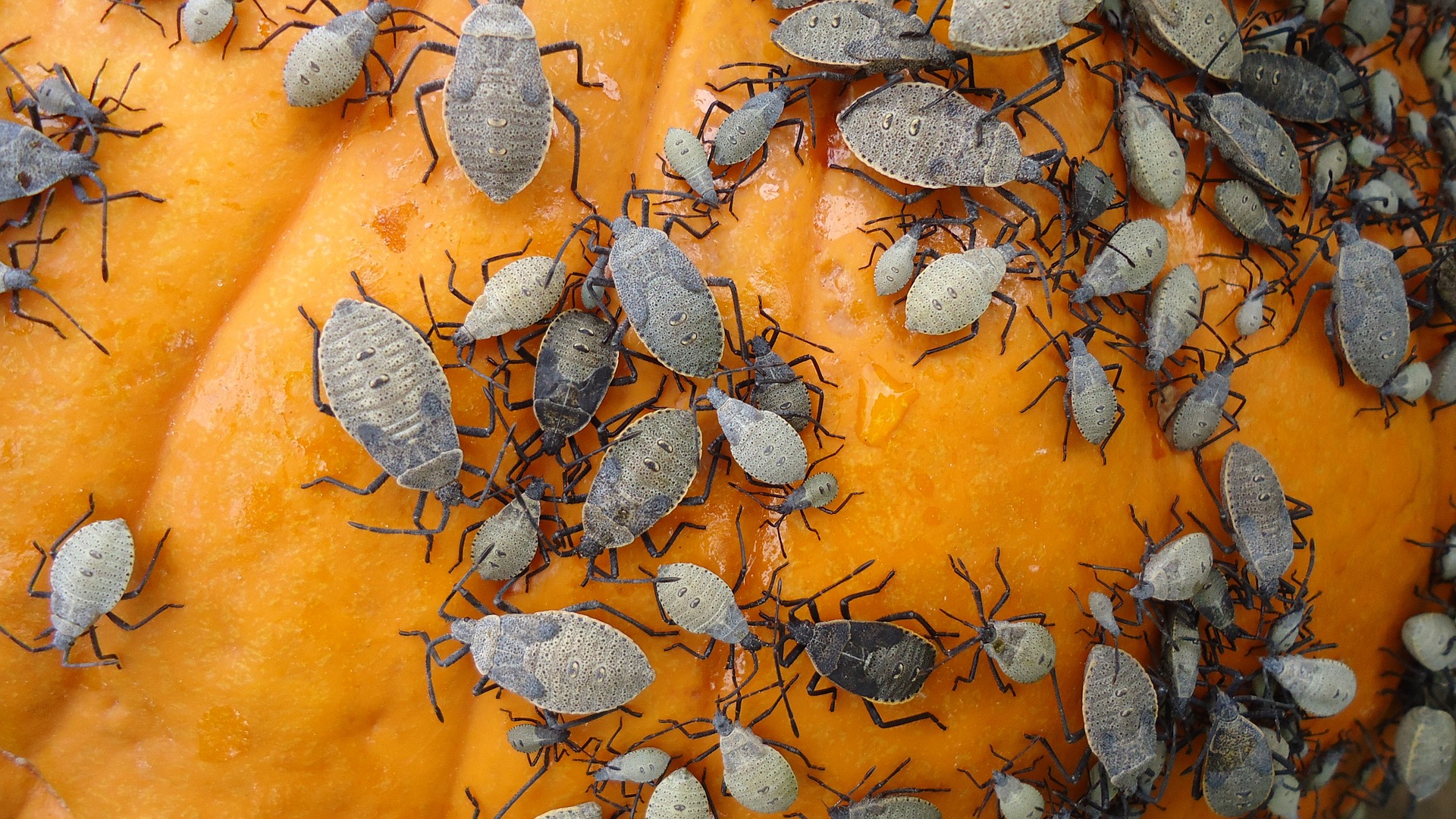
- Stink Bugs: These pests invade homes in large numbers during fall, seeking warmth. While not dangerous, they emit a foul odor when disturbed or crushed. Fortunately, there are many things you can do to keep stink bugs away.
- Boxelder Bugs: Typically found on boxelder trees, these insects enter homes in droves during autumn to escape the cold.
- Ladybugs (Asian Lady Beetles): Though beneficial outdoors, they swarm into homes in the fall and can become a nuisance.
- Spiders: Several species of spider in Northeast PA, including house spiders and wolf spiders, move indoors once the temperatures change to find warmth and prey.
- Rodents (Mice & Rats): Cooler temperatures drive mice and rats indoors, where they seek shelter and food, potentially causing damage.
- Cluster Flies: These flies enter homes in groups and become dormant, hiding in attics and walls until warmer temperatures return.
- Carpenter Ants: Though active all year, they become more noticeable indoors in the fall as they look for food and nesting sites, potentially damaging wooden structures.
9 Fall Pest Control Tips for NEPA Homeowners
Fortunately, you don’t have to deal with or worry about any of the pests listed above if you follow these fall pest control recommendations.
1. Seal Cracks and Crevices
The first step to stopping pests is to prevent them from entering your home. You can do this by sealing any cracks or crevices on the outside of your house with landscaper’s caulk or expanding spray foam.
For example, stink bugs and rodents can sneak in through small openings, so inspect the siding and outer walls carefully. You can also use steel wool to block up potential openings on your home’s exterior or add protection.
- Stinkbug infestation!
2. Keep Counters Clean
Open food on the counter is like an all-you-can-eat buffet invitation to any would-be pest. The best way to prevent a pest problem is to store food in airtight containers, including your pet’s food. Avoid leaving food out for long periods and wash dishes immediately to prevent flies and other nuisance pests from invading during the cold months.
3. Seal Garbage Cans
You also want to be sure any food source outside is sealed. Open garbage can be a breeding ground for cockroaches and rodents if not properly handled. Also, it can attract bigger creatures, such as bears and raccoons, that you may not want rummaging through your trash.
4. Keep Basements, Attics, and Crawl Spaces Vented and Dry
Moisture is a major attraction for pests. While the colder months may bring drier air, it’s still essential to ensure that your home is properly ventilated if you are running a furnace. Some creatures thrive in a wet, moist environment, making basements, garages, and attics with excess moisture or standing water especially vulnerable to pests. Try installing a dehumidifier to control the amount of moisture and protect your home.
5. Screen Open Vents
While cracks and small holes in your home’s exterior can be plugged up easily, often the less obvious entryways are overlooked. Attic vents, chimneys, and pet doors can be like a welcome mat to pests. The best way to avoid any creature invasions is to put screens over any opening that cannot be sealed.
6. Inspect Incoming Packages
An easy and often forgotten way for critters to enter your humble abode is foreign objects: packages, grocery bags, outside decorations, yard equipment, and more. The last thing on our mind when bringing in the groceries is pest control. Pests can often sneak inside using any of these and more. Be careful to inspect anything you bring into your home.
7. Keep Up with Your Landscaping
Have a fire pit? Firewood is the ideal place for pests like carpenter ants and termites to nest. It’s a good idea to store any refuse, firewood, or any yard waste at least 20 feet from the house. Additionally, monitor your draining system. Pipes, open waterways, or gutters can easily bring a rodent or insect infestation. An easy way to prevent any pest problems is by keeping up with your outdoor maintenance.
8. Make Repairs
A simple way to protect your home from pests this fall is to perform yearly maintenance. Keep any cracks filled, install door sweeps, and repair damaged screens. Make sure that your windows are screened and cleaned, closing off yet another entry point. Any loose weather-stripping or mortar can provide pests access to your home. If you want to keep unwanted visitors out and keep your home warm, be sure you make the necessary repairs.
9. Watch for the Signs of Fall Pests
Regardless of how vigilant you are, everyone is human, and a pest may slip into your home. The best way to stay on top of an unwanted pest problem is to recognize the signs. Keep an eye out for droppings, signs of burrowing, or nests.
If you see one stink bug, it doesn’t mean you have an infestation. However, if you see numerous stink bugs clustering near a window, you may have a problem and need to identify the source. Educate yourself on what to look for to avoid any larger problems.
Fall is a beautiful time of year, but the cold weather shift reminds us to perform yearly maintenance to protect our homes. Be vigilant, and you can avoid any pest problems this fall. For added protection and peace of mind, contact The Pest Rangers regarding our monthly pest prevention plans.
FAQs
Why do pests invade homes in the fall?
As temperatures drop, pests seek warmth, food, and shelter. Your home provides an ideal environment for them to survive the colder months.
Can I handle fall pest control on my own, or should I hire a professional?
Minor infestations can be managed with DIY methods, such as using traps, sealing entry points, and maintaining cleanliness. However, for larger infestations or pests like rodents and carpenter ants, hiring a professional is recommended to prevent long-term damage.
When is the best time to schedule fall pest control services?
The best time to schedule pest control is early fall, before pests start seeking shelter indoors. Regular maintenance throughout the fall season will help keep your home pest-free.

9 Tips to Keep Spiders Away from Your PA Home
Spider infestations can be a tricky thing to deal with. While most spiders are not harmful on their own–they actually help keep other pests at bay–the presence of spiders could indicate a larger pest problem.
Nevertheless, spiders can be quite annoying and there are several species of poisonous spiders in Pennsylvania. Spiders are known for being incredibly stealthy (they don’t make any noise, after all) and can hide in various cracks and crevices around the home due to their thin physique.
Capturing and getting rid of spiders is not necessarily difficult, but it sometimes requires professional pest control to get rid of other pests that may be attracting spiders.
To help you keep your arachnophobia at bay, here are nine spider prevention tips to keep spiders from invading your Northeastern Pennsylvania home this season.
What Attracts Spiders to Your Home?
Spiders are mostly drawn to two things: food and shelter. Spiders typically feast on other insects, including cockroaches, flies, ants, and beetles. Therefore, combating these pests will also keep their predators at bay.
Spiders prefer to hide in dark, secluded areas, which is why you may notice them in your basement, attic, and rarely-used cabinets. The most obvious sign of a spider infestation is a spider web.
9 Tips to Prevent Spiders from Entering Your Home
To avoid the meticulous process of squashing spiders and using dangerous insecticides, we’ve outlined nine tips to prevent spiders and keep them away from your home.
1. Keep Your Home Clean and Clutter-Free
Cleaning up clutter and keeping your home tidy is crucial for preventing pests of all kinds, including spiders. By giving these pests fewer places to hide, they will be less likely to want to hang around your home.
2. Seal Cracks and Gaps in Walls, Windows, and Doors
Spiders can gain access to your home through even the tiniest cracks and crevices, which is why you should use a caulk to seal these gaps. It can also be helpful to use weatherstripping on doors and windows to give your home extra protection from spiders and other pests.
3. Use Essential Oils Like Peppermint or Eucalyptus
Spiders are said to dislike the smell of certain essential oils, particularly peppermint and eucalyptus. These essential oils can be used in a variety of different ways to ward off spiders, from being added to a diffuser to adding a few drops to a spray bottle mixed with water and applying the solution throughout your home.
4. Reduce Outdoor Lighting
While spiders aren’t typically attracted to outdoor lighting, they often seek out other insects that are attracted to light. They are nocturnal bugs that typically hunt moths and other flying insects.
To combat this, try to reduce your outdoor lighting or use warm-colored LED lights, as these lights are less likely to attract spiders and other bugs.
5. Remove Webs Regularly
Removing any spider webs you see around your home can be helpful in reducing the number of spiders you see. When it comes to removing spider webs, make sure that there are no spiders currently on the web to avoid being bitten.
6. Use Vinegar or Citrus Sprays
Spiders are known to dislike the smell of citrus and vinegar, so adding these ingredients to a spray bottle mixed with water and applying them to places where you have seen spiders can help get rid of them.
7. Store Food Properly and Dispose of Garbage Promptly
Properly sealing and storing your food and beverages is essential when it comes to getting rid of all types of pests, including spiders. It is also imperative that you remove garbage from your home regularly and avoid letting your garbage cans overflow.
8. Keep Outdoor Areas Clear of Debris
Keeping the outside of your home tidy is just as important as keeping the inside clean when it comes to preventing spiders. Get in the habit of keeping your grass cut short and neat, trim your bushes, and remove any clutter or debris from your yard for the best chance of preventing spiders.
9. Use Spider Traps or Repellents
Store-bought spider traps and repellents can be used to ward off and kill spiders. Some homeowners may even prefer to take a DIY approach and make these traps and repellents themselves.
However, it is important to keep in mind that when it comes to dealing with an infestation of any kind, contacting a pest control professional is your best bet for making sure these pests are gone for good.
When to Call an Exterminator
When dealing with an infestation of any kind, it is always in your best interest to contact an exterminator right away. A professional exterminator will be able to inspect your house to determine what kind of pest you’re dealing with and recommend ways to get rid of them once and for all.
FAQs
Are there certain foods or scents that spiders dislike?
Spiders have been known to dislike certain smells, including citrus, peppermint, lavender, and cinnamon. They are also said to dislike the scent of chestnut and vinegar, as well as diatomaceous earth, which can be used to repel and kill these pests.
What can I do to reduce spider activity outside my house?
There are several things you can do to reduce the number of spiders outside of your house, including reducing clutter, sealing cracks and crevices with caulk, using spider deterrents, and using essential oils that spiders are known to dislike the scent of.
Are there any specific plants that naturally repel spiders?
Spiders are known to dislike the smell of lavender, mint, basil, and eucalyptus, so growing these plants in your garden or even keeping pots of them inside the house can help deter spiders.

Combat House Centipedes in PA: Prevention and Removal Tips
When it comes to household pests, house centipedes might not be the first critters that come to mind. Unlike more commonly spotted pests like spiders, cockroaches, or rodents, centipedes tend to stay out of sight, but when they do make an appearance, they can certainly give you a fright.
Their long, segmented bodies and numerous legs are enough to make anyone uneasy, and while they’re not harmful to humans, encountering one can still be unpleasant. Even more concerning, house centipedes may be a sign of a larger pest problem in your Pennsylvania home, as they often feed on other insects like spiders and ants.
If you’ve noticed house centipedes darting across your floors or walls, there’s no need to panic, but it’s important to understand what they’re doing there and how to address the issue. These creatures thrive in damp environments, so seeing them indoors could point to moisture problems that might attract other pests. Getting rid of house centipedes means not only dealing with the centipedes themselves but also addressing the conditions that are attracting them in the first place.
Here’s everything you need to know about these unsettling pests, how to prevent them, and, most importantly, send them packing for good.
What Is a House Centipede?
A house centipede is a species of centipede that is commonly found in damp, cool places such as basements, bathrooms, and attics. House centipedes can be identified by their many legs- 15 pairs, to be exact. They are typically yellowish-gray in color and measure at about 1 to 2 inches in size. While house centipedes may be creepy-looking, they are not dangerous to humans or pets and rarely bite.
Signs of a House Centipede Infestation
House centipedes can be elusive, but there are several key indicators that they may have taken up residence in your home. Here’s what to look out for:
- Frequent Sightings: The most obvious sign is spotting house centipedes inside your home. Since they are nocturnal, you’re more likely to see them at night, often scurrying across floors or walls.
- Presence in Damp, Cool Areas: House centipedes are attracted to moisture, so you’re most likely to find them in places like basements, bathrooms, or under sinks, where it’s cool and damp.
- Bites on Your Body: Though rare, centipedes can bite if threatened. If you notice unexplained red, itchy welts or minor bites on your body, it could be an indication of centipedes in your home.
- Plumbing Issues: House centipedes can enter your bathroom through faulty plumbing, such as toilets with bad seals or cracks in the foundation. It may be worth checking for pests if you’ve been experiencing recurring plumbing issues.
- Other Insects: Centipedes feed on other household pests like spiders, ants, and cockroaches. If you’ve noticed an increase in insect activity, there’s a good chance centipedes are close by, feeding on them.
- Speedy Movements: House centipedes are fast movers, easily distinguished by their speed and long legs. If you catch a glimpse of a quick, darting insect, it could very well be a centipede.
How to Get Rid of House Centipedes
If you find yourself dealing with house centipedes, there are a few ways you can get rid of them, including:
1. Seal Cracks and Entry Points
Sealing up the cracks and crevices in your home is imperative for keeping out pests of all kinds, including house centipedes. You can do this using a store-bought caulk or sealant and applying it to any cracks and gaps in your home.
2. Reduce Moisture Levels in Your Home
Reducing the moisture levels in your home is another good way to get rid of house centipedes. You can do this by running a fan, insulating your pipes, and using a dehumidifier. Always remove any standing water, especially inside, whenever it arrives.
3. Eliminate Other Pests and Food Sources
House centipedes are known to feast on other household pests, such as cockroaches, spiders, and silverfish. Getting rid of these pests can also help get rid of centipedes, as they are less likely to want to stick around if they are unable to find any food in your home.
4. Use Sticky Traps and Insecticides
Sticky traps can effectively trap and kill the house centipedes in your home. There are also certain insecticides you can use to get rid of house centipedes, although it is important to note that these chemicals can be very harsh and should be handled with extreme care and caution.
5. Maintain a Clean and Clutter-Free Environment
Keeping your house clean and clutter-free is another great way to keep house centipedes away, as this will give these pests fewer places to hide.
6. Consider Natural Repellents
Several natural repellents, such as diatomaceous earth and boric acid, can be used to kill house centipedes. Spray and sprinkle these substances in areas where lots of foot traffic is present. Certain essential oils, including peppermint and tea tree oils, can also be effective in repelling these pests.
7. Use Physical Removal Methods
Using physical removal methods, such as traps and barriers, can also be effective in getting rid of house centipedes. There are many homemade traps you can try, as well as some store-bought ones that can be used for other pests.
8. Consult Professional Pest Control if Necessary
Whenever you’re dealing with a pest infestation of any kind, it is always in your best interest to contact a pest control professional. An exterminator will be able to address the root of the problem, eliminating house centipedes and keeping them away once and for all.
FAQs
Are house centipedes dangerous to humans or pets?
While they certainly are scary-looking, they are not typically dangerous to humans or pets.
What attracts centipedes to a home, and how can you prevent them?
House centipedes are most attracted to moisture and food sources, so eliminating these things from your home will make them less likely to stick around. To prevent house centipedes, seal up any cracks or crevices in your home with a caulk or sealant.
Do centipedes indicate a bigger pest problem in the house?
While seeing a house centipede once in a while is not typically cause for concern, it may be indicative of a larger issue if you are seeing these pests regularly or in large numbers. Being that house centipedes eat other pests, you will want to have your home inspected if you are noticing an increasing number of centipedes.
Flying Ants or Termites? How to Tell the Difference in NJ and PA
While it’s fairly easy to spot insects on the ground, like spiders, cockroaches, and centipedes, bugs with wings can be a lot more difficult, especially in Pennsylvania and New Jersey.
You can tell a mosquito is different from a housefly by its behavior and appearance. However, there are two flying creatures that look almost identical but differ greatly in threat level across PA and NJ: flying termites and flying ants.
While no one wants to deal with ants of any kind–especially flying ants–you really don’t want to deal with flying termites, as they typically signal an infestation. Termites are known to cause billions in homeowner damage each year, making them one of the most dangerous pests in the northeast.
Here is the complete guide to distinguishing between flying ants and termites so you can act quickly.
What Are Flying Termites?
Any bugs with wings sound scary enough, but flying termites are typically not the ones doing damage to your home.
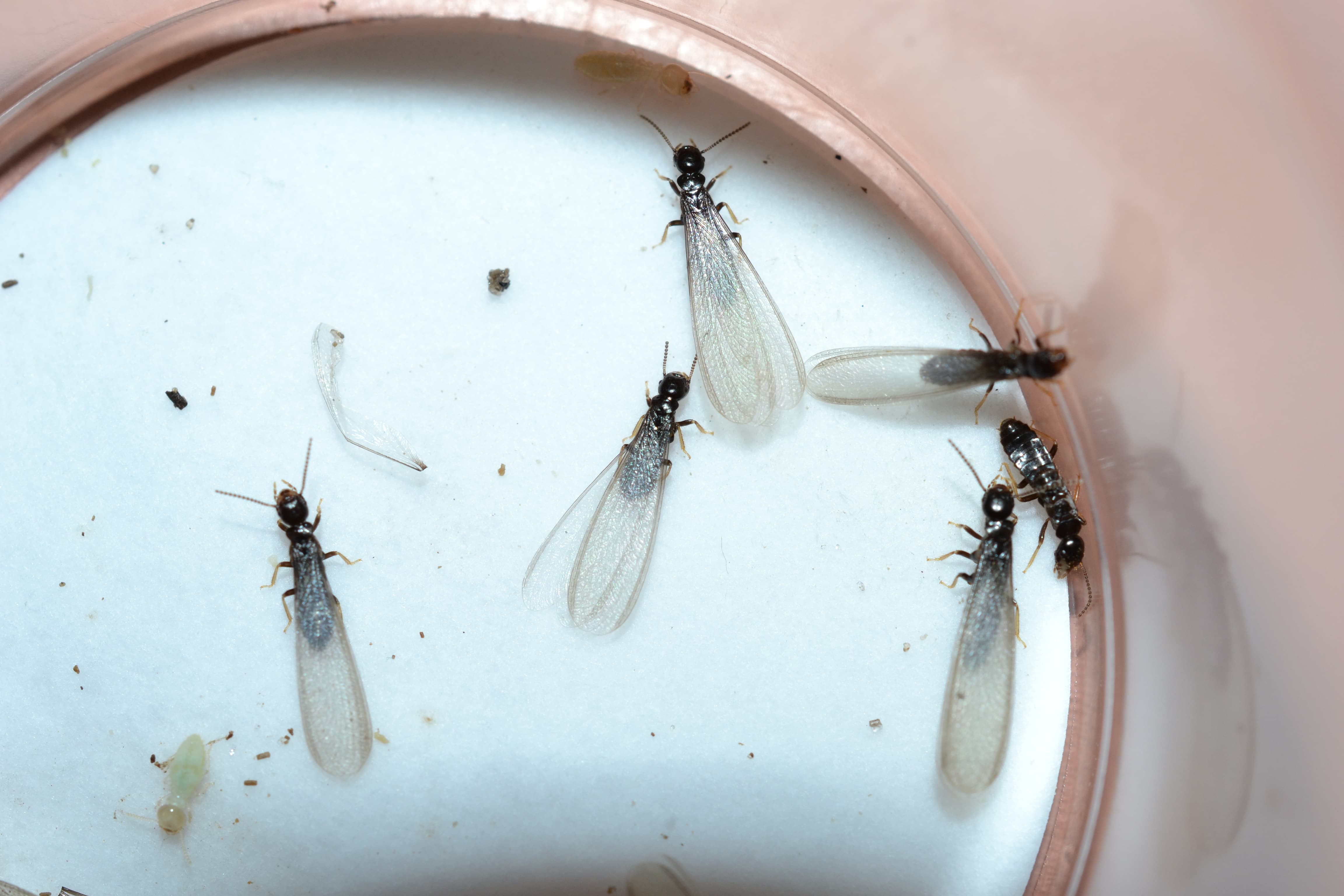
However, flying termites, commonly known as alates, are the reproductive members of their colony tasked with finding a new dwelling. Finding these alates in your home (they are most active during the spring) will mean that the entire colony is not far behind.
What Are Flying Ants?
Like flying termites, flying ants are known as alates and represent the reproductive members of their colony. Similarly, flying ants will also signal an impending infestation.
How to Tell Termites and Ants Apart
At first glance, you might not spot the differences between flying ants and termites, but there are some visible traits that can help you tell them apart. If you are able to spot your invaders, carefully examine their bodies and wings.
- Termites: Termites only have wings during mating season. After they mate, they lose their wings. These pests have straight antennae, and they are typically black or dark brown. Their clear wings are equal in length and twice the size of their body. Termites do not have a pinched waist.
- Flying ants: Flying ants are identified by their bent antennae. Unlike termites, they have unequal wings. Their waists are segmented, and they can be black, brown, or reddish-brown.
Once you’ve identified your invaders, you can take steps toward getting rid of the problem. However, it can be difficult to spot these little pests. If you can’t seem to get a good look at your creepy crawlies, search your home to see where they live.
Where to Find Ants and Termites
Another way to tell these insects apart is simply where you find them. While both are colony creatures with a caste system, where they are found can determine the type of pest you are dealing with.
- Termites: This pest prefers living in dying or decaying trees, stumps, or wooden debris. They can be found in lumber or areas with a lot of wood in general. They typically build their homes and eat through it, which could be devastating should you discover them in your home. Termites have a diet of cellulose, which is nutrient-rich and found in plants, wood, paper, and other similar items.
- Flying ants: While it is possible to find ants in wood, they can build their homes anywhere. Carpenter ants can be found in wood, but they do not eat it. While they can be annoying, ants will not cause the amount of property damage termites can cause. Also, unlike termites, ants are omnivores. They eat nectar, seeds, other insects, and other foods.
If you can find where your invaders have pulled up residence, you are one step closer to getting rid of them. Unfortunately, sometimes, it’s difficult to find where these insects may be hiding. To get a better idea, it’s a good idea to become familiar with their lifestyle.
How Termites and Ants Behave
Ants and termites have similar life cycles. They both lose their wings after mating–in fact, that’s one of the main signs of a termite infestation in your home. During the warm months, ants and termites fly from their nests to mate and make new colonies.
- Termites: When it comes to mating, both the male and female termites live. These insects continue to expand and make new colonies. Each termite goes through three different life stages, eventually leading to their cast position. Worker termites can live for many years, while queens tend to live for decades. Termites swarm early in the springtime and lose their wings after they mate.
- Flying Ants: Unlike termites, both participating insects do not survive. The male dies after mating. Also, ants go through four stages of development. Their lifespan is significantly different as well. Ant workers live for months, not years, and the queen can live for several years.
Sometimes, the only way to spot a termite problem is during mating season. Unfortunately, their long lifespan ensures they can live comfortably in your home for quite some time.
Pair that with their evasive nature and expansive colonies, and the damage could be devastating. Once you’ve got an idea of what you may have, you can take steps to treat it.
Treating your Pest Problem
Much like how they look and live, treating termites is very different than getting rid of ants. Of the two, ants are easier to deal with, depending on where they are living. Common ways to remove your ant pest problem is by using insecticide, baits, or traps. You can also spray them with soapy water.
Additionally, if you want them to stay away, repair the rotted wood or other areas they’ve settled in. If they no longer have a cozy spot, they won’t want to stick around.
Termites, on the other hand, are much more difficult to spot. Unlike ants, there’s no easy solution for removing termites, since there is always a possibility that they could return.
Consider hiring a pest control expert to inspect your home and come up with an effective game plan to help take your home back. Whether you have flying ants or termites, don’t let pests encroach on your space. Take the steps and get rid of your infestation today.
FAQs
Are flying ants or flying termites more dangerous to homes?
Flying termites are more dangerous because they can cause significant structural damage by eating wood. Flying ants, on the other hand, do not cause property damage, though they may indicate an ant infestation.
What time of year do flying ants and flying termites appear?
Both flying ants and flying termites typically swarm during warm, humid weather, especially after rain. Flying ants are most often seen in late summer, while flying termites tend to swarm in spring and early summer.
Are flying ants or flying termites attracted to light?
Yes, both flying ants and flying termites are attracted to light, which is why you may see them near windows or outdoor lights during swarming events.
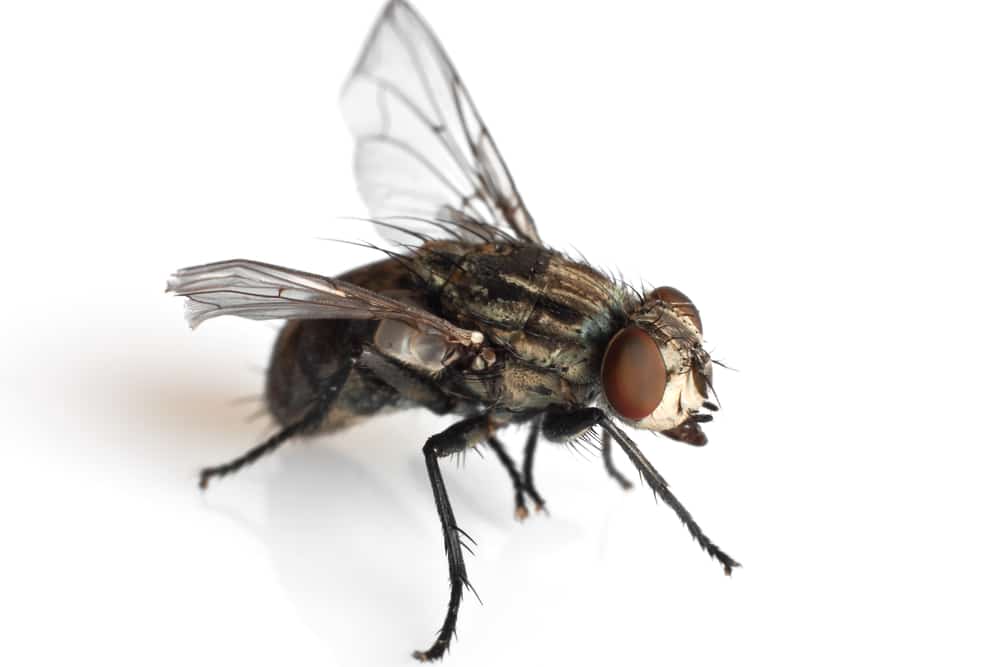
7 Simple Tricks to Get Rid of Black Flies in Your House
Commonly referred to as house flies or cluster flies, black flies are dirty creatures that can spread disease and impact quality of life if not properly dealt with. While they are most common in the summer in the northeast, they can strike during any season and make your home that much more unpleasant.
Black flies are not always a hallmark sign of a dirty home, either. As you’ll find out, perfumes, moisture, and even your own breath can attract black house flies.
Luckily, there are several options at your disposal to get rid of black house flies, from common DIY tactics to professional-grade control. If you’re struggling with black flies in your home, here is what you need to know.
What Are Black Flies?
Black flies are often considered a particularly annoying flying insect. Also called “buffalo gnats” or “turkey gnats,” these meddlesome insects not only bother humans but all kinds of animals.
The small, biting pests make it a habit to hover around wildlife, livestock, poultry, and, of course, us. They are blood-sucking creatures, not unlike mosquitoes, and like their more deadly counterpart, black flies are possible disease carriers.
There are over 250 species of black fly in North America, but over 2,000 different variants can be found around the world. So, how dangerous could these little flies be?
Why Do I Have So Many Black Flies
Black flies are most commonly associated with a dirty home and there are some common attractants that a dirty home would draw a black house fly toward. However, there may be a range of reasons that you are seeing black house flies, including:
- Standing water inside your home (this can also attract several other insects).
- Decaying organic matter, such as compost, food scraps, and yard debris.
- Carbon dioxide emitted from your breath, as well as sweet-smelling perfume.
- Dark colors, including siding and furniture, that catches the eye of these creatures.
What Are the Dangers of Black Flies?
Like many blood-sucking insects, black flies can transmit parasites during a blood meal. They typically mate in the late spring to the early summer.
The females need blood to fertilize their eggs, and if they encounter any parasites before feasting on yours, it could cause some problems. In specific regions, a black fly can transmit a disease called “river blindness.” However, “Black Fly Fever” is more common in North America.
Those experiencing “black fly fever” may experience headaches, nausea, fever, and swollen lymph nodes. These reactions may be worse if the host has an allergic reaction. These reactions and parasites can be transmitted to livestock as well.
The non-biting black fly species can be just as irritating. They tend to aim and crawl into the eyes, ears, and mouth. The situation can get so dire that black flies can actually suffocate pastured animals by clogging their nose and throats. In rare cases, they cause a symptom called “toxic shock” to animals.
As annoying and dangerous as these pests can be, you want to avoid them if you can.
7 Ways to Get Rid of Black Flies in Your House
While most people view black flies as nuisance bugs, they are clearly more dangerous than that. Therefore, we’ve come up with seven easy ways to get rid of black flies in your house.
1. Set Up Fly Traps
Fly traps, such as commercial tapes or DIY traps, can be very effective at getting rid of a lot of black flies at once. For example, you can set up a trap using a plastic bottle, fill it with apple cider vinegar, and punch a hole in the top that traps them.
While fly traps won’t cut to the source of the infestation, they can be a quick solution for getting rid of a few black house flies.
2. Remove Standing Water
Almost all pests, from cockroaches to mosquitoes, are attracted to standing water, such as ponds, water that pools in your gutters, or leaks that build up moisture in your home. If you want to get rid of black flies inside your home, ensure there is no standing water inside your sinks or tubs due to a slow-draining fixture. If you’ve recently experienced a leak or heavy rain that has flooded your home, vacuum it up immediately with a shop vac and use a dehumidifier to eliminate bugs.
3. Keep Your House Clean
Tackle house flies right at the source–via their food.
Food left out on the counter, dirty dishes, and unsealed trash cans can all be a major recipe for house flies. In addition to keeping these in order, be sure to mop your floors regularly and wipe down surfaces so that no leftover food residue or grease is around to attract house flies.
4. Maintain Your Landscaping
Do you have vegetables perishing inside your garden, trash strewn across your driveway, or even overgrown branches from trees and bushes? These could all be major attractants for black house flies, whether it’s from an easy food source or a hiding spot where they can strike. Getting rid of black flies in your yard will keep them away from your home.
5. Use Proper Fly Repellents
Unfortunately, most repellents aren’t super effective against black flies, but they do help provide some relief. Go for insect repellents with DEET; these will not only help deter black flies, but it will keep additional pests away too. Additionally, you can try scents that repel black flies, such as lavender, vanilla, and pine. Again, these are guaranteed to keep black flies away, but they will help reduce the amount.
6. Ditch the Perfume
Fungi, moisture, and CO2 aren’t the only things that attract black flies. They are drawn to sweet smells. If you find yourself surrounded, your soap, shampoo, or perfume may be the problem. To avoid being the favorite host for these pesky insects, try to go for unscented products or without perfume during high bug season. If you really want to keep the extra scent, go for smells that will deter black flies, like lavender, vanilla, or pine.
7. Blow or Smoke Them Out
If you have black flies in your yard and you still want to enjoy your patio, the best way to battle them is by using a fan. Not only will this blow away any CO2 you expel, but these insects have a tough time handling wind. If you don’t want to install a fan or drag one outside, fire up the ol’ fire pit. The smoke will help mask the scent.
When to Contact a Professional
While the occasional black house fly is not a cause for alarm, if you’re noticing an uptick in house flies that are impacting your quality of life, consider contacting The Pest Rangers. We offer preventative pest control programs that tackle black house flies, as well as organic insecticides that will temporarily keep them away from your home.
For complete black house fly relief, trust the experts!
FAQs
How can I prevent black flies from entering my home?
To prevent black flies from entering your home, try these tips:
- Install fine mesh screens on windows and doors.
- Seal any cracks or gaps in windows, doors, and foundations.
- Use fly traps or deterrents near entry points.
- Keep garbage cans tightly sealed and dispose of organic waste properly.
What are natural ways to repel black flies?
If you are concerned about dangerous chemicals, some natural repellents you could try include:
- Essential oils like citronella, eucalyptus, or lavender.
- Wearing long sleeves and light-colored clothing.
- Planting fly-repelling plants like basil, mint, and marigold around your home or garden.
What insecticides can I use to control black flies?
Insecticides like pyrethrin-based sprays can help eliminate black flies. Use them with caution and follow the manufacturer’s instructions. Alternatively, you can use biological controls, such as Bacillus thuringiensis israelensis (BTI), which targets fly larvae in water sources.