
What Causes Bed Bugs? 5 Myths Debunked
Bed bugs are the boogieman of a traveler’s nightmares. Living in an area like the Lehigh Valley or Southeast Pennsylvania, where travel is frequent, the chances of encountering bed bugs at least once in your life are higher than you think.
These blood-sucking hitchhikers can quickly ruin any trip. While they’re famous for bed infestations, they can hide in airplanes, offices, lobbies, and even electronics. The truth is, you never know when and where you’ll stumble upon them.
The good news is that dealing with bed bugs isn’t the end of the world, though spotting the signs of bed bugs may be surprisingly harder than you think.
In fact, there’s a lot of misinformation about bed bugs that can make treating them harder than it has to be. We’re here to dispel those myths so you have a better idea of what the right steps to take are if you have the misfortune of encountering them.
Common Causes of Bed Bugs
Bed bugs are blood-sucking parasites that lie and hide, waiting for the opportunity to cling to any unsuspecting passersby. Despite what their name suggests, they don’t just hide in beds.
They’ll lurk wherever the opportunity to strike is high. While there’s a common narrative that bed bugs reside in dirty dwellings, you can encounter bed bugs in any of the following locations:
- Hotels, motels, and vacation rentals
- Public transportation and airplanes
- Movie theaters or waiting rooms
- Second-hand furniture or clothing stores
- Dorm rooms and apartment buildings
An important factoid to keep in mind about bed bugs is that they’re survivors. They can go as long as a year without feeding on blood. That means they can be hiding anywhere, even if food sources seem rather limited.
Debunking Common Bed Bug Myths
There’s a lot of misinformation and myths out there surrounding bed bugs. On top of spreading baseless stigmas and fears, they can mislead you on the appropriate steps to treat them.
Let’s debunk the five most common bed bug myths so that you’re better equipped to deal with an infestation, and potentially avoid one altogether.
1. Bed Bugs Are a Sign of a Dirty Home
This is false. Bed bugs don’t have a preference for either cleanliness or clutter.
All they care about is food supply. They can hide anywhere the opportunity is high, even in a five-star hotel. However, there is something to be said for the higher likelihood of spotting and treating them in places that routinely check for them.
2. Bed Bugs Are Too Tiny to Spot
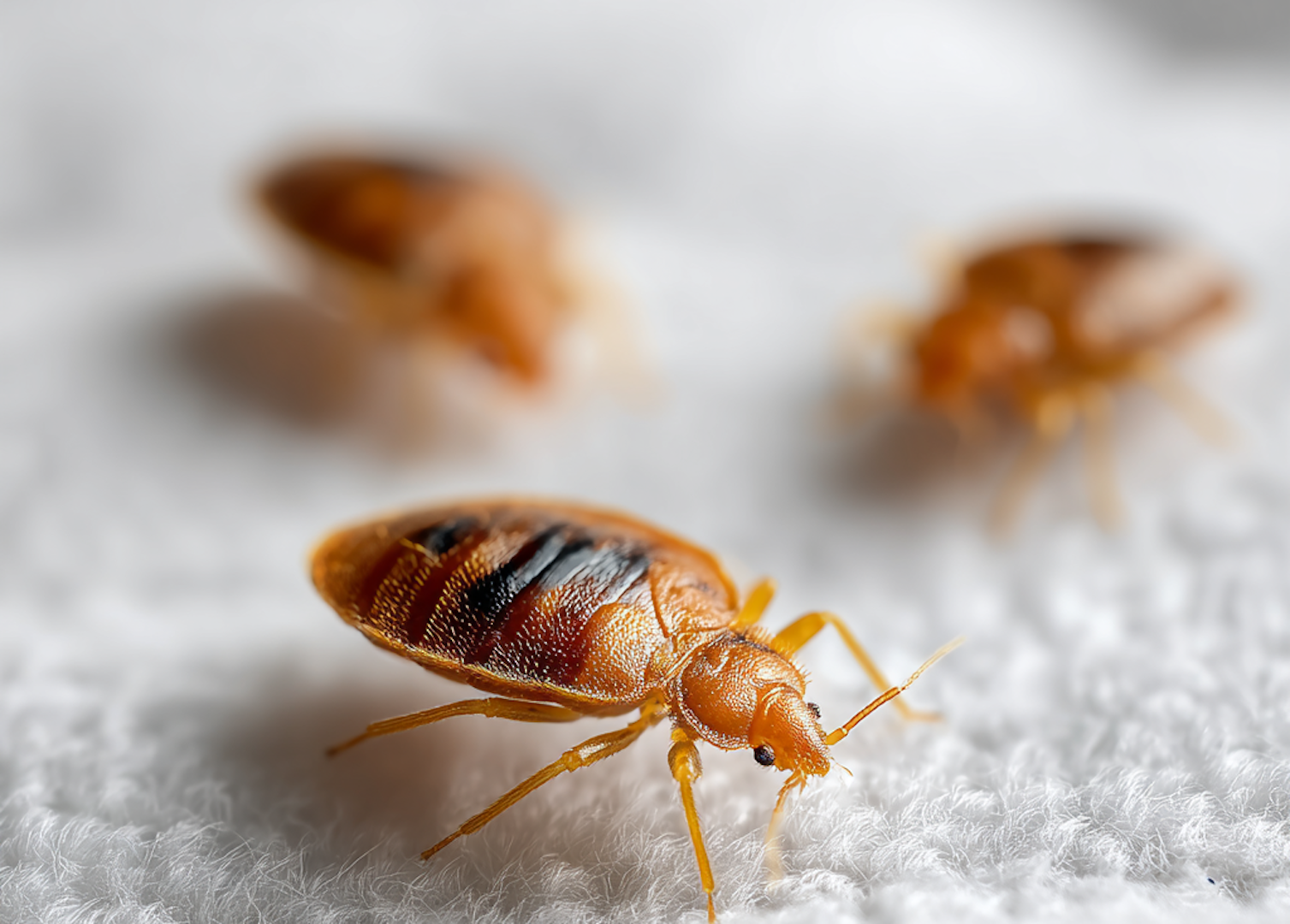
Like any insect, bed bugs grow as they age, starting in a hard-to-spot larval state. When fully mature, they grow to roughly 3.5mm across, about the size of an apple seed, with a reddish-brown color.
They can be hard to see when they’re small, but that quickly changes, and you can easily identify them in the case of an infestation.
3. Pesticides and Sprays Will Kill Bed Bugs
Simply spraying for bed bugs isn’t enough to solve most problems. While it will help, it’s not the end-all, be-all solution for killing bed bugs and their eggs.
On top of building up resistance to some chemicals, bed bugs hide deep in cracks and crevices.
Additional treatments, like heat treatments and professional help, are often needed for full-scale elimination.
4. Bed Bugs Transmit Disease
Bed bugs are not known to transmit disease to humans. Their bites are itchy and irritating, but that’s about the extent of the harm they can do.
That said, disruption of sleep paired with the anxiety and stress created by a bed bug infestation should be taken seriously.
5. Bed Bugs Only Infest Beds
Again, bed bugs don’t necessarily prefer beds. While they serve as great dwelling locations for multiple reasons, bed bugs can also lurk in sofas, chairs, carpets, wall cracks, electronics, and anywhere else nearby typical resting areas that allow them to latch onto humans.
How to Get Rid of Bed Bugs
If you find that bed bugs have invaded your home, there’s no need to panic. While treatment steps will vary depending on the infestation’s severity, you can follow a few steps to work toward eliminating them from your house.
- Confirm the infestation with a pest management professional to ensure accurate identification and treatment.
- Declutter to reduce hiding spots and make it easier to spot and treat bed bugs.
- Wash and dry bedding and clothing on high heat to kill all life stages of the pests.
- Vacuum frequently, paying close attention to sofa and mattress seams, edges, and crevices.
- Use encasements for mattresses and box springs to trap existing bed bugs and prevent new ones from getting in.
- Schedule professional treatment, especially for severe infestations, to fully eliminate the problem.
It’s important to bear in mind that, while you can possibly deal with a bed bug infestation yourself, there’s a good chance that you’ll need professional help. Pest management professionals are equipped with tools and experience that allow them to more effectively treat bed bugs, especially when it comes to severe infestations.
You can buy some pesticides and sprays that can help, but heat treatments and other more effective forms of treatment are reserved for the professionals.
The Importance of Follow-Up Inspections for Bed Bugs
If nothing else, bed bugs are resilient insects that can deal with quite a lot. Even after an aggressive treatment, it’s important to check in afterward to make sure they’re gone. They can survive in small numbers if any eggs or adults were missed the first time around.
Rechecking after two to three weeks after a treatment is necessary to ensure that’s not the case. If left unchecked, they can rapidly reproduce, starting the problem all over again.
FAQs
Can you bring bed bugs home from hotels or airplanes?
Yes. They can hide in luggage, clothing, or personal items. Always inspect items after travel to make sure you didn’t bring any home.
Can pets spread bed bugs?
Bed bugs prefer humans, but they will feed on pets if necessary. They don’t live on animals like fleas do, but pets can carry them between rooms.
Do bed bugs only come out at night?
They’re most active at night, but if they’re hungry and there’s a food source nearby, they’ll bite during the day too.


What Do Preventive Pest Protection Services Cover?
When it comes to protecting your home or rental property, you can never be too cautious. Pests like rodents, cockroaches, and termites are common across all seasons in Eastern Pennsylvania, especially if you live in an older house or near a water source.
Many of these pests may be difficult to spot until they’ve established a colony or damaged your home. Fear not. You can safeguard against these attacks or take care of an invasion you already have.
Whether you live in the Poconos, where wood-destroying insects are common, or the Lehigh Valley, where ants and cockroaches dwell, here are some reasons to invest in a pest protection service and what you can expect it to cover.
What Does a Pest Protection Service Cover?
A pest protection plan is an inclusive service that can save your property from unwanted pests that you may have and protect it from any issues in the future. There are both commercial and residential services available, with options to cover your home, office building, restaurant, building complex, and more.
Home pest protection services are individually tailored to your property’s needs and local environmental threats from common pests nearby.
Pest control services specialize in many different insects, rodents, and other wildlife, depending on which provider you sign up with. Professional pest control experts will evaluate each situation and come up with a game plan to suit you and your budget.
If you are considering a pest protection plan, here are seven benefits that will keep your property safe.
Here are seven aspects of a pest protection service you need to know.
1. Pest Protection Against Over a Dozen Pests
Pest protection services like our Home Protection Plans are designed to protect your property from over a dozen species of local pests, including ants, rodents, cockroaches, and more.
The best part about this is that you can choose the amount of protection you want with add-ons for termite bait stations, mosquitoes, and more.
2. Free Pest Inspections
Typically, a home service offers free inspections with each plan to identify and root out any dwelling pests.
In addition to spur-of-the-moment inspections, most pest protection programs offer a regular service, often every four months, for your peace of mind. These visits are great for spotting invasions at the beginning of each season and can help fortify weak spots in your home.
With regular checks, you can stay on top of any pest problems and catch things before they become serious.
3. Exclusionary Services
Preventative pest control often includes exclusionary services, such as sealing entry points, barrier sprays, and traps designed to eliminate any potential pests in your area. This makes it more difficult for pests to establish a colony and ensures a clean inspection report the next time your exterminator comes by.
4. Specialized Products and Services
Many pests require specialized services that go beyond the tools and knowledge a layman has access to. For example, heat treatments for bed bugs and advanced termite bait stations are just some of the services that are required to eliminate these pests and should be handled by a professional.
5. Individualized Plans for Your Needs
Whether you are on a budget or want ultimate protection, most home service plans are tailored to your specific needs. Not only can you decide on several plans, but you can also find one that can cover your property’s particular issues.
If your home is prone to certain pests, the plan will focus on those. Plus, you will get the added protection against other invaders, but plans are tailor-made to fit your home and your budget.
6. Guaranteed Pest Removal
If an inspection does uncover a pest on your property, the exterminator will eliminate it for you. Depending on the pest and service required, this may be covered under your pest protection plan or requires a slight additional sum.
7. A Pest-Free Environment
A home pest protection service can offer you more than just extra protection. It can give you peace of mind. With steady and reliable service and visitation, you can rest easy knowing your property is secure. Whether you receive a clean inspection or your expert happens to catch something, it will be taken care of, guaranteed. That’s one less thing to worry about.
What Pests Do Pest Protection Services Cover?
Most pest protection services in Eastern Pennsylvania cover a wide range of common invaders that threaten your home and health. Depending on your plan, coverage often includes:
- Ants (carpenter, odorous house, pavement, and more) – Carpenter ants can cause structural damage, while odorous house ants contaminate food.
- Termites – Silent destroyers that can cause thousands of dollars in property damage if not detected early.
- Cockroaches – Known to spread bacteria and trigger asthma or allergies.
- Spiders – From nuisance house spiders to potentially dangerous species like the brown recluse.
- Wasps & stinging insects – Yellowjackets, hornets, and wasps pose painful stings and can endanger people with allergies.
- Rodents (mice & rats) – Known for gnawing wires, damaging insulation, and contaminating food supplies.
- Silverfish – Feed on paper, fabrics, and adhesives, often damaging books and storage boxes.
- Fleas & ticks – Dangerous to pets and capable of spreading disease to humans.
- Bed bugs (often in specialized plans) – Small but persistent pests that spread quickly in homes, apartments, and rental properties.
How Do Preventive Pest Protection Services Work?
Preventive pest control services follow a structured process designed to stop infestations before they become major issues. Here’s how they typically work:
- Initial Inspection: A licensed technician conducts a comprehensive inspection of your home—inside and out. This includes checking basements, attics, crawl spaces, foundations, kitchens, and entry points where pests are most likely to appear.
- Customized Treatment Plan: The technician creates a targeted treatment plan tailored to your property based on findings. Treatments may include foundation sprays, bait stations, dusting of wall voids, and interior applications for the problem area.
- Exclusion Measures: Preventing pests is just as important as eliminating them. Technicians will recommend or perform exclusion tactics such as sealing cracks, repairing window screens, adding door sweeps, or caulking around utility entry points to block pest access.
- Environmental Adjustments: Beyond treatments, preventive services often include removing attractants such as standing water, food sources, or clutter that could invite pests.
- Scheduled Follow-Ups: Pest protection isn’t a one-time service. Most plans include quarterly or seasonal visits to reinforce barriers and check for new activity. For high-risk properties, monthly service may be recommended.
- Ongoing Monitoring & Reporting: Technicians track pest activity over time and provide detailed reports, so you always know the status of your home’s protection.
This proactive, layered approach not only eliminates existing issues but also creates a long-term pest-free barrier, giving you year-round confidence that your home is protected.
What Works Best for You
Whether you are worried about overwintering pests or want to make sure unwanted visitors don’t overrun your home, a home pest protection service can ease your mind. With a personalized plan tiered to work with nearly any budget, you can get the protection your home needs. Don’t wait; fortify your home today.
FAQs
How often should my home receive pest protection treatments?
Most homes benefit from quarterly treatments, but higher-risk properties (such as rentals, older homes, or wooded areas) may need monthly or seasonal services.
Are pest protection services safe for kids and pets?
Yes. Licensed pest control providers use EPA-approved treatments that are safe when applied professionally. Many companies also offer eco-friendly pest control options.
Is pest protection worth it if I don’t currently have pests?
Yes. Prevention is far cheaper than emergency pest removal. A single termite or rodent infestation can cause thousands of dollars in damage, making prevention a smarter investment.
Why Am I Seeing Beetles Everywhere in My House?
Beetles are one of the most common insects in Eastern Pennsylvania and are considered extremely beneficial for the environment. Nevertheless, these pesky critters can quickly overwhelm properties, and the bigger beetles often get mistaken for cockroaches.
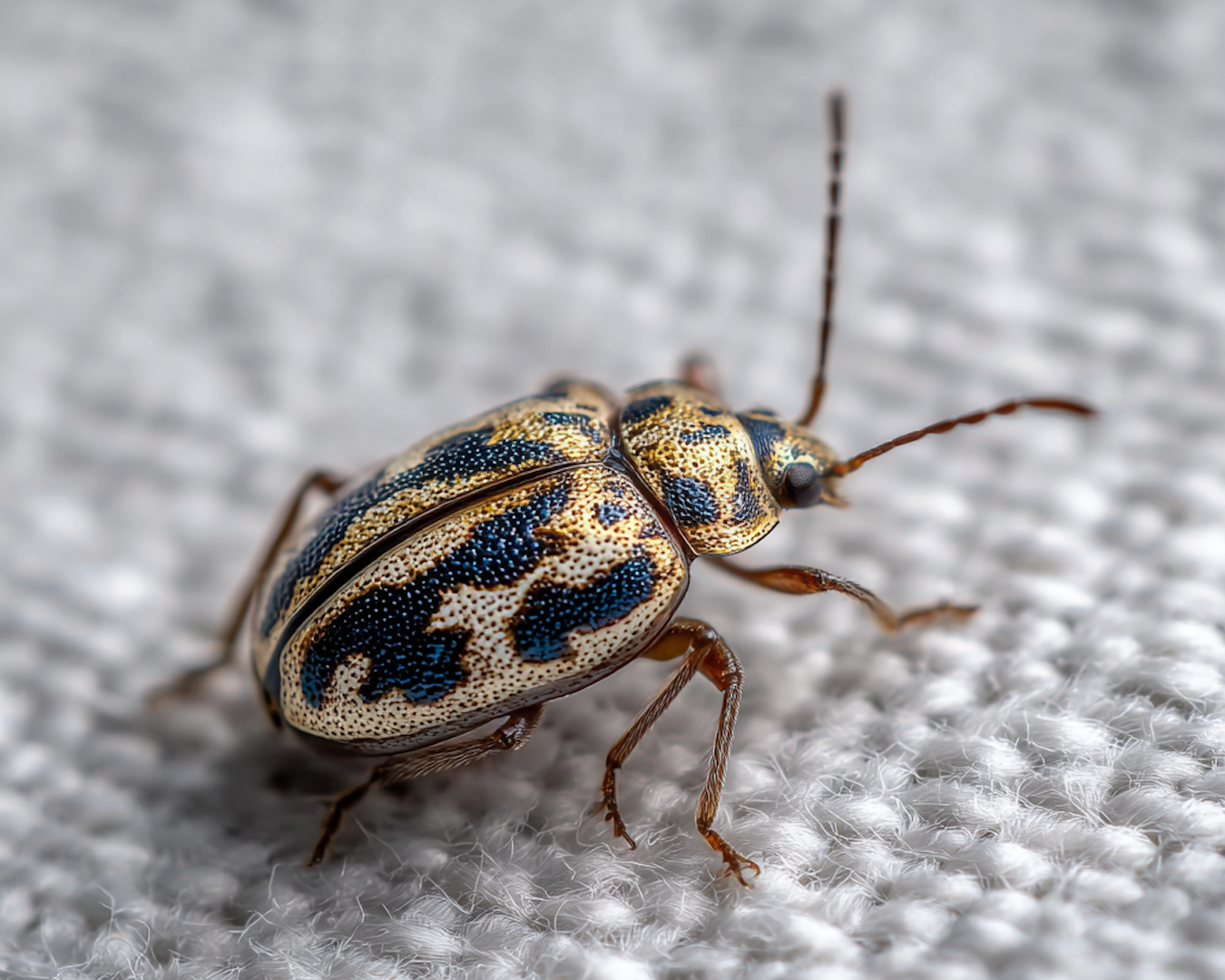
While we refer to beetles as a single insect, there are dozens of species, including wood-burrowing beetles that damage wood, carpet beetles that snack on natural materials, and Asian lady beetles, which are considered highly invasive.
Beetles also tend to be more active in the summer and fall, so understanding what attracts them to your home will help you prevent and eliminate them for good.
This guide will help prepare you for beetle season in Pennsylvania so you don’t have to deal with the mayhem.
What is a Beetle?
The beetle is a prevalent insect, one of the most common across the globe, with many varieties, ranging in size, shape, and color. Beetles have layered wings.
The first part is a hard and thick protective shell covering the second layer, which is far more fragile. Typically, beetles have chewing mouthparts, rather than “sucking” or piercing mouths.
Beetles don’t have particularly good eyesight, but they communicate in various ways, such as pheromones, sounds, or vibrations. With such a variety, these creatures thrive just about anywhere.
Types of Beetles in Pennsylvania
There are many types of beetles in Pennsylvania that tend to infest inside and outside of homes. Here are the most common residents frequently encountered:
- Carpet Beetles: Small indoor pests whose larvae damage fabrics, carpets, and stored goods.
- Powderpost Beetles: Wood-boring insects that leave fine powder and tiny exit holes in hardwoods.
- Lady Beetles (Ladybugs & Asian Lady Beetles): Beneficial outdoors but a nuisance when swarming inside homes in fall.
- Ground Beetles: Harmless predators that control other insects but may wander indoors.
- Japanese Beetles: Metallic green beetles that skeletonize leaves and damage lawns as grubs.
Why Am I Seeing Beetles in My House?
Beetles are one of the most widespread insect groups, with 300,000 species known living in almost every environment on Earth. While they naturally thrive outdoors in soil, wood, plants, and even water, many species find their way indoors in search of food, shelter, or warmth.
Depending on the type of beetle, you may notice more activity during certain seasons, such as when they’re seeking overwintering sites in the fall or emerging in the spring.
- Food Sources: Pantry pests like flour beetles or grain beetles are attracted to stored dry goods.
- Fabric & Furniture: Carpet beetles feed on natural fibers such as wool, leather, and upholstery.
- Wood Damage: Powderpost beetles infest hardwood flooring, furniture, and trim.
- Seasonal Shelter: Lady beetles and other species often enter homes in fall to overwinter.
- Light & Warmth: Some beetles are drawn to indoor lighting and warmth during cooler months.
Which Seasons are Beetles Most Active?
Again, how active beetles tend to be correlates with the species, and often, the seasons they are most active are when they are mating. Most beetle species mate in the spring or summer, which can account for the sudden increase around your home or backyard.
Adults mate, and females tend to lay their eggs near or on a food source. Again, these actions are very dependent on the species, and this also affects how long these insects live.
In most cases, beetles don’t live for more than a year. However, their life spans can range anywhere between 13 weeks and 12 years. That’s a long time to deal with a beetle problem. Usually, big beetles live longer, and most typically hatch during summer.
Why are Beetles Important to the Ecosystem?
Beetles are more than just hard-shelled insects that buzz around the backyard. Since there is such a wide variety, they have different roles in the ecosystem, and some are more critical than others. Some beetle species help get rid of decaying matter and take care of the waste we leave behind.
Others do their part, like Ladybugs, and kill off other pests. Additionally, beetles can help pollinate flowers while decomposing and eating dead trees.
Recently, beetles have been used to cut down on weeds, which beats weed whacking. However, as helpful as these little creatures can be, some can be horrible little pests.
Why are Beetles a Problem?
While certain species like fireflies or ladybugs can be helpful, there are quite a few beetles that can cause some real damage to both your home and your garden. Carpet beetles are known for chewing away at carpets, wool, and other items in your home. They can ruin clothing, decor, and carpeting quite easily.
Woodworm or deathwatch beetles are fans of chewing away on wood and furniture, which can damage way more than just parts of your home. Wood-eating insects can cause severe structural damage if they are allowed to carry on unchecked.
Beetles don’t have to be destructive to be annoying. Asian lady beetles often trick us into believing they are their more helpful “cousin,” the ladybug, but this overwinter pest will sneak inside your home and hatch during the spring.
They can often leave foul-smelling yellow streaks on your walls, swarm near lights, and can be quite dangerous to pets. Some beetle species can bite, are poisonous, or spit acid, though these are not as common. You’re unlikely to find the latter variety hanging out in your garden.
However, beetles can be very destructive to crops and gardens. Weevils and potato beetles are especially harmful to farmers. So, while some species can help our environment, others can be quite destructive.
How to Get Rid of Beetles in Your Home
If you’re spotting beetles inside, the best first step is a thorough cleaning. Vacuum carpets, furniture, and baseboards, wash infested fabrics, and store food in airtight containers to remove what’s attracting them.
Seal cracks and repair window screens to keep new beetles from getting in. For minor issues, this may be enough, but persistent beetle activity, especially wood-boring species, often requires professional pest control to fully eliminate the problem and prevent damage.
The good news is that most beetles are more of a nuisance than a danger. Still, knowing why they’re in your home and how to respond quickly can save you time, stress, and costly repairs.
FAQs
Are beetles dangerous?
Most beetles aren’t directly harmful to people, but certain species can cause significant damage to food, fabric, or wood inside your home.
Can beetles bite?
Most common household beetles don’t bite humans; they’re mainly a nuisance and can cause property damage if left unchecked.
How do I know if I have an infestation?
Seeing multiple beetles over several days, discovering damage to food, fabrics, or wood, or spotting larvae and shed skins often signals a developing problem.

What is Commercial Pest Control? Top Five Benefits
While many pests are manageable for homeowners with a simple Home Protection Plan, business owners have a much tougher time combating pests at vulnerable establishments, such as large-scale warehouses, restaurants, and hospitals.
The need for ongoing inspections, barrier sprays, and bait stations, and exclusion measures is arguably more pressing as the sheer scale that business owners have to protect their property is significantly greater. Additionally, the costs of just one pest sighting or contaminated material are greater for business owners than for residents.
If you’re curious about commercial pest control, this guide will answer what commercial pest control is and outline the benefits for your business.

What Is Commercial Pest Control?
Commercial pest control refers to professional pest management services designed specifically for businesses and large-scale facilities. Unlike residential pest control, which typically addresses smaller infestations in individual homes, commercial pest control must tackle larger, more complex spaces like restaurants, warehouses, retail stores, hospitals, and office buildings.
These environments often require customized treatment plans that include routine inspections, targeted treatments, and ongoing prevention strategies—such as barrier sprays, bait stations, and exclusion methods—to ensure pests don’t disrupt daily operations.
In areas like Allentown and Scranton, known for their large-scale factories, data centers, and retail establishments, commercial pest control helps keep these businesses clean and operational. Some common facilities in Eastern Pennsylvania where commercial pest control can benefit include:
- Warehouses and distribution centers
- Restaurants and commercial kitchens
- Hospitals and healthcare facilities
- Hotels and hospitality businesses
- Office buildings and business parks
- Retail stores and shopping centers
- Schools, universities, and childcare centers
- Manufacturing and food processing plants
Because these spaces often have high foot traffic, accessible entry points, and attractants like food or water, the risk of pest activity is significantly higher than in residential settings. A single pest sighting or contaminated product can lead to major financial losses or even facility shutdowns.
5 Reasons You Need Commercial Pest Control
Business owners have enough responsibilities and a list of everyday tasks they need to complete. Operating a clean, safe workplace free of health and safety hazards should be at the top of the list. Regular commercial pest control can help you do this.
Here are five important benefits of commercial pest control services:
1. Federal health and safety regulations.
All businesses are subject to certain health and safety regulations. If you are in the foodservice or health care business, it is even more essential to meet specific criteria for a clean, safe workplace. Failure to do this could result in stiff fines or other penalties, including forced closures.
2. Employees’ health.
Healthy employees go a long way toward keeping your entire business running smoothly. Insect and rodent droppings, saliva, or other signs of pests can trigger employees’ allergies. Some insects or rodents carry diseases that can be easily transmitted to humans through various means.
3. Early detection = long-term cost savings.
A business should have a commercial pest control management technician visit their workplace at least once a year, possibly more, depending on the type of business. The technician will closely inspect the small, dark areas pests love most.
They can identify possible entry points and eliminate pest issues. Early detection means considerable long-term savings and a healthier bottom line.
4. Cost of displacing operations.
You suspected some rodents were chewing on the boxes in the storage room you rarely use. You let the issue go for a few months, and you now have a full-blown mess on your hands—holes in boxes, shredded hard copies of important files, and old computer cords that have been chewed.
Your staff has been tasked with scanning the salvageable files so everything can be stored digitally. Is this the best use of everyone’s time?
In some cases, an entire staff may need to temporarily relocate or work from home so pest control technicians can spray for insects or rodents. Although necessary, this causes a disruption to the day’s workflow and the displaced staff may fall behind.
5. DIY pest control for commercial use is inefficient.
Basic pest control measures may not work in a commercial setting. For instance, setting a few mousetraps might take care of a rodent problem in a standard residential kitchen.
A large refrigerated warehouse in a distribution center needs something more substantial. Trained technicians can work with you to identify the problem and develop an effective integrated pest management plan to eliminate the insects or rodents wreaking havoc on your workplace.
Is Commercial Pest Control Safe?
Commercial pest control companies understand employees need to work in a safe environment without health hazards. Pest control chemicals are largely safe; however, they should be used by someone who is trained to use and dispose of them properly.
Unlike residential pest control management programs, commercial companies can address a broader range of issues—from insect control to wildlife control, to bird control. Each issue is addressed in a timely, effective manner so you can get back to business.
What Bugs Will It Protect Me Against?
Thanks to a targeted approach unique to each business’ pest problem, commercial pest management can protect a workplace from insects such as:
- Ants
- Bees
- Cockroaches
- Spiders
Mosquito control is also helpful for construction sites or other outdoor workplaces. Mosquitos are well-known carriers of disease; anyone working outdoors should take protective measures against these harmful pests.
Many commercial pest companies provide rodent control services. The technician will do a comprehensive inspection of your workplace, identify potential entry points and attractors, and seal entryways with caulking and other sealants.
Your business should be a point of pride for your entire workforce, and an asset to your community. Rodent or insect infestations can impact your business’ reputation in countless ways.
Don’t risk the well-being of your company or its workforce. Call us today to learn more about commercial pest management services to protect your business!
FAQs
How often should my business schedule commercial pest control services?
Most businesses benefit from quarterly service, though restaurants, healthcare, and food processing facilities may need monthly or bi-monthly treatments.
What industries benefit most from commercial pest control?
Restaurants, warehouses, hospitals, retail, and schools are at the highest risk. However, every business with staff, inventory, or customers on site should have pest protection.
Is commercial pest control safe for my employees and customers?
Yes. Licensed professionals use regulated treatments that are safe when applied correctly. Many companies also offer eco-friendly pest control solutions.
Are Termite Bait Stations Worth the Price?
Discovering signs of termite activity around your home is never something you can ignore.
These silent destroyers work quickly, and even if the damage isn’t severe yet, it’s only a matter of time before they cause costly structural problems. Acting fast is the only way to protect your property.
In your search for termite solutions, you’ve probably come across termite baiting stations: a widely used and highly effective method for eliminating these wood-hungry pests. But are they the right choice for your home? Can they deliver results in the timeframe you need?
Let’s break down exactly how termite baiting stations work, their pros and cons, and whether they fit your situation best.
What Are Termite Bait Stations?
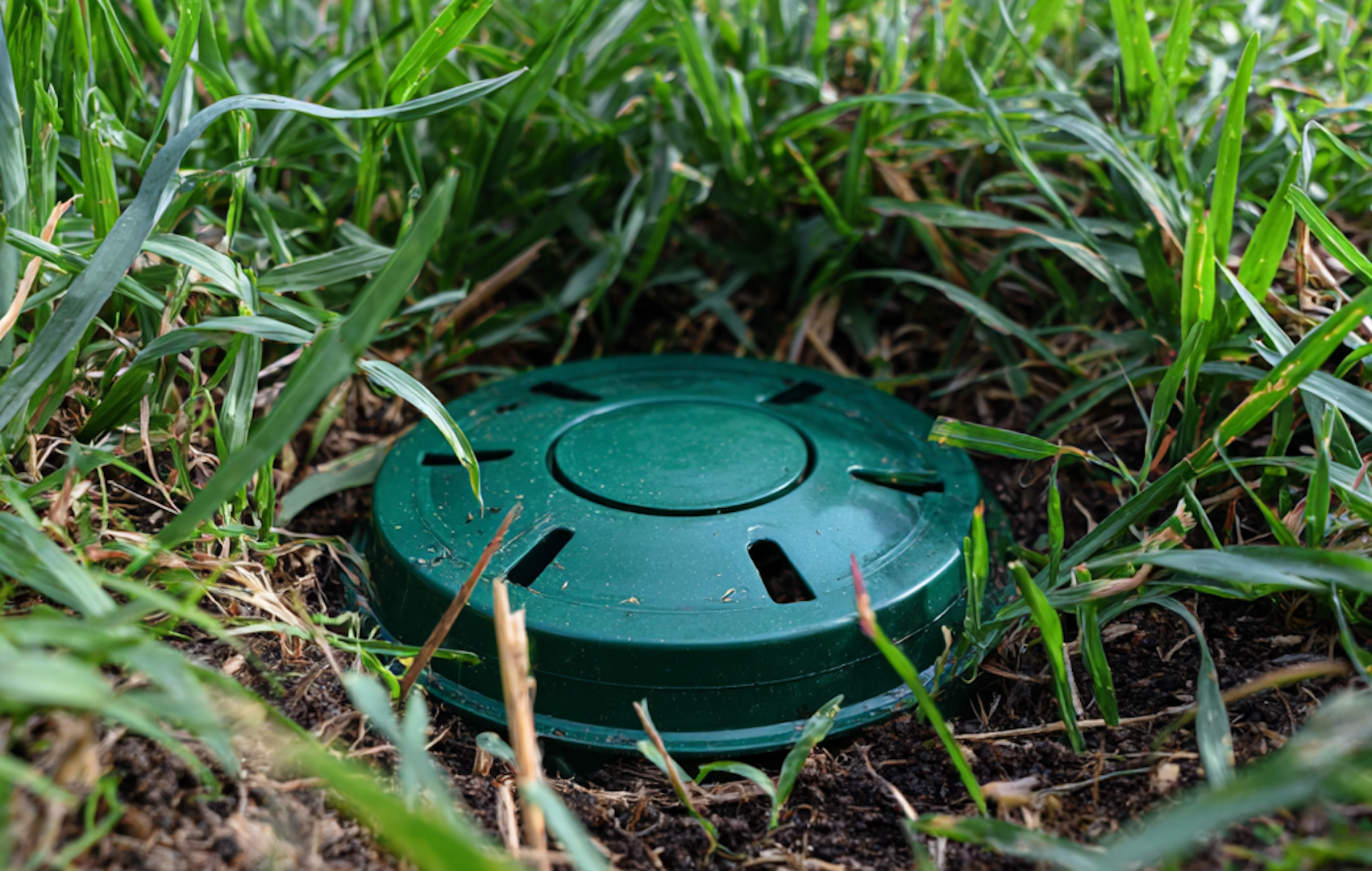
Termite bait stations are devices installed in the ground around your home. They look like plastic caps that measure no more than a few inches across, with a portion that extends below the surface. Inside is typically a monitoring base and often a changeable bait cartridge.
Termite bait stations are designed to intercept subterranean termites before they reach your home. They’re installed in a spaced-out formation surrounding the property, effectively creating a perimeter to protect it.
Each bait station attracts termites, acting as a checkpoint for any that travel nearby. When termites enter the bait stations, they pick up a slow-acting transmissible poison and carry it back to the colony, where it is consumed.
How Do Termite Bait Stations Work?
Termite bait stations work by attracting termites to a cellulose-based bait laced with a slow-acting insecticide. The termites feed on the bait, carry it back to their colony, and spread it to others, eventually eliminating the entire colony over time.
Bait stations can help eliminate termite queens, workers, and swarmers.
Here’s how they work in practice:
- Installation: A pest management specialist installs the bait stations, or monitoring stations, around the property. They are located within 2-4 feet of the foundation and spread 8-10 feet apart.
- Baiting: Inside each cartridge is a monitoring base that contains food sources that naturally attract termites, along with a slow-acting poison that’s transmitted to them upon entering. This ultra-low disturbance approach allows termites to find and feed without alarm.
- Colony Elimination: The slow-acting poison picked up from the bait is spread to the colony, eliminating the problem at its source.
- Monitoring: Baiting stations are routinely inspected and replenished as necessary to ensure long-lasting effects.
Pros and Cons of Termite Bait Stations
Termite baiting systems are considered one of the best long-term strategies for effective pest control, though they might not make sense for every household. Bait stations are considered the most effective among the active termite treatments available in Pennsylvania.
On top of understanding how they work and what they’re trying to achieve, you should familiarize yourself with the pros and cons to know the best time to use them.
Pros:
- Targeted colony elimination for long-term protection
- Ultra-low disturbance to termites during feeding
- Environmentally friendlier than some chemical soil treatments
- Easy to monitor and maintain over time
Cons:
- Requires ongoing inspections from a pest control pro
- Slower than liquid treatments (can take months for colony elimination)
- Effectiveness depends on correct placement and consistent monitoring
Termite Bait Station Cost Breakdown
How much you can expect to spend on termite baiting stations depends on a few variables. Namely, the size of your property, if you intend to do the work yourself, and what brand of stations you use.
Setting up a perimeter using Advance Termite Bait System—one of the most popular brands in the segment—typically costs homeowners $1,000 to $1,500.
Paying a pest monitoring professional to conduct annual inspections will cost $250 to $400 a year, and replacement bait cartridges will cost $100-$150 per incident if termites are found.
This is a lot of money up front for many homeowners, but it’s important to remember how much damage termites can cause. Repairs to the wood around your home can add up to more considerable expenses if termite activity is left unchecked.
DIY vs. Professional Termite Bait Stations
You can opt to do the work yourself and install DIY termite bait stations to protect your home. Whether or not you should depends on the severity of your situation. In the case of a minor infestation or if you’re looking to work proactively, DIY termite bait stations may get the job done, though you do risk reinfestation if you are not vigilant.
Remember to read the instructions and follow the steps accordingly to get the best results.
If you’re dealing with a serious infestation with the risk of termites doing extensive damage to your home, it’s best to call in a professional.
Not only are pest control specialists trained and experienced with dealing with termites, but the stations they use are generally more advanced than what’s available to the average consumer. This allows them to deliver effective results, potentially saving you thousands of dollars in damages down the road.
Are They Worth the Investment?
Termite bait stations are absolutely worth the investment.
They create a barrier around your home that not only deals with termites that cross it, but also addresses the problem at the source. Termite bait stations deliver long-term results, saving homeowners from serious damage caused by termites, and are environmentally safe.
The only catch is that you need to know when they’re the best choice. If you’re unsure which termite treatment is the best solution for your situation, it’s recommended that you call in a pest management specialist to help you deal with the problem.
FAQ
How long does it take for termite bait stations to start working?
It can take a few weeks for termite bait stations to begin working. Colony elimination can take several months to achieve, making it important to monitor and replenish stations periodically.
Are bait stations more effective than liquid treatments?
Liquid termite barriers and bait stations often work to achieve similar goals, and which is best is going to come down to the specifics of your situation. If you’re unsure which you’d like to use, you should contact a pest management specialist in your area.
How often do termite bait stations need to be checked?
Bait stations should be inspected at least once a year, with more frequent checks being necessary in some situations. If you’re dealing with a serious termite problem, inspecting them every three to six months may be recommended.
Can I install termite bait stations myself?
Yes. You can install termite bait stations yourself. Whether or not you should depends on the extent of your termite infestation and how aggressive you need to be with treatments.
What Is that Large Red Flying Scary Insect in Pennsylvania?
While ticks and mosquitoes are dangerous pests to monitor in your yard, there’s another not-so-local insect that has made its way to Eastern Pennsylvania, and it can pose a threat to both farmers and residential properties.
We’ve received dozens of calls over the past two years about scary red flying insects swarming local foliage in Allentown and hopping around parking lots in the Poconos.
These strange, but pretty insects are known as the spotted lanternfly, or lycorma delicatula, and they pose a dangerous threat to trees and foliage across the state.
Last year marked the 10-year anniversary of the spotted lanternfly’s arrival in Pennsylvania, and while its population had initially exploded, regional efforts to curb the pests have started to work.
Part of the solution to reducing spotted lanternfly populations requires citizen involvement in squashing and destroying egg masses wherever they are spotted.
This guide will explain exactly what to do the next time you find a spotted lanternfly so that you can reduce their population and protect your property from possible damage to local trees.
What Is that Scary Flying Red Insect in Pennsylvania?
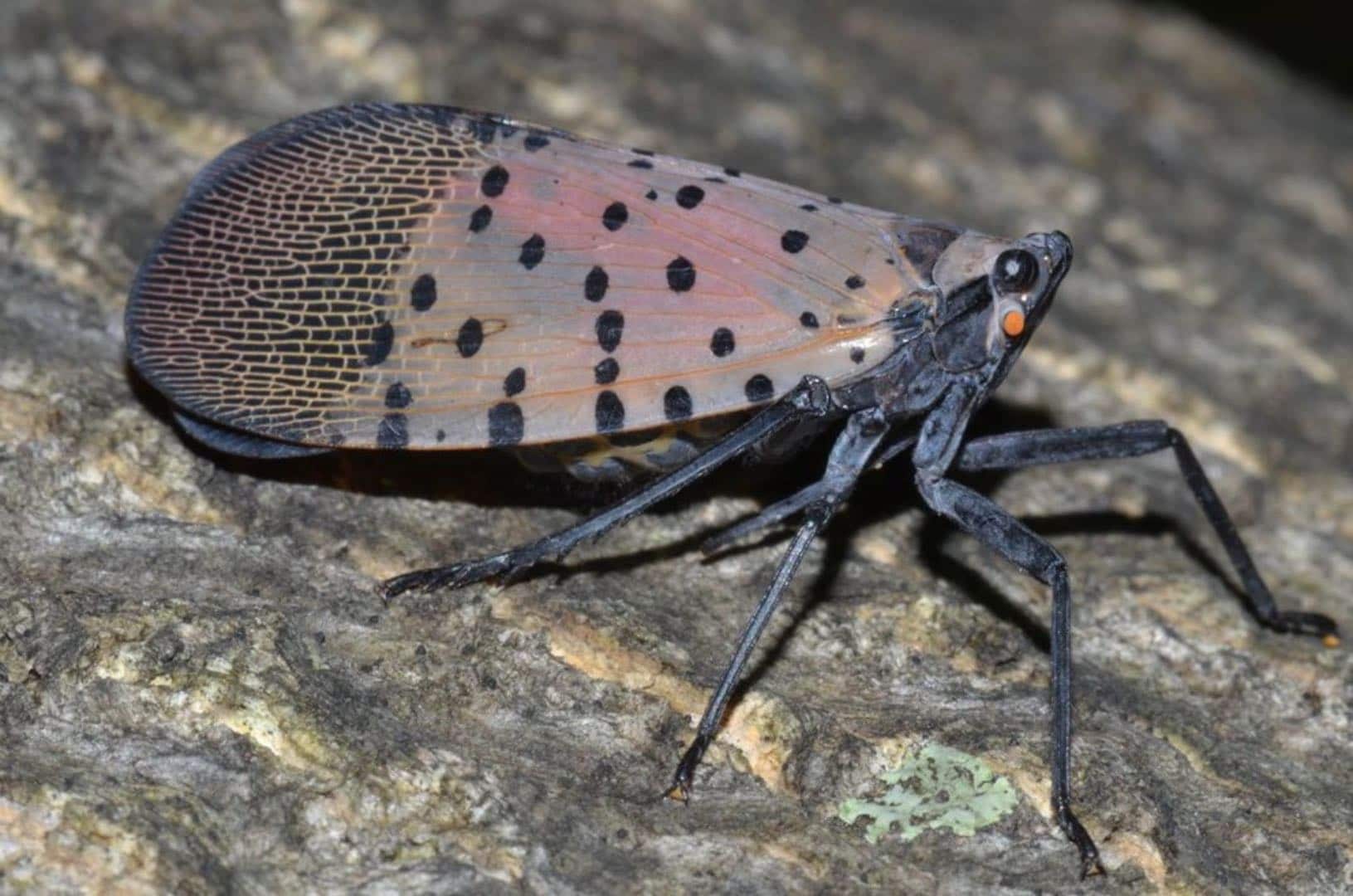
Have you recently spotted a bright red or grey insect with black spots and wings hopping around your neighborhood? This flying red insect is known as the spotted lanternfly and is an invasive species in Pennsylvania that the state is urging to eliminate by any means possible.
These insects are known to give residents a fright as they can hop suddenly over great distances of 3-5 feet and can be difficult to catch.
If you spot these insects, crush them immediately with your foot and eliminate any eggs they may have laid on nearby trees to reduce their population. By building awareness around the subject, we can reduce and possibly eliminate spotted lanternfly populations acros the northeast.
What Is the Spotted Lanternfly?
The spotted lanternfly is an invasive planthopper insect native to China, India, and Vietnam. The adult insect is approximately 1” long and about a ½ inch wide.
Their front wing is gray with black spots, with black blocked outlined wing tips, while their hind wings are red and black with a white band. Spotted lanternflies’ legs and heads are black, and their abdomens are yellow with broad black bands. The immature lanternflies are smaller, black, and covered in white spots. They develop red patches as they grow.
Spotted Lanternfly Lifecycle
Spotted lanternflies tend to reproduce one generation yearly, which is good news for residents trying to thwart these pests. In spring and summer, they go through four early nymphal stages, transitioning from black to bright red.
Once adults, they grow wings to fly and lay egg masses that hatch during the next winter. Residents typically have the best chance of destroying these creatures during the overwintering stage and early spring.
Why Are Spotted Lanternflies A Problem?
It is unknown whether the spotted lanternfly is physically harmful to humans or animals. However, these insects feed on plants and trees. This invasive species feeds on over 70+ plants, including important forestry and agricultural crops.
They are particularly fond of apples, grapes, and other vegetation, but the Tree of Heaven is considered the biggest attractant–an invasive species in Northeast PA you can spot just about on the side of any highway.
Once attacked, these trees develop weeping wounds, often grayish or black. These weeping wounds attract many other insects, including wasps and ants. Spotted lanternflies also leave a similarly colored trail along the tree trunk.
Adult lanternflies lay egg masses on host trees and nearby smooth surfaces. They can attach these masses to almost anything: vehicles, furniture, structures, stones, and many more spots.
This makes it difficult to track where they are and even easier to bring them somewhere new. Newly laid egg masses have a gray mud-like covering.
This invasive species threatens Pennsylvania’s grape, tree-fruit, hardwood, nursery, and landscape industries, which generate agricultural crops and forest products. Additionally, spotted lanternflies can damage high-value ornamentals in home landscapes and affect the quality of life.
Where Is The Spotted Lanternfly Threat?
Spotted lanternflies were first discovered in Berks County, PA, in 2014. The infestation soon spread throughout 14 counties in southeastern PA, which the Pennsylvania Department of Agriculture has designated as a quarantine zone.
In 2025, the current quarantine map consists of the entirety of Southern Pennsylvania and every county in Northeast PA, short of Wyoming County.
Hitchhikers by nature, it is only a matter of time until all of PA is under a spotted lanternfly quarantine unless something can be done.
What’s Being Done To Stop Spotted Lanternfly?
Research may have found the first breakthrough in the attempt to stop the spread. Recently, a fungus that killed the lanternflies at a park near Reading was found.
The research continues, but this is the first possible enemy that may be the key to fighting this invasive species.
Another lingering problem with dealing with these pests is combating the rapid spread of the Tree of Heaven, which has spread throughout the region at record speeds.
Currently, the most effective solution to combating these creatures is educating the public on ways to eliminate spotted lanternflies when they spot them.

What to Do When You Spot a Spotted Lanternfly
The best way to combat this invasion is to be vigilant. Follow the necessary precautions issued by the Pennsylvania Department of Agriculture and Penn State University.
Check outdoor items for spotted lanternfly egg masses, including anything you move inside between seasons. Scrape egg masses into a plastic zippered bag filled with hand sanitizer, then zip the bag shut. Take the proper steps to dispose of it.
Inspect trees (in particular, the tree of heaven), bricks, stone, and other smooth surfaces for egg masses. Dusk and nighttime are typically when these insects tend to gather in large groups on trunks or stems of plants.
If you do spot these bugs, be sure to squash them by any means possible.
Most importantly, should you find evidence of an infestation, report it to the experts. Together, we can stop the spread of spotted lanternflies and protect our agriculture.
FAQs
How do I physically remove spotted lanternflies?
Use a flyswatter or vacuum cleaner to capture and dispose of them. You can also use sticky traps placed around trees and surfaces where they gather.
Are there natural predators for spotted lanternflies?
Yes, certain birds, spiders, and praying mantises are known to prey on spotted lanternflies.
What should I do if I find spotted lanternfly egg masses?
Scrape them off using a putty knife or similar tool, and place them in a container filled with rubbing alcohol or hand sanitizer to kill the eggs.
Can I use insecticides to control spotted lanternflies?
Yes, insecticides labeled for use against spotted lanternflies can be effective. Follow label instructions carefully to ensure safety and efficacy.

7 Benefits of Industrial Pest Control for Your Business
When it comes to protecting your home and property from unwanted invaders, you can never take too many precautions. Why should it be any different for your business? Pests don’t just favor houses; they are drawn to any place that suits their basic needs.
Areas like Allentown and Montgomery County are known as two of the industrial hearts of Pennsylvania, providing jobs and money to their local communities. But sometimes even these large facilities need help keeping their properties clean and free of pests.
While it does cost time and money, you can protect your business from pests by taking the proper measures and contacting a pest control expert.
Remember, while it may seem like your business is safe from unwanted insects and rodents, having a specialist can keep your property safe.
What Is Industrial Pest Control?
Industrial pest control is a specialized service designed to prevent, manage, and eliminate pest infestations in large-scale commercial environments such as warehouses, factories, food processing plants, storage facilities, and distribution centers.
Unlike residential pest control, which focuses on homes and small properties, industrial pest control must address complex challenges like larger square footage, higher traffic, varied storage conditions, and stricter industry regulations.
Pest control in these settings involves routine inspections, customized treatment plans, and preventive measures tailored to the unique needs of industrial spaces. The goal is not only to remove existing pests like rodents, cockroaches, ants, or flies, but to proactively protect the facility from future infestations that could jeopardize inventory, disrupt operations, or put health and safety standards at risk.
Professional pest control providers use advanced tools, techniques, and integrated pest management (IPM) strategies to ensure long-term protection while minimizing disruption to daily business operations.
7 Reasons to Invest in Industrial Pest Control
When it comes to running a business, there can be plenty of unforeseen costs. One that can be easily avoided with proper precaution is protection against an unexpected pest invasion.
You can never be too careful; pest control can not only be a detriment to your business, but it can also have long-lasting issues if it isn’t handled properly. Here are the top seven reasons it’s a good idea to have industrial pest control protection.
1. Pests Can Harm Inventory and Result in Downtime
Pests don’t just pose a health or cleanliness concern; they can directly damage your inventory and disrupt operations. Rodents, for example, can chew through packaging, wiring, and stored goods, contaminating entire shipments and rendering products unsellable.
Insects like moths or beetles may infiltrate raw materials or food supplies, leading to spoilage and regulatory issues. For any business that deals with storage or manufacturing, even a minor infestation can lead to thousands of dollars in lost products and missed deadlines.
2. Industrial Facilities May Be More at Risk for Pests
Depending on the type of business you run, you may have a lot of attractants that draw pests to your facility, including food, water, and shelter.
Food services, warehouses, and storage are all hotspots for pest problems.
Additionally, hospitals, hotels, and offices can be a draw for a different group. Hitchhiking pests like bed bugs can thrive in these environments, as well as social pests like rodents, cockroaches, and ants.
Busy areas can make it difficult to spot a pest problem, especially if you are shipping and moving products regularly.
3. The Type of Pest Found in Warehouses May Be Harder to Handle
Rats and mice can be drawn to food storage areas or large warehouses and quickly grow into a full-blown infestation. Likewise, termites and cockroaches can overwhelm employees and facility managers if allowed to proliferate untouched.
Unfortunately, those store-bought sprays, traps, and baits won’t be big enough to protect the large surface area you need to eliminate pests in your facility. Industrial-strength products and service providers will be required to handle large infestations.
4. Pests Can Spread Disease
Certain pest infestations can not only cost you, but they can also be dangerous for you and your customers. Cockroaches and rodents can carry dangerous diseases such as E. Coli or Salmonella. If you are in the food industry or have a break room, this can be hazardous to your employees and your customers.
5. Your Reputation Is at Risk
A certain stigma is attached to reporting pests, and if your business has an issue, customers may stay clear. There’s nothing more off-putting than reading that there are rats in the kitchen or bed bugs in a hotel. The risk may deter potential customers and hurt your bottom line.
6. You May Not Realize You Have Pests Until It’s Too Late
If you don’t want to wait to take care of the problem, having a pest control expert make routine rounds can pinpoint an issue before it gets out of hand. If you spot something, don’t wait for it.
One cockroach can mean you have plenty more hiding between the cracks. Then again, you could potentially stop a full-scale invasion before it becomes an issue. Pests are around all the time; luck favors the prepared.
7. Investing Early Can Pay Off Later
Prevention is the best way to combat any infestation. Perform regular maintenance, schedule routine inspections, and stay on top of things with a pest control expert to keep any pest problems to a minimum. If you are prepared, you can put a stop to any issue before it becomes a major problem
You’ve worked hard to make your business what it is today. Keep it protected and don’t let pests ruin what you’ve accomplished. Stay on top of any possible infestation with an industrial pest control expert. Stop potential problems before they even take root and keep your customers, employees, and the future of your business safe.
FAQs
What types of pests are common in industrial facilities?
Industrial properties are often targeted by rodents (mice and rats), cockroaches, ants, flies, and sometimes more specialized pests like stored product insects (beetles, moths) or termites. Bed bugs can also be an issue in hospitality or healthcare settings.
How often should industrial pest control services be scheduled?
This depends on the type of business, size of the facility, and local pest risks. However, most industrial properties benefit from monthly or quarterly inspections and treatments to ensure pests don’t have a chance to establish themselves.
Is industrial pest control safe during working hours?
Yes. Most modern pest control methods are designed to be safe and minimally disruptive. Your pest control provider will work with you to schedule services during off-hours if necessary or use targeted, low-risk treatments that allow operations to continue safely.

What Does DEET Mean? Is it Safe? We Provide the Answers.
Whether you’re simply going on a walk around the block or a camping trip out in the wilderness, connecting with the great outdoors is a wonderful escape from everyday life.
Unfortunately, insects can quickly sour those plans. Among the worst insects you can encounter in the summer months, mosquitoes and ticks are bound to top the list.
Not only do these pests leave painful bites, but several mosquitoes and ticks in Pennsylvania can spread dangerous diseases, such as Lyme’s Disease, West Nile Virus, Yellow Fever, and more. While rare, it’s generally better to be safe than sorry, especially when it comes to ticks.
DEET is one of the most popular over-the-counter products designed to repel insects like ticks and mosquitoes. This popular spray is used by everyone from hikers to families looking to enjoy a nice barbecue in their backyard.
But is DEET effective and, more importantly, is it safe? We’ll discuss the benefits and potential risks of DEET and alternatives to repel ticks, mosquitoes, and other insects safely.
What is DEET?
DEET, or N, N-Diethyl-m-toluamide, is a substance found in insect repellents. Developed by the US Army in 1946, it acted as a safeguard for the military in insect-infested areas.
DEET is especially good against mosquitoes and ticks, which can carry devastating diseases. However, there has been some debate on how safe the repellent is.
Numerous tests have been conducted on the effects of DEET, but the results show negligible adverse effects. In fact, there are no definitive results that show that DEET is unsafe when used correctly.
When used properly, the repellent can keep insects from landing on you by confusing their senses or by making it difficult to land. DEET is not the same substance as DDT, which was banned in the US in 1972.
Also, the percentage of DEET in a repellent determines the length of time you are protected. If you use the proper amount and apply it according to the directions, DEET can work wonders.
Is DEET Safe?
Misusing DEET has led to a bad reputation. The possibility of DEET poisoning is incredibly low and cases of toxicity are mild.
After research by the EPA’s office, there’s no conclusive evidence that DEET has any long-lasting effects. It also doesn’t affect the environment and breaks down in the sunlight once sprayed. The key is to use the appropriate concentration and follow the instructions. So, why use DEET at all?
The Benefits of DEET
The biggest positive point DEET has is its ability to deter and repel mosquitoes. The repellent messes with the mosquitoes’ antennae and mouthparts that seek out lactic acid and carbon dioxide. Since these flying insects are considered one of the most dangerous creatures to humans, having protection is imperative.
In addition, DEET repels several other flying insects, including biting flies, gnats, and chiggers. The repellent also wards off several other blood-sucking insects like ticks, fleas, and leeches.
1. Protects Against Mosquitoes
Ideally, DEET repels mosquitoes, which are dangerous and carry terrible, life-threatening diseases, like West Nile, yellow fever, and Zika virus. There are very few ways to protect yourself from mosquitoes short of eliminating standing water on your property. However, that won’t protect you everywhere else – and those flying terrors are everywhere.
2. Repels Ticks too!
Mosquitoes aren’t the only dangerous pests that can be hard to repel. Ticks can be harmful, too.
They carry devastating diseases such as Lyme and Rocky Mountain Spotted Fever, and they can be difficult to spot on your own body. Once they latch and become engorged, they can transmit the disease. DEET can help keep ticks off your skin.
3. Guards Against Additional Insects
An insect doesn’t have to be disease-ridden to be difficult to keep at bay. Sometimes, the most annoying insects can be resistant to normal repellents. DEET can help protect against gnats, fleas, biting flies, chiggers, and leeches. With the right repellent, you can protect against all these nasty pests.
4. Easy to Find
You don’t have to go on a deep dive on the internet or a journey to a specific store to find a repellent that includes DEET. In fact, there are several over-the-counter options that are extremely easy to obtain.
These repellents are EPA registered. Over 30 companies have these repellents, and there are over 120 different products containing DEET. Whatever way you want to apply it, these applicants come in liquids, lotions, sprays, and other options for direct application.
5. Safe to Use
Products with DEET are safe to use and are remarkably effective when used properly. There are no toxic side effects, and it is safe to apply to children. If you are looking for protection outdoors, it’s an easy solution. Just be sure to follow the instructions.
Applying DEET Safely
If you are heading outside and plan on applying repellent featuring DEET, be sure you follow the instructions. When applying, you must do the following:
- Read the label and follow the product instructions.
- Don’t apply on open or irritated skin.
- Keep away from your nose, eyes, and mouth.
- Don’t oversaturate – a little goes a long way.
- Don’t use it under clothes.
- Wash the spray off after going indoors.
- Apply in open, well-ventilated areas.
- Don’t spray on your face.
- Help small children apply it, but don’t place it on their hands.
Follow these instructions properly, and DEET repellents can add a layer of protection against dangerous and annoying insects.
DEET Alternatives
While DEET is one of the most effective insect repellents available, some people prefer alternatives due to skin sensitivity, environmental concerns, or personal preference. Luckily, several other options offer solid protection against insects:
- Picaridin: A popular alternative to DEET, picaridin is odorless, non-greasy, and just as effective at repelling mosquitoes and ticks. It’s also considered safe for children and doesn’t damage plastics or fabrics.
- Oil of Lemon Eucalyptus (OLE): Derived from a natural plant source, OLE is a botanical-based repellent that’s been proven to repel mosquitoes effectively. Look for products containing at least 30% OLE for best results.
- IR3535: Found in some skin-friendly repellents, IR3535 offers moderate protection against mosquitoes, ticks, and biting flies. It’s often found in combination with sunscreens or moisturizers.
- Natural essential oil blends: Some repellents use ingredients like citronella, peppermint, tea tree oil, or geranium. While these are more eco- and skin-friendly, they tend to wear off quickly and need frequent reapplication. They’re best for short-term or low-risk outdoor activity.
- Physical barriers: Wearing long sleeves, pants, hats, and using permethrin-treated clothing or gear can also help deter insect bites without using topical repellents at all.
No matter which option you choose, always check the label for safe use, especially when applying products to children or using them for long periods outdoors.
FAQs
Is DEET safe for kids?
Yes, DEET is safe for children when used as directed. For kids under 12, it’s best to use products with a DEET concentration of 10–30%. Never apply DEET on children’s hands or near their eyes or mouth.
What percentage of DEET should I use?
Higher percentages don’t mean stronger protection, just longer-lasting. A product with 10%–30% DEET typically provides protection for 2–6 hours. For short outdoor trips, lower concentrations are usually enough.
Does DEET repel all insects?
DEET is effective against mosquitoes, ticks, fleas, biting flies, gnats, and even leeches. It won’t protect against bees or stinging insects like wasps.

When Is Carpenter Bee Season in Pennsylvania? When Does it End?
It’s that time of year again; as the seasons change, several common nuisance pests end their life cycles or retreat back to their dwellings to overwinter. One such pest is the carpenter bee.
This large, aggressive insect is known to wreak havoc on decks, trees, wood siding, and other timbers throughout your home.
While beneficial pollinators of the Insecta class, these oversized, shiny black bees are often viewed as pests due to their destructive habits while creating their annual burrows.
Unlike common honey bees, bumblebees, and even wasps, which build up their nests/hives, female carpenter bees tunnel into existing wooden structures and decaying trees.After years of repeated burrowing and nesting, these tunnels often lead to serious structural damage and costly repairs.
Additionally, carpenter bees can be extremely aggressive while protecting their burrows, with male carpenter bees often seen rapidly buzzing past anyone who comes near. Male carpenter bees sometimes fly directly into supposed threats to ward them off.
Luckily, carpenter bee season is very short in PA, allowing you to patch up abandoned dwellings and make necessary repairs.
When Is Carpenter Bee Season in the Northeast?
In the Northeastern United States, including Pennsylvania, carpenter bee season typically begins in late March to early April and lasts through October. These bees become active once daytime temperatures consistently rise above 60°F.
Spring is when you’ll first notice them emerging from overwintering sites to mate and begin burrowing into wood to lay eggs.
Peak activity usually occurs in late spring and early summer, when females are actively building nests and males are aggressively defending territory. By late fall, activity slows down as adult bees retreat into old tunnels or nearby wood to overwinter and prepare for the next cycle.
What Time of Year Do Carpenter Bees Go Away?
Carpenter bees in Pennsylvania typically begin to disappear in the late fall, around October, as temperatures drop.
Once it becomes too cold for them to stay active, they retreat into old tunnels or nearby wooden structures to overwinter. During this dormant phase, they remain hidden and inactive until the warmer weather returns in early spring.
While you might not see them flying around, they’re still present, just out of sight. This makes fall an ideal time to seal up old nesting holes and make repairs to prevent them from returning next season.
How Do I Know If I Have a Carpenter Bee Problem?
The signs of a carpenter bee infestation are relatively easy to spot, especially if you know how to look! Traditionally, female carpenter bees burrow ½” wide round holes approximately 1 to 2 inches into decaying and untreated wood such as felled trees or natural deck boards.
The holes then make a rapid turn alongside the natural wood grain, extending an additional 4 to 6 inches.
Therefore, the first inclination of a carpenter bee nest will likely be the ½” entrance hole, often littered with coarse sawdust and yellow stains from the bees expelling waste before entry.
Further, while females spend the majority of their time in their burrows, males can often be seen hovering around the entrance, either looking for a prospective mate or protecting their nest. Male carpenter bees are highly aggressive, though they don’t feel the need to run indoors or swat them off.
Like many species of bee, males lack stingers or venom glands, instead turning to intimidation tactics such as dive-bombing and crashing into threats. So if you notice a large black bee in your personal space, there’s likely a carpenter bee nest nearby.
Do They Come Back to The Same Spots Each Year?
As one could imagine, burrowing a tunnel 4 to 6 inches into solid wood expels loads of energy, which a female carpenter bee also requires to lay eggs. As a result, female carpenter bees often prefer to perform a quick renovation on an abandoned nest from the previous season rather than start from scratch.
For this reason, it’s relatively common to see carpenter bees returning to old nesting grounds annually.
However, this behavior can be increasingly damaging to wooden structures. As carpenter bees return annually, they’ll often burrow fresh tunnels alongside previous dwellings, expanding their nest and reducing the structural integrity of deck boards, posts, railings, and wood siding.
Tips to Keep Carpenter Bees Away
While carpenter bees may be a nuisance, it’s important to remember that, like all other bees and wasps, they’re essential pollinators to our crops and gardens.
As such, treating them with insecticides or exterminating them should be viewed as a last-ditch effort, unless infestations become incredibly severe and annual. Thankfully, there are several methods of keeping carpenter bees at bay without toxic chemicals, including preventative pest control.
Cover Up Exposed Wood
Prevention is the best tip for taking care of an infestation before it returns. Painting or varnishing exposed wooden surfaces is an excellent deterrent, while filling existing burrows will prevent bees from returning.
Use Synthetic or Treated Building Materials in Future Projects
Carpenter bees only burrow in wood; any synthetic building materials, such as composite decking or siding, are completely resistant to insects, including these burrowing pollinators.
Therefore, pressure-treated posts and other wooden building supplies are an excellent option for new structures due to their chemical treatment for pest and rot prevention.
Localized Pesticides
While insecticides aren’t ever recommended as a first resort, it’s important to use them as little as possible to avoid killing other bees and helpful pollinators. If you must use an insecticide, the preferred treatment methods involve localized chemical dust and spray applications.
These treatments are applied onto and around the entry holes into burrows, which reach the carpenter bees as they climb in and out of the nest. Once eradicated, you can then plug the entrances into burrows and repaint.
When using chemical insecticides, ensure that you’re wearing adequate protective gear and using the product as recommended by the manufacturer.
While carpenter bees may be a nuisance, they’re still an essential pollinator that should be protected whenever possible. Several prevention methods exist to keep your home free of these pesky pollinators while preserving their population and ecological benefits.
If all else fails, or you feel overwhelmed by the notion of taking on your carpenter bee infestation yourself, don’t hesitate to contact your qualified local pest control experts below for advice and services.
FAQs
When do carpenter bees come out in Pennsylvania?
In Pennsylvania, carpenter bees typically emerge in late March or early April as the temperatures begin to warm. They remain active throughout the spring and summer months until around October.
Do carpenter bees return to the same nest every year?
Yes, female carpenter bees often return to old nests from previous seasons. Instead of digging new tunnels, they’ll expand or reuse existing ones, which can lead to increased structural damage over time.
Are carpenter bees dangerous?
Male carpenter bees may seem aggressive as they guard the nest and hover near humans, but they don’t have stingers and can’t hurt you. Females can sting but are rarely aggressive unless directly handled.
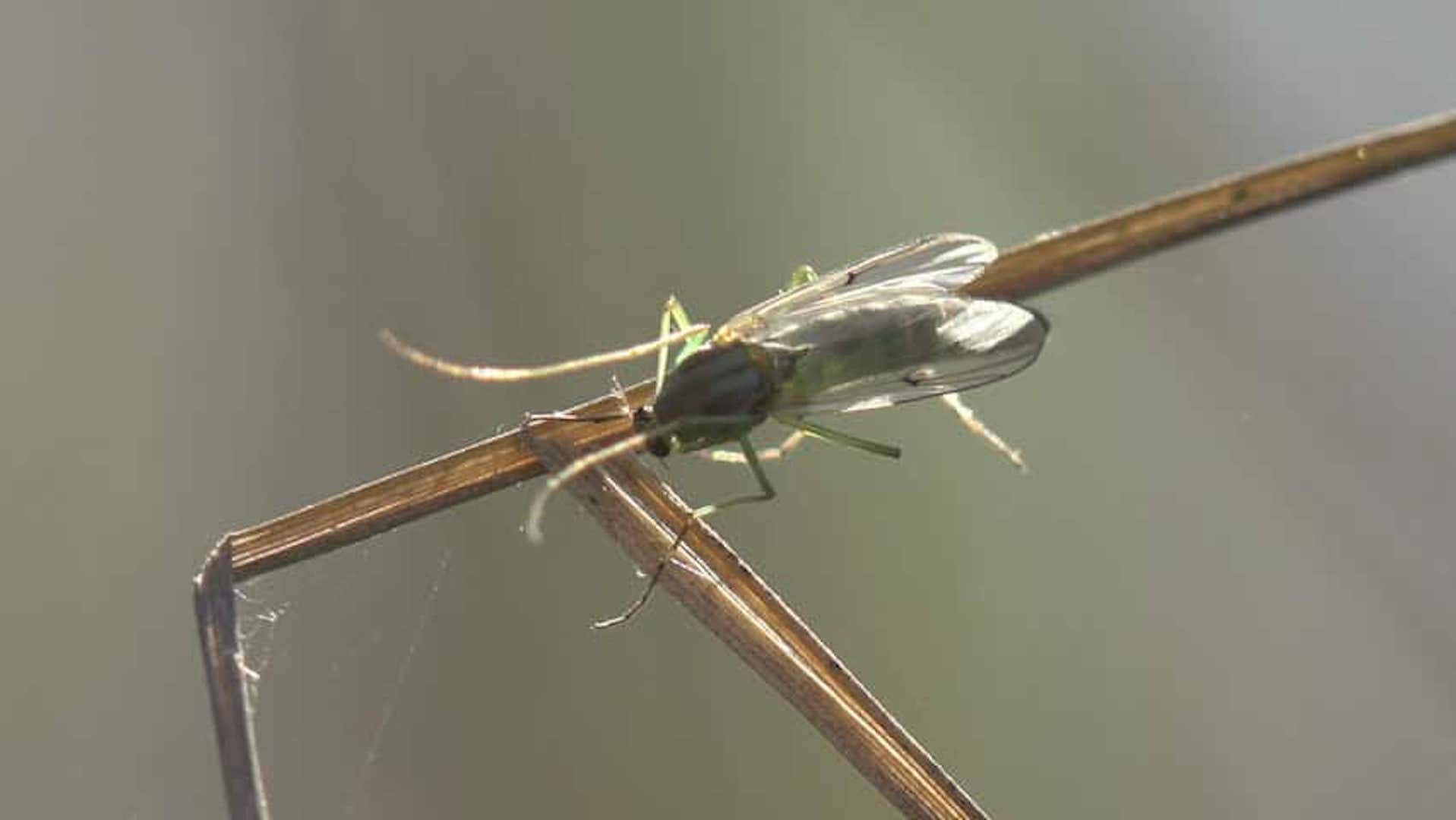
Why are Gnats So Bad This Year? How to Get Rid of Them
Summers are about barbecuing outside and hanging out by the pool. Unfortunately, it seems like the moment we set foot out our doors, it’s almost guaranteed that a swarm of gnats will buzz around our faces.
Every year, the gnat problem seems to get exponentially worse. They are everywhere in Pennsylvania, as far south as Montgomery County and as far north as Lackawanna County.
Like many years before, it seems feel like this year is the worst year yet for these annoying flying insects. So, why are gnats so bad this year, and what can we do to get rid of them?
The Problem with Gnats
Gnats are tiny, flying insects that are more of a seasonal pest than a year-round nuisance. While they don’t do any damage to your home, their annoyance is far more of an issue.
They can often swarm on your property, near bodies of water, or weasel their way into your home. If they do hang around, they can easily make your life miserable.
There are several different gnat species: fungus gnats, buffalo gnats, and black gnats. While they can all be irritating, the buffalo variety has been known to bite.
They also swarm near points of moisture, which could lead to a bug in the eyes, nose, or mouth. Plus, there’s never just one gnat. Wherever they swarm, there will be a ton of these little pests. So, why are they a problem, and what can you do about them?
Why Are There So Many Gnats This Year in Pennsylvania?
Every year, it seems like gnats are getting worse and worse. Mainly a spring and summertime pest, these little insects emerge as the winter thaws, and they are attracted to moisture.
The gnat population could simply be attributed to the moisture in the environment. Considering the increased amount of rain in 2025, it’s no wonder there are so many gnats this year.
It doesn’t have to be just rain, either. They can be found by rivers or other forms of flowing water.
Gnats are attracted to several other areas that accumulate moisture. Decaying wood, rotting fruit, over-watered plants, wet potting soil, damp sinks, and drains are prime gnat spots.
Worse, we aren’t the only ones who suffer from their yearly invasion. Birds and mammals also suffer the wrath and can sometimes die because of overwhelming gnat bites.
Fortunately, they have a short life cycle; once temperatures rise over 80 degrees, they tend to disappear. So, how can you keep them at bay?
How to Protect Yourself from Gnats
While it can be difficult to stay indoors once the weather starts to warm up, that’s one sure-fire method of protecting yourself from annoying gnats. If you head outside, wear long sleeves and pants to protect your skin.
Make sure they are lightly colored; dark colors attract more gnats. Additionally, apply repellents with DEET, which could also help deter other biting bugs.
Sweet smells draw gnats, so your perfume or shampoo can attract more attention from these flying pests. Try to select scents that repel insects, like citronella, or use unscented soaps and detergents.
How to Get Rid of Gnats in Your Yard
If you want to stop gnats from coming back or finding a cozy spot in your yard, there are few things you can do. Gnats are attracted to areas with high moisture, so areas with mold, fungus, or rotting debris are ideal environments for them.
If you have wood or compost piles, make sure they are kept far from your home or areas you wish to spend time in. Be mindful of any shady areas that accumulate rainwater.
After the winter, your lawn may be littered with dead tree branches, leaves, or rotting plant life. Before the gnats notice, it’s a good idea to clear your yard. During your clean-up, if you have a garden, turn the soil so it will drain properly.
Be sure to tend to your yard regularly by raking and turning the dirt to dry it out. This is important if you have mulch near your home or garden beds. Anywhere moisture can gather is a perfect gnat haven.
Additionally, you don’t want to overwater your yard or garden. Give everything enough time to dry.
Otherwise, the moisture will draw in a whole swarm. When you do water, give your yard ample time to dry; it’s best to water in the morning to avoid overwatering at night.
Much like mosquitoes, gnats thrive in still and standing water. Be mindful of any areas that gather water on your property, like driveways, birdbaths, gutters, and lawn equipment. Try to dry out any overexposed areas with sand or dry dirt.
Finally, if you have a garbage can, put a lid on it. Not only are gnats drawn to the smell of rotting food, but they can potentially attract worse, unwanted pests to your backyard.
Stopping Gnats from Ruining Your Summer
Don’t hide inside and wait until the temperatures rise. If you have a gnat problem, try to get on top of the problem with these simple prevention methods.
If the issue is more significant than you can handle, contact a pest control expert to assess your property and get rid of these nasty flying insects for good. Take back your yard and the warm weather.
FAQs
Why are there so many gnats in my yard this year?
Unusually warm, wet, or humid weather can lead to population booms. A rainy spring, poor drainage, or leftover organic matter (like wet leaves and mulch) can all create ideal breeding grounds for gnats.
What attracts gnats to my yard in the first place?
Gnats are drawn to moisture, decaying organic matter, compost, overwatered plants, and standing water. Shaded areas with poor airflow also attract them.
Do gnats bite or sting?
Some types, like biting midges or black gnats, can bite, but the most common yard gnats are harmless. However, their constant swarming can be irritating and disruptive.
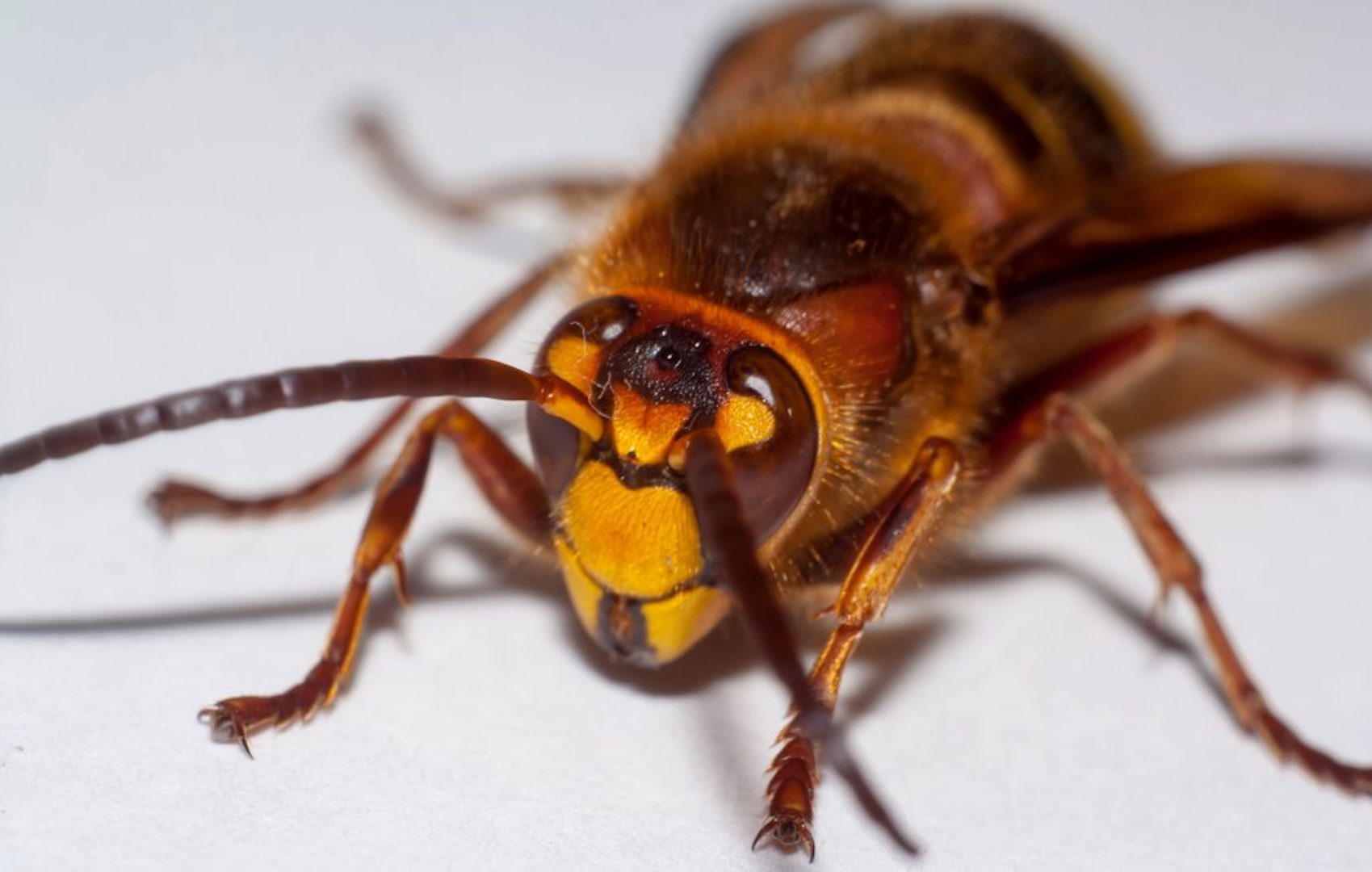
Cicada Killer Wasps in Pennsylvania: Are They a Threat?
Stinging insects are an incredibly popular pest found throughout Eastern Pennsylvania in the summer, especially in low-lying valleys like the Lehigh, Mahoning, and Wyoming Valleys.
While most stinging insects are considered more of a nuisance than outright dangerous, a new species of wasps invading Pennsylvania has put many homeowners on high alert.
While not lethal, cicada killer wasps are a large new insect found throughout Pennsylvania with a powerful sting.
If you’re not careful, these insects can make their way into your backyard, putting a damper on any summer plans you may have in store. Here’s everything you need to know about cicada killer wasps in Pennsylvania.
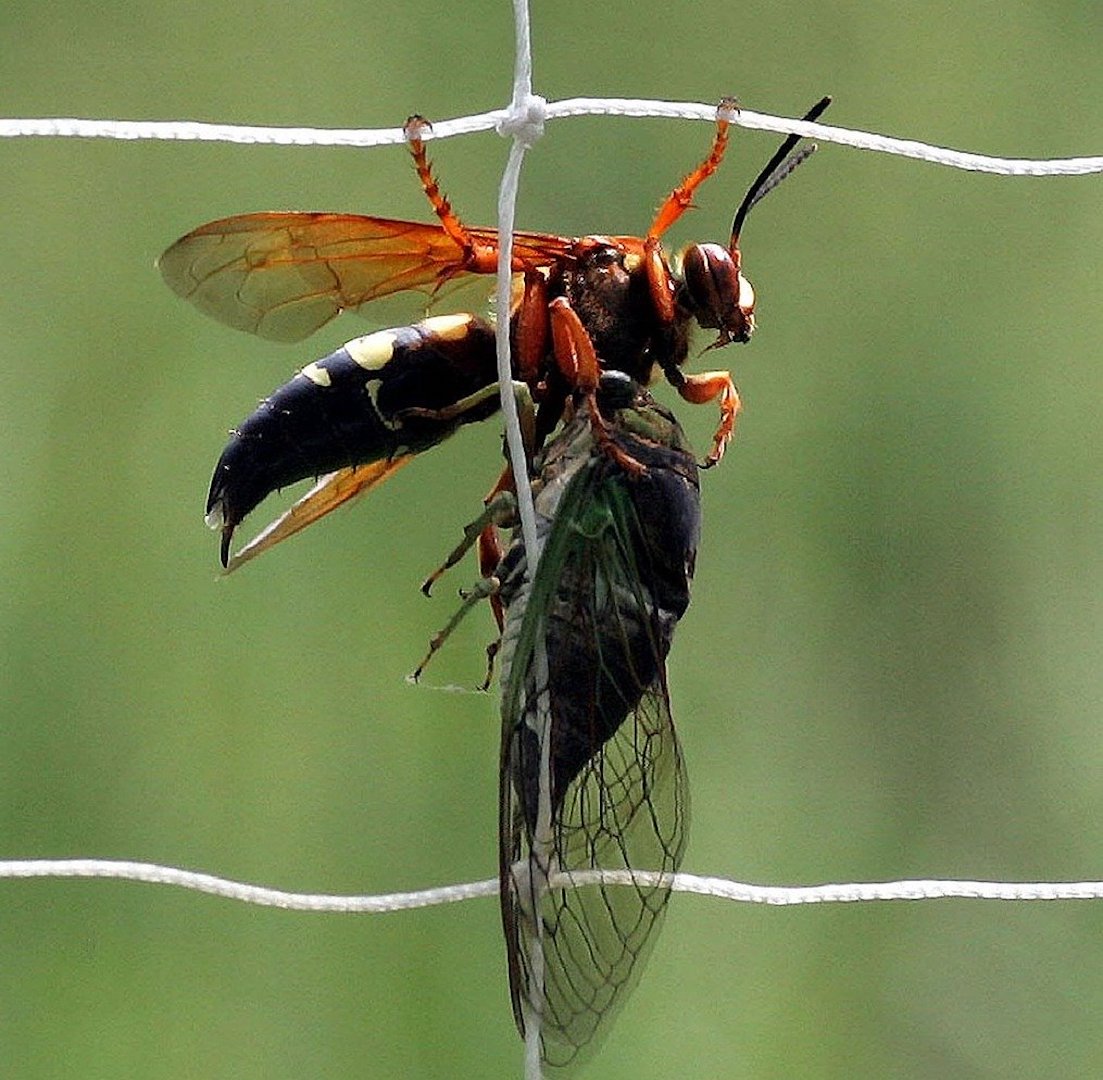
What is a Cicada Killer Wasp?
The name sounds quite threatening, but these flying insects are not as aggressive as their European counterparts. Unlike other wasps and bees, the Cicada Killer Wasp is a solitary insect that doesn’t live in colonies.
It’s also not a cicada, but they do kill them–hence the name. Cicada killer wasps will prey on cicadas, and the females will lay their eggs in their “prize.” Once the eggs hatch, the babies will feed on the carcass.
Typically, these wasps are mistaken for European wasps, but they look and “sound” more frightening than they are. In fact, they aren’t overly aggressive unless they are protecting their homes. Cicada killer wasps tend to stay away from people and remain in their burrows at night.
What do Cicada Killer Wasps Look Like?
Again, while these wasps may look like European hornets, there are a few distinct differences. Cicada killer wasps have red or orange legs and wings, and their bodies are typically in shades of brown.
They have thick wings and black/yellow markings. They can also be pretty big. The females measure about 2-inches long, while the male of the species measures two-times smaller.
Why Is the Cicada Killer Wasp a Problem?
While these insects aren’t really a danger or a health hazard, they can still cause problems. They aren’t poisonous and they won’t damage your house, but they do build underground nests. They don’t just build one either; they can make a series of underground burrows, which can be quite a problem for your yard and home.
Cicada killer wasps tend to build their nests in soft, dry ground or dirt. You can often spot them under playground equipment, near concrete, or in other dry areas.
While they aren’t aggressive, they will become agitated should you disturb their home. They can be very territorial, and if you have a few dozen nests in your backyard, it can be difficult to live with them.
Are Cicada Killer Wasps in Pennsylvania?
While a newer species in the state, cicada killer wasps are commonly found throughout Pennsylvania, particularly during the warm summer months. Their activity peaks in July and August, when cicadas are plentiful.
Homeowners frequently encounter them in sunny, well-drained areas like lawns, garden beds, along sidewalks, and in patches of bare or sandy soil.
How to Spot a Cicada Killer Wasp Nest
Cicada killer wasps create individual burrows in dry, loose, or sandy soil. These nests often appear as U-shaped tunnels about 1/2 inch in diameter, typically accompanied by small mounds of displaced dirt at the entrance. You may notice the wasps flying low to the ground or hovering near these openings, which is a strong sign of a nest nearby.
How do you Get Rid of Cicada Killer Wasps?
Like any pest problem, a little bit of prevention and know-how can do wonders. If you have a handful of cicada killer wasps, it may be a problem you can handle on your own.
However, if you have an overwhelming infestation, you can always contact a pest control expert to inspect and take care of the issue. In the meantime, here are a few things you can do to put a stop to cicada killer wasps.
1. Use Insecticidal Dust
If you’ve spotted cicada killer wasps burrowing into your backyard, you can try treating the area using insecticidal dust or pesticide. Keep in mind, you may end up killing other insects and creatures; be incredibly careful what you buy.
In addition, be cautious of using any pest killer on your own if you have small children or pets. Take the proper precautions when applying.
It should also be noted that not all sprays are effective against these wasps.
2. Control the Environment
If you want to avoid using pesticides, an easy way to keep these wasps away is by controlling the environment. If the cicada killer wasps don’t have the proper living conditions, they will look for a home elsewhere.
To burrow, they need dirt, sunlight, proper drainage, and a food source. The best way to keep them away is by making your yard uninhabitable for them.
Cut grass regularly, care for your gardens, and keep an eye on areas where they gravitate, like sandy areas or by concrete. Also, keep things hydrated.
3. Care for your Garden Regularly
A hot spot for cicada killer wasps is the garden. Whether you have a vegetable garden or a flower bed, you can keep these pests away by caring for your garden regularly. Turn the soil, water often, and monitor your plants on a day-to-day basis.
4. Water it All
A common theme in most of these tips is water. Cicada killer wasps prefer to live in dry areas.
Keeping things well-watered will keep these pests away. While we don’t recommend overwatering, maintaining your garden and yard with proper hydration will encourage these wasps to look elsewhere for a home. Water can also help with sandboxes, playground equipment, and other areas that aren’t hydrated.
5. Contact a Specialist
When it comes to stinging pests, you can never be too careful. While the methods above may help deter wasps and keep them from coming back, it may not be enough if you already have an infestation.
Additionally, these wasps can be resistant to many pesticides. If tending to your lawn and regular water treatments aren’t working, it’s a good idea to consult an expert.
While a cicada killer wasp plays an essential part in the ecosystem, having them in your backyard is no picnic. Though they could be frightening, they don’t have to be a problem.
Perform routine maintenance on your yard or property, and water regularly. You should be able to keep these wasps away from your home. However, should you find yourself swamped, don’t hesitate to contact a professional.
FAQs
Are cicada killer wasps dangerous to humans or pets?
Cicada killer wasps may look intimidating, but they’re generally not dangerous to humans or pets. Males do not have stingers, and females rarely sting unless directly handled or provoked. Their sting is mild compared to other wasps and bees, and they’re not aggressive by nature.
Do cicada killer wasps sting?
Yes, but only the females can sting. They typically only do so if threatened or mishandled. Males cannot sting at all, although they may act territorial by buzzing around intruders. Overall, cicada killer wasps are unlikely to sting unless disturbed.
How long do cicada killer wasps stay active?
Cicada killer wasps are seasonal and are most active during mid to late summer, typically from July through September. The adult wasps die off after mating and laying eggs, and the larvae overwinter in the soil before emerging the following year.
Bat Exclusion in Allentown: What Homeowners Need to Know
Bats are essential members of the ecosystem. They do an excellent job of controlling night-flying insect populations in Pennsylvania, but that doesn’t mean you want them living in your home.
Bats are nocturnal animals that seek dark places to hide during the day. Your attic, chimney, and walls are places they may try to seek shelter, which can spell big trouble.
In addition to the damage bats can cause to insulation and wood, their droppings (guano) can carry dangerous diseases.
However, removing bats isn’t as simple as you may think. Bats are protected wildlife in Pennsylvania. In Allentown, proper bat exclusion means working in accordance with laws and regulations and taking the right steps to safeguard your home.
Why Bat Problems Are Common in Allentown
Bat infestations are common in Allentown, Pennsylvania, for a few reasons. First and foremost is the natural environment.
The blend of forests and farmland and the insect population attracts them. The concentration of barns and older buildings in the area makes great dwelling locations for them as well.
It’s almost inevitable that bats will make their way into homes and other occupied buildings from time to time. Dark environments and steady food supply make residential areas prime real estate for these animals.
Species like the little brown bat (Myotis lucifugus) and the big brown bat (Eptesicus fuscus) are known to roost in homes. While generally harmless in the wild, you do need to take care to properly remove them from your home and prevent them from coming back.
Dangers of Bats in the Home
Bats are rarely aggressive towards humans–the risk of attack is fairly low. However, they can carry rabies, which is something that needs to be taken seriously. While rare, a rabies infection can be deadly.
The bigger risk, however, comes from the accumulation of guano and urine in the spaces they live in. This will accelerate the degradation of insulation and create wood rot.
The environment created by the build-up of bat droppings can harbor Histoplasma spores, which can pose serious health risks for residents.
There’s also the matter of bats being protected wildlife in Pennsylvania. Mishandling them can lead to legal trouble.
While that’s not necessarily the fault of the animals themselves, it is another reason to keep them out of your living space and work with a professional who can perform proper bat exclusion to remove them from your property.
What Is Bat Exclusion?
Bat exclusion is simply the process of removing bats humanely. Because bats are protected under Pennsylvania State Law, removing them from your home requires doing so without harming them.
It also typically involves additional steps taken to prevent them from coming back.
In Allentown, bat exclusion methods typically rely on one-way devices that allow bats to enter, but not exit, placed at the bats’ entry points around a property. It can take up to seven days to capture the entire colony.
Proper steps must then be taken to sanitize and seal the dwelling areas to ensure no future problems arise. It’s always best to work with a licensed professional if you’re not sure what equipment to use or what steps to take.
Bat Exclusion Steps:
- Bats are captured and released using one-way devices in accordance with the Pennsylvania Game Code
- One-way devices are placed around entry/exit points in your home, waiting up to seven days to capture the whole colony
- The home is sealed to prevent reentry of future bat colonies
- Proper steps are taken to clean and sanitize the dwelling area
Signs You May Have Bats in Your Attic or Walls
Determining if you have bats living in your home or property isn’t always easy. They’re hidden from plain sight; you can miss them if you don’t know what to look for. Thankfully, there are some telltale signs that indicate you may be dealing with a bat infestation.
Sounds of squeaking and scratching in the attic or walls around dusk or dawn, build-up of oily residue on walls or ceilings, and strong ammonia odors are all signs of a bat infestation. You may also see bats flying to and from your home, or find the occasional bat indoors.
If you do see these signs and suspect you have bats living in your home, it’s important to immediately take the appropriate steps to remove them.
Here are just a few of the common signs of bats in your attic or home:
- High-pitched squeaking or scratching at dusk/dawn
- Dark stains or oily streaks on soffits or eaves.
- Accumulation of guano pellets beneath roof seams or attic vents.
- A strong ammonia odor from droppings and urine.
- Bats flying out at night around lights
- Occasionally spotting live bats indoors
Legal Guidelines for Bat Removal in Pennsylvania
It’s important to know the law before addressing a bat problem in Pennsylvania. State law protects all species of bats, and you must take the proper steps to remove them in order to avoid legal trouble.
It is illegal to trap or kill them. It’s also important to perform bat exclusion outside of maternity periods. Performing bat exclusion during that window can lead to legal issues, as you are likely to disturb the bats and potentially harm pups.
When Is the Best Time of Year to Perform Bat Exclusion in Allentown?
Bat exclusion can be performed in set windows throughout the year. You should avoid exclusion from May through July, as this is when mothers are raising their pups.
It’s recommended that you only work in the periods of January through April and August through mid-October. Avoiding winter exclusions is also recommended as you’re likely to kill bats during their hibernation period.
If you’re unsure of how or when to deal with a bat infestation, it’s best to call a licensed professional for assistance.
- January through April, before maternity activity begins.
- August through mid‑October, once pups are capable of flight.
How to Prevent Future Bat Infestations
After proper bat exclusion has been performed, you need to take the appropriate steps to avoid future bat infestations.
Installing chimney caps and vent screens with 3/8-inch mesh will keep bats out, as will sealing any gaps or openings in the roof or walls with caulk, foam backer, or steel mesh.
It’s also recommended that attics be kept well-ventilated and lit to deter bats. Trimming overhanging tree lines and installing bat houses around the property offer alternative roosting sites and reduce the likelihood of bats entering your home.
However, once inside, you’ll need professional bat exclusion services to get rid of bats without harming the species. The Pest Rangers offers quick and reliable bat exclusion in Allentown,l
FAQs
What is bat exclusion and how does it work?
Bat exclusion is the process of removing bats in a humane, legal manner. The process involves using one‑way devices over exit points, allowing bats to leave a space like an attic but not re‑enter. Afterward, all openings are sealed, followed by thorough cleaning to prevent future infestations.
Are bats protected in Pennsylvania?
Yes, all bat species are protected under State Law in Pennsylvania. Exclusion must be legal, humane, and done within designated seasonal windows in accordance with game code.
Can I remove bats from my home myself?
It is possible to perform bat exclusion on your own, but it’s better to work with experts. They know how to legally and safely handle bats, when to do so, how to avoid trapping or harming pups, and properly seal and sanitize your home to prevent further issues.