

Top 7 Tips for Spring Pest Control in Northeast & Southeast PA
For Northeastern and Southeastern Pennsylvania residents, spring means warm weather, short sleeves, and blooming flowers. And for most, that annual spring clean.
Unfortunately, the turning of the season also marks the return of some seasonal pests. We’re talking mosquitoes, ants, termites…should we go on?
As you begin your spring cleaning, it’s the perfect time to practice proper yard pest control and protect your indoors against any potential unwanted visitors.
Let’s discuss the importance of spring pest control, what pests to expect, and, finally, seven tips to help stop this problem.
The Importance of Spring Pest Control
As the weather gets warmer, spring cleaning is not just about reducing clutter but also about pest-proofing your home.
Likewise, many spring pests bring a whole host of new challenges, from mosquitoes that spread their own forms of disease to termites that damage homes and wood furnishings.
If you dealt with ants the past year, chances are they will also reemerge as the weather warms and reconnect with old pheromone trails they left behind.
Therefore, getting an early start on spring pest control will ensure your home is protected from spring pests, as well as summer pests.
Common Spring Pests in Pennsylvania
The warm weather wishes us goodbye to nuisance pests like rodents but opens many homes and yards to a scourge of increased insect activity. Here are some of the most common and dangerous spring bugs in NEPA.
- Termites: March is the opening of termite swarming season, and those April showers provide the perfect environment for termites to assault wet and decaying wood on your property leftover from last fall. While termites are active year-round, spring is the perfect time to perform an inspection.
- Ants: Ants with existing pheromone trails tend to re-emerge after the cold weather subsides. If you spot ant hills, eliminate them immediately with boiling water. Carpenter ants are especially dangerous as they will damage softwood similarly to termites.
- Bed Bugs: While bed bugs aren’t technically seasonal pests, we do tend to get a lot more calls for bed bugs this time of year as people start to travel again. Be on the lookout for bed bugs when you travel or purchase any second-hand furniture.
- Boxelder bugs. Boxelder bugs are dark gray with a jaunty red stripe. As their name implies, they usually feed on boxelder trees. These insects are not destructive to your home or property, nor do they carry disease. They are simply a nuisance for homeowners.
- Mosquitoes. Mosquitoes are among the first insects to emerge in early spring and have a short list of endearing qualities. These insects have stealth-like biting behavior that creates itchy, swollen spots on our skin. They are also known for carrying diseases like malaria and West Nile virus (likely because of their attraction to standing water). Yard sprays are the only true cure for mosquitoes.
- Asian lady beetles. Often mistaken for the standard ladybug, Asian ladybeetles are usually found in homes in warm weather. They are usually brown or dark red in color and have a distinctive M-shaped mark on the top of the head. While not destructive, these insects can give off an unpleasant-smelling yellow liquid when they sense danger.
- Cluster flies. These larger versions of the typical housefly can be a nuisance. The cluster fly gains entry to a home through cracks in siding, under eaves, or around windows and like hanging out in attics in large swarms. Although irritating to many homeowners, fortunately, they are not destructive.
- Kudzu bugs. Similar in size to the lady beetle, kudzu bugs enjoy feeding on kudzu, wisteria, and soybeans. At times they will find their way into a home looking for food sources and are often found around window and door frames. Sealing any cracks or crevices and installing screens are effective deterrents for these insects.
How to Identify Bugs On Your Property?
Certain pests, especially new species, such as the spotted lanternfly, can be difficult to identify.
Some important features to keep in mind, include:
- Body color or markings. Some insects look very similar, with only subtle differences to tell them apart. Taking a photo that you can inspect more closely later can help identify the correct species. Think of the black widow spider, which most people know to stay away from if they spot red..
- Body type. Most insect species have distinct body characteristics, such as wings, antennae, thoraxes, and mandibles.
- Habitat. What kind of environment did you find the insect in? Insects like ants can dwell in homes and yards, but others, such as termites and cockroaches, tend to end up in basements.
- Size. Insect size plays an important role in differentiating gnats from mosquitoes, ants from other species, and cockroaches from beetles.
If you find an insect out in the wild or somewhere in your home and are unsure of the type, take a photo of the insect.
There are countless insect identification guides available in both hard and digital copies that can help you learn more. You can also search for your findings using a tool like Google Images to identify the species.
7 Spring Pest Control Tips to Conquer Seasonal Pests
1. Know Your Enemy
Pest management can be difficult if you don’t know what to expect. While some pests are around yearly, certain culprits are more active in the spring. Some pests, such as termites and rats, start their mating season during this time of year. Failure to combat these pests now can lead to significant trouble in the future.
As the weather turns warmer, other pests start to become more active. Indoor bugs like ants begin searching for food, and spiders emerge to hunt the ants. Therefore, you will need to customize your pest control plan to target bugs both inside and outdoors.
2. Inspect Your Exterior
First, start with an exterior inspection of your yard and property perimeter.
Look for cracks in siding and flashing where snow has melted and separated exterior components. These cracks can be open invitations to hungry pests.
Likewise, inspect ponds, bird baths, and gutters for standing water to eliminate mosquitoes. You’ll also want to watch your shed, which can be a magnet for wood-eating insects.
3. Inspect Your Interior
After inspecting your property’s exterior, the next step is to examine the interior. Spring cleaning is more than just washing your curtains.
This is the best time to check over any decorations you brought in from the holidays for any stowaways. Attics and basements are two prime spots, as well as any areas where your home utilities are kept.
Damp basements are a draw for insects like silverfish and spiders, while attics are prime spots for nesting animals like rodents. Be thorough, and make sure no pest made its way inside.
4. Maintain Your Yard
As the snow melts and temperatures rise, it’s time to look at your yard. The fall and winter leave potential pest hazards behind debris, dead leaves, melted snow, and mud. Any damp wood or thick overgrowth can house any potential spring pests, such as termites. Clear out any clutter and give your yard a fresh cut to disturb any established habitats bugs might have set up.
5. Monitor Food & Waste
Be mindful of how you store food and trash. While the threat of mice and rats is over, you must contend with ants, which is often harder. Keep your food stored in air-tight containers, including pet food, and all trash receptacles sealed. Clean up dishes and spills quickly, and make sure your outdoor garbage (dumpster or trash can) is closed.
6. Control Moisture
The transition to spring often means dealing with much moisture: rain, snow, runoff, and overflow. Pests are drawn to water either because they are searching for a drinking source or because they thrive in a damp environment.
Leaky pipes, blocked gutters, and pooling water can be a draw to many different creatures. While you can’t help how much it rains (or snows) be sure to keep your gutters clean and maintain your plumbing.
7. Keep Things Clean
There is a reason they call it spring cleaning! It’s the best time of year to clear out any potential dirt and clutter gathered over the winter. Clutter and build-up can lead to serious pest problems.
Extra junk means more areas for pests to hide and unkempt homes are perfect opportunities for all manner of rodents and insects. Keep your home clean and tidy if you want to keep pests out or give them a reason to look elsewhere.
Contacting A Professional
Spring is an ideal time for fortifying your home against a potential pest invasion. Follow these easy tips to enjoy a pest-free home. With a fresh start to the season, you can get a jump on home improvements, repair any cracks and crevices, and maintain a tidy yard.
Following these pest control tips is a great way to deter any unwanted house guests; however, even the most vigilant homeowner can face a pest management problem.
If you suspect you may have an infestation, contact a professional pest control company for a thorough inspection.
FAQs
Are DIY pest control methods effective?
Depending on their application, DIY pest control methods may be somewhat effective against spring pests. Common tactics include using essential oils, organic insecticides, and homemade traps.
Is professional pest control safe for pets and children?
Yes, professional pest control is safe for pets and family members. Your exterminator will always alert you to the dangers of any products they prescribe and create a plan to protect vulnerable members of your house from accidental exposure.
How often should I schedule pest control treatments?
Monthly or quarterly pest control treatments offer the best defense against pests. Products like Sentricon only need to be used once per season, whereas mosquito yard sprays may require monthly spraying. Our pest control plans are designed to provide year-round relief against all pests with a mix of monthly and quarterly treatments.
Is it normal to see an increase in insect activity during spring?
Yes, it’s normal to see increased pest activity, especially as many pests leave diapause to forage for food once more.
Are there any risks associated with DIY pest control methods?
Yes, even organic insecticides can be dangerous if mishandled. That’s why it’s important to read directions carefully and always consult with a professional. The last thing you want is for an infestation to grow out of control.
What are some natural ways to repel mosquitoes?
Some natural mosquito repellents include:
- Sprays containing DEET or picaridin
- Wearing long sleeves
- Installing outdoor fans at high speeds
- Mesh mosquito netting
- Certain essential oils, such as citronella

11 Yard Pest Control Yard Pest Control Tips for Spring | The Pest Rangers
It’s that time of year; the air is warm, the flowers are blooming, and spring is upon us. Of course, with that wonderful climate shift comes the return of some nasty pests ready to take over your yard. Not to fear!
Before spring kicks into high gear and those pesky invaders get a chance to make residence on your greenery, we have some tactics to help keep your yard pest-free. If you want to keep those insects out this season, here are 11 yard pest control tips for spring.
Common Pests to Watch for In Spring
As the weather warms, it creates the ideal environment for insects and pests to return back to your yard. Spring ultimately creates the ideal conditions for bugs to dwell in your yard: warmth, moisture, and vegetative cover.
Like earthworms that emerge in the spring, aphids, ants, beetles, and many other bugs come out, inviting predators.
Here are some of the most common and feared spring pests you should be aware of:
- Mosquitos: April showers tend to bring May…mosquitos. Spring provides the perfect climate for mosquitos in northeast PA, providing a warm but cool cover that is comfortable for mosquitos to lurk in. Excess standing water also provides the perfect breeding ground for these bugs to multiply and find homage on your property.
- Ticks: Like mosquitos, ticks tend to shy away from direct sunlight during summer days and lurk in shady and moist but still warm areas around the perimeter of your yard.
- Termites: Moisture plus blossoming trees provide plenty of food sources for termites to feast on. Be sure to remove any branches or logs lying in direct exposure to rain.
- Stink Bugs: After exiting a state of dormancy called diapause, stink bugs will emerge in full during the spring, infesting properties and annoying homeowners in the process.
- Carpenter Ants: Ants are very common spring insects and you will certainly spot some if they made a nest inside your home last summer. Look for carpenter ants that make nests inside softwoods and leave a trail of frass.
11 Yard Pest Control Tips
Dealing with pesky spring pests requires a little spring cleaning and general landscaping.
Here are 11 yard pest control tips to keep your property free from invading insects this year.
1. Spring Clean Your Yard
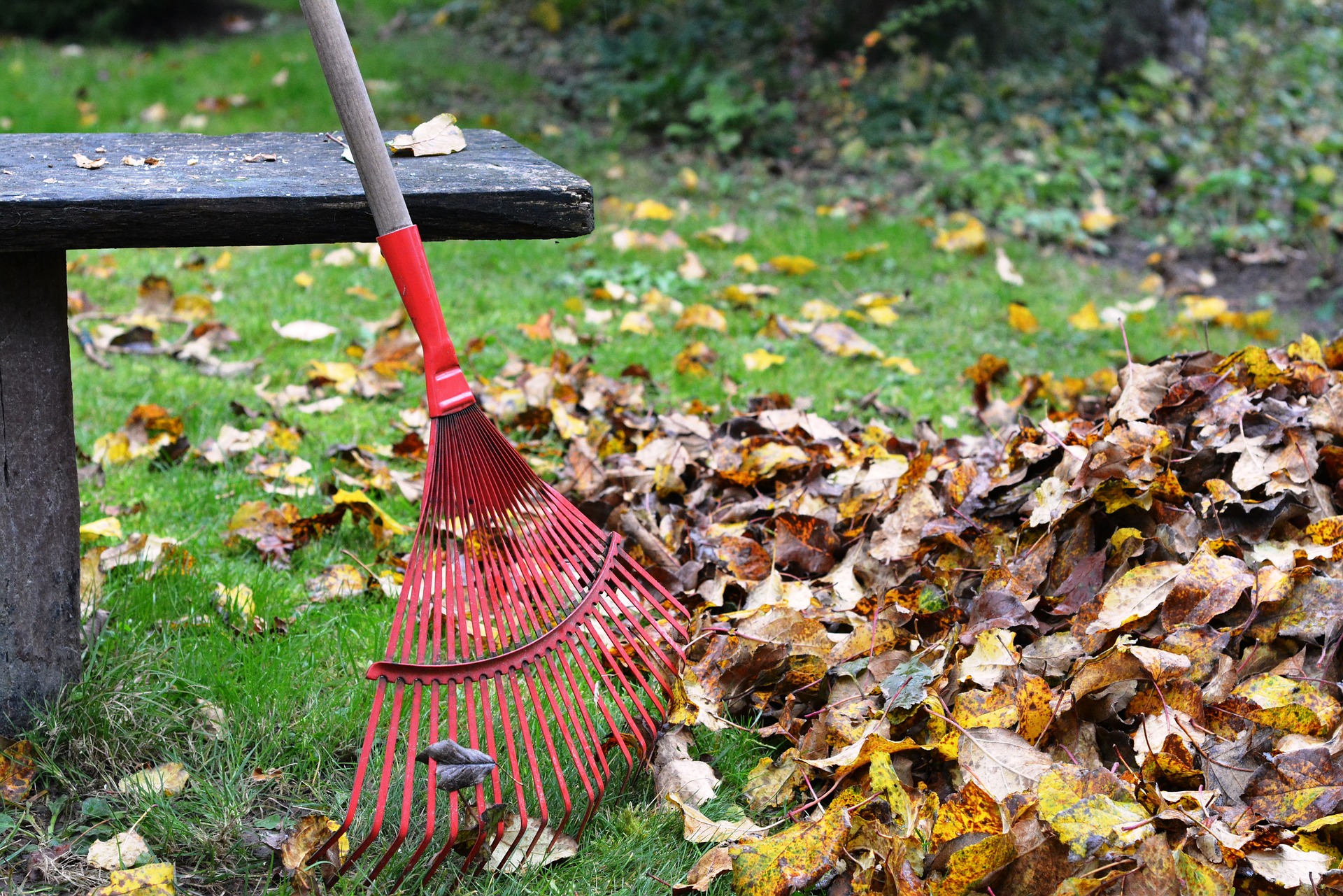
The winter thaw doesn’t just signal the return of warm weather. It also reminds us of what fall and snow storms left behind. Debris like leaves, rotting wood, and dead plants, are perfect places for bugs. Before those pests get a chance to take advantage, take the time to practice some spring pest control (i.e., spring cleaning). Ants love to build their homes in dead logs or trees. Clear away debris like fallen tree branches or dead plants. Rake up fallen leaves and clear out any piles of moldy wood left over from the thaw.
2. Beware of Standing Water
Another leftover from Old Man Winter is melted snow. Check your gutters, yards, and driveways for any puddles that may have formed from oversaturation in the ground.
This spring thaw is the perfect breeding ground for mosquitoes. They can breed in any standing water, but they prefer warmer climates. Any water left behind could be a potential hazard as the temperature rises.
3. Keep Your Lawn Mowed
After clearing away winter woes, you must keep up with your lawn maintenance. That means mowing your lawn. Keeping your lawn cut is a crucial part of keeping pests away.
Clearing away the growth will keep those unwanted invaders at bay. The longer the grass, the easier it will be for them to hide. Proper tick control will ensure that parasites like ticks have no place to hide, whether in your grass, shrubs, or treeline.
4. Trim Often
Speaking of grass, it grows fast. Keeping it cut is the best way to avoid potential pest problems. It is tempting to let your lawn go for that extra week—what’s the harm?
If you live in an area with mole crickets, fleas, or ticks, they can quickly become comfortable. Keep your lawn trimmed to keep them out!
5. Proper Water Treatment
Another way to keep your lawn pest-free is by keeping it healthy. Make sure it gets the proper amount of water. If it hasn’t rained, give your lawn a little love. This encourages good wildlife, preventing annoying or dangerous visitors from making themselves comfortable. Remember, don’t overwater either. The last thing you want is to create standing water for mosquitos.
6. Keep Your Brush, Bushes, and Foliage Trim
Like lawn maintenance, you want to take care of your garden growth. Whether you have bushes, ferns, or flower beds, make sure your flora doesn’t get too unruly. If left unattended, overgrown areas are hard to contain and could easily take over parts of your property. With thick, untamed growth, you’ll have more bugs and pests than you’d care to deal with.
7. Clear Out Ant Hills
You’ll notice an uptick in ant hills on your property, even before the grass starts to grow back. There are many ways to deal with ants hills in your yard, from flattening them to pouring boiling water on top of them.
8. Research Lawn and Garden Killers
If you want to take things a step further, or you discover you may already have a pest problem, your next step may be an insect killer. There are many DIY products on the market, but not all are right for your family.
Some may kill the lawn you want to protect, while others may kill good bugs and animals. Many aren’t safe for use around kids and pets. Before picking any old killer, do some research first. Your best bet is always to contact an exterminator. The Pest Rangers offer products, such as mosquito yard sprays, that repel mosquitoes and keep you and your family safe.
9. Pinpoint Your Problem
If you are doing everything right and you still have a problem, get to the bottom of it. Do you have bees, ants, ticks, mealybugs, grubs, fleas, or mosquitos? Knowing your enemy can help you minimize their habitat and find the right killer/repellent.
10. Follow the Instructions
If you choose to use a pesticide, be sure to follow the instructions carefully. If used incorrectly, pesticides may not be as effective, and they could be dangerous for you and your family. Additionally, it’s a good idea to ensure you’ve selected the right killer. Depending on what pests you are dealing with, they may require a certain pesticide.
Before using your treatment, collect the right equipment and follow the procedure carefully. This will ensure maximum effectiveness.
11. If All Else Fails, Pest Control Services Are Available.
If your problem is bigger than you anticipated or just isn’t going away, consult a professional. They have access to tools and methods unavailable to everyone and industry knowledge to help keep those critters away. If you’ve exhausted all your options and you’ve done everything right, the next step may be getting an inspection. Pests don’t have to be your problem alone.
Don’t wait for the pests to invade your lawn this spring. Act now and protect your yard from unwanted invaders with these simple tips. Preparation is the best prevention. Do your due diligence and stop pests from taking over.
Frequently Asked Questions: Yard Pest Control
Are there any plants that repel common yard pests?
Yes, several plants have natural pest-repelling properties. For example, marigolds can deter aphids and mosquitoes, while lavender repels fleas and moths. Other examples include mint, basil, and rosemary, which can deter various insects when planted strategically in your yard.
What should I do if I find termites or carpenter ants in my yard?
If you discover termites or carpenter ants in your yard, it’s crucial to address the issue promptly to prevent potential damage to nearby structures. Contact a licensed pest control professional to conduct a thorough inspection and recommend appropriate treatment options based on the extent of the infestation.
How do I safely dispose of pest-infested plant material?
To safely dispose of pest-infested plant material, avoid composting or leaving it in piles where pests can spread. Instead, bag the infested material securely and dispose of it in the trash. Burning may also be an option if it is permitted in your area and appropriate for the material.
Are there any DIY traps I can make to catch yard pests?
Yes, you can make several DIY traps to catch yard pests. For example, you can create a simple beer trap to catch slugs and snails by burying a container filled with beer at ground level. Additionally, sticky traps made with adhesive or petroleum jelly can help capture flying insects like flies and mosquitoes.
11 Dangerous Diseases Mosquitos Carry | How to Prevent Them
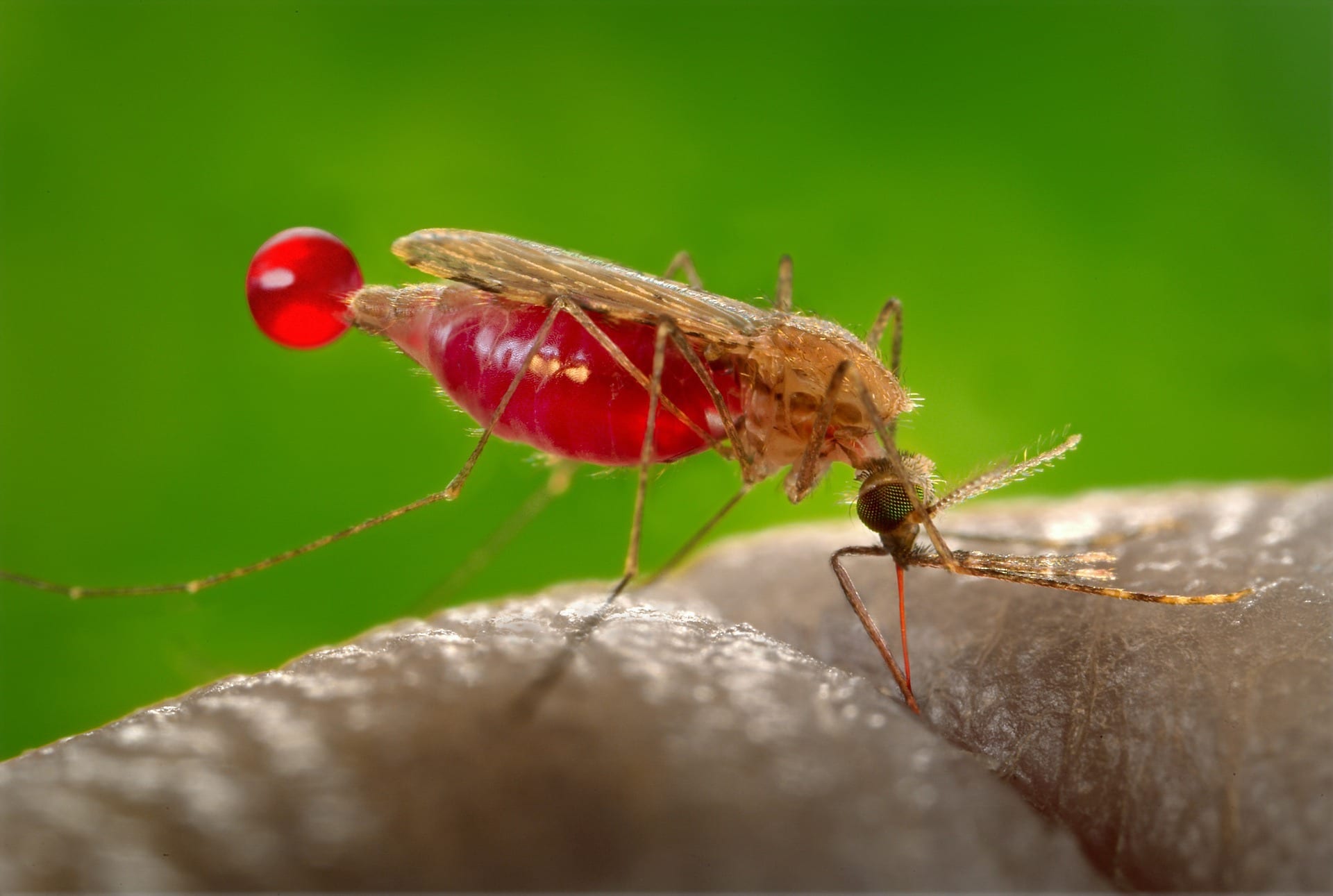
Mosquitos are a summer nuisance that no one likes to deal with. They are found all around the world, and they can breed just about anywhere they find standing water.
These pests not only bite and leave itchy, red welts, but they can also be dangerous. Mosquitos are known to harbor and transmit many diseases. While some diseases are more common than others, they all have the potential to be deadly. Here are 11 diseases carried and transmitted by mosquitos and why mosquito control is so important.
1. Eastern Equine Encephalitis
Triple E is a virus that attacks the brain and spinal cord of its victim, the results of which can be deadly. However, most people infected with Triple E will not experience symptoms. Those who do feel the effects of the disease will encounter flu-like symptoms within the first few days. Once inside, the virus replicates and travels through the bloodstream.
Unfortunately, about 5% of people may develop a rare infection that could turn deadly if the virus crosses the brain-blood barrier. This results in the most severe symptoms: swelling and inflammation of the brain. This severe case is encephalitis. Though people rarely contract it, it can have fatal results. 30% of people who contract the serious form of Triple E will die or experience neurological problems permanently.
2. West Nile Virus
West Nile is a viral infection carried in bird blood and the most commonly carried by mosquitos. This disease multiplies in human blood and heads to the brain.
Like encephalitis, West Nile affects the central nervous system and causes inflammation. It causes high fever, headaches, swollen lymph nodes, and a stiff neck. Those who contract this disease can experience convulsions, coma, or even death. Infected individuals can experience permanent neurological damage. 1 in 150 infected with West Nile Virus experience severe symptoms.
3. Zika Virus
Since February 1st, 2016, the Zika Virus has spread across the US and become a public health emergency. Zika can cause a rare birth defect called microcephaly – a neurological disorder that results in babies being born with abnormally small heads and development issues. This disease can be transmitted sexually or through a mosquito bite. and there is no cure.
4. Elephantiasis
Mosquitos carrying elephantiasis can be found in the tropics, subtropics, and 73 countries. This disease is painfully disfiguring and can potentially cause permanent disability. The result can have devastating physical, mental, social, and financial issues. The swelling is intensely painful and can have life-long consequences.
5. Japanese Encephalitis
Mosquitos that carry Japanese Encephalitis are found in marshes, standing waters, and rice fields. Humans contract this disease through a bite; the symptoms can be extremely mild or cause serious damage. This disease attacks the central nervous system, including the brain and spinal cord. The severity of the reaction depends on how the body reacts to the bite.
6. Dengue Fever
This tropical virus can be transmitted about a week after a mosquito bites an infected person. One mosquito can easily transfer the disease to a vast number of victims. The virus quickly multiplies and damages cells. The symptoms begin with a high fever and include headaches, back pain, joint pain, rashes, and eye pain. The fever lasts for about a week. Infected people can also experience bruising and bleeding. Dengue fever can be fatal if not treated.
7. Chikungunya
Chikungunya is a pathogen virus transmitted by mosquitos. Found originally in the Caribbean, it has been diagnosed in 35 states in the US, Puerto Rico, and the Virgin Islands. This dangerous disease has no cure, but it is not fatal. Symptoms of chikungunya start with intense joint pain. Victims experience sudden fever, chills, headache, nausea, vomiting, lower back pain, and rash. Again, while it is not necessarily fatal, it will incapacitate those who contract it.
8. Yellow Fever
Flavivirus is located in Africa and South America. Once transmitted, it incubates in the body three to six days before symptoms show. Victims experience fever, chills, headache, and nausea. Following a short remission, the disease will return with more severe symptoms: nosebleeds, bloody vomit, abdominal pain. Yellow fever can be deadly. No known treatment exists aside from vaccination.
9. Rift Valley Fever
Rift Valley Fever is an acute, fever-inducing viral disease. This sickness affects both humans and animals. It usually takes two to six days for the infection to take hold. Victims experience general weakness, back pain, and dizziness as the sickness develops. More serious symptoms include ocular disease, encephalitis, or hemorrhagic fever.
10. Malaria
Female mosquitos pick up parasites, Plasmodium falciparum or Plasmodium Vivax, by feeding on infected humans. The parasites develop within 10-18 days and are passed on through the mosquito’s saliva. This disease feeds on blood cells and moves into the liver. Victims experience fever, chills, sweating, headaches, and flu-like symptoms. If left untreated, malaria can cause kidney failure and death.
11. Ross River Disease
Those infected with Ross River Disease may not show symptoms right away. In fact, 55%-57% of infected individuals don’t have any symptoms. Those who do experience symptoms can experience swelling, joint pain, stiffness, and tiredness. Among the milder infections transmitted by mosquitos, patients recover from this sickness within a few weeks.
Signs that a Mosquito Bite Is Dangerous
Unfortunately, telling the difference between an infected mosquito and an innocuous one can be difficult until it’s too late. Here are some signs that it’s time to see a healthcare provider:
- The bite becomes extremely swollen and warm, with red streaks emanating from it.
- You develop a fever or headache.
- You have joint pain or body aches.
Fortunately, most mosquitos in the United States don’t transmit disease, especially many of the ones on the list.
How to Prevent Mosquitos
Mosquito bites can be so much more than an annoying itch to scratch. They can potentially be deadly. With proper repellants and thorough care, you can stay safe.
Some mosquito prevention tips include:
- Remove all standing water, including in bird baths, old tires, or gutters.
- Use a high-speed fan outside that disorients mosquitos.
- Apply a repellent with DEET or Picaridin.
- Wear protective clothing, such as long sleeves.
- Light a citronella candle or use essential oils, such as lavender.
- Plant citronella, marigolds, or lavender on your property.
- Keep your yard trimmed and tidy.
- Hang up mosquito nets and install screens on doors and windows.
When mosquito prevention doesn’t work, you’ll need to turn to mosquito yard sprays. While many are effective, the application is key. Contact a local exterminator who can apply a routine yard spray around your property to keep mosquitos away.
This summer, take steps to protect yourself and your family from potential diseases. Perform regular maintenance on your property and keep pests out. If you think you may have a mosquito problem, consider reaching out to a professional pest control expert.
FAQs: Diseases Carried by Mosquitos
What should I do if I suspect I have a mosquito-borne illness?
If you suspect you have a mosquito-borne illness, seek medical attention immediately. Symptoms can vary depending on the specific illness but may include fever, headache, body aches, rash, and fatigue. Inform your healthcare provider about any recent travel to areas where mosquito-borne illnesses are prevalent.
What are the long-term health effects of mosquito-borne diseases?
The long-term health effects of mosquito-borne diseases can vary widely depending on the specific illness and individual factors. For example, dengue fever and chikungunya, may cause lingering joint pain and fatigue that can last for weeks or months after the acute phase of the illness has resolved. Others, like malaria, may lead to complications affecting various organs if not promptly treated. In severe cases, certain mosquito-borne diseases can be fatal. Long-term effects may also include neurological complications, developmental issues (in the case of congenital Zika syndrome), and chronic conditions in some instances.
Are certain individuals more susceptible to mosquito-borne diseases?
Yes, certain individuals may be more susceptible to mosquito-borne diseases due to factors such as age, underlying health conditions, immune status, and genetic predispositions. For example, infants, the elderly, and individuals with weakened immune systems are generally more vulnerable to severe complications from mosquito-borne illnesses. Additionally, individuals who live or travel to regions where these diseases are endemic and lack access to adequate healthcare and preventive measures may face a higher risk of infection and its consequences.

Beware of Door-to-Door Pest Control Companies in Pennsylvania!
At The Pest Rangers, our commitment to excellence and integrity is at the core of everything we do. We are dedicated to offering top-notch pest control services characterized by honesty and clarity—values that our customers have come to trust and rely on.
For most people, their exterminator is a local, trusted contractor they’ve grown a relationship with over the years. However, a new crop of nationwide businesses has opened the door to solicitations and scams that our customers must know about.
If you hear a knock on your door or have dealt with a solicitor offering pest control plans in the past, here’s what you need to know.
How Door-to-Door Pest Control Scams Work
A door-to-door pest control scam can work in one of two ways.
In the first scenario, a solicitor will offer you a monthly pest control service, usually at a low premium. While most exterminators offer monthly services, the ones these solicitors provide are designed to trap people into lengthy contracts and charge for services they don’t ask for.
In many cases, we’ve witnessed companies scam customers by:
- Failing to show up to perform their contracted services.
- Sending contractors to homes without the owner’s knowledge and charging them for services.
- Preventing customers from canceling their services through legalese or by not picking up the phone.
Be wary of these sales reps who often have no connection to the pest control industry and are recruited by these companies using tactics employed by multi-level marketing scams (MLM).
In this scenario, a rep will be employed to enroll customers in your area into ongoing pest control contracts for services for which they receive a commission. Like most MLM scams, the more contracts and reps under them they recruit, the bigger their take.
In the second scenario, a “technician” may knock on your door, offering a free inspection. Once you agree, they will either find or even plant an insect on your property and convince you to hire them for some sort of quick treatment. Afterward, they may even entice you to agree to multiple unnecessary treatments.
How to Spot a Pest Control Scam
First, it’s important to state that no licensed exterminator goes door-to-door to find customers. That, in and of itself, should raise a red flag with customers.
However, there are many things customers can do to protect themselves against possible scams.
- Ask for a Business Card: Most licensed exterminators will carry a business card with an address and phone number to reach them. Failing to provide a business card or an address will be an obvious red flag.
- Be Weary of Out-of-State Addresses or Area Codes. Beware of companies without a legitimate business address in your local area, as these are often employed by solicitors who operate nationwide.
- Ask for a License. Many of these so-called “technicians” are merely slick salesmen and often don’t have proper licenses or permits to provide legal services. In fact, that person knocking at your door most likely resides in a different state.
Remember, every customer has the right to say no and to refuse door-to-door services or solicitation.
The Recent Case Against Aptive Environmental
A recent lawsuit filed by the Pennsylvania AG against Aptive Environmental highlights the dangers of duplicitous door-to-door sales tactics.
According to a previous agreement highlighted, Aptive Environmental engaged in door-to-door sales without the necessary permits, failed to provide customers with their contracts, neglected to inform them about their right to cancel within three days, and improperly handled cancellation requests, including penalizing those wishing to end their services.
Moreover, there were allegations that Aptive Environmental continued to charge customers who had attempted to cancel their services, in some cases sending contractors to their homes and billing them for these visits. Deputy Attorney General Jaimie George of the Bureau of Consumer Protection brought the matter to a resolution.
As part of the Consent Order, Aptive Environmental is required to pay $220,000 to the Commonwealth, with $195,000 allocated for civil penalties concerning the breach of the earlier settlement and an additional $25,000 to cover investigative and legal costs.
Door-to-Door Pest Control Companies to Watch Out For
In addition to complaints against Aptive Environmental, customers should be aware of several pest control solicitors operating in Pennsylvania that use similar tactics.
By arming our customers with the right information, they can avoid costly scams and continue to receive prompt extermination care from companies they trust.
At The Pest Rangers, located in Northern and Southeastern Pennsylvania, safeguarding our clients from deceitful practices in the pest control industry is a priority. We believe in building relationships with our clients based on trust and integrity.
Best Mosquito Yard Sprays: How to Apply Them for Maximum Effectiveness
With the summer months quickly approaching, you may start to notice those itchy mosquito bites popping up all over your body.
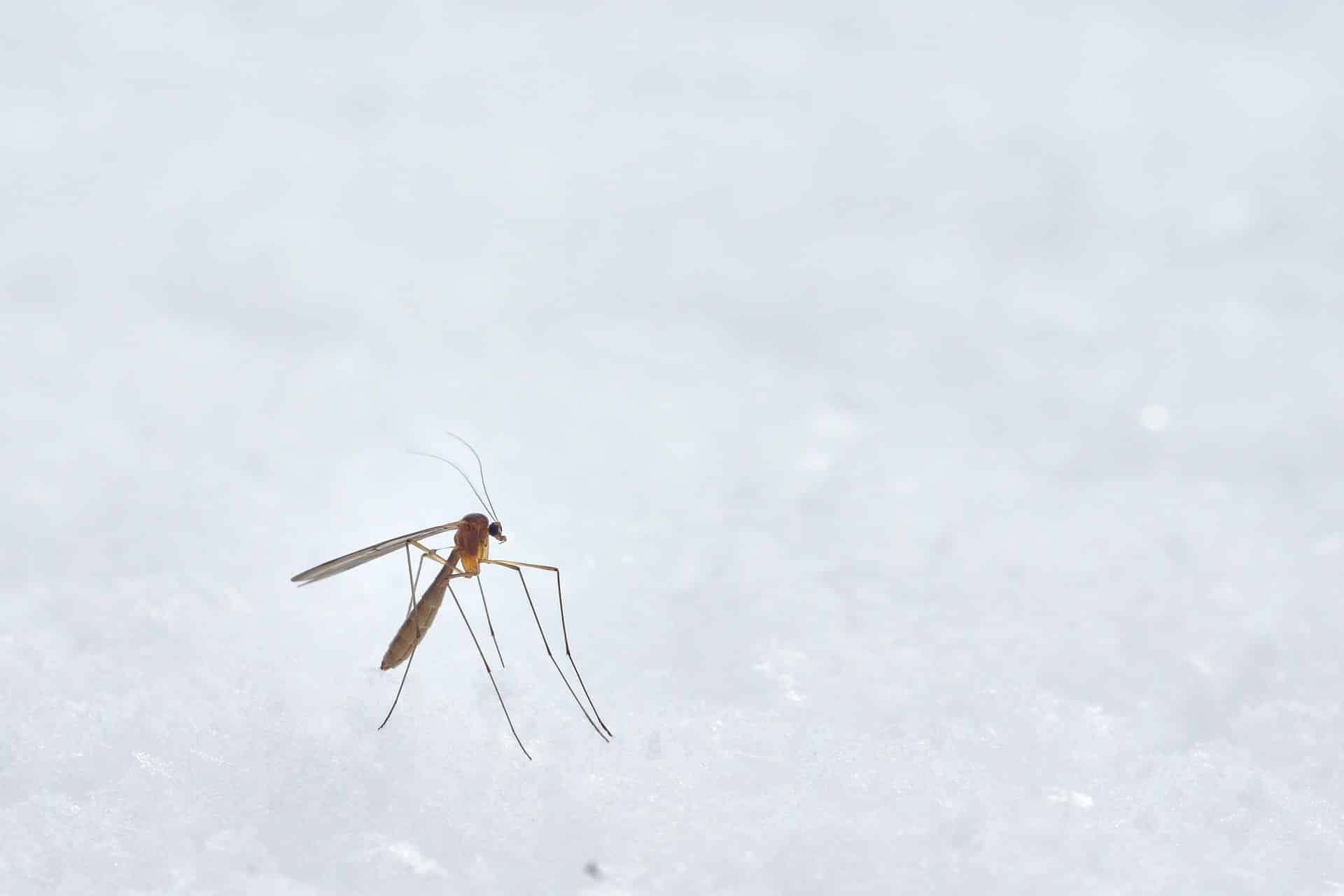
Mosquitoes are some of the most common summertime pests in Northern and Southern Pennsylvania, and most people experience at least a few bites each year. While most mosquito bites are harmless aside from the itchy red bumps they leave, these pests can spread a variety of diseases, including West Nile virus and malaria.
A mosquito yard spray is a great option for immediate relief from mosquito bites. Here are some of the best mosquito yard sprays on the market and some tips for effectively applying them.
How Do Mosquito Yard Sprays Work?
Mosquito yard sprays distribute a very fine mist of insecticides that only mosquitoes can detect. While most sprays start working immediately after being applied, it can take up to 24 hours for them to reach maximum effectiveness.
If you have pets or small children, keeping them inside and away from the sprayed area until the insecticide has dried, typically 30-60 minutes after application, is recommended.
Most mosquito yard sprays provide tick and mosquito control.
How Effective Are Yard Sprays?
It is important to note that mosquito yard sprays do not kill most mosquitoes but rather keep them away from your yard. Yard sprays will typically only kill mosquitoes that are present at the time the insecticide is being applied. That said, mosquito yard sprays are highly effective at keeping mosquitoes away and reducing your chances of being bitten by at least 80%.
Factors for Selecting a Mosquito Yard Spray
When it comes to choosing the right mosquito yard spray for you, there are several factors you will want to consider:
- Do you need protection from other insects in addition to mosquitoes?
- Do you have pets or children that spend a lot of time outdoors?
- How long do you need protection?
- Are there certain active ingredients you are interested in or want to avoid?
- Do you prefer a particular brand?
Discussing these concerns with your local exterminator can help you select the right mosquito yard treatment and give you greater peace of mind.
Tips for Application
If you apply mosquito yard spray by yourself, it is imperative that you carefully follow the directions to ensure you are doing so safely and effectively. Wear proper safety gear, including a mask, gloves, and eye goggles.
If you have pets or small children, keep them far away from the area you are treating, but preferably in the house during this time.
It is also important to note that mosquito yard spray can take some time to dry fully, so keep that in mind if you plan to spend time outdoors the same day you apply the insecticide. You should also plan to apply your mosquito yard spray well in advance of any backyard events you may be planning, such as a cookout or birthday party.
Why You Should Hire a Professional Exterminator to Handle Yard Sprays
Whenever you are dealing with a pest problem, it is always wise to seek the help of a pest control professional. A professional exterminator will be able to inspect your property to assess the severity of the infestation and recommend a custom treatment plan to get rid of the mosquitoes on your property while keeping you and your loved ones safe. The chemicals used in mosquito yard sprays are very heavy-duty and can be toxic if ingested or mishandled, so your best bet is to leave it to a trusted professional.
Which Mosquito Repellents Are the Most Effective?
If you’re looking for an alternative to yard sprays, there are several mosquito repellents that may offer temporary relief.
Many products on the market claim to kill or ward off mosquitoes, but many of them have been proven to not work, such as insect repellent bracelets and mosquito traps. With that said, some of the most effective mosquito repellents include:
DEET
DEET works by confusing and interfering with a mosquito’s receptors on the antennae, deterring them from landing on human skin and leaving itchy bites.
Picaridin
Like DEET, Picaridin also works to deter mosquitoes by blocking their ability to sense their prey, making this a popular choice for mosquito prevention.
Essential Oils
Certain essential oils can be used to deter mosquitoes, with clove, cinnamon, and citronella oil being some of the most effective. These oils can be combined with water or witch hazel to make a DIY mosquito spray to combat mosquitoes and prevent them from biting.
Getting rid of mosquitoes is often a difficult task for homeowners to handle on their own. When bites become overwhelming, contact your local exterminator to inquire about mosquito yard sprays and how they can provide immediate relief for mosquitoes.
FAQs
What is the best time to apply mosquito yard spray?
It is best to apply mosquito yard spray when mosquitoes are most active, typically at dawn and dusk. Apply the spray before noon and after 6 pm for the most effective results.
How long does mosquito yard spray last?
The time a mosquito yard spray application lasts depends on the specific insecticide used. However, most treatments last 4-8 weeks. After that, the spray must be reapplied to ensure you stay protected from these pests.
Are mosquito yard sprays safe for pets?
While your pets should be kept inside during a mosquito yard spray application, these insecticides are not typically harmful to cats and dogs once they dry. However, it is a good idea to mention that you have pets when talking with your pest control expert, as they may have advice or guidelines for keeping your pets safe.
Can I use mosquito yard spray on edible plants in my garden?
If you are growing edible plants in an area of your yard that is being treated for mosquitoes, you will want to talk to your exterminator for advice on keeping your plants safe. Depending on the type of insecticide being used, eating your fruits and vegetables may not be safe if they have come in contact with the chemicals. Also, most sprays will harm and deter honey bees and other pollinators from your garden.

Canine Bed Bug Inspection: Does It Work?
Dogs are commonly called “man’s best friend,” but did you know they can also be an exterminator’s best friend? Thanks to our furry friends’ olfactory prowess, they can be highly efficient at detecting bed bugs inside homes and businesses.
Canine bed bug inspections are becoming increasingly popular as an alternative way to detect bed bugs. But do they work?
While research varies around the accuracy of canine bed bug inspections, they can be a useful tool to assist exterminators in identifying bed bugs in areas that are difficult to reach or often ignored.
Learn how canine bed bug inspections work and how they can assist you in keeping a bed-bug-free home in Northeast PA.
How Do Canine Bed Bug Inspections Operate?
Canine bed bug inspections work similarly to regular inspections. However, instead of relying on an exterminator wielding a flashlight, the exterminator will use a dog to sniff out bed bugs, similar to a drug-sniffing dog.
During an inspection, a dog will be guided around the property to sniff out the presence of any bed bugs that humans may not be able to detect. If the dog alerts their handler of possible bed bugs or eggs, the handler will mark the area and come back to it later to get rid of the bed bugs.
During a canine bed bug inspection, you and any pets you have will most likely be asked to leave the house before the inspection begins.
How Accurate Are Canine Bed Bug Inspections?
Because of dogs’ sophisticated ability to sniff out things humans can’t detect, canine bed bug inspections are thought to be highly accurate. While research varies, some statistics have cited a 98% accuracy rate, while others have noted a high presence of false positives.
Rest assured, a human will be there to double-check the results from a canine bed bug inspection, verifying its accuracy.
The benefit of enlisting a canine is that they can usually detect bed bugs in areas where humans don’t look or have trouble reaching. Therefore, consider a canine bed bug inspection as having another set of eyes to assist the inspector.
Reasons to Choose a Canine Bed Bug Inspection
Canine bed bug inspections are a great option for people who have not had much luck with traditional bed bug inspections, as dogs are typically able to sniff out bed bugs more effectively than humans can see them. Canine bed bug inspections can also be performed more quickly than traditional inspections, detecting all bed bug life stages.
While the cost of a canine bed bug inspection may be higher than traditional inspections, they are also more effective–plus, they are typically quicker.
How to Prepare Your Home for a Canine Inspection
To prepare your home for a canine bed bug inspection, you will want to remove any strong scents from your home that can throw the dog off.
You should also avoid cooking before the inspection and using any scented cleaning products. It is also a good idea to take out your trash ahead of time and do some general tidying up around the house. Try to keep your home smelling as neutral as possible to give the dog a clean slate to work with.
Finally, you might have to hide or relocate any pets on the property away from the home for a short time to allow the dog to sniff undisturbed.
Are Canine Bed Bug Inspections Worth It?
Canine bed bug inspections leverage a dog’s keen sense of smell to detect bed bugs in areas humans have difficulty detecting. While data is mixed, canine inspections are considered highly accurate.
At its core, canine bed bug inspections provide another set of eyes that can increase the chances of identifying and eliminating bed bugs successfully in your home. Think of Fido as a quality control specialist watching over your inspector to guide them along their path.
A canine bed bug inspection may not be right for you if you have existing pets in your home and cannot relocate them for an inspection. In many cases, a pet may just need to be chained up outside, but we understand not every homeowner can accommodate those requests.
Now that you understand how canine inspections work, you will be able to determine if this type of bed bug inspection is the best option for you. If you spot signs of bed bugs on your property, contact a professional immediately!
FAQs: How Do Canine Bed Bug Inspections Work?
Can dogs detect bed bugs behind walls or in furniture?
Yes, most dogs are trained to detect bed bugs and will be able to tell if any are hiding behind walls or in furniture like couches and mattresses. This is because of a dog’s strong sense of smell and ability to detect things that cannot be seen with the naked eye.
Do canine inspections replace the need for chemical treatments?
While chemical treatment may still be needed after discovering bed bugs, canine inspections can ensure that chemicals are applied to the right areas for maximum effectiveness.
Are there any risks associated with canine bed bug inspections?
There are no known significant risks to canine bed bug inspections, as these types of inspections are considered highly effective and can be executed quickly.
How long does a typical canine bed bug inspection take?
Canine bed bug inspections can be done in less time than traditional human inspections, with the average canine inspection taking between 2-15 minutes. However, depending on how large your home is or how severe the infestation is, the inspection may take a little longer to complete.
Can any dog breed be trained for bed bug detection?
Certain dog breeds are commonly used in bed bug inspections, with beagles being the most common due to their keen sense of smell. Other breeds often used include German shepherds, labrador retrievers, and Belgian shepherds.

4 Effective Types of Natural Mouse Repellent That Work in NEPA
Mice are some of the most common household pests in Northeast Pennsylvania. During the cold winter months, these critters seek shelter inside homes and other types of buildings, making their presence felt through noisy rumbling in the wall.
While most homeowners are eager to get rid of mice, they are also reluctant to use traps that they view as cruel or inhumane. Luckily, there are a number of natural mouse repellents that work effectively and keep mice away, so you don’t have to clean up icky traps,
Learn more about natural mouse repellents, catch-and-release methods, and DIY traps that work.
Natural Mouse Repellents that Work
If you want to eliminate mice without killing them, the best option is to practice proper pest prevention. Following are four natural mouse repellents that will work on any species of mice in Northeast Pennsylvania.
Essential Oils
Mice have a strong sense of smell and dislike strong scents like essential oils. Applying essential oils through a diffuser can often disorient them and cause them to evacuate your premises.
The most potent essential oils for mice and most other rodents include:
- Peppermint oil
- Citrus oil
- Cinnamon oil
Try diffusing these oils around the home with a store-bought diffuser, adding a few drops to a spray bottle mixed with water, and spraying your countertops with the solution.
Apply these oils daily for the best chance of repelling mice all season long.
Cats and Kitty Litter
Cats are a natural predator for mice, so use them to your advantage.
Mice are hardwired to recognize the smell of cat urine, so having a cat on your property with a stinky litter box will naturally deter mice with no effort. Still, keep your litter box clean, but feel good knowing it keeps mice away without you even trying.
Ammonia
Ammonia is another effective mouse deterrent you probably have lying around the house. Simply soak some cotton balls in ammonia and place them inside your drawers and cabinets to keep mice away. You can also try stuffing the cotton balls inside any cracks or crevices in your walls and floors to prevent mice from entering.
Note: This is different from using mothballs, which are generally not recommended.
Natural Predators
Mice have many natural predators beyond cats, extending across the animal kingdom. Birds, snakes, and reptiles all feed on mice, though keeping these animals on your property may not be the most practical. However, there are products designed to capture the scent of these animals to repel mice, with the most effective being bobcat urine.
The Toilet Paper Trap
If you prefer to make a DIY mouse trap that is humane and allows for catch and release, consider the toilet paper trap. This DIY mouse trap involves placing an empty toilet paper roll on the edge of the table or counter and weighing it down so it doesn’t move. Put a piece of food at the end of the roll and place a bucket on the floor below that is deep enough so that the mouse won’t be able to crawl back out once it falls in.
Once captured, you will be able to move the bucket outside and safely dispose of any mice back into the wild.
How to Catch and Release Mice Safely
Catch and release may be safe for mice, but we need to be sure that it is safe for you.
If you try to catch and release mice in your home, you’ll want to avoid contact with the mouse. If you are using a store-bought bait station, there are likely instructions included on how to remove mice once they have been caught.
If you are using a homemade trap, do so by wearing protective gloves to avoid getting bitten or scratched, and release the mouse approximately 100 yards away from your home. The last thing you want to do is release the mouse too close to your home so it returns the very next day.
If you want to deal with mice humanely, it’s also important to understand what attracts mice to your home in the first place so you can keep them away without intervention. Likewise, practicing these tips during the late fall and early winter will ensure that mice never enter your home in the first place!
Calling an Exterminator
Rodent infestations are notoriously difficult to deal with, and having mice in your home can be dangerous due to the diseases they carry. Contact an exterminator at the first sign of a mouse infestation to avoid risks of disease transmission or illness.
An experienced pest control professional will be able to inspect your home to determine the severity of the infestation and recommend a unique treatment plan to get rid of the mice.
FAQs
Will natural repellents harm my pets?
If you have pets, there are certain types of mouse repellents you will want to avoid. Even natural repellents can be toxic to pets if ingested, so be sure to do plenty of research before choosing a repellent. When in doubt, it is always a good idea to consult with a pest control expert to determine which method is right for you.
Do ultrasonic devices work effectively against mice?
Ultrasonic devices use sound frequencies that are thought to be irritating to mice but quiet enough not to disturb humans. However, there is little scientific evidence to prove that these devices actually work. Determine which pest control method is right for you by trying a few different options.
How can I tell if the natural mouse repellent is working?
Knowing if a mouse infestation has been eliminated can be difficult, especially for the average homeowner who is not well-versed in extermination. However, there are a few signs to look out for, such as not hearing scratching noises, seeing fewer or no live mice in the house, and seeing fewer rodent droppings. A pest control professional will be able to do an inspection to determine if the infestation is gone for good!

How to Get Rid of Pincher Bugs (7 Tips)
Discovering unwanted pests in your NEPA, SEPA, or Lehigh Valley home can be a hassle, especially destructive ones like termites and carpenter ants.
However, the most common bugs in Pennsylvania that rear their ugly heads each year are typically innocuous insects found in our gardens or crawl spaces. One of the most common but icky insects you may encounter each fall is the pincher bug or earwig.
Whether you’ve seen them crawl out from underneath a rock or spotted them in your basements, pincher bugs can often be found hiding around most Pennsylvania homeowner’s properties without their knowledge.
.
While pincher bugs don’t typically invade your home in massive colonies, they can pop up quite often where they are unwelcome.
If you are experiencing issues with pincher bugs in your home, read on for seven tips to get rid of them.
What Are Pincher Bugs?
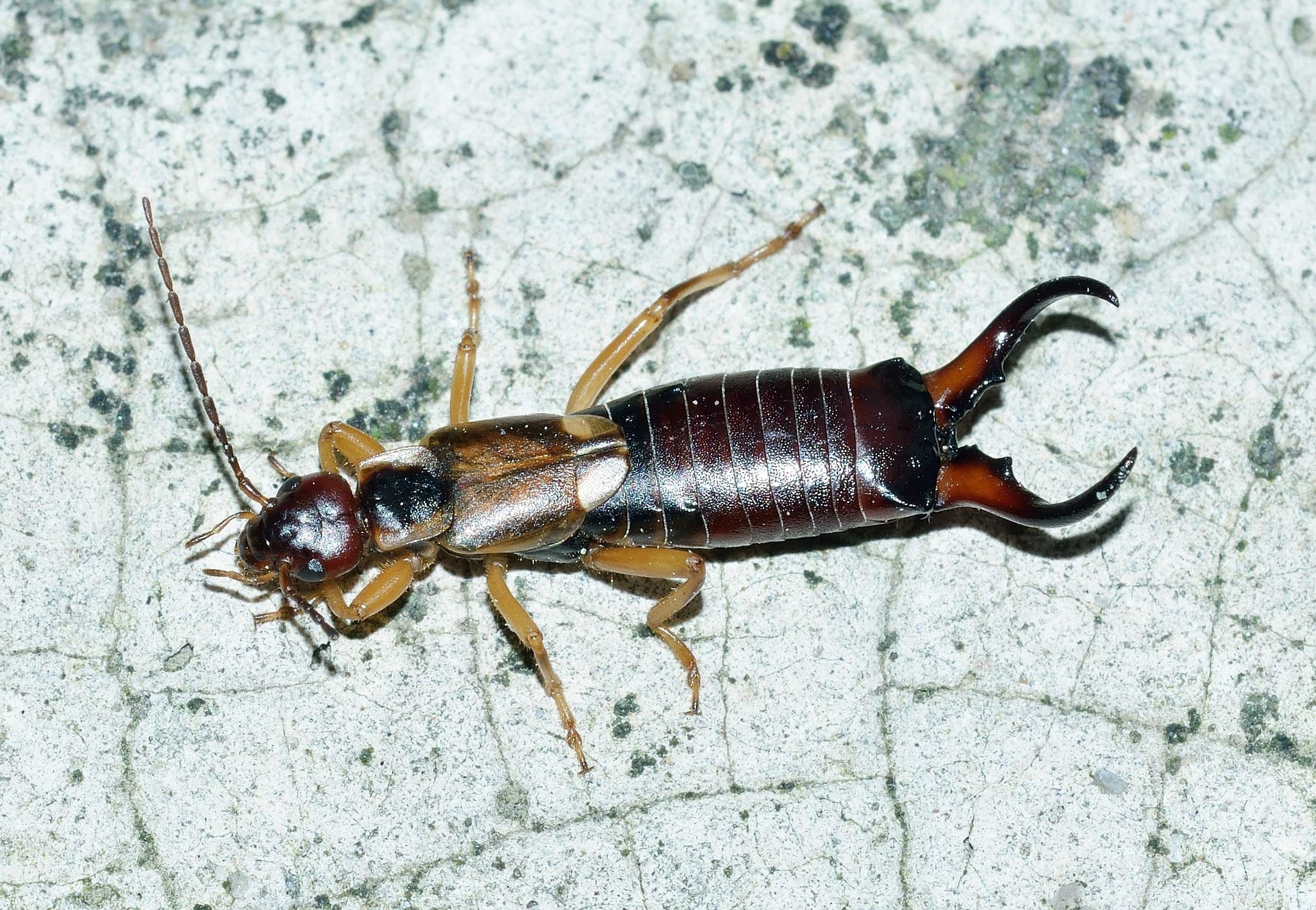
Pincher bugs are small insects, also known as earwigs, that cluster together. Spotting one pincher bug will often mean spotting a dozen additional ones.
Pincher bugs are little winged creatures, though not all fly, identified by the pinchers on their back. While not dangerous, they do secrete a foul-smelling liquid to ward off predators. They can also damage plants in your garden by feasting on the leaves.
While they may find their way into your home, you will rarely find a big infestation. The females lay between 30-50 eggs and normally go through five molt stages before adulthood.
How to Spot Pincher Bugs
Earwigs are quick, nocturnal insects that love places high in moisture. You can typically find them under rocks, in wet soil, mulch, or under logs. They especially thrive in damp conditions.
You’ll often find earwigs when you’re not looking for them, as they tend to hide pretty comfortably in small spaces.
Like many other insects, they eat plants and insects and are attracted to light. While they are harmless, they can become quite a nuisance.
When Are Pincher Bugs Most Active?
Look for pincher bugs during the late spring, summer, and fall months when the weather remains warm or moderate. Once the cold weather sets in, these insects look for a place to dwell elsewhere, and their populations will begin to dwindle.
Should I Be Worried About Pincher Bugs
Pincher bugs are completely harmless creatures that do not bite, sting, or transfer venom.
The biggest cause for concern with pincher bugs will be protecting your plants from these herbivores.
Thankfully, you can get rid of pincher bugs fairly easily using the seven tips we listed below.
7 Ways to Get Rid of Pincher Bugs
Are you dealing with unwanted pincher bugs on your property? By following these treatment and prevention tips, get rid of pincher bugs in very little time.
1. Monitor Any Entrance Ways
The best way to get rid of any insects is to stop them from getting in. Make sure your doors and windows are sealed around the edges and shut tightly. Monitor your house at the ground level. Check any basement windows, vents, or any other possible openings and cover them with mesh. As you perform your recon, it’s a good idea to seal any small cracks or openings in the foundations. This will not only protect you from earwigs but other summer insects as well.
2. Keep It Dry
Pincher bugs search for areas with high moisture. While outdoors, this might mean finding a spot under a rotting log or in your flower bed. Inside, it means hiding away in your basement by the washing machine or in your wet towels.
To avoid any earwig issues, monitor the moisture in your home. Fix leaky pipes, frequently change out wet towels, and repair the dripping sink. Consider getting a dehumidifier if your home is extremely humid, especially in basements. The less moisture, the fewer pincher bugs.
3. Vacuum Them Up!
A simple way to get rid of earwigs is to vacuum them up. The vacuum is the perfect tool to suck up these pests and their eggs. It can be especially effective for removing these insects from your carpeting or from hard-to-reach places.
Once you’ve sucked them up, you can dispose of the vacuum bag, empty the contents outdoors, or dump the contents into a bucket of soapy water. Be careful with any removal; these insects are quick and will be looking for an escape. Be prepared before opening your vacuum.
4. Use Simple Solutions
There are a few easy and natural pesticides you can use to kill earwigs. Boric acid is one of the most common. It’s a powdery substance you can sprinkle around highly infested areas where the insects will scurry through and die on contact.
While boric acid is effective, it is dangerous for animals and young children. If you want to avoid boric acid, try a mixture of dish soap and water or rubbing alcohol and water. These substances won’t be harmful to your pets or children, and they will kill earwigs. Just spray them with one of these mixtures, which should do the trick.
5. Keep Your Yard Tidy
Overgrowth and untamed grass are two enticing features many pests look for. With earwigs, plenty of greenery and overgrown areas mean many moist areas to call home. Keep your yard and home earwig-free by maintaining your property.
Practice pest yard control by cutting the grass and applying mulch around the base of your home. If you have a garden, plant things that encourage birds or toads. They are natural predators of pincher bugs and will help keep the population low.
6. Change the Lighting
Insects like earwigs are attracted to lighting. Try to move lights away from the home. Since this may not be possible for every home, if you can’t move the lights away, try to change the bulbs from white to yellow. The brighter the light, the more bugs it will attract.
7. Proper Drainage
The key to keeping earwigs away is eliminating excess moisture around your home. Maintain your gutters and irrigation system. Pincher bugs thrive in moist soil, and if that soil is close to your home, they will also find a way inside.
Use gravel or white stone around the foundation to keep the moisture away from your home’s base. Avoid using mulch, as this will be a draw. Actively monitor your property after rain and fix overly damp areas surrounding your home.
Preventing Pincher Bug Invasions
While not harmful or dangerous, earwigs are not welcome house guests. To keep these little pests out, prevention is your best method. Care for your property, garden, and home by monitoring the amount of moisture and encouraging natural predators.
Of course, if your issue is more serious than a few stray pincher bugs, consider consulting a professional pest control expert to help resolve your issue. Enjoy the warm summer days pest-free with proper care and pest prevention.
FAQs: Pincher Bugs
How can I differentiate pincher bugs from other insects?
Pincher bugs can be distinguished by their elongated bodies, reddish-brown or black coloration, and prominent pincers at the end of their abdomen. These features set them apart from other insects, although their appearance may vary slightly depending on species and developmental stage.
Can pincher bugs damage plants or property?
While pincher bugs may feed on plant matter and occasionally damage delicate plants, they are not typically considered significant pests in agricultural or horticultural settings. However, in large numbers, they may cause minor aesthetic damage to leaves and flowers.
Are there any natural repellents for pincher bugs?
Certain natural repellents, such as diatomaceous earth, cedar oil, and citrus-based sprays, may help deter pincher bugs from entering specific areas. Additionally, maintaining a dry and well-ventilated environment can make indoor spaces less hospitable to these insects.
How to Get Rid of Snakes in Yard & House (9 Tips)
Most homeowners are tempted to get rid of snakes in their yards by any means possible. However, it’s important to note that some snake species in Pennsylvania are endangered, and it’s against state regulation to kill any snakes.
Nevertheless, it may be hard for most homeowners to ignore spotting one of these menacing-looking reptiles. In cases where you feel like you can’t deal with a snake on your own, it’s best to reach out to a professional, whether it’s your local animal control expert or pest control company.
For homeowners looking to get rid of snakes in their yards on their own, this guide will tell you everything you need to know about dealing with snakes in Pennsylvania.
How Dangerous Are Snakes In Pennsylvania?
The most common reason people kill snakes is because there is a misconception about how dangerous snakes truly are. Of the twenty-two snake species found in Pennsylvania, only three are venomous:
- Timber rattlesnake
- Eastern massasauga
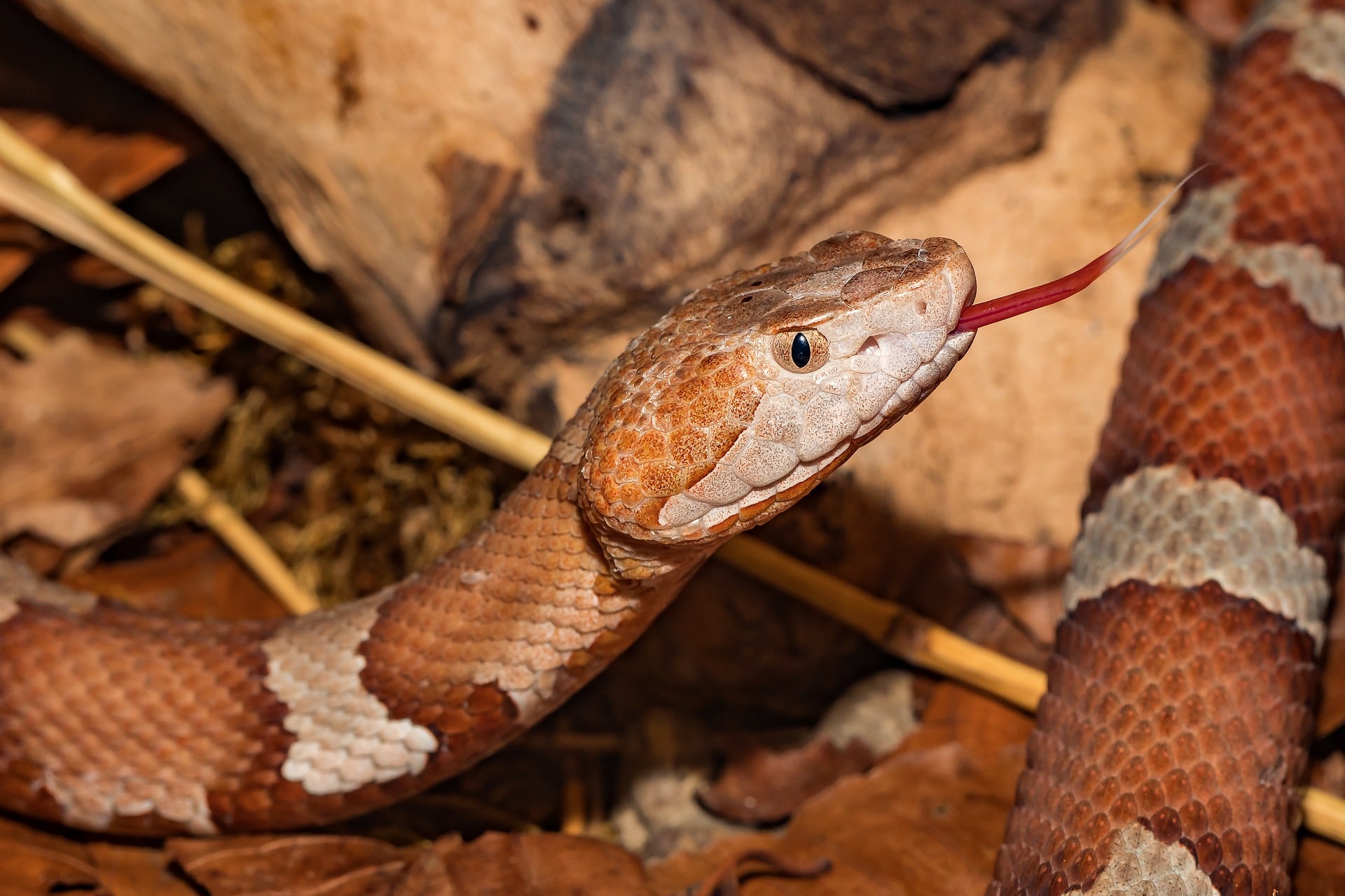
- Copperhead
All three species can be identified by their cat-like pupils, which are shaped like slits and not rounded like other snakes.
Fortunately, venomous snakebites are incredibly rare and death resulting from a bite is even rarer.
For the most part, snakes in Pennsylvania are incredibly tame and beneficial to their local ecosystems. Even venomous snakes are not aggressive and will not bite unless provoked through handling or intimidation.
Common Snakes in PA
There are over 3,000 species of snakes around the world, but there are a few prominent types that tend to live in northeastern Pennsylvania. While these species can be spotted in other areas, the kind you find will likely depend on your surroundings.
If you are near a body of water, the forest, or in a dryer area, the type of snake you may encounter will be different. While it is possible to be bitten by snakes, it should be noted that snakes are not poisonous – they are venomous. This means they can only transfer venom through a bite. To get a better idea of what you may be dealing with, here are the most common reptiles:
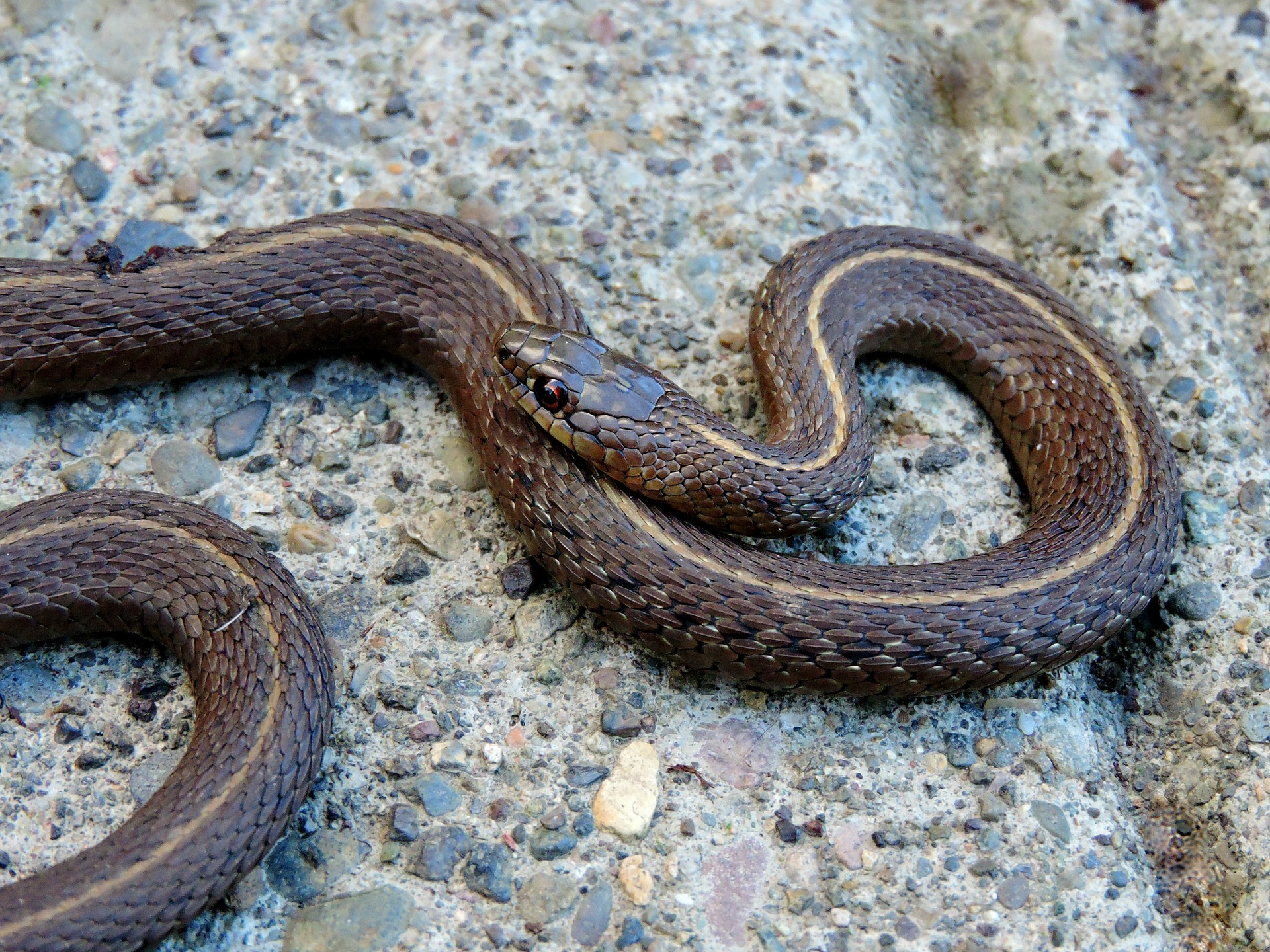
- Garter: Often called the garden snake. Their most notable feature comes in yellow lines on their bodies. These snakes are mildly venomous, but they are not harmful to humans. They tend to live in grasslands and can be gray, red, black, or brown.
- Copperhead: Semi-aquatic, venomous snakes. They live in marshes, wetlands, or similar areas. They are typically copper-colored, with reddish-brown bodies. If bitten, you will need an anti-venom.
- Rattle Snakes: Known for their rattling tale. These venomous snakes have interlocking scales and will rattle their tail to you as a warning. They are generally light brown with dark brown spots.
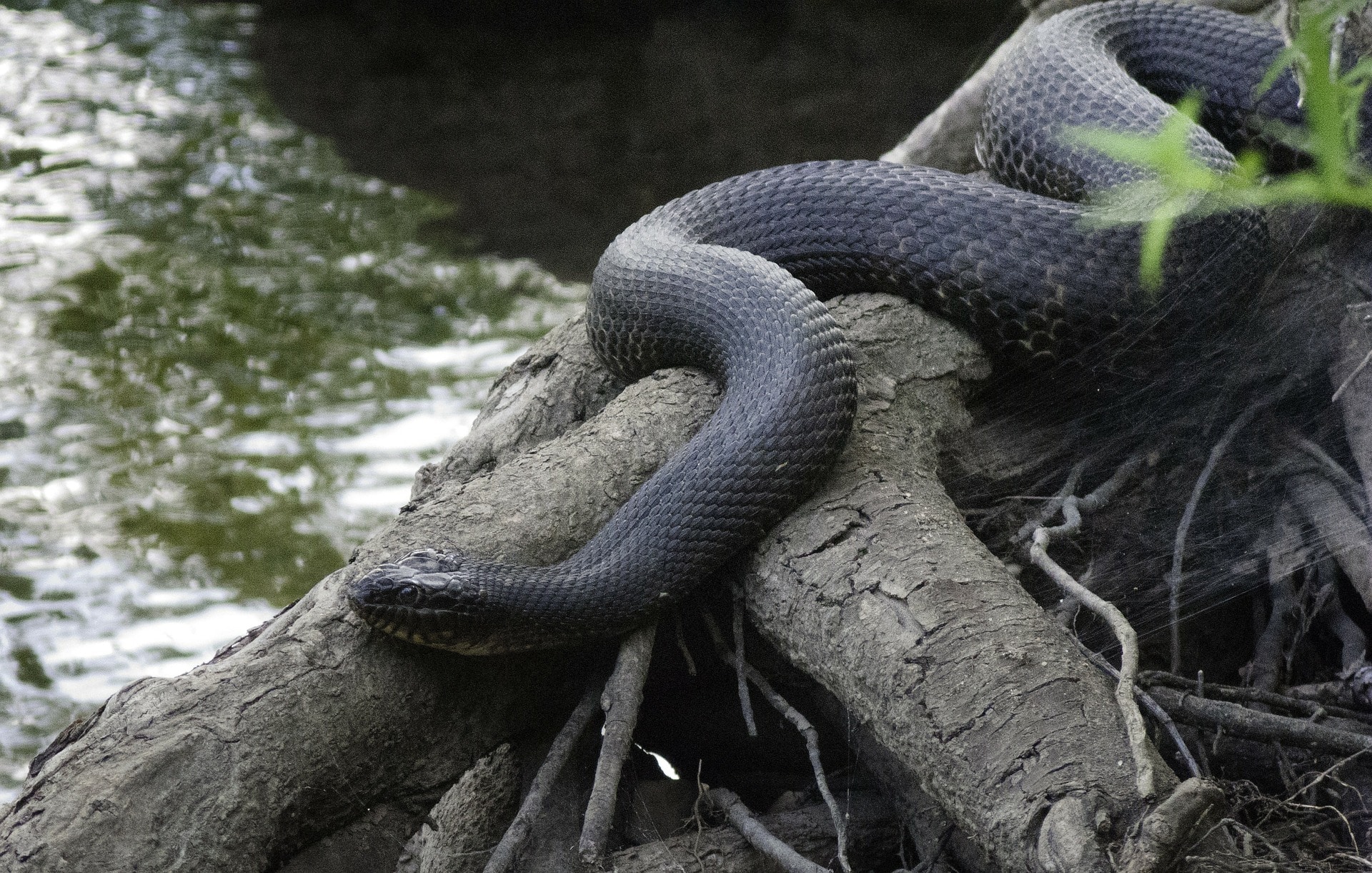
- Water Snake: Non-venomous snakes with aggressive behavior. Their typical habitat is near water. They can grow to about five feet long and have a rounder head than other snake species.
While most snakes would rather stay away from humans altogether, they will likely be defensive if they encounter us. If you have a snake problem or often find snakes in your yard, approach the situation cautiously. Snake bites are avoidable if you do not engage.
Why Do Snakes Infest Yards?
Snakes enter yards in search of the same things every creature needs to survive: food, shelter, and water.
Let’s break down each of these three things to discover what exactly attracts snakes to your yard:
- Food: Snakes are carnivores and typically snack on rodents (mice and rats), amphibians (frogs and toads), and other grubs, like earthworms and slugs.
- Water: Large sources of standing water, such as rivers, streams, lakes, ponds, and marshes, will attract snakes.
- Shelter: Snakes tend to reside in areas with good coverage from grass, weeds, and plants. Therefore, an overgrown or unkempt yard will be a hiding place for snakes and other pests.
Eliminating or managing these three attractants will make snakes more likely to avoid your yard altogether.
How To Get Rid of Snakes in Your Yard
The last thing you want is a nasty bite from a venomous visitor. If you want to avoid an encounter, here are nine things you could do to keep snakes away.
1. Keep Grass Trimmed and Clean
Snakes seek warm, moist areas with a food source. They also look for areas abundant in rodents. These reptiles like places to hide, and an overgrown yard is just the perfect place. An excellent way to discourage snake populations is by keeping your grass cut. Additionally, if you routinely trim your lawn, you won’t run into any unexpected dangers while doing so.
2. Contain your Overgrowth and Care for your Yard
In addition to hiding in tall grass, snakes will hide in yard debris. Tall grasses and shrubs are two ideal hiding spots for these reptiles. They also tend to hide away in storage sheds, wood piles, or fallen branches and limbs. Proceed with caution when removing and clearing your property to avoid any snake bites.
3. Know Where They Hide
Understanding where snakes hide is fundamental to getting rid of snakes on your property. Snakes will often cozy up near heat or water sources. These reptiles are often fond of small places, like boxes, and can be found near or behind appliances. Other species like to find high and out-of-reach areas, so be wary of any ledges. You can be ready for them if you know where to find them.
4. Eliminate Moisture
Snakes are on the lookout for a water source. They love cool, damp environments. Water is a draw to many different pests. To keep them all away, remove any excess water you may have on your property. Take care of puddles, blocked rain gutters, or any leaking pipes you may have. Treat pools throughout the warm months to avoid bacteria buildup and amphibians that might attract snakes.
5. Use Mulch
Snakes aren’t fans of sharp materials. Therefore, applying mulch around your house is an excellent way to keep them away from your home and out of your yard. Use rick chips, crushed-up pine cones, or any thick, chopped wood for coverage.
6. Destroy the Food Source
Another easy way to keep snakes away is by limiting their food source. Snakes feed on rats, mice, and other critters. If they have a smorgasbord, they aren’t going to leave anytime soon. A snake or two can help you keep rodents away, but they must be dealt with when they become a nuisance. Therefore, getting rid of mice will, in turn, get rid of snakes.
7. Seal Any Possible Entryways
If the goal is to keep snakes out, limit their possible access points. Check your home for cracks and crevices. Check your drains and vents, and routinely inspect crawl spaces for openings. Seal up any entryways with caulk, expandable foam, or weather stripping. Cover any openings that cannot be closed with a fitted screen. Close the holes so neither reptile, rodent, nor insect can sneak inside.
8. Try Repellents
If snakes are a recurring problem, there are non-toxic repellents you can spray that are safe for use near children and pets. You can also use oil scents like cinnamon, clove, oil, and eugenol. These can help keep snakes away. Additionally, you can plant marigolds, garlic, or lemongrass. Snakes are deterred by these smells. These can also help keep mosquitoes away as a bonus!
9. Consider Exclusion
If you do find a snake in your home, it probably doesn’t want to be there any more than you do. Since they are essential to the ecosystem and don’t mean us any harm – consider calling a professional service to remove the snake. Most are looking to either hibernate or hide away.
They are not a very common pest and will likely leave you alone. However, since there are over 3000 species, it’s difficult to tell whether your snake is venomous. Rather than risk your safety or your family, consider calling a professional if you find a snake on your property and cannot deter it.
Dealing with a Snake Problem
Snakes are rarely an issue. Most want to be left alone and only look for a place to live. If you want to get rid of snakes from your yard and protect your family, consider some of these tips to keep snakes out.
Be vigilant and monitor the perimeter of your property, keep it clean, and try repellents. If you should find a snake, contact a pest control professional to have it removed for your safety. Be cautious and stay safe.
FAQs
Can I use mothballs to repel snakes?
Mothballs are not recommended for repelling snakes. While they might have some repellent effect on certain pests, they are not effective against snakes. Additionally, mothballs contain toxic chemicals that can be harmful to humans and pets if ingested or inhaled. It’s best to use safer and more effective snake-repellent methods.
How can I tell if a snake is venomous?
Identifying venomous snakes can be challenging, but there are some general characteristics to look out for. Venomous snakes often have triangular-shaped heads, slit-like pupils, and heat-sensing pits between their eyes and nostrils. Additionally, venomous snakes in certain regions may have specific color patterns or markings. When in doubt, it’s best to assume that any snake could be venomous and take appropriate precautions.
Will keeping a cat or dog help deter snakes?
While cats and dogs may occasionally chase or harass snakes, they are not reliable deterrents against snake activity. Some pets may even attempt to interact with snakes, putting themselves at risk of being bitten. It’s important to take proactive measures to snake-proof your property rather than relying solely on pets for snake control.

Are Stink Bugs Dangerous? Your FAQ Guide
As the weather turns colder, there are inevitably a few different bugs in Pennsylvania homeowners are bound to encounter. One such bug is the stink bug, long the butt of childish humor and pranks.
However, stink bug populations can grow quickly and infest your home if not dealt with quickly – especially in Northeastern and Southeastern Pennsylvania. While not necessarily dangerous, stink bugs can be a major nuisance, especially regarding their odor.
This guide will discuss everything you need to know about stink bugs so you can avoid them and their unpleasant smell for good.
What Is a Stink Bug?
Stink bugs, scientifically known as Pentatomidae, are small insects characterized by their shield-shaped bodies and distinctive odor. There are various species of stink bugs, but the most common one in Pennsylvania is the brown marmorated stink bug (Halyomorpha halys).
Some stink bugs can be helpful predators for eliminating pests that snack on fruits and vegetables. However, some species of stink bugs may do the snacking themselves.
Stink bugs are native to Asia but have recently become invasive in many parts of the United States, including Pennsylvania.
How to Identify a Stink Bug
Identifying a stink bug is relatively easy due to its distinctive appearance. They typically have a shield-shaped body, ranging in color from brown to gray, with alternating light and dark bands on their antennae and edges of their abdomen. When disturbed or crushed, stink bugs emit a foul-smelling odor as a defense mechanism, hence their name.
Do Stink Bugs Bite?
Unlike mosquitoes or fleas, stink bugs do not feed on blood. Instead, they use their piercing-sucking mouthparts to extract sap from plants, making them more of a nuisance than a threat.
In rare cases, they might bite a human or pet, which is very unlikely.
Are Stink Bugs Dangerous to Humans or Pets?
In general, stink bugs are not considered dangerous to humans or pets. While their odor can be unpleasant and may cause mild irritation if inhaled or ingested, stink bugs pose no significant health risks. However, some individuals may be allergic to stink bug secretions, resulting in skin irritation or respiratory symptoms.
Do Stink Bugs Eat Flowers or Vegetables?
Yes, most stink bugs are herbivorous insects that feed on a wide range of plants, including flowers, fruits, and vegetables. They pierce the plant’s tissue with their mouthparts and suck out the sap, causing damage to crops and ornamental plants. Common targets for stink bugs include tomatoes, peppers, beans, and apples.
Is it Bad if My Pet Ate a Stink Bug?
While it’s not ideal for pets to ingest stink bugs, it’s unlikely to cause serious harm. Stink bugs are not toxic to dogs or cats, and ingestion typically results in mild gastrointestinal upset at the worst. However, if your pet experiences persistent vomiting, diarrhea, or other concerning symptoms after ingesting a stink bug, it’s best to consult your veterinarian for advice.
Do Stink Bugs Carry Disease?
Unlike mosquitoes or ticks, stink bugs are not known to transmit diseases to humans or animals. Their primary concern is agricultural damage rather than public health. However, their presence indoors can be a nuisance and may trigger allergies or respiratory issues in sensitive individuals.
Do Stink Bugs Damage Property?
While stink bugs do not pose a direct threat to property like termites or rodents, their presence indoors can be problematic. When stink bugs invade homes in large numbers, they can stain walls, curtains, and upholstery with their secretions. Additionally, their foul-smelling odor can permeate indoor spaces, making them unpleasant to live with.
When Are Stink Bugs Most Active?
Stink bugs are most active between the spring and fall seasons and may be spotted outside near crops and vegetables. During the fall, some stink bugs may migrate to your home to seek warmth from the cold weather.
Tips to Manage Stink Bugs Properly
If you want to avoid finding stink bugs snacking on your crops or entering your home, we have a few tips that may help.
- Seal Entry Points: Inspect your home for cracks, gaps, and openings where stink bugs could enter. Seal any potential entry points with caulk or weatherstripping to prevent them from gaining access indoors.
- Install Screens: Install screens on windows, doors, and vents to keep stink bugs from entering your home while still allowing for ventilation.
- Remove Attractants: Keep outdoor lights off at night, as stink bugs are attracted to light sources. Additionally, avoid overripe fruits or vegetables indoors, as they can attract stink bugs looking for food.
- Vacuum Regularly: Use a vacuum cleaner to remove stink bugs from indoor surfaces and dispose of the bag or contents promptly to prevent the odor from spreading.
- Consult Professionals: If you’re dealing with a severe stink bug infestation, consider hiring a pest control company with experience in managing these pests. They can provide targeted treatments to eliminate stink bugs and prevent future invasions.
Learn more about how to keep stink bugs away.
Takeaways
While stink bugs may be a nuisance to deal with, they are generally not dangerous to humans or pets. By understanding their behavior and implementing effective management strategies, you can minimize their impact on your home and property. Remember to seal entry points, remove attractants, and consult professionals if needed to keep stink bugs at bay.

How to Tell the Difference Between Cockroaches and Water Bugs
Living in northeast Pennsylvania, we’re no strangers to unwanted guests sneaking into our homes. Among the most notorious bugs in Pennsylvania are cockroaches and water bugs.
Despite common misconceptions, there is a species of giant water bugs, often referred to as Pennsylvania toe biters, that are separate from cockroaches. While Oriental cockroaches are often confused with water bugs, there are important differences between the two pests. The common denominator of each of these pests is fairly obvious: water.
We’ve prepared this handy guide to shed light on the differences between water bugs and cockroaches and tips to prevent water bugs so you can get rid of those big, black insects once and for all.
What Are Water Bugs?
Water bugs, also known as giant water bugs or Pennsylvania toe-biters, belong to the family Belostomatidae. These insects are aquatic predators commonly found in ponds, streams, and other bodies of water. Despite their name, water bugs can also venture onto land, especially during mating season or when seeking shelter.
Water bugs are typically larger than cockroaches, with elongated bodies and powerful legs adapted for swimming. They have piercing mouthparts used to inject enzymes into their prey, liquefying their insides for easy consumption. While some species of water bugs are harmless, one bite from these massive creatures can deliver shrieking pain for up to a week.
How Do Water Bugs Differ from Cockroaches?
Water bugs are often confused with Oriental cockroaches, as they share some similarities in appearance and habitat. However, some key differences include:
- Appearance: Water bugs are much larger than cockroaches, with elongated bodies and flattened legs. On average, a giant water bug will measure about quadruple the height and weight of an Oriental cockroach.
- Habitat: Oriental cockroaches prefer warm, dark, and humid environments, such as basements with standing water. Water bugs are often found outside, near streams, marshes, and ponds, though they have been known to make their way inside.
- Behavior: Cockroaches are scavengers, feeding on a wide range of organic matter found in and around homes. They are nocturnal and often hide in cracks and crevices during the day. Water bugs, on the other hand, are predators, preying on aquatic insects, tadpoles, and small fish. They are more active at night and may venture onto land in search of food or mates.
- Flight: While some species of cockroaches can fly, most are winged but prefer to run. Water bugs, however, are not capable of flight and rely on their strong swimming abilities to navigate through water.
Why Do Water Bugs Enter Homes?
If you spot a water bug inside your home, it is most likely an Oriental cockroach.
Oriental cockroaches typically enter homes through pipes in search of food and shelter. During dry spells or extreme weather conditions, they may seek refuge indoors where conditions are more favorable. Additionally, faulty plumbing or drainage issues can attract Oriental cockroaches into homes, providing them with a steady source of moisture.
In rare cases, giant water bugs may enter homes, though they will only do so if you have a large volume of standing water and aquatic life inside your home, such as a flooded basement.
Cockroach and Water Bug Prevention Tips
Preventing water bugs and Oriental cockroaches requires a combination of sanitation practices and exclusion measures. Learn what attracts cockroaches to your home and what cockroaches hate to get rid of them. Here are some tips to keep these pests at bay:
- Eliminate Standing Water: Remove sources of standing water around your home, such as clogged gutters, leaky faucets, or birdbaths. Regularly clean and maintain drains to prevent water buildup.
- Seal Entry Points: Inspect your home for cracks, gaps, and openings where all types of bugs could enter. Seal any potential entry points with caulk or weatherstripping to deny them access.
- Maintain Cleanliness: Keep your home clean and free of food crumbs, spills, and clutter. Store food in airtight containers, and promptly clean up spills and crumbs to eliminate potential food sources for water bugs.
- Reduce Moisture: Use dehumidifiers to reduce humidity levels in damp areas like basements, crawl spaces, and bathrooms. Repair any plumbing leaks or moisture problems to eliminate water sources for water bugs.
- Outdoor Maintenance: Trim overgrown vegetation and remove debris from your yard to discourage water bug breeding sites. Keep outdoor lights off at night to avoid attracting insects.
- Keep Pools Clean: If you have a pool outside, be sure to keep up on maintenance. Dirty pools full of bacteria and aquatic life may attract giant water bugs to your property.
When Should I Call an Exterminator
As most city-dwellers can attest, Oriental cockroaches are generally harmless and rarely ever spotted unless you shine a flashlight through a dark basement. Nevertheless, spotting an Oriental cockroach and, even more terrifyingly, a giant water bug can be jarring. While many home remedies for cockroaches exist, including essential oils, it’s always best to contact an exterminator if you are dealing with a large population of insects.
If you suspect you are dealing with an unnatural infestation of either species, reach out to the experts at The Pest Rangers. Not only will a professional take care of these bugs for you, but they can also suggest remedies that prevent other species of pests from coming to your home.
FAQs
Do Water Bugs Carry Diseases?
Unlike cockroaches, which are known carriers of various pathogens and allergens, water bugs are not known to transmit diseases to humans. However, their bites can be painful and may cause localized swelling or irritation.
Can Water Bugs Fly?
No, water bugs cannot fly. They rely on their powerful swimming abilities to move through the water and may crawl onto land in search of food or mates.
How Long Does Professional Pest Control Take?
The duration of professional pest control treatments can vary depending on the severity of the infestation and the methods used. Generally, a single treatment may take anywhere from a few hours to several days to complete. Follow-up treatments may be necessary to ensure the long-term eradication of water bugs.

7 Easy Ways to Get Rid of Silverfish in Your NEPA Home
Discovering silverfish in your home can be an unsettling experience. These ancient insects, known for their love of starches and sugars, can often lurk in damp, dark areas of your home.
If you’re wondering how to get rid of silverfish, you’ve come to the right place. This guide will walk you through seven practical steps to make your Northeastern or Southeastern Pennsylvania home less inviting to these pests.
What Are Silverfish?
Silverfish are small, wingless insects with a distinctive fish-like shape and silvery-gray color. They are known for their rapid, darting movements and can live for several years, sometimes going unnoticed due to their nocturnal habits. Since silverfish are not attracted to light, it can be difficult to spot them without them scurrying away.
Silverfish’s longevity adds another layer to their mystique. Capable of living several years, their life span is impressive for insects of their size. This longevity, coupled with their nocturnal habits, means that silverfish can coexist with humans for extended periods, often completely undetected.
How to Identify Silverfish
At first glance, silverfish catch the eye with their size, measuring about half an inch to an inch in length. What truly distinguishes them, however, is their sleek, tapered body, reminiscent of a teardrop.
This elegant design is not merely aesthetic; it’s a testament to their survival skills, allowing them to navigate and infiltrate the narrowest of crevices and cracks within our homes. This ability to squeeze into the smallest spaces makes them particularly challenging adversaries in the quest to keep our homes pest-free.
While often mistaken for earwigs, are much smaller, lighter, and more slender in appearance.
The habitat of the silverfish is as particular as its appearance. These insects are drawn to environments that offer them the moisture they crave. Bathrooms, with their frequent humidity, provide an ideal sanctuary for silverfish, offering both water and a cool retreat. Basements, too, with their often damp conditions and lack of direct sunlight, create a perfect haven for these pests. Kitchens are not exempt from their intrusions; the combination of moisture from sinks and the abundance of food makes kitchens a silverfish hotspot.
Why Do Silverfish Infest Properties?
Silverfish seek out environments that provide them with their basic needs:
- Moisture
- Food
- Shelter
First, inspect areas of your home with lots of moisture, including bathrooms, kitchens, and basements. By some estimates, silverish require a warm, damp room with a humidity of 75% to thrive.
Food sources play a critical role in the colonization of our living spaces. Silverfish have a somewhat refined palate, favoring carbohydrates and proteins found in various household items. Food sources, such as glue, cotton, flour, and wallpaper, are all up for grabs when defending against these pesky creatures.
Lastly, silverfish seek out dark, secluded areas to live undisturbed, laying their eggs and continuing their life cycle in peace. The easy hiding spots within our properties, from attic storage boxes to the undersides of kitchen cabinets, offer silverfish the perfect refuge.
Simple and Proven Ways to Get Rid of Silverfish in Your Pennsylvania Home
So, how do we get rid of silverfish? Here are seven easy and proven ways.
1. Keep Your Home Clean
Transforming your home into a fortress against silverfish begins with a commitment to cleanliness. Go beyond the surface to those hard-to-reach corners, under sinks, behind bookshelves, and deep within pantries to remove the very sustenance that silverfish thrive on. Dusting and vacuuming are also essential routines that will prevent silverfish, as well as other pests.
2. Clean Around Window Sills and Doors
Window Sills and doors are not just thresholds for you and your guests but potential gateways for silverfish. By diligently wiping down these areas and vacuuming up the debris that accumulates, you create a barrier that’s less inviting to these pests.
3. Harness the Power of Diatomaceous Earth
Diatomaceous earth is more than just a powder; it’s a natural, non-toxic weapon in your pest control arsenal. When applied to areas frequented by silverfish, this miraculous substance works by dehydrating them upon contact. A liberal sprinkle in the nooks and crannies where silverfish lurk can turn your home into a deadly landscape for these pests, stopping them in their tracks.
4. Seal All Entry Points
Your home’s defenses are only as strong as their weakest point. By meticulously sealing gaps and cracks in the foundation, around windows, and under doors, you effectively shield your living space from silverfish invasions. This proactive step not only deters silverfish but also fortifies your home against various pests, ensuring your sanctuary remains secure.
5. Seal All Food in Your Pantry
Silverfish have a particular fondness for the starches and sugars that populate our pantries. By storing these items in airtight containers, you safeguard your food from becoming a feast for pests. This simple yet effective practice not only preserves the freshness of your pantry goods but also sends a clear message to silverfish that there’s nothing for them here.
6. Set Strategic Traps
The strategic placement of silverfish traps around your home serves as a defense mechanism and an intelligence-gathering tool. Whether purchased or homemade, these traps can capture silverfish, reducing their numbers and providing insight into their movements within your home. By understanding where silverfish are most active, you can target these areas more effectively with your pest control efforts.
7. Dry Out Their Habitat
Moisture is the lifeblood of silverfish, making damp areas in your home prime real estate for these pests. Tackling leaky pipes and employing dehumidifiers in naturally humid areas like basements can turn these once-inviting spaces into deserts from the silverfish’s perspective. Reducing moisture not only makes your home less attractive to silverfish but also contributes to a healthier living environment for you and your family.
By following these seven steps, you can significantly reduce the likelihood of a silverfish infestation in your NEPA home. Consistency is key, as is acting quickly at the first sign of an infestation.
FAQs
Are Silverfish Harmful to Humans?
Silverfish are not harmful to humans in the sense that they do not bite or carry diseases. However, they can cause damage to belongings and may trigger allergies in some individuals.
Can Silverfish Infest Beds?
While silverfish prefer moist and dark environments, it is possible for them to be found in beds, especially if the room is humid and there are paper products or natural fibers nearby.
How Fast Do Silverfish Reproduce?
Silverfish can lay a few eggs a day, and under ideal conditions, their population can grow rapidly. However, their reproduction rate is generally slower than some other pests.
Do Silverfish Carry Diseases?
Silverfish are not known to carry diseases. Their primary threat is to property, as they can damage books, wallpapers, clothing, and stored food.
Are DIY Silverfish Treatments Safe for Homes with Pets?
Many DIY silverfish treatments, such as diatomaceous earth, are non-toxic and safe for use around pets. However, it’s important to follow all instructions and consider your pet’s safety when applying any treatment.