

12 Tips to Get Rid of Ladybugs and Prevent Asian Lady Beetles
Overwinter pests are a common concern for many homeowners in Northeastern Pennsylvania, Southeastern Pennsylvania, and the Lehigh Valley, as the temperatures rise and pest season rears its ugly head again.
Some of the most common overwinter pests in the area include boxelder bugs, stink bugs, ants, cockroaches, and ladybugs, the latter of which is considered fairly innocuous and symbolic.
However, ladybugs are often mistaken for their nasty doppelgangers, the Asian Lady Beetle–also known as the Halloween Beetle! This pest can wreak havoc on gardens and soon become an uncomfortable infestation if not properly reigned in.
With over 5,000 species of ladybugs worldwide, it can be easy to mistake this docile garden resident for another species that can be much more troublesome.
If you have a problem with ladybugs in your home, here are a few things you should know about getting rid of ladybugs and why you should.
The Trouble with Ladybugs and Asian Lady Beetles
The ladybug, also known as the lady beetle or ladybird beetle, is often confused with an invasive species in NEPA called the Asian lady beetle. Ladybugs are helpful garden pest exterminators that tend to be more docile insects. They prefer to stay outside when the temperatures drop.
Asian lady beetles, on the other hand, overwinter bugs. While they perform the same function as a typical ladybug, these insects tend to be a bit more aggressive, sometimes going so far as to bite people.
As overwinter pests, the Asian lady beetle hides out when temperatures drop and reemerges in the Spring. It tends to accumulate on windows, lights, and other areas with warmth and light.
They can also release an odor with an awful chemical scent that can linger for as long as a year. Other Asian lady beetles will be drawn to these pheromones, which means they will return to your home the following year.
Thankfully, they don’t carry diseases, and they won’t cause structural damage. However, they can leave yellow streaks wherever they land. While one or two may not be a problem, lady beetles usually hatch in large numbers.
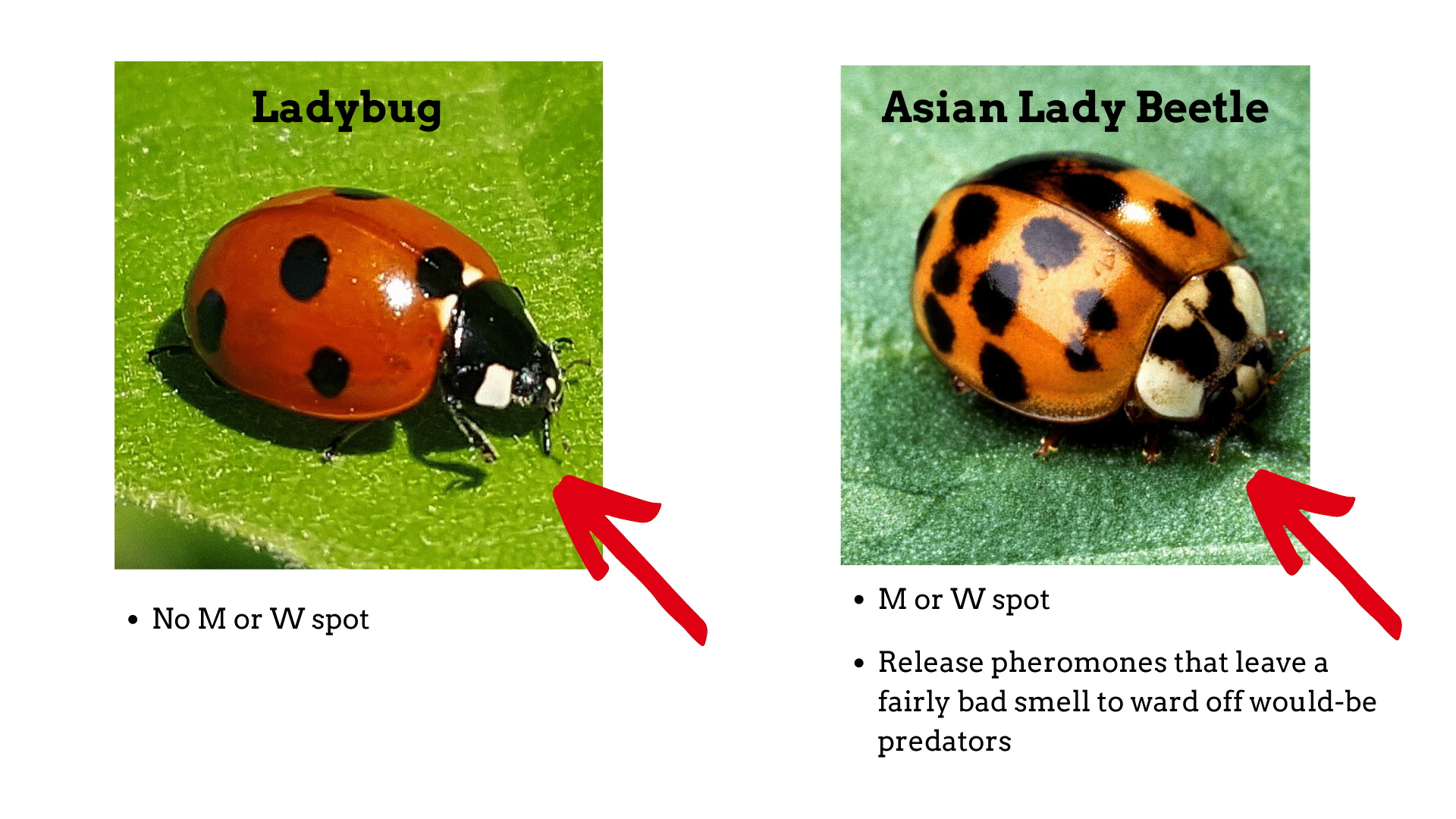 How to Distinguish Between Ladybugs and Lady Beetles
Ladybugs are harmless and helpful, but Asian lady beetles are less beneficial. They both consume garden pests like aphids and don’t congregate in large numbers, but the Asian lady beetles seek shelter outdoors.
The Asian lady beetle came over in the 1970s. They are brownish-orange in color, not the vivid red like ladybugs. They are bigger and can be identified by the white M on their heads.
Lady beetles also let off a strong scent to alert other beetles of danger. This pest multiplies quickly and often leaves behind yellow stains. Where normal ladybugs die off in the fall, Asian lady beetles hibernate.
These beetles will enter buildings in the spring or as winter approaches. Once inside, they’ll amass in dark, warm, secluded places.
Overall, there is no alarming cause for concern. However, these pests can be cumbersome and even bite you and your pests. If you’re tired of dealing with stinky Lady Asian Beetles and ladybugs, then you need to know how to get rid of them.
12 Tips to Get Rid of Ladybugs and Lady Beetles On Your Property
While ladybugs may be innocuous critters, preventing them and any similar beetle from entering your house is important to avoid an infestation. Here are some tips to get rid of ladybugs and Asian Lady Beetles.
1. Act Immediately
Sometimes, even with all the prep, you can find yourself face-to-face with a lady beetle infestation. The best course of action is to act quickly once you notice them. Asian beetles multiply quickly. Your infestation can easily go from manageable to overwhelming. Don’t wait for it.
2. Winterize your home
The best way to stop an Asian beetle infestation, as well as many other pest issues, is to winterize your home. Don’t give them a way in. Plug up holes, seal doors, and caulk your windows. Inspect your home’s exterior and interior to make sure there is no way for them to get in. If they can’t find a way inside, there’s no need to worry about an infestation.
3. Check Screens
Likewise, with any door frames, cracks, or other openings, check the screens around your home. Ladybugs can easily fly through a window screen and make their way inside. Repair any screens that may have been damaged throughout the year.
4. Keep Your Yard Trim
Lady beetles are drawn to overgrown areas. It’s a good idea to keep your yard and garden trimmed. Any wood should be stored at least 20 feet from the house, and plants should be maintained.
5. Turn Lights off at Night
Like many insects, lady beetles are drawn to light. While you can’t exactly turn off the sun, the next best thing would be turning off your outside lights at night. If you need to have a light on, make sure it’s a motion-sensor light. Also, use a bulb that won’t give off too much heat.
6. Keep A Garden
A simple way to keep them outside is to provide ladybugs with a place to feast. Give them an alternative to your home by planting a garden.
Ladybugs and Asian beetles both love feeding on garden pests, like aphids. It doesn’t matter if you are planting edible treats for your family or lovely flowers; having flora around your home can be enticing enough to keep these insects out.
If you don’t want lady beetles anywhere near your home or garden, or you don’t want to go through the effort of planting an entire garden, try planting or potting some mums. Lady beetles do not like mums and will avoid them.
If you want to ward these pests away, keep plants just outside the house at entry points: the doors, the windowsills, or even make a window box. Mums are a simple, inexpensive way to keep the lady beetles away.
7. Make a Light Trap
If you want to get rid of lady beetles, use their attraction to light as a defense against them. You can construct or use a light trap to gather these pests and remove them from your home. This guide provides a simple tutorial on how to construct a light trap using common household goods.
8. Vacuum Them Up!
A quick and easy way to dispose of Asian beetles is to vacuum them up. This method will not kill the pests, but it will make it easier to transfer them out of your home.
Before sucking them up, be sure they are going into a sealed container, whether it’s a vacuum bag or a closed container. After you have sucked them all up, you can seal the bag, take them outside, or dispose of them.
9. Diatomaceous Earth
If you want to kill the Asian beetles and a few other pests like stink bugs, you can use diatomaceous earth. Diatomaceous earth is a powdery substance that is made of fossilized remains of algae and abrasive properties.
Basically, this substance dehydrates insects to death. This substance is non-toxic to humans and pets, but it is very effective at killing many different pests.
10. Remove The Scent
If you don’t want to kill your little invaders, you can try to ward them away by removing their scent from your home. Asian lady beetles have a distinct odor. Try to hide it with citronella or citrus oil. These scents act as a repellent for lady beetles; if they can’t smell their home, they will look elsewhere.
11. Try Cloves Or Bay Leaves
If you want to get to work at repelling these annoying little pests but don’t have any of the items listed above, look no further than your spice cabinet. Cloves or bay leaves are two spices that Asian beetles can’t stand. Place these spices near windows and other infested areas to shoo away your ladybug infestation.
12. Spray Them
Asian lady beetles are found in large numbers. A good way to get a bunch of them all at once is to spray them with a spray bottle.
Fill your bottle with citronella or soapy water. This will not only deter and possibly kill quite a few of these insects, but the scent will keep them from coming back. It’s a simple and quick way to eliminate these unwanted pests.
Keeping Pests Out for Good
In the long run, Asian lady beetles are more annoying than harmful. That doesn’t mean they belong in your home. They stink, they can bite, and they multiply like crazy.
If you want to get rid of your infestation and you’ve exhausted all these methods, consider reaching out to a pest control expert. Our residential pest control plans are designed to create a barrier that prevents and eliminates dozens of common pests in Northeast PA, including common beetles and ladybugs. Don’t wait; reach out to us before they make their way into your home this coming winter.
FAQs
Why are there so many ladybugs in my house?
Ladybugs may enter your house seeking warmth and shelter, especially in the fall when temperatures drop.
Are there any natural repellents for ladybugs?
Citrus-scented cleaners or sprays made from diluted vinegar can help deter ladybugs from entering your home.
When is the best time to take action against ladybugs?
Early fall is ideal for sealing entry points and taking preventive measures before ladybugs seek shelter indoors.


Why Is Pest Control So Important for Restaurants?
Anyone who has ever owned a restaurant can tell you that it is one of the most stressful jobs out there. Not only is being a restaurant owner time-consuming, but it is also incredibly expensive to maintain. Whether you’re buying new food, ordering new plates and silverware, or hiring staff, there is never a moment to relax when running a restaurant.
Pests are something that every restaurant owner will have to deal with at some point. Whenever you’re serving food or drinks, pests are bound to make their way in one way or another. However, it becomes an issue when the odd pest here and there turns into a full-blown infestation, compromising the health and safety of your customers and staff.
At The Pest Rangers, our pest control quality inspectors help guide restaurant owners on the latest practices developed under the Food Safety Modernization Act. Using the highest standards of cleanliness and general pest prevention, we can keep your kitchen and your commercial space free from harmful pests.
If you’re a restaurant owner currently dealing with a pest infestation or simply wondering how to prevent one from forming, here is everything you need to know about restaurant pest control.
What Is Restaurant Pest Control?
Restaurant pest control is the practice of treating and preventing pest infestations in restaurants.
Quality restaurant pest control will identify your restaurant’s vulnerabilities and the types of pests that are more likely to enter your building, while also creating a unique plan of action to target and prevent these pests in your kitchen.
Common Pests in Restaurants
It’s no secret that restaurants, in particular, hold the three key things all pests need to thrive in abundance: food, shelter, and water.
Therefore, you may come across many pests lingering outside of restaurants, near dumpsters, and in other areas where food waste is present. However, it’s once they come inside that they become a problem. Here are a few types of pests that are more commonly found in restaurants:
- Cockroaches
- Rodents
- Ants
- Flies
- Spiders
If you spot any of these pests lingering inside your kitchen–especially in excess–then it’s time to call a pest control company.
5 Harmful Consequences of Pests for Restaurants
Unfortunately, the consequences of a pest infestation are felt even more acutely by restaurant owners who rely on their reputation for their business.
Some of the consequences of pest infestation inside your restaurant could lead to:
1. Food Safety Concerns
Due to the number of diseases and bacteria pests like roaches and rodents can carry, having a pest infestation in your restaurant can pose a serious risk to customers and staff who get sick after eating there.
2. Property Damage
Pests like termites and other wood-destroying organisms can damage the physical structure of your restaurant, leading to several code violations. In addition, rodents like rats and squirrels can chew chew materials and damage goods, such as storage containers, physical equipment, wiring, and even food you have stored.
3. Failed Health Inspection Report
The mere sighting of a pest is enough to completely fail a health inspection report and get your restaurant shut down.
4. Damaged Reputation
Having pests in your restaurant can seriously damage your reputation, especially if you receive a negative Google review or word-of-mouth gossip. Your restaurant can quickly become known as an unclean place to eat, which is the last thing you want as a restaurant owner.
5. Expensive Pest Control
Pest control can be expensive, especially if you’re treating a larger, more serious infestation in a restaurant. You can easily end up spending thousands of dollars treating a pest infestation instead of being proactive.
Restaurant Pest Control Solutions
If you are a restaurant owner who is curious about your options for pest control, you have several options.
Preventing pests starts with keeping an impeccably clean interior and kitchen area. Tables should be wiped down after every customer, floors should be regularly swept and mopped, and garbage cans should be emptied and taken outside to the dumpster after every shift. It is also important to ensure that food is being properly stored at the correct temperature and kept on shelves off the floor.
For the outside of your building, you should regularly sweep the sidewalks and clear trash from the parking lot. Having a sealed dumpster far enough away from the building can also prevent pests from entering your restaurant.
However, if you need additional help keeping pests at bay, then we highly recommend working with a pest control company. The Pest Rangers offers preventative commercial pest control plans guaranteed to thwart over a dozen common pests that enter restaurants. For more information, contact us for a quote and see how else we can assist you!
FAQs
What health risks do pests pose in a restaurant?
The presence of pests in a restaurant is extremely dangerous for a number of reasons, the most obvious being that pests are dirty and carry a variety of diseases and bacteria. Pests can compromise the food being served if they come in contact with the ingredients or even the surfaces the food is being prepared on.
How do pests impact a restaurant’s reputation?
Whether a restaurant relies on Google reviews or word-of-mouth referrals, a good reputation is crucial for any restaurant to thrive. Even just one customer seeing a cockroach or rodent in your restaurant can seriously damage your reputation, as it may make other people less likely to want to eat there. Your restaurant may also get written up by the health department and the reports made available to the public can be damaging.
What are the financial consequences of a pest infestation?
Taking care of a pest infestation can be expensive, especially for restaurants. Because cleanliness is so important for establishments that serve food or drinks, there is no room for error. Even the presence of one singular pest or dropping can lead to a bad health inspection report, and you will be forced to spend money to remedy the problem. Additionally, keeping up with future pest prevention can be costly and will vary depending on the severity of the infestation and the size of your restaurant.

10 Signs You May Have Termites on Your Property
For many NEPA homeowners, discovering a termite infestation is the biggest nightmare imaginable. Not only are termites unpleasant pests to have around but they are also known for causing catastrophic damage to homes that can result in thousands of dollars in repairs.
Although termites are notoriously one of the hardest types of pests to eliminate, there are ways to prevent them from damaging your home. Properly identifying a termite infestation is the first step in treating and preventing them, so arm yourself with the knowledge of what to look for and live a termite-free life!
1. Mud Tubes
Mud tubes are often the easiest sign of a termite infestation to spot, though they don’t last for long. Mud tubes are small, pencil-sized tunnels made of wood and dirt that termites build as a way to connect colonies and hide from predators. Mud tubes are visible to the naked eye and can usually be easily spotted in basements or on exterior walls of the home.
2. Discarded Wings
Once male termites find a mate, they will break off their wings to signal to other termites that they are off the market. Seeing discarded insect wings around your home may be a sign that you’re dealing with a termite infestation, so be sure to get in touch with a professional exterminator if you notice this anywhere in your home.
3. Hollow-Sounding Wood
If you knock on your wooden walls or floors and it sounds hollow, you may be dealing with termites and some other kind of wood-destroying organism. These pests will often create cavities in floors and walls by chewing the wood as they travel through, resulting in that hollow sound you may be hearing.
4. Frass (Termite Droppings)
Termite droppings, commonly referred to as frass, are frequently mistaken for dirt or wood shavings. Termites will often leave piles of frass around the home after digging through wood or drywall and kicking their droppings up behind them. If you notice small piles of what looks like dirt around your home, it may be a sign that you’re dealing with termites.
5. Bubbling or Peeling Paint
Termites produce moisture when they eat, which can cause the paint in your home to bubble or peel. If you notice the paint in your home looking unusual or warped in any way, you may want to get in touch with a pest control professional and have your home inspected for termites.
6. Tiny Holes in Drywall
Termites often leave tiny holes in drywall as they chew their way through. Holes in drywall and piles of frass often go hand in hand, so if you notice these things in your home, it could be a sign of a termite infestation.
7. Warped Doors or Floors
Being that termites produce moisture when they eat, they can often cause doors and floors to take on a warped shape. Oftentimes, you’ll notice a door or window sticking. While this usually happens during the summer months due to high temperatures, it may be worth looking into if you suspect a termite infestation.
8. Termite Swarmers
Termite swarmers are winged termites that leave their colonies to mate and start new colonies. They can be identified by their large, pale wings, which are equal in size, and their long, dark brown bodies. Look for swarmers in the spring, as this is commonly termite mating season.
9. Clicking Sounds from Walls
Termites often make clicking sounds when chewing through wood or communicating with other termites. This can often be heard by listening closely against a wall or floor. If you hear any unusual clicking sounds in your home, it may be time to call a pest control professional.
10. Live Termites
Finally, spotting live termites in your home is almost always indicative of a larger termite infestation. If you see live termites in your home or on your property, you should definitely contact a professional exterminator. At The Pest Rangers, we offer many home defense protocols specifically designed to zap termites, including Sentricon and powerful termite sprays.
What to Do When You Spot a Termite
If you spot a termite in your home or on your property, it is imperative that you contact a pest control professional immediately. Termite infestations are very serious and can quickly grow into a much larger problem, so you’ll want to make sure you receive treatment immediately.
The trained staff at The Pest Rangers will inspect your property to confirm if termites are present and devise a plan to eliminate them immediately and keep them from coming back. Contact us to learn more about termite control in Northeast PA!
FAQs
How do termites enter a home?
Termites can enter a home just as any other kind of pest could, typically through cracks or crevices in your home’s foundation or walls. Termites can also hitch a ride to your home on infested pieces of lumber or even infested mulch, so keep an eye out for the telltale signs of a termite infestation to protect your property.
What are the most common types of termites?
The two most common types of termites are subterranean and drywood. Subterranean termites live in colonies underground, while drywood termites live in wood above the ground. The termites you are most likely to see on the East Coast are subterranean termites. These types of termites can be identified by their small size and darker color compared to the drywood variety.
What do termites eat?
Termites mainly eat cellulose materials, which is the main substance in the cell walls of plants. These materials include wood, plants, cardboard, and animal feces.

Cicadas Are Returning This Year: Here’s What to Know
Unless you were living under a rock in 2021, you probably remember the emergence of cicada Brood X. The 17-year periodical brood had many Pennsylvanians running for cover out of fear of getting hit by these flying insects. Even just walking to your car put you at risk of encountering these creepy-looking insects, but they all seemed to disappear just as quickly as they emerged.
This summer, two new broods are expected to emerge across different parts of the US: Broods XIX and XIII. While Pennsylvania is not expected to see any cicadas this year, many other states will be affected. Here’s what to know.
What Are Cicadas?
Cicadas are sound-producing insects that emit loud noises by vibrating membranes near the bases of their abdomens.
A cicada’s life cycle consists of three stages: egg, nymph, and adult. There are more than 500 different types of cicadas worldwide, with many species emerging every 17 years, the longest life cycle of any insect.
Cicadas can be identified by their unique appearance; adults are about 1 to 1.5 inches long with long wings that double their length. They typically have black or green bodies with orange veins running through their translucent wings.
 2024 Will See Two Separate Broods
Broods XIX and XIII are expected to emerge this year, with the midwest and southeast states bearing the biggest brunt of these litters. While Pennsylvania is not expected to see the return of cicadas this year, we have experienced them in previous years. The most recent appearance of cicadas in Pennsylvania occurred in 2021 with the emergence of Brood X.
This year, the northern brood will emerge in Iowa, Illinois, Indiana, and Wisconsin, while the southern brood will emerge in Alabama, Arkansas, Georgia, Indiana, Illinois, Kentucky, Louisiana, Maryland, Missouri, Mississippi, North Carolina, Oklahoma, South Carolina, Tennessee, and Virginia. Additionally, people living in Illinois will possibly see both broods at the same time this year.
Pennsylvania Won’t See Cicadas This Year
Pennsylvania residents can breathe a sigh of relief this summer, as we are not expected to see any cicadas from either brood this year. Annual cicadas, commonly referred to as “dog day cicadas,” are common and can be heard every summer. However, these cicadas are different from periodical cicadas, which work in broods and live 13-17-year life cycles.
When Will Cicadas Return to Pennsylvania Next?
The next large cicada emergence is expected to happen in 2030 with the appearance of Brood II. After that, Brood IV will emerge in 2034, followed by Brood X in 2038. However, you may still notice the appearance of annual cicadas this summer if you travel down south.
 FAQs
FAQs
Do Cicadas Come Out Every Year?
The only types of cicadas known to appear each year are annual cicadas, due to their unsynchronized development, which allows some of them to mature each year. However, periodic cicadas only emerge during specific life cycles, ranging from 13 to 17 years.
What Is a Brood?
A group or population of cicadas is referred to as a “brood.” A brood includes all of the cicadas emerging in a particular year or in a specific region.
Do Cicadas Bite?
Cicadas do not bite, similar to the spotted lanternfly.
Are Cicadas Harmful to the Environment?
Cicadas are not dangerous and can actually be beneficial to the environment. Cicadas are eaten as a valuable source of protein for many predators, including birds, raccoons, and squirrels. However, if you have recently planted any trees or own an orchard or nursery, it may be wise to wrap your trees in netting, as cicadas can cut into tree branches to lay their eggs, harming younger trees.
Are Cicadas Toxic?
Cicadas are not toxic to humans or pets. In fact, many people like to cook cicadas and eat them!
If you are adventurous enough to try this, there are many recipes online with instructions on the best ways to cook and enjoy these insects. Dogs are also known to enjoy snacking on cicadas, and while they are not inherently harmful to dogs, too many cicadas may give your fur baby an upset stomach.
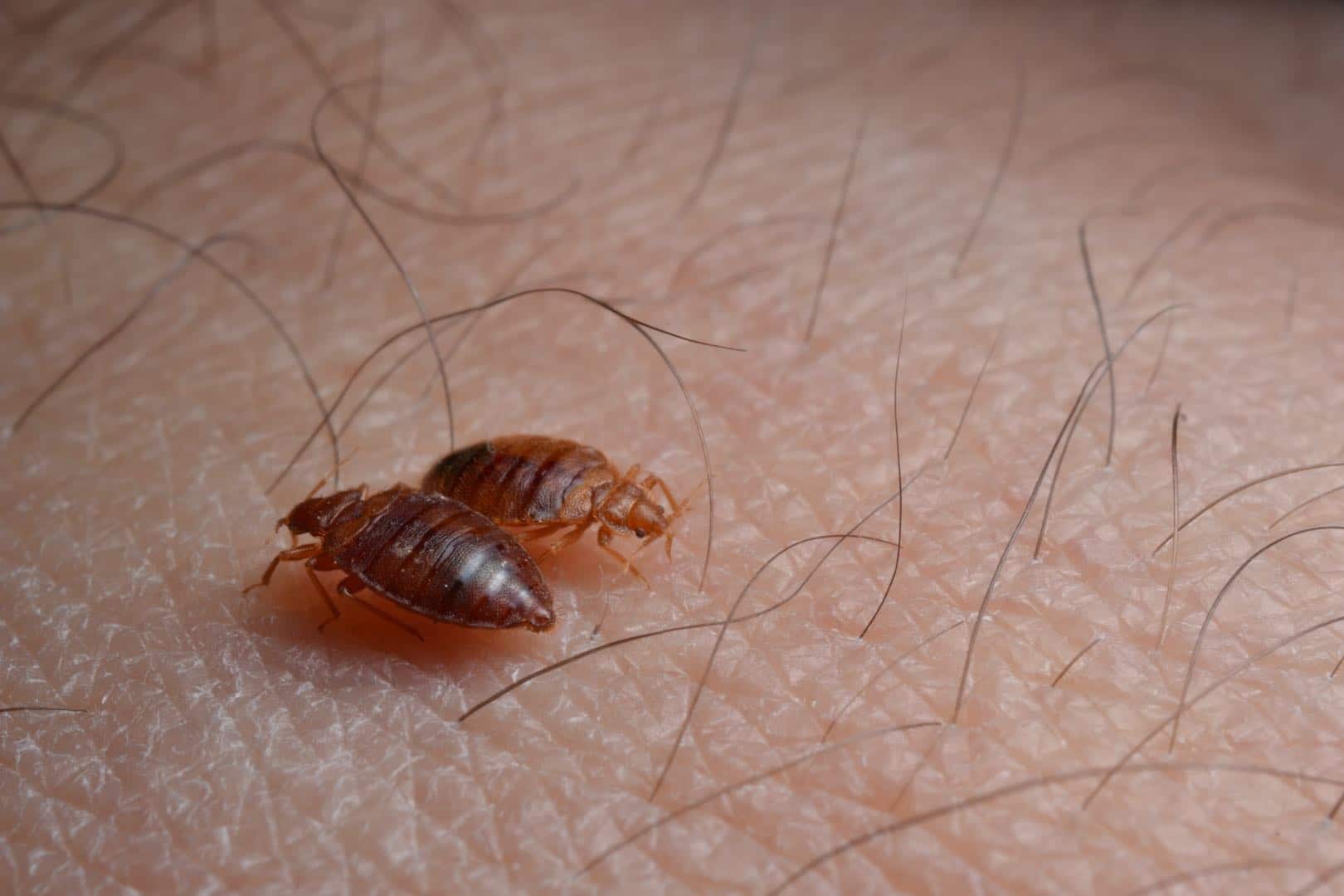
Don’t Let Them Bite: Top 25 Signs of Bed Bugs
Bed bugs are among the hardest pests to contain, so it’s important to act quickly.
Just one female bed bug could lay 113 eggs during her life, which can hatch in as little as 6 days.
However, bed bug infestations rarely start with just one-bed bug. If left unchecked, your home could be ground zero for a serious bed bug infestation that can spread rapidly.
Our K-9 bed bug inspections are designed to identify bed bugs in every hiding spot across your home so that none are left behind.
If you suspect you have bed bugs in your house, look out for the signs of bed bugs below.
25 Signs of a Bed Bug Infestation
Bed bugs are not subtle creatures by any means. Most bed bugs leave behind telltale signs that are easy for most homeowners to identify.
1. Spotting Live Bed Bugs
This should be the most obvious sign of a pest problem, but bed bugs are very small (between 5-7mm in length) and have several life stages making it difficult to pinpoint them. What’s worse is they could hide just about anywhere in your home, including behind molding, electrical outlets, and even cracked drywall.
2. Raised, Red Welts On Your Skin
Another classic sign of bed bugs is waking up to itchy, red, raised welts across your skin. While it doesn’t always implicate bed bugs, there is a good chance that some sort of bug lives beneath your sheets.
3. You Have Recently Encountered Someone Or A Place That Has Reported Bed Bugs
While this is no guarantee that you will get bed bugs, if someone you know has had them or recently discovered they have had them, it’s a good idea to check around your own home to be sure you didn’t pick up a stow-away. We recommend hiring a professional because you may be dealing with the early stages of an infestation, which are generally harder to identify.
4. Shells Or Molted Skins
While living bugs can be elusive, they leave a little present behind. Bed bugs shed their exoskeleton as they molt to the next stage. You will find these “leftovers” in cracks, under furniture, or anywhere they may be nesting.
5. Fecal Spots On Bedding/Mattress
Liquid fecal spots on your bedding are a sure sign of bed bugs. These small, liquid waste spots can be scattered across your bed depending on how often the bugs have fed.
6. Bloodstains On Your Sheets/Pajamas
If you are a host for a family of bed bugs, another sign would be bloodstains. The primary diet for bed bugs is blood from humans or other warm-blooded animals. Seeing unexplained spots of blood on your sheets could be a warning flag.
7. Dark Spots On The Walls Or Upholstery
Sheets aren’t the only place for bed bugs to hide. These little creatures can easily slip behind your wallpaper or into other enticing spots they can hide away during the day.
8. Multiple Bug Bites
Maybe it’s not mosquitos! If you wake up with multiple little red dots, you likely have bed bugs. The problem is, however, that you may not actually feel the bed bug bite if they are from a young bed bug. The bites may be painless, but they will most likely cause you to have a reaction.
9. Painful, Swollen Bumps With A Dark or White Center
If you aren’t 100% sure you have been bitten by a bed bug, one way to tell is by looking at the bite. They are often swollen with a dark center. In some cases, they can have a white center as well.
10. Burning And Itching
While the initial bite may not hurt, bed bug bites tend to leave victims with a burning and itching sensation.
11. Fever, Nausea, or a Swollen Tongue
Bed bug bites can cause a severe reaction in certain individuals. Coupled with the other signs of bed bug bites, such a reaction could be a sign of an infestation.
12. Marks On Exposed Skin
You may have bed bugs if you have rash-like patches, bites in a straight line, or burning hives on your exposed skin. Depending on the clothing you wear to bed, bed bugs will latch on to exposed skin for an easy meal.
13. Not Everyone Displays Symptoms; Others Have A Strong Reaction
It’s common for people to have different reactions to bed bug bites, even within the same household. Keep an eye on your skin and the skin of small children because it can be difficult to spot the sign without a reaction.
14. Uncomfortable Nights
Another sign of a bed bug infestation is an uncomfortable night’s sleep. While you may not feel the bites, your body may react in response to any interaction with these pests. They are quick and often run across your bed at night to feed. While you may not know the presence, your body may experience restlessness as a reaction.
15. Musty Smell
Bed bugs have a particularly musty smell. Much like the scent of a dirty, wet towel, where there is an infestation, there is often an overwhelming, damp scent.
16. Rusty Spots On The Bedding
Much like seeing spots of blood, a common sign of bed bugs is in the rusty spots from expelling blood and fecal matter.
17. Flat, Reddish Bugs
If you do happen to see a bed bug, they are about 5-7mm in length and they are no bigger than a sunflower seed. These small oval bugs are so tiny they can fit almost anywhere and are so light it’s hard to tell when one is on you.
18. Bug Exoskeletons Or Bodies
A sure sign of bed bugs is finding dead bodies throughout your house. These little creepers can find various spots to nest in your home, so don’t limit yourself to just the bedroom and mattress.
19. Eggshells Or Eggs
Bed bug egg shells are about 1 mm and are pale yellow. Like the exoskeletons or dead bodies, spotting eggs could mean you have a nasty infestation.
20. Shells In Drawers
Much like your bedroom, it’s possible for bed bugs to house themselves in your clothing drawers. They can hide between the cracks, underneath, or even in the clothes themselves.
21. Spots Near Electrical Receptacles And Appliances
Another spot you may find black and rust-colored spots is by electrical sockets. While it’s more common to find bed bugs in your mattress, it’s possible to find them just about anywhere in your home.
22. Box Spring Nightmare
If you have any bed bugs, the spot you will most likely find them is within your box spring. Bed bugs can squeeze themselves flat and fit in just about any little space.
23. The Head Of A Screw
While the most obvious places may give you difficulty, consider this possibility: bed bugs in a screw head. Depending on the severity of the infestation, bed bugs can fit themselves in some of the strangest places.
24. Bites On Your Animals
If you have any warm-blooded animals, like cats or dogs, you may want to inspect them. Bed bugs don’t just bite humans!
25. Overall Decrease In Personal Well-Being
If you find yourself covered in welts, having a rough night’s sleep, and can’t stand the smell of your bedroom, your well-being is likely suffering. Not knowing or treating the signs of a bed bug infestation can lead to a poor quality of life.
What Causes Bed Bugs
It’s important to understand what causes bed bugs to best avoid them. Unlike cockroaches or ants, which typically indicate a dirty home, bed bugs usually arrive from an external source. Some common sources of bed bugs include:
- Thrifted clothing
- Second-hand furniture
- Public transportation
- Hotels and motels
Therefore, thoroughly inspecting luggage, clothing, and your person after interacting with these sources could help you curb a bed bug infestation before it spreads.
How to Inspect for Bed Bugs
You can perform a bed bug inspection yourself, though we recommend hiring a professional. If you go the DIY route, here are some things to remember.
Where Do Bed Bugs Hide?
Bed bug bites may not be subtle, but bed bugs are better at hiding than most people expect. The most common hiding places for bed bugs are:
- Mattresses and Box Springs: Bed bugs commonly hide in the seams, tags, and piping of mattresses and box springs.
- Furniture Cracks and Joints: Cracks and crevices in bed frames, headboards, and other furniture provide ideal hiding spots.
- Baseboards and Carpet Edges: They often conceal themselves along the edges of carpets and underneath baseboards.
- Electrical Outlets and Appliances: Bed bugs can squeeze into tiny gaps in electrical outlets and inside or behind household appliances.
- Behind Wallpaper and Wall Hangings: Loose wallpaper, picture frames, and other wall decorations offer hidden spaces for bed bugs.
Should I Contact a Professional?
Since bed bugs are such difficult creatures to treat–pesticides are rarely effective–it’s best to contact a local exterminator at the first sign of a bed bug. Exterminators are equipped with the tools and knowledge to handle a bed bug infestation and route any remaining bugs without causing harm to you or your loved ones.
Bed bugs are a pest that no one wants to encounter. If you see any signs that may indicate an infestation, get rid of bed bugs as soon as possible. Your skin, pets, and furniture will thank you for it.
To learn more about our Bed Bug treatments, contact The Pest Rangers.
FAQs
What do bed bugs look like?
Bed bugs are small, reddish-brown insects that feed on the blood of humans and animals. They are about the size of an apple seed and can be difficult to detect due to their nocturnal nature and ability to hide in small crevices.
How do bed bugs spread?
Bed bugs spread primarily through human activity. They can hitch a ride in luggage, clothing, used furniture, and other personal belongings. They are not known to spread diseases but can cause discomfort and anxiety.
Are bed bugs only found in beds?
No, despite their name, bed bugs can be found in various locations, including:
- Furniture (sofas, chairs, dressers)
- Curtains
- Luggage
- Behind pictures and wall hangings
- Under carpeting, especially near the bed

Preventative Pest Control | 13 Tips & Why It’s Necessary
When it comes to pest control in Northeast Pennsylvania, no solution is more effective than preventative pest control.
That’s why our residential pest control plans focus so much on inspection, prevention, and active defense against several common types of insects, including termites, cockroaches, and more.
While the occasional ant may be easy to repel with a small mist of Raid, pests like bed bugs can be nearly impossible to eliminate on your own.
This doesn’t mean residents are powerless against pests. Even if you don’t invest in a preventative pest control program, you can still practice many housekeeping procedures that will help keep your home pest-free.
What is Preventative Pest Control?
Preventative pest control is the active process of preventing pests in your home or property by depriving them of food, shelter, and water.
If these essential ingredients, along with a few other specific attractants, can be controlled and deprived, pests will have seemingly no reason to visit your house at all.
However, preventative pest control is more than sealing food sources or eliminating standing water. Many pests, such as termites and bed bugs, often cannot be prevented by sheer DIY measures.
That’s why pest control programs rely heavily on a mixture of biological, chemical, and natural controls to provide full 360-degree defense against many common and dangerous pests.
Why Is Preventative Pest Control Important
The latest census data tells us that around 14 million households have spotted roaches and rodents in their home.
Unfortunately, if the sight of roaches and rodents isn’t enough to scare you, they also harbor many dangerous diseases, which could lead to illness and respiratory issues.
Likewise, wood-destroying organisms, such as termites, carpenter ants, and wood-burrowing beetles, can damage wooden furniture and the framing of your home if left unchecked.
Therefore, preventative pest control is essential because it protects you and your home.
If you need further incentive, preventative pest control is also much cheaper than exterminating pests using over-the-counter products or a local contractor.
13 Preventative Pest Control Tips
If you notice an uptick in pests, it’s a good idea to practice these preventative pest control tips.
1. Perform Routine Inspections
While you could perform an inspection on your own, we highly recommend hiring a professional. Your local exterminator will be able to search for pests in places you ordinarily wouldn’t look or know where to look.
By identifying a pest infestation early, you can save significant money by avoiding expensive treatments that require multiple rounds of spraying and follow-up.
We recommend performing a pest inspection at least once every season, though our plans include routine pest inspections more frequently at no extra cost.
2. Seal up Cracks
Weather and time can be cruel, especially to your property. The longer your home sits, the more wear and tear it will suffer. With that aging comes cracks, holes, and little opportunities for pests to invade.
Invaders like mice, cockroaches, and other creatures don’t need much space to slip into your home. Sometimes, a crack in the window or doorway is all it takes. To avoid surprise house guests, do routine checks around your home’s exterior and seal up any cracks.
Use weatherstripping around doors and windows, caulk around pencil-wide cracks, and spray foam around larger openings.
3. Keep Your Home Clean
An easy way to prevent pests monthly is to keep your home clean. The inside should be cleaned from floor to ceiling. Pests often search for a warm place to nest that offers plenty of food and nesting. If cleaning falls by the wayside, you are handing critters an open invitation.
Keep your home tidy, especially in rooms like the kitchen and dining room. Any food left unattended, whether it’s a splash from a boiling pot or a leftover pizza box, can serve as lunch to unwanted creatures. Without a source of food or ample living space, pests will look elsewhere.
4. Trimming the Verge
Most pests are drawn to overgrown areas. The damp and lush overgrowth provides a wonderful hiding place, and if it’s close to a food source, they may not ever want to leave. This can prove to be dangerous, especially with parasites like fleas or ticks. To avoid any blood-thirsty hitchhikers, regular yard maintenance is key.
5. Clear Yard Waste
Once you’ve cleared out your yard, it’s best to eliminate any piles lying around. Like with overgrowth, yard waste is an enticing place for pests; it provides shelter and nesting material. Even firewood can be an issue if kept too close to the house. Disposing of yard waste and keeping it distant from your home is just one easy step to avoid an infestation.
6. Keep Garbage Closed
Garbage is not just a monthly problem – it occurs daily. As our waste piles up, it needs to go somewhere, and it often lands in a garbage can inside, a canister outside, or one big dumpster.
The longer garbage sits, the higher a chance for pests. Invaders like mice and rats look for a source of food when they want to nest. Open garbage is like an invitation. Empty your garbage regularly and see that it is properly disposed of. Check your cans, lids, and bags and keep pests out.
7. Store your food
Like garbage, food storage is crucial for keeping pests away. When food is left out or isn’t stored properly, invaders like flies and cockroaches can sneak in for a snack. When left open, pests can contaminate your food, spreading sickness and disease. Keeping your food in airtight containers, including pet food, is a good way to ward off intruders.
8. Gut Your Gutters
A stuffed gutter can be a draw for many outdoor pests. Any gutter with standing water is a breeding ground for mosquitoes and a draw to other pests. Checking your gutter routinely will keep it clean, flowing, and pest-free.
9. Seal off Entryways
While cracks and holes are a problem, sometimes necessary vents can be a bigger issue. Open chimneys can be a haven for bats, while a vent can let insects inside. While it’s impossible to cover up every hole, you can shield it with mesh wire.
Though you only need to apply it once, checking these areas is important to maintain that protection.
10. Kitchen Maintenance
Kitchens are a draw to humans and pests alike. It is the main hub where we store our food and prepare our meals. Pests are constantly on the lookout for food. The best way to prevent an invasion is to keep the kitchen tidy.
Unlike the rest of your house, the kitchen is like a beacon. It’s important to deep clean this room at least once a month and maintain cleanliness in between. Keep an eye on appliances, storage, and any surrounding areas to keep your kitchen pest-free.
11. Watch Your Pipes
Pests looking for a new home need three main things: food, shelter, and water. Some creatures like rats and mice follow water to their next destination. To keep any unwanted critters out, you should check your pipes and drainage systems.
A damp basement can be enticing to silverfish and open drains make a good entryway. Try to routinely check your pipes to avoid any mishaps.
12. Look High and Low
While pests can find a cozy spot anywhere in your home, the two areas that pests hide away are often at opposite sides: the attic and the basement. These are areas that either have storage, pipes, or less foot traffic making them ideal hiding spots.
It’s important to check and clean these rooms often to spot any potential infestations.
13. Declutter Your Life
Monthly maintenance is the best course of action to keep away any potential invaders. Whether you need to clean out your yard, basement, or refrigerator, keeping any clutter or build-up to a minimum can help keep pests away.
It’s not enough to do a deep cleaning once a year; staying on top of your daily accumulation can save you from a headache in the end.
Where DIY methods fail, our preventative pest services come in. Whether it’s performing inspections, preventing termites with our Sentricon system, or even defending against bed bugs, The Pest Rangers is your best source for pest control in NEPA.
FAQs
Can I Do Preventative Pest Control Myself?
Yes, many preventative measures can be done by homeowners, such as keeping a clean environment, sealing entry points, and maintaining your yard. However, professional pest control services are more comprehensive and can provide treatments not available to the general public.
How Often Should Preventative Pest Control Be Done?
The frequency depends on various factors, including the type of pests common in your area, the age and condition of your property, and your specific needs. Generally, treatments are recommended quarterly, but some situations may require monthly visits.
Are Preventative Pest Control Methods Safe?
Our pest control products and methods are safe for humans and pets. Most over-the-counter products are, though they need to be handled with caution.

Understanding Pest Control Methods | What Are My Options?
A pest problem is bothersome at best and downright dangerous at worst, especially when dealing with pests like cockroaches and rodents, which are known to carry diseases.
If you’re dealing with a pest infestation in your Northeast PA home, it is essential to know that you have options for getting rid of them. There is no one-size-fits-all approach to pest management, and different kinds of pest control can be effective for certain pests over others.
Understanding each type of pest control will help you find the best pest control provider or solution based on your needs
Signs You Need Professional Pest Control
First, a few factors will determine whether you need to actively implement various pest control measures or hire a professional.
- The type of pest you have
- The level of infestation
- The danger of not intervening
For example, social creatures, like termites and mosquitoes, almost always warrant intervention because spotting one pest usually means more are on the horizon. Likewise, the danger of forgoing pest control when spotting these pests could be dangerous.
For other pests, like rodents, ants, and spiders, volume will determine whether intervention by the homeowner or an exterminator is required.
If you do need pest control, whether DIY or professional, it’s important to understand what options are available.
5 Types of Pest Control
Following are five common types of pest control that can be practiced DIY or sought out by a professional.
1. Physical Pest Control
Physical pest control involves killing pests directly or setting up barriers to prevent them from entering a space. Methods such as fire, temperature control, mouse traps, other animals, and even firearms can be used.
Physical pest control is thought to be more effective on a smaller scale, as using this method when dealing with a large pest population can be time-consuming and expensive.
2. Chemical Pest Control
Chemical pest control involves using chemicals that are toxic to pests to kill them. Insecticides are some of the most commonly used chemical pest control methods and also some of the most effective.
For example, our mosquito yard sprays use a powerful insecticide that repels and kills mosquitoes and various pests after short exposure.
For those who are curious, insecticides are classified into four groups: organic, synthetic, inorganic, and miscellaneous compounds. Synthetic is by far the strongest compound, though many organic compounds may be effective for pest control.
3. Organic Pest Control
Unlike chemical pest control, organic pest control uses more natural methods. For example, neem oil and diatomaceous earth are considered organic forms of pest control.
Organic pest control focuses on long-term prevention and intervention rather than quick fixes or the use of harsh chemicals, making it appealing for homeowners with small children and pets.
Organic pest control can be highly effective when used correctly and administered by a pest control professional.
However, we caution homeowners against relying too heavily on organic pest control, especially when it comes to difficult pests, such as termites, mosquitoes, and cockroaches, which can be dangerous if left untreated.
4. Biological Pest Control
Biological pest control uses living organisms and the natural predators of certain pests to deter them. One of the most commonly used methods is importation, where the natural enemy of a specific pest is introduced to eliminate the pest in question. Biological pest control can be highly effective when done correctly but should only be attempted by a pest control expert.
5. Integrated Pest Management
Integrated Pest Management (IPM) uses various pest control methods and a basic understanding of pests to control them. IPM is one of the most environmentally friendly approaches to pest management, making it appealing to many homeowners. Talk to your local exterminator about IPM strategies for pest control and whether they offer any.
Benefits of Professional Pest Control
When it comes to treating a pest problem, hiring a pest control expert is always your best bet. Based on your situation, an exterminator can recommend the most effective pest control strategy.
For example, for homes with pets and children, your exterminator may use a safer organic insecticide or some IPM strategies to control yard pests.
Treating a pest infestation of any kind on your own can be difficult, especially when you don’t know which strategies to implement.
A trusted pest control professional will be able to inspect your home to determine the severity of the infestation and recommend a custom treatment plan to get rid of your pests safely and effectively.
FAQs
Are chemical pesticides safe for use around children and pets?
Using any kind of chemicals around children and pests can be dangerous, which is why it is imperative to seek the help of a pest control expert before handling these chemicals. A professional exterminator will be able to give you instructions on how to handle these types of pesticides and when you should avoid coming into contact with them.
What should I do if DIY pest control methods are not effective?
While taking a DIY approach to pest control may be tempting if you’re on a budget, seeking out professional pest control is always the smarter option. DIY pest control methods are not always reliable, and you may end up spending more money than you need to without seeing real, lasting results.
How often should I schedule professional pest control services?
While the frequency at which you receive professional pest control will depend on your unique situation, homeowners can typically expect to schedule pest control management quarterly or every two to three months.

How to Get Rid of Ants in Your NEPA Home or Yard
Ants are one of NEPA’s most common household pests found in yards and homes alike.
The problem with ignoring an ant infestation is that ants tend to attract more ants until you gradually notice them swarming all across your kitchen and bathroom. For this reason, professional ant control is the only surefire way to deal with an ant problem.
However, if you want to get rid of ants on your own or don’t know whether to call a professional for help, follow the steps below.
Identifying Your Ant Colony
First, identify the type of ant you have and the severity of the infestation.
Common house ants, such as odorous and thief ants, can generally be dealt with using store-bought traps. However, carpenter ants should necessitate professional intervention to prevent damage to your home.
The most common types of ants in Pennsylvania include:
- Odorous House Ants: These ants are small, dark brown to black in color, and emit a distinctive odor when crushed, often described as smelling like rotten coconut.
- Pavement Ants: These ants are commonly found nesting under sidewalks, driveways, and patios. They are dark brown to black and are known for creating small dirt mounds around their nest entrances.
- Carpenter Ants: Carpenter ants are larger, typically black or reddish-black. They excavate wood to create their nests, which can cause damage to wooden structures if left unchecked.
- Allegheny Mound Ants: These ants build large mounds in open areas like lawns and fields. They are reddish-brown to black in color and can be aggressive if their nest is disturbed.
- Thief Ants: These tiny ants are pale yellow to light brown in color and often invade homes in search of food. They get their name from their habit of stealing food from other ant colonies.
Another thing to consider before dealing with these pests is whether you plan to use pesticides or chemicals. While effective, these treatments can be dangerous to children and pets, and may kill other insects or creatures that are essential to the ecosystem.
For this reason, we highly recommend professional assistance when dealing with pesticides.
Signs of an Ant Infestation
While the presence of ants crawling across your floors and walls is difficult to ignore, many ants can linger around your property for months without your knowledge. Here are a few signs that you might have an ant infestation on your hands:
- Visible ant trails: You might notice well-defined trails of ants moving back and forth between their nest and a food source. These trails can often be found along walls, countertops, or floors.
- Trails of frass: This is the number one telltale sign of a carpenter ant infestation, as these creatures will burrow through wood to make their nests.
- Rustling sounds in walls: While this may indicate another pest, it could also indicate an ant infestation.
7 Steps of Get Rid of Ants on Your Own
If you encounter an aggressive ant infestation in NEPA, here are seven tips for getting rid of them yourself.
1. Keep the Inside of Your House Clean
Eliminating what attracts ants is an easy way to discourage them from entering your home. Ants are always looking for a comfortable place with easy access to food and water.
Here are some cleaning tips to get rid of ants already in your home and prevent future ones from arriving.
- Regularly clean your cabinets and seal food away in airtight containers.
- When you finish cooking or serving a meal, clean up any dishes and leftover food.
- Seal all sugars and spices and open food boxes
- Seal up pet food as well.
- Try to keep mealtime to one room.
- Keep garbage in a sealed container and empty it often.
- Eliminate any possible water sources like dripping pipes, pet water bowls, or even wet towels.
- Vacuum often and make your home ‘unappealing’ to avoid an ant infestation.
2. Seal Any Entry Points
Next, block out any additional ants that may have an established nest outside your home. Even sealing off any gaps and cracks will discourage other ants from making their way inside that may smell pheromone trails from other colonies.
Make sure to routinely check your windows, doors, and walls for any cracks. Ants don’t need too much space to wiggle through, so landscaper’s caulk and spray foam will be necessary to seal off tiny cracks.
If you do spot ants in your home, try to find and monitor where they are coming from. This will point you to their nests and allow you to eliminate them using one of the solutions below.
3. Keep Your Property Clean Outside
Before we arrive at individual products, it’s worth pointing out the importance of yard pest control for ant prevention.
You’ll most likely be able to spot an ant infestation by the large number of ant hills in your yard. Remove all ant hills immediately using boiling water or one of the solutions below.
Remove any possible food or water sources, like puddles, clogged gutters, or open trash bins. Additionally, remove any overgrown areas on your property; overgrowth is not only the perfect place for ant nests but many other unwanted and dangerous pests as well.
Trim bushes, cut the grass regularly, and be sure not to overwater any plants. This will discourage ant colonies and other pests from building their homes on your property.
4. White Vinegar
An all-natural cleaning product that’s effective against ants is a 1-to-1 white vinegar and water solution. Apply this mixture on hard surfaces, including hardwood floors, tile, and countertops to eliminate pheromone trails and keep ants away.
5. Diatomaceous Earth
If you do find that you have an infestation, a natural solution is a diatomaceous earth. It is a soft, sedimentary deposit formed from the fossil remains of diatoms.
This natural substance acts as a natural pesticide when placed around entry areas or near colonies. It dehydrates insects to the point of death. Also, it doesn’t have any known effects on animals and children.
6. Soapy Water
An easy and quick solution to ants can be found in your kitchen. It’s as simple as putting soap in water – because it is. Fill a water bottle with a dish soap concoction and spray those invaders.
Soapy water acts as a natural insecticide–in fact, you can take a bucket of soapy water and pour it on anthills in your yard. Be aware that if you want to spray them, you must lure them out for this method to be effective.
7. Baits and Sprays
If you’re going to go the chemical route, you can try ant baits or sprays to handle your ant problem. The key to this method is strategically placing bait, traps, or spraying where ants frequent.
It’s a better idea to use baits and traps near sinks, by the stove, or kitchen countertops. Sprays are best utilized on door frames, windows, and other entrance areas. Whether you use sprays or baits should depend on whether your ants have already established themselves in your home or are just finding their way in.
When to Call a Professional
Depending on the size and situation, it may be a good idea to seek professional help. If you’ve tried to get rid of ants on your own and they keep coming, the problem may run deeper than you think. Also, if you have pets or children, handling chemicals or having them around your home might be too risky.
Your local ant exterminator is equipped with tools and knowledge to get rid of ants in your home quickly and safely without putting your loved ones at risk.
FAQs
Can ants cause structural damage to homes?
Ants themselves typically don’t cause structural damage to homes like termites do. However, some species, specifically carpenter ants, can excavate wood to build their nests. Over time, this activity can weaken wooden structures, leading to potential damage. It’s essential to address ant infestations promptly to prevent any structural issues.
How long does it take to get rid of an ant infestation?
The time it takes to eliminate an ant infestation varies depending on several factors, including the severity of the infestation, the ant species involved, and the chosen eradication method. In some cases, natural remedies or DIY solutions may provide temporary relief but could take longer to completely eradicate the infestation.
Professional pest control services typically offer quicker and more effective solutions, with complete elimination possible within a few days to a few weeks, depending on the circumstances. Regular monitoring and preventive measures are crucial to ensuring that the infestation does not return.
What are the dangers of using chemical pesticides indoors?
Using chemical pesticides indoors presents various dangers. Health risks include respiratory issues and skin irritation due to exposure to toxic ingredients, environmental impact through the release of harmful substances into the air, water, and soil, and heightened vulnerability of pets and children to poisoning or adverse health reactions.
Persistent residue build-up on treated surfaces leads to ingestion of toxic substances, development of ant resistance to pesticides, indoor air pollution from volatile organic compounds released during application, and increased risk of accidental exposure through mishandling or improper storage, emphasizing the need for caution and consideration of alternative methods for ant control.

How to Get Rid of Oriental Cockroaches | Effective Control Methods
No homeowner wants to deal with pests of any kind, especially cockroaches. They are notorious for being difficult to get rid of, and their quiet and sneaky nature means they could be lurking around your home without you even realizing it.
Often confused as water bugs, Oriental cockroaches are some of the most common cockroaches in homes throughout the Northeast. Their distinct shiny black appearance and large size make them instantly recognizable.
If you have seen an oriental cockroach or two in your home, here are some tips you can use to control the problem, including knowing when it’s time to call for professional cockroach control.
What Are Oriental Cockroaches?
Oriental cockroaches are a shiny black species of cockroach that primarily dwells outdoors. While not as common as German cockroaches, Oriental cockroaches are known to make their way indoors occasionally, typically through floor drains, sewer pipes, or basement windows.
Once inside, Oriental cockroaches tend to dwell near damp, cool spaces, such as basements, crawl spaces, and occasionally around toilets. If you think you have Oriental cockroaches in your home, look out for the signs of their presence.
What’s the Difference Between Water Bugs and Cockroaches?
Oriental cockroaches are often referred to as water bugs, but it is important to know the difference between the two. Water bugs live mostly in freshwater ponds, marshes, and streams, while oriental cockroaches tend to dwell in damp areas like basements and sewers.
True water bugs are aquatic insects that live underwater and use their legs as paddles to move through the water. Water bugs are predatory insects that hunt aquatic creatures like mosquitoes and other small pests.
Most importantly, water bugs rarely make their way indoors, making them far less of a threat than Oriental cockroaches.
8 Tips to Get Rid of Oriental Cockroaches
Unfortunately, Oriental cockroaches are often found in homes around Pennsylvania, so it’s important to know how to get rid of them.
1. Eliminate Standing Water
Oriental cockroaches are drawn to damp areas with standing water, which is why you may notice them primarily in your basement. Eliminating any standing water in or around your home can be effective in keeping these pests away.
Things like bird baths, leaky pipes, clogged gutters, or even overwatered houseplants can attract this type of cockroach to your home, so be sure to remove any excess water from your property to avoid these pests.
2. Seal Gaps and Cracks
Like all pests, preventing oriental cockroaches from physically gaining access to your home is an important first step. While many of these roaches do come in from drain pipes, you can still reduce your risk of encountering these pests by sealing up all cracks and weatherstripping all doors and windows.
3. Use a Boric Acid Trap
Boric acid can be extremely effective at killing cockroaches, so using a boric acid trap is worth a try if you find yourself dealing with an oriental cockroach infestation.
Boric acid works by clinging to cockroaches’ legs as they walk on top of the substance and ingest it, attacking their nervous system and killing them.You can find many lures and traps in several name-brand stores or make your own trap by researching different additives.
4. Sprinkle Diatomaceous Earth
Diatomaceous earth is another commonly used solution for getting rid of oriental cockroaches. To try this method, simply sprinkle the powder anywhere you have seen cockroaches in your home. The powder will dry out their exoskeletons, causing them to die from dehydration.
5. Attack with Baking Soda
Baking soda can also be used to kill cockroaches. You can use baking soda in a similar manner to diatomaceous earth by sprinkling it where cockroaches dwell in your home. Once the cockroaches ingest the baking soda, it will cause them to have gas and their stomachs will burst.
6. Remove Clutter and Trash
Cockroaches are known to be drawn to clutter and trash, so don’t give these pests any reason to enter your home in the first place. Removing excess clutter like old newspapers, boxes, and random junk will give cockroaches one less reason to stick around.
Virtually anything exposed to moisture should also be eliminated as it will attract Oriental cockroaches, as well as a motley crew of other pests.
7. Use a Store-Bought Insecticide
Store-bought insecticides can be effective in getting rid of oriental cockroaches, especially if you’re in a pinch and need to kill them ASAP. However, be sure to carefully read the instructions for the insecticide you purchase to ensure you are applying it safely and effectively, as these chemicals are strong and can be harmful to humans and pets if accidentally ingested.
8. Hire a Pest Control Company
When dealing with a cockroach infestation of any kind, your best bet is to contact a pest control professional promptly. Cockroaches can be extremely difficult to get rid of, as they reproduce quickly and are great at hiding.
Leaving a cockroach infestation to the pros is the only way to ensure that the problem has been resolved and the cockroaches in your home don’t return.
FAQs
Are oriental cockroaches dangerous to humans?
Like any other types of cockroaches, oriental cockroaches can be dangerous to humans who come in contact with them. Oriental cockroaches can carry a number of viruses and bacteria that can cause diarrhea, salmonella, and other illnesses in humans.
How long does it take to eliminate an oriental cockroach infestation?
Once a cockroach infestation has been professionally treated, you can expect the problem to start to get better within a few weeks. You should start to notice a significant decrease in the amount of cockroaches in your home, and with proper treatment and prevention, you should not see any more cockroaches after that.
Can oriental cockroaches come back after treatment?
While any professional extermination aims to prevent cockroaches from returning, they can come back after treatment. This can be due to several factors, including hidden cockroach eggs and new cockroaches entering the home. The best course of action to prevent ever seeing another cockroach again is regular pest control maintenance by a trusted exterminator.

What Attracts Mosquitoes to Your Home? (+ Prevention Tips)
Not only are mosquitoes incredibly annoying, but these summertime pests can also be extremely dangerous due to the number of diseases they carry. From Malaria to West Nile Virus, it only takes one bite from the wrong mosquito to be exposed to one of these deadly illnesses.
When it comes to preventing mosquito bites, it is important to know what is attracting them in the first place. Keep reading to learn what may be attracting these pests to your Northeastern Pennsylvania home and why professional mosquito control is the only long-term solution to your mosquito woes.
Standing Water for Breeding
Mosquitoes are known to be attracted to standing water, as this serves as a breeding ground for their larvae. For this reason, you may notice a lot of mosquitoes flying around things like bird baths and kiddie pools.
Therefore, having standing water on your property can be extremely dangerous if you or someone in your home is pregnant, as getting bitten by a mosquito can expose you to a variety of different diseases.
Solution
Examine your yard after a rainstorm for any pools of water inside of gutters, bird baths, or even just your lawn. Consider also dumping out your child’s kiddie pool after use instead of leaving it filled up during the season.
Foliage and Yard Debris for Shelter
Mosquitoes tend to hang around yards with excess foliage and debris, which gives them a place to dwell and hide. Failing to maintain your yard will not only invite mosquitoes but also a wide variety of pests, including cockroaches and ants.
Solution
Keep a consistent lawn and yard care routine, including regularly cutting the grass and trimming excess foliage. This will reduce the amount of mosquitoes hanging around your property.
Perspiration and CO2 for Food
Unfortunately, human blood is full of protein and amino acids, which are essential ingredients for mosquito survival and reproduction. One way they can sense a human host from several feet away is by sniffing out the CO2 you exhale and the sweat you perspire. CO2 indicates heat, while perspiration is full of lactic acid and ammonia, which mosquitoes tend to desire. The combination of sweat and air makes you a savory host for mosquitoes looking for a quick snack.
Solution
While we can’t hold our breath while outside, there are several things you can do to deter mosquitoes. First, shower as soon as possible after spending significant time outside. By rinsing off after sweating, you will give mosquitoes less reason to be attracted to you.
Likewise, long sleeves will cover any sweat and limit the surface area mosquitoes have to bite you.
Colognes and Perfumes in Floral Scents
Speaking of smells, wearing strong colognes or perfumes, especially with floral scents, can attract mosquitoes and increase your chances of being bitten. Likewise, studies even show that showering with floral scents can also increase your likelihood of being bit.
Solution
Try to refrain from using strongly scented perfumes before spending time outdoors. This also includes shampoo, body lotion, and any other scented products that could make you a target for these bothersome pests.
Dark Colors for Heat Retention
Mosquitoes tend to prefer dark colors due to their ability to absorb and retain heat. Dark colors also typically stand out more than light colors, making it easier for mosquitoes to spot you.
Solution
Choose the color of your clothing carefully before heading outdoors this summer. If you can help it, try to avoid wearing dark colors and instead opt for lighter colors when getting dressed.
How to Keep Mosquitoes Away from You and Your Yard
Before you go switch up your hygiene routine and wear brighter colors, there are several things you can do to keep mosquitoes away from your property, including:
- Using a mosquito yard spray around the edge of your property (professional assistance recommended)
- Installing mosquito nets in outdoor spaces, such as a patio or deck
- Growing mosquito-repellent plants like citronella and lavender
- Installing high-speed fans on outdoor patio areas
- Burning citronella candles at night
Why Professional Pest Control Is the Only Surefire Solution
When dealing with a pest problem of any kind, it is always wise to reach out to a trusted professional. Mosquitoes can be difficult to eliminate, especially if you live near ponds or other water bodies that you cannot remove.
While many of these prevention tips can temporarily keep mosquitoes away, the only long-term solution is to apply a yard spray.
Be cautious though, as yard sprays contain dangerous chemicals that require proper application. Likewise, these sprays can harm beneficial insects, like honeybees, if haphazardly applied.
A trusted exterminator, like The Pest Rangers, will diligently apply a yard spray around the perimeter of your property to avoid unwanted exposure and ensure 100% effectiveness. Yard sprays are generally applied every six weeks throughout the warmer months to ensure a mosquito-free yard. If you’re interested in getting rid of mosquitoes from your NEPA yard for good, contact us to learn more about our mosquito yard sprays.
FAQs
Why are mosquitoes attracted to some people more than others?
People with a higher metabolic rate, such as those who work out a lot or are pregnant, may notice that they get bitten by mosquitoes more than others. This is because they tend to exhale more CO2, which makes them more attractive to mosquitoes.
What is the best way to avoid mosquito bites outdoors?
One of the best ways to prevent mosquito bites is to wear long sleeves and long pants when outdoors. Making it more difficult for mosquitoes to land on you will greatly reduce the number of bites you get, so consider covering your arms, legs, and feet before heading outdoors this summer.
Do mosquito-repellent wristbands work?
Mosquito-repellent wristbands are marketed as a more natural way to prevent mosquito bites than topical bug sprays, but they are unfortunately not known to be effective. While wearing a mosquito-repellent wristband won’t hurt, you should double up on protection by covering your arms and legs when spending time outdoors.

Yard Spray for Tick and Mosquito Control: How It Works
Ticks and mosquitoes are some of the most common and dangerous pests that Northeast PA homeowners have to deal with during the warmer months.
According to a recent uptick in diagnosed cases, Lyme Disease from ticks is considered endemic in Pennsylvania. While much rarer, cases of West Nile Virus and other deadly diseases from mosquitoes have been documented in Pennsylvania.
What’s more is that, unlike other pests that can be handled with simple prevention tips, ticks and mosquitoes are much harder to eliminate. Unless you plan to remove a standing pond near your house or the trees lining your property, you will always have to be on the lookout for ticks and mosquitoes.
That was until now. Thanks to our tick and mosquito control plans, we can repel and eliminate ticks and mosquitoes from your property using a safe but powerful yard spray.
We’ll take a look at how tick and mosquito yard sprays work, as well as additional prevention tips to keep your yard safe from pests and disease during the warm months.
Dangers of Ticks and Mosquitoes
Ticks and mosquitoes are more than a tiny nuisance; they can be dangerous and possibly deadly.
Ticks are not only tiny parasites, but they come in a variety of species. Depending on where you live, you can run into different types of ticks, from deer ticks to dog ticks.
There are about 90 species in the U.S., and though they can’t fly, they find ways to attach themselves to a human and animal host. What makes ticks so dangerous are the diseases they potentially carry, such as Lyme disease, Rocky Mountain spotted fever, and even ehrlichiosis in pets.
Mosquitoes, on the other hand, are flying pests found just about everywhere in warm weather. Like ticks, they feed off the blood of their host, and there are over 174 species found in North America.
They are also the deadliest insects. Mosquitoes can carry lethal diseases like West Nile, Zika, Malaria, and many more. The females need a blood meal to lay fertile eggs, and those bites transfer diseases to their host.
Where Can You Find Ticks and Mosquitoes in Your Yard?
Ticks are small and can be challenging to spot. They are often found in overgrown areas, typically with high grass or bushes.
Primarily, they can tend to be found in wooded areas and fields, and they can easily latch on to animals and people who pass. Once they grab their target, they find a warm spot to feed until they are engorged.
Mosquitoes are found mostly in warm areas, typically near stagnant water. These flying pests still need pools to lay their eggs; anything on your property that can gather water, from bird baths to a wheelbarrow left in the rain, will be an attractive nesting area. They don’t need much to produce a personal swarm for your backyard.
Are Store-Bought Repellents Enough?
Unfortunately, many mosquito and tick repellents, such as DEET sprays and picaridin, only offer temporary protection against pests and carry dangerous chemicals.
Consider the story of Seresto collars, a popular tick and flea repellent for dogs. After medical experts discovered the harmful effects these collars had on dogs, they were eventually recalled from the market.
You may be tempted to search for an organic solution, such as citronella. Again, the issue with these products is that they don’t stop ticks and mosquitoes from invading your property; they just prevent them from biting you. But when you forget to light a citronella candle, or it fails to stop a tick or mosquito bite, you are putting yourself in danger of serious disease.
How Do Mosquitoes and Tick Sprays Work?
The only silver bullet for effective mosquito and tick control is to apply a powerful insecticide barrier to the perimeter of your home. Using chemicals engineered to disrupt the nervous system of these critters, they will clear your home of low-lying ticks and flying mosquitoes in as little as 24 hours and prevent them from returning for weeks on end.
Why Should Hire a Professional to Apply Yard Sprays
While many yard sprays are available at your local utility store, we highly caution against using these sprays yourself. There are many risks to improper application you should be aware of:
- Sprays may harm bees and beneficial insects. Bees are responsible for pollinating flowers, fruits, and many other essential plants. Unfortunately, many sprays and repellents end up killing them as well.
- Sprays can be harmful to humans and pets. Many yard sprays contain irritants that may upset the skin and lead to respiratory problems if proper personal protective equipment (PPE) is not worn.
- Certain sprays and barriers can harm natural foliage. While your intentions may be to kill those dangerous pests, you may end up killing plants and trees in the process.
- In addition to being dangerous, DIY yard sprays can end up being a waste of money. When done improperly, sprays and barrier protection can end up costing money without ever achieving the desired effect. If done incorrectly, barriers will not do their job, and you’ll find yourself battling mosquito bites and hitch-hiking ticks.
A professional exterminator can avoid these concerns by applying the right amount of spray depending on the size of your infestation and property. Technicians will also know where to apply sprays to avoid natural foliage and also beneficial wildlife.
As a bonus, mosquito and tick yard sprays may take care of other insects, like gnats and fleas, giving you greater relief in the summer.
Most sprays need to be re-applied anywhere between 3 to 12 weeks, specified by the brand your exterminator decides on. By most accounts, yard sprays can result in anywhere from an 80-100% reduction in ticks and mosquitos in a few days.
Additional Mosquito and Tick Prevention Tips
One of the best ways to combat ticks and mosquitoes is a healthy helping of prevention. Taking steps to protect your home before the arrival of ticks and mosquitoes in the spring could save you from pest problems down the road. Here are a few simple things you can do to keep your yard tidy.
- Don’t let your yard get overgrown. Perform regular yard maintenance, including trimming bushes, raking up leaves, and disposing of dead plants.
- Cut the grass regularly. Ticks love long blades of grass and overgrown areas, as do other pests like cockroaches and ants.
- Tend the garden, and don’t overwater your plants. The smallest pool is a good breeding ground for mosquitoes.
- Take care of stagnant water. Check overturned lawn equipment, toys, chairs, and clogged gutters. Mosquitoes don’t need much water to lay their eggs.
- Wear long clothing. While not always practical during the summer, we advise wearing long sleeves and pants that cover the skin if you are near any mosquitoes or traveling through any thick brush where ticks hide out.
Taking these extra precautions can also increase the effectiveness of professional yard sprays.
You don’t have to be afraid of your own backyard this season. Take steps to keep your property safe from ticks and mosquitoes by contacting your local pest control expert and asking about yard sprays. These sprays are the most effective deterrent against mosquitoes and ticks, but should only be applied by a professional.
FAQs
When Do Mosquitoes Arrive?
Mosquitoes tend to arrive much earlier than you think. While April and March are prime months for mosquitoes, they only need a temperature of 50 degrees to thrive. In fact, they never really go away. Mosquito eggs can remain suspended in water until the temps rise again. Regardless of the time of year, mosquito eggs will hatch when it is warm enough.
What Attracts Mosquitoes?
Female mosquitoes are on the lookout for two things: protein and a place to lay their eggs. The females need protein to create their eggs, and unfortunately, that’s bad news for any warm-blooded animal. She’ll bite just about anything for the blood to fuel her egg production, and there are plenty of viable targets. When she has blood, a female mosquito can lay a batch of 100 eggs at a time.
Is There Something I Can Use To Keep Adult Mosquitoes Away?
If you want to trap and kill adult mosquitoes, CO2 Mosquito traps are the way to go. They attract female mosquitoes with warmth, CO2, and moisture. The biting insects are sucked in, trapped, and then they dehydrate. The ideal time to set up these traps is in late March or early April. Doing so should catch these pests at their peak.

How to Get Rid of Mosquitoes: 5 DIY Methods
When you think of the word “pest,” mosquitoes are probably not the first insects to come to mind.
Compared to other pests like mice, cockroaches, and bed bugs, mosquitoes seem rather harmless. However, mosquitoes are known to carry a variety of dangerous diseases, including malaria and West Nile virus, and getting bitten can put you at a serious risk of contracting one of these illnesses.
This summer, be proactive and keep yourself and your loved ones safe by learning how to get rid of mosquitoes.
What Attracts Mosquitoes to Your Yard
The first step in getting rid of mosquitoes is prevention, and it begins with learning what’s attracting mosquitoes to your yard.
Following are some of the most common mosquito attractants:
- Standing water
- Clogged gutters
- Overgrown vegetation
- Open garbage cans
- Yard debris
- Nectar
In addition, mosquitoes also like to feast on blood and are attracted to sweat, so you may be attracting mosquitoes to your yard without even knowing it.
5 DIY Methods to Get Rid of Mosquitoes
So, what’s the solution to getting rid of mosquitoes? You can’t stop the rain, and you won’t avoid your yard just to get rid of mosquitoes.
Fortunately, there are several DIY solutions to getting rid of mosquitoes that have proven to be effective:
1. Clean Up Any Standing Water
Birdbaths, gutters, and streams are all mosquito bait because they possess standing water for mosquitoes to breed and store their larvae.
Having standing water near your property can be especially dangerous for pregnant women, as getting bitten by a mosquito can put you at risk of contracting a dangerous disease, like malaria or Zika virus.
To keep you and your loved ones safe this summer, take note of any standing water in your yard and make sure to remove it before spending time outdoors. Tip over bird baths after rain storms, ensure there are proper drainage systems for your yard, and clear out your gutters after each fall.
2. Use an Outdoor Mosquito Repellent
Using an outdoor mosquito repellent is one of the most commonly used methods for getting rid of these pests. There are several different options on the market, from essential oils to sprays containing DEET. When it comes to choosing an outdoor mosquito repellent, it is imperative that you do your research and carefully read the instructions on the product you choose to ensure you are using it the way it was intended.
3. Use an Outdoor Fan
As strange as it may sound, using an outdoor fan can actually deter mosquitoes from your property. Although mosquitoes are pretty good at flying, their wings aren’t strong enough to withstand the airspeed of a fan. Using an outdoor fan on a patio space can keep mosquitoes away and keep you cool simultaneously–a win-win.
4. Use a Natural Predator
Birds are some of the most prominent natural predators of mosquitoes, and inviting more of them into your yard can help keep these pests away this summer. Try hanging up bird feeders to invite more to your yard. Even mowing your yard regularly will attract birds as it will disturb bugs that live in the grass, providing another tasty snack for these predators.
5. Install Mosquito Nets and Barriers
If you can’t eliminate mosquitoes, you can at least keep yourself safe from them. Mosquito nets can cover a small area of your yard and block out mosquitoes. They can be purchased relatively cheaply and installed without professional help. While temporary, any solution is better than none.
The Benefits of Hiring Professional Mosquito Control
Since your yard is not a controlled space, getting rid of mosquitoes alone is virtually impossible. A mosquito yard spray is the only solution that will ensure that mosquitoes do not invade your property.
Mosquito sprays are perfectly safe and offer mosquito relief for up to a month. Your pest control company will apply these monthly to provide seasonal protection during the warmer months.
While store-bought sprays are available, we highly recommend investing in professional mosquito control. It is not safe to handle insecticides without proper equipment. Likewise, if haphazardly applied, these sprays can disturb other insects, including honeybees.
FAQs
How do mosquitoes find their hosts?
While no one is immune to mosquito bites, some people may be more prone to getting bitten than others. It is said that mosquitoes prefer to bite people with a higher metabolic rate, such as pregnant women and those who work out regularly. It is also believed that mosquitoes may prefer the taste of blood type O compared to other blood types, meaning people with this blood type may notice that they get bitten more often.
What are the most effective mosquito repellents?
While many different products and methods are said to repel mosquitoes, mosquito yard sprays are typically the most effective at keeping these pests away. Mosquito yard sprays act as a barrier and are applied where mosquitoes hang out, such as in shady areas under trees. Once applied, this spray will last for up to a month, so you won’t have to worry about getting bitten every time you step outside.
Can mosquitoes breed indoors?
While mosquitoes aren’t commonly seen indoors, these pests can enter your house and lay their eggs if given access. To prevent mosquitoes from entering your home, be sure not to leave any doors or windows open during the summer, and check to see if any of your screens need repairing or if there are any gaps or cracks they can squeeze through.
Do ultrasonic mosquito repellents work?
Many ultrasonic devices on the market claim to repel mosquitoes by emitting a high-frequency sound. However, these devices are not effective and will not significantly reduce the number of mosquitoes. Other methods, such as using an outdoor yard spray or installing mosquito nets, are known to be much more effective.