
Top 5 Best Termite Treatments Available in the Lehigh Valley
Termites cause an estimated $7 billion in property damage yearly in the U.S., and Lehigh County is not immune. The forested landscape and intersecting waterways that cut through the Lehigh Valley make it the perfect environment for wood-destroying organisms like termites to thrive.
These silent destroyers feed on wood, often unnoticed until the damage is done. Common warning signs of termites include:
- Hollow or decaying wood
- Mud tubes along walls or foundations
- Peeling or bubbled paint
- Tiny droppings (called frass) near baseboards or windows
If you’ve noticed any of these red flags, it’s crucial to act fast. Ignoring the problem can lead to expensive repairs and ongoing structural damage.
The good news? Termites are treatable, and with the right solution, you can eliminate the colony and prevent future infestations. Below, we’ll break down the top 5 termite treatment options available in Lehigh County so that you can make the best choice for your property.
Why Termite Treatment Is Essential for Lehigh Valley Homeowners
First, it’s important to understand why professional termite treatment is so important. Termites are among the most common pests in Lehigh County and can cause thousands of dollars in homeowner damage before being discovered.
More worrisome, termites will return to the same colony even after being eradicated. For this reason, active termite monitoring or follow-up inspections are recommended after termite bait stations or treatments have been applied.
How to Identify a Termite Infestation in the Lehigh Valley
Termites don’t always make their presence known. They shield themselves from dry air and predators by burrowing in wood, making them easy to miss.
Even if your home or business in Lehigh County hasn’t been overtaken by a serious termite infestation yet, it’s worth looking for the signs of their presence so you can stop them in their tracks.
Damaged wood, mud tubes, bubbling paint, and frass are some signs of termites to keep an eye out for. Sagging doors, floorboards, and ceilings can also indicate damage caused by termites.
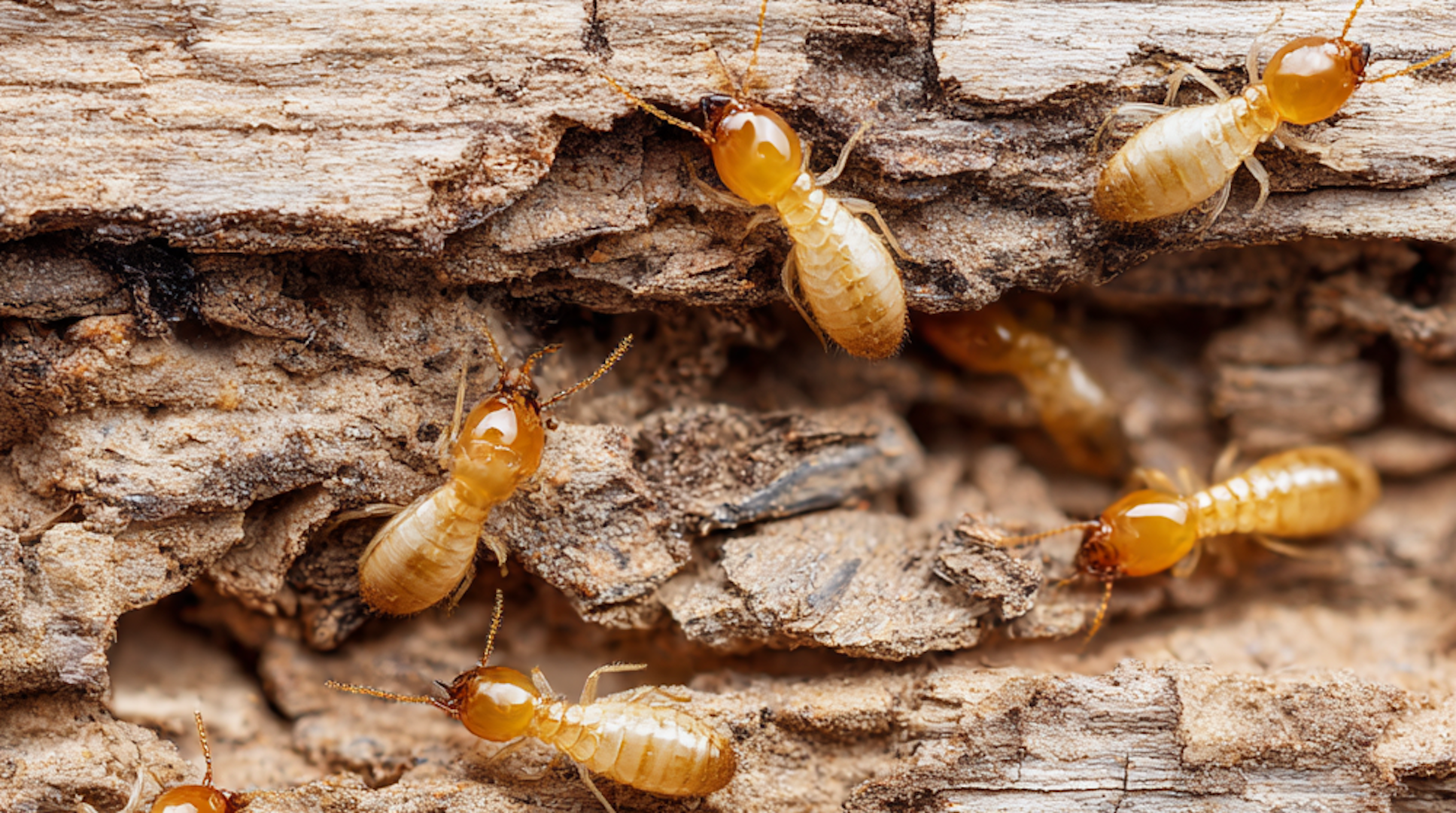
In rare cases, you might even spot them out in the open. They’re small, white insects that appear similar to ants.
Top 5 Termite Treatments Available in the Lehigh Valley
If you find signs of termites around your property, you must deal with them properly. How you do that depends on the extent of the infestation and the specifics of the damage. Below is a list of the top five treatment types available in Lehigh County.
1. Liquid Termiticides (e.g., Termidor®)
These treatments are slow-acting poisons applied around the foundation to create a long-lasting chemical barrier that kills termites. Foraging termites that are exposed to the chemicals will spread them to the rest of the colony, magnifying the treatment’s effectiveness.
2. Baiting Systems (e.g., Sentricon®)
These systems involve placing bait stations around the property, which attract termites. They work as an alternative to liquid termiticides, achieving similar goals.
The bait stations contain a slow-acting poison that termites bring back to the colony to better deal with the infestation. These are a more environmentally friendly solution to liquid termiticides, but don’t last as long.
3. Foam Treatments for Wall Voids
This is a form of treatment used to deal with termites in a targeted area, such as wall voids and even infested sections of wood. These are applied by drilling holes into the area of infestation and spraying the foam inside. The foam expands into the void, spreading termiticides into hard-to-reach areas and stopping them in their tracks.
4. Borate Wood Treatments
This liquid treatment can be applied directly to the wood of any structure to kill termites and prevent infestations. It can be used on studs behind walls during the building process and on any finished structure.
It can also be applied to non-wooden components like concrete slabs to keep mud tubes from forming.
5. Localized Spot Treatments or Heat
These small-scale treatments are used to deal with termites in a targeted area. Methods used can vary, with boric acid, liquid nitrogen, and heat being some common solutions used to kill termites in a small area. These are a great chemical-free or low-toxicity option for instances that don’t necessarily require drastic measures.
How to Choose a Licensed Termite Control Provider in the Lehigh Valley
While you can take matters into your own hands, calling for professional help is always a good move. Trained pest control providers can rely on experience and methods that not only deal with a termite infestation but also keep them from coming back.
They can also spot signs and damage from other pests that you may have missed. The only tricky part is picking the right termite control provider to work with in the first place.
Finding licensed pest control service providers is made easy with internet searches. It is important to look for more than just basic credentials, though. You always want to lean on customer reviews with testimonials of professional techs, good response time, and, most importantly, effective results.
Preventive Tips to Keep Termites Away After Treatment
Dealing with a termite infestation is one thing; preventing it from happening again is another. After treatment is applied, you’ll want to keep a few things in mind to keep termites from coming back.
Moisture attracts termites. It’s important to fix any leaky pipes or drainage issues around the property that can create issues.
It’s also wise to go around and make sure that there are no cracks or openings in the foundation that provide easy access to termites.
Another tip is to keep any wood piles at least 18 inches away from the foundation, regardless of the shape it’s in. Lastly, you should schedule or perform annual inspections to make sure termites haven’t returned, even if you’ve done everything correctly.
- Fix leaky pipes and drainage issues to eliminate moisture
- Seal cracks in foundations and around utility lines
- Keep wood piles and mulch at least 18 inches from your home
- Schedule annual termite inspections
By following these tips and working with a professional to monitor for termites you can ensure that termites don’t return to your property after an infestation has been eliminated.
FAQs
Is liquid termite treatment safe for pets and children?
They can be, but the proper precautions must be taken. Liquid termite treatment is toxic to humans and pets when wet. You need to avoid contact until it’s fully dried.
Can I treat termites myself, or do I need a professional in Lehigh County?
You can deal with termites yourself. However, you need to identify the extent of the infestation and use proper treatment throughout the property. Using professional services is always recommended, as professionals can rely on experience for effective treatment and lasting results.
How long does each type of termite treatment last?
Most termite treatments typically last from one to ten years. Borate wood treatments last roughly three years, localized Spot Treatments last up to five years, bait treatments last about seven years, and liquid termiticides can last as long as ten years. The exception is foam treatments, which last only a few weeks.


DIY vs. Professional Pest Control: Which Is Right for My Home?
As Pennsylvania residents, we like to pride ourselves on our DIY work ethic. When we detect a possible bug infestation, our initial reaction is to tackle the problem ourselves.
We might research different bug killers or ask the salesperson at our local hardware or home improvement store to recommend effective pest control products.
We buy a product based on a recommendation, read the instructions carefully before applying, and hope for the best.
In a perfect world, this method works every time. Unfortunately, the world in which we live is not perfect. Sometimes, stronger measures are needed to get rid of pests for good.
This is when it’s time to call a pest management professional. If you’re thinking about DIYing your pest control, think again. This guide will discuss the pros and cons of DIY vs. professional pest control so you can make an informed decision.
DIY vs. Professional Pest Control
When DIY Pest Control Is a Good Fit:
- You have a small, clearly identified infestation (e.g. ants, pantry pests, mosquitoes)
- You’re okay investing time in researching the correct products and application techniques
- You want to experiment with organic or low-toxicity products
When to Call a Professional:
- You’re dealing with a large infestation (termites, roaches, bed bugs), or it’s recurring or spreading
- Identification of the pest is unclear
- You prefer guaranteed results, safety, and minimal disruption
- You’re dealing with pests that require regulated handling or complex approaches
Why Shouldn’t You Do Your Own Pest Control?
When weighing the benefits and drawbacks of hiring a professional versus addressing your infestation problem yourself, keep these factors in mind:
1. Expense.
A powerful store product may be all you need to remedy a one-time, small ant infestation. In this instance, the cost of a store product outweighed the cost of professional pest control services. If you have a large-scale infestation or an aggressive type of pest (such as termites or cockroaches), the cost of hiring a pest control expert is worth it.
2. Expertise.
Pest control professionals have the skills, knowledge, and experience to identify the type of infestation in your home and how to best address it. As a homeowner, you may or may not have encountered pest infestations before.
If not, you must do your own research and due diligence to discover what type of pest has invaded your home and the best way to get rid of it. This takes time—a few hours, if not more. A pest control professional can sometimes figure out the problem and a solution in a matter of minutes.
3. Convenience.
You can apply your pest control product any time it is convenient for you. When working with a pest control expert, you have to schedule a time that works for both of you. Scheduling is something to consider when hiring an expert. Most have flexible scheduling and will work with your availability.
4. Effectiveness.
Thanks to their knowledge and experience, a pest control professional can determine the best, most effective treatment for a homeowner’s pest problem. A homeowner practicing DIY methods may need to try a few products before finding one that works.
A pest control professional can take care of the problem in only a few applications, with the right products, only one may be needed.
5. Risks.
Any time you use chemical pesticides, you are potentially putting the health of yourself, your family, pets, and even your houseplants at risk. You must understand the potential risks of each product you use, or the results can cause an allergic reaction or worse.
Pest control experts are well-versed in the active ingredients of each product they use. Or, the technician will use a natural product that is equally effective but less harsh to humans and pets.
Additionally, they are required to give you a complete list of the products they used and the ingredients of each, should someone in the home have a reaction. Homeowners appreciate this extra level of protection, and many would rather hire a professional than attempt to fix the problem themselves.

Preventative Pest Control
While DIY pest control is not recommended, especially in areas that experience as many seasonal shifts as Eastern Pennsylvania, proper prevention is still king when it comes to pest control. Here are some general tips to help you avoid pests.
- Seal cracks and entry points around doors, windows, and the foundation of your home.
- Keep your kitchen clean, store food in sealed containers, and don’t leave dirty dishes overnight.
- Reduce moisture by fixing leaks and using dehumidifiers in basements or crawlspaces.
- Keep outdoor areas tidy—trim back bushes, clean gutters, and store firewood away from the house.
- Empty garbage regularly and use bins with tight-fitting lids.
These small steps can significantly reduce the likelihood of an infestation and make any DIY or professional treatment more effective.
Are Professional Exterminators Worth the Money?
As we already stated, some pests are persistent and almost require the services of a pest control professional.
Termites require professional service, as failing to contain a termite infestation can result in massive financial damage to your property. In addition, cockroaches and bed bugs are among the most notoriously difficult insects to remove from a home.
Cockroaches are especially stubborn (there’s a reason the species has been around since the days of the dinosaurs!), but some DIY methods can be effective. You want a remediation method that is natural and will be safe for your family. You do your research and learn that boric acid is an effective way to get rid of roaches.
Despite several attempts at using this DIY method, the cockroaches persist. Concerned for your family’s welfare (and aware that cockroaches are known spreaders of disease and a big trigger for asthma sufferers), you decide to call a pest control expert.
The problem is solved in just one treatment, with a guarantee to return if the pest returns within a certain amount of time.
This is the power of professional pest control in Eastern Pennsylvania.
Struggling with a pest control problem and ready to call a professional? Contact The Pest Rangers below to discuss your issue today.
FAQs
Is DIY pest control effective?
DIY methods can be effective for small, manageable pest problems like ants, spiders, or fruit flies. However, large infestations or certain pests (like termites and bed bugs) usually require professional attention.
Are store-bought pesticides safe?
Some are, but misuse or overuse can lead to health risks for humans and pets. Always read and follow label instructions carefully. Professional-grade products are often stronger but used with more precision.
How often should I schedule professional pest control?
For most homes, quarterly pest control visits are sufficient for prevention. Homes in high-risk areas or with ongoing pest activity may benefit from monthly services.

Gypsy Moth Infestation in NEPA: 7 Tips for Prevention
Also known as the Spongy Moth, the Gypsy Moth is a destructive pest that awakens every summer and wreaks havoc on trees all across Eastern Pennsylvania.
You can spot these pesky creatures overwhelming various tree species across our great state in their caterpillar form, where they are most destructive.
Gypsy moths are a widespread pest that has infested Luzerne and Lackawanna Counties since 1933 and has since spread south and westward to Lehigh and Montgomery Counties.
Though these moths may seem harmless, this invasive species has had devastating effects on our foliage.
If you suspect you may have gypsy moths on your property, here are a few things you should know about gypsy moth control to protect yourself and your property.

What Are Gypsy Moths?
Gypsy moths, scientifically known as Lymantria dispar, are invasive insects originally brought to Massachusetts in 1869 to explore their potential for silk production. Since then, they’ve become one of the most destructive pests in the eastern United States.
These moths pose a serious threat to hardwood trees like oak, birch, and maple. One female gypsy moth can lay a single egg mass containing 400–600 eggs, and they’re not picky about where they lay them; tree trunks, patio furniture, vehicles, and even house siding are all fair game.
When the eggs hatch, the caterpillars emerge in large numbers and quickly strip leaves from trees, weakening them and leaving them vulnerable to disease and other pests.
While birds and small mammals feed on gypsy moths, these natural predators are not enough to control outbreaks. As a result, gypsy moth populations continue to grow, causing extensive environmental damage each year.
Why Are Gypsy Moths Dangerous?
Since 1869, gypsy moths have defoliated a million or more forest areas annually. On a smaller scale, they can cause extensive damage to backyards and urban areas, destroying foliage that might have been standing for decades on your property.
Additionally, the sheer scale at which gypsy moths can reproduce can make an excursion to your backyard uncomfortable when there are literally hundreds of caterpillars climbing amidst the trees.
What Do Gypsy Moths Look Like
Identifying gypsy moths is easiest during their caterpillar stage when they emerge in huge numbers, which is also when they do the most damage. Here are some ways to spot a gypsy moth in person.
- Caterpillars grow up to 2 inches long and are covered in hairs.
- They have a distinctive pattern of five pairs of blue dots followed by six pairs of red dots running down their backs.
- Male moths are gray-brown with feathery antennae and can fly.
- Female moths are larger, creamy white in color, with dark, wavy markings on their wings. Though they have wings, they cannot fly.
- Egg masses are fuzzy, tan or light brown, and about the size of a quarter. They’re often found on flat surfaces such as tree bark, outdoor furniture, fences, and even vehicles.
How to Identify Gypsy Moth Damage
The most obvious sign of gypsy moth damage is defoliation: trees that are suddenly bare of leaves during spring or early summer. Other signs that your trees have been destroyed by gypsy moths include:
- Skeletonized leaves, where only the veins remain
- Brown or scorched-looking foliage mid-season
- Silken threads hanging from trees or branches
- Dark droppings (frass) under affected trees
- Clusters of egg masses on trees, furniture, or building exteriors
Heavily infested trees may look completely dead by early summer but could regrow foliage later in the season. However, repeated defoliation over several years often kills the tree.
7 Ways to Prevent Gypsy Moths
If you want to keep gypsy moths from destroying your backyard and taking over your property, here are seven preventative pest control tips.
1. Keep your Lawn Clean.
Gypsy moths like to lay their eggs on multiple surfaces. Aside from susceptible host trees, they will house themselves in debris, on stumps, and other unused items. If it is a flat surface, gypsy moths will lay their eggs on it. The best way to keep them from getting cozy is to keep your yard clear of enticing areas.
2. Keep An Eye Out For Egg Masses In Your Yard.
Though it’s important to remain vigilant when keeping pests out, removing everything from your backyard is impossible. The next best thing is to keep on the lookout for egg masses. Check woodpiles, stone walls, and lawn furniture often. Should you spot egg masses, scrape them off carefully and douse them with boiling water. It’s not enough to just remove them. Also, be cautious when removing them; make sure they do not touch your skin.
3. Check Your Car
So, you’ve been keeping an eye on your yard and you haven’t spotted one gypsy moth mass. There are other areas you may not have considered. Believe it or not, egg masses can be found in your car. Also, check your house siding, sheds, or other structures. Remove the egg masses in the same way as described above to put an end to them.
4. Plant Different Trees
Another way to discourage gypsy moths from invading your property is to plant trees they are less likely to go for. These invasive species prefer hardwood. The best alternative would be to plant other trees, such as ash, locus, dogwood, sycamore, balsam fir, and mountain laurel.
5. Minimize Contact
Should you have to deal with this unfortunate pest, be very careful. Many people are allergic to gypsy moths and touching them can cause a serious reaction.
If you are experiencing an infestation, be sure to wear long sleeves when leaving the house and take steps to dry your clothes inside. Additionally, wear gloves when handling them. Should you come into contact with them, use the proper ointments like Cortisone to stop the reaction.
6. Rely On Birds, Wildlife, And Natural Causes
Let’s be clear – you don’t want to replace one pest with another. However, encouraging natural predators is a good way to keep this invasive species away, and they can be naturally exterminated.
Also, though we have no control over it, a naturally occurring virus called ‘wilt’ and a fungal pathogen called entomophaga maimaiga, are causing the collapse of heavy infestations. These have had a great effect on the fight against this invasive species.
7. Call An Exterminator
When it comes down to it, a major infestation can be difficult to deal with. While chemical insecticides do exist that can kill gypsy moths, they can cause harm to other plants and wildlife as well.
If you are faced with an invasive species problem, consider contacting a pest control expert to oversee and handle the issue quickly and with little harm to other plants and animals.
Gypsy moths are not only a danger to your home and family; they are destroying our native foliage. Take the proper steps to safeguard against this invasive species and keep them from your property.
FAQs
When do gypsy moths typically hatch?
Gypsy moth eggs hatch in early to mid-spring, typically around April or May, depending on local temperatures. The caterpillars then begin feeding immediately.
Can gypsy moth caterpillars harm humans?
Yes, the hairs on gypsy moth caterpillars can cause skin irritation, rashes, and in some cases, respiratory issues, especially for people with allergies or asthma. Avoid touching them with your bare hands.
How fast can a gypsy moth infestation grow?
Very quickly. A single female can lay up to 600 eggs, and if even a few survive, populations can explode the following season.
Do gypsy moths prefer certain trees?
Yes, they prefer hardwoods like oak, maple, birch, and poplar. Repeated feeding on these trees can lead to serious decline and death if not addressed.

Mosquitoes and the Triple E Threat in Eastern PA: What to Know
Mosquitoes are known as the most dangerous insects in the world. While their bite may seem like an itchy annoyance, these warm-weather-loving pests can leave more than just a little red bump.
Mosquitoes are known to transmit serious diseases, such as West Nile, Malaria, and Yellow Fever, even in remote Eastern Pennsylvania, especially among the low-lying valleys near Allentown, Scranton, and Wilkes-Barre.
A recent outbreak of Eastern Equine Encephalitis has been circulating nationwide, which has alerted many state authorities. The best way to protect you and your family is to prevent it. Here’s what you need to know about the Triple E threat.
What is Eastern Equine Encephalitis?
Triple E is a virus that attacks the brain and spinal cord of its victim, the results of which can be deadly. However, most people infected with Triple E will not experience symptoms.
Those who do feel the effects of the disease will encounter flu-like symptoms within the first few days. Once inside, the virus replicates and travels through the bloodstream.
Unfortunately, about 5% of people may develop a rare infection that could turn deadly if the virus crosses the brain-blood barrier. This results in the most severe symptoms: swelling and inflammation of the brain. This severe case is encephalitis.
Though people rarely contract it, it can have fatal results. 30% of people who contract the serious form of Triple E will die or experience neurological problems permanently.
How Triple E Transmitted?
People can contract Eastern Equine Encephalitis from being bitten by an infected female mosquito. Marsh lovers by nature, these biting pests contract this deadly disease from infected birds that live in the surrounding area.
This virus can be spread through these deadly little pests to other mammals, including horses. While other animals are affected, the most profound impact has been seen with humans and horses.
These infected mosquitoes are commonly found on the Gulf Coast. Reported cases have sprouted across the coast in some of the following states: Florida, Massachusetts, New York, North Carolina, Georgia, and Pennsylvania. The height of the danger is between the late spring and early fall, when mosquito populations are most prominent.
Is Triple E Contagious?
Fortunately, Triple E cannot be passed through physical contact from person to person. It can’t be spread from animals to people or even animals to animals. The only way to spread this deadly virus is through the bloodstream or through an infected mosquito.
What Are The Symptoms of Triple E?
Not everyone bitten by a mosquito infected with the Triple E virus will show signs of illness. But for those who do, symptoms can progress rapidly and may be life-threatening.
The disease often begins with flu-like symptoms but can quickly evolve into a dangerous brain infection in more severe cases.
Common symptoms include:
- Sudden high fever
- Chills
- Muscle aches and joint pain
- Symptoms resembling the flu (lasting up to two weeks)
In severe cases, symptoms can worsen to include:
- Confusion
- Excessive drowsiness
- Severe headaches
- Signs of brain infection (encephalitis)
- Coma
- Death
Long-term effects for survivors of severe infection:
- Permanent brain damage
- Intellectual impairment
- Paralysis
- Personality changes or disorders
In most mild cases, individuals may recover after about two weeks of flu-like symptoms. However, the severe form of Triple E is far more dangerous and often begins just four days after the initial symptoms, as the virus begins to affect the brain.
Tragically, one in three people who develop severe Eastern Equine Encephalitis die within ten days. Even those who survive may suffer lifelong neurological damage, significantly altering their quality of life.
Currently, there is no vaccine to prevent Triple E in humans, making mosquito bite prevention critical, especially during peak mosquito season.
Is Triple E Found In Pennsylvania?
Fortunately, triple E is incredibly rare in Pennsylvania, with only 2 cases reported since 1964. Nevertheless, it is still possible to get triple E and other diseases that mosquitoes carry, such as West Nile and Malaria.
How Can I Avoid Triple E?
While Triple E and other serious mosquito-related diseases may be rare, it’s still important to practice proper prevention to avoid the risk altogether.
Here are some tips to follow to avoid mosquito-transmitted illnesses.
- Seal and Repair Everything: Keep mosquitoes out of your home by performing regular maintenance on your property. Make sure pests stay out by not letting them in in the first place. Repair any holes in screens and windows. Seal up cracks and potential entryways.
- Don’t Stand for Standing Water: Mosquitoes rely on stagnant pools of water to breed and lay their eggs. Be mindful of areas in your yard that may gather water: gutters, birdbaths, lawn equipment, tarps, etc. Do regular checks around your property and be sure there is no place for these little pests to settle down.
- Keep Your Yard Clean: Mosquitoes thrive in marshy, overgrown areas like stagnant water. Keep your yard trim, cut your grass and shrubs often, and don’t let your overgrowth get out of control.
- Limit Outdoor Activities During Peak Times: Mosquitoes are most active between dusk and dawn. So, the best way to avoid these pests is to stay inside. Limit your outdoor activity during these peak times, and you’ll avoid contracting this deadly virus.
- Keep Skin Covered: If you can’t avoid heading outdoors during peak times, or you just want to protect yourself whenever you leave the house, just keep yourself covered. Long sleeves, pants, socks, and shoes can effectively keep you safe from mosquito bites. Keep in mind that mosquitoes are capable of biting through thin clothing. Be sure to select the best clothes when you leave the house for the day.
- Use Protective Spray: A good way to stay safe and enjoy the outdoors is to use insect repellent, particularly one with DEET, picaridin, or oil of lemon or eucalyptus. If you want to go a step further, you can apply permethrin to your clothes.
- Treat Your Yard: If your mosquito problem is constant, consider having a pest control expert spray your yard. Effective treatments can keep your family safe and keep mosquitoes out of your life.
As small as they are, mosquitoes can cause deadly problems for Pennsylvania homeowners. Be sure to keep yourself safe and take the necessary precautions throughout the year. Avoid the Triple E threat and keep these pests away from your home for good.
FAQs
How soon do symptoms appear after being bitten?
Symptoms of Triple E usually develop 4 to 10 days after the bite of an infected mosquito. At first, they often resemble the flu—sudden fever, chills, and body aches—but in some cases, the illness can quickly progress to more serious neurological symptoms.
Can Triple E be treated?
There is no specific antiviral treatment for Triple E. Instead, medical care is supportive, focusing on relieving symptoms and managing complications. In severe cases, hospitalization may be needed to address swelling of the brain and other critical symptoms.
Is Triple E fatal?
Unfortunately, yes. Around one in three people who develop the severe form of Triple E, involving the brain, die within 10 days of symptom onset. Survivors often face long-term effects, including brain damage, intellectual impairment, and other serious neurological problems.
Who is most at risk?
People over the age of 50 and young children are at the highest risk for developing severe illness from Triple E. However, anyone bitten by an infected mosquito can potentially become seriously ill, even if they are otherwise healthy.
How to Stop Ants in Your NEPA Home Before They Take Over: 9 Tips
Ants at a picnic are bad. But ants marching through your kitchen? Even worse.
Spotting one might not seem like a big deal, but where there’s one, there’s usually an army. These colony-loving pests don’t waste time. Without the right prevention, they can take over your home faster than you think.
There are several types of ants in Northeast Pennsylvania, but they all share the common attraction to sugar, food scraps, and waste, which inevitably draws them to kitchens.
While it is recommended that you contact an ant control expert for overwhelming invasions, homeowners can also take several DIY measures to stop ants in their tracks.
Here are nine ways to stop ants in your house and signs that it may be time to call in for backup from your trusted exterminator.
Common Types of Ants in Northeast Pennsylvania
While all ants may look similar at first glance, not all ant infestations are created equal. In Northeast Pennsylvania, a few species are more likely to invade homes and cause trouble:
- Carpenter Ants: These large, black ants are particularly destructive, tunneling through wood to build their nests. Over time, they can cause significant structural damage.
- Odorous House Ants: Named for the foul smell they emit when crushed, these small brown ants are drawn to sweet foods and commonly invade kitchens.
- Pavement Ants: Often found nesting under concrete, sidewalks, or foundations, these ants can invade homes in search of food and shelter, quickly overwhelming you.
- Pharaoh Ants: Small and yellowish, these ants are known for forming massive colonies and are difficult to eliminate without professional help.
There are several additional species of ants, from small black ants to large black ants that can form massive colonies inside your walls or foundation and make their way into your kitchen.
What Attracts Ants to Homes
Ants are constantly on the hunt for three basic essentials: food, water, and shelter. Even the tiniest crumbs or a leaky pipe can attract an entire colony if not controlled in time. Here are the most common attractants of ants to NEPA homes:
- Accessible Food: Sugary substances, crumbs, grease, pet food, and even trash can lure ants indoors.
- Moisture: Leaky pipes, standing water, wet sponges, and plant trays offer ants the hydration they need.
- Warmth and Shelter: During cooler months or heavy rain, ants may seek refuge inside your walls, baseboards, and floors.
- Clutter: Excess clutter in garages, basements, or yards can give ants ideal nesting spots.
The more attractive your home is to ants, the more likely they will move in. Once inside, you may find that getting rid of ants is much harder than you think.
9 Easy Tips to Stop Ants in Your Home
The key to getting rid of ants is stopping them before they come in. While baits and traps may help reduce the number of ants inside your home, they may stop a colony altogether. Therefore, prevention is always the best practice when dealing with common ants in NEPA.
1. Close off Entry Points
The best way to stop an ant invasion is by keeping them out of your home at the start. Perform regular maintenance on your home by checking for any possible entryways for any manner of pest.
Windows, foundation, doors, and vents are all easy access points that ants can easily sneak through. Seal any cracks or holes with a screen or caulking. If you’ve already found ants inside your home, play detective.
Follow their trail to their entry point; see where they are getting in so you can repair it and keep them out.
2. Close the Buffet
Ants usually stick around when they’ve discovered a good food source. Of course, that could mean your pantry. Don’t give them a reason to stick around. Keep your food sealed in containers and put it away.
When you serve meals, keep them in one area of the house and clean them thoroughly after meals. Don’t leave food out; this includes pet food and waste bins.
While you don’t need to take the garbage out every night, you should have it in a sealed container. If the ants can’t find food, they won’t return.
3. Tidy Up
In addition to keeping food put away, if you want ants gone, keeping the house as tidy as possible is a good idea. Even at our best, leaving some crumbs behind after meals is still possible.
Get into the habit of cleaning regularly and vacuuming to keep residue at a minimum. Appliances can often have leftover bits hiding on or under them; sometimes, those open snack bags can leave a little behind.
Clean under and around these spots frequently, as the tiniest bit of food could serve as a treat for a colony.
4. Watch the Water
Much like food, ants need a water source, and leaking pipes are perfect for ants. Of course, your pipes aren’t the only place these pests are searching.
Any wet towels, rags, or sponges left out can be prime sources of water. Pet dishes and appliance drip trays are also unexpected water sources.
If you want to keep ants out, dry these areas and clear up any watering holes for these unwanted guests.
5. Tidy up the Yard
If you want to keep ants out of your home, make sure they aren’t lurking around on the outside either. Ensure your trash is covered and eliminate any stagnant water, especially near the house or in gutters.
Maintain your yard by keeping the overgrowth under control and the grass cut. If you have wood, keep it stored at least 20 feet away from the house. A clean yard is less enticing for ant invaders.
6. Set Ant Baits
If ants have made their way inside, don’t worry just yet. You can stop this invasion at the source using ant bait. Ant baits are an effective way to get rid of your ant problem while keeping your house clean and spray-free.
With ant baits, the exploring ants will enter the trap, take the food and bring it back to the colony. Little do these pests know, the food is a poison meant to wipe out the entire colony.
All you need to do is place it where the ants will find it and you don’t have to worry about handling any chemicals at all.
7. Natural Remedies
If you want to avoid traps altogether, you can try a more natural approach with diatomaceous earth. This effective powder can be sprinkled on your window or any other entryway where ants may lurk.
This will dry out the insect’s exoskeleton, and it will die. While this may take care of any ants trying to enter your home, it won’t kill the colony.
8. Make the Trail Vanish
Once an ant has entered, it will leave a trail of pheromones so that it may return easily to raid your pantry. Unfortunately, this trail isn’t something that you can see easily; regardless, you need to get rid of the trail to keep these little pests from coming back.
Use strong-smelling products like vinegar to clean your home, especially in areas where you see ants congregating. While the vinegar won’t kill ants, the smell will deter them.
9. Take the Fight Outdoors
If you’ve spotted quite a few ant nests around your property, you may want to take precautions to stop them from getting into your home. An easy way to eliminate them is by boiling water and pouring it on the anthill.
This will not only kill ants, but it will also collapse the colony. The bigger the anthill, the more water you need to use. Just be careful when doing so.
Calling in Reinforcements
Spotting one or two ants should warrant a visit from the exterminator, especially when these simple tips can help stop the problem before it starts. However, your ant problem is much larger than you anticipated.
Depending on the type of ant, your home could experience significant damage, especially with carpenter ants. You don’t have to go it alone. A trusted pest control expert can help you put an end to your pest problem.
FAQs
Are ants dangerous?
While most ants are a nuisance, some, like carpenter ants, can cause structural damage. Others, like pharaoh ants, can contaminate food and spread bacteria.
Do natural remedies really work for ants?
Natural remedies like vinegar, diatomaceous earth, and essential oils can help deter ants or kill a few, but they rarely eliminate the entire colony.
When should I call a pest control professional?
If you see frequent ant activity, can’t locate or eliminate the nest, or suspect carpenter ants, it’s time to call a professional.
FDA Food Safety Modernization Act: 7 Must-Follow Rules
Food safety is paramount for our livelihood. We all eat, but until 2011, we experienced the concerning effects of poor food regulation in our country, especially here in Pennsylvania.
The Food Safety Modernization Act (FSMA) was passed on Jan. 4, 2011, to help improve food safety and prevent the dangers consumers faced for years. And yes—pests are a huge part of this, from rats to flies (yuck!).
The new FDA mandate focuses on higher standards for food safety and better practices for imported and domestic foods.
Here’s a breakdown of the FSMA and what it means for businesses in Eastern Pennsylvania.

What is the FDA Food Safety Modernization Act (FSMA)?
The FDA-mandated legislation, the Food Safety Modernization Act (FSMA), is essentially a safety system put in place to prevent foodborne illness.
Since the introduction of this law, there have been dramatic changes to the global food system, focusing on preventing and researching preventable foodborne illnesses.
The FSMA was put in place to ensure the safety of the US food supply and identify any issues.
The goal is to tackle any public health issues and threats to economic well-being. This includes having mandatory recall authority, frequent inspections, and strict guidelines regarding the food industry.
7 FSMA Guidelines Food Handlers Should Know
There are seven safety guidelines to follow in the FSMA. These rules establish strict regulation of all food practices from the farm to the fork. The FDA carefully mandates each rule, and all are crucial to our safety.
Rules 1 & 2: Preventative Controls for Human Food and Animals
This rule establishes requirements for any establishment to analyze food safety and hazard analysis.
While the Preventative Controls for Animal Food monitors animal feed and recall plans, the human version has more requirements.
Establishments must have a written safety plan, hazard analysis, preventive controls, monitoring, corrective actions and corrections, verification, supply-chain program, recall plan, and associated records. Every detail must be filed away and should be produced on short notice.
What this rule does is establish that food is created under ideal conditions, and if there is any issue, the item can be recalled efficiently.
Rule 3: Product Safety Standards
This rule is a science-based minimum standard for the safe growing, harvesting, packing, and holding of fruits and vegetables grown for consumption.
Simply put, this rule ensures that your produce is cultivated in the best possible conditions and is safe for consumption when it hits your table.
The rule requirements focus on agriculture, irrigation, soil, domestic and wild animals, worker training, health and hygiene, and the equipment and facilities.
Rule 4: Foreign Supplier Verification
Rule 4 applies to risk factors involving foods imported to the United States. All food imported into the US must meet US safety standards.
All groups involved in the transport of imported goods are held accountable: industry, consumer groups, agencies, including federal, state, local, tribal, and international counterparts, academia, and other stakeholders. If it doesn’t meet the standards, it will not be allowed.
Rule 5: Accreditation of Third-Party Auditors
This rule allows third-party auditors to conduct food safety audits and issue certifications of foreign facilities and foods for humans and animals they produce.
In short, you can apply for accreditation through the FDA for review to sell your product. The FDA intends to keep any potentially harmful food from reaching the US.
Rule 6: Sanitary Transport of Food & Feed
The Sanitary Transport of Food & Feed rule monitors food transportation’s sanitary conditions to ensure the conditions are safe and that the equipment and criteria are up-to-code with practices, training, and record-keeping. This includes cross-contamination in facilities that manufacture products with allergens.
Rule 7: Mitigation Strategies to Protect Food Against Intentional Adulteration
This final rule is put in place to protect against any intentional act meant to cause widespread harm to the public. Whether this involves foreign interference or hazards within registered food facilities, this rule was put in place to defend against food hazards on a larger scale.
Pest Control and the FSMA
Commercial pest control is a critical component of food safety under the Food Safety Modernization Act, which prioritizes the prevention of contamination in food production and handling facilities. Pests such as rodents, insects, and birds can carry harmful bacteria, viruses, and allergens that pose serious health risks.
Under FSMA, food facilities are required to implement proactive pest management as part of their food safety plans to reduce the risk of contamination. In Pittsburgh, a beloved local bakery was shut down because of the presence of rodent droppings that violated the FSMA.
Effective pest control not only helps maintain compliance with federal regulations but also protects consumers and preserves the integrity of the food supply chain.
The Importance of the FSMA for Regulating Food Quality
To put it plainly, everyone eats. The goal of these rules and regulations is to ensure that the food on your plate is safe for you to consume. These regulations are put forth to stop poor sanitation conditions and prevent food contamination.
It maintains good practices from daily maintenance, like washing hands, to the ingredients printed clearly on the packaging. It protects us from possible allergens, toxins, and diseases that may stem from our food. While the system isn’t perfect, it is moving in the right direction.
FAQs
What pests are most concerning for food safety?
Rodents, flies, cockroaches, and stored-product pests (like beetles and moths) are top concerns because they can carry bacteria, contaminate food, and damage packaging.
How often should food facilities schedule pest control services?
It depends on the facility’s risk level, but most require monthly or bi-monthly service to stay compliant and catch issues early.
What is Integrated Pest Management (IPM)?
IPM is a science-based, sustainable approach to pest control that focuses on prevention, monitoring, and control with minimal risk to people and the environment.

Top 10 Summer Insects in Pennsylvania & What To Do About Them
Summer in Pennsylvania is an exciting time of year when we are greeted with warm weather, longer days, and more outdoor activity. Unfortunately, fair weather is also prime time for insects that come out of hibernation searching for food, shelter, and water.
As we venture outside to make the most of this time of year, many pests can make our backyards a nightmare. Fortunately, there are solutions available, including our Home Protection Plans, which defend against over a dozen common species of pests in Eastern Pennsylvania.
With that said, here are the ten most common summer insects in Pennsylvania and some summer pest control tips to keep them at bay.

1. Ticks
These nasty, blood-sucking parasites can pop up anywhere. Ticks are commonly found in areas with thick foliage, high grass, or even in grass clippings. You don’t have to go hiking in the deep woods to spot ticks either. They can be found as close as your backyard.
Not only can their bites leave painful swelling, but ticks also carry dangerous diseases like Lyme and Rocky Mountain Spotted Fever.
The best way to deal with ticks is to keep your yard clear; ticks are drawn to overgrowth. If you are heading outdoors, wear repellent with DEET to keep these parasites off. It’s also a good idea to wear long sleeves and pants if you plan on going into the deep woods.
Always check your body for ticks after hikes or outdoor activities. If you should find a tick on you, a loved one, or a pet, you should remove it immediately.
For a longer-term solution, consider a yard barrier spray that can keep ticks and mosquitoes away for the summer months.
2. Termites
While termites are active year-round, warm, humid summer weather is prime time for swarming activity. Swarms often occur after rain and can indicate a nearby colony.
Termites feed on cellulose-based materials, including wood, cardboard, and paper, and can cause serious structural damage if left untreated.
To prevent termites, remove wood debris from around your home, keep mulch at least a foot away from your foundation, and fix leaks that create moisture. Regular inspections can also catch termite activity early before major damage occurs, but the only sure solution is a termite bait station.
3. Mosquitoes
These nasty biting insects are the deadliest pests. Not only do they leave itchy welts after they bite, but they also spread dangerous diseases like West Nile, Zika, dengue, and yellow fever, among others. Mosquitoes can also spread heartworm to domesticated dogs.
To keep your home mosquito-free, take steps to stop your yard from becoming overgrown and remove any standing water. Mosquitoes breed in standing water so removing any leftover after a rainstorm is critical to your defense.
4. Spiders
Many different spiders are out and about during the summer in search of other insects. While most are harmless, some can be very dangerous, like the brown recluse.
Generally, they stay away from humans and are beneficial for killing pests. But they can be found in gardens and on lawns.
Plus, you’re more likely to run into some, including the deadliest variety, if you are outside. The best way to avoid these insects is by keeping your yard clear and using caution when gardening.
5. Ants
Ants are very active during the summer. These insects can be troublesome based on their sheer numbers.
Ants can form colonies in dirt mounds, dead or dying trees, and plenty of other areas, taking over your garden or yard. Additionally, they can find ways inside through little cracks and holes.
They can become “ants at a picnic,” and sometimes that picnic is in your pantry. A simple way to stop an ant invasion is to spray them with soapy water. This will eventually kill them, and they can simply be vacuumed up.
6. Cockroaches
Cockroaches love heat and humidity, which makes summer their favorite season. These pests are more than just creepy; they can spread bacteria and allergens that trigger asthma and other health issues. You might spot them near drains, under sinks, or in basements.
To keep them out, seal cracks around your home, fix leaky pipes, and keep food sealed and trash taken out. If you spot more than one roach, it could indicate a larger infestation that needs professional attention.
7. Bed Bugs
Travel is more popular during the summer, which means you may be more likely to encounter bed bugs. Be sure to check your hotel rooms, luggage, and clothes should you take a trip. Before returning home, if possible, run your clothes through the dryer on high heat to kill off any potential bed bug stowaways.
8. Ladybugs or Asian Lady Beetles
Ladybugs can actually be helpful insects when they stick to your garden. They feast on all manner of garden pests and are generally harmless.
The real pest is the Asian Lady Beetle. This invasive species looks very similar to the ladybug, but they can be much more of a nuisance should they find their way inside.
Often, they are called “overwinter pests,” and they hatch during the warmer months, swarming inside your home. An easy way to get rid of these nasty-smelling imposters is by sucking them up with a vacuum and relocating them far from your home.
9. Centipedes and Millipedes
These creepy crawlers are known biters. They both carry venom that can be toxic or harmful to anyone with venom sensitivities.
Typically found in damp, cool areas, these insects won’t usually make themselves known to humans. They also tend to be more active at night. The best way to deal with these pests is by keeping your home dry. Run a dehumidifier in rooms with excessive moisture. Also, get rid of any potential hiding spots.
10. Stinging Insects
Bees, wasps, hornets, and yellow jackets are all part of the stinging insect family. While these insects tend to leave humans alone, they build their nests out of sight and are territorial. Most stinging insects will get aggressive and attack.
The first step to treating this issue is locating the nest. The problem that comes with removing them is knowing whether you’ve found a bee’s nest or some other nasty insects.
Bees are essential pollinators and should be removed by a beekeeper. If you don’t have bees, you might have a more aggressive stinging insect. If you want to avoid being stung, this may be a job for a pest control expert.
Summer Pest Control Tips: Preventive Measures
Don’t let insects crash your summer fun. The key to staying pest-free is prevention. Here are a few tips to keep your home and yard protected all season long:
- Eliminate standing water: Mosquitoes and gnats love stagnant water. Empty planters, buckets, and birdbaths regularly.
- Trim back overgrowth: Tall grass, weeds, and dense shrubs create hiding spots for ticks, spiders, and other pests.
- Seal up entry points: Inspect windows, doors, and your home’s foundation for cracks and gaps. Seal them to block unwanted visitors.
- Store food properly: Ants, roaches, and flies are all drawn to open food and crumbs. Keep indoor and outdoor dining areas clean.
- Schedule regular pest inspections: A pest control professional can spot the signs of infestations early and offer safe, effective treatments.
This summer, protect your yard and home. Take the proper steps to keep your yard clean and cared for to avoid any possible infestations.
Be sure to protect your property by sealing any openings or cracks and ensuring that unwanted invaders don’t ruin your summer.
If you are having trouble dealing with nuisance insects, contact a pest control expert today.
FAQs
What insects are most active during summer in Pennsylvania?
Common summer pests include mosquitoes, ticks, ants, termites, wasps, spiders, and cockroaches. Each thrives in warm, humid conditions and may become more visible in backyards, gardens, and even inside homes.
How can I prevent mosquito bites during summer?
Wear light-colored clothing, apply insect repellent with DEET, and avoid being outside during dawn and dusk when mosquitoes are most active. Eliminate standing water around your home where they breed.
When should I call a pest control professional?
If DIY solutions aren’t working, or if you suspect a larger infestation—especially with termites, bed bugs, or aggressive stinging insects—it’s time to contact a licensed pest control expert.
How to Get Rid of Bees Without Killing Them in Allentown
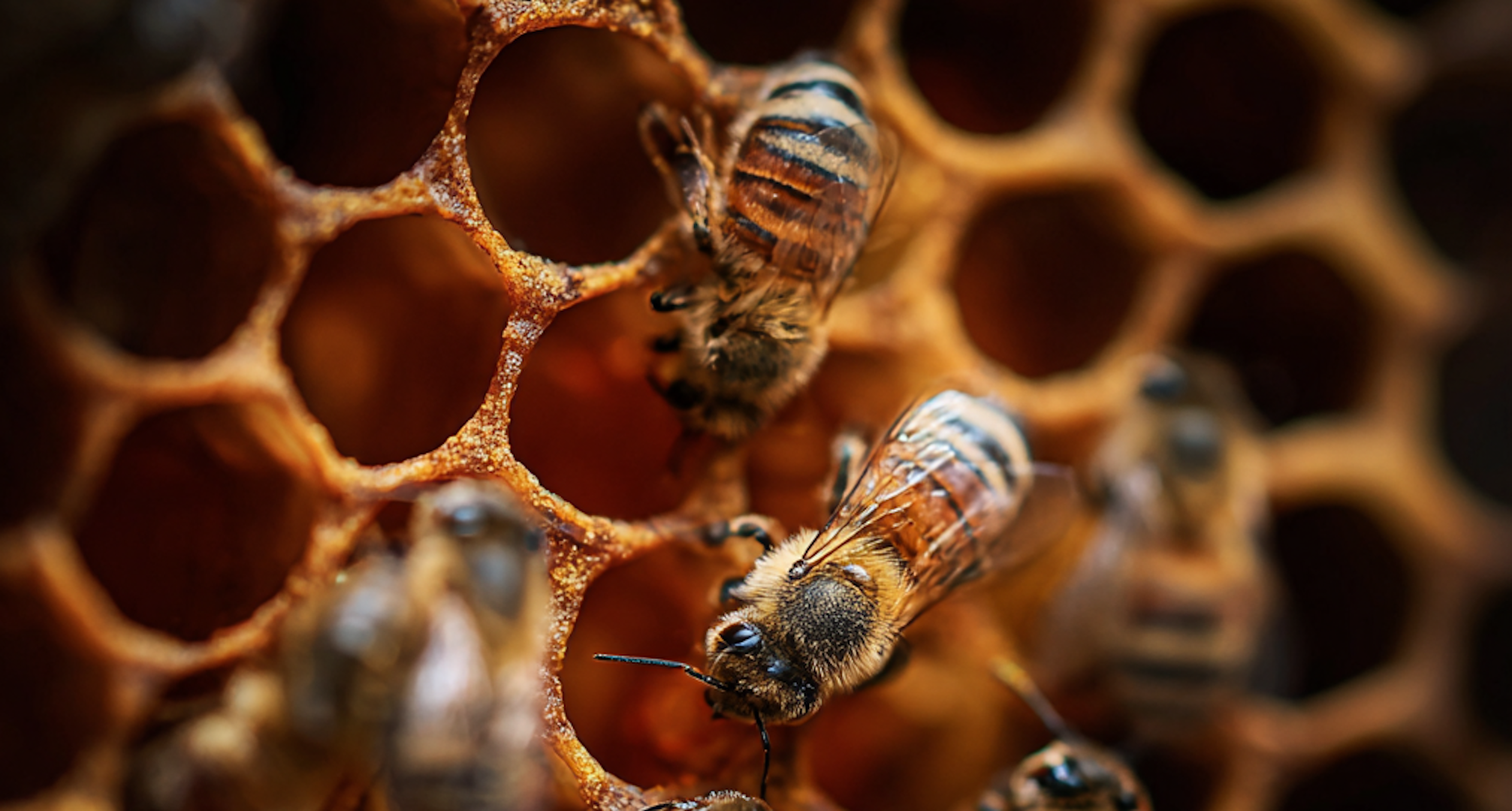
Bees are a regular presence during the summer months, especially if you’re someone who spends a lot of time outdoors. While many people fear wasps and hornets due to their more aggressive nature and ability to sting and swarm, bees are generally more docile and less threatening to humans.
Most people hardly bat an eye when a chubby bumble bee buzzes by, and their presence is usually a sign that summer has officially arrived.
However, a large bee presence on your property can become a nuisance, especially if you start seeing ground bees, or it can affect your quality of life.
If you’re currently dealing with a bee population on your Allentown property, here is everything you need to know to get rid of these important pollinators without killing them.
Laws and Regulations on Bee Removal in Pennsylvania
The Pennsylvania Bee Law is a law that was enacted in 1921 to protect honeybees from diseases that can cause economic harm to the beekeeping industry.
This law requires all apiaries in the state to be registered and regulates the movement of bees and queens to prevent disease outbreaks.
While the law does not specifically address bee removal, the state may take certain actions to remove bees or relocate colonies in the event of a disease outbreak.
Understanding the Importance of Bees
Bees are some of our most important pollinators, as a significant portion of the world’s food supply depends on them. Crops like berries, apples, and even coffee all rely on bee pollination to thrive, making bees crucial to our ecosystem.
In addition to this, bees also produce honey, which is a valuable resource and can even be used for medicinal purposes.
Unfortunately, bee populations have been declining at an alarming rate due to a variety of factors, including habitat loss, pesticide use, disease, and climate change. This decline poses a serious threat not just to the bees themselves, but also to global food security and biodiversity.
Without sufficient pollination, many crops would see reduced yields, leading to higher food prices and fewer nutritious food options.
Common Types of Bees Found in Allentown
- Honey Bees: Known for producing honey and living in large, highly organized colonies. They are critical pollinators for many crops and flowers.
- Bumble Bees: Larger, fuzzy bees that are excellent pollinators and often nest in the ground or hidden cavities.
- Carpenter Bees: Often mistaken for bumble bees, these solitary bees burrow into wood to create nests.
- Mason Bees: Solitary bees that nest in holes or cracks and are highly efficient at pollinating fruits and vegetables.
Note: While wasps and hornets may look similar and belong to the same order (Hymenoptera), they are not bees and behave quite differently.
Why Bees Might Be Attracted to Your Property
The main reason bees may be attracted to your property is for food and shelter. If you have a lot of flowers or flowering plants on your property, you are more likely to encounter bees, as they rely on these flowers for nectar and pollen.
Bees are also attracted to sugar and sweet drinks, so they are more likely to linger around if you have opened food containers or drinks outside.
Identifying the Location and Type of Bee Activity
When it comes to trying to identify the location and type of bee activity on your property, try to keep track of where the bees are coming from or traveling to.
If you notice bees gathering around a specific spot, such as a corner underneath your deck or a hole in your home’s exterior, there is a good chance that it is where the colony is located.
5 Natural and Non-Lethal Bee Removal Methods
When it comes to removing bees from your property, it is always best to let a pest control professional handle the job. However, there are several natural and non-lethal methods to remove bees from your property, including:
- Planting bee-friendly flowers to entice bees to move further away from your home
- Using certain essential oils that are known to deter bees
- Burning citronella candles, which bees dislike the smell of
- Burning pine needles, sage, or lavender near the beehive to deter them
- Contact a local beekeeper for advice
When to Call Pest Control for Bee Removal
If there are bees on your property that are becoming a nuisance or posing a threat to your safety, you should contact a pest control professional for advice on how to proceed.
This is especially important if someone in your home has a bee sting allergy, as the presence of these pests can be dangerous for that person.
FAQs
Why shouldn’t I kill bees on my property?
Bees are some of our most important pollinators, and killing them would mean that roughly 80% of the world’s food-producing plant population would cease to exist.
If there are bees on your property that are bothering you, your best bet is to contact a trusted pest control professional for advice on what to do next.
Are bees protected in Pennsylvania?
The Pennsylvania Bee Law, which was established in 1921, was enacted to protect honeybees from diseases that can cause economic harm to the beekeeping industry.
The Bee Law requires all apiaries in the state to be registered and regulates the movement of bees to prevent disease outbreaks.
How can I tell the difference between bees, wasps, and hornets?
Bees, wasps, and hornets are commonly mistaken for one another, but there are several key differences. Bees are typically smaller and more docile than wasps and hornets, while wasps and hornets tend to be slightly larger and can sting and swarm when they feel threatened.
Can I remove a bee colony myself, or should I call a professional?
When it comes to removing a bee colony from your property, it is always wise to contact a pest control professional to handle it.
Attempting to remove a bee colony on your own can be dangerous and put you at risk of being stung, so always wait until an experienced pest control expert can visit your home and get rid of the colony for you.

How Common Are Rodents in Allentown? Here's How to Get Rid of Them
The last thing that any business owner wants is to have their business blasted on the front page of The Morning Caller with a failed health inspection report, due to rodent droppings.
Unfortunately, cities like Allentown, Bethlehem, and Easton are more prone to rodent infestations due to shared building and sewage networks.
Regardless, even if you live in the suburbs or the outskirts of Allentown, you are not free from the wrath of rodents that infest homes during all seasons of the year.
While mouse traps and bait stations may offer short-term relief, you may find that one rodent leads to several others based on easy entrance points and various other factors of your property.
Today, we’re breaking down everything you need to know about rodents in Allentown, including how common they are, signs you have some on your property, and how to get rid of them if they have invaded your home.
Why Rodents Are a Common Problem in Allentown
Rodents are more common in urban areas, where houses and apartment buildings are close together. This allows rodents to easily travel from building to building in search of food, water, and shelter.
Sewers and other modes of underground transportation also make it easier for rodents to thrive in Allentown, compared to more suburban or rural areas where these pests tend to be less common.
Most Common Rodents Found in Allentown
Rodents are a persistent issue for many homeowners and businesses in Allentown, especially during colder months when they seek warmth and food indoors. While several species are known to cause trouble, a few stand out as the most common culprits in the area:
- House Mice: These small, agile rodents are the most common indoor pest. They can squeeze through tiny openings as small as a dime and are known for contaminating food, leaving droppings, and chewing through wires and insulation.
- Norway Rats (Brown Rats): Larger and more aggressive than house mice, Norway rats often nest in basements, crawlspaces, and around building foundations. They’re excellent burrowers and can cause significant structural damage by chewing through wood and other materials.
- Deer Mice: While less common, deer mice can be found in rural or wooded parts of Allentown. They are known carriers of hantavirus, a potentially dangerous disease, making their presence a health concern. They often nest in sheds, garages, and attics.
- Roof Rats: More common in coastal or warmer climates, roof rats occasionally show up in Allentown. True to their name, they prefer high places and often nest in attics or rafters. They’re sleek, excellent climbers, and can be tricky to trap.
- Voles: Sometimes mistaken for mice, voles are more commonly found outdoors. They create runways in grassy areas and can cause damage to lawns, gardens, and landscaping by feeding on roots, bulbs, and bark.
Signs You May Have a Rodent Problem
Rodents are secretive by nature, so spotting one scurrying across the floor may only hint at a bigger issue hiding behind the scenes. Here are some of the most common signs that could indicate a rodent infestation in your home or business:
- Rodent Droppings – Small, dark pellets typically found near food sources, in cabinets, drawers, or along walls. Mouse droppings are about the size of a grain of rice, while rat droppings are larger and blunt on the ends.
- A Strong, Musky Odor – A lingering smell in certain areas of the home can be a sign of a rodent nest or urine. The stronger the odor, the closer you may be to an active nesting site.
- Gnaw Marks – Rodents have constantly growing teeth and must chew to keep them trimmed. Look for bite marks on wood, plastic, electrical wires, food packaging, and even furniture legs.
- Scratching or Scurrying Sounds – If you hear faint movement within your walls, ceilings, or floors—especially at night—rodents are likely the cause.
- Damaged Food Packaging – Finding torn or chewed-through boxes and bags in your pantry is a strong sign that rodents have been helping themselves to your groceries.
- Nesting Materials – Rodents build nests using shredded paper, fabric, insulation, or plant matter. Discovering piles of these materials in secluded areas like behind appliances, inside drawers, or in attics is a red flag.
- Track Marks or Grease Trails – Rodents often follow the same paths, leaving behind greasy smudges or footprints along walls, baseboards, and dusty surfaces.
Health Risks and Property Damage from Rodents
Having rodents present in the home can pose a number of health risks for those living there, as these pests are known to carry and spread harmful diseases such as Hantavirus, Leptospirosis, and Salmonellosis. Rodents can also cause significant damage to a property and random household objects. They are known for gnawing on furniture, wires, food packaging, and even insulation.
DIY Methods to Deter and Remove Rodents
You can use several DIY methods to prevent rodents from invading your home, though they may only offer short-term relief. One commonly used method involves using steel wool to fill holes and gaps in walls and floors as a way to block rodents from entering the home.
Many homeowners rely on mouse traps to catch any rodents that end up making their way into the home, but mouse traps have mixed efficacy.
Certain essential oils are also known to deter rodents, such as peppermint, lavender, and eucalyptus oils, but this shouldn’t be considered a serious, long-term solution.
Rodent-Proofing Your Home: Long-Term Prevention
Preventing rodents from invading your home should be a long-term strategy, not just a temporary solution. Once rodents find access to food, warmth, and shelter, they can be difficult to evict. That’s why proactive prevention is key. Here are several important steps you can take to keep rodents out for good:
- Keeping your home clean and tidy: Regular cleaning helps eliminate crumbs, spills, and potential nesting areas. Pay special attention to kitchens, pantries, and under appliances, where food debris often accumulates unnoticed.
- Properly sealing and storing all food and beverages: Use airtight containers for dry goods and avoid leaving pet food or open snacks out overnight. Rodents have a keen sense of smell and are drawn to unsealed food items.
- Sealing possible entry points: Inspect the exterior of your home for cracks, holes, or gaps, especially around windows, doors, utility lines, and vents. Use steel wool, caulk, or metal mesh to seal any openings larger than ¼ inch.
- Keeping your grass and foliage neatly trimmed: Overgrown shrubs, bushes, and tall grass provide hiding spots and nesting grounds for rodents. Maintain a clean perimeter around your home to make it less attractive to rodents.
- Removing excess clutter from the home: Piles of newspapers, cardboard boxes, clothing, and other clutter offer ideal nesting material and hiding places for rodents. Keeping storage areas organized and clutter-free makes it harder for them to settle in.
When to Involve a Pest Control Professional
Whenever you’re dealing with a pest infestation of any kind, it is always wise to reach out to a pest control professional at the first sign of an infestation. A trusted and experienced exterminator will be able to inspect your home to confirm the type of pest you’re dealing with and the severity of the infestation before recommending a plan of action to get rid of the rodents safely and effectively.
FAQs
What time of year are rodent infestations most likely?
Rodent infestations can happen any time of year, but they are more common during the fall and winter months, when the temperatures drop and rodents seek food and shelter indoors.
What attracts rodents to my property?
Rodents are most attracted to places where they can find food, water, and shelter from the elements. If your home or property is cluttered or has food and beverages that aren’t properly stored, you are at a higher risk of a rodent infestation.
Are rodents dangerous to my health?
Yes, dealing with a rodent infestation can be harmful to your health. These pests are known to carry and spread diseases through bites, direct contact, or food and water contamination.
How to Get Rid of Wasp Nests & Survive Lehigh Valley’s Wasp Season
Have you been noticing more wasps than ever on your property in Lehigh County? You’re not alone; increased wasp activity due to the warming climate has been spotted as far north as Canada.
With the summer months quickly approaching, you may notice an increased resurgence of various summertime pests, including ants, mosquitoes, and wasps. As the climate of the Lehigh Valley warms faster than any other region in Pennsylvania, more bugs are starting to infest properties, especially wasps and yellow jackets.
Wasps are some of the most feared insects for homeowners in the region, and for good reason. Not only do these pests have nasty stings that could hurt, but they can even trigger allergic reactions in people who are allergic to stinging insects.
If you’re dealing with a wasp nest on your property in the Lehigh Valley, here is everything you need to know about DIY wasp removal and stinging insect control to get rid of these nasty creatures this summer.
Common Types of Wasps in the Lehigh Valley
If you’ve ever spent time outdoors in the Lehigh Valley during the warmer months, chances are you’ve encountered a wasp or two. While some are relatively harmless and even helpful, others can be aggressive and pose a serious sting threat, especially when nesting near homes or high-traffic areas. Here’s a look at some of the most common types of wasps found in the region:
- Yellowjackets – Known for their bold black-and-yellow coloring and aggressive behavior, especially in late summer and early fall. They often build nests underground or in wall voids.
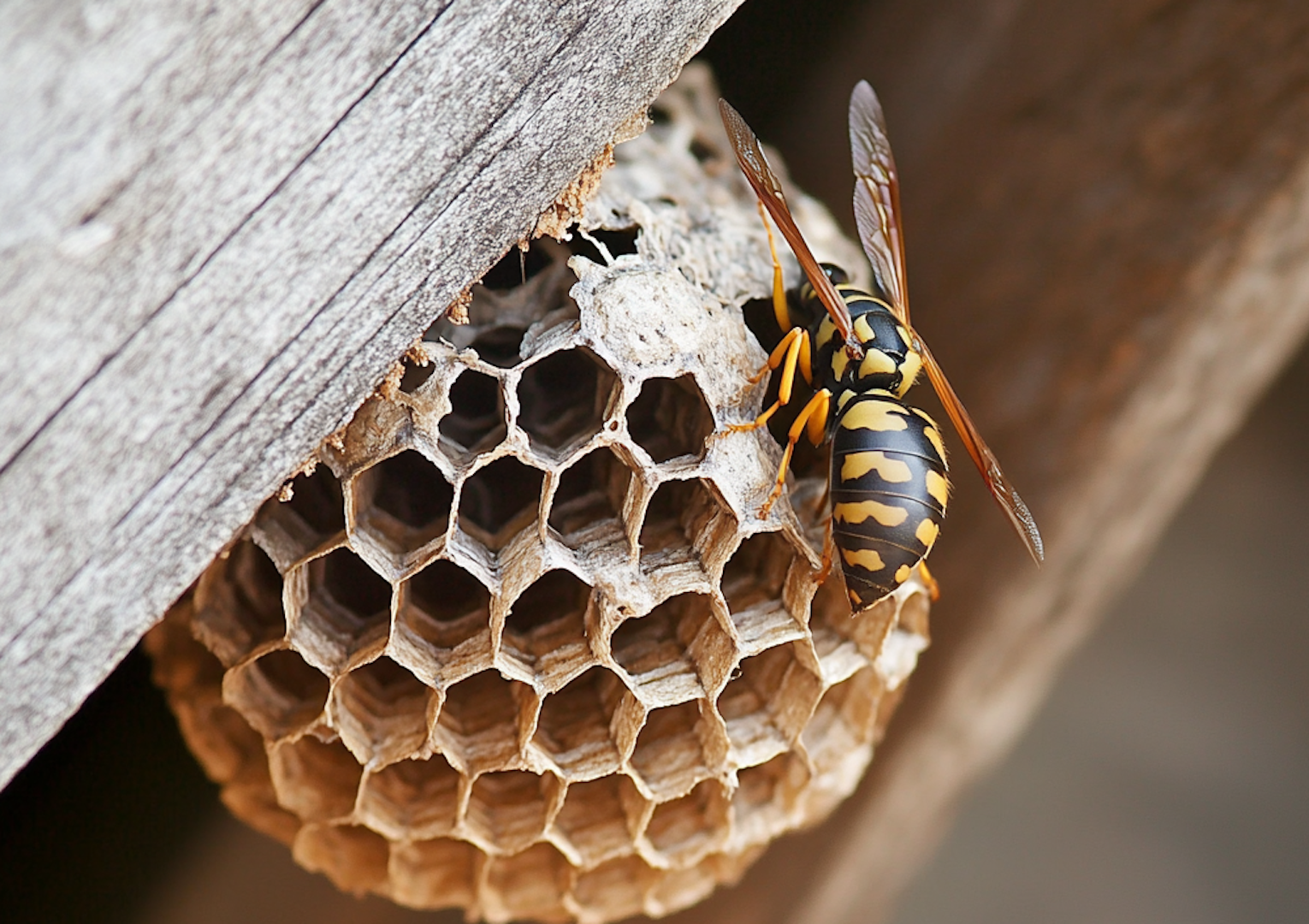
- Paper Wasps – These wasps have slender bodies with long legs and build open, umbrella-shaped nests under eaves and overhangs. They’re less aggressive than yellowjackets but will sting if provoked.
- Bald-faced Hornets – Despite their name, these are actually a type of wasp. They’re black with white markings and build large, enclosed paper nests, usually high up in trees or on buildings.
- Mud Daubers – These solitary wasps are known for their tube-like mud nests and are generally non-aggressive. They feed on spiders and rarely sting humans.
- Cicada Killer Wasps – These large, intimidating wasps target cicadas rather than people. They dig tunnels in sandy soil and are usually harmless unless directly handled.
Where Do Wasps Build Their Nests?
It’s important to know where wasps build their nests to spot a stinging insect infestation on your property.
Wasps tend to build their nests above ground where they can be protected, often in trees, shrubs, eaves, and sometimes attics. Certain wasps, like yellowjackets, may build their nests underground or underneath rocks or fallen logs.
You’ll be able to spot approximately where a wasp nest lies based on where you tend to see increased activity.
How to Identify a Wasp Nest
Wasps’ nests are different from traditional bee hives and even hornets’ nests, and may be harder to spot.
Wasp nests have a round, papery appearance and can resemble a balloon. They are typically made from chewed wood fibers mixed with saliva, giving them a unique appearance. There is usually one central hole in a wasp nest for entering and exiting, which can be helpful when trying to determine what kind of nest is on your property.
Dangers of Dealing with Wasps
While you may have spotted the gasoline trick on TikTok, wasps are incredibly dangerous and aggressive and should be handled with care.
Wasps are known to be aggressive when they feel they are being threatened, which is why dealing with a wasp nest on your property can be especially dangerous. Being stung by a wasp isn’t a pleasant experience for anyone, but their stings can also cause allergic reactions in some people.
While wasps typically do not swarm like other types of bees do, they may feel inclined to swarm if they feel that their nest is being threatened.
When to Remove a Nest (Timing Matters)
When determining when to remove a wasp nest, it is important to remember that timing matters. The best time to remove a wasp nest is in the late evening or early morning, when wasps are typically inside the nest and are less active. Before removing a wasp nest, it is important to ensure all of the wasps have left the nest to avoid being stung.
There are a number of ways to remove a wasp’s nest, from covering it with a garbage bag to spraying a deadly pesticide and even breaking it with a bat. Regardless of what method you choose, it’s essential that you protect yourself from being stung.
DIY Wasp Nest Removal: Safety First
If you decide to remove a nest yourself, you’ll need to wear personal protective equipment (PPE), such as a facemask, long sleeves, and long pants to protect your body from being stung.
If there is a wasp on your property that needs to be removed, we suggest hiring a professional exterminator. An experienced exterminator will be able to safely remove the wasp nest from your property without anyone getting stung and dispose of it later.
When to Call a Professional Exterminator
Whenever you’re dealing with an infestation of any kind, it is always wise to contact a professional exterminator rather than attempting to handle it yourself. Wasps are prone to aggression when they feel threatened, and interfering with their nests will almost always result in at least one sting.
Wasps may also return without a proper deterrent, such as a barrier spray, that will prevent them.
If you see a wasp nest on your property or they are getting into your house, contact a professional exterminator right away for instant relief.
Preventing Wasps from Nesting on Your Property
While preventing wasps from nesting on your property can seem impossible, there are a few things you can do to make your property less attractive to them.
Removing attractants can help deter these pests, such as getting rid of garbage, open water, and bright-colored flowers. You can also try using natural deterrents such as peppermint and citrus essential oils, as well as vinegar.
FAQs
When is wasp season in the Lehigh Valley?
Wasps are most active in the Lehigh Valley during summer, typically from June to September. This is commonly referred to as “wasp season” to the locals.
How can I tell if there’s a wasp nest on my property?
Wasp nests can be identified by their papery, round appearance, often resembling a balloon. There is also typically one central hole in the nest for entering and exiting. If you see something resembling this on your property, contact a pest control professional to have it assessed and removed.
Is it safe to remove a wasp nest on my own?
No, it is typically not safe to attempt to remove a wasp nest on your own. Wasps are known to be aggressive if they feel threatened, and attempting to remove their nest will likely result in them swarming and stinging you. It is always wise to leave wasp nest removal to a professional exterminator.

How to Spot and Respond to Door-to-Door Pest Control Scams
Door-to-door (D2D) business scams are nothing new, although you may be surprised to learn that pest control companies do it, too.
One of the first signs that a pest control company is attempting to scam or deceive you is that they are knocking on your door.
Reputable companies like The Pest Rangers, established in and around NEPA, SEPA, and the Lehigh Valley, will never knock on your door and use completely transparent pricing without locking you into expensive contracts for repeat services.
If you’ve recently been contacted by a D2D pest control salesman, signed up for a contract, or even been harassed, here are some steps you can take to get out of a contract or report these companies.
Local D2D Pest Control Companies to Watch for in Eastern Pennsylvania
Consumers have been reporting a surge in new D2D pest control companies in recent years as these parasites have begun to invade parts of NEPA, SEPA, and the Lehigh Valley.
Through our research and contact with local customers in the area, we have identified six D2D pest control companies operating regionally in Eastern Pennsylvania.
- Aptive Environmental
- Moxie Pest Control
- Fox Pest Control
- Ecoshield Pest Control
- Greenix
- Evergreen Pest Control
Many of these companies, such as Evergreen and Aptive, don’t have proper BBB accreditation and are active nationwide.
However, several others operate in our area that may not be on our list, which you will need to watch out for.
Signs You’re Dealing with a Deceptive Pest Control Company
The internet is your friend when it comes to researching and vetting local pest control companies that come to your door.
- Unsolicited Door-to-Door Visits: First, no legitimate pest control company does unsolicited visits to doors. While they may market themselves online or through various other sources of media, pest control companies do not knock on doors trying to sign people up for contracts.
- No BBB Accreditation: A good sign that you’re dealing with a scammy company is viewing its BBB accreditation. While newer companies may get a pass, most legitimate companies will have proper accreditation.
- No Google Reviews or Website: Similarly, you can research a company’s internet presence to see whether something feels off. A major red flag will be a lack of Google reviews or a website to visit.
- Unmarked Vehicles or Branding Materials: While many of these companies will have some sort of branding on their company vehicles, an unmarked vehicle can still be a red flag. You may even find these people riding on cycles and without traditional work vans.
- High-Pressure Sales Tactics: Finally, the biggest red flag of a scammy D2D salesman is using high-pressure sales tactics to get you to sign a contract, which we’ll describe below.
Common Deceptive Tactics Used in Door-to-Door Sales
Ask most people in Pennsylvania, and they’ll tell you that they would never fall for a scam or MLM marketing techniques. However, many people underestimate the power and persuasion that many of these salespeople use to trap customers into expensive, long contracts that they will eventually regret.
Fortunately, by identifying these red flags, you can negotiate your way out of a contract and close the door on these parasites.
1. Bait-and-Switch Pricing
First, legitimate pest control companies operate with entirely transparent pricing that you can cancel at any time. The logic is simple: if a pest control company is doing poor service, they will want you to cancel so they don’t get a bad review.
D2D companies operate on the inverse, attempting to sign you up for contracts at a low introductory rate but hiding behind semantics and bait-and-switch pricing.
The common line for a D2D salesperson is to offer a $695 monthly service for a discount of $195 if you sign up today.
However, there may be language in the contract that allows the price to rise after a few months, leaving you unable to cancel because if you do, you’ll be responsible for the remainder of the contract, otherwise known as a “cancellation fee.”
It may be difficult to spot these tactics without reading the fine print, so ask questions about cancellation fees, warranties, or anything else that might impact their business’s pricing structure.
2. Creating False Urgency
One of the most common tactics these slimy salespeople use to lure people into contracts is by creating a sense of urgency to sign. You may notice this urgency grow when you express skepticism or ask more questions about the contract.
This will include giving you discounts that are “too good to be true” if you sign up now or before they leave. These people are trained to do everything in their power for you to sign at your front door when you’re most vulnerable, so, at the very least, tell them you’ll think about it and research the company after they finally leave.
3. Scare Tactics
Another false sense of urgency these parasites use is generating fear by discovering something on your property that could be a danger. This could include misleading claims, such as a termite or cockroach they spotted on the premises while doing a perimeter inspection.
If these companies try to scare you, make sure you have them physically point out a nest or colony before you panic. These people thrive on panic, so always stay calm and try reaching out to a legitimate pest control company if you have any fear.
4. Impersonating or Misleading Affiliations
Another sales tactic these companies use is impersonating a local affiliate to garner your trust. They may claim to be an affiliate of your current pest control company, or “sent by your HOA or township.”
Be aware that your pest control company or any other organization will not send an affiliate to provide pest control services without contacting you first.
5. Forged Signatures or Misrepresented Agreements
Finally, the biggest thing we can tell customers is not to sign anything whatsoever before you have time to research and think about it. These shady companies will try and deceive you by getting you to sign survey logs that show that an inspection was performed, while it’s actually a contract they’re having you sign.
While rare, there are horror stories out there of people being duped by this and having to pursue legal action to get out of a contract.
Your Legal Rights: How Can You Get Out of Deceptive Contracts
If you recently signed a contract with a D2D pest control company that you now feel was deceptive or not on the up-and-up, you have a little bit of time to back out of the contract.
Under the FTC’s Cooling-Off Rule and Pennsylvania’s Door-to-Door Sales Act, you have three business days to cancel any purchase over $25 made at your home.
Contact the seller for a written cancellation form. If they do not, the contract will be deemed void, but be wary of any sales tricks they try to use.
Tips to Protect Yourself and Others from D2D Sales Tactics
Spreading awareness about this pervasive issue on community forums and groups can help others in your area avoid being scammed by D2D pest control companies.
As previously stated, if you do encounter one of these vermin, always ask for proper ID, research the company online, and never sign anything until the paperwork has been properly vetted.
Remember, legitimate pest control companies don’t search for customers by knocking on doors, so this will always be your first red flag that you’re dealing with an illegitimate company.
FAQs
How can I verify if a pest control company is licensed?
Check with your state’s Department of Agriculture or regulatory agency. Most states have an online license lookup tool for pest control professionals.
What should a legitimate pest control contract include?
It should clearly outline the scope of work, treatment methods, frequency of service, cost breakdown, guarantees/warranties, and cancellation terms.
Are door-to-door pest control sales legal?
They can be legal, but scammers often use them. Always verify the salesperson’s credentials and never feel pressured to sign on the spot.

How to Prevent & Get Rid of Bats in Your Pennsylvania Home
Bats occupy a special place in the human subconscious as they have been the subject of endless symbols of horror and even heroism (e.g., Batman).
Today, bats are considered a species at risk in Pennsylvania, which is why they may be less common in parts of the state, such as the Lehigh Valley or Wyoming Valley, than they once were.
Nevertheless, it’s not uncommon to spot a bat hiding in an attic or occasionally making its way into a barn all the time.
While they are generally harmless creatures, their droppings (guano) can spread disease, and these creatures are infamous for their bites, though it’s not as bad as you’d think.
You may be hard pressed to find an exterminator in your area, other than The Pest Rangers, that deals with bats and bat exclusion. But that’s one of our specialities, from the Lehigh Valley to Wilkes-Barre/Scranton to the Poconos to Southeastern PA.
If you’re looking to get rid of a bat in your home and want to learn more about how to prevent one from entering, read more to discover how bats behave, how to eliminate them ethically, and who to call to get the job done.
Why Are Bats a Problem in Homes?
Bats are mostly harmless and can even be considered beneficial—they eat insects like mosquitoes, moths, and wasps. However, when they roost inside homes, they pose several risks to both property and health.
For example, our technicians have seen countless examples of bats damaging siding, insulation, and even wood by gnawing on materials and dropping large amounts of waste and urine that eventually degrade the structure.
In Eastern Pennsylvania, species like the little brown bat and big brown bat are known to seek shelter in homes, especially older properties common in cities like Wilkes-Barre and Allentown.
A bat colony living in your attic or walls can produce large amounts of droppings (guano), which may lead to histoplasmosis, a potentially serious lung disease.
Bats can also carry rabies, and their presence often attracts other pests like mites and bat bugs. Because of these risks, any sign of a bat infestation should be addressed quickly and professionally.
Common Bats in Eastern Pennsylvania
While it’s easy to identify a bat, there are several species that differ in size and behavior.
Bats commonly have webbed wings, with larger bats having a span of up to five feet while smaller bats measure about six inches. They can weigh between an ounce and two pounds. These mammals live in colonies and are only active during the warmer months.
Bats eat all manner of bugs, including wasps, moths, and mosquitoes. They don’t like cold or wet weather, so you will rarely see them flying in the rain.
Three common bat species found in Pennsylvania include big brown bats, little brown bats, and Mexican free-tailed bats. These creatures are natural pest control experts, but they become a nuisance species when they find a cozy spot in your home.
Where Can Bats Hide in My Home?
Like any other animal, bats are on the lookout for a comfortable place to take care of their young. Anywhere they roost will be near a good source of food, like bugs, plants, or fruit. Additionally, they will want a warm, humid environment that is typically deserted parts of the home. That’s why bats are commonly found in attics, barns, and garages.
The most common parts of the home where we’ve encountered bats on service calls include:
- Attics with minimal human activity
- Chimneys without proper caps or screens
- Eaves and soffits with small gaps
- Loose siding or vents
- Barns, garages, or sheds
Bats can squeeze through openings as small as ½ inch wide. That’s why a thorough inspection is key to understanding how they’re getting in.
What Harm Can They Cause Humans?
Though bats are harmless creatures, they can pose a serious health threat when handled incorrectly or when they live in proximity with humans. Their droppings, both fecal and urine, have an extremely unpleasant stench.
Additionally, a fungus can form in their bat guano; long-term exposure can cause lung disease or histoplasmosis. Often, these droppings need to be decontaminated and removed professionally. DIY cleaning is not recommended.
While most bats do not carry diseases, a small percentage may have rabies. This can be life-threatening to humans and pets, especially when bitten.
Lastly, bats arrive with pests of their own that can easily pass to humans. Bat mites and bat bugs have been known to bite humans and pets. If you discover a bat problem in your home, it should be taken care of as efficiently as possible.

When to Remove Bats
Timing is critical when dealing with bats. In Pennsylvania, bat maternity season typically runs from late spring through summer. During this time, it is illegal and unethical to exclude bats, as mothers may be separated from their flightless young.
Proper bat removal should be done before the young are born, or after they are weaned and can fly. Attempting bat exclusion at the wrong time can trap animals inside your home. Check with the animal control/wildlife services when attempting bat exclusion.
Bat-Proofing Your Home
Autumn is the best time to bat-proof your home since bats leave for hibernation during this time. Calling a professional is recommended as you run the risk of improperly bat-proofing your house and leaving bats stuck inside.
Here are a few general tips for preventing bats from entering your home:
- Seal cracks and gaps around the roofline, vents, and soffits
- Install chimney caps and attic vent screens
- Repair loose siding or fascia boards
- Keep attic spaces well-lit and ventilated
- Install bat houses at least 20 feet away from your home to provide alternative shelter
Inspect your exterior to look for possible entry and exit points. The ideal time to search is 30 minutes before dark or an hour before dawn. Keep watch for about an hour. Pay attention to chimneys, eaves, and other possible access points.
However, professional bat pest control is the only method with guaranteed long-term results.
Safe & Legal Bat Removal: Why You Need a Professional
Because bats are protected under both federal and state wildlife laws, you cannot harm them or use poisons to eliminate them. That’s where professional wildlife control comes in.
At The Pest Rangers, we specialize in humane bat exclusion across Scranton, the Poconos, Southeast Pennsylvania, and the Lehigh Valley. Our licensed technicians will:
- Inspect your home for signs of bat activity and entry points
- Determine the best timing for safe exclusion
- Install one-way devices that allow bats to leave but not return
- Seal all potential re-entry points using durable materials
- Advise on installing bat houses nearby to provide alternate roosts
We also provide guano cleanup and attic decontamination to restore your space to a safe condition.
Don’t struggle with bats in Eastern Pennsylvania any longer–contact The Pest Rangers today to get a free quote on bat exclusion services.
FAQs
Are bats protected in Pennsylvania?
Yes. Most bat species in Pennsylvania are protected by state and federal wildlife laws. It is illegal to kill bats, and exclusion can only be performed at certain times of the year to protect bat pups.
When is the best time to remove bats from my home?
Late summer to early fall is the ideal time for bat exclusion in Pennsylvania. By this point, young bats are able to fly, which allows safe and humane removal without separating mothers from their pups.
Can I remove bats on my own?
We strongly recommend against DIY bat removal. Bats can carry diseases like rabies, and improper exclusion can lead to dead bats inside walls or attics. Our professionals are trained in humane, legal methods that protect both you and the bats.