
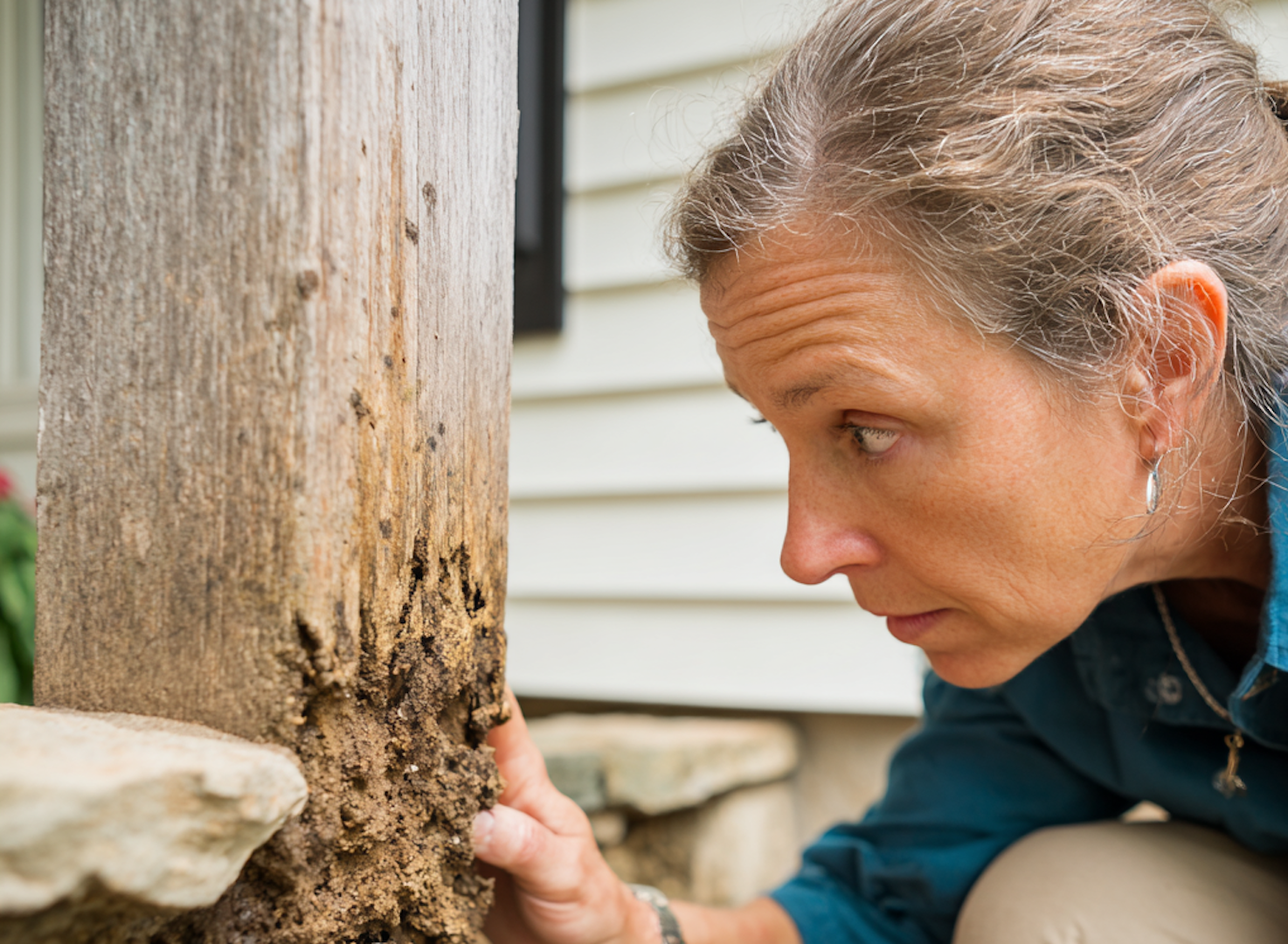
Everything You Need to Know About Termite Inspections in Phoenixville
Termites are among the most destructive pests in the world. These tiny insects are responsible for causing more than $5 billion in damage each year in the United States alone.
Thanks to the climate, moisture, and wooded areas, Phoenixville is among the many parts of the country that have to deal with them.
Homeowners in the area should understand the risks termites pose and what a comprehensive Phoenixville termite inspection includes. The following information outlines both so you can take the appropriate steps to protect your property.
Common Termite Species Found in Southeastern Pennsylvania
There are multiple termite species found in the Phoenixville area. The two most common types of termites homeowners will deal with are Subterranean termites and Drywood termites.
Of these two, the former is the most prominent threat, but it’s not uncommon to see Drywood termites in rural areas.
Subterranean Termites
These are the most common types of termites found in Pennsylvania. They build underground colonies and make mud tubes to reach wood.
Because they prefer moist soil, homes near the Schuylkill River are prime targets. You can identify these termites by their ant-like appearance and creamy or brown colors.
Drywood Termites (Less Common but Possible)
These termites are not native to Pennsylvania. However, they can infest your home by hiding in furniture and shipping materials delivered to it.
Unlike subterranean termites, which dwell underground and travel through mud tubes, these insects live almost exclusively in wood.
Signs You Might Need a Termite Inspection
Termites are a very real threat that needs to be taken seriously. If you spot the following signs in your home, you should schedule a pest inspection right away:
- Mud tubes along the foundation or crawl space
- Soft, blistered, or hollow-sounding wood
- Termite swarmers (winged insects) inside or outside
- Discarded wings on windowsills
- Bubbling or peeling paint
- Droppings resembling sawdust (more common with drywood termites)
- Tight-fitting doors or hard-to-open windows
Homeowners may be tempted to take matters into their hands and conduct their own inspection. Unfortunately, termite damage is often hidden and hard to find without the proper tools or experience.
That is why it’s always best to work with a professional to inspect and monitor termite activity.
What Happens During a Professional Termite Inspection
A termite inspection is a process in which a trained professional will thoroughly check your home for termites and associated damage. They’ll search key areas for things like mud tubes, bubbling paint, discarded wings, damaged and blistering wood, and the insects themselves.
What Inspectors Look For Around the Home
During a termite inspection, a pest control specialist is looking for anything that can indicate the presence of termites. The specifics of which can vary depending on where they are in your home.
Foundation and Crawl Spaces
Subterranean termites live underground and typically enter a home through the foundation. In this area, an inspector will look for the following:
- Cracks in concrete
- Mud tubes along walls
- High-moisture areas
- Wood-to-soil contact
Wooden Structures and Trim
The wood around your home is what attracts termites. As they feed on it, they will leave behind signs of their activity, such as hollowed-out wood and peeling paint.
Termite pest control specialists will inspect the following for damage:
- Support beams
- Window and door frames
- Baseboards
- Structural joists
- Deck posts and porches
Basements and Attics
Homes in Chester County, Pennsylvania, have basements prone to moisture. This environment is very attractive to termites. Here, inspectors will look for the following:
- Wood rot
- Soft or sagging boards
- Moisture seepage
- Mud tubes along support beams
Exterior Soil and Landscaping
During a visit, the inspector will check the exterior of the property as well. They’re looking for things that can lead termites to your home, like bread crumbs.
The following can all provide hints as to how they may make their way in:
- Mulch depth
- Wood piles
- Downspouts and drainage
- Landscaping near the foundation
- Moisture around the home
Tools and Techniques Inspectors Use
Pest control specialists rely on more than training and experience to find termites. Their tool bags include special equipment that makes it easier to locate these pests.
During an inspection, they’re likely to use these items:
Moisture Meters
Termites thrive in moist areas. A moisture meter is a tool used to read moisture levels to help inspectors identify high-risk areas.
Infrared Scanners
Infrared scanners are used to identify temperature changes on various surfaces. These can help inspectors identify key target areas that may otherwise go undetected.
Probing and Visual Checks
Inspectors will also use simple tools and techniques to get the job done. During their visit, they will likely use items like screwdrivers and flashlights to take a closer look at the following:
- Hollow spots in wood
- Bubbling or soft finishes
- Visible tunnels or galleries
How Long Does a Termite Inspection Take?
Most termite inspections take 45 minutes to two full hours. The specifics of your home and property will directly determine the duration.
While specialists can breeze through average homes with full basements, those with crawl spaces and particularly large living areas can take much longer.
Next Steps Once Termites Are Found
If termites are found in your home, the pest control service you’re working with will help you come up with a treatment plan. The right steps will be based on your specific property and extent of your infestation.
Some of the most common treatment methods used to eliminate termites include:
- Liquid soil treatments
- Baiting systems
- Wood treatments and foams
- Moisture control recommendations
- Structural repairs for damaged wood
How Often Should I Get a Termite Inspection in Phoenixville
Most pest control specialists recommend scheduling annual termite inspections. This is a great goal for Phoenixville homeowners to work towards because termites naturally thrive in the area. It’s also essential to schedule an inspection when buying or selling a home to keep all parties informed.
Beyond inspections and treatment, continuous monitoring is essential to ensuring termites don’t return, which is an all too common problem in Phoenixville.
FAQs
How much does a termite inspection typically cost?
Termite inspections typically go for around $150 in the Phoenixville area. The size of the property and the service selected directly impact how much you will pay.
Do I need a termite inspection before buying or selling a house?
Yes. Most lenders require it to ensure a home is free of structural damage. It’s also just smart to do so to avoid unpleasant surprises.
Can termites cause damage before I notice any signs?
Yes. Termites feed in hard-to-see areas, and they often go unnoticed until the damage is extensive.
Are annual termite inspections necessary?
Yes. Even if you don’t see activity, annual inspections help detect early signs of infestation and prevent costly structural damage.
How long does a termite inspection take?
Most inspections take between 45 minutes and 2 hours depending on the home’s size, foundation type, and accessibility of crawl spaces or basements.
What happens if termites are found during the inspection?
Your inspector will document all evidence of activity, identify the species, outline affected areas, and provide treatment recommendations based on the severity and location of the infestation.
Can I perform my own termite inspection?
Homeowners can look for surface-level signs, but professional inspectors have the tools, training, and experience to detect hidden activity that is easy to miss without specialized knowledge.


How to Check for Bed Bugs in Eastern Pennsylvania
Bed bugs are persistent, fast-spreading pests that can turn your home into an itchy nightmare if you don’t catch them early. These creatures travel via luggage, clothing, and personal items, and tend to infest urban and shared properties across Eastern Pennsylvania.
Any home in Pennsylvania can be infested with bed bugs, and once inside, they multiply quickly and hide in deep cracks, seams, and joints where most homeowners never think to look.
Bed bugs tend to feed on human blood when their hosts are in deep sleep, which is why you often won’t notice bed bugs until the morning after they bite you.
Because bed bug infestations can happen to anyone—regardless of how clean or well-maintained the home is—routine checks are your best defense. This guide will help you check for bed bugs if you suspect one is in your home.
Why You Should Check for Bed Bugs Regularly in Pennsylvania
The earlier you find bed bugs, the easier and more affordable they are to eliminate. Eastern Pennsylvania sees constant bed bug activity, especially in areas with college campuses, commuter travel, tourism, and dense residential areas, such as Scranton, Wilkes-Barre, Allentown, and Phoenixville.
Many homeowners mistakenly believe bed bugs only live in dirty environments, but cleanliness has nothing to do with it.
Bed bugs can thrive anywhere people come and go, including homes, apartments, hotels, airports, buses, and college dorms.
If you or someone in your home travels often, the risk is even higher. This makes routine inspections essential.
Common Signs of a Bed Bug Infestation
Bed bugs are excellent at hiding and rarely come out during the day. But they tend to leave behind clues that can point to a possible infestation:
- Bite marks: Small, itchy welts that appear in clusters or straight lines.
- Spots or stains: Rust-colored specks on sheets, mattresses, or headboards.
- Shedded skins or eggs: Small tan shells or tiny white eggs in seams or cracks.
- Musty odor: A sweet, unpleasant smell from large or long-standing infestations.
If you notice one or more of these signs, it’s essential to contact a local exterminator for a closer inspection.
Where to Look for Bed Bugs in Your Home
Bed bugs hide in tight, dark spaces close to where people sleep or sit for long periods. When inspecting your Eastern Pennsylvania home, focus on these hotspots:
- Mattress and box spring: Check seams, tags, corners, under piping, and creases.
- Headboard and frame: Inspect behind mounted headboards, inside joints, and along hardware.
- Furniture: Look in couch seams, recliners, nightstands, dresser drawers, and under cushions.
- Baseboards and outlets: Bed bugs often travel along walls and hide behind outlet covers.
- Luggage and clothing: Especially after travel, hotel stays, or visitors from out of town.
These areas provide warmth, darkness, and proximity to human hosts—ideal conditions for bed bugs to hide and reproduce.
Because Pennsylvania homes often contain multiple levels of living space, bed bugs can migrate between apartments, duplexes, and shared walls, making thorough inspections essential.
Step-by-Step: How to Check for Bed Bugs
Bed bug inspections require thoroughness as these creatures hide deep in seams and crevices, where it can be difficult to spot them with the naked eye. Here’s a simple checklist that homeowners can follow to check for bed bugs:
1. Gather your tools
A flashlight, gloves, and a credit card or flat tool help you get into tight seams where bed bugs hide.
2. Inspect your bedding
Remove sheets, lift the mattress, and examine every seam, tag, and edge. Pay special attention to the underside of the mattress and the folds of the box spring.
3. Check surrounding furniture
Pull out drawers, tip recliners, and run your flat tool along seams and corners of couches and chairs. Bed bugs often hide in nightstands or dresser joints directly beside the bed.
4. Look under the bed and along walls
Use your flashlight to inspect baseboards, outlets, cracks, and joints. Bed bugs commonly travel along these areas at night.
5. Use sticky traps or monitors
Place them under bed legs or furniture to detect movement or confirm activity.
If you find eggs, shed skins, stains, or living bed bugs at any stage of this process, you’re dealing with an active infestation.
What to Do If You Find Bed Bugs
If you notice any signs of bed bug activity, act quickly and carefully. The biggest mistake homeowners make is moving furniture, clothing, or bedding from room to room. This spreads the pests and can turn a small, contained issue into a whole-house infestation.
Start by leaving everything where it is and immediately wash bedding, blankets, and any affected clothing using the highest heat settings in both the washer and dryer. Heat is one of the most effective ways to kill bed bugs and their eggs.
After laundering, vacuum the room thoroughly, paying close attention to seams, crevices, baseboards, and the tight corners where bed bugs hide.
If you spot bugs, eggs, or shed skins, take clear photos to share with a pest control specialist. This helps them confirm the infestation and identify the severity.
As soon as you’ve documented what you see, contact a licensed bed bug expert. Fast intervention is essential—bed bugs rarely go away on their own, and waiting even a few days can give them time to spread into new areas of your home.
When to Call a Pest Control Expert
Once bed bugs gain a foothold, they’re extremely difficult to eliminate without professional help. DIY methods may kill a few bugs but rarely reach deep enough to disrupt hidden eggs and nesting sites. Licensed professionals use heat treatments, targeted applications, and specialized equipment that fully eliminate all life stages.
If you continue seeing new bites, fresh stains, or spotting bugs in multiple rooms, it’s time to schedule a professional inspection.
How to Prevent Bed Bugs From Returning
Even after treatment, preventing bed bugs from returning requires consistent habits, especially if you travel or welcome guests regularly.
To reduce your risk of future bed bugs, follow these preventative measures:
- Inspect hotel rooms and luggage before unpacking.
- Avoid bringing secondhand furniture into your home unless inspected or treated.
- Vacuum bedrooms and living areas weekly.
- Seal wall cracks, gaps, and baseboards that could serve as hiding places.
- Schedule routine inspections with The Pest Rangers to stay protected year-round.
These habits greatly reduce the risk of reinfestation and will keep you vigilant to spot any bed bugs before they have time to spread.
FAQs
What are the first signs of bed bugs?
Common early signs include tiny dark stains on bedding, itchy bite marks, shed skins, or spotting live bed bugs in seams or crevices.
How do bed bugs get into Pennsylvania homes?
They hitchhike on luggage, clothing, backpacks, and personal belongings. Hotels, airports, dorms, and shared living spaces are common sources.
Can I get rid of bed bugs myself?
DIY methods may help with very light infestations, but most cases require professional treatment to eliminate hidden eggs and nymphs.
Are bed bugs dangerous?
Bed bugs do not spread disease, but their bites cause itching that may lead to secondary infections or allergic reactions.
How long does a bed bug treatment take?
Most treatments take a few hours, depending on the size of the home, with follow-up visits scheduled to ensure complete elimination.
Is the Lone Star Tick in Pennsylvania? How to Avoid Being Bitten
The first recorded death of Alpha-gal Syndrome caused by a Lone Star Tick has been confirmed to have taken place in September 2024 in New Jersey, according to the Journal of Allergy and Clinical Immunology in Practice.
Alpha-gal Syndrome is a mammalian meat allergy triggered by the transfer of the sugar molecule Alpha Gal from Lone Star Ticks. Since this molecule is foreign to human biomes, the body will create antibodies to fend off the unknown threat, triggering potentially serious side effects, such as nausea, diarrhea, and body aches, hours after consuming meat.
While symptoms can be severe, resembling food poisoning or a stomach flu, this is the first recorded case of fatality caused by Alpha-gal Syndrome, found in our neighboring state, New Jersey.
As the range of Lone Star Ticks spreads into Eastern Pennsylvania, residents across the state are searching for answers to prevent and avoid Lone Star Ticks and their deadly red meat allergy.
The History and Prevalence of Lone Star Ticks in Pennsylvania
The first recorded U.S. cases of Alpha-gal Syndrome were documented in the early 2000s in the southeastern states, where the Lone Star tick (Amblyomma americanum) was most abundant. Scientists quickly traced the allergy back to the Lone Star Tick after patients developed severe reactions to red meat following a tick bite.
For decades, the Lone Star tick’s range remained mostly in the South near the Gulf States, but as temperatures warmed and deer populations expanded, the tick began migrating northward. By the mid-2010s, confirmed populations were appearing in Virginia, Maryland, and southern Pennsylvania.
Today, they have been documented throughout much of the state, especially in counties bordering Maryland and New Jersey, where forest density and wildlife movement support their spread.
Many people underestimate the scale and range of ticks carrying dangerous diseases in Pennsylvania.
According to The Pest Rangers owner, Jeff King, “Ticks are a serious concern that don’t get the attention they deserve when it comes to educating the public about being proactive and vigilant. This year, we’ve experienced a huge uptick in tick-related calls at The Pest Rangers. Some callers reported picking 20-30 ticks from their dogs after just one walk. People need to understand that tick prevention isn’t just a summer issue – it’s a year-round concern that requires constant awareness and proper preventative measures.”
According to one estimate, over 100,000 people have already been infected with the red meat allergy from Alpha-gal Syndrome because of the Lone Star Tick. Close to half a million cases of Lyme Disease are treated each year.
Warning Signs and Symptoms of Alpha-gal Syndrome
Unlike normal symptoms of food poisoning or meat allergies, Alpha-gal Syndrome may not take effect for three to five hours, making it difficult to pinpoint the source of the illness.
Once symptoms begin, they can range from mild discomfort to life-threatening reactions. Common warning signs include:
- Hives, itching, or swelling of the skin
- Digestive distress, such as stomach cramping, nausea, vomiting, or diarrhea
- Dizziness, faintness, or a sudden drop in blood pressure
- Respiratory symptoms, including wheezing or shortness of breath
- Anaphylaxis, which requires immediate medical attention
Because reactions vary from person to person, some may only experience mild symptoms for months before a more serious response occurs.
If symptoms occur repeatedly after eating beef, pork, lamb, or foods cooked in animal fat, it’s important to contact a healthcare provider and request testing for Alpha-gal Syndrome. Early detection can prevent severe reactions and help individuals adjust their diet and lifestyle safely.
How to Identify Lone Star Ticks
Lone Star ticks look different from the black-legged (deer) ticks most Pennsylvanians are familiar with, making them easier to identify. Here are some key features to look for to distinguish Lone Star Ticks from other ticks.
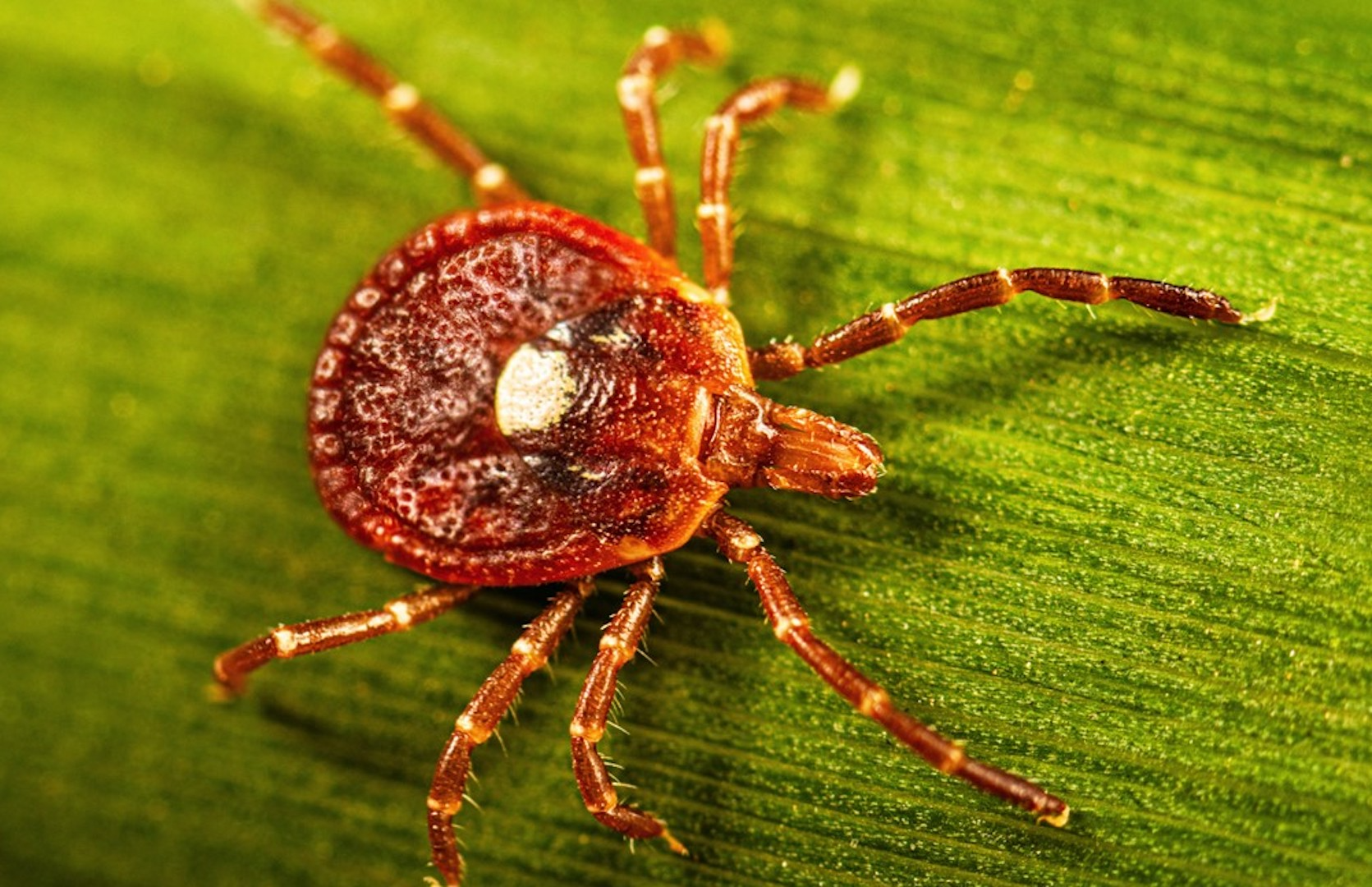
- Adult females have a single white or “lone star” dot on their back — their most recognizable trait.
- Adult males do not have the white spot but show scattered white streaks or flecks around the edge of their shell.
- Nymphs are smaller, light brown, and can still bite and transmit Alpha-gal.
- All life stages are reddish-brown and move faster than deer ticks, often traveling toward humans instead of waiting on vegetation.
If a tick bites you, save the tick and send it in for testing to be sure it does not carry Lyme Disease or Alpha-gal Syndrome.
How to Prevent These Ticks from Entering Your Property
Ticks hide in tall brush and hop from animal to animal to find a host. While you’re more likely to encounter Lone Star Ticks on a hike, they can also come into your backyard if you do not keep up on lawn care.
To prevent ticks from getting near your property, practice these tips:
- Keep your lawn mowed and remove leaf litter, tall grasses, and dense shrubbery where ticks hide.
- Install or maintain a gravel or wood-chip barrier between forests, lawns, and your home to limit tick migration.
- Use professional tick-control yard sprays annually, especially if you live near wooded or overgrown areas.
- Wear long sleeves, tuck pants into socks, and use EPA-registered insect repellent when outdoors.
- Regularly inspect pets and apply tick-preventative products — pets often bring ticks into homes.
Tick season in Pennsylvania runs from late April to October, so this is the best time of year to apply a spray.
How to Protect Yourself from Ticks in Nature in Pennsylvania
When you’re out hiking, hunting, gardening, or simply enjoying the outdoors in Pennsylvania, real-world steps can keep you safe:
- Before heading out, apply a tick repellent containing DEET or wear permethrin-treated clothing.
- Walk in the center of trails and avoid brushing against tree trunks, tall grasses, or piles of leaves.
- Do a full-body tick check when you return home. Pay special attention to the ankles, waistline, armpits, and hairline.
- Wash outdoor clothing in hot water and tumble dry on high for at least 10 minutes to kill any unattached ticks.
- If you find a tick attached to your skin, remove it promptly with tweezers, clean the bite area, and monitor for redness, rash, or symptoms.
These precautions help guard against Lyme Disease, Alpha-gal syndrome, Rocky Mountain spotted fever, and other emerging tick-borne threats.
By following these tips to avoid and prevent ticks and understanding how to identify Lone Star Ticks, you can greatly reduce your chances of being bitten.
If you’re worried about ticks and other parasites on your property, contact a professional local inspector to apply a yard spray to keep your family safe and give you peace of mind.
FAQs
Can Lone Star ticks really cause a meat allergy?
Yes. Lone Star tick bites can trigger an immune response to a carbohydrate called alpha-gal, which is found in red meat. This reaction can lead to Alpha-gal Syndrome, a delayed allergy that causes symptoms hours after eating beef, pork, lamb, venison, and sometimes dairy.
How long after a tick bite can Alpha-gal Syndrome develop?
Symptoms may develop weeks or even months after the initial tick bite. Many people don’t connect the two because the reaction is delayed and ticks often go unnoticed.
Are Lone Star ticks common in Pennsylvania?
They are becoming increasingly common. Once limited to the southern U.S., Lone Star ticks have expanded northward due to warmer temperatures, wildlife movement, and changing habitats. They are now established in many parts of Pennsylvania, especially the central and southern regions.
How do I know if a tick on me is a Lone Star tick?
Adult females have a distinct white dot on their back. Males have white flecks along the edge of their shell. They are reddish-brown, rounder than deer ticks, and move quickly.
Can Alpha-gal Syndrome be cured?
There is no cure, but symptoms can be managed by avoiding red meat and other alpha-gal products. Some individuals improve over time if they avoid additional tick bites.
Do all Lone Star tick bites lead to Alpha-gal Syndrome?
No. Not every bite causes the allergy, but repeated bites increase risk. Reducing tick exposure is the best prevention strategy.
What animals carry Lone Star ticks into neighborhoods?
Deer are the primary carriers, but raccoons, coyotes, and even birds can move ticks from wooded areas into residential neighborhoods.
How to Spot and Identify Baby Cockroaches in Pennsylvania
When it comes to dealing with cockroaches in Eastern Pennsylvania, most people look for adults. However, finding a baby cockroach in your home means you have bigger problems.
Cockroaches are extremely common across the state, with the most common species found in residential homes being the German cockroach.
Baby cockroaches, known as nymphs, are smaller and sneakier than adults, meaning most homeowners overlook them, if not miss them altogether.
Unfortunately, doing so allows the population to grow unchecked and could indicate a more severe infestation as an active colony is nearby.
That’s why it’s important to know what baby cockroaches look like and what steps to take when you spot them.
Why Early Detection of Cockroaches Matters
Once a cockroach colony is established indoors, the population will grow rapidly. Within weeks of their arrival, cockroaches can lay up to 40 eggs or more and overwhelm families.
Dealing with a cockroach problem goes deeper than simply protecting your home. More than contaminating food sources and causing damage, they also carry allergens that can cause discomfort and even trigger asthma.
The sooner you identify nymph activity, the easier it is to:
- Prevent an infestation
- Reduce health risks
- Keep the problem from spreading
- Avoid damage caused by moisture or nesting sites
What Do Baby Cockroaches Look Like?
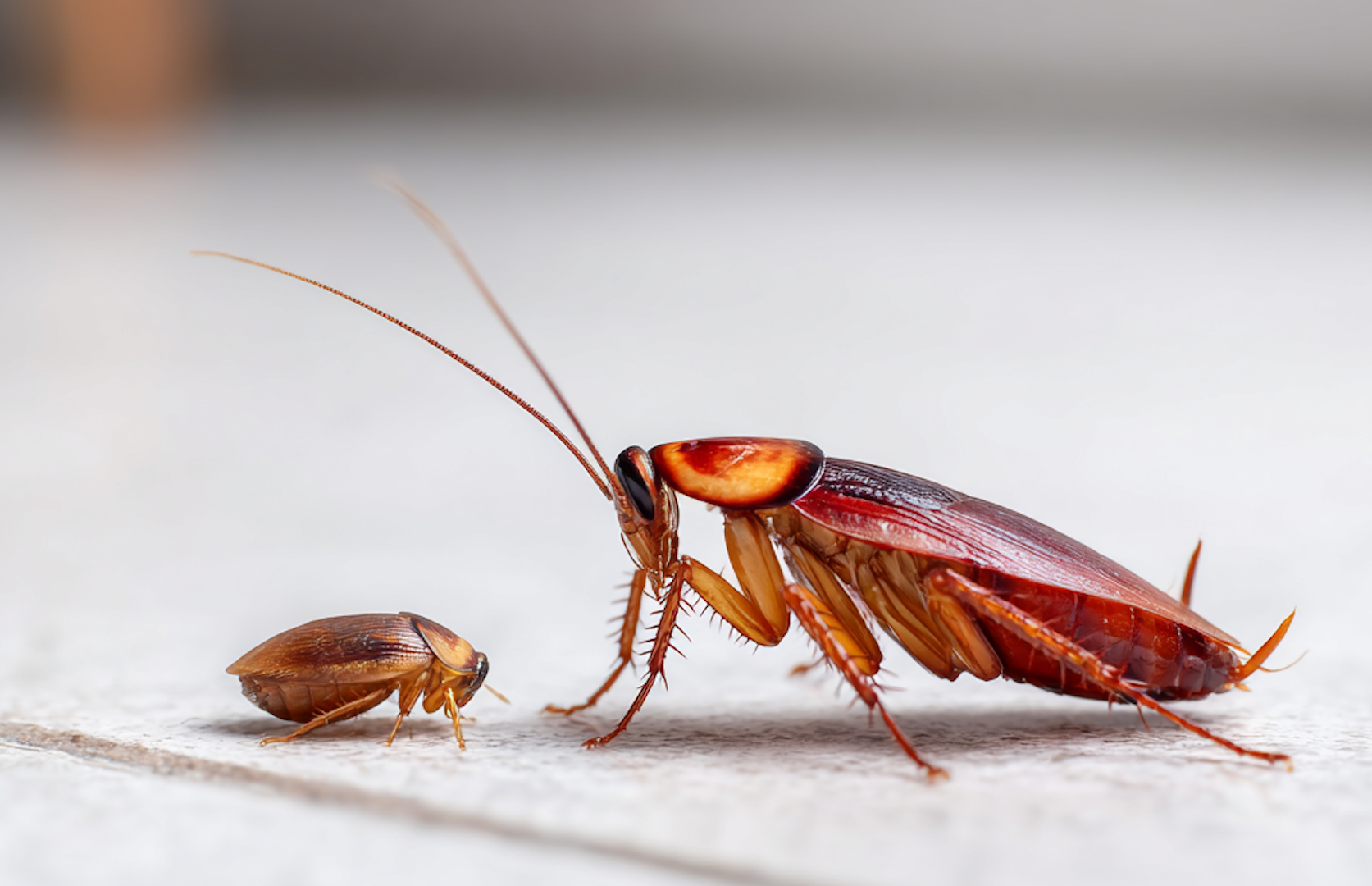
Baby cockroaches share a general profile with adults, but can look drastically different in the early stages of their lives. Cockroach nymphs are wingless insects that are about the size of a grain of rice early on.
They’re generally white when they first hatch, but quickly turn to the brown color of their adult form.
Knowing what a baby cockroach looks like is important because it reduces the chances of mistaking them for another insect species. Misidentifying them can mean homeowners fail to take the appropriate steps in dealing with an infestation.
Life Cycle of a Cockroach
The lifecycle of cockroaches contains three stages:
- Egg – Carried by an adult female in a hardened casing called an ootheca.
- Nymph – The wingless “baby” stage that molts several times as it grows.
- Adult – Fully mature and capable of reproducing.
It’s important to note that different species of cockroaches mature more quickly than others. Some reach adulthood in just a few months, especially in warm homes with abundant food sources.
Others take longer, but every type will continue to breed once a colony is established.
Common Species of Cockroaches Found in Pennsylvania Homes
In Pennsylvania, there are three different types of indoor cockroaches most commonly found in homes.
1. German Cockroach Nymphs
The German cockroach is the most common indoor species found in Pennsylvania homes. These pests reproduce quickly and tend to stay close to food and moisture sources.
German cockroach nymphs are very small, often no larger than a grain of rice when they first hatch. They’re dark brown to nearly black and are typically seen in kitchens and bathrooms, hiding behind appliances or inside cabinets.
2. American Cockroach Nymphs
American cockroaches are much larger than their German counterparts and are known for their reddish to light brown color. Nymphs start smaller but eventually grow into adults that can reach up to two inches in length.
Unlike German cockroaches, American roaches prefer warm, humid, and secluded spaces such as basements, laundry rooms, or utility areas.
3. Oriental Cockroach Nymphs
Oriental cockroaches, sometimes referred to as “water bugs,” are slower-moving and darker in appearance than other common species. Their nymphs are almost black and more rounded in shape.
These roaches thrive in cool, damp environments, often nesting near drains, crawl spaces, and foundation-level areas where moisture collects.
Typical Hiding Spots for Baby Cockroaches
Knowing where cockroaches are active can help you eliminate a cockroach colony at its source. Baby cockroaches don’t venture far from the nest, which is usually located near food or other resources.
Inside a home, that means you’ll typically find cockroach nymphs and nests:
- Under refrigerators, stoves, or dishwashers
- Beneath kitchen or bathroom sinks
- Around plumbing penetrations and pipe gaps
- Inside cabinets, pantries, or food storage areas
- Behind baseboards and wall cracks
- Near drains or garbage bins
- In dark moisture-rich areas like laundry rooms or basements
How Common Is It to Spot Baby Cockroaches
Seeing baby cockroaches is very common, but they’re also very easy to miss. Nymphs are faster and hide more effectively than adults, meaning they’re more likely to go by unnoticed.
Most homeowners don’t notice them until a population has expanded and an infestation is in full effect.
It’s important to remember that spotting cockroach nymphs means a nest is active. It should not be treated as a future problem that you can approach casually.
Instead, you should take action to tackle the infestation right away.
Signs of Baby Cockroaches in Pennsylvania
Seeing baby cockroaches isn’t the only way to detect them. Other signs of cockroaches that indicate their presence include:
- Pepper-like spotting or droppings
- Molted skins from shedding
- Oily, musty odor in concentrated areas
- Small egg casings hidden near corners or cracks
- More activity at night around sinks or drains
Cockroach Prevention Tips
The best way to deal with any infestation is to prevent it from occurring altogether. Keep these tips in mind to prevent cockroaches from targeting your home:
- Fix leaks or moisture problems
- Keep kitchens wiped down and crumb-free
- Store pantry items in sealed containers
- Empty trash regularly
- Seal wall and cabinet gaps
- Reduce clutter where they can hide
Once cockroach nymphs appear, you know you’re dealing with a large population problem. DIY methods simply aren’t as effective when dealing with extensive problems.
If you do spot cockroach nymphs, especially in multiple areas, you should call in a pest control specialist.
FAQs
How small are baby cockroaches?
Most cockroaches begin life about the size of a grain of rice. However, the species and how far along they are in life will both impact their size.
Do baby cockroaches look like adult cockroaches?
Their general profile is similar. However, baby cockroaches are much smaller, have no wings, and may be white just after hatching.
Where do baby cockroaches hide in a home?
They prefer dark, hidden areas, preferably near food or water sources. They can typically be found in bathrooms, kitchens, and basements.
How quickly do baby cockroaches grow into adults?
Depending on the species, growth can take a few months to over a year. In Pennsylvania, most mature within a year’s time.
Why are Invasive Bug & Insect Species a Huge Concern in PA?
Pennsylvania is home to a rich diversity of wildlife and insects. Unfortunately, when invasive species are introduced into existing habitats, they disrupt the delicate balance, causing a loss of flora and fauna and their diversity.
Take the emerald ash borer, which has already killed over 100 million ash trees across the Lehigh Valley and Pennsylvania.
The Spotted lanternfly is another prominent bug, which has softly declined due to public awareness of their presence and impact on the local ecology.
Dealing with these pests starts by learning more about them. Knowing what they look like, their behavior patterns, and how they spread is the first step in protecting your home, yard, and the state’s agriculture from them.
This guide will identify five invasive bug species in Pennsylvania and how residents can help control their spread.
What Makes a Bug “Invasive”?
An invasive insect is unlike native pests in that it’s not from the area. The local ecosystem isn’t equipped to deal with their feeding and nesting patterns, nor are there any natural predators available, so the ecosystem has no way of balancing itself when they’re introduced.
The environmental consequences of invasive pests can be massive, with effects on local plant and wildlife, as well as on human health and even the economy.
In Pennsylvania, invasive bugs can:
- Kill trees and ornamental plants.
- Destroy valuable crops like grapes, apples, and hardwoods
- Spread rapidly across neighborhoods and counties
This is why early detection and reporting are critical in managing their impact.
The Most Common Invasive Insects in Pennsylvania
To fully understand the threat invasive species pose to the local area, you need to familiarize yourself with them and their behavior patterns. Being able to locate and identify them is critical to properly dealing with and accurately reporting them.
1. Spotted Lanternfly
The spotted lantern fly has grown to be the most infamous invasive species in Pennsylvania over the past decade. Originally appearing in 2014, this pest has spread across multiple counties, feeding on more than 70 plant species, including fruit trees, vines, and hardwoods.
Spotted lantern flies leave behind a sticky residue known as honeydew as they feed. This residue promotes the growth of sooty mold, a black fungus that coats everything from plants to cars, causing environmental and household headaches.
2. Emerald Ash Borer
The emerald ash borer has been negatively impacting Pennsylvania’s ecosystems since 2007. This small green beetle’s larvae burrow under the bark of ash trees while adults eat the leaves. Once infested, a tree usually dies within a few years because its ability to transport nutrients is effectively cut off. This pest has destroyed over a hundred million trees since its arrival and counting.
3. Brown Marmorated Stink Bug
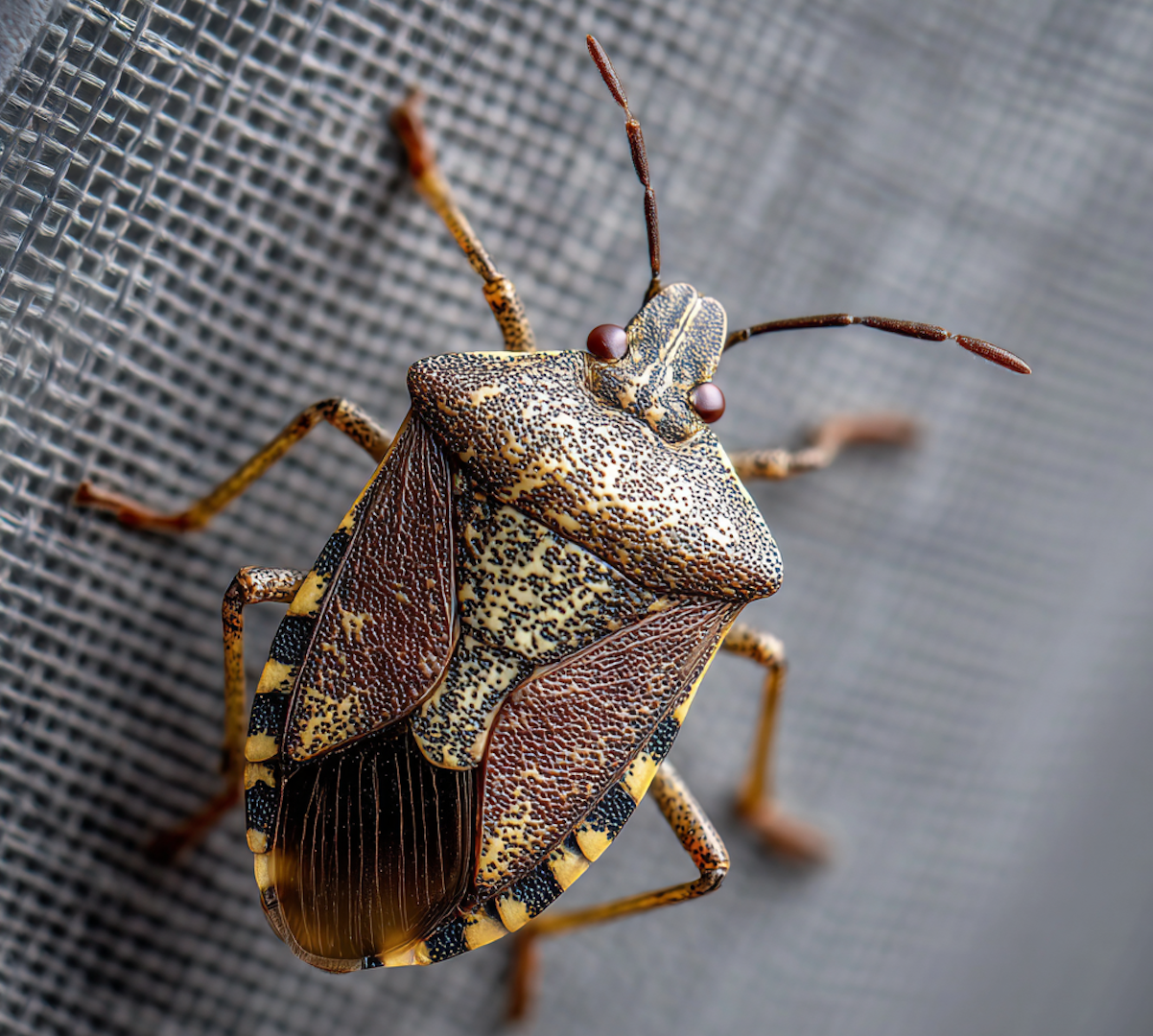
The brown marmorated stink bug has been causing disruption in Pennsylvania since 1998. These invasive species cause damage to field crops, fruits, and vegetables as they feed. They often find their way into homes, too. While they don’t pose any threat to the structure, their sheer numbers and foul odor make them hard to ignore.
4. Gypsy Moth (Spongy Moth)
The gypsy moth, now known as the spongy moth, is another very famous invasive species in the US. These pests defoliate oak and other hardwood trees. During an outbreak, caterpillars strip trees bare, leaving them exposed to disease and other pests. The spongy moth arrived in the late 1800s, which goes to show how long the environment struggles to contend with invasive species.
5. Asian Tiger Mosquito
The asian tiger mosquito first appeared in 1985. Like any mosquito, they will feed on humans. What separates them from other species is that they’re particularly aggressive and will feed during the day. They are both a public health and comfort concern due to their ability to transmit diseases.
How Invasive Bugs Affect Homes, Yards, and Agriculture
Invasive insect species are an inconvenience to local residents. However, their impacts go far beyond being a simple annoyance. If they aren’t dealt with, they can cause tremendous damage to your home, local environment, and even the economy. Some can even create health concerns. All of which should be taken seriously, especially when stacked together as multiple invasive species simultaneously impact an area.
- In Homes: Stink bugs and lanternflies invade structures, leaving stains and foul odors
- In Yards: Trees, shrubs, and ornamental plants suffer from feeding damage, honeydew, and mold
- In Agriculture: Grapevines, orchards, and valuable crops face destruction, costing millions each year
- In Health: Mosquitos can easily transmit disease as they travel from person to person.
How Residents Can Help Stop the Spread
As a resident of Pennsylvania, you’re bound to encounter plenty of invasive species. When you do, your automatic reaction will be to kill them on the spot, which is often encouraged.
However, you should take a few extra steps to further aid in the state’s fight against them. Not only can this help reduce invasive insect populations, but early detection will slow the spread and save more headaches on a state-wide scale. Here’s how you can do your part to combat invasive species:
- Report sightings of spotted lanternflies and other invasive bugs.
- Avoid moving firewood, plants, or outdoor materials between counties.
- Inspect vehicles and belongings before traveling out of infested areas.
- Schedule a professional pest inspection if you suspect invasive insects on your property.
By learning more about invasive pests in Pennsylvania and how to identify them, you can take the proper steps to alert authorities and stop their spread.
FAQs
Why are spotted lanternflies such a big problem?
Spotted lantern flies threaten both agriculture and the environment by feeding on crops, vines, and hardwoods. Their honeydew also promotes the growth of sooty mold.
Can invasive bugs damage my home or just plants?
Most invasive species cause environmental concerns by feeding on trees and crops. Others, like stink bugs and mosquitoes, create comfort and health concerns by invading homes and targeting people.
Are invasive insects dangerous to people or pets?
Most are not dangerous to people and pets in PA. The tiger mosquito is the only exception as it can transmit disease as it travels from person to person to feed.
Do I need to report invasive species if I see them?
Yes. Reporting helps with early detection and containment. If you see any regulated invasive species, notify your local agricultural extension or pest control professional.

How Does Commercial Bed Bug Removal Work in PA?
Bed bugs are a constant threat to commercial businesses regardless of the season because they spread—and quickly.
Whether they come in through a visitor or you pick them up yourself, these nasty pests can be bad news, especially for a commercial property.
No part of Pennsylvania is safe; bed bugs can be found anywhere from the Lehigh Valley to north of Scranton.
Infestations can escalate quickly, ravaging commercial properties with shared spaces, such as office spaces, hotels, hospitals, and educational facilities in the blink of an eye.
Due to the scale and speed at which bed bugs proliferate, the only solution for businesses is commercial bed bug removal. This guide will discuss the different removal methods and important information to identify and prevent future infestations.
Signs of a Bed Bug Infestation
Knowing the warning signs of bed bugs is essential for property owners and managers in NEPA.
Over the course of several years, eradicating bed bugs from all types of commercial facilities in Pennsylvania, we’ve discovered a few common signs that can point us to the presence and location of an infestation.
- Small Reddish Stains – Often found on sheets, mattresses, or upholstered furniture from crushed bugs or excrement.
- Musty Odor – Bed bugs release a sweet, musty smell when infestations grow large.
- Bites on Skin – Clusters or rows of itchy, red welts, often on arms, legs, or exposed skin at night.
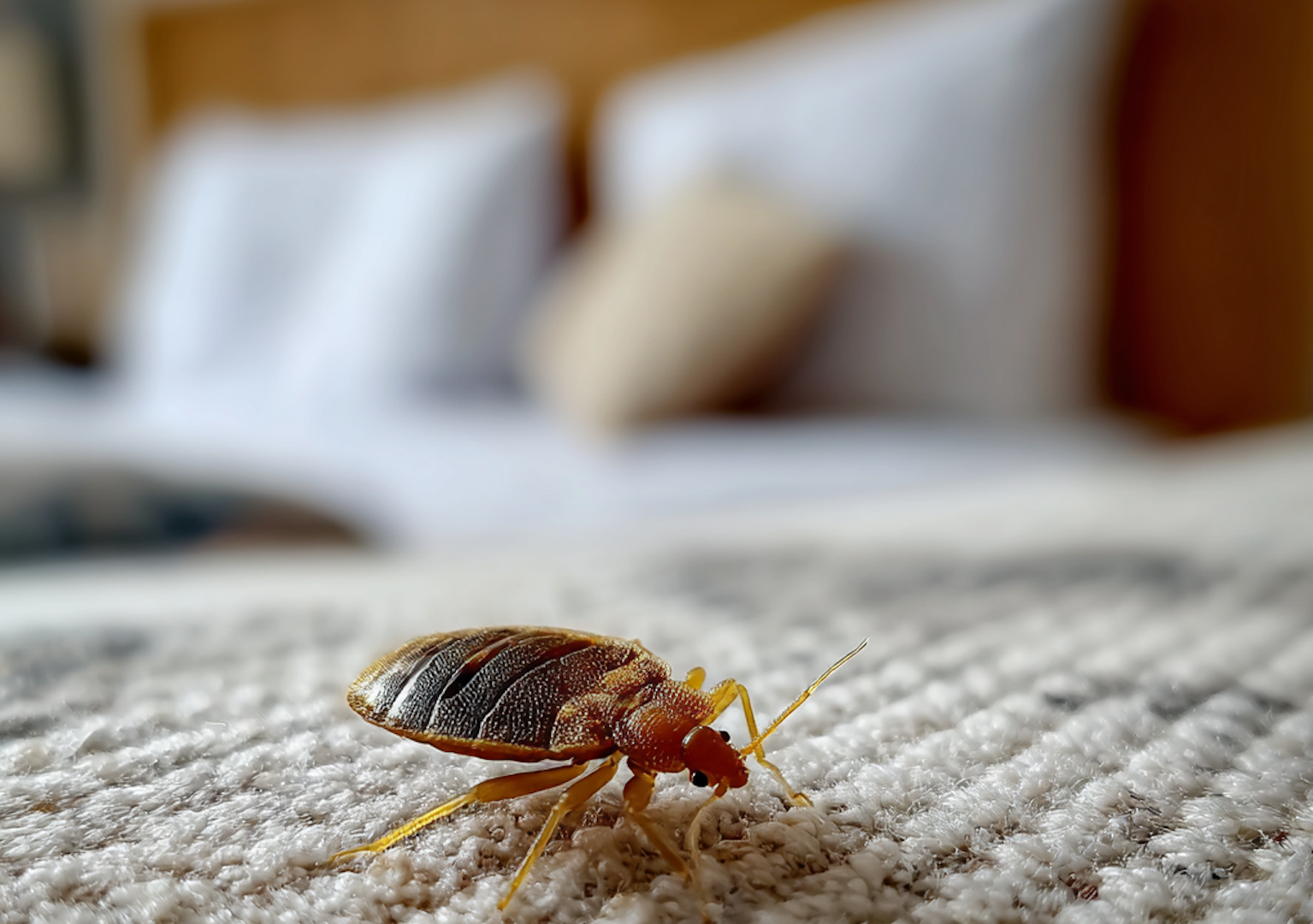
- Visible Bugs – Adult bed bugs are small, oval, and reddish-brown, about the size of an apple seed.
- Shed Skins & Eggs – Bed bugs molt and leave behind light-colored skins and tiny white eggs in crevices and seams.
If you notice these signs in your property, you must act promptly. Bed bugs are virtually impossible to remove on your own and can seriously damage your reputation.
What is Commercial Bed Bug Removal?
Commercial bed bug removal is similar to residential bed bug control, but with more discretion and done at a larger scale.
Commercial bed bug removal uses a variety of methods to kill and remove bed bugs in as little as 24-48 hours so that your business can be back to its normal function in no time.
Commercial Bed Bug Removal Methods
- Heat Treatments – Specialized equipment raises room temperatures to levels that kill bed bugs at every stage of life (eggs, nymphs, and adults). Heat treatments are highly effective and often require less downtime.
- Steam Treatments – High-temperature steam is applied directly to mattresses, furniture, and cracks where bed bugs hide. This can be done for smaller, isolated infestations.
- Conventional Chemical Treatments – EPA-approved insecticides may be used in conjunction with other methods to ensure thorough eradication.
- Fumigation – In severe cases, entire structures may be sealed and fumigated. This is less common but sometimes necessary for large infestations.
- K9 Inspections – Specially trained dogs can detect even the smallest infestations quickly and accurately, making treatment more targeted.
4 Benefits of Professional Commercial Bed Bug Removal
While some business owners may be tempted to eliminate bed bugs on their own, professional removal and inspections are the surest way to get rid of the problem and not look back.
1. Early Detection
The best way to combat bed bugs is to spot the problem before it spirals out of control. A pest control expert will be able to detect an issue and create a treatment to put a stop to any infestation.
It’s better to catch an infestation before it blows out of proportion. Early detection is a key part of a protection plan. Once a bed bug finds its way inside, it can be difficult to detect.
One female can lay up to five eggs in one day, so one pest can become many in just a few days. Also, since bed bugs hide in furniture and typically come out at night, they can be extremely hard to trace.
2. Quick Response
Once a problem is detected, it should not wait. The faster a pest control expert takes care of the issue, the sooner you can get back to business. Plus, a quick response can halt the growth of any bed bug infestations.
While it can be difficult to pinpoint where these pests are hiding out, a pest control expert is trained to spot any signs left by these blood-sucking insects. The goal is to handle the problem quickly and discreetly to avoid any costly fallouts.
3. Customized Treatment
No two infestations are the same. Businesses range in size and capacity, while infestations can run from small to overwhelming.
Regardless of the situation, a pest control expert will be able to devise a plan specific to your needs. There are even K9 bed bug inspections that are designed to sniff out the problem to successfully target areas.
Once the problem is evaluated, you can work with the pest control specialist to decide how you want to eradicate the problem.
4. Long-Term Solutions
Getting rid of bed bugs permanently can be tricky. Commercial bed bug removal uses specialized treatments like heat remediation, steam, and fumigation that can handle large infestations and are not available to the general public.
After using these methods, pest control experts will circle back to be sure that every egg and bug is destroyed to ensure long-lasting protection. Of course, there’s no stopping treatment until you receive an all-clear from the experts.
Bed Bug Prevention Tips for Businesses
Prevention is often more cost-effective than removal. To protect your property, try implementing the following tips:
- Schedule Regular Inspections – Partner with a pest control provider for routine monitoring.
- Train Staff – Housekeeping and maintenance staff should know how to identify early warning signs.
- Reduce Clutter – Bed bugs thrive in cluttered environments where they can hide undetected.
- Use Protective Covers – Mattress and box spring encasements make it harder for bed bugs to hide and easier to spot them early.
- Act Quickly – If bed bugs are detected, immediate treatment prevents the infestation from spreading to other rooms or areas.
When it comes to your business, you can never be too careful. A commercial pest control expert may be just what you need to keep pests out.
Sometimes an infestation can be too much to handle, and when it comes to bed bugs, it can be nearly impossible to conquer alone. Don’t let your business suffer. Seek out a pest control expert and kick bed bugs to the curb.
FAQs
Are bed bugs dangerous to humans?
Bed bugs don’t transmit diseases, but their bites can cause itching, allergic reactions, and sleepless nights. In commercial settings, they also cause stress, loss of business, and potential legal issues.
How do bed bugs get into businesses like hotels or offices?
They usually hitchhike on luggage, clothing, furniture, or visitors. In the Lehigh Valley and Scranton areas, bed bugs are often introduced by frequent travel and high guest turnover.
Can I handle a bed bug problem without a professional?
DIY methods are rarely effective in commercial spaces due to the scale and complexity of infestations. Professional tools, like heat remediation and K9 inspections, are the most reliable solutions.

Kissing Bugs in Pennsylvania: Is Chagas Disease a Real Risk?
Kissing bugs have been making headlines in Pennsylvania, but most reports are based on confusion with other insects.
These blood-feeding pests are rare in the Lehigh Valley, the Poconos, Southeast PA, and Northeast PA, yet their link to Chagas Disease keeps them in the spotlight.
Knowing how to identify them, why they matter, and what to do if you suspect one near your home can help you stay safe without unnecessary alarm.
What is a Kissing Bug?
Kissing bugs, also called triatomine bugs or conenose bugs, are part of the reduviid family. They measure between 14 and 24 millimeters, with oval bodies and a cone-shaped head. Their coloring is usually dark brown or black, often with red, yellow, or tan markings.
They are most active at night. Their bites are painless at first because of a numbing toxin, but red welts often appear the next day.
The bugs are attracted to carbon dioxide, which is why they often bite near the face and mouth. This behavior is how they earned the nickname “kissing bug.”
What’s the Deal with Kissing Bugs?
Kissing bugs are secretive; they don’t normally come out during the day and make it their business to stay hidden. In fact, you may not even know you have one on you until you discover bites the next day.
These insects have a special toxin that numbs the skin, so you don’t feel the pinch when they bite you. When outside, they are attracted to lights, so your porch light may bring a few unwanted insects your way.
Kissing bugs do bite, and because they are attracted to carbon dioxide, they love to bite near the face and mouth. This unfortunate combination of events has given these pests their name. What’s worse, is they often cluster bite, so you won’t just have one little welt.
Though the bites aren’t serious, they can cause mild pain or redness at the bite site. They are blood-feeding insects that target animals and humans, and like bedbugs, they feed during the night. A small percentage of people can be allergic, causing itching, swelling, and other allergic reactions.
The Danger of Kissing Bugs
While a few bites may not seem like a big deal, the disease these tiny pests carry can be deadly. Kissing bugs carry the protozoa Trypanosoma cruzi, or Chagas disease.
This illness transfers through feces. When rubbed into broken skin, it can cause serious infection. It doesn’t have to be an open wound, either. Simply scratching an insect bite can be enough to transfer the disease.
People who contract Chagas can experience flu-like symptoms after infection. They can experience a wide range of symptoms including:
- Body aches
- Chills
- Fever
- Rash
- Swollen lymph nodes
- Diarrhea and vomiting
While you can recover from Chagas, it can potentially be deadly.
Are Kissing Bugs Common in Pennsylvania?
As of 2025, kissing bugs remain rare in Pennsylvania. Occasional reports surface across the state, but they are not widespread in the Lehigh Valley, the Poconos, Southeast PA, or Northeast PA.
The Pennsylvania Department of Health does not formally track kissing bug populations, nor do most medical providers specifically track Chagas disease cases. What often happens is misidentification.
Jeff King, founder of The Pest Rangers, explains:
“While Chagas disease is definitely concerning, we see people alarmed and misidentifying them as assassin bugs, western conifer seed bugs, wheel bugs, or box elder bugs. The misidentification often causes concern and unnecessary alarm.”
This misidentification is common because several regional insects share similar body shapes and coloring. Understanding these differences can save residents stress and unnecessary fear.
Common Look-Alike Bugs in Pennsylvania
If you think you’ve spotted a kissing bug in Pennsylvania, it’s more likely one of these insects:
-
Western Conifer Seed Bug: Frequently found in homes during fall and winter, but harmless.
-
Assassin Bug: Beneficial predators that help reduce pest populations, though they can bite if handled.
-
Wheel Bug: Recognizable by the cogwheel-like crest on its back.
-
Box Elder Bug: Common in spring and fall, with red and black markings, but no health risks.
These bugs may alarm homeowners with their size and coloring, but they do not spread Chagas disease.
Where Do Kissing Bugs Live?
In states where kissing bugs are more common, they often hide:
- Under porches
- In cracks of foundations
- Inside woodpiles or brush
- In animal burrows, coops, or kennels
In Pennsylvania, their survival is limited by climate and habitat. Still, homeowners should remain cautious about clutter around the yard because these environments attract many other insects.
How to Protect Your Home from Kissing Bugs
Even though they are rare, prevention is always smart. The same steps that protect against kissing bugs also defend against other nuisance pests:
-
Seal Entry Points: Caulk cracks around foundations, windows, and utility lines.
-
Maintain Screens: Repair or replace damaged window and door screens.
-
Improve Weather Stripping: Ensure doors and vents are sealed tightly.
-
Clean Yard Clutter: Remove brush piles, stacked wood, or debris where insects hide.
-
Pet Safety: Keep outdoor pet areas clean and consider bringing pets inside at night.
These habits reduce the risk of any insect infestation, not just kissing bugs.
What to Do if You Find a Suspected Kissing Bug
If you suspect you’ve found a kissing bug in your home or yard:
- Do not handle it with bare hands.
- Use gloves, tongs, or a plastic bag to trap it.
- Place it in a sealed container for identification.
- Clean the area with disinfectant or bleach.
When in doubt, contact a licensed pest control company for confirmation and treatment options. Pest professionals can determine whether the insect is truly a kissing bug or a harmless look-alike.
The Outlook for Kissing Bugs in Pennsylvania
The risk of kissing bugs in Pennsylvania remains very low in 2025 and beyond. Most reports in the Lehigh Valley, Poconos, Northeast PA, and Southeast PA are cases of mistaken identity. Still, media coverage of Chagas disease has raised awareness, and residents are right to ask questions.
The best defense is knowledge. By learning what kissing bugs look like, how they behave, and which insects are often mistaken for them, you can protect your home without unnecessary fear.
While kissing bugs and Chagas disease are a real concern in parts of the Americas, they are rare in Pennsylvania and often misidentified. Knowing the difference between kissing bugs and common look-alike insects prevents panic and ensures accurate pest control decisions.
If you have concerns or think you’ve spotted one of these insects, call The Pest Rangers for professional advice. Staying informed is the best way to keep your family safe and your home protected.
FAQs
Are kissing bugs dangerous in Pennsylvania?
They are rare, and most sightings are misidentified insects. True kissing bugs can spread Chagas disease, but confirmed cases in Pennsylvania are extremely uncommon.
How do I know if it’s a kissing bug?
Look for an oval-shaped, dark body with a cone-shaped head. If you are unsure, contact a pest professional for identification.
Do kissing bugs bite pets?
Yes, they can feed on animals as well as humans. Keep pet bedding and outdoor enclosures clean to reduce risk.
Should I be worried about Chagas disease in Pennsylvania?
No widespread cases exist locally. Awareness matters, but the chance of contracting Chagas in Pennsylvania is very low.
What Are the Types of Crickets in PA? Why Are They in My Home?
The sounds of nature can be soothing, but when you’re dealing with constant chirping from crickets night after night, you can go insane.
Crickets are a common insect found in Eastern Pennsylvania, from the forests surrounding the Lehigh Valley to the Pocono mountain range. While most commonly found outside, these creatures can sometimes end up inside and keep you up at night if you can’t find them.
Furthermore, as winter rolls around, crickets may find the warm accommodations of your home irresistible.
Nevertheless, not all crickets act the same so understanding what type of cricket you’re dealing with and some handy prevention tips can help your home stay cricket-free.
What is a Cricket?
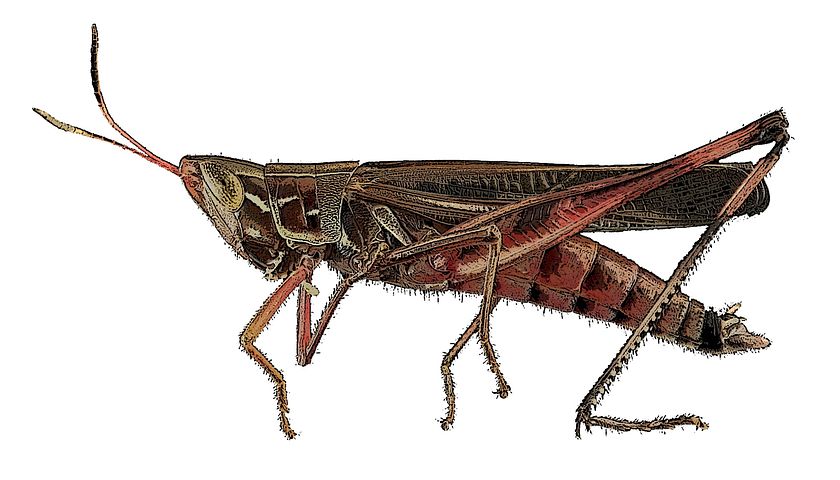
Crickets are small insects identified by their distinctive chirping. Depending on the species, they can range between ½ – 1 ½ inches long. Each type of cricket produces a distinct sound by rubbing its hind legs and front wings together.
Like most insects, crickets are covered in a hard exoskeleton, and these little creatures can be found just about anywhere in the US.
There are usually two distinct types that can be found indoors in Northeast Pennsylvania, though you may encounter up to five different types across the state.
5 Types of Crickets in Pennsylvania
1. House Cricket
Contrary to what their name suggests, these crickets live outdoors during the warmer months. Unfortunately, they’ve earned their name because they may invade homes in large numbers.
These crickets are yellow-ish brown with dark bands on their heads, and they run between ¾ – 1 inch long.
Once the weather grows colder, house crickets will seek out warm places. Once in your home, they may pick the most comfortable places, like kitchens, fireplaces, cracks, crevices, and baseboards.
While their presence can be overwhelming, especially in large numbers, these creatures are more irritating than harmless. They usually cause minor damage.
Crickets tend to eat paper, silk, woolens, fruits, and vegetables. They can even have a taste for rubber. In the single digits, crickets won’t cause much damage; however, if you find an overwhelming amount, they can ruin furniture, curtains, and clothing
2. Field Cricket
Also called Gryllinae, these tiny insects typically reside in fields, as the name suggests. They chirp all day and night and tend to stay hidden from humans if they can. You’re more likely to see a few of these near or in your home if you live near fields or in the country. However, these insects are typically killed by the winter frost.
3. Mole Cricket
True to its name, mole crickets are given their name because of their appearance. They are mole-like in more than just looks, though. These crickets also burrow deep with their forelegs and live underground in extensive tunnel systems. You can identify these insects by their low-pitched sounds. Likely, you will hear these crickets more than you will see them.
4. Tree Cricket
On the opposite end of the spectrum, tree crickets find their home in trees. Unlike the often more dark or muted color crickets, this type is bright green.
They tend to stick to shrubs and blend in with trees. In fact, tree crickets have a vast number of subspecies that match the particular trees they reside in.
5. Spider Cricket
Also known as camel crickets or cave crickets, spider crickets are another type often found in homes. Larger than other crickets, they tend to be between ½ to 1 ½ inches long and are light to dark brown in color.
They earned their “spider” name thanks to the humpback position of their legs.
Spider crickets are attracted to moisture and favor cool, damp places. You’ll often find them in garages, basements, crawl spaces, and woodpiles.
Like all other crickets, they are harmless, but they can be irritating and cause damage to fabrics and other objects. Unlike most other crickets, they do not chirp.
Why Are Crickets in My House?
Much like other pests, when the outside temperatures start to drop, they go on the lookout for shelter. Typically scavengers, these insects look for warmth, food, moisture, and shelter for the colder months, which might land them inside your home.
The Trouble with Crickets
While crickets of any kind aren’t particularly harmful, they can do a bit of damage to your home if left unchecked. They will eat practically anything. Often, a cricket will gnaw its way through clothes, food, and other household items.
Generally, they try to avoid humans, but if the weather changes, they might be forced inside. While they may not cause any lasting harm, their chirping can become very irritating if you don’t know where to find them.
Of course, their presence is even worse depending on the numbers.
Signs of a Cricket Problem in Your Home
Finding crickets in your home is actually more common than you may think and their chirping sound may not be the only sign of an infestation.
- Chirping sounds: The most obvious sign; this is usually more noticeable at night.
- Damage to fabrics and paper: You may begin to notice irregular holes in clothes, curtains, or cardboard.
- Sightings in damp areas: Look near basements, crawlspaces, garages, and near leaky pipes.
- Droppings: Search for small black droppings near food sources or nesting spots.
- Musty odor: Large infestations can leave behind a slightly musty smell.
Cricket Prevention Tips for Pennsylvania Homeowners
Generally, by following some essential exterior pest control tips and blocking off access points, you can keep crickets out of your home for good.
- Seal entry points: Caulk cracks around doors, windows, and foundation gaps.
- Control moisture: Fix leaky pipes, dehumidify basements, and keep crawlspaces dry.
- Reduce outdoor lighting: Lights attract crickets, especially at night.
- Maintain your yard: Keep grass trimmed, remove woodpiles, and move mulch away from the foundation.
- Store items properly: Keep clothing, paper, and fabrics in sealed bins.
- Regular inspections: Schedule seasonal pest checks, especially in late summer and fall when crickets move indoors.
Crickets are a common, yet harmless insect that can sometimes pose a problem should they find their way inside your home. If you want to stop them from getting in and eating you out of house and home, you can perform some simple yearly maintenance to keep them out.
Make sure you seal off any possible entryways, treat any leaking pipes or areas with extreme moisture, and seek a professional pest control expert if the infestation is out of hand.
FAQs
Are crickets dangerous to humans?
No, crickets don’t bite or spread diseases in homes, but they can damage fabrics and food sources. In Northeast Pennsylvania, they’re considered more of a nuisance pest than a health hazard.
Why do I hear crickets at night in my home?
Male crickets chirp at night to attract females, which is why the sound is so noticeable in quiet evenings. Homes near wooded lots or grassy fields in the Lehigh Valley tend to experience louder and more frequent chirping.
Do spider crickets really jump at people?
Yes, spider crickets tend to leap when startled, but it’s a defense mechanism—they don’t actually attack. Their sudden jumps can be alarming, especially in basements and damp crawlspaces common across Hazleton and other NEPA towns.
7 Things that Attract Termites to Your Pennsylvania House
Termites are among the most destructive household pests. Each year, they’re responsible for causing billions of dollars in damage to homes across the US.
The majority of Pennsylvania is subject to moderate to high termite pressure. That means homeowners in any part of the state need to take the threat seriously.
The unfortunate reality is that most people don’t even consider termites until it’s too late. By the time they’re even noticed, a termite infestation is likely in full swing.
At that point, a pest control specialist must be called in for extermination while you plan for major repairs.
The best thing for homeowners to do is get ahead of a termite problem before it starts. The first step to take in doing so is understanding what attracts termites, so you can take the proper steps to prevent them from ever entering your home.
How Dangerous Are Termites
Termites are a threat that should be taken seriously. They feed on the wooden structure of your home, which can lead to the need for major repairs if left unchecked.
It’s estimated that termites and similar pests are responsible for doing $30 billion in damage to homes in the US. The scariest thing about termites is that they work in silence.
They’re hidden in the walls, often never making their presence known until they’ve already done serious harm.
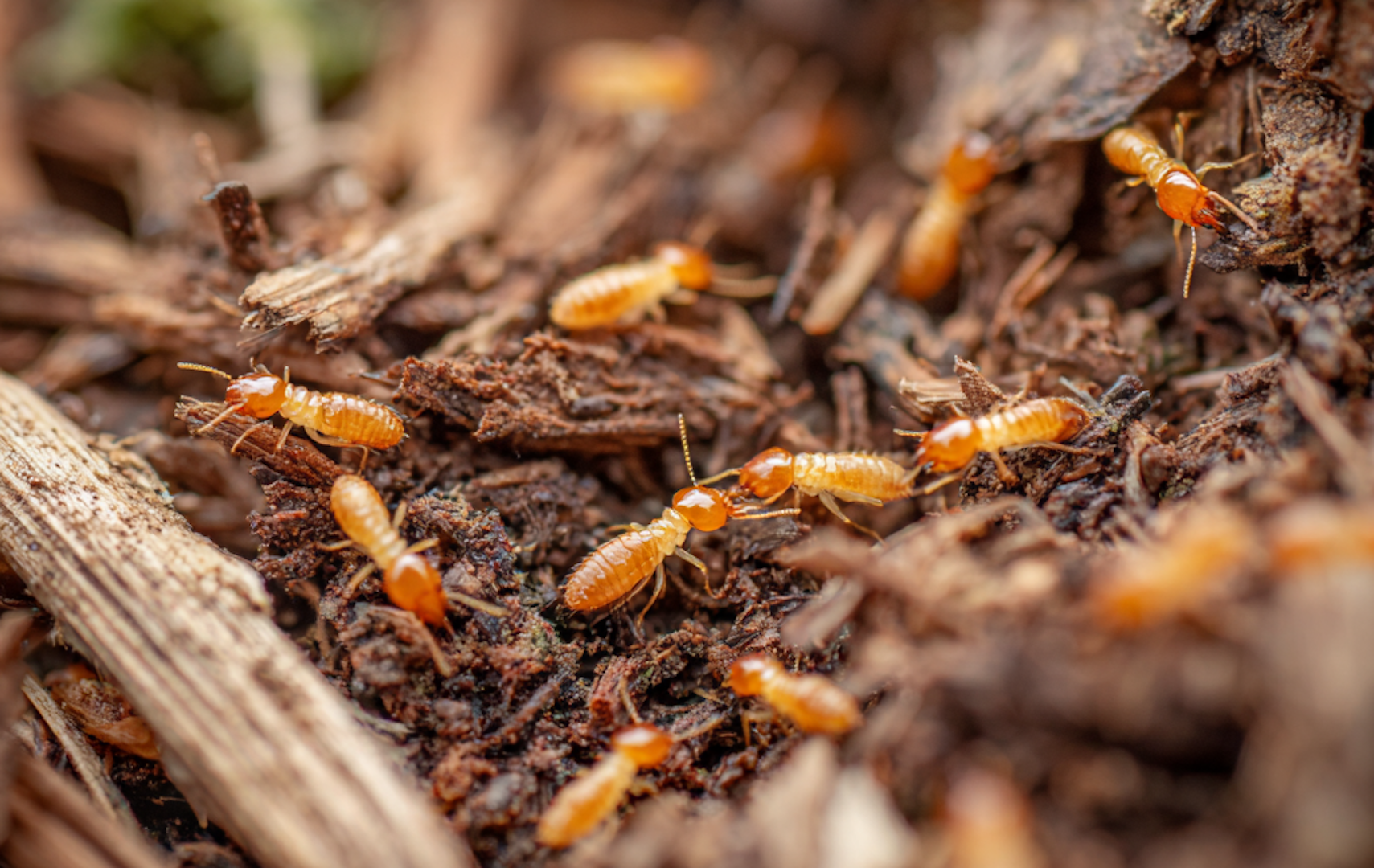
Subterranean termites can tunnel underground to reach your home and hide in mud tubes. You can easily miss them if you don’t know what to look for.
That’s why a professional termite inspection is so critical.
7 Things that Attract Termites to Your House
The best way to deal with a termite infestation is to get ahead of it and prevent it from starting in the first place.
A key step in doing so is learning what attracts them so that you can take the proper steps to avoid luring them into your home. These are the top seven things that attract termites:
1. Moisture and Leaks Around the Home
Termites prefer damp environments. Leaky pipes, clogged gutters, and poor drainage can all create the perfect conditions for termite activity. The moisture softens the wood, making it an easy food source.
2. Wood-to-Soil Contact
Wood siding, decking, or porch posts making direct contact with the soil is an open invitation for termites. This creates a bridge they can use to enter your home.
Subterranean termites can use wooden components to make their way in without ever being detected.
3. Mulch and Landscaping Materials Near the Foundation
Mulch and landscaping materials create a damp, shielded environment. While it isn’t the preferred food of termites, it does make for the perfect conditions that will attract them to your home.
4. Firewood, Lumber, or Debris Stored Against the House
Wood piles that are stored outside will naturally attract termites. You will start to notice termites swarming outside right after winter if you’re not careful with your firewood.
Placing them right next to your home is asking for problems as they’ll essentially bait termites in.
5. Dead Trees, Stumps, or Rotting Wood on the Property
Just like wood piles, stumps, logs, and other rotting wood can be an issue as they’re a prime food source. Termites will feed on them, and if they’re nearby your home, they can essentially act as bread crumbs leading them right to it.
6. Cracks in the Foundation or Gaps Around Utility Lines
Cracks and openings in the foundation and other parts of your home allow termites to enter. They’ll build mud tubes and work their way in through even the smallest openings undetected.
7. Warm, Dark, and Sheltered Spaces Inside Walls or Crawl Spaces
Termites prefer dark, warm areas such as crawl spaces, wall voids, and attics. They can feed in these areas without leaving a trace in the more active parts of a home.
How Do Professionals Get Rid of Termites
Professional pest control specialists can use a multitude of treatment procedures to deal with termites. Proven methods range from bait systems and liquid soil treatments to targeted wood treatments.
Exactly what they will do depends on the severity and specifics of a given situation, but multiple methods will likely be put to use.
More than treating them, experienced professionals know what to look for. You can bring them in to simply inspect for termites if you suspect you may have an issue or simply want to be proactive.
They’ll know where to look, what signs to watch out for, and help you make an effective plan to deal with and prevent termite infestations.
Preventative Tips for Termite Control
A termite infestation might seem inevitable in Pennsylvania, where the forested terrain makes termites an annual reality for most homeowners.
Preventing termites really comes down to being mindful of what attracts them and taking the proper steps to avoid inviting them into your home.
Keeping the following tips in mind can ultimately save you thousands of dollars in repairs due to a termite problem that you could have prevented:
- Schedule regular termite inspections with a professional.
- Fix leaks and improve drainage around your home.
- Keep firewood and mulch away from the foundation.
- Seal cracks and gaps around pipes, wires, and the foundation.
- Maintain proper ventilation in attics and crawl spaces.
While there are several termite treatments available, the only sure long-term solution to termites is a bait station monitored by an expert professional.
FAQs
Does mulch really attract termites?
Yes. Mulch may not be a primary food source but can attract termites. It creates a damp, favorable environment that can lead them into your home.
Can termites get into homes with concrete foundations?
Yes. Termites can make their way past concrete foundations through cracks, utility gaps, and other openings.
Do termites only eat wood?
No. While wood is their preferred food, termites will eat anything cellulose-based, such as paper and cardboard.
Will keeping firewood near the house cause termites?
Yes. Wood piles are prime food sources for termites and they will feed on them. Always keep stacks elevated and at least 20 feet away from the foundation.

Top 9 Local Problem Bugs in NEPA, SEPA & Lehigh Valley (+How to Control Them)
The worst place to discover a bug problem is in your own backyard. And if you live in Northeast PA, Southeast PA, or the Lehigh Valley, you already know our region has its fair share of unwelcome pests.
From urban pests like cockroaches and bed bugs that thrive in Allentown to wood-dwelling creatures like termites and carpenter ants that attack homes all across the Poconos, it’s important to know what pests you’re up against.
Some local bugs may be annoying and messy, while others can cause you thousands in property damage or carry dangerous diseases like Lyme disease and West Nile virus.
Luzerne County, Northampton, the Lehigh Valley, and the surrounding areas share a similar pest profile, which means homeowners from Wilkes-Barre to Easton face many of the same invaders.
The best way to combat these pests is to stay ahead of the game. Here’s a breakdown of the top nine local insects in NEPA, SEPA, and the Lehigh Valley, and how to control them.
1. Termites
These tiny, social insects live in colonies and feast on wood. Termites are creamy-white, wingless insects that range from ⅛ to ¼ of an inch long.
They are not always wingless, however; during mating season, they will swarm and lose their wings shortly after. There are several species of termite, but they all typically live in, on, or around wood.
Don’t let their size fool you. These tiny insects can cause up to 5 billion dollars in damage yearly with their massive colonies.
If you happen to spot shredded wings, exoskeletons, or wood damage, you may want to seek out a pest control expert. Termites are difficult to spot and even harder to get rid of, depending on the size of the infestation. To stop them from getting in, simply do yearly maintenance on your home, and keep piled wood at least 200 feet from your home.
2. Bed Bugs
Bed bugs are excellent hitchhiking pests. These bloodsuckers search for a host, and once they find one, they hide out until dark to feed.
These pests are found anywhere people gather. Usually, they can be picked up during travel when you encounter someone or someplace that has them.
Bed bugs are small, ¼ inch bugs that are oval-shaped and flat from top to bottom. Once in your home, they will hide anywhere: cracks, walls, floors, furniture, you name it. They burrow in and make themselves cozy.
Bed bugs are nocturnal; it’s easier for them to feed at night. When they do bite a host, they can leave welts and marks behind. However, if you aren’t looking for it, it can be difficult to tell if you have an infestation.
Check any possible hiding spots, bedding, sheets, and your mattress. When you travel, re-pack items in a sealed bag and throw them in the dryer immediately. Bed bugs can also be notoriously difficult to get rid of. Depending on the size of your infestation, it may be wise to seek out professional help.
3. Mosquitoes
Small, annoying, and deadly, mosquitoes can be found just about anywhere. They breed in standing water, and females need a blood meal before they lay their eggs. Unfortunately for us, mammals are the blood meal, and mosquitoes can carry many possible deadly diseases.
This insect typically thrives in the warm months around Luzerne County and tends to come out at night.
To keep these potentially dangerous pests away from your home, simply clear the area of any standing water. Check for puddles, birdbaths, clogged gutters, or even garden tools; water can pool just about anywhere.
Once a mosquito finds a good place, it tends to stick around that area. The key is keeping your property dry.
4. Ticks
Another hitchhiking parasite, ticks, are a huge problem in Luzerne County. Coming in a variety of species, these blood-suckers feed on vertebrate animals. Much like mosquitoes, they can transfer some pretty deadly diseases, notably Lyme Disease.
Typically, ticks are found in areas with heavy brush or overgrowth, like forests, meadows, and fields. They transfer to animals or people by hanging off branches, long grasses, or shrubs.
The main way to avoid this pest is to cover up when hiking or gardening. Additionally, using repellents with DEET in them is a good idea.
Keep your yard trim and clean; since ticks thrive in overgrown areas, they will be less likely to find their way into your backyard if you keep the verge trimmed. Also, tamed foliage will be less of a draw to other animals who may also carry ticks.
5. Gypsy Moths
Unlike the previous entries, the gypsy moth is not native to Luzerne County. They are an invasive species and especially dangerous to trees and shrubs.
While an appetite for greenery may not seem like an issue when in caterpillar form, gypsy moths can eat over 300 plant species. Newly hatched caterpillars are black and hairy, and over time, they turn a mottled yellow-grey and have five pairs of blue dots on their backs.
After becoming moths, the males are brown, with dark brown marks, and they have a 1 ½ inch wingspan.
Conversely, females are nearly all white with a dark, saw-toothed pattern on their 2-inch wings.
To get rid of gypsy moths, know the quarantines of your area. You should notify the Federal and State agricultural offices if you see any egg masses on your property, often found on trees, lawn furniture, fences, or house siding.
6. Cockroaches
Cockroaches can be found anywhere, often found in kitchens, basements, and other areas in the home with easy access to a food/water source. These pests prefer dark, damp areas, and they can be found hiding out under sinks or machines like washers or refrigerators.
They may only be about 1 ¼ inches long, but these shiver-inspiring creatures can leave some pretty nasty diseases in their wake, ie, salmonella. The most common cockroach species are Oriental, American, German, and brown-banded.
Like most evasive pests, cockroaches can be tricky to get rid of. The key is to keep your property clean and tidy. Cockroaches can thrive on a small amount of food or water, so the best way to keep them out is to keep up with your property maintenance. Don’t give them a place to feed or hide.
7. Spotted Lanternfly
While it hasn’t officially hit Luzerne County, residents are strongly cautioned against this invasive species, which has already made its way to neighboring counties. Much like the Gypsy Moth, Spotted Lanternflies are not native to the area.
They feed off the sap and leave gaping wounds, exposing their host trees to other dangers. The Spotted Lanternfly starts as an egg sack, and when it hatches, it releases small black nymphs with white spots. As they mature, they turn red, and eventually, they take on a moth-like form with colored and spotted wings.
Much like the gypsy moths, any encounter with these insects must be handled with caution. If you discover the Spotted Lanternfly in any form, contact your federal or state agricultural department for proper disposal methods.
8. Asian Lady Beetle
When winter breaks, these little stowaways come out. The Asian Lady Beetle is an overwintering pest.
While they aren’t exactly harmful, they can be incredibly irritating. Though they look like ladybugs, do not be fooled.
These bugs bite, and they also leave behind a foul-smelling yellow liquid. These insects are often identified by their yellow, orange, or red shells, which may or may not have black spots. They also have a small “m” on their tiny heads.
Like some of the other entries on this list of Luzerne County pests, the Asian Lady Beetle is an invasive species. However, they are much easier to deal with. You can simply vacuum them up and dispose of them.
Be sure to clean out the area where you found them; these insects are drawn to their scent. If you want to avoid any revisits, remove all traces of them.
9. Paper Wasp
Less dangerous than a mosquito and more vicious than an Asian Lady Beetle, Paper Wasps can be found nesting around homes or structures. They range from about ¾ of an inch to 1 inch long and are often reddish-orange, dark brown, or black in color.
The paper wasp is not as aggressive as their yellowjacket or hornet counterparts; it will only attack when threatened. Of course, the stings are quite dangerous and painful, especially if you have allergies.
To keep them away, rid your property of standing water and close any areas they may want to make a nest. Since paper wasp stings can be very painful and deadly, it’s recommended you contact a professional to remove the nest.
The best way to defend your Luzerne County home from potential threats is to know the enemies in your local area. To prevent any possible infestation, luck favors the prepared. If you do find yourself struggling with an infestation, do not hesitate to contact your local pest specialist. Protect your home and your family and keep pests out for good.
FAQs
How do I know if I have a termite problem in Pennsylvania?
Signs include hollow-sounding wood, mud tubes along foundations, discarded wings, and bubbling paint. Since termites cause billions in damage annually, early detection is crucial.
Are ticks really a big issue in Pennsylvania?
Yes. Pennsylvania consistently ranks among the states with the highest Lyme disease cases. Ticks thrive in wooded, grassy areas that are common in NEPA and the Lehigh Valley. Regular yard maintenance and repellents are essential for prevention.
What should I do if I see a spotted lanternfly?
The spotted lanternfly is an invasive species that is spreading rapidly in SEPA and Lehigh Valley counties. Residents are urged to kill them on sight and report sightings to the PA Department of
How do I prevent mosquitoes from breeding in my yard?
Remove standing water from gutters, birdbaths, and containers. In Lehigh Valley neighborhoods, even small puddles after summer storms can become breeding sites within days.
Flea Pest Control: How to Get Rid of Fleas in PA
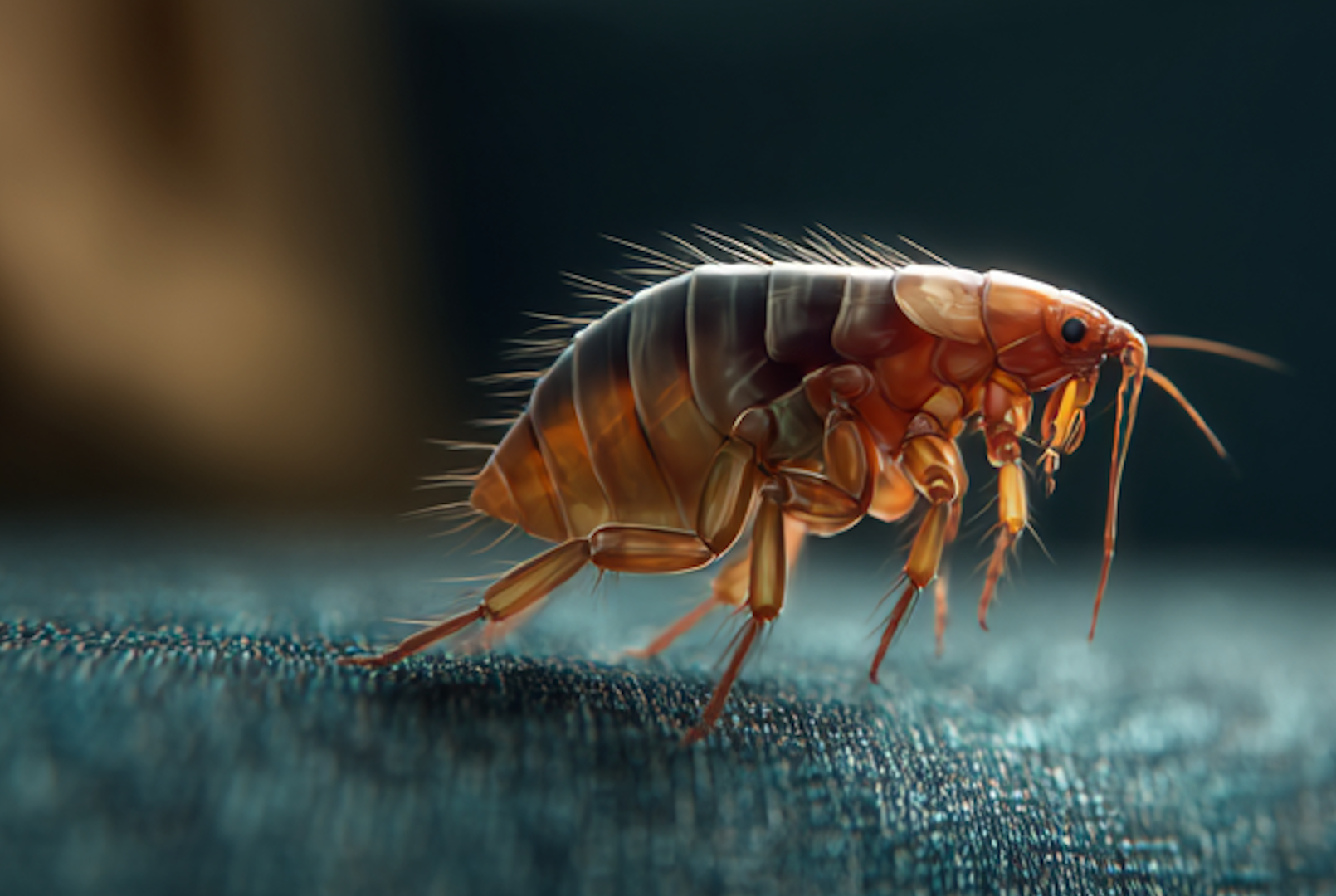
Fleas are a problem in Northeast Pennsylvania because they thrive in humid, wooded environments, and understanding how they spread explains why they affect both pets and people.
This blog explains what fleas are, why they become such an issue in our region, and how you can control them in and around your home.
In the Lehigh Valley and surrounding areas, pet owners face this problem every year. Our trails, parks, and backyards create the perfect environment for fleas to multiply and spread.
If your dog enjoys running the D&L Trail or your cat spends time outdoors, fleas can easily hitch a ride inside. Once indoors, they become a persistent nuisance that is hard to remove without the right prevention or treatment.
So, what are fleas exactly, and how much of a problem can they cause? Here’s what you need to know about these pests and the steps you can take to keep them under control.
What Are Fleas?
Fleas are tiny, wingless insects that live off the blood of a host. Much like ticks, they’re always on the lookout for their next meal.
Measuring only about 2.5 mm long, these reddish-brown parasites are hard to spot but easy to spread. Despite lacking wings, fleas are powerful jumpers, capable of leaping up to 13 inches to land on their host.
Once they find a dog, cat, or even a rodent, fleas settle in and feed on blood. From there, they reproduce rapidly, laying up to 18 eggs a day. A small problem can turn into a full-blown infestation in just a couple of weeks.
The Problem with Fleas
Unfortunately, fleas are annoying pests that can take some time to get rid of. These tiny annoyances are usually brought in by a pet. The fleas will attach themselves to fur and use your pet as an all-inclusive resort. They will feed, lay their eggs, and live off any creature.
Of course, their taste isn’t limited to one type of animal; they also feed on other mammals including rodents.
Once they find their way inside your home, they can turn into a big problem. Fleas will feed on humans.
Their bites are easy to identify: they are small, red, and swollen bumps, and they can be extremely itchy. What’s worse is that you’ll usually find multiple bites.
Those with allergies will experience a worse reaction, and it could prove to be painful. Fleas can also transmit illness like other creatures that feed off blood.
With a proper host and steady food, females can thrive very quickly. Fleas can lay 18 eggs in a day, so in as little as two weeks, your home or pet can be overrun with fleas.
Easily, their numbers can grow from 20 to 2,000. Plus, since they are so small, it can be difficult to know when you’ve gotten rid of the little pests.
Signs of Fleas in Your Home or On Pets
Fleas are not necessarily subtle creatures, so spotting signs of their activity may not be too difficult:
- Pets constantly scratching, biting, or licking themselves
- Tiny red bumps or scabs on your pet’s skin
- Flea dirt (small black specks that look like pepper) on pet bedding or fur
- Visible fleas jumping on carpets, furniture, or pet bedding
- Small, itchy bite marks on humans, often around ankles and legs
- Restlessness in pets, especially at night when fleas are most active
Stomping Out the Flea
Getting rid of fleas can be a huge undertaking, but it’s not impossible.
The first step is to look after your pets, especially if you live in a multiple-pet household. Chances are, if one of your pets brought in fleas, they all have them.
It’s a good idea to clean the flea-infested areas to keep them from returning. However, they are small and numerous, so you may have trouble getting rid of them.
Fear not! Here are three simple tips to help you stomp these out for good and keep them from coming back.
1. Use Flea Medicine on Your Pets
The first thing you can do to get rid of and prevent future flea infestations is to make sure your pets are treated with the proper medicine. If you take your pets outside at any point, you should make sure they have proper flea protection.
It’s simple and easy, and applying it to your pets will not only keep them safe but also save you the headache of getting rid of fleas in the future. Plus, it will stop them from bringing the little pests inside.
There are plenty of treatment options, including ingestible treats, topical medicines, and treated collars. You can purchase these treatments over the counter or through your vet.
As a bonus, good flea treatments can also help protect against ticks. If you do your homework, you can find a two-for-one treatment. Unfortunately, these treatments can cost a pretty penny, but they will keep the fleas away.
If your pet already has fleas, there are numerous treatments and washes that you can use to get rid of any eggs, larvae, and adult fleas. Before treating your animals, be sure to contact your vet for the best course of action.
2. Clear Out the Area
Before cleaning your entire house in a whirlwind, try to track down where the heaviest infestation is. Fleas prefer moist, cool areas that won’t be too far from their host.
More than likely, they will be around where your pet sleeps. Remove any toys, clothing, or items from the floor and clean them thoroughly. Wash any bedding and vacuum all floors and furniture. When you mop or wipe items down, use hot water.
Once you are finished vacuuming, remove the bag or empty into a tightly sealed container. Vacuum the area frequently until you completely get rid of the infestation.
The goal here is to kill all life cycles from egg to adult. Also, since they do prefer areas with moisture, consider using a dehumidifier.
3. Maintain the Yard
If you have an infestation, chances are, your pet brought it from outside. If your dog or cat has a favorite spot, try to keep that area tamed. Cut the grass and trim the greenery often.
If fleas continue to be an issue for your yard, consider treating the lawn with a yard spray. You can also plant lavender or rosemary, two natural repellents that will stop fleas from heading into your yard.
Unfortunately, if you have a large infestation, these tips may not be enough to get rid of your flea problem. While there are many treatments for fleas, if they do keep coming back, you may have to refer to a flea control expert.
Once your pet and your home are treated, you can say goodbye to fleas.
FAQs
Do fleas only affect dogs and cats?
No. While dogs and cats are the most common hosts, fleas will also target rodents, rabbits, wildlife, and even humans if no animal host is available. Once inside, they can infest bedding, carpets, and furniture.
Can fleas bite humans?
Yes. Fleas will bite humans, especially around the ankles and legs. Their bites appear as small, red, itchy bumps—often in clusters or straight lines. Though they don’t live on humans as a primary host, they’ll feed if given the chance.
How can I tell if my dog or cat has fleas?
Some common signs include constant scratching, red or irritated skin, hair loss from biting, and flea dirt (tiny black specks that look like ground pepper) in the fur or bedding. Running a flea comb through your pet’s coat is the fastest way to confirm.

Dead Ash Trees in PA? Watch Out for the Emerald Ash Borer
Ash trees across Pennsylvania are dying because of an invasive pest, and understanding how this spread began explains why the damage is now so severe.
Since 2002, the state’s native ash population has faced a devastating attack that started slowly in North America but has since reached western Pennsylvania with alarming results.
Once one of the most common trees in the region, many ash trees are now rotting from the inside out, leaving entire landscapes visibly scarred.
These trees can be found pretty much anywhere, from our backyard to the vocational forest trails in state parks.
According to Lehigh Valley Live, over 100 million ash trees across the region, including the Lehigh Valley, where they are extremely popular, have been rotted out by a new, invasive insect.
The invasive insect, the emerald ash borer, holds the key to all this destruction and should be on the radar of all residents who own or are near ash trees.
How do these insects function and what should Pennsylvania residents know when dealing with emerald ash borers?
What is an Emerald Ash Borer?
Sitting at about a half-inch long, the metallic green beetle isn’t much to turn heads. The emerald ash borer is an invasive insect that appeared around 2002 in North America. Now, it’s found in every county of the Commonwealth of Pennsylvania.
While the bug itself isn’t harmful directly to humans or animals, it can do quite a bit of damage to the ecosystem simply by laying their eggs. In fact, their larvae are the main reason our ash trees are in danger.
What Harm Can the Emerald Ash Borer Do?
As their name suggests, this invasive insect exclusively feeds on ash trees. They lay their larvae under the bark, and the tiny insects feed beneath the surface.
This process kills most trees within three to five years after infestation. While this may not seem like a much of a problem since ash trees are so common, the emerald ash borer aims for this type of tree exclusively.
In addition to the larvae chewing away at the ash trees from the inside, the adults make a meal out of the leaves. After the larva has had its fill and matured, it emerges in the spring.
The size of the tree does not matter. While ash trees tend to be larger and live long lives, these insects cut that lifespan down to size.
Unfortunately, ash trees provide a habitat and food for other local bird species, mammals, and other insects. Of course, if you have ash trees in your backyard, these insects can possibly invade them, making the dying tree a dangerous issue for your home and family.
Signs of an Emerald Ash Borer infestation
If you have ash trees on your property or spot any while on a walk around your neighborhood, there are a few things to keep an eye out for. The following signs may appear if a tree is infested with emerald ash borers.
- Upper crown dieback
- Epicormic branching
- The bark is beginning to split or flake
- Trees have become a draw to woodpeckers
- D-shaped adult beetle exit holes
- S-shaped holes beneath the bark
If you notice any of these signs, you may have to take steps to protect your home and property. In fact, there are a few things you can do to stop this pest from spreading to other trees and causing more devastation.
How Can You Help Stop the Spread?
If you haven’t spotted any issues in your trees, don’t breathe a sigh of relief just yet. It may only be a matter of time.
While there are some treatments available, the most effective treatments are applied by certified pest control experts.
There are several different options, from topical to internal, but you should only treat healthy ash trees. From there, you can keep an eye on any trees you have on or near your property and look for signs of infestation. Take extra care when trimming and caring for your trees.
If you can’t afford to have your trees treated, make sure to perform frequent maintenance on them. Cut any loose limbs and branches, and keep an eye on the trunk for any possible flaking or cracking. If you do have any infested trees, you should remove the tree as soon as possible.
Also, if you want to help keep ash trees alive, you can do your part by planting more. As experts rush to battle this invasive species, hopefully, the ash tree will make a comeback in the years to come.
Prevention Tips for Homeowners in the Lehigh Valley
If you live in the Lehigh Valley and want to protect your ash trees, here are a few important steps to follow:
- Do not transport firewood – Moving infested wood spreads the beetle quickly across counties.
- Inspect trees regularly – Check bark, branches, and crowns at least twice a year.
- Treat healthy ash trees – Contact a certified arborist or pest control company for systemic insecticides or trunk injections.
- Remove infested trees promptly – Prevent falling hazards and stop beetles from spreading.
- Plant tree diversity – Mix species in your yard or community to reduce the risk of widespread devastation.
If you have noticed a recent die-off in ash trees in your area, you aren’t alone. We must do our part to stop the emerald ash borer and revive the ash tree population.
With combined efforts, the best way we can help these trees is by keeping an eye on trees in our area and treating the healthy ones we have left. If you suspect you may have infected trees or want to protect the trees you have, don’t hesitate to contact a pest control expert.
FAQs
Is the emerald ash borer in the Lehigh Valley?
Yes. The insect has spread across Pennsylvania, including the Lehigh Valley. This means that ash trees in Allentown, Bethlehem, Easton, and surrounding areas are at serious risk.
How fast does the emerald ash borer kill a tree?
Most infested ash trees die within three to five years. Smaller trees may die even faster.
Can emerald ash borer infest other trees?
No. The emerald ash borer exclusively targets ash trees, but its destruction can still impact other tree species by disrupting ecosystems.
What should I do if my ash tree is already infested?
If you notice signs of infestation, contact a tree care or pest control professional immediately. In many cases, infested trees must be removed before they become hazardous.