
Eastern Pennsylvania and Western New Jersey are home to an incredible range of biting insects, including ticks, mosquitoes, bed bugs, and bees.
Bug bites are incredibly common during the warmer months and while most are harmless, some bites can be incredibly dangerous. In particular, ticks and mosquitoes can spread a wide range of illnesses from Lyme Disease to Alpha-gal Syndrome.
Identifying the culprit of bug bites will help you determine whether medical attention is necessary. This guide covers the most common insect bites and stings in the region, what they look like, and how to treat them safely.
What Are the Most Common Insect Bites in Pennsylvania?
1. Mosquitos
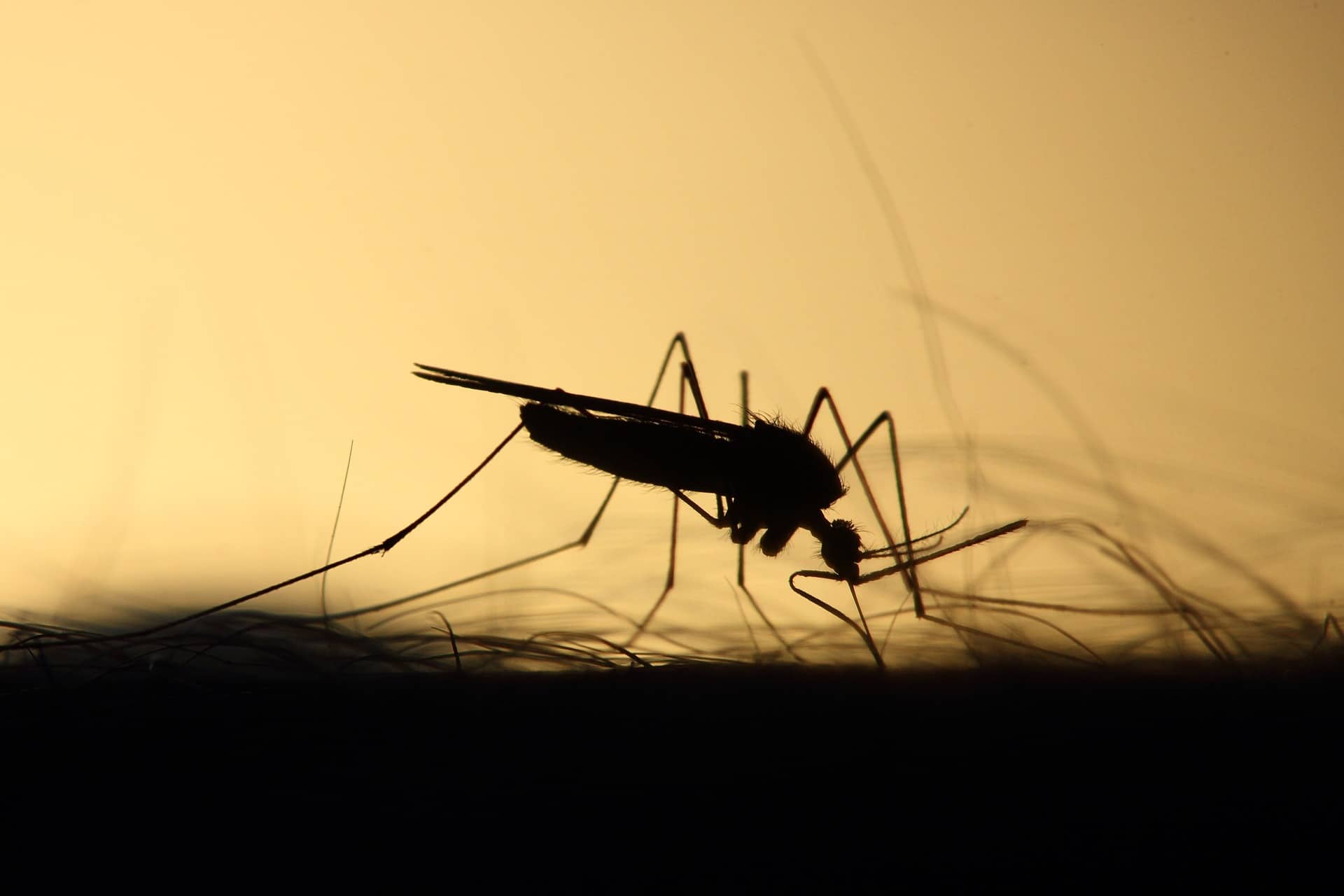
Mosquito bites are the most recognizable, resulting in small, raised, itchy bumps that appear minutes after feeding. The warm, wet summers in the Lehigh Valley, NEPA, and Western NJ make mosquitoes extremely active from late spring through early fall.
While most bites are harmless, mosquitoes in the region can carry West Nile virus.
2. Spiders
Most hard-to-identify insect bites are mistakenly called spider bites. The fangs of most spiders are too small to break the skin, and their venom is usually not harmful to humans. When they do bite, symptoms usually include mild pain, redness, and slight swelling.
However, poisonous spiders like black widows (found occasionally in PA) or brown recluses (uncommon but possible due to travel) can deliver medically significant bites requiring immediate care.
If you are bitten by a black widow or brown recluse spider, call your doctor right away.
3. Ticks
Ticks thrive in the wooded areas of Monroe, Pike, Northampton, Warren, and Sussex counties. Bites are typically painless, but some ticks transmit diseases—including Lyme disease, anaplasmosis, ehrlichiosis, babesiosis, and Rocky Mountain spotted fever.
Early symptoms of tick-borne illness may include fever, headaches, joint pain, fatigue, or rashes such as the classic “bull’s-eye” pattern. Any suspected infected tick bite requires medical evaluation.
4. Bedbugs
Bed bugs hide in mattresses, furniture, baseboards, and upholstery. Their bites create clusters or lines of small red bumps, often with itching or irritation. Severe cases may cause blistering, swelling, or secondary infections from scratching.
5. Biting Fly Bites
Pennsylvania and New Jersey’s wetlands and farmlands attract black flies, deer flies, and horse flies—each capable of painful bites. Unlike mosquitoes, these flies cut the skin before feeding, often resulting in swelling, burning sensations, and prolonged irritation. Some biting flies can transmit pathogens, though infections are uncommon.
What Are the Top Stinging Insects in Pennsylvania and New Jersey?
In addition to bug bites, you may also encounter stings from bees, wasps, and yellow jackets that could be mistaken for bug bites.
1. Bee Stings
A bee injects a type of venom into the skin when it bites. A person who is not allergic to a bee sting will typically experience sudden, sharp pain at the site, which lasts for a few seconds, and a swollen, red mark that can be itchy or painful.
2. Wasp Stings
Like bees, wasps inject venom when they puncture a person’s skin. Wasp stings are characterized by a swollen red lump, usually with a small white center (about the size of a pen tip) at the contact site.
3. Yellow Jacket Stings
Yellowjacket stings are very painful. If you are not allergic to yellow jacket venom, symptoms include pain, redness, and swelling at the site. It can take a few hours for these symptoms to subside.
Dangerous Bites and Stings: What to Watch For
While most insect bites cause only temporary irritation, those who are allergic may experience severe reactions. In addition, certain insects inject potent venom or transmit disease.
Tick Bites
Ticks are the number one vector of Lyme Disease, Alpha Gal Syndrome, and Rocky Mountain Spotted Fever–all of which can drastically affect your quality of life.
If a tick bites you, send the tick to a medical lab for testing to rule out any potential diseases.
Brown Recluse Bites (Rare but Possible)
Brown recluse spiders are not native to PA or NJ, but they occasionally appear in transported goods. Their bites often feature:
- A pale or bluish center
- A sunken or flat wound
- Delayed pain that worsens over hours
Seek medical help immediately, as symptoms can include pain at the site of the bite, malaise, confusion, and other neurological symptoms.
Black Widow Bites
Black widows prefer dark, damp areas such as basements, sheds, or woodpiles. Bites cause intense burning and may lead to muscle spasms, nausea, abdominal pain, or tremors. Children are especially vulnerable and need urgent medical attention.
How to Treat Insect Bites
Treating insect bites effectively starts with choosing the right remedy for the type of bite or sting you’re dealing with. While topical creams and oral medications can provide quick relief, it’s helpful to keep a small kit of natural and over-the-counter treatments at home so you’re prepared for anything.
Some of the most reliable, easy-to-use remedies include:
- Honey: Naturally antibacterial and soothing, honey can reduce swelling and ease discomfort from mild bites and stings.
- Witch hazel: A gentle, widely effective remedy that reduces redness, itchiness, and inflammation. Apply with a cotton ball directly to the affected area.
- Tea tree oil: More potent than witch hazel, tea tree oil works well for intense mosquito, ant, or fly bites. Because of its strong antimicrobial properties, it’s also useful for treating head lice. Dilution is recommended for sensitive skin.
- Allicin gel (garlic extract): A natural anti-inflammatory found in raw garlic, allicin can help calm irritation and reduce swelling.
While most insect bites fade within a few hours or days, seek medical attention immediately if you experience severe swelling, difficulty breathing, dizziness, fever, or symptoms that worsen over time. Even if you’ve never reacted before, an allergy can develop unexpectedly.
How to Prevent Insect Bites at Home
While no home can be completely insect-proof, reducing attractants and minimizing contact points goes a long way toward preventing bites and stings. Most insects enter homes looking for food, moisture, shelter, or warmth, so simple habit changes and a bit of home maintenance can dramatically lower your risk.
Reduce indoor attractants
- Keep counters, floors, and pantry shelves free of crumbs and sticky residue.
- Store all dry goods—especially sugar, flour, cereal, and pet food—in airtight containers.
- Empty trash regularly and use bins with tight-sealing lids.
Eliminate moisture sources
- Repair leaking faucets, pipes, and appliances.
- Run a dehumidifier in damp basements where spiders, silverfish, and mosquitoes thrive.
- Keep gutters clear to prevent standing water around the foundation.
Seal common entry points
- Replace torn window screens and install door sweeps.
- Seal cracks around siding, foundation gaps, and openings around utility lines.
- Use fine mesh covers on attic vents and exhaust fan openings.
Maintain your yard
- Keep grass trimmed and remove leaf piles—prime hiding spots for ticks and spiders.
- Store firewood at least 20–30 feet away from the home.
- Reduce standing water by clearing gutters, unclogging drains, and refreshing bird baths regularly.
Use preventative barriers and repellents
- Apply EPA-approved yard sprays as a barrier against ticks and mosquitoes.
- Install yellow “bug light” bulbs on porches to reduce nighttime insect activity.
- Consider routine seasonal pest control for long-term prevention of ticks, spiders, stinging insects, and biting flies.
These simple steps help create an environment that’s less attractive to insects and less likely to expose your family to stings, bites, and the health issues that can follow.
FAQs
How can I tell what bug bit me?
Examine the size, pattern, and location of the mark. Mosquitoes leave raised itchy bumps, ticks remain attached, and bed bugs usually leave clusters or lines. A doctor or pest professional can help identify unclear bites.
When should I see a doctor for a bite or sting?
Seek care if you develop a fever, spreading rash, difficulty breathing, significant swelling, or symptoms that worsen after 24–48 hours.
Are tick bites always dangerous?
No, but ticks in PA and NJ frequently carry Lyme disease. If you develop flu-like symptoms or a rash near the bite, seek medical attention immediately.
How can I prevent insect bites at home?
Reduce standing water, keep vegetation trimmed, seal gaps around windows and doors, and maintain indoor cleanliness. Pest professionals can provide seasonal protection.
Are bed bug bites harmful?
They’re not medically dangerous, but bites can cause severe itching, allergic reactions, and emotional stress. Bed bug infestations require professional treatment.
Do spiders bite humans often?
Rarely. Most spiders avoid humans and bite only when threatened or trapped against skin.