
Getting rid of cockroaches involves multiple steps, from baiting to exclusionary measures.
Calling a professional pest control expert is recommended at the first sign of a cockroach, as they are social creatures that can produce 200 to 500 eggs in their lifetime.
Cockroaches are very common across eastern Pennsylvania and western New Jersey, with the German cockroach being the most common species found in homes and businesses.
If left unchecked, cockroaches can spread disease, trigger allergy symptoms, and reproduce quickly inside wall voids and appliances.
This guide breaks down what attracts cockroaches to NEPA homes, the steps to remove them safely, and why professional cockroach control is often necessary for long-lasting relief.
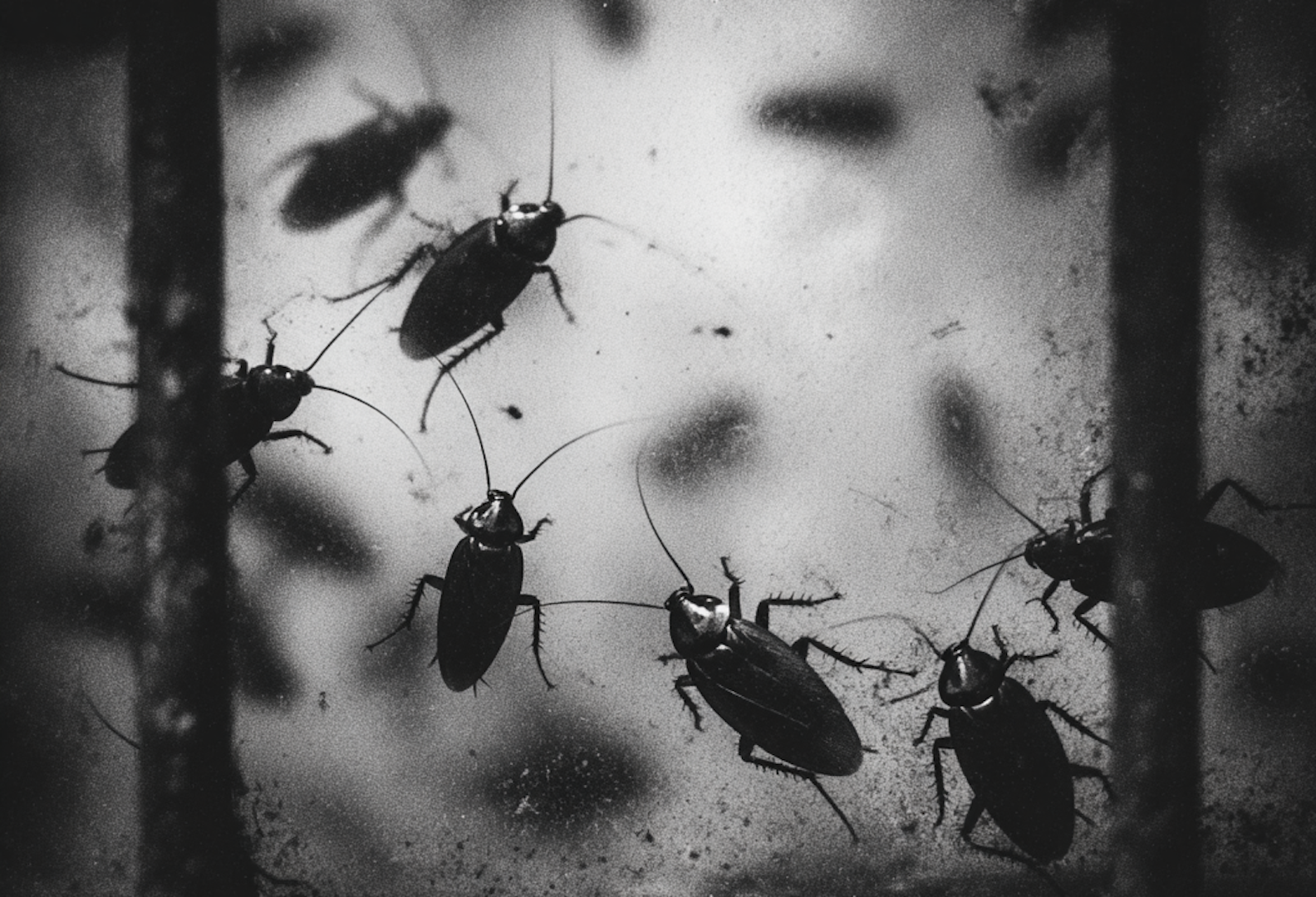
What Attracts Cockroaches to Your Home
The three main ingredients of a cockroach infestation include food, water, and shelter.
For cockroaches, especially, keeping a dirty or unkempt home could be a significant attractant–not to mention for other pests as well.
To help prevent and control cockroaches, controlling these three attractants is important.
- Food: Cockroaches are attracted to a variety of food sources, including sugars, starches, meats, cheeses, and grease. Therefore, any left-out food scraps or unsealed garbage cans will be a major draw for hungry cockroaches nearby.
- Water: Like most household insects, standing water from dripping pipes will be a major attractant for cockroaches, in addition to mosquitoes, ants, and termites.
- Shelter: Clutter in the form of loose trash, cardboard boxes, and even clothes and knick-knacks all serve as the perfect hiding places for cockroaches. Since most cockroaches tend to dwell in basements, perform a little spring clean every now and then to eliminate clutter.
Cockroaches tend to dwell in your yard before entering your home. You’ll need to eliminate water from clogged gutters and bird baths to prevent cockroaches. Likewise, leaf piles and outdoor clutter can also serve as the perfect shelter for cockroaches.
Where Cockroaches Tend to Hide in Eastern PA and Western NJ Homes
Cockroaches stay hidden by settling into warm, dark, and humid areas, many of which are common in homes throughout Eastern Pennsylvania and Western New Jersey. Older rowhomes, moisture-prone basements, and dense neighborhoods give roaches plenty of places to nest without being seen.
The most common hiding spots include:
- Kitchens: Behind refrigerators, under dishwashers, inside cabinet hinges, beneath sinks, and around stoves where grease collects.
- Bathrooms: Behind toilets, inside vanity cabinets, around pipes, and near shower drains in homes with older plumbing.
- Basements: Floor drains, sump pump pits, utility rooms, wall voids, and cluttered storage areas—especially in damp basements common across PA and NJ.
- Shared Walls & Multi-Family Housing: Roaches travel through electrical lines, pipe chases, and wall voids in duplexes, townhomes, and apartment buildings.
- General Hiding Areas: Cardboard boxes, behind baseboards, under flooring edges, inside wall cracks, and behind appliances or laundry machines.
Because cockroaches flatten their bodies to fit into extremely small gaps, they often go unnoticed until populations grow. Inspecting these hotspots early is a key step in preventing a severe infestation.
7 Steps to Get Rid of Cockroaches
If you find cockroaches dwelling in your Eastern, PA, or Western, NJ home, take these seven steps to get rid of them.
Step 1. Identify Your Cockroach Species
While there are over 4,000 different species of cockroaches, three of the most common cockroaches in Pennsylvania and New Jersey are the German, Oriental, and American Cockroaches.
German Cockroaches
These are the notorious kitchen dwellers who provide a nice jumpscare when you’re reaching for a late-night snack. German cockroaches can easily be identified by their light brown bodies, which contain two parallel dark stripes down the side.
While only half an inch long, these cockroaches can lay 40 eggs at a time and carry disease on the surface of their hands and feet, making them the worst cockroach of the bunch. Due to their ability to hide and multiply so quickly, these cockroaches always require professional assistance and immediate help.
American Cockroaches
About half an inch longer than German cockroaches, American cockroaches are more commonly found in basements, laundry rooms, and anywhere where water persists.
These cockroaches have reddish-brown bodies and tend to dwell outside, munching on mulch and garbage. Simple prevention tips, such as sealing your exterior, will help prevent these critters from making their way inside your house.
Oriental Cockroaches
Also known as water bugs, these black-bodied cockroaches thrive in water and typically don’t enter homes except through pipes. While more common in urban areas, Oriental cockroaches have been known to make their way into homes across NEPA and the Poconos from time to time.
Generally, all species leave similar signs of an infestation, including smear marks and foul odors. But once you understand what type of cockroach you are dealing with, you can make a plan to get rid of them as soon as possible.
2. Seal All Entry Points
Use a landscaper’s caulk to seal up openings and cracks along your siding, especially where it meets the ground. For larger openings, use an expandable spray foam. Simple weatherstripping will work for most windows and doors.
Be sure to inspect your foundation, chimney, and vents for any openings, and fill them with appropriate materials.
3. Inspect Hiding Places
Cockroaches don’t like to come out in the open very often. Instead, they prefer dark, quiet places, especially behind clutter.
One way to inspect these roaches is to shake up and look behind any furniture at night to see if you spot any movement. Look for areas you wouldn’t normally inspect, either, such as behind refrigerators and appliances.
Remember, keeping a clean home is an essential step to keeping cockroaches away.
4. Eliminate Trash and Food Sources
Be mindful of where you store your food, including pet food, and how you store it. Any room where food is stored, prepped, or enjoyed should be cleaned thoroughly–almost daily–and all food properly sealed.
When eating, it’s best to keep it to one central area. Likewise, whenever you prep or cook a meal, clean your dishes, wipe up afterward, and empty your garbage regularly. If the cockroaches don’t have a food source, they will move on to a place that does.
5. Eliminate Standing Water
Keep an eye out for leaking pipes, damp basements, or even your pet’s water bowl. Anywhere there is water, cockroaches will swarm.
Be wary of any area in your home that may have any water source, including humidifiers, sinks, refrigerators, and bathtubs as well.
6. Try Store-Bought Baits
If you have cleaned up, plugged up, and gotten rid of any potential food source, cockroaches can still hang around. Go in for the kill using either a store-bought bait, spray, or trap.
Baits and traps work by transferring a harmful chemical that disrupts a cockroach’s nervous system. Through mutual contact, the chemical will spread to the rest of the colony, providing relief for any infestation.
7. Contact an Exterminator
Most store-bought products fail to provide an effective long-term solution against cockroach infestations. At the first sign of a cockroach, we recommend contacting a professional immediately, especially considering the health risks that any contact with cockroaches can present to you and your family.
Estimating how big your infestation is can also be difficult since roaches can be very difficult to see. It’s also common for cockroaches to resurface, even after you’ve thought you eliminated them entirely. To truly get rid of cockroaches, the best call will be to find a pest control expert to help with your infestation.
Is DIY Cockroach Removal Safe?
While many homeowners may be tempted to reach for DIY solutions, such as neem oil, diatomaceous earth, and essential oils, the sad truth is that many home remedies for cockroaches don’t work as cure-alls.
Take diatomaceous earth. While this powder does attack roaches, the amount you would need to take out a full infestation would be more expensive than hiring an exterminator.
When treating roaches with store-bought products, it’s also important to consider your safety. For one, personal protective equipment (PPE) should always be used when applying insecticides and dealing with roaches. Secondly, you want to avoid any and all contact with roaches to prevent any risk of disease transmission.
Ultimately, you need to evaluate the consequences of failing to get rid of roaches versus the financial benefits of DIY-ing it, which simply are not worth it.
How Professional Cockroach Treatments Work
Professional cockroach control goes far beyond spraying visible insects. Professional exterminators focus on eliminating the full colony, including hidden nests in wall voids, ceilings, cabinets, and appliances that DIY products rarely reach.
A typical treatment plan includes a combination of:
- Insect Growth Regulators (IGRs) that disrupt cockroach reproduction so the population collapses.
- Targeted bait placements inside cracks, hinges, wall voids, and warm harborages (like behind dishwashers and refrigerators).
- Crack-and-crevice applications that reach deep hiding areas homeowners never see.
- Exclusion repairs, such as sealing gaps or installing door sweeps to prevent reinfestation.
- Follow-up inspections to verify egg case elimination, confirm no returning activity, and adjust bait placements.
Professional treatments are far more precise and strategic than store-bought sprays—and they avoid repelling cockroaches deeper into the home, which is a common DIY mistake. In severe cases, it may take multiple visits, but professional programs break the reproductive cycle completely, ensuring long-term relief.
FAQs
How do cockroaches enter homes?
Cockroaches can enter homes through various entry points, such as cracks in walls, gaps around doors and windows, utility pipes, vents, and even through belongings brought into the home. They are opportunistic and can squeeze through incredibly small openings.
How long does it take to get rid of cockroaches?
The time it takes to eliminate a cockroach infestation can vary depending on factors such as the severity of the infestation, the methods used for control, and the effectiveness of those methods. In some cases, it may take several weeks to completely eradicate cockroaches from a property using DIY methods.
Can cockroaches survive without food?
Yes, cockroaches can survive for extended periods without food, sometimes up to a month or longer, depending on environmental conditions. However, they require water more frequently and cannot survive as long without it.
Are cockroaches more active in certain seasons?
Cockroaches can be active year-round but may be more noticeable indoors during warmer months when they seek shelter from the heat. However, some species may also become more active indoors during colder months in search of warmth.
How long does it take to eliminate an infestation?
Light infestations may take 1–3 weeks, while severe ones—especially German cockroaches—may take several months with consistent treatment and follow-up visits.
Are cockroaches dangerous?
Yes. Roaches spread bacteria like Salmonella, contaminate food surfaces, and trigger allergies and asthma—especially in children.