
Commercial pest control is a mandatory obligation for businesses operating in Pennsylvania and New Jersey. A single rodent sighting, a cluster of fruit flies near a prep station, or evidence of cockroaches discovered during a health inspection can result in failed inspections, mandatory closures, and reputation damage that takes years to recover from.
Every commercial property is vulnerable: restaurants face rodents and cockroaches, hotels deal with bed bugs, warehouses attract stored product pests, and healthcare facilities must meet strict sanitation standards that leave no margin for pest activity.
The FDA, CDC, and local health departments enforce regulations with routine and surprise inspections. Businesses that fail inspection face fines, public disclosure, and operational shutdowns.
Commercial pest control prevents violations before they occur, protects employees and customers from disease transmission, and preserves the business operations that generate revenue. Pest control is risk management, not maintenance.
Why Commercial Pest Control Is Mandatory for Businesses in NJ and PA
Businesses operate under regulatory frameworks that residential properties do not.
The FDA Food Code requires food establishments to maintain pest-free environments for quality control.
Healthcare facilities must also comply with infection control standards enforced by state health departments in Pennsylvania and New Jersey.
Hotels and multi-family housing face legal liability for bed bug infestations that harm guests or residents.
Pest infestations in commercial settings create cascading failures that impact daily operations and the long-term viability of businesses:
- Disease transmission: Rodents carry salmonella, hantavirus, and leptospirosis. Cockroaches spread bacteria that cause gastroenteritis and trigger asthma. Flies contaminate food-contact surfaces.
- Structural damage: Termites cause billions in commercial property damage annually. Rodents chew through wiring and insulation, creating fire hazards and HVAC failures.
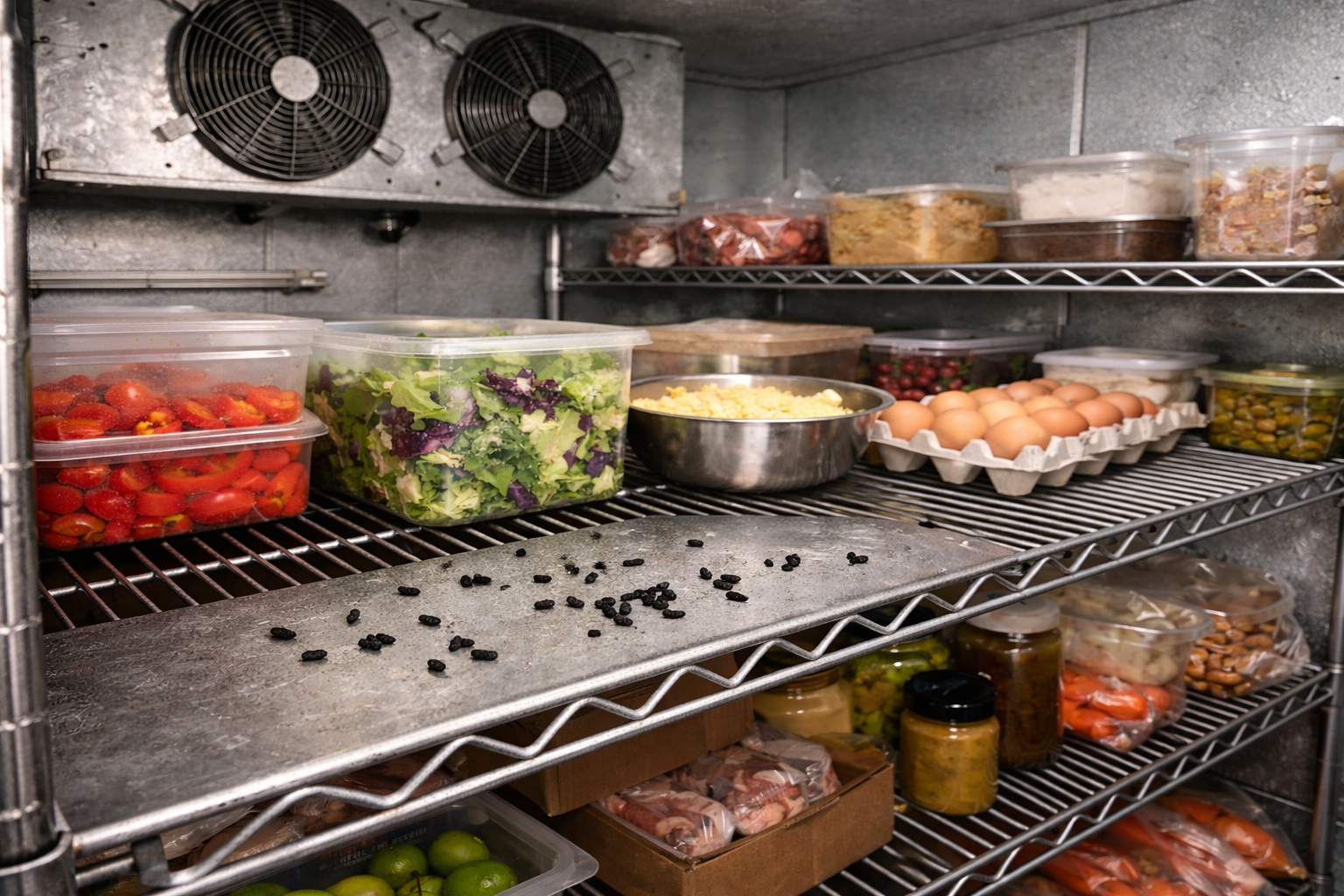
- Health code violations: A single rodent dropping in a walk-in cooler or evidence of cockroach activity behind equipment triggers inspection failures.
- Reputation damage: Health inspection results are public record. Failed inspections appear on review sites, local news, and customer complaints. Recovery takes years.
- Operational disruptions: Shutdowns for remediation cost thousands per day in lost revenue, plus the cost of emergency pest control and re-inspection fees.
The cost of prevention is negligible compared to the cost of failure. Monthly commercial pest control for an average restaurant runs $150 to $300. A single failed inspection can cost $5,000 to $15,000 in fines, remediation, lost revenue, and reputational damage.
What Commercial Pest Control Services Include
Professional commercial pest control is usually not a one-time treatment. It is an ongoing integrated pest management program tailored to your industry, property conditions, and regulatory requirements.
Initial Inspection and Risk Assessment
The first service visit identifies active pest issues, conducive conditions, and vulnerabilities.
Technicians inspect kitchens, storage areas, loading docks, utility rooms, waste disposal areas, and exterior perimeters.
This assessment documents findings, photographs evidence, and prioritizes corrective actions based on risk level and regulatory impact.
Ongoing Monitoring and Treatment
Monthly or bi-weekly visits maintain protection year-round.
Technicians place monitoring stations, inspect for signs of activity, treat active infestations, and update service logs. Monitoring devices track pest pressure trends and identify issues before they escalate.
Treatment methods include baiting, exclusion, sanitation recommendations, and targeted applications where needed.
Documentation and Compliance Support
Every service visit generates documentation: inspection reports, treatment logs, material safety data sheets, and corrective action recommendations.
These records demonstrate compliance during health inspections and provide evidence of due diligence in the event of pest-related incidents. Proper documentation protects businesses legally and demonstrates a commitment to sanitation standards.
Emergency Response
Commercial pest control plans include emergency callback service. If pests appear between scheduled visits or an inspection reveals urgent issues, technicians respond immediately to address the problem before it affects operations or results in violations.
Industries With Strict Pest Control Requirements
Regulatory scrutiny varies by industry, but food service, hospitality, healthcare, and food manufacturing face the strictest standards and most frequent inspections.
Food Service and Restaurants
Restaurants, cafeterias, catering operations, and food trucks must comply with the FDA Food Code and local health department regulations.
Inspections often occur unannounced, and repeat violations can trigger closure orders. Evidence of rodents, cockroaches, or flies results in immediate critical violations.
Pest control is an important condition of maintaining your license to operate.
Hospitality and Hotels
Hotels, motels, and short-term rentals face bed bug liability.
A single bed bug infestation in one room can spread throughout the property and generate lawsuits from affected guests.
Bed bug inspections and remediation cost a minimum of $650 per room, and legal settlements can reach tens of thousands of dollars. Proactive monitoring and rapid response prevent infestations from spreading and limit liability exposure.
Healthcare Facilities
Hospitals, nursing homes, assisted living facilities, and medical offices must maintain infection control standards that leave no room for pest activity.
Pests compromise sterile environments, spread infections, and violate accreditation standards.
Healthcare pest control programs prioritize non-toxic methods in patient care areas and focus heavily on sanitation and exclusion.
Warehouses and Distribution Centers
Stored product pests, such as beetles, gypsy moths, and rodents, damage inventory, contaminate goods, and disrupt supply chains.
Large facilities require extensive monitoring, perimeter protection, and coordination with loading dock operations to prevent pest entry.
Infestations spread quickly in warehouses because of the volume of stored materials and the difficulty of inspecting every pallet and container.
Food Manufacturing and Processing
Food processing plants face strict federal and state inspections under FDA or USDA authority, depending on what they produce.
Any evidence of pests in production areas results in product holds, recalls, and enforcement actions. In Minneapolis, Gold Star Inc. was forced to recall food products from three states after rodent and bird droppings were found in its facility.
Third-party audits required by major retailers demand zero tolerance for pest activity.
Pest control programs in food manufacturing often include air curtains, exclusion barriers, and rigorous sanitation protocols.
How Often Do Commercial Properties Require Pest Control?
Service frequency depends on industry, property size, and regulatory requirements. Most businesses require monthly service, while high-risk operations need bi-weekly or weekly visits.
Commercial Pest Control Frequency Schedule
- Monthly service: Offices, retail stores, warehouses, schools, light manufacturing
- Bi-weekly service: Restaurants, food retailers, hotels, healthcare facilities
- Weekly service: Food processing plants, high-volume kitchens, facilities with recurring pest pressure
Frequency may increase during high-risk seasons. Rodent activity peaks in fall and winter as they seek indoor shelter, while fly activity increases in summer.
Ongoing monitoring allows technicians to adjust service intensity based on current pest pressure rather than operating on a fixed schedule regardless of conditions.
Are Commercial Pest Control Treatments Safe During Business Hours?
Most commercial pest control can be performed during business hours without disrupting operations. Service visits are scheduled during low-traffic periods–early morning for restaurants, after-hours for offices, or during off-peak times for retail.
Modern commercial pest control emphasizes integrated pest management, which relies on monitoring, exclusion, sanitation, and targeted treatments rather than broad chemical applications.
Treatments use EPA-registered products applied by licensed professionals following label instructions. Products used in food service and healthcare settings meet strict safety standards for use in occupied spaces.
The cost of prevention is negligible compared to the cost of failure. The Pest Rangers provides commercial pest control services in Pennsylvania and New Jersey tailored to your industry, property conditions, and regulatory requirements.
Monthly and bi-weekly programs include inspection, treatment, monitoring, documentation, and emergency callback service.
If your business has not had a pest inspection in the past 30 days, you are overdue.
FAQs
How often should a business schedule pest control?
Most businesses require monthly service. Restaurants, food retailers, hotels, and healthcare facilities often need bi-weekly service due to higher pest risk and stricter regulations. Food processing plants may require weekly service. Service frequency should be based on industry standards, facility size, and pest pressure.
Are treatments safe for customers and employees?
Yes, when performed by licensed professionals. Commercial pest control uses EPA-registered products approved for food service, healthcare, and occupied buildings. Modern programs prioritize monitoring, exclusion, and sanitation before applying targeted treatments.
What industries have the strictest pest control requirements?
Food service, food manufacturing, hospitality, and healthcare face the strictest standards. Restaurants must comply with health department codes. Hotels must manage bed bug risks. Healthcare facilities follow infection control protocols. Food plants face federal inspections and zero-tolerance policies.
What happens during a commercial pest inspection?
Technicians inspect kitchens, storage areas, loading docks, waste areas, utility rooms, and building exteriors. They look for droppings, damage, entry points, and sanitation issues. The inspection includes written documentation and recommended corrective actions.
Can pests shut down a business?
Yes. Health departments can issue immediate closure orders if pests create a health risk. Rodent activity, cockroach infestations, or fly breeding near food areas can trigger shutdowns. Businesses must eliminate the issue and pass reinspection before reopening.
How does commercial pest control differ from residential?
Commercial pest control is proactive and compliance-driven. It includes scheduled inspections, monitoring systems, detailed documentation, and industry-specific protocols. Residential service is typically reactive and focused on eliminating current infestations.